Italy’s ‘Expensive’ Reputation Is Misleading
Italy’s ‘expensive’ label conceals regional value. Pair seasonal living tests with ISTAT and Agenzia delle Entrate data to buy neighbourhood life, not just square metres.
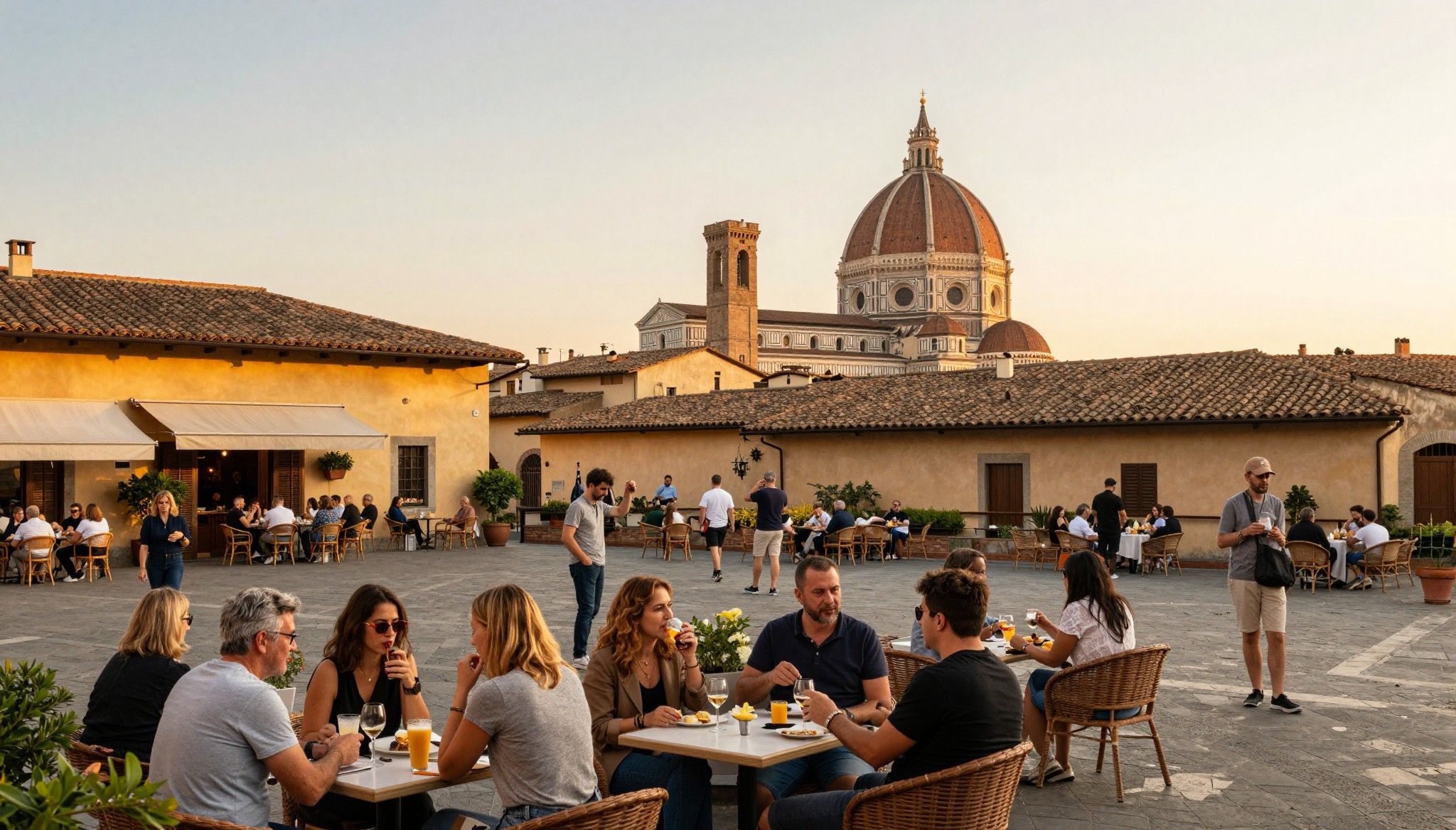
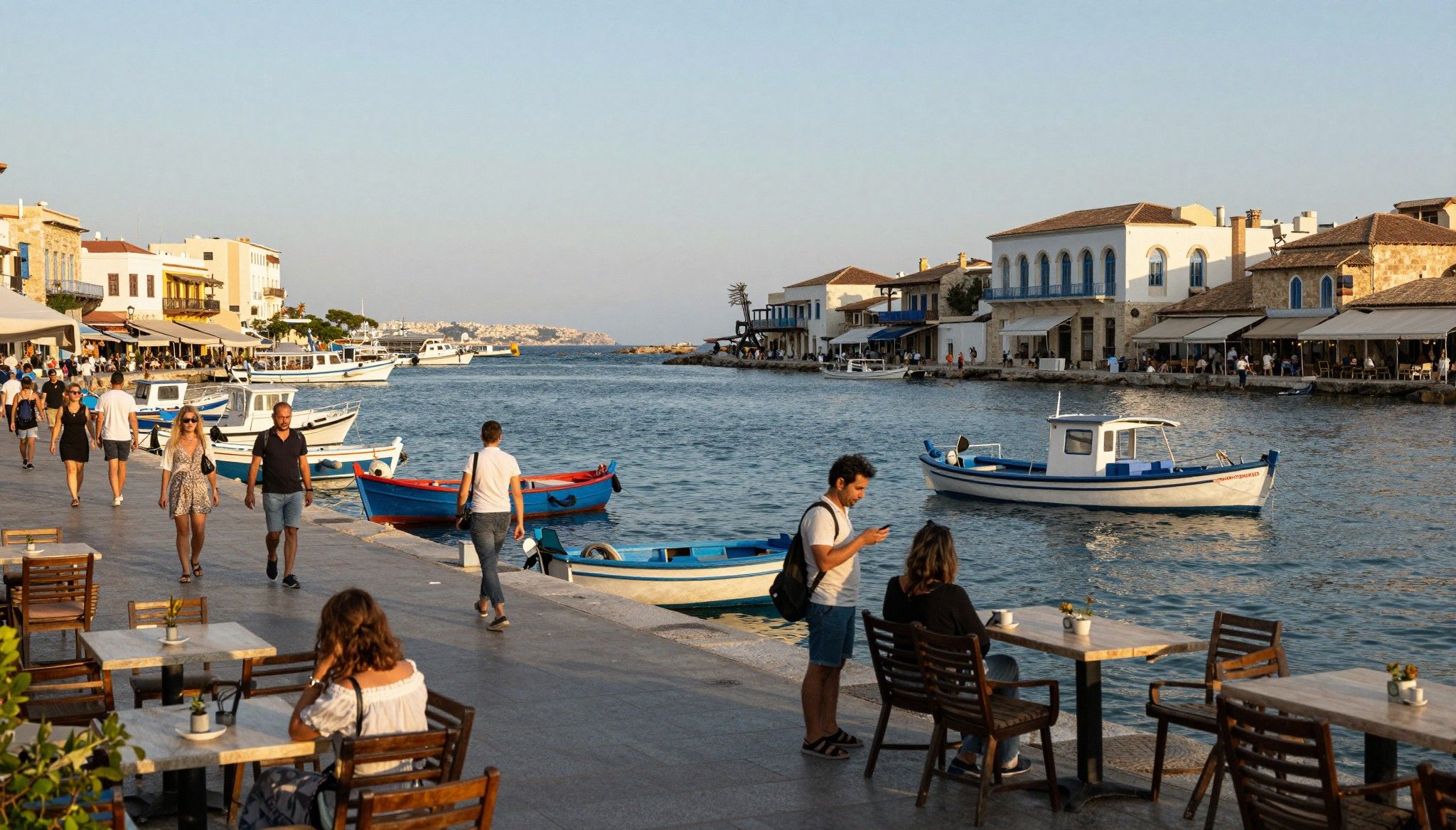
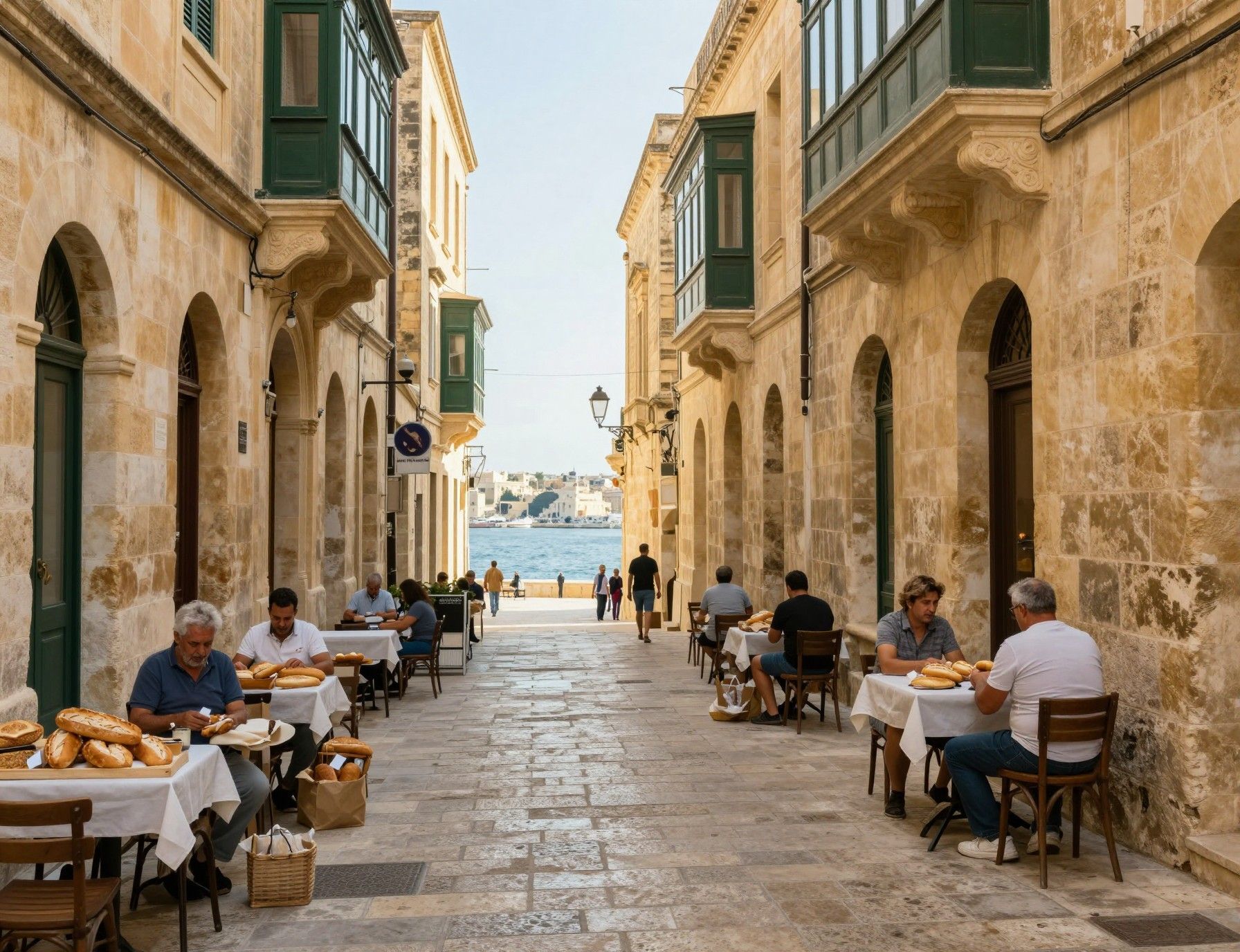
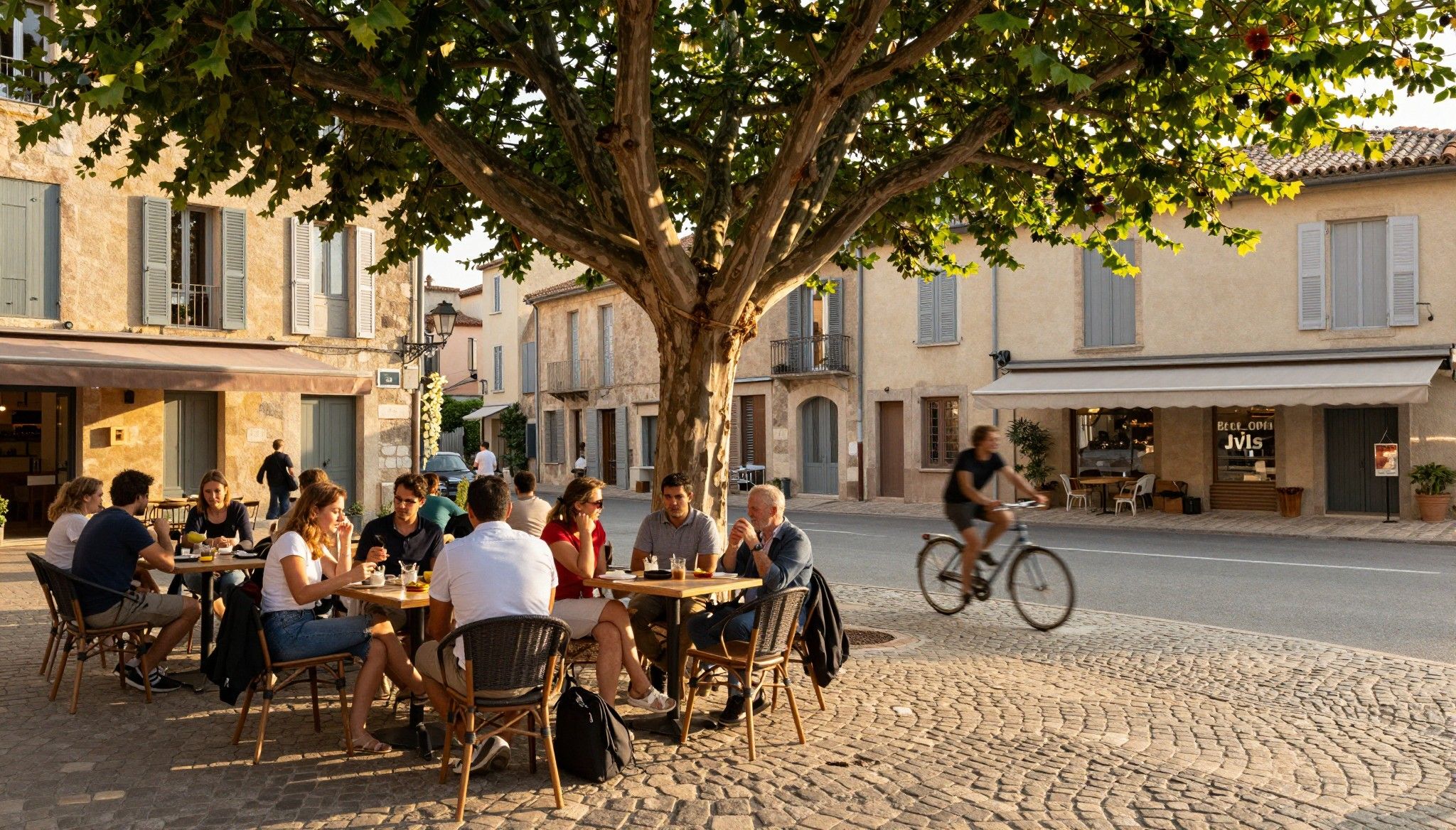
Imagine a slow morning in an Italian piazza: a barista pulling a long espresso, an elderly man feeding pigeons, and a narrow street where a scaffolded palazzo catches the orange light. That everyday choreography is the real purchase many international buyers seek here — provenance, neighbourhood ritual and a sense of continuity that a price tag alone cannot capture. Recent official data show modest, steady price growth rather than runaway inflation, suggesting pockets of value still exist for buyers ready to look beyond headlines. Villa Curated’s view is simple: in Italy the lifestyle comes first and the market — nuanced and regional — rewards the patient, informed buyer.
Living the Italian Life
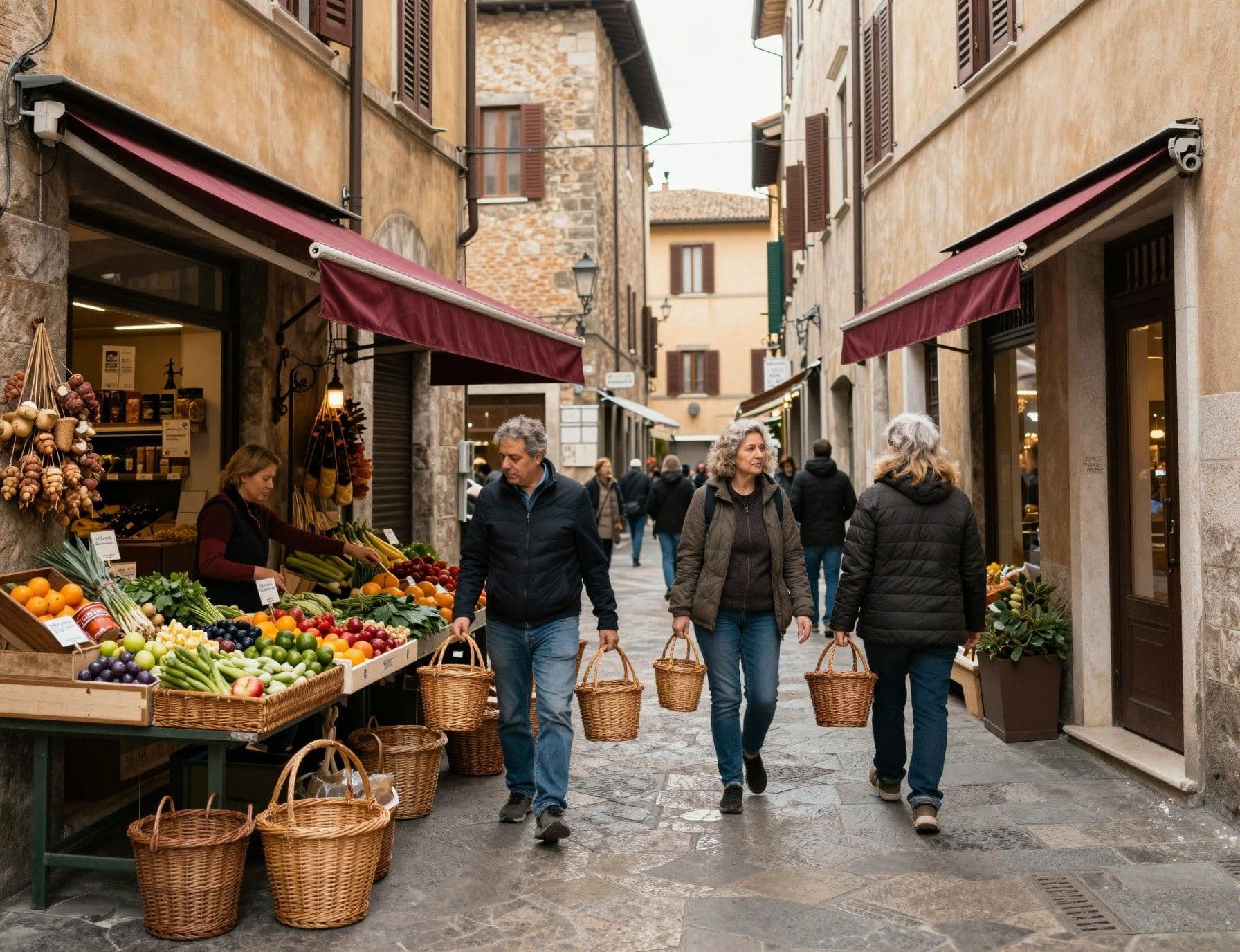
To live in Italy is to live at the scale of neighbourhoods. In Milan the rhythm is cortili and espresso bars tucked between nineteenth‑century facades; in Florence afternoons are measured by the arc of light on pietra serena; on the Amalfi Coast the day begins and ends around the sea and small family trattorie. These textures shape where you buy: a compact historic flat for cultural immersion, a farmhouse in Toscana for slow seasons of harvest and restoration, or a modernised palazzo for year‑round city life. When we talk about market opportunities, we measure them against these lived rhythms — not abstract averages.
Neighbourhoods that define a life
In Rome, Trastevere still feels like an ongoing conversation between neighbours, while Prati has a quieter, archival elegance with wide boulevards and restrained apartment blocks. In Milan the Navigli’s evenings hum with aperitivo culture, but Brera preserves a gallery‑scale intimacy for collectors. On the island of Sicily, Ortigia in Siracusa offers a pared‑back baroque life where you can buy a townhouse with a view of the harbour and walk to the market for fish at dawn. These micro‑identities determine the day‑to‑day quality of life more than headline price indices ever will.
Food, markets and seasonal rituals
Every weekend market reads like a local curriculum: cheeses, seasonal fruit, neighbours debating which olive oil to buy. In Bologna the morning market under the porticoes leads to an afternoon at a library or a small enoteca; in Liguria meals are governed by immediate proximity to the sea and a reliance on hyper‑local vegetables and fish. Seasonal festivals — truffle fairs in Piemonte, grape harvests in Chianti, the medieval palio in Siena — turn property searches into cultural reconnaissance trips, revealing where a neighbourhood truly lives through its calendar.
- Lifestyle highlights to look for when visiting: morning market on a weekday; a local bar where people keep the same table; proximity to a small alimentari; a neighbourhood church or theatre that programmes events; access to a regional train line for weekend escapes.
Making the Move: Practical Considerations
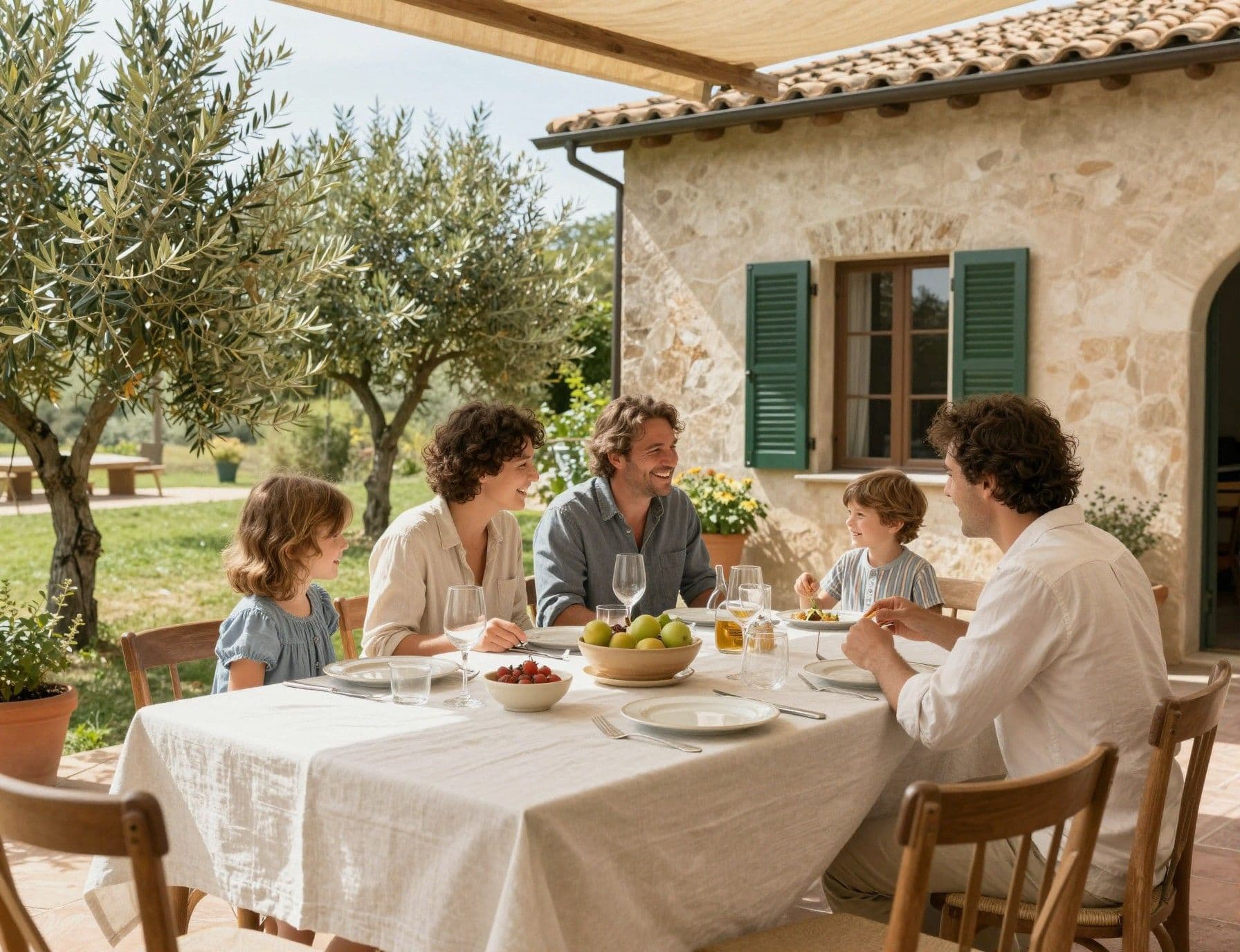
The practical reality of buying in Italy balances emotion with regional data. Official sources report steady transaction volumes and modest price rises in recent years, with notable city‑by‑city variation: Lombardy and key urban centres show stronger activity while many rural provinces remain quieter. For buyers, that means opportunity: a well‑informed search can pick up a restored farmhouse in Umbria at a fraction of coastal premiums, or a city apartment in an emerging Milanese neighbourhood before demand crystallises. Work with local data — OMI maps and ISTAT indices — to map lifestyle priorities onto market movements.
Which property types suit which life
A compact centro storico apartment places you at the cultural centre but often limits private outdoor space; a restored farmhouse delivers land, privacy and a slower calendar but requires stewardship and renovation budgets; a contemporary pied‑à‑terre in a business district suits the seasonal resident who values connection and services. Consider maintenance rhythms: older masonry requires different interventions than new construction, and energy efficiency (now a market differentiator) can materially affect utility costs and resale path. Choose the property that answers the daily questions of how you like to live — where you buy should simplify, not complicate, your life.
How local experts translate lifestyle into listings
- 1. An agency that knows which streets host the best morning cafés will prioritise those blocks, not the broad postal code. 2. Local agents read municipal plans and heritage regulations that affect restoration scope and timelines. 3. Property lawyers familiar with regional quirks speed transactions by anticipating required permits for renovations. 4. Trusted surveyors assess fabric, energy class and hidden maintenance needs before you make an offer. 5. A curated agency will connect you with craftsmen and property managers to maintain the life you bought.
Insider Knowledge: What Expats Wish They’d Known
Expat experience often collapses into a few repeat lessons: the neighbourhood matters more than the square metres, seasonal life can be quieter than travel brochures suggest, and small bureaucratic details take time. Prime market reports note resilient demand from international buyers who prize lifestyle and tax incentives in certain regions, but they also caution about supply constraints in the best historic cores. The practical corollary is straightforward: spend time living in a place before buying, and use local proxies — a rental for a season, or regular visits timed to different months — to understand true year‑round life.
Cultural rhythms and integration
Language matters in small towns where services and social life happen in person; learning basic Italian opens doors and often speeds practical tasks like registering utilities or arranging local craftsmen. Neighbourhood rituals — aperitivo hours, patron saint festivals, market days — create the social scaffolding you will rely on. For families, identify schools and healthcare access first; for seasonal buyers, check local transport links and nearby regional airports. Integration is not optional in Italy; it is the medium through which lifestyle interest turns into daily belonging.
- Long‑term practical items to verify before buying: energy class (classe energetica), local heritage restrictions, municipal waste and service costs, reliable local property management, and documentary provenance for older homes.
If Italy’s reputation feels expensive, that is true in a handful of concentrated places — central Milan, prime Rome, parts of the Amalfi and Capri — but it obscures a broader truth: Italy is a patchwork market with accessible, high‑value opportunities in lesser‑known towns and interior regions. The market data from ISTAT and the Agenzia delle Entrate show steady, manageable growth rather than speculative spikes, supporting a strategy that privileges neighbourhood character and stewardship over headline yields. If you arrive wanting a life and not merely a capital allocation, Italy meets you: choose carefully, enlist local expertise, and buy the rhythms you want to live.
- 1. Spend at least one season living where you intend to buy. 2. Commission an energy and structural survey before making an offer. 3. Ask agents for comparable sales on the same street, not just the postcode. 4. Budget for immediate restoration and ongoing stewardship — older properties reward care. 5. Retain a local notary and lawyer early in the process to pre‑empt document delays.
Italy is best experienced, then procured. Begin with curiosity — walk, listen, taste — then anchor choices in local evidence and expert support. When you pair a clear lifestyle brief with high‑quality local advisors and conservative technical checks, Italy’s varied regions offer both an enriching life and a considered investment. Reach out to a curator‑level agency that understands streets as well as statistics and will help you steward a home with provenance and purpose.
Conclusion: Picture yourself in an Italian morning ritual, then work backward to what makes that scene possible: a particular street, a market, a well‑maintained home. The best purchases here are those that preserve ritual and offer manageable, predictable stewardship. Begin with visits that test seasonality, consult ISTAT and OMI data for regional context, and select local experts who can translate lifestyle into sound acquisition. The result is not only a property but a lived continuation of place.
Former Copenhagen architect who relocated to Provence, offering relocation services, market analysis, and a curator’s eye for authentic regional design.