When Italy’s ‘Overtouristed’ Fringes Hold the Value
Contrarian neighbourhood advice for Italy: the ‘overtouristed’ fringes often offer superior lifestyle value, renovation potential and steady demand—backed by ISTAT and market reports.
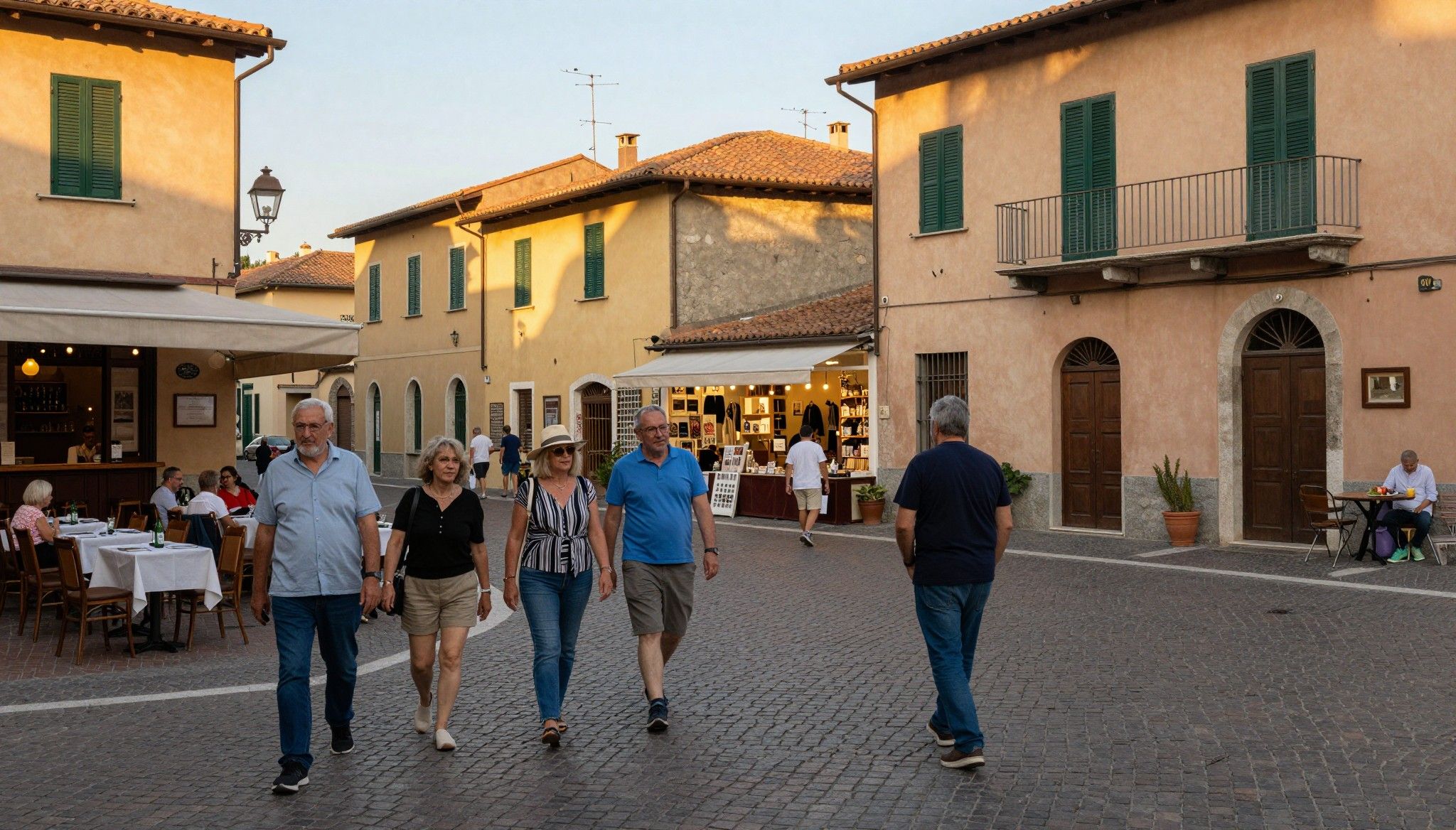
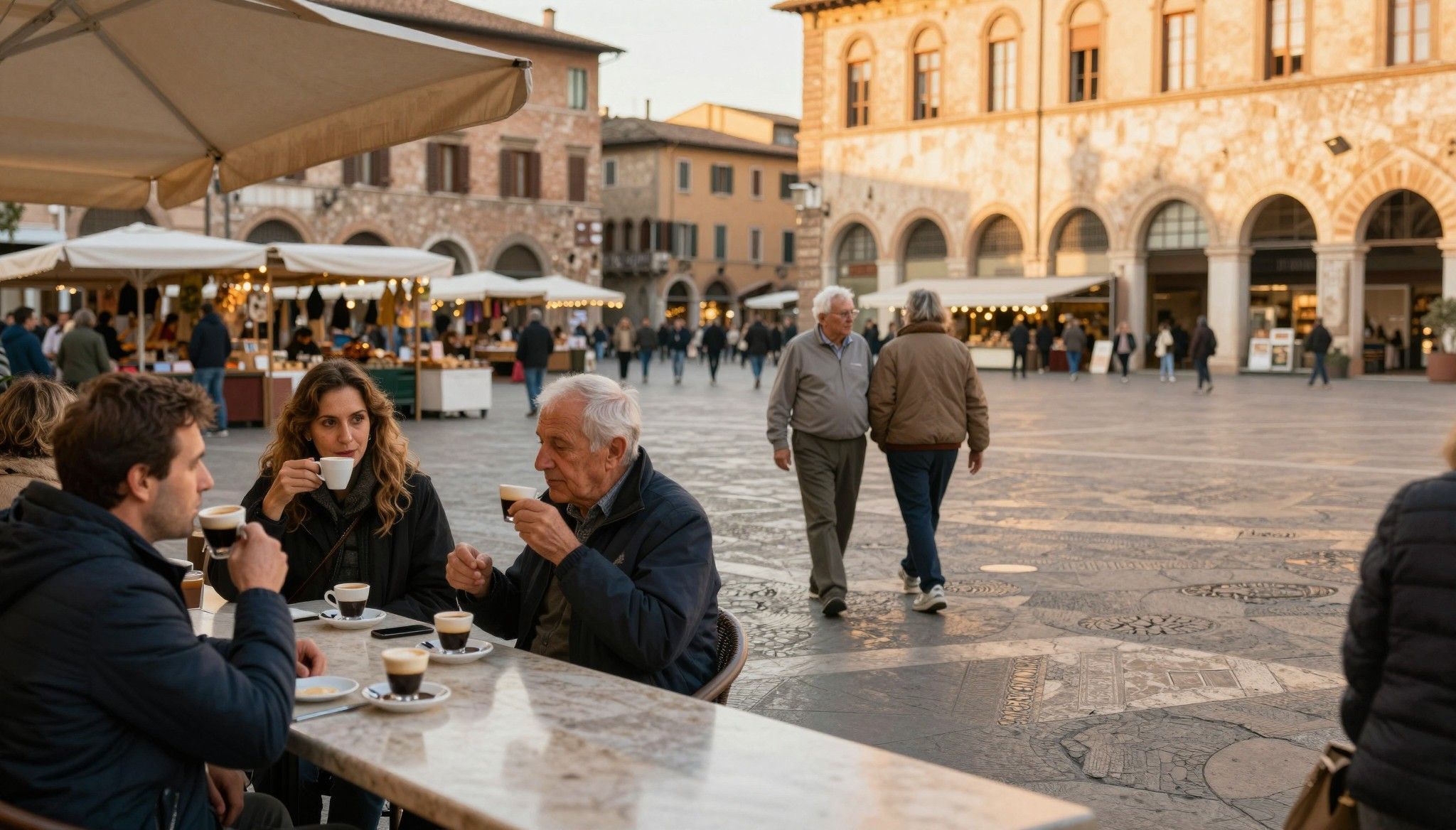
Imagine standing in a narrow piazza at dawn, steam rising from the espresso cups at Bar Pasticceria De’ Rossi on Via Garibaldi, while a carpenter across the lane restores a 19th‑century balcony. Italy’s neighborhoods are lived places—layered with craft, ritual and an everyday beauty that foreign buyers often buy first and economists notice later. Yet many buyers dismiss parts of Italy as "overtouristed" or "past their prime" and bypass them. That instinct is often a mistake: these very districts can offer superior lifestyle, renovated stock at attractive prices and strong long‑term demand.
Living the Italy lifestyle
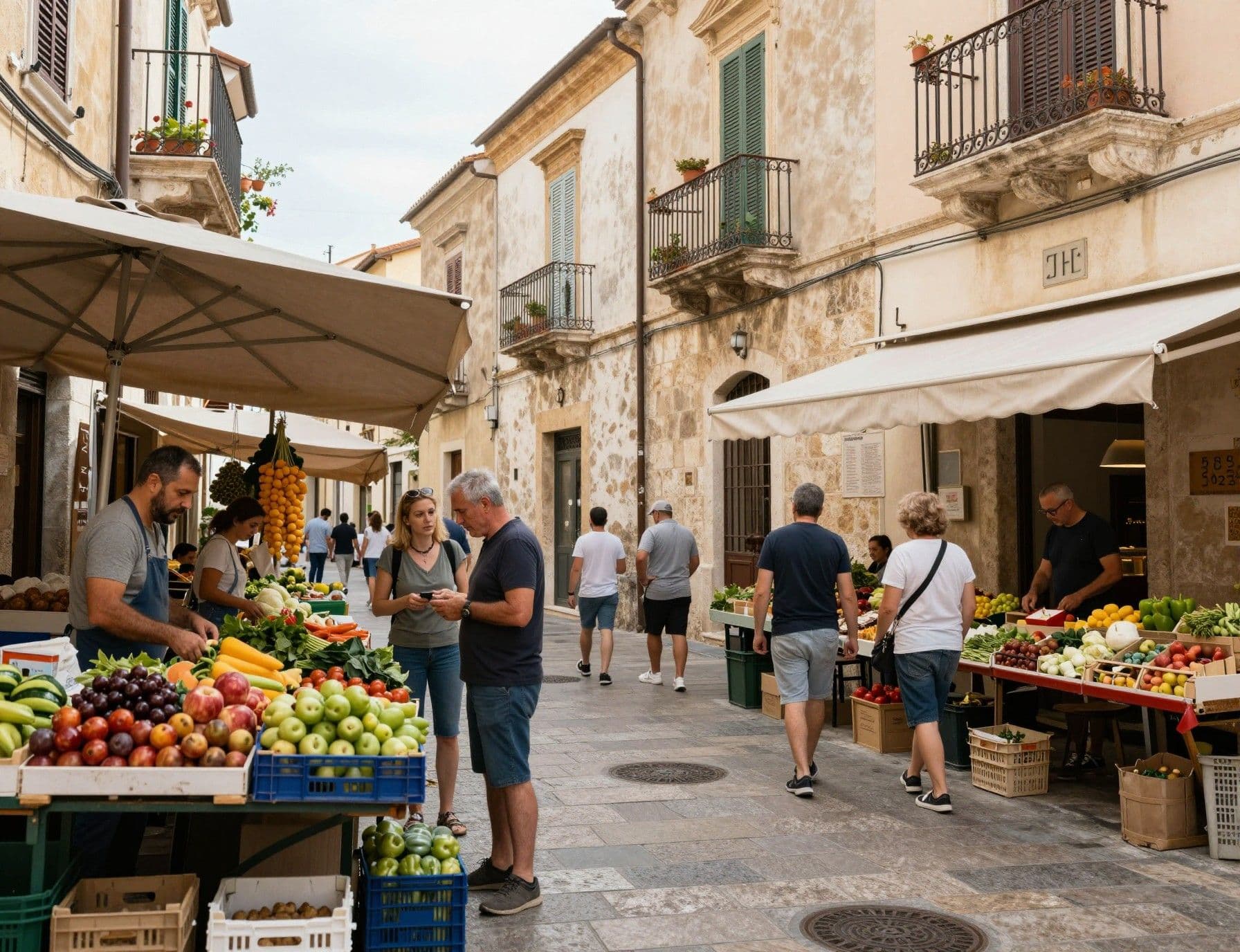
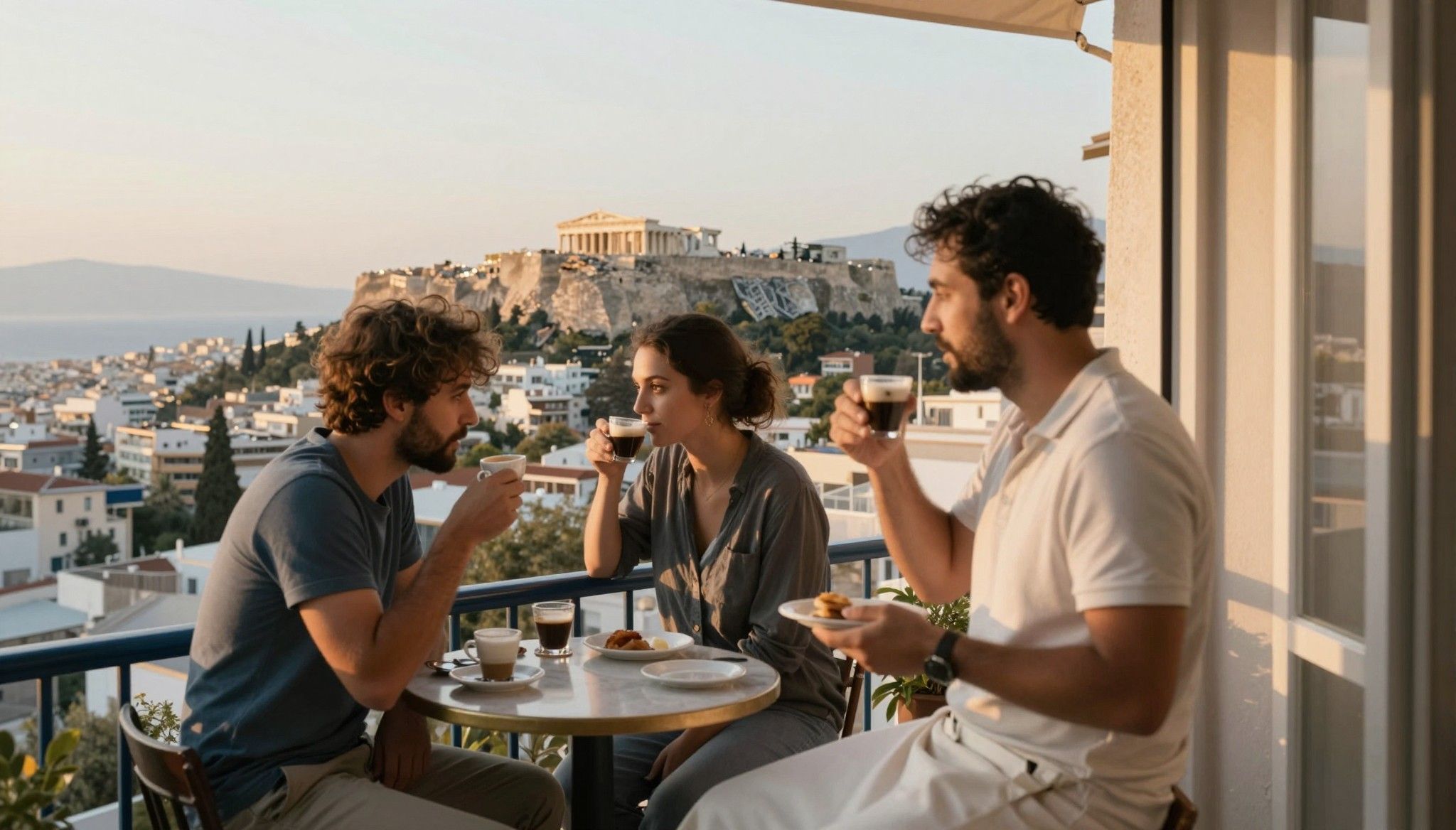
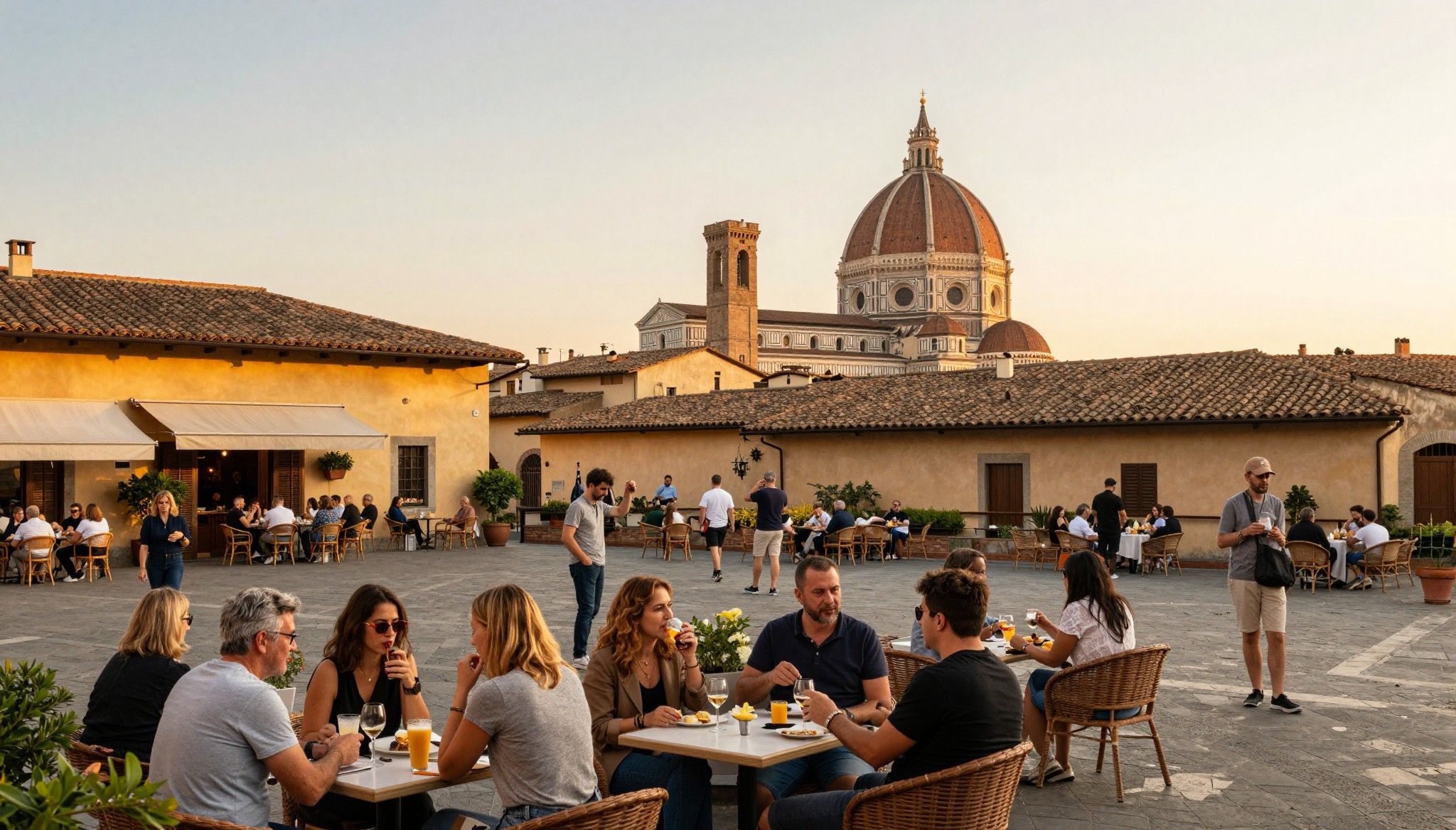
Italy’s daily rhythm is neighborhood‑shaped: morning markets, a long lunch in summer, and passeggiata at dusk. From bakeries that open before sunrise in Parma to late‑night osterie in Trastevere, life is social and place‑bound. Recent reports show foreign demand clustering around cities of art, coastal enclaves and well‑restored historic centres—locations that offer immediate cultural life as well as rental appeal. These are not anonymous investments; they are ways of life you buy into, and the best outcomes come from matching property typology to lived pattern.
Spotlight: The fringe of the famous centre
Walk three streets from the Uffizi and you enter San Lorenzo‑style streets that locals use daily. These fringe blocks—where shopkeepers still know your name—combine the conveniences of the centre with lower asking prices and better renovation potential. Look for streets with functioning food markets, a municipal library or a restored palazzo façade: they indicate a neighbourhood that will hold cultural capital and practical liveability.
Food, markets and micro‑rituals
A day in these neighbourhoods begins with a visit to a vendor: Caponata at the fishmonger’s in Palermo, a crusty pane from a Florentine forno or locally pressed olive oil from the mercado in Liguria. Evenings gather on small piazzas for aperitivo; weekends belong to the mercato and the family trattoria. When you evaluate a street for purchase, ask where the nearest market stall gathers on Saturday—this detail predicts the social health of a micro‑district.
- Market, ritual and micro‑amenities that define desirable neighbourhoods:
- A weekly market square (fresh produce, fish, artisan foods)
- A reliable morning café with regulars (evidence of social fabric)
- An active craftsman or restoration workshop nearby (signals ongoing stewardship)
Making the move: practical considerations
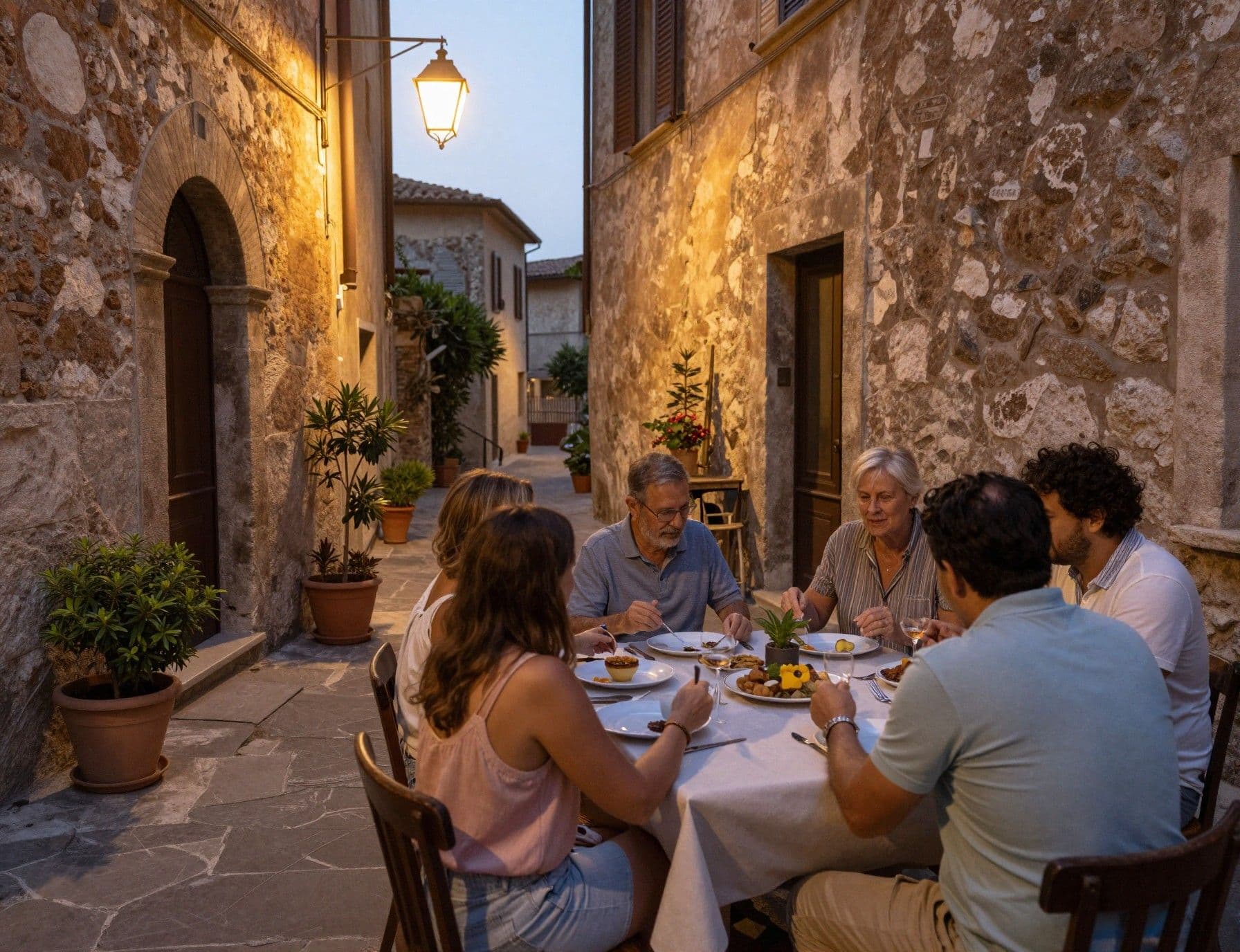
A lifestyle choice should be grounded in market sense. Italy’s official House Price Index recorded resilient growth into 2024–2025, with regional variation between cities and countryside. Quality historic units in central neighbourhoods remain sought after by international buyers, while peripheral and coastal fringe areas are benefiting from renewed interest and renovation projects. Use official indices to check macro trends and combine them with local transaction data from agents who work the street level.
Property styles and how they shape daily life
A compact centro storico apartment gives immediate access to cultural life but often requires imaginative storage, quieting solutions and well‑executed mechanical upgrades. A renovated palazzo flat offers high ceilings and original detail; a restored country farmhouse adds land and privacy but demands ongoing maintenance. Decide first how you want to live: are evening passeggiate essential, or do you prize expansive light and gardens? That priority will determine which property type suits your daily life.
Working with local experts who know the rhythm
An agent who understands the difference between a tourist hotspot and a resilient neighbourhood is invaluable. Seek advisers who can point to recent restorations they brokered, explain typical utility and condominium idiosyncrasies in that comune, and introduce you to local artisans. These relationships save time in due diligence and help you secure off‑market opportunities that match how you wish to live, not merely where the guidebooks point.
- Steps that blend lifestyle and practical action:
- Visit midweek and weekend to judge daily life and tourist rhythm
- Ask for recent utility and condominium expense records before formal offer
- Request a list of recent local restorations and their contractors
- Negotiate on renovation timelines and include a professional snagging report
Insider knowledge: what expats wish they’d known
Experienced buyers speak of three repeated lessons: choose neighbourhood rhythm over headline prestige; budget for craftsmanship rather than cosmetics; and cultivate local social ties as part of due diligence. Seasonal flux—late July silence in many hill towns, summer fullness on coastal promenades—affects rental calendars and daily life. Use market reports to set expectations for price movement, but let neighbourhood rituals determine where you can be truly at home.
Language, community and daily integration
You need not be fluent to live well in Italy, but learning key rhythms—market days, the way apartment block meetings run, and how to address your neighbours—changes outcomes. Join local associations, enroll in a cooking class at the mercato and patronise the same cafés. These quotidian gestures turn an address into a community and often reveal renovation teams, rental guests and discreet listings before they appear publicly.
Long‑term lifestyle and stewardship
Buying in Italy is a commitment to stewardship. Properties with authentic detail—stone thresholds, timber beams, artisan tile—ask for maintenance and discerning restoration. Those who invest in quality conservation find their homes age gracefully and retain both lifestyle value and market premium. Consider long‑term costs as part of designing the life you want to lead here: a restored attic with skylights may cost more now but rewards with year‑round light and lower future retrofits.
- Red flags to watch for on favoured streets:
- Closed shopfronts on a formerly active commercial street (declining footfall)
- A single, large short‑term rental dominating a building (community disruption risk)
- Unresolved condominium works or unclear façade maintenance liability
Conclusion: If the dream is to live the life, buy the rhythm. Italy rewards buyers who privilege the texture of neighbourhood life—markets, cafés, craftsmen and intergenerational presence—over the headline of a famous square. Combine that sensibility with robust local data (ISTAT indices and specialist market reports) and an adviser who knows the street rather than the brochure. Begin with a short residency visit, map three candidate streets, and ask your agent for recent sale deeds and condominium accounts. The right house here is less a trophy and more a place that accumulates meaning.
Dutch former researcher who moved to Lisbon, specialising in investment strategy, heritage preservation, and cross-border portfolio stewardship.