Cyprus: Lifestyle, Law and the Streets That Matter
A refined, practical guide blending Cypriot lifestyle—neighbourhoods, markets and seasons—with legal realities for international buyers, backed by Land Registry and tax sources.
Imagine waking to the smell of cinnamon from a Lefkosia bakery, then choosing between a sunlit veranda in Limassol or a shaded courtyard in Paphos. Cyprus feels lived-in: markets bustle at dawn, tavernas salt conversations late into the evening and neighbourhoods retain distinct rhythms. For an international buyer the island’s charm is paired with legal particularities that shape what you can own and how you steward it. Knowing where lifestyle and law intersect turns a romantic impulse into a sustainable investment.
Living the Cyprus life
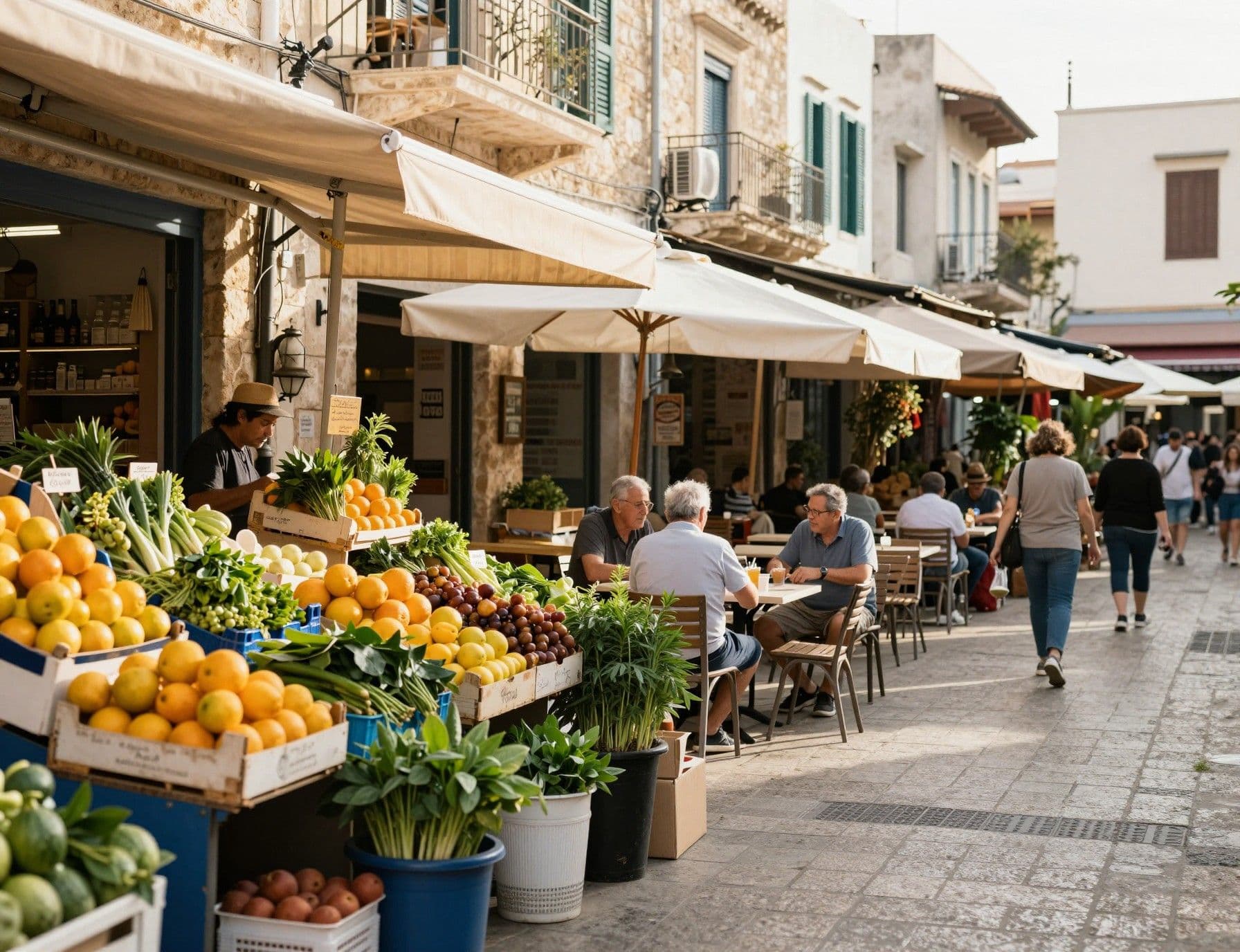
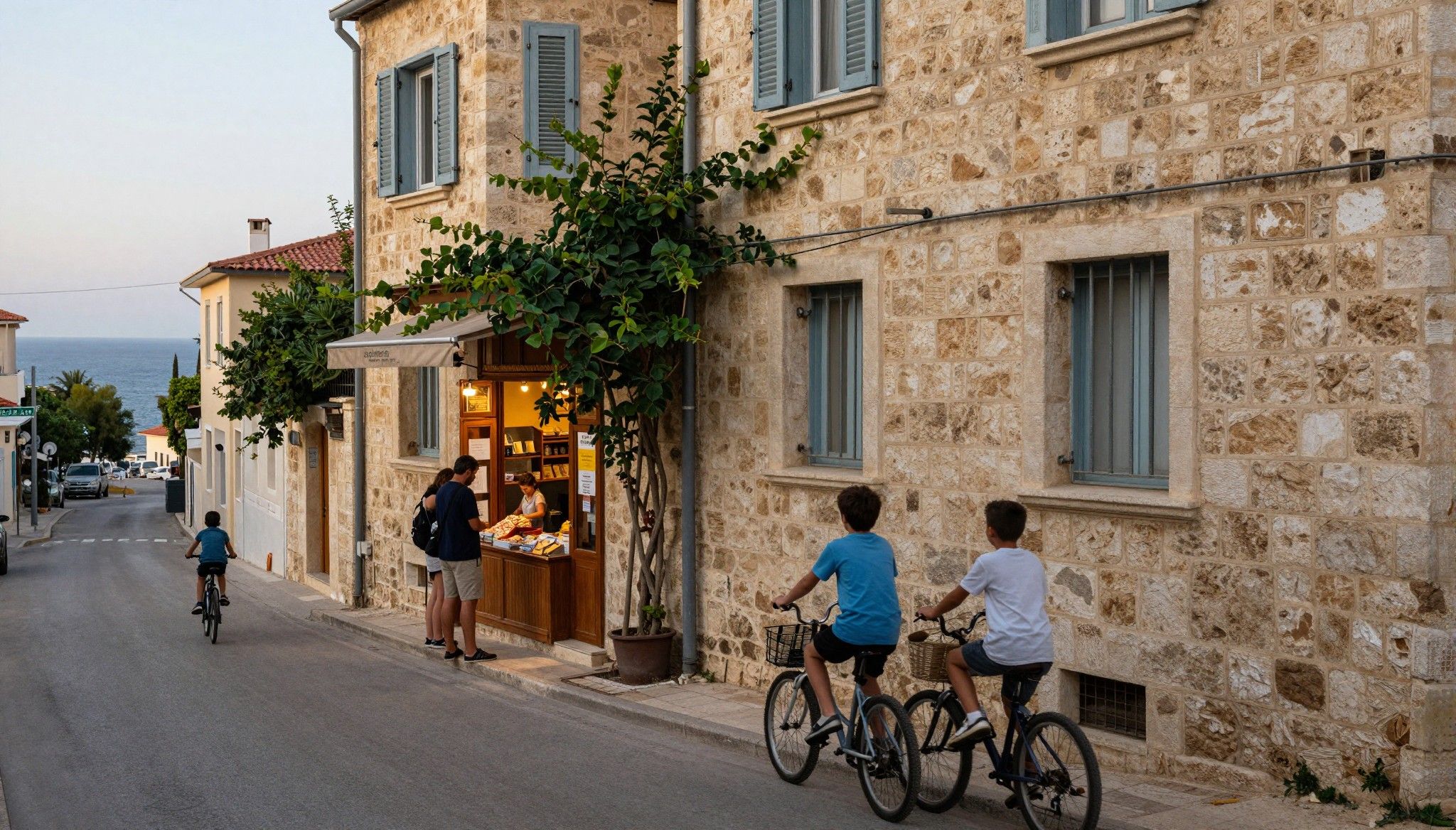
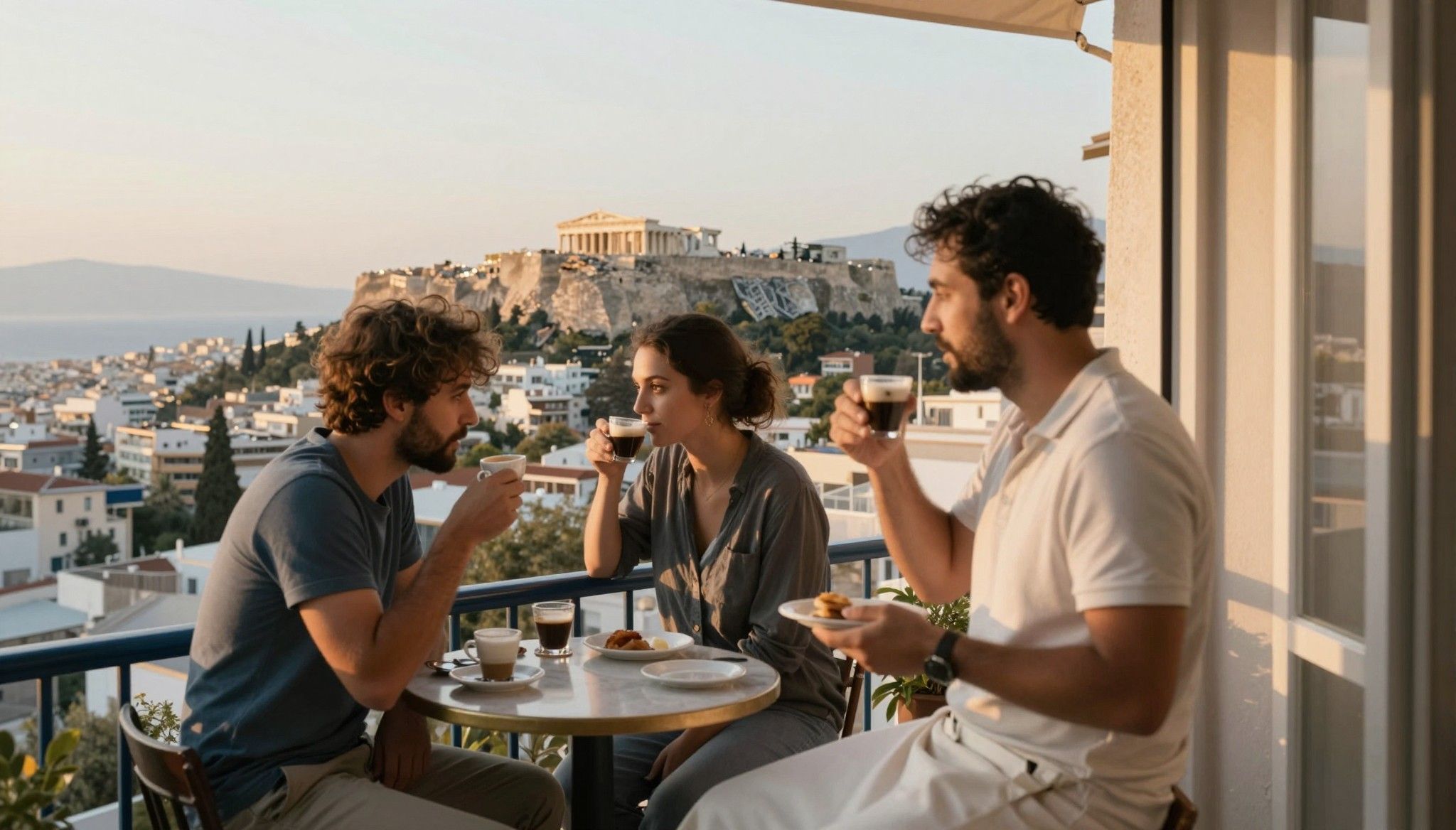
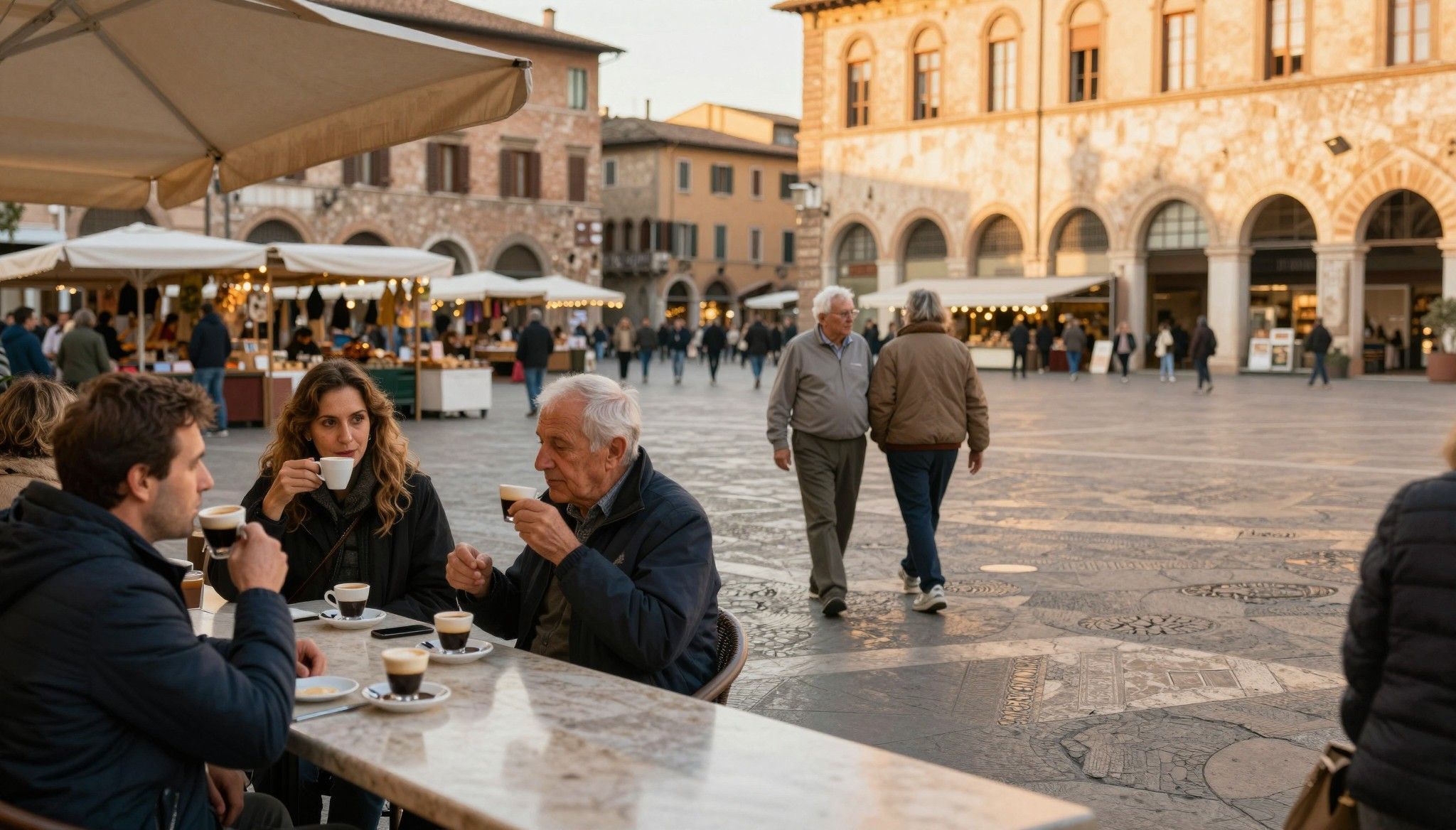
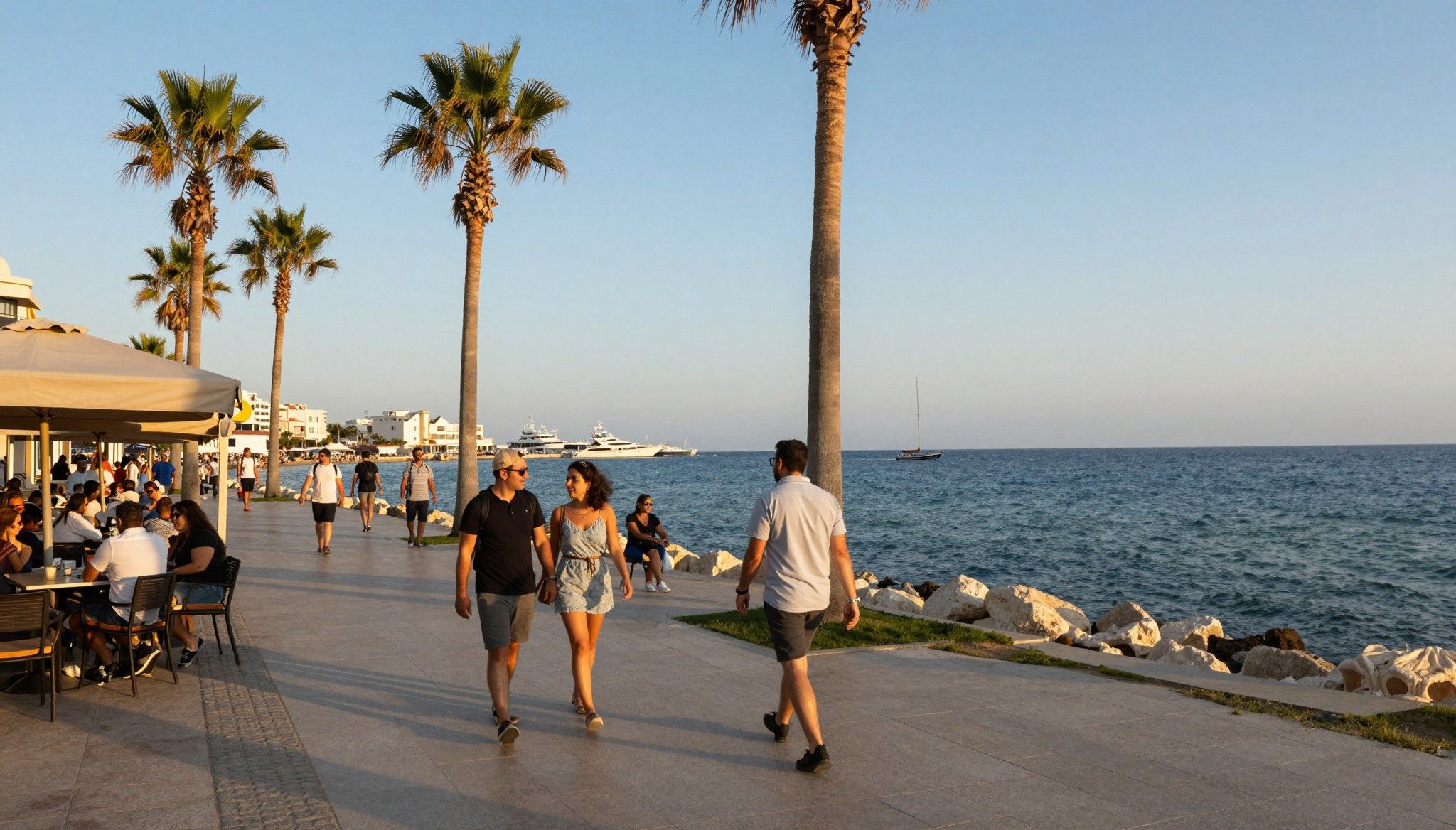
Cyprus is a study in contrasts: the baroque facades and coffee shops of Nicosia’s old quarter, the palm-lined promenade of Limassol, and the fishing boats at Latchi harbour. Daily life moves at an unhurried pace — mornings for errands and villages for sunday meze — but the island also supports discreet international enclaves where professionals and families mix. This quality of life shapes the properties people seek: a townhouse with a private courtyard in traditional villages, or a contemporary apartment with access to a yacht club in Limassol.
Neighbourhood portrait: Limassol’s Molos to Old Town
Walk from Molos — a seafront esplanade of sculptural benches and yachts — toward Old Town and you cross atmospheres: cosmopolitan waterfront living softens into narrow lanes lined with artisan bakeries and restored mansions. Buyers who prize convivial outdoor life choose apartment living near the promenade; those who want provenance look to restored townhouses on Agiou Andreou street, where shutters and stonework keep summer heat at bay. Each choice maps to distinct legal realities: strata titles and building permits differ between seaside developments and historic cores.
Food, markets and the rhythm of seasons
Saturdays mean farmers’ markets in villages such as Omodos; evenings belong to seafood plates at Latchi harbour. Seasonal life matters: many properties are built for Mediterranean living with shaded loggias, thick stone walls and terraces that become living rooms in late spring and autumn. For buyers, these architectural responses to climate reduce running costs and influence renovation priorities — insulation, cross‑ventilation and pergola design are practical decisions that preserve comfort and resale value.
Making the move: practical considerations
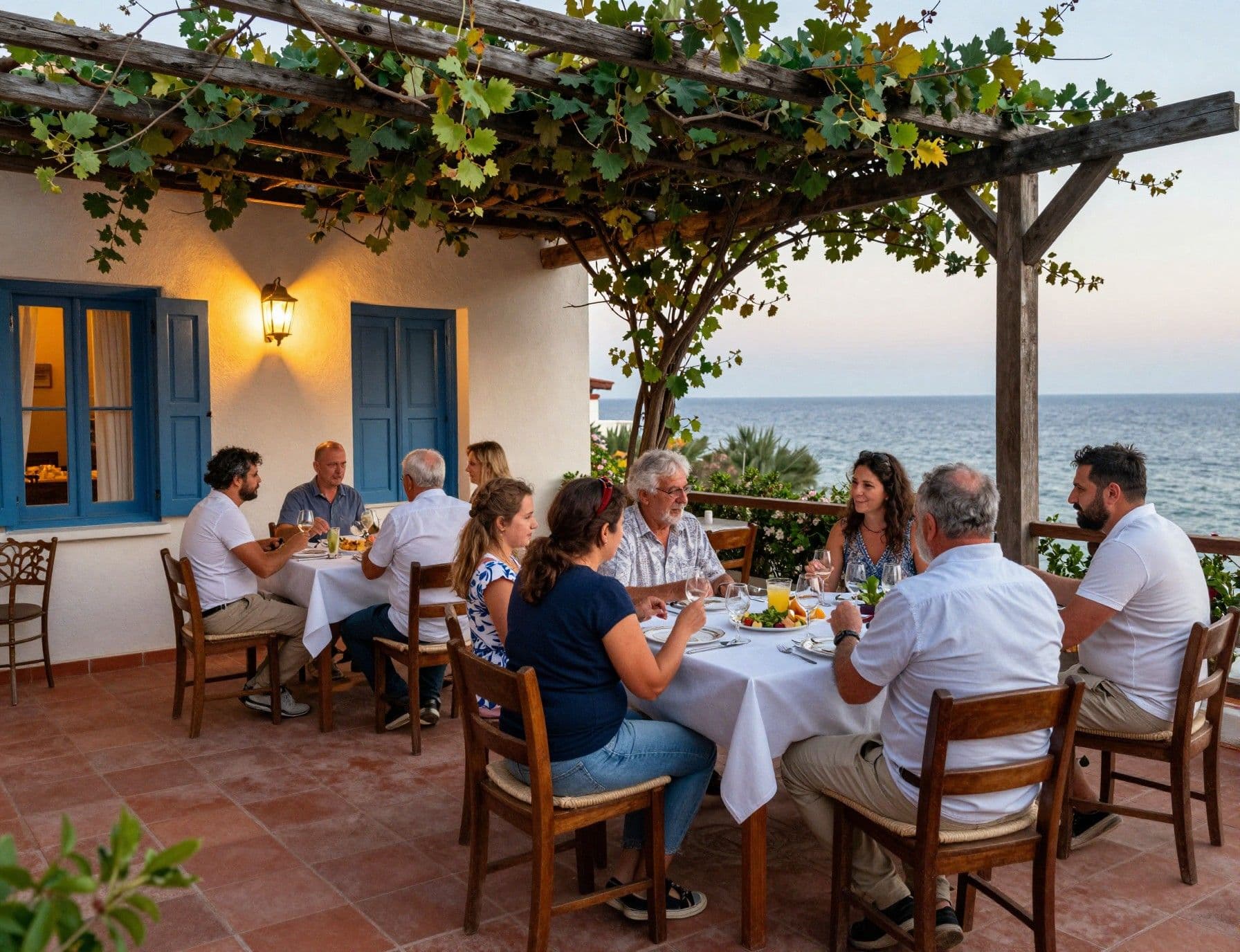
The romance of terraces and tavernas meets formal processes at the Land Registry and the Ministry of Interior. Most buyers begin with a local lawyer and an independent surveyor; EU citizens generally face fewer formal restrictions than third‑country nationals, who must obtain local permission for certain acquisitions. Practical planning — from securing a Tax Identification Number to understanding transfer fees and VAT applicability — shortens delays and preserves funds for the work that makes a house feel like home.
Property types and what they mean for living
Turnkey apartments, restored stone houses and new coastal developments each offer a different daily script. Traditional village houses reward patience — expect cellar storage, thick walls and a courtyard suited to late dinners. Modern developments in Limassol and Paphos provide amenities and easier letting, but often carry VAT or communal obligations. Align the property type with how you wish to live: a courtyard for slow summers, or a serviced apartment for seasonal rental income.
How local experts earn their keep
A well-chosen lawyer anticipates Council of Ministers permissions for non‑EU buyers, reviews title history at the Land Registry and drafts conditional sale contracts that protect deposits. An accountant clarifies VAT and transfer tax scenarios, while a local agent introduces neighbourhood nuance: which streets are quiet in July, where municipal plans propose new infrastructure, and which developers reliably deliver finished deeds. Together, they translate lifestyle wishes into secure ownership.
Insider knowledge: what expats wish they’d known
Expats often say that the legal steps were straightforward — until a missing title deed or an unrecorded covenant appears. Recent reporting and audits highlight gaps in oversight that can leave buyers exposed if they assume all transactions are identical. Due diligence is not bureaucratic prudery; it is the act of turning a picturesque street into an address with unquestionable provenance.
Cultural integration and daily practicalities
Learning a few phrases, joining a local church festival or a village association opens doors and clarifies informal norms that affect living — from parking habits to renovation expectations. For families, proximity to international schools in Nicosia or Limassol affects resale desirability. Plan seasons: winter brings quieter villages and lower service demands; summer requires shading and cooling investments that preserve materials and comfort.
Practical red flags and how to avoid them
• Title deeds not yet transferred — insist on Land Registry confirmation before final payment. • Planning permissions unclear — commission a searches report to confirm authorised uses. • Discrepancies between plotted boundaries and physical fences — engage a licensed surveyor. • Unresolved communal debts in co‑ops — ask for a recent condominium statement. • Assumptions about permissions for non‑EU nationals — secure written approval where required.
Conclusion: the life, and the ledger. Cyprus offers an architecture of days — courtyard breakfasts, market afternoons and sea-light evenings — that reward careful stewardship. Fall in love with a neighbourhood first, then assemble the legal team that will keep that affection secure across seasons and owners. When lifestyle and law are held together with equal care, a Cyprus property becomes not only a residence but the beginning of a sustained life.
Norwegian with years in Florence guiding clients across borders. I bridge Oslo and Tuscany, focusing on legal navigation, cultural context, and enduring craftsmanship.