Italy: Neighbourhood Rhythms That Shape Value
A lifestyle-first comparison of Italy’s neighbourhood rhythms and property types, paired with OMI and ISTAT data to align daily living with durable investment.
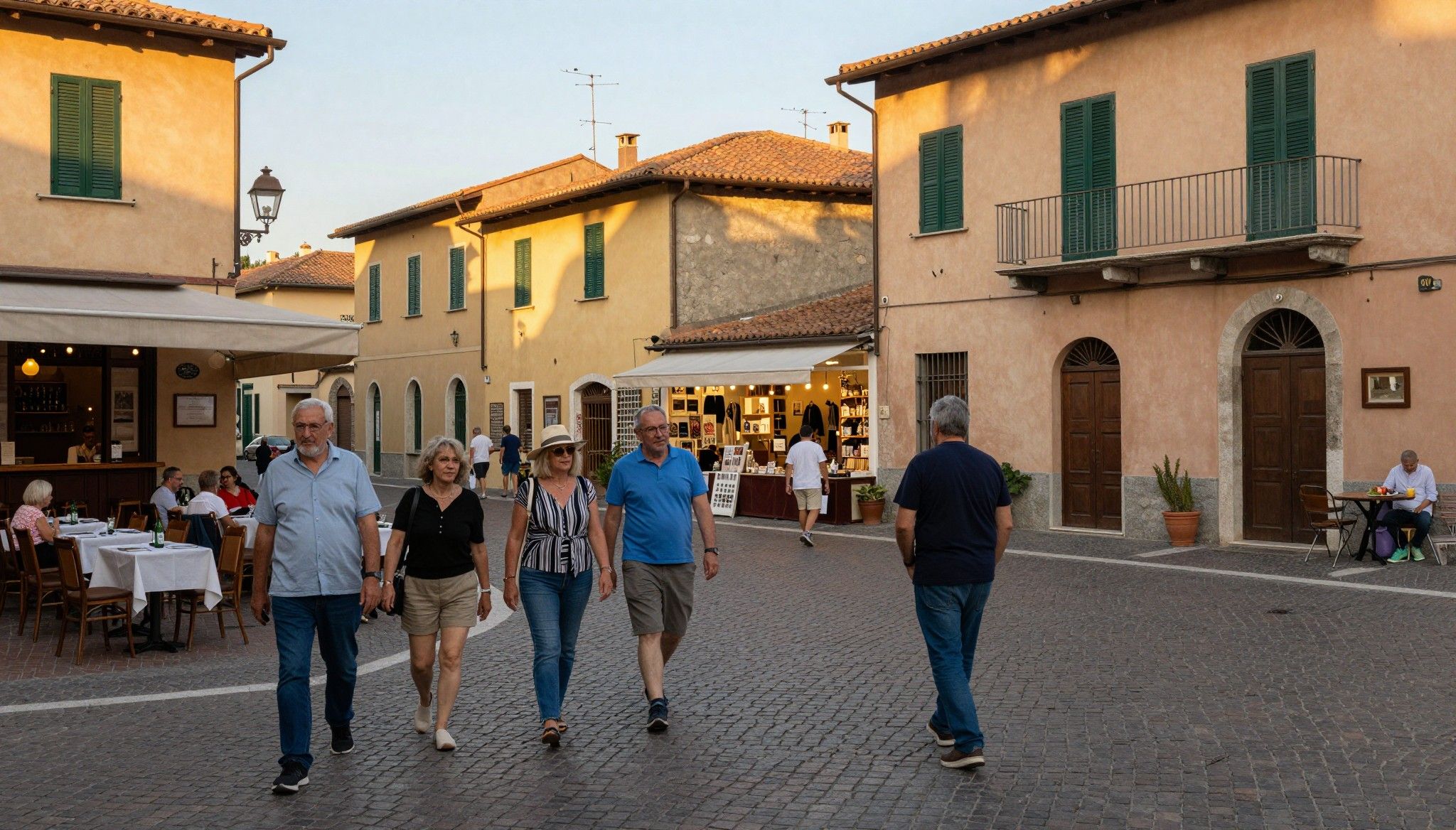
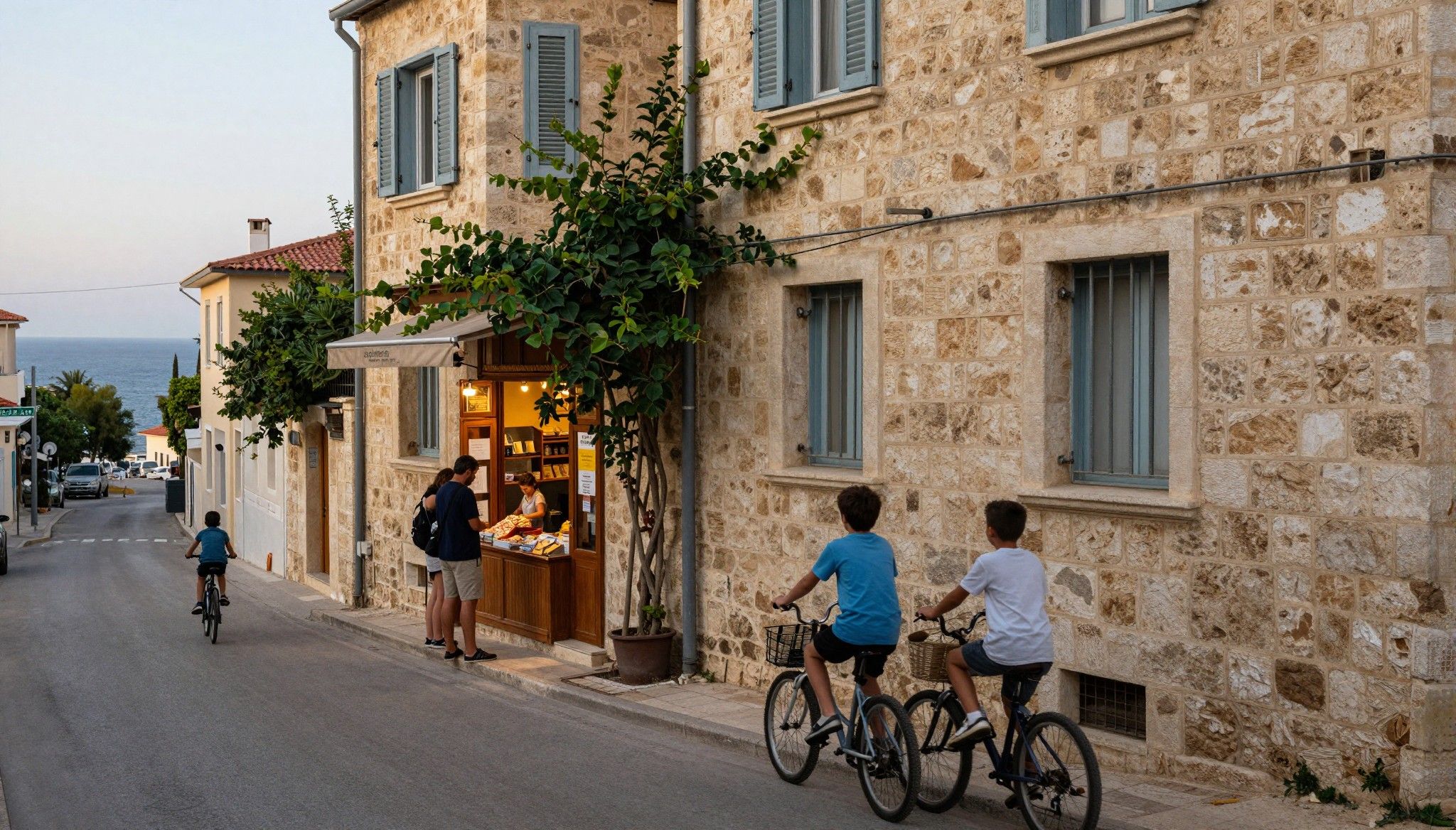
Imagine mornings in a narrow piazza, sunlight on limestone, a baker arranging warm focaccia while a neighbour argues gently about calcio results — that habitual cadence is Italy. This piece is for the buyer who wants that life, not a postcard: we pair textured, sensory scenes with market realities so you can choose a neighbourhood that fits both appetite and prudence. Read on for unexpected neighbourhood picks, practical negotiation notes, and the data that quietly supports them.
Living the Italy Life: Streets, Markets and Rituals
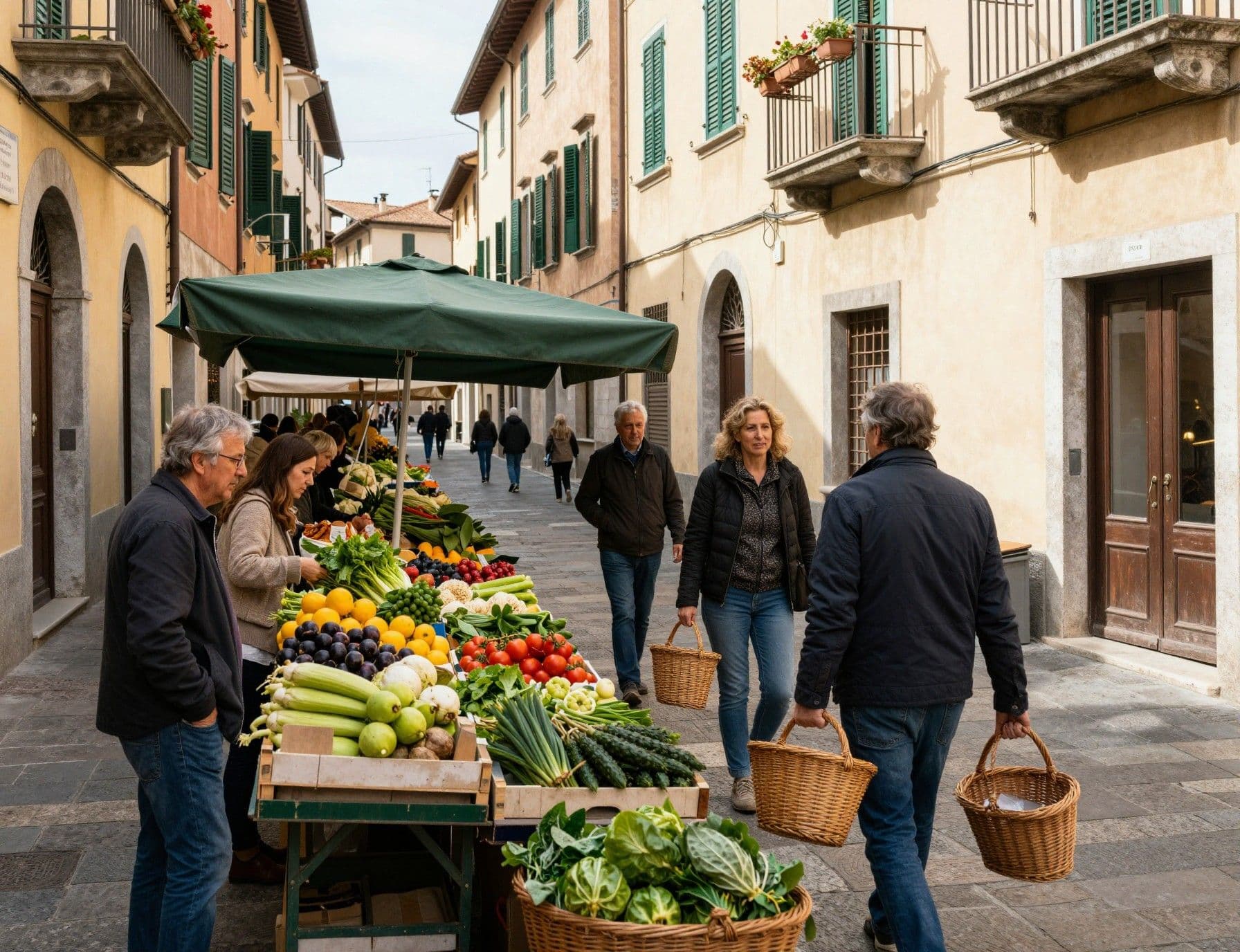
Life in Italy is organised around rituals: morning espresso at the corner bar, a weekday market where vendors call your name, and evening passeggiata where neighbourhoods meet. These rhythms shape how a property is used — a compact apartment near a market can feel more generous than a larger house out of town because it buys connection. For an international buyer, the choice is less about square metres and more about which daily rituals you are willing to make your own.
Neighborhood Spotlight — Trastevere, Rome and Oltrarno, Florence
Trastevere and the Oltrarno are familiar to travellers but living there reveals subtleties: cobbled lanes that funnel neighbours into artisan cafes, churches doubling as acoustic amphitheatres, and small workshops where leather or bookbinding continues as craft. Properties here pay for proximity to convivial streets and timeless façades; restorations that respect cornice lines and shutters command a premium because they preserve the very scenes residents treasure. Expect trade-offs: quieter residential blocks can be a few minutes’ walk from the energy that defines the quarter.
Coastal Chapter — Liguria’s Fishing Villages and Puglia’s Trulli
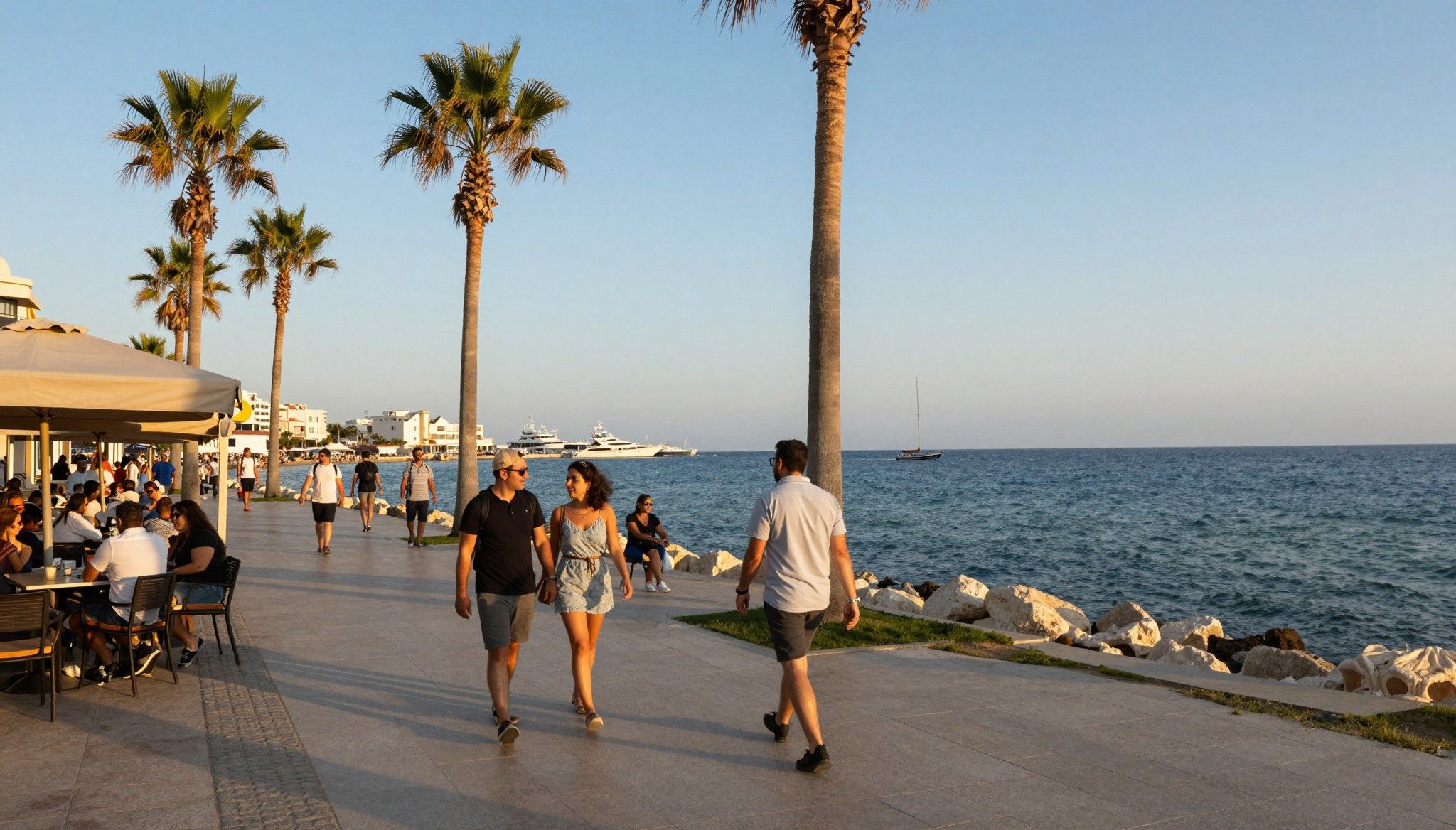
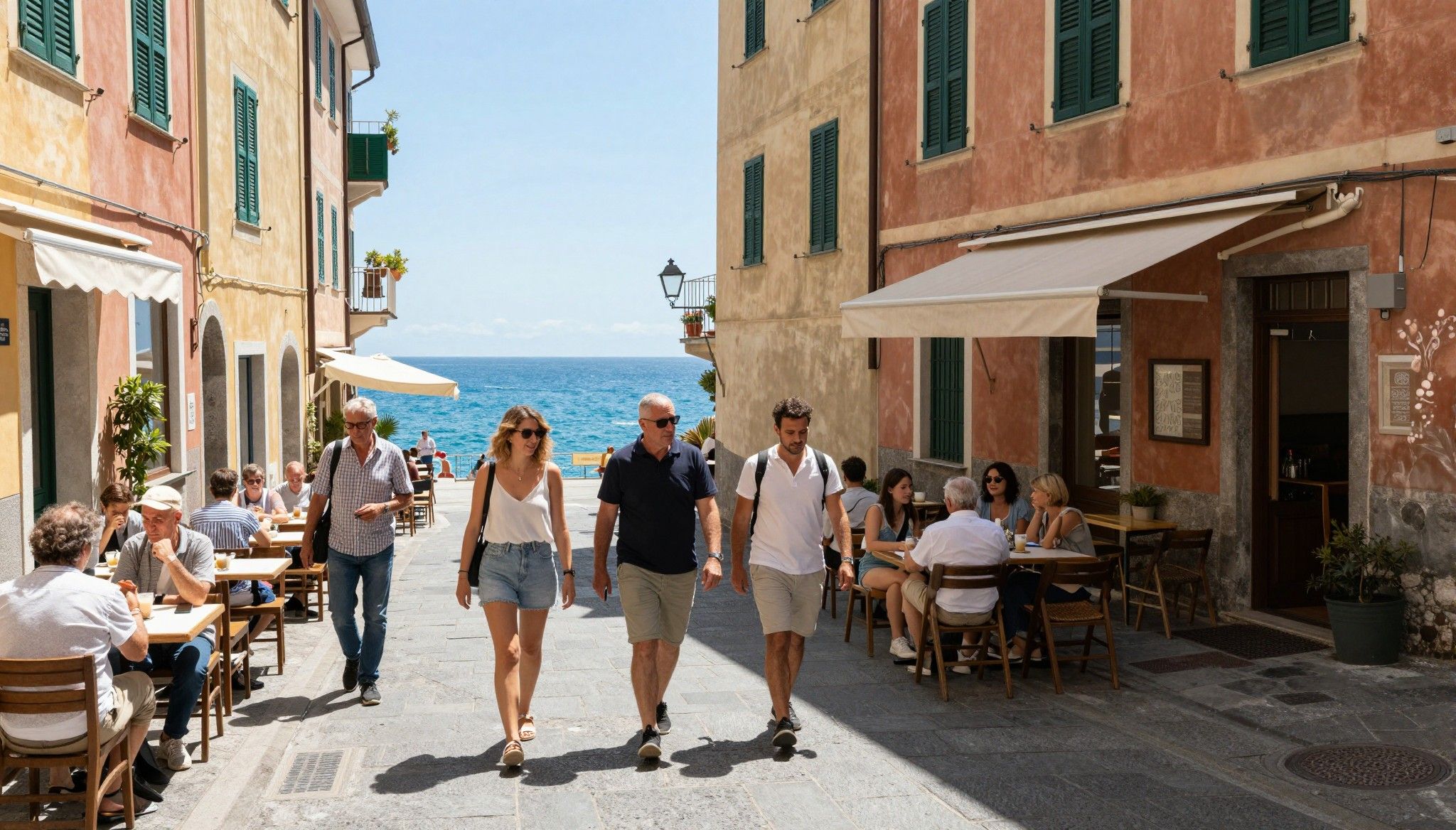
On the Ligurian Riviera, terraces step down to the sea and daytime life revolves around small harbours and the rhythm of tides; in Puglia, whitewashed towns and trulli offer sun and expansive skies with slower seasonal flux. Buyers who prize daily seafood markets and a life tied to coastal light will willingly accept tighter internal layouts and higher maintenance for stone façades and sea exposure. These are choices in temperament as much as in economics.
- Lifestyle highlights to test before you buy
- Attend a weekday market in the morning (e.g., Mercato di San Lorenzo, Florence) to judge daily life
- Spend an evening passeggiata in the neighbourhood square to sense noise and social rhythm
- Check practical flows: refuse collection times, delivery access, and where scooters park
Making the Move: Practical Considerations with a Lifestyle Lens
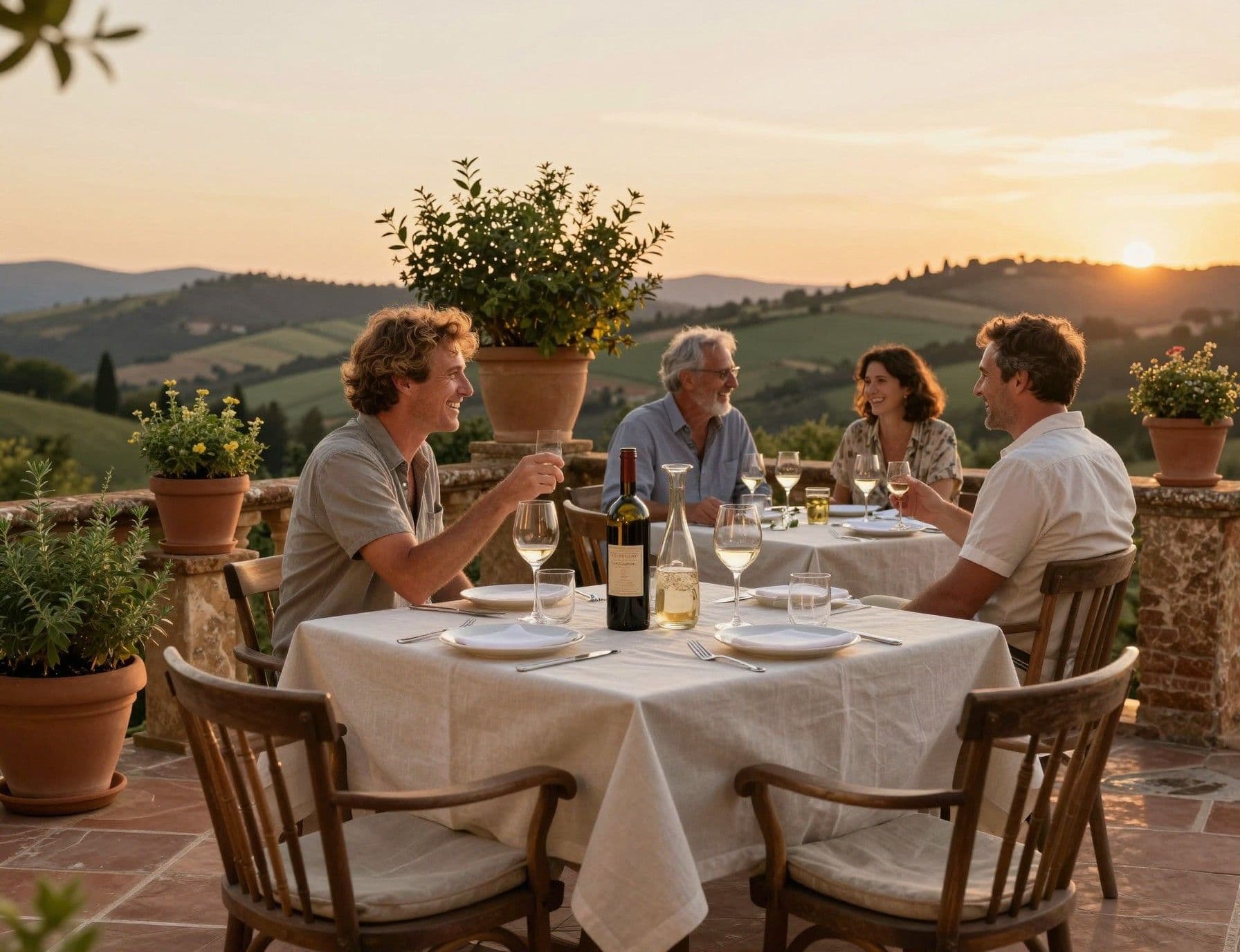
The romantic image is simple; the property process less so. Recent national data from the Agenzia delle Entrate’s OMI shows Italy’s residential transaction volumes and regional variation, meaning timing and location materially affect price and liquidity. Understanding those patterns lets you align the life you want with an acquisition strategy that respects local market tempo: some coastal towns are supply-constrained and thin in winter, while provincial cities may offer steadier year-round demand.
Property types and the life they enable
A medieval palazzo offers volume, high ceilings and a sense of history that suits formal entertaining and collector’s displays; a renovated pied-à-terre in a 19th‑century palazzo grants access to city life with modest upkeep. Villas in Tuscany or Umbria provide land for gardens and orchards but bring higher running costs and seasonal management needs. Match property form to how you intend to live: host, retreat, or split use between income and personal residence.
Working with local experts who preserve the lifestyle you seek
Agencies are not mere listing engines; the best act as cultural translators. A curator-minded agent will point out whether a renovation preserves authentic details — be it original timber beams, artisan tile, or stone thresholds — and advise how those features affect long-term value. Seek an advisor with relationships to restorers, surveyors versed in historic fabric, and property managers familiar with seasonal occupancy; their counsel turns lifestyle aspiration into durable stewardship.
- A six-step checklist that blends lifestyle and practicalities
- 1. Spend at least three separate visits in different seasons to experience noise, light and services.
- 2. Commission an energy and structural survey that includes historical-material assessment.
- 3. Verify local service rhythm: weekly markets, refuse days, post and parcel access, and heating patterns.
- 4. Confirm zoning and restoration rules with a local architect; many central areas restrict external alterations.
- 5. Arrange trusted local management for seasonal occupancy, rentals or ongoing maintenance.
- 6. Use comparative data (OMI) to test asking price against recent local transactions rather than national averages.
Insider Knowledge: What Expats Wish They’d Known
Experienced expats report the same surprises: local bureaucracy is slower than expected, community life outweighs concierge services, and welcome is earned by patience and presence. Italy’s growing foreign resident population — over five million in recent years — has created diverse pockets of international life, but true integration still depends on learning rhythms, language basics and local courtesy. These social practices directly affect which neighbourhood becomes home rather than a charming address.
Cultural integration and daily life
Joining a community begins with small acts: a regular table at the same café, volunteering with a local association, or joining a food co‑op. Schools, local clubs and parish events often define social life more than expatriate meet-ups. Choosing a neighbourhood with active everyday life — a newsstand, a pharmacy open at predictable hours, a Sunday market — accelerates integration and shapes whether the place feels like a temporary project or a residence.
Longer-term living: upkeep, stewardship and resale
Historic properties reward stewardship but require budgeted maintenance: roof and masonry work, seismic upgrades where relevant, and careful plumbing in buildings with layered systems. Buyers who treat acquisition as generational stewardship — preserving artisan details, engaging accredited restorers, and documenting provenance — find better resale traction in discerning segments of the market. The pragmatic corollary is to build a local team before purchase.
- Red flags experienced buyers learn to spot
- Unexplained gaps in building maintenance records or missing permits for past work
- Persistent damp or smell that returns after superficial cleaning
- A seller who resists a professional survey or delays providing cadastral documents
Conclusion: a life first, a purchase second
Italy rewards those who buy for daily life rather than for an image. Begin with living experiments — markets, cafés, clubs — and let those experiences guide which property you will protect for the long term. Use OMI data and local demographic indicators to temper desire with market sense, and assemble a local team that values provenance, craft and quiet stewardship as much as you do.
Dutch former researcher who moved to Lisbon, specialising in investment strategy, heritage preservation, and cross-border portfolio stewardship.