Greece: Neighbourhood Life, Market Shifts & Residency Reality
A sensory tour of Greece that pairs neighbourhood life with current market shifts, residency changes and practical steps for buyers seeking authentic, lasting homes.
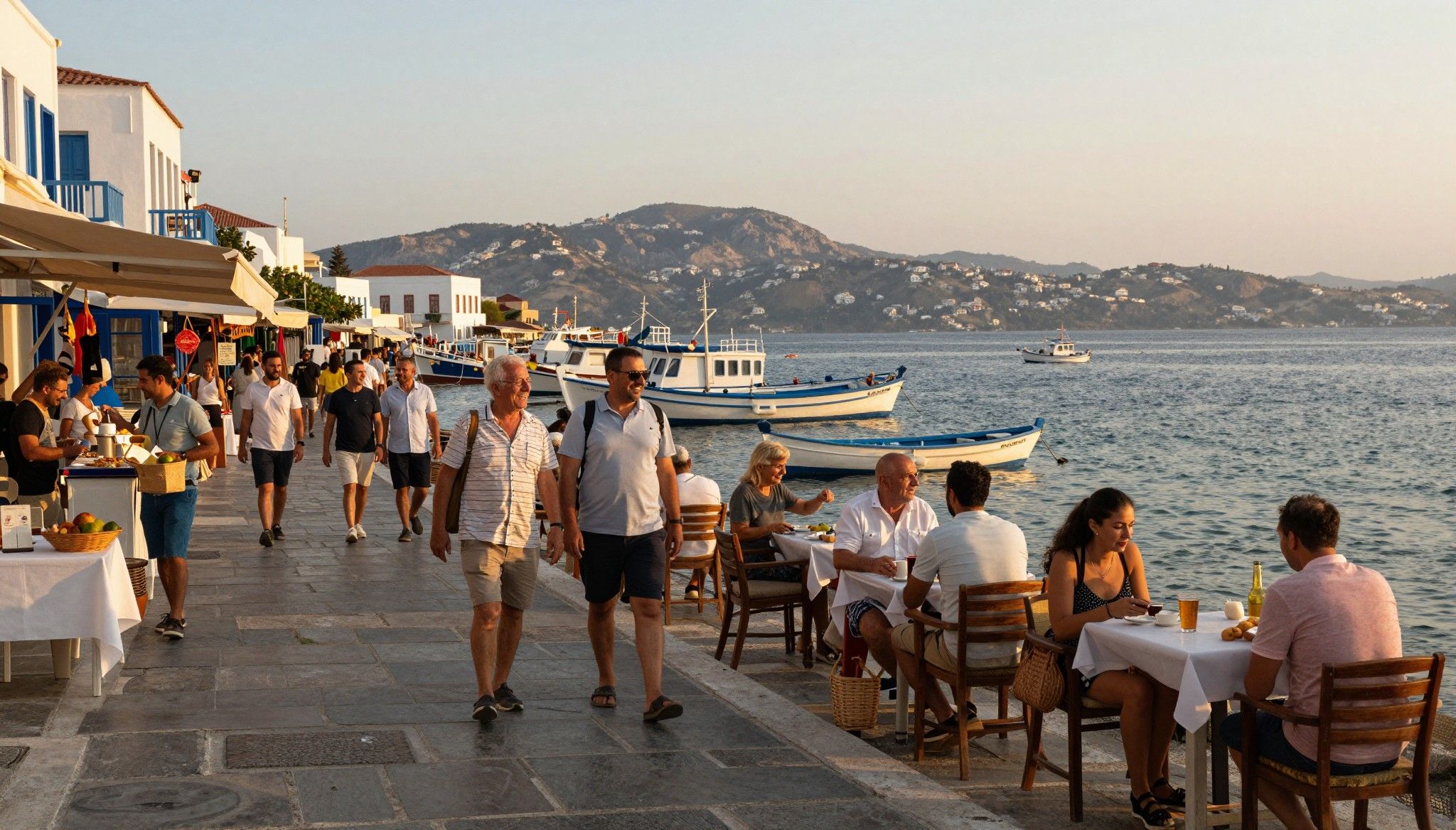
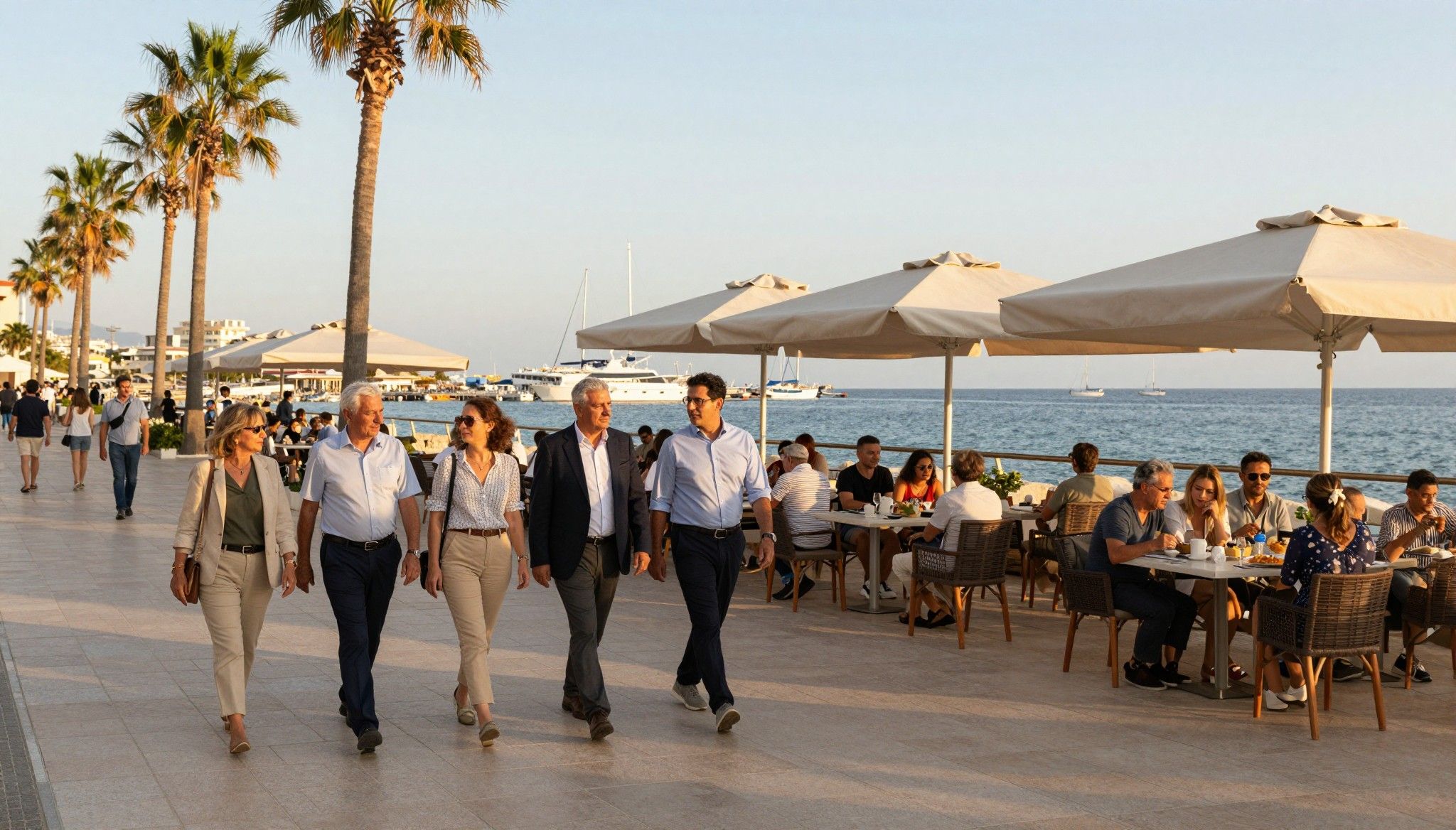
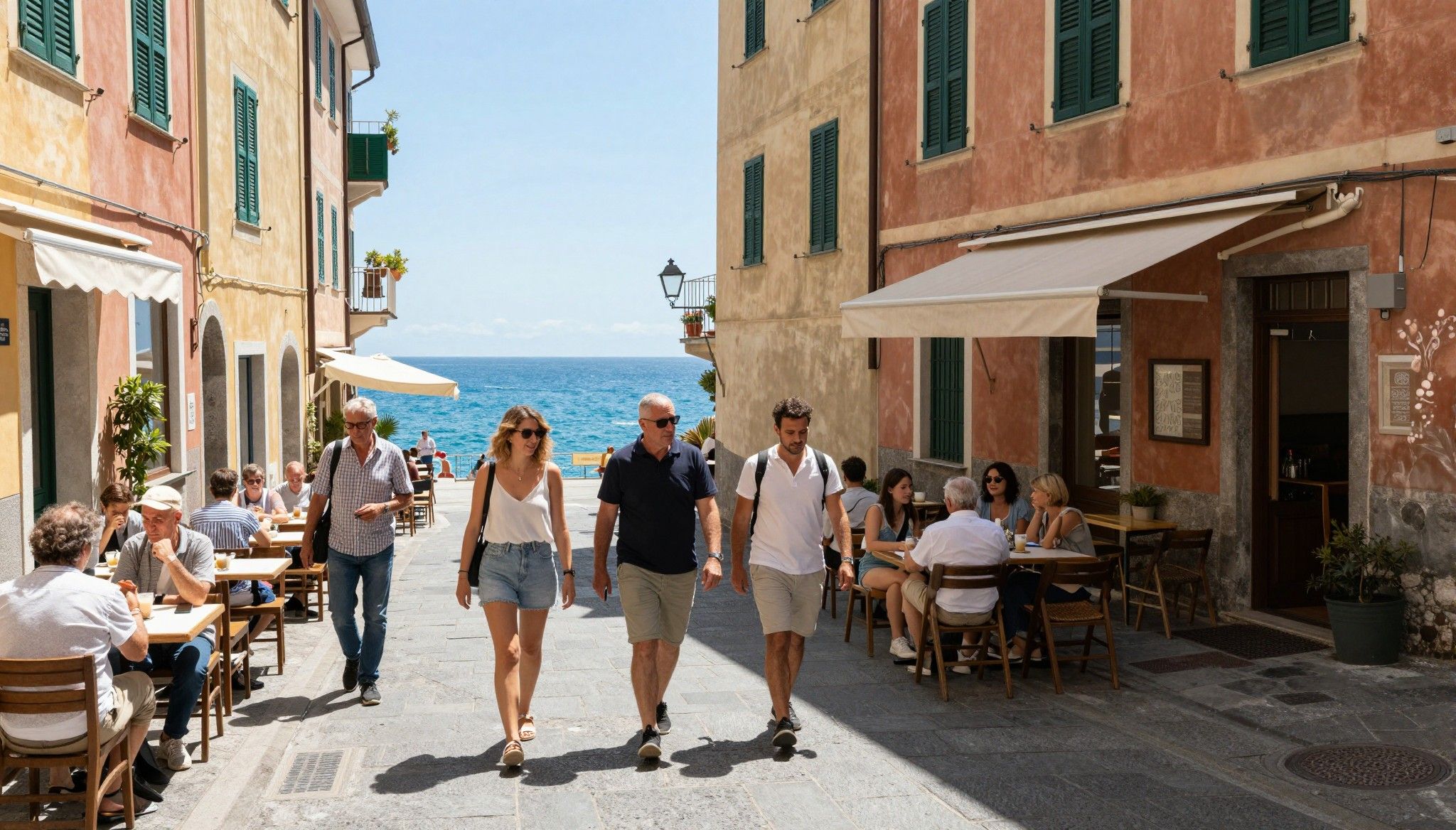
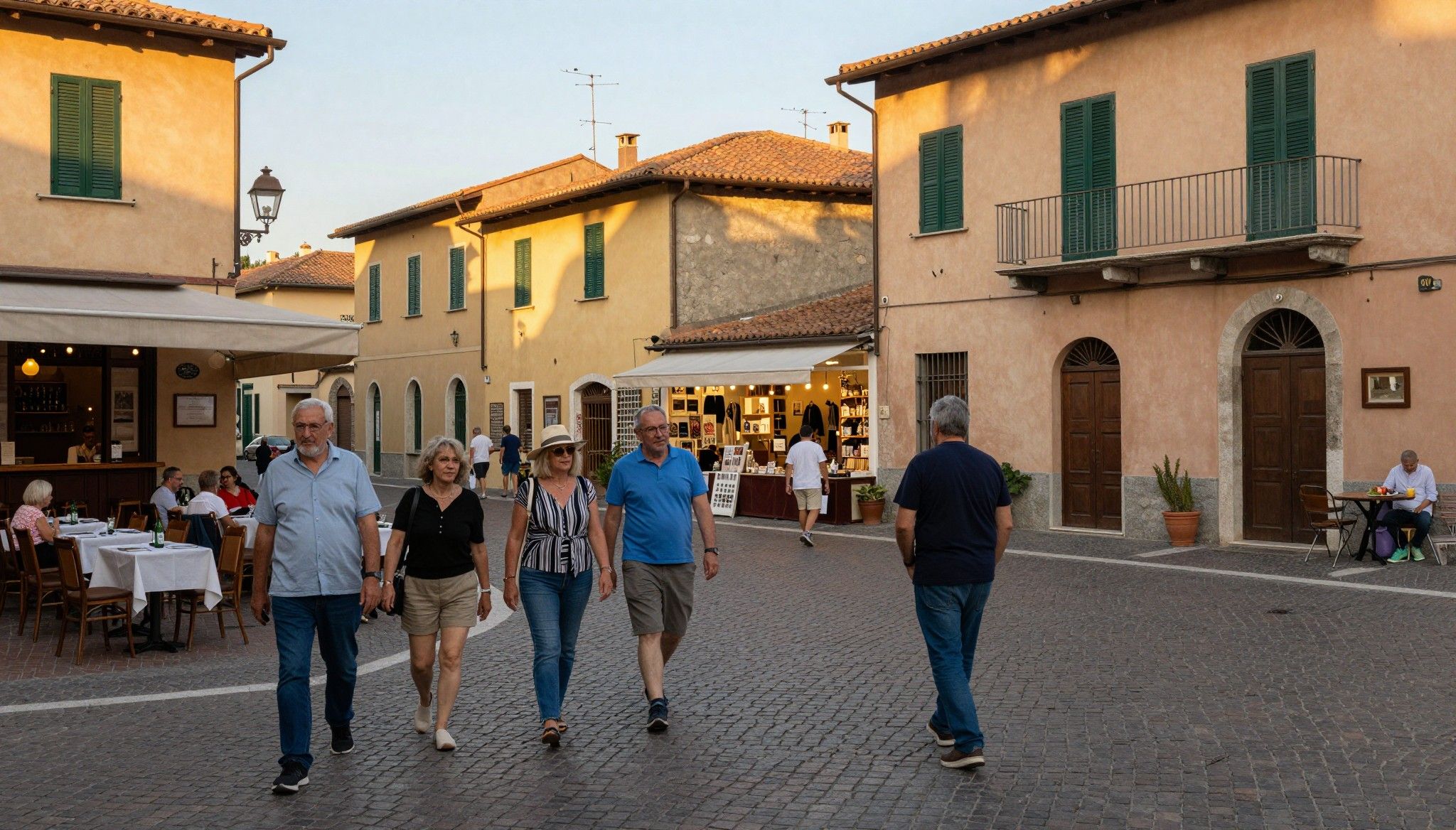
Imagine morning light on a narrow Athenian street, the scent of warm phyllo from a corner bakery, and a neighbour pausing to exchange news while a tram clacks past. Picture a late-afternoon aperitivo on a Santorini terrace where stone and sky meet; a Thessaloniki café where the conversation is long and the coffee longer. Greece is a country of textures — marble thresholds, weathered shutters, coastal pines — and those textures shape how you live, not only where you buy.
Living the Greece lifestyle
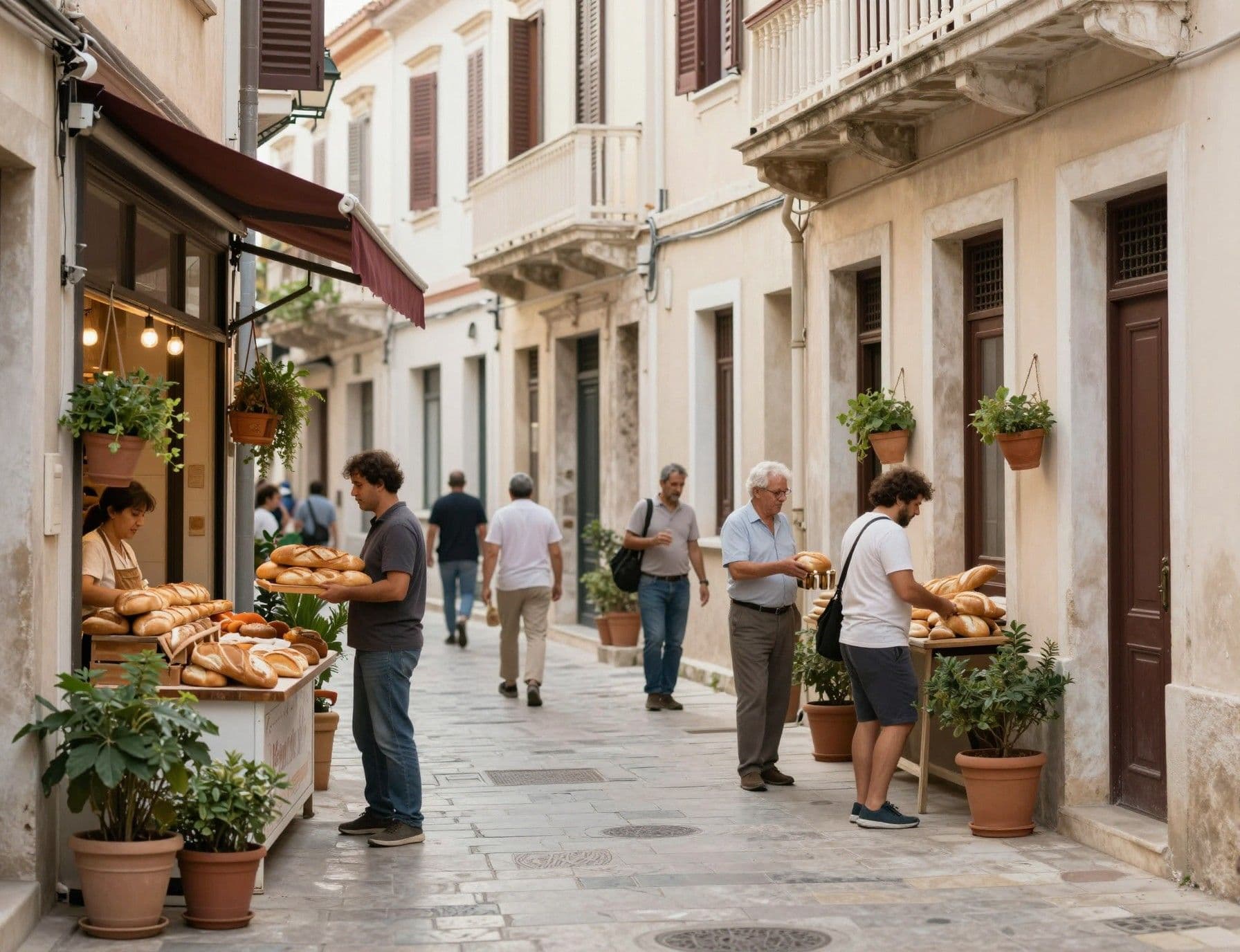
Life in Greece moves to a rhythm of seasons and community rituals. In cities the day begins with strong coffee and ends at a neighbourhood taverna; on islands days are organized around light and sea — early swims, slow lunches, late dinners. These daily patterns determine practical needs: courtyards and terraces matter where outdoor life is year‑round; insulation and shutters matter where sun and wind are constant.
Athens: layered intimacy and civic life
Walkable neighbourhoods like Plaka, Koukaki and Kolonaki offer a particular blend of civic calm and cultured bustle: morning markets near Avissinias square, curated furniture shops on Dionysiou Areopagitou, and quiet courtyards hidden behind neoclassical façades. Apartments here are often smaller by international standards but prized for proportions, original flooring and proximity to museums and private schools. Owning in Athens means owning access to layers of public life and a compact, lived-in urbanism.
Islands and coasts: the sea shapes the property
Mykonos and Santorini supply the postcard ideal — whitewashed houses, dramatic calderas and high seasonal demand — while lesser-known islands such as Naxos, Paros and Syros reward patience with quieter neighbourhoods, olive groves and authentic village life. On the coast, orientation, terraces and wind protection determine usability more than raw square metres. A house with a practical outdoor kitchen and a sheltered loggia will be used far more than one with a sun-drenched but exposed roof terrace.
- Morning coffee in Athens’ Koukaki; late seafood at Ouzeri in Piraeus; a Sunday wander through Chania’s market; swimming off Agios Prokopios (Naxos); gallery openings in Syros’ Ermoupoli; olive‑press visits in Peloponnese villages.
Making the move: practical considerations
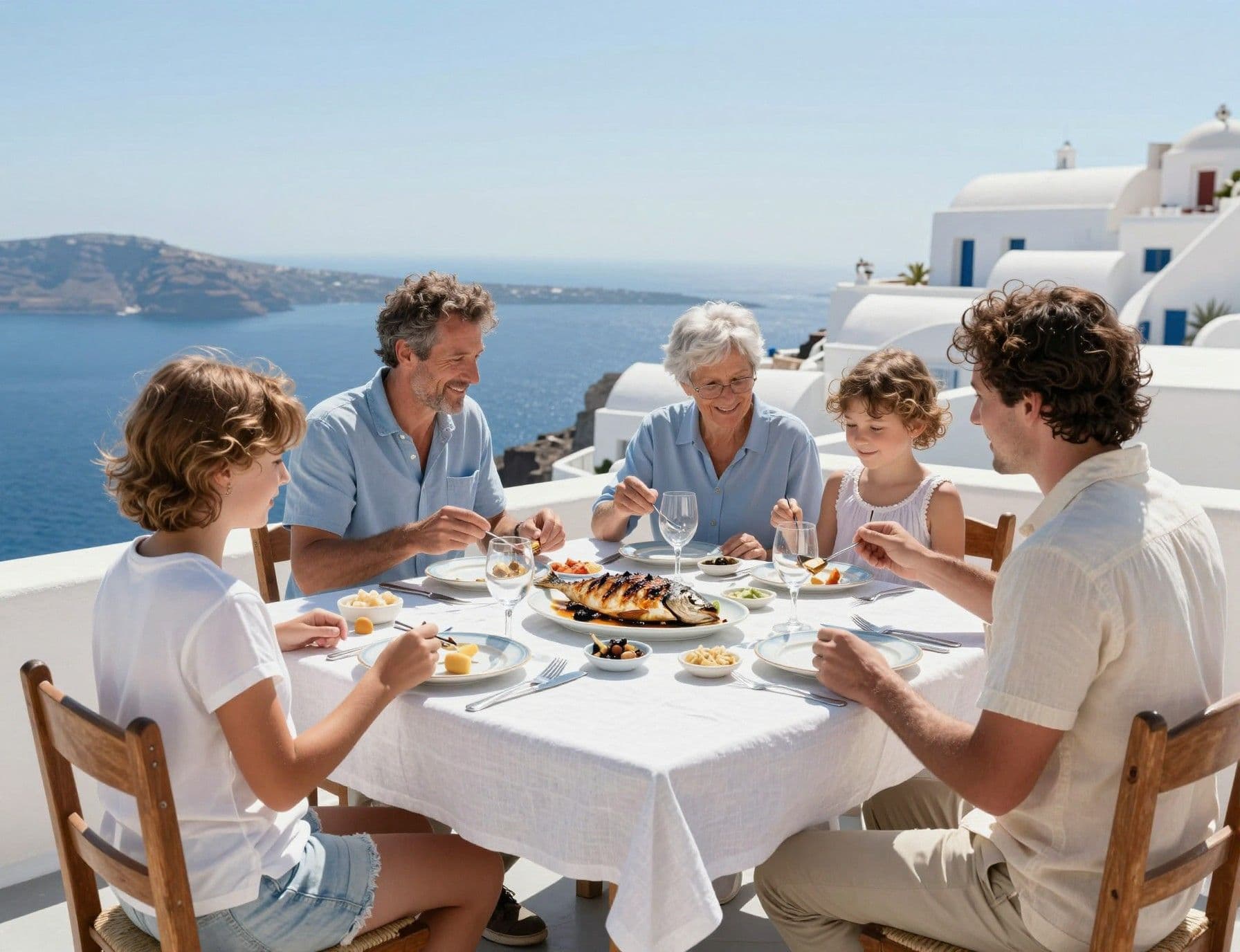
Your romance with Greece must meet local reality. The market has been steadily firming — regional price divergence is evident in official indices — and legal frameworks affecting residency-by-investment were revised recently. That combination affects ideal timing, the choice between city flat and island house, and whether to prioritise rental yield or long-term stewardship.
Property styles and how you will live in them
Traditional stone houses in the Peloponnese offer thick walls and cool summers, making them excellent for a slow‑living country retreat; island cave houses provide intimacy and incomparable views but often require bespoke maintenance. New builds in Athens favour energy efficiency and open plans suitable for remote work, while restored neoclassical homes reward careful conservation with formal rooms and proportion. Think through daily flow: will you cook on a compact island stove, or host long dinners that require a proper kitchen and service access?
Working with local experts who understand lifestyle
- 1. Ask agents about neighbourhood rhythms — who shops where, where children play, and which streets sleep early. 2. Request examples of comparable sales that include maintenance history and utility bills; these reveal lived costs. 3. Engage a local architect early if you value authentic restoration or terrace optimisation. 4. Prioritise agencies with strong local fiduciary relationships to manage transfers, contractor oversight and discreet property stewardship.
Insider knowledge: what expats wish they’d known
Expats quickly learn that the best investment is often a neighbourhood rather than a single house. Access to markets, a reliable baker, a local doctor and convivial neighbours underpin daily satisfaction more than a panoramic postcard view. Small choices — a covered northerly balcony, a well‑equipped laundry room, durable shutters — transform seasonal properties into year‑round homes.
Integration, language and social life
Greek social life rewards presence. Learning a few phrases unlocks invitations to local tables, and participating in a neighbourhood festival creates friendships that persist. In practice that means choosing areas with year‑round communities if you want to integrate; touristic hotspots can feel vibrant in summer and deserted in low season, which changes service availability and everyday life.
Long-term stewardship and realistic expectations
Think of a Greek property as an heirloom you will live in and preserve. Budget for ongoing maintenance — limewashing, timber treatment, roof checks after storms — and favour materials and craftsmen who respect original fabric. The most rewarding purchases are those in neighbourhoods where local tradespeople and community institutions remain active.
- Prioritise neighbourhood life; verify seasonal service availability; confirm outdoor living practicality; seek agencies versed in local planning and Golden Visa changes.
If Greece has lodged itself in your imagination, start with a short residential reconnaissance: spend a week in a neighbourhood, meet a local agent who knows the streets rather than just listings, and taste daily life from market to café. For buyers who balance living and investment, an honest local adviser will help steer you toward properties that reward both — places of provenance and habit, where light and craft make living here endure.
Former Copenhagen architect who relocated to Provence, offering relocation services, market analysis, and a curator’s eye for authentic regional design.