Cyprus: A Lifestyle‑Led Look at Mortgage Reality
A lifestyle‑first look at Cyprus property finance: how lenders treat non‑residents, neighbourhood trade‑offs, and practical steps to secure a mortgage that fits the life you want.
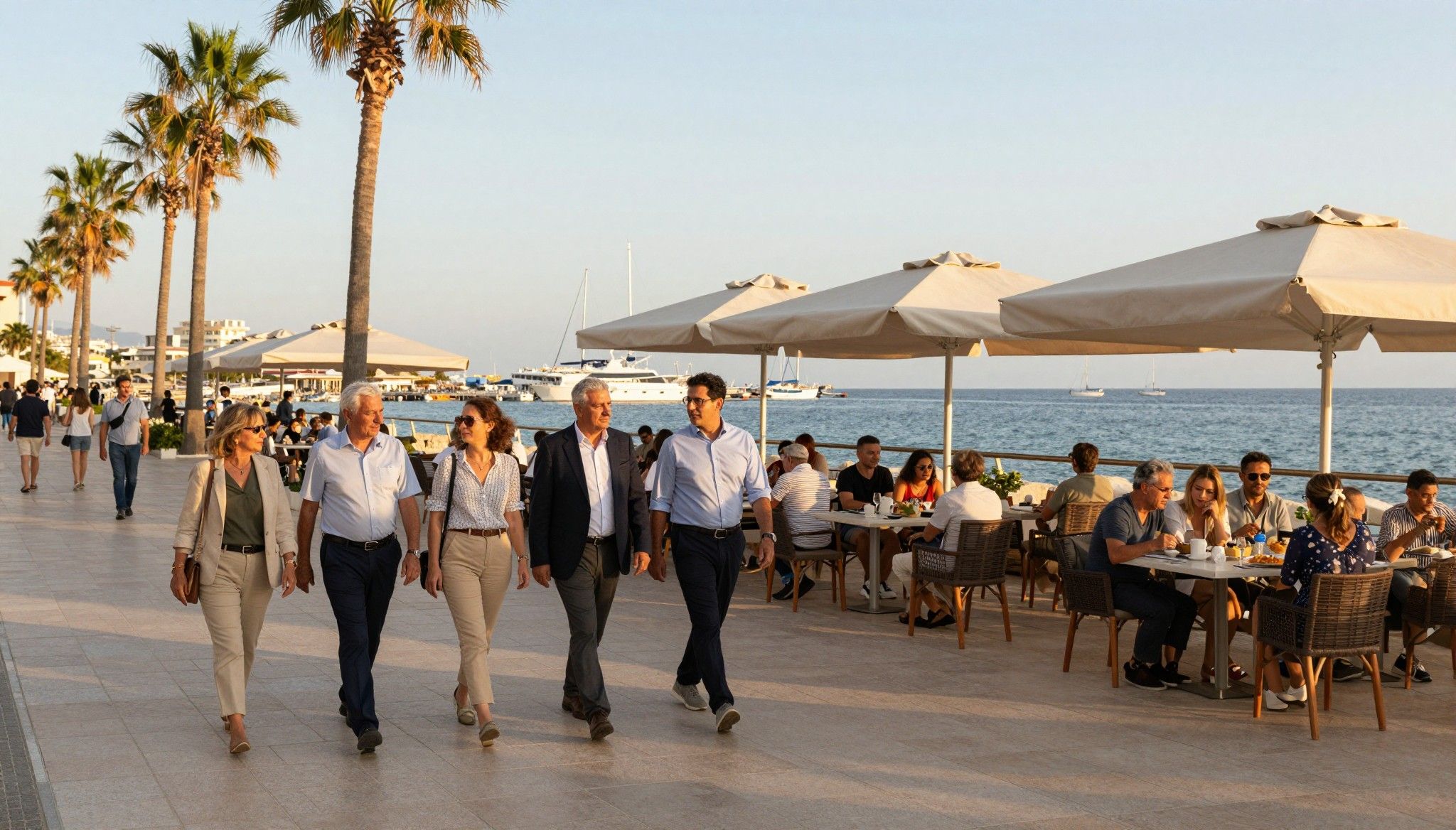
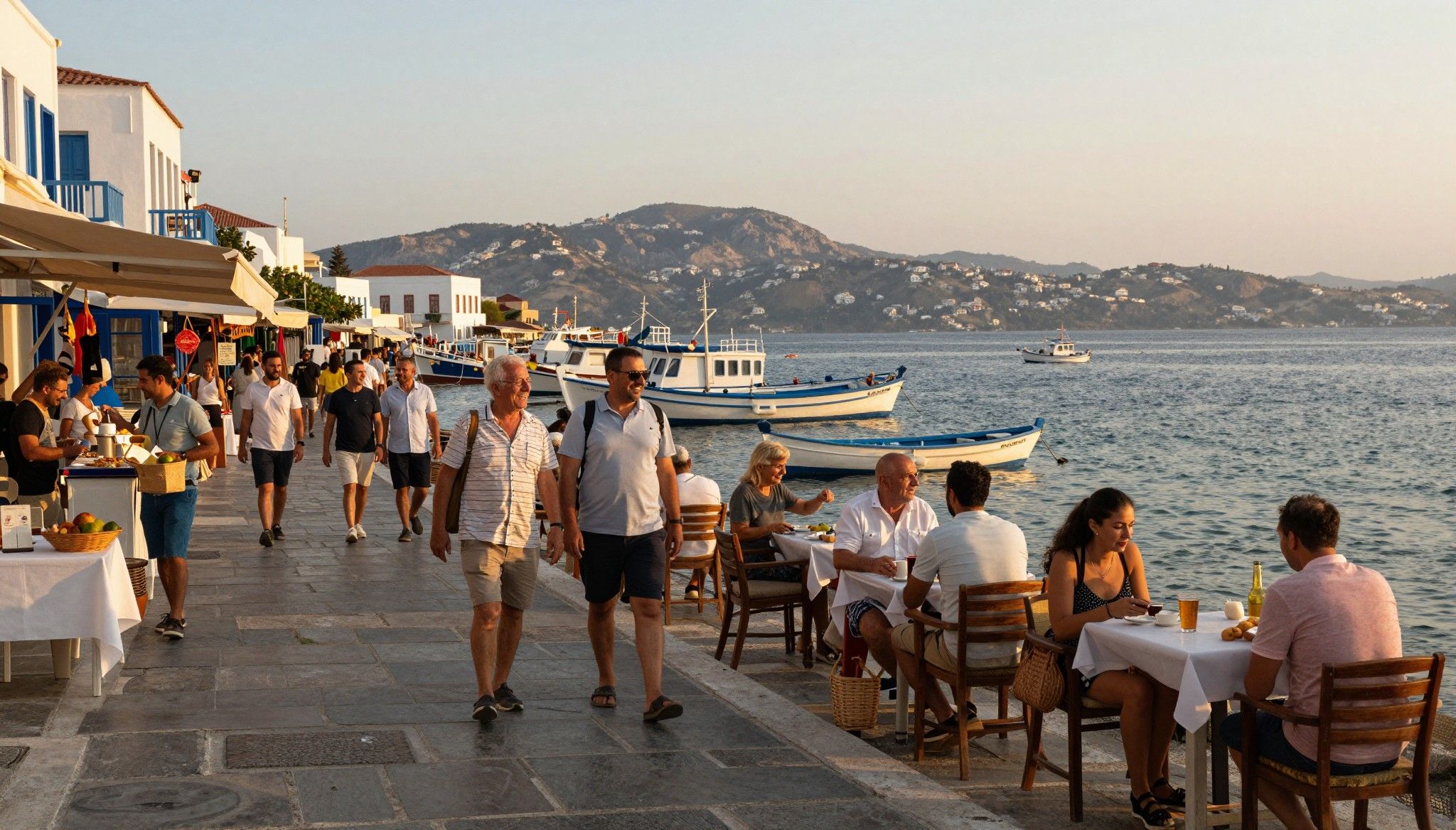
Imagine a late‑afternoon espresso at Fig Tree Coffee on Limassol’s Zakaki promenade, the light catching honeyed limestone façades as fishermen mend nets in the distance. Many who come to Cyprus imagine sunlit beaches and resort life; what stays with you is quieter: narrow streets in Paphos where tavernas open before dusk, the smell of thyme rising from the Akamas, a neighbour bringing warm halloumi to share. This piece begins there—in the lived moments that make a home—and then looks closely at how international buyers actually fund those lives. We blend atmospherics with up‑to‑date lending realities so you can make an emotional choice that also withstands due diligence.
Living Cyprus: sun, streets, and small‑scale luxury
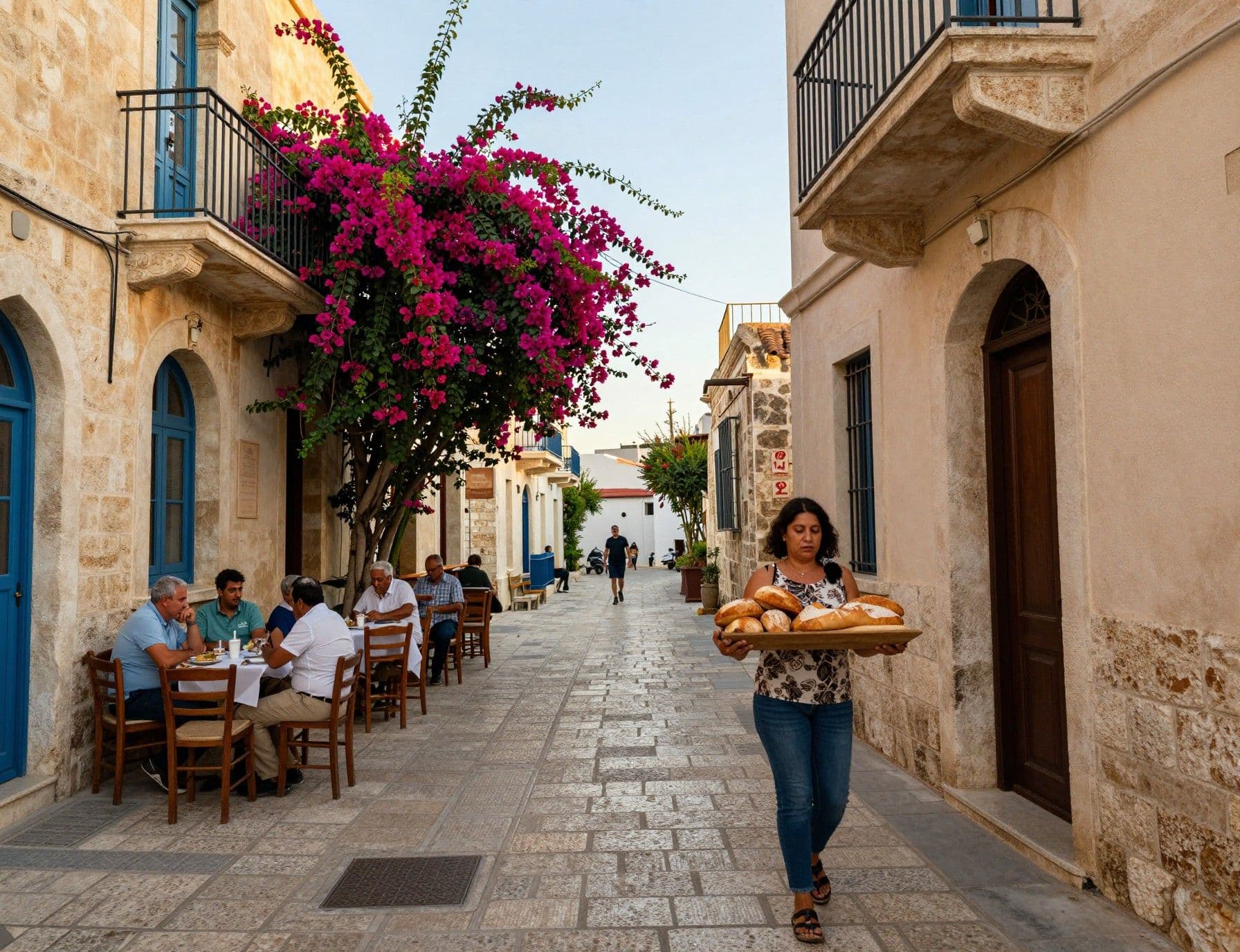
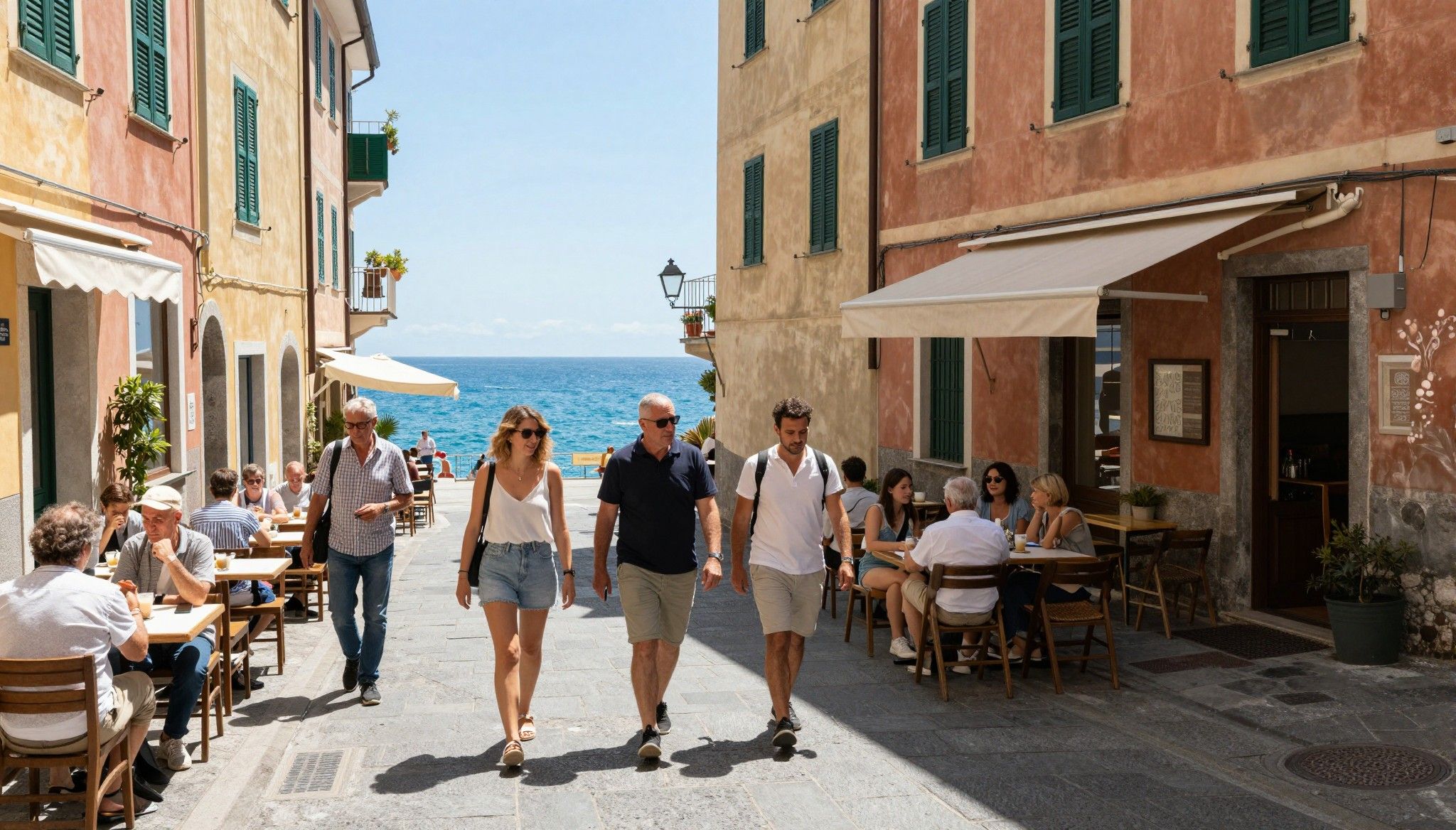
Cyprus is quietly varied: Limassol hums with international business and villa life; Larnaca keeps a slower maritime rhythm; Nicosia’s stone alleys hold a private, urban intimacy; the Troodos villages offer a different economy of life altogether. Days begin with small‑scale rituals—market runs to Central Market in Limassol, late breakfasts in Strovolos cafés, or early swims at Lady’s Mile—each shaping what kind of property best serves your life. For buyers, the consequence is practical: the lifestyle you choose determines the property type, financing term and, often, the lender willing to underwrite your purchase. Think beyond “sea view”; think about morning routines and which neighbourhood supplies them.
Limassol: cosmopolitan coast with village calm
Walk the Molos at dusk and you see why executives and collectors favour Limassol: contemporary seafront developments sit alongside restored colonial villas. Yet the real pleasure is found on side streets—artisan bakeries on Anexartisias, a quietly appointed oeno‑bar on Paphos Avenue—where daily life feels both composed and convivial. Properties here command stronger demand and thus stricter lending assessments; banks favour borrowers with demonstrable income histories and higher deposits for coastal purchases. If you picture afternoons of gallery openings and yacht moorings, budget both the price premium and the conservative loan‑to‑value ratios typical for such assets.
Troodos & Paphos: provenance, stone houses and a different finance story
A restored manor in Omodos or a stone cottage near Troodos is a different proposition: craftsmanship, lower turnover and a seasonal tempo that suits a part‑time life. Lenders often view rural and mountain properties as higher risk because resale markets are shallower; that can translate into lower loan‑to‑value offers or higher margins. For buyers attracted to provenance and restoration, the practical step is to present a clear plan—rental strategy, renovation schedule and conservative cost estimates—to lenders and advisers. The lifestyle payoff—late‑summer evenings beneath plane trees, community festivals in small squares—is the kind of intangible value banks rarely price but you will enjoy.
- Limassol Molos promenade; Paphos Old Harbour; Omodos village square; Lady’s Mile beach; Central Market, Limassol; Troodos hiking trails
From daydream to deposit: what financing looks like in Cyprus

Recent official indices show modest but steady price growth across Cyprus (the Central Bank and Statistical Service report increases in 2025), a signal that lenders are again active and that international purchasers continue to matter to coastal markets. Yet the lending environment remains selective: Cypriot banks commonly favour applicants with local income or established foreign income history, and non‑resident applicants typically see lower loan‑to‑value ceilings. For clarity, consult the latest residential property price index and an updated mortgage guide before making offers; market momentum matters for rate expectations and LTV appetite.
Who lends to internationals and on what terms
Major lenders—Bank of Cyprus, Hellenic Bank and others—offer products to non‑residents, but terms vary. Expect typical maximum LTVs of 60–70% for non‑EU buyers, lower than for residents, and stricter documentation: multiple years of foreign tax returns, certified translations, proof of stable income and clear source‑of‑funds evidence. Interest rate structures are mixed: fixed periods are available but many borrowers choose variable or split products to balance certainty and cost. Preparation reduces friction: assemble translated financials, secure a local lawyer, and consider a staged offer that allows time for mortgage approval.
Practical steps to improve mortgage success
- 1. Consolidate two years of certified income statements and tax returns; banks prize stability. 2. Arrange an independent valuation and a pre‑application affordability assessment to set realistic LTV expectations. 3. Use a Cyprus lawyer to prepare title searches and ensure the plot is free of encumbrances. 4. If you intend part‑time residency, explain your rental or upkeep plan—banks respond well to a conservative cash‑flow model.
Insider knowledge: what expats wish they’d known
Many expats tell the same story: they fell for a neighbourhood’s cadence before they understood local paperwork timelines. In practice, deposits often sit for longer than expected while title searches and municipal clearances conclude. Cultural rhythms matter: a renovation that in Northern Europe would take months can take longer in Cyprus because of artisan availability and permit queues; budget time and contingency. Small things—where utilities are connected, whether a property uses diesel heaters or modern boilers—change monthly living costs and resale desirability.
Integration, community and language
English is widely spoken, particularly in Limassol and Paphos, which eases everyday life and the purchase process; yet local relationships remain valuable—your notary, the town hall clerk and the chosen contractor. Attend a Kato Paphos Sunday market or an art opening in Nicosia to meet neighbours and sense which streets feel like community rather than tourist transient. These social patterns influence markets: streets with year‑round social life preserve capital more reliably than those driven solely by short‑term rental demand.
Common red flags and small‑print traps
- Unregistered extensions; unclear coastal setbacks; missing completion certificate (building permit); informal rental arrangements without municipal registration; overreliance on projected tourist income; absence of a local bank reference
A careful agency will pre‑screen these matters and present you properties that match both aesthetic aims and financing reality. Work with advisers who can translate the rhythms of life into bankable documentation: tenancy histories, maintenance records, and a clear plan for stewardship. This is where Villa Curated’s approach matters most—matching provenance and craft to buyers prepared to be stewards, not speculators.
If you are ready to see Cyprus as more than a postcard, take two pragmatic steps this week: request a recent Residential Property Price Index extract (Central Bank) for your chosen district and ask two lenders for indicative LTVs for non‑resident borrowers. These documents convert longing into leverage, and anchor your emotional vision in the terms that will shape it. When the property and the financing align, what remains is the slow, exquisite work of making the place yours.
Dutch former researcher who moved to Lisbon, specialising in investment strategy, heritage preservation, and cross-border portfolio stewardship.