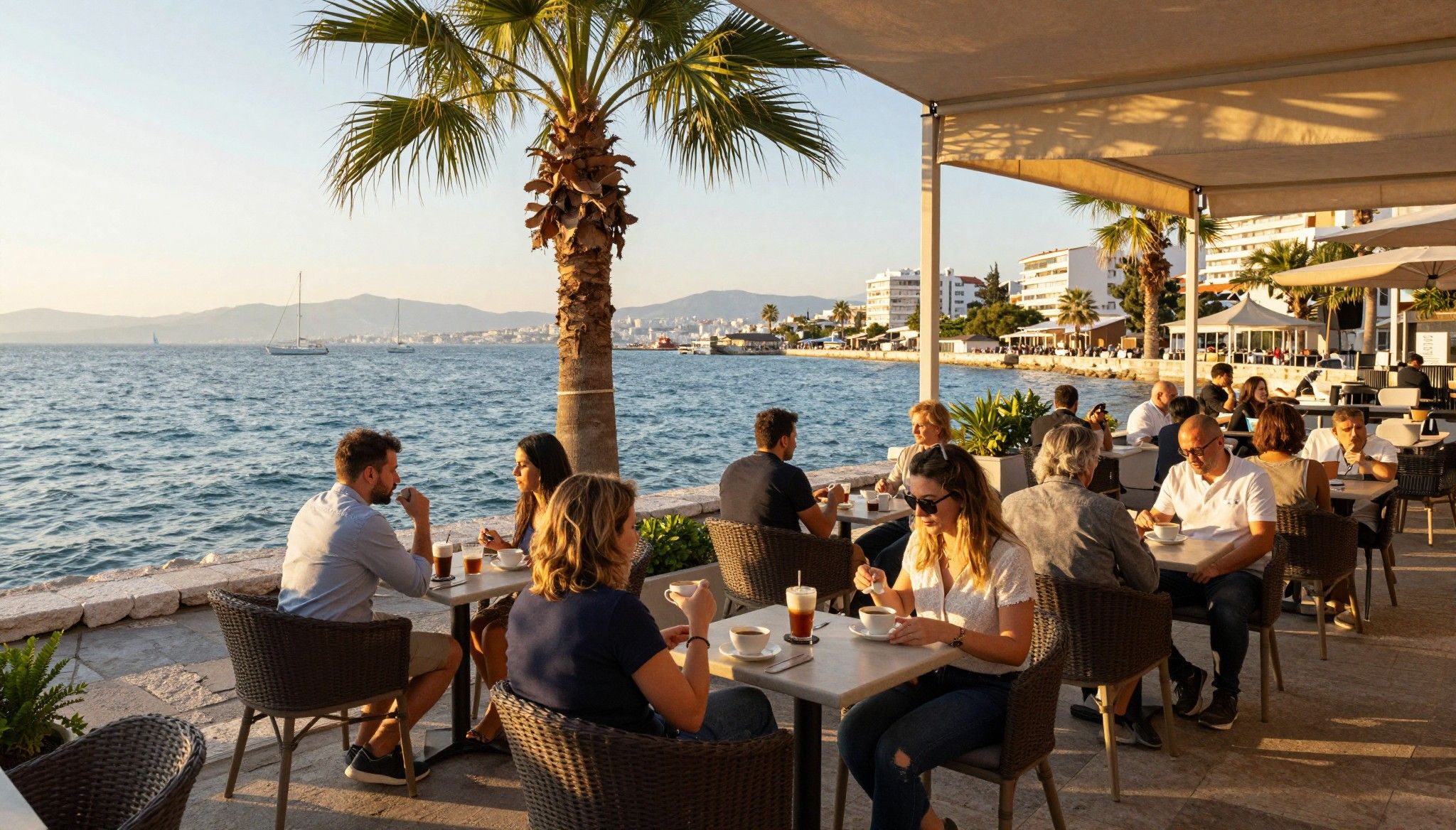
Cyprus: Provenance, Title and Insurance for Buyers
How to pair Cyprus’s distinct neighbourhood life with title checks and tailored insurance—practical steps and red flags for confident international buyers.
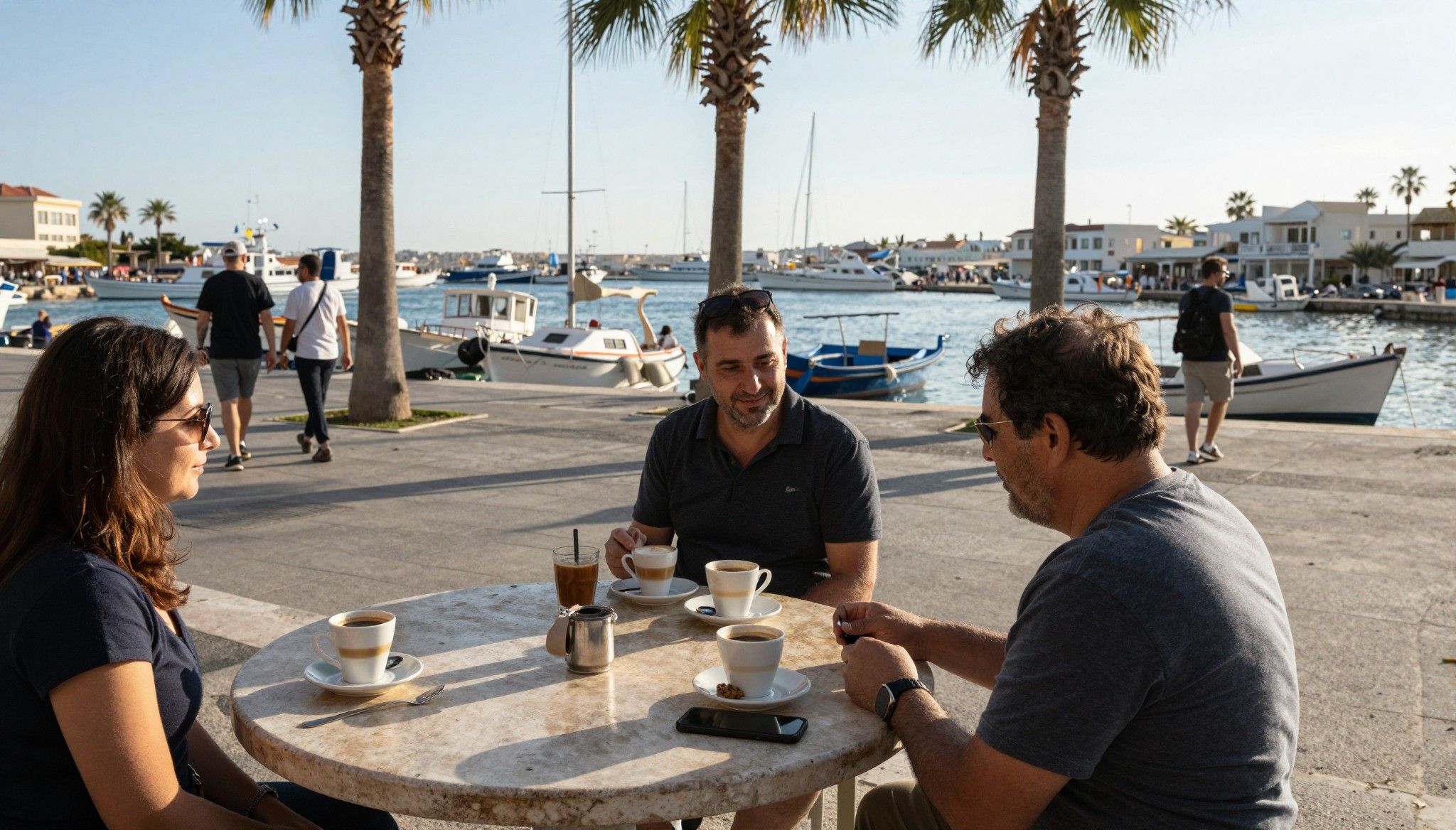
Imagine an autumn morning in Paphos: the harbour polished by dawn, a small coffee steaming on a stone table beneath bougainvillea, and a narrow lane where a local baker still sells sesame koulouri. That sensory certainty—the light, the sea, the slow rhythm of neighbourhood life—is what draws many of us to Cyprus. Yet beneath those coastal scenes are legal and insurance pitfalls that quietly shape whether a property becomes a treasured home or a long-term headache.
Living the Cyprus life — textures, streets and seasons
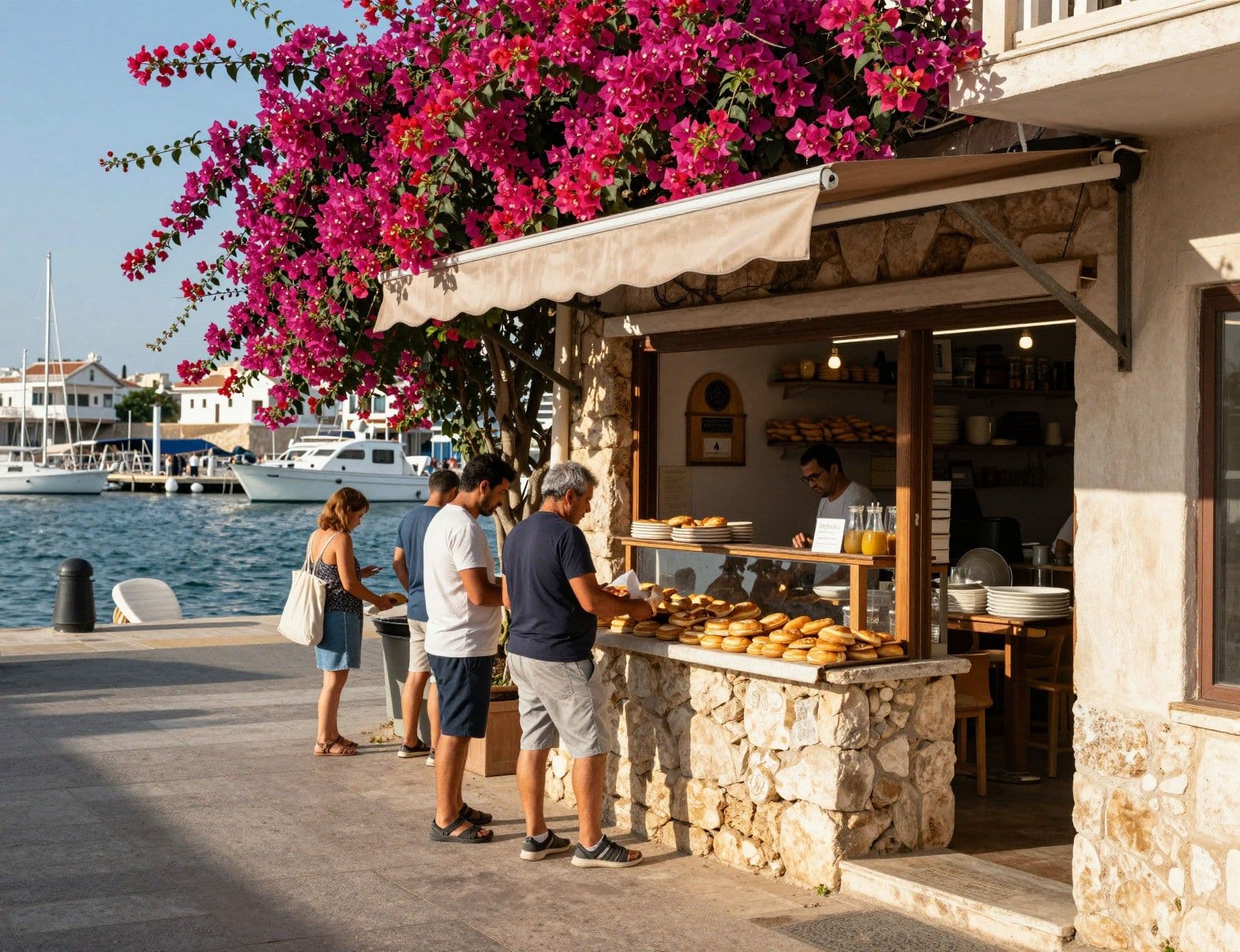
Cyprus is quieter than its brochures imply: life is measured by market days in Limassol’s Old Port, aperitif light in Limassol Marina, and mountain cafés where locals spill onto cobbled squares in Troodos. Even in Limassol’s cosmopolitan corridors, you still encounter artisans, family-run tavernas and a surprising intimacy of community. For buyers, these lived rhythms determine which property type makes sense — a courtyard home in Lefkosia, a seawall apartment in Larnaca, or a stone cottage in Kyrenia’s hills.
Paphos to Limassol: neighbourhood character in detail
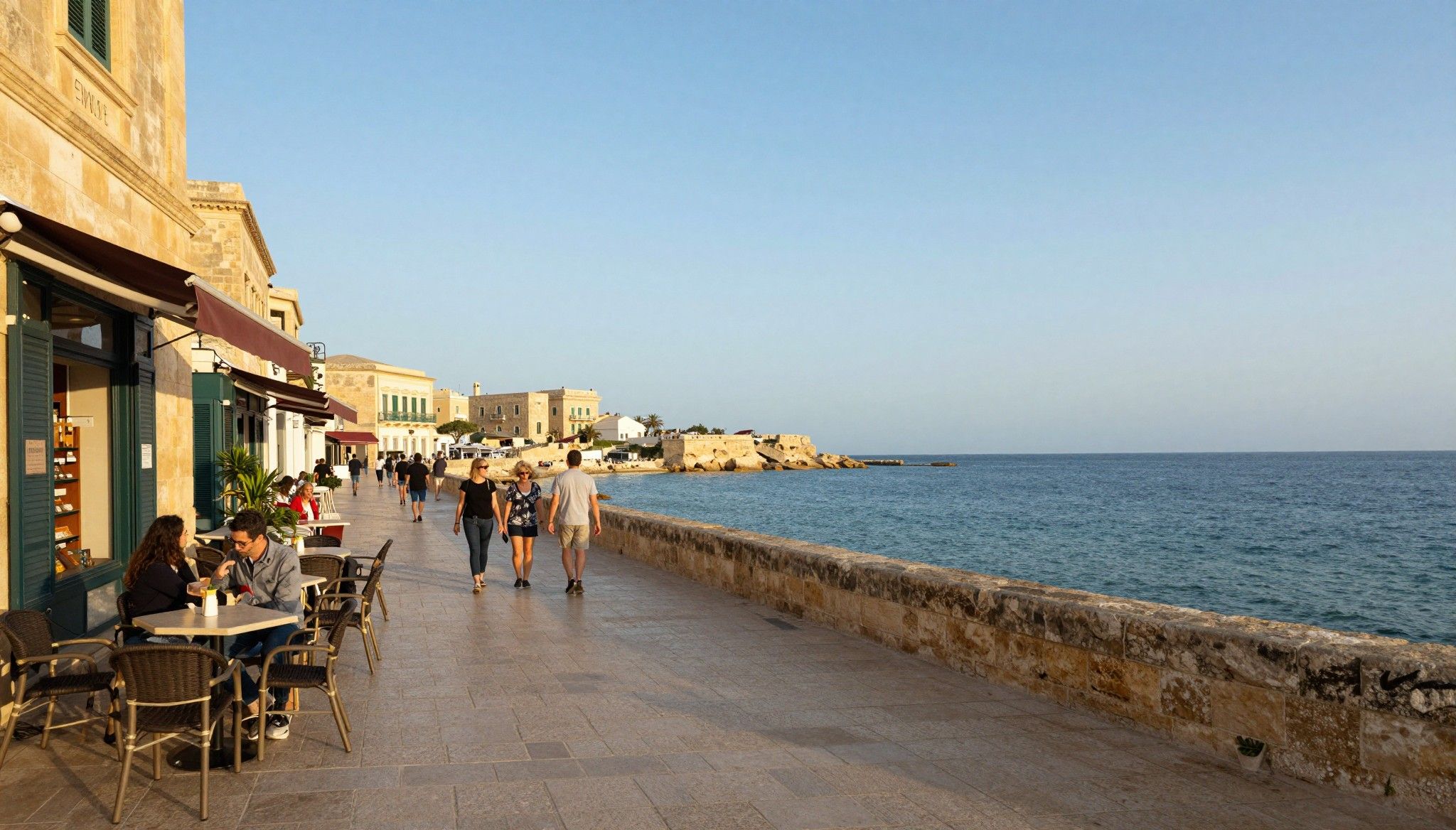
Paphos preserves an intimate harbourfront life; Limassol blends old-guard neighbourhoods like Agios Nikolaos with contemporary marina living; Larnaca feels domestic and day-to-day, centred on Saint Lazarus square and Finikoudes promenade. When touring, watch how mornings differ: fisherman mending nets by the harbour; boutique cafés filling in Limassol; schoolchildren and market vendors in Larnaca. Those rhythms alter insurance needs (seasonal rental risk in coastal areas versus flood exposure in low-lying promenades).
Food, festivals and the year that shapes the home
From halloumi markets to olive harvest festivals in October, the island’s seasons influence how you will use a property. Summer can turn a quiet coastal street into a lively rental market; winter brings showers and the need for robust damp and roof-cover policies. Consider how festivals and seasonal demand will alter wear, rental insurance premiums and management needs before you sign a contract.
- Lifestyle highlights: streets, tastes and small rituals
- Morning espresso at the Old Market, Limassol; evening fish at Paphos harbour tavernas; Sunday flea markets in Nicosia’s old quarter; olive‑press visits in the Troodos foothills; sunset walks along Larnaca’s palm promenade.
Making the move: how lifestyle choices map to protection
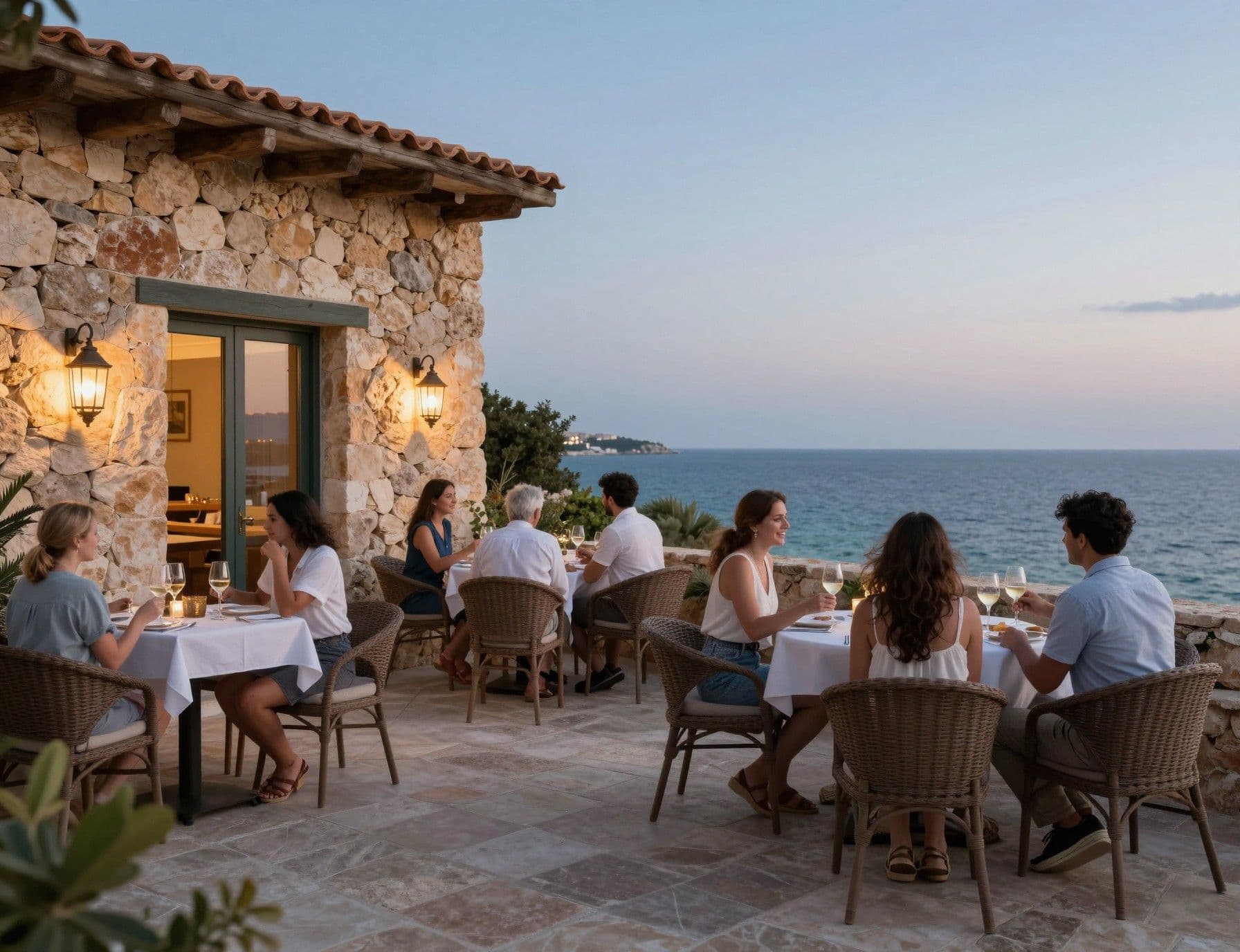
Pleasure and prudence must travel together. Before you let a lifestyle impression guide the purchase, verify title, planning permissions and whether a sale contract is lodged with the Land Registry. Registering rights — and understanding what is recorded at the Department of Lands and Surveys — is the practical foundation that lets you enjoy terrace dinners without anxiety.
Property types and the protection they require
A restored stone village house requires different coverage than a modern seafront apartment. Older homes need thorough structural surveys and specific cover for roof, seismic risk and rising damp; new builds demand developer warranties and checks on whether title deeds exist or are pending. Match the insurance policy to the material reality of the home — not just the catalogue images.
Working with specialists who know both local practice and international expectations is essential. Seek insurers who will underwrite earthquake cover where relevant, include liability for seasonal rentals, and provide clear excess terms. Where mortgages are involved, most lenders will require buildings insurance; ensure that the policy wording matches lender conditions and the reality of the property.
- Checklist before exchange (practical + lifestyle)
- 1. Verify title and that the sale contract is lodged with the Land Registry; 2. Commission a structural and moisture survey suited to the property type; 3. Obtain insurer quotes including seasonal rental and earthquake options; 4. Confirm lender insurance conditions and any required valuations; 5. Agree a handover schedule that aligns with seasonal use (e.g., avoid moving-in during peak rental turnover).
Insider knowledge: expat realities and the protections often overlooked
Expat buyers often underprice the friction of local bureaucracy and the time needed to resolve title irregularities. The market has been resilient in recent years, but price growth has moderated, making due diligence more important than ever. When issues arise — missing title deeds, unclear planning permissions — the remedies are legal and procedural, not aesthetic.
Language, custom and the social contract
English is widely spoken in Cypriot business and legal circles, yet local practice follows Greek-language documents and established customs. Use a bilingual lawyer for contracts and insist on translated, annotated copies of all planning permits and title extracts. This small step prevents misreading phrases that have large legal effect.
Long-term stewardship: what the next decade looks like
Plan for maintenance cycles that reflect Mediterranean exposure: roofs, timber terraces and external stone need periodic attention. Consider a property manager experienced with seasonal letting to preserve condition and handle claims. Treat insurance and title as part of stewardship — the cost is a long-term investment in the property’s provenance.
- Practical red flags to spot on viewing
- No title deed or long delay in issuing; extensive undocumented extensions; damp or roof repairs recently patched without receipts; unclear boundary demarcations; planning permissions that conflict with what is built.
- How to protect yourself in five steps
- 1. Instruct a bilingual lawyer to check title and planning; 2. Require the contract to be lodged with the Lands Office before significant payments; 3. Buy targeted insurance (buildings, contents, liability, seasonal rental cover, earthquake where relevant); 4. Retain a local surveyor for condition and boundary reports; 5. Use a trusted local agency for introductions to vetted managers and craftsmen.
Many buyers come for the light and stay for the neighbourhood. With careful title checks, appropriate insurance and local expertise, Cyprus can offer a quietly rich life: morning markets, late dinners on sea-facing terraces and the reassurance that your home is both beautiful and protected. When you’re ready, a local agency can be the bridge between those sensory mornings and the legal certainty that keeps them permanent.
Conclusion — next steps
Begin with a short visit: stay in the neighbourhood you imagine living in, speak with a local lawyer and request preliminary insurance quotes. Those measured steps convert a dream morning by the sea into a responsible, well‑protected ownership. For a life in Cyprus, provenance matters as much as view: protect both.
Having moved from Stockholm to Marbella in 2018, I help Scandinavian buyers navigate Spanish property law, restoration quality, and value through authentic provenance.