When Greece’s Golden Visa Distorts Market Value
A lifestyle-led look at buying in Greece: why the Golden Visa reshaped demand, how neighbourhoods live year‑round, and the exact steps to buy with taste and confidence.
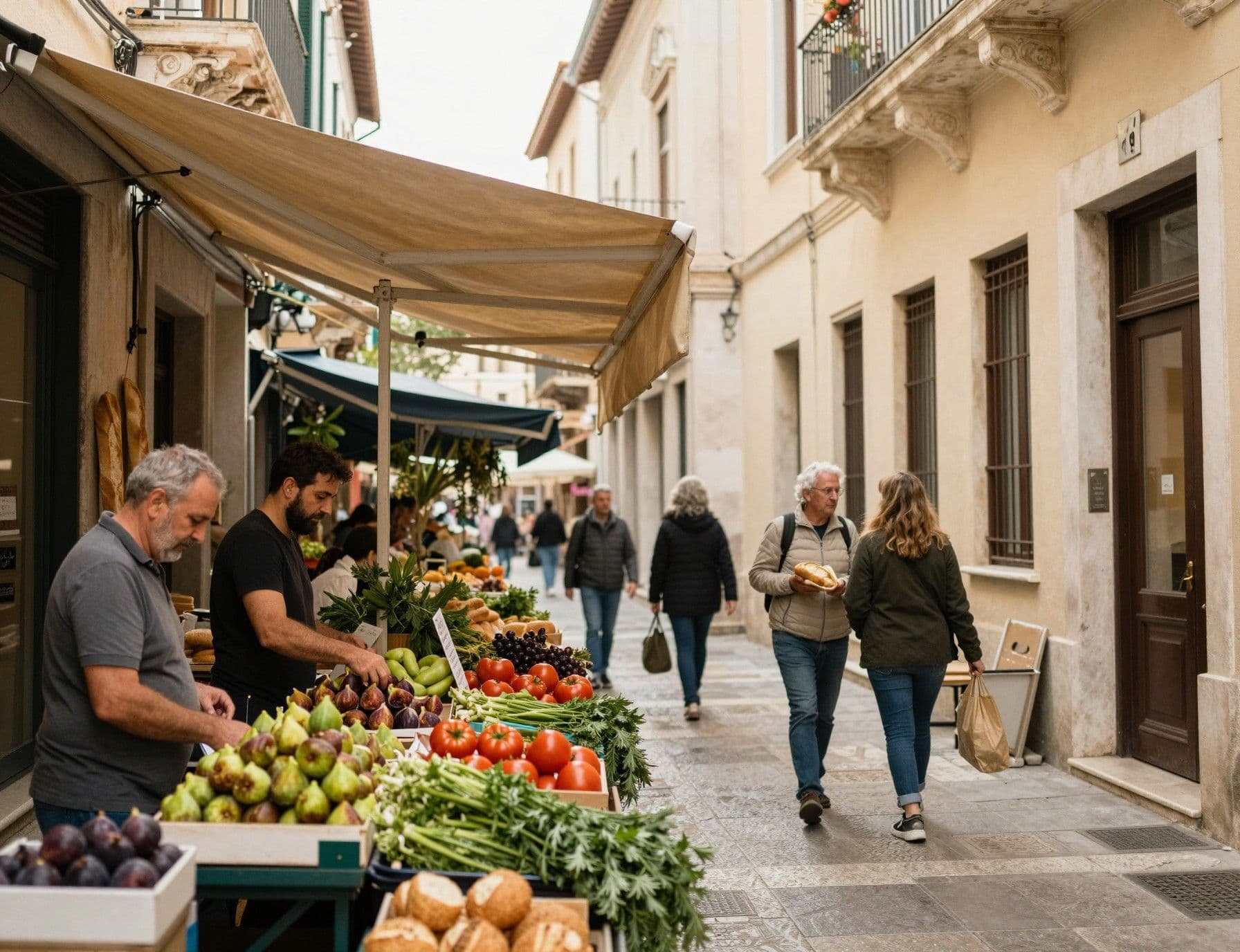
Imagine an early morning in Plaka: a pale sun washes the limestone, a neighbour sets out crates of figs, and the barista knows your order before you ask. That sense of small, exact pleasures—the market, the slow seafront walk, the neighborhood café that becomes an office for a morning—is what draws so many international buyers to Greece. Yet the market these pleasures inhabit is changing fast; buyers must reconcile a love of place with new regulations and shifting demand. This article pairs the lived character of Greek neighbourhoods with the practical signals an international buyer should watch, drawing on recent analysis from central bank and legal sources to ground those choices.
Living the Greek life: texture, rhythm, place
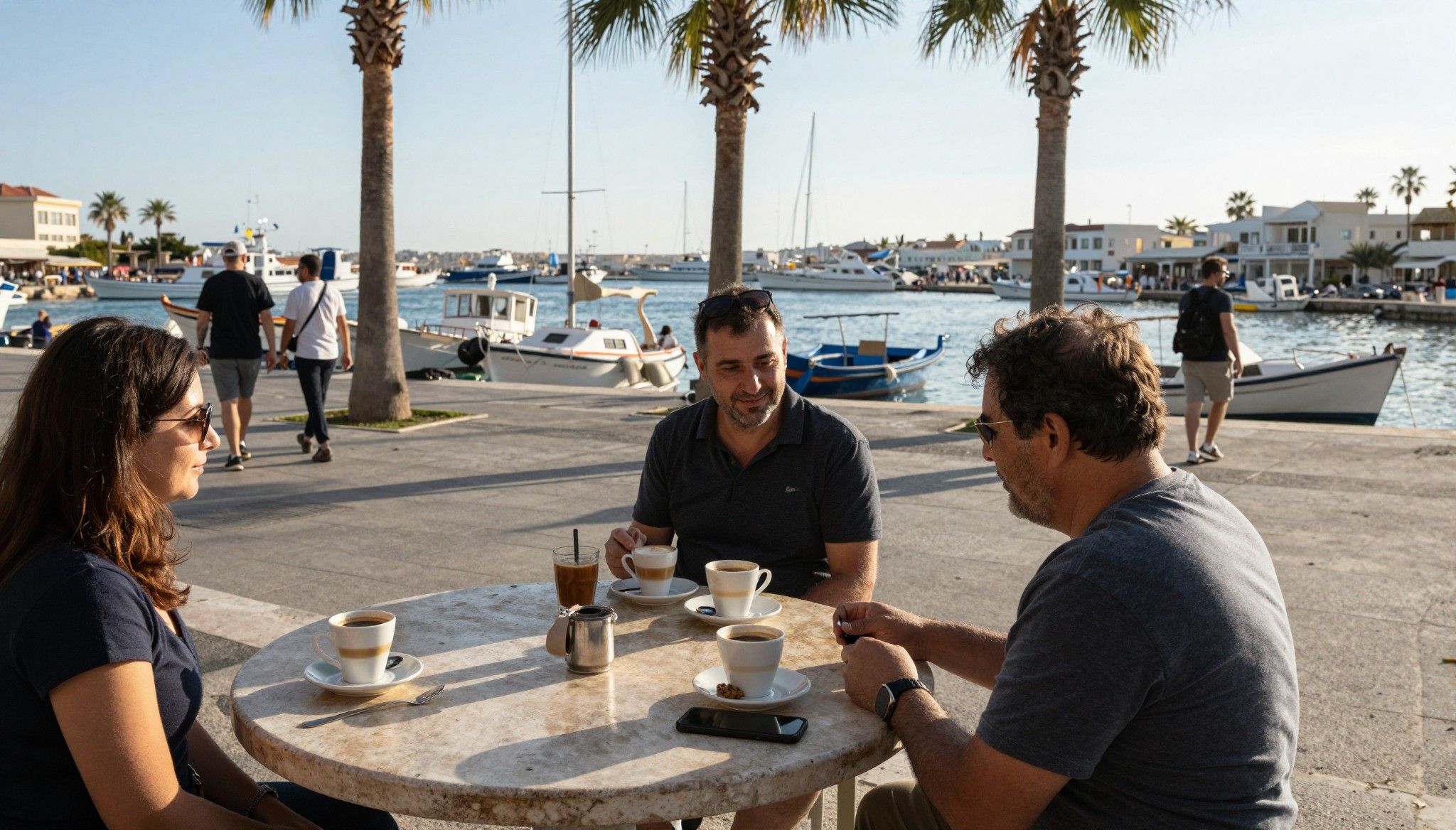
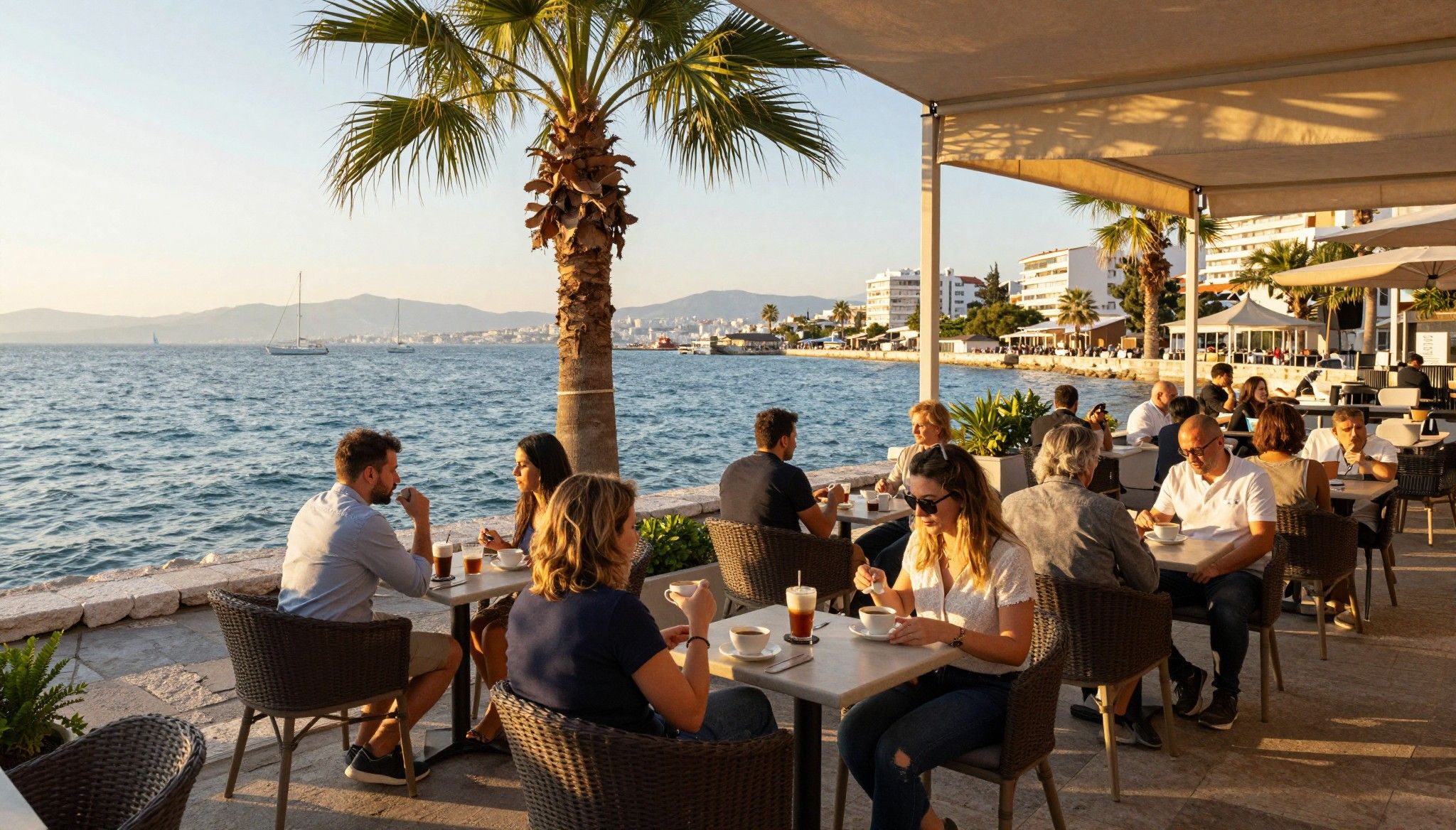
Greece is not a single lifestyle but a set of local rhythms. In Athens, mornings mean compact espressos near Syntagma and restorative walks on tree-lined streets; on the islands a day begins with fishermen returning at dawn and terraces that catch the eastern light. Life here privileges outdoor rooms—balconies, courtyards, rooftop terraces—where social life happens. For a buyer, that translates into a practical checklist: orientation for sun, wind protection, and an eye for durable materials that age with dignity—stone, lime plaster, and original timber work.
Athens: classical fabric, new vitality
Walk from Kolonaki’s neoclassical facades toward the Athens Riviera and you pass layers of history and changing demand. Central Athens now attracts renovation projects, listed‑building restorations and a growing market for premium apartments whose buyers prize provenance and location. Recent reporting shows that residency-driven purchases—those under Greece’s Golden Visa routes—accounted for a meaningful share of high‑value transactions in 2023–24, reshaping which neighbourhoods feel ‘hot’ to investors rather than to long-term residents.
Islands and the archipelago: nuance beyond Mykonos
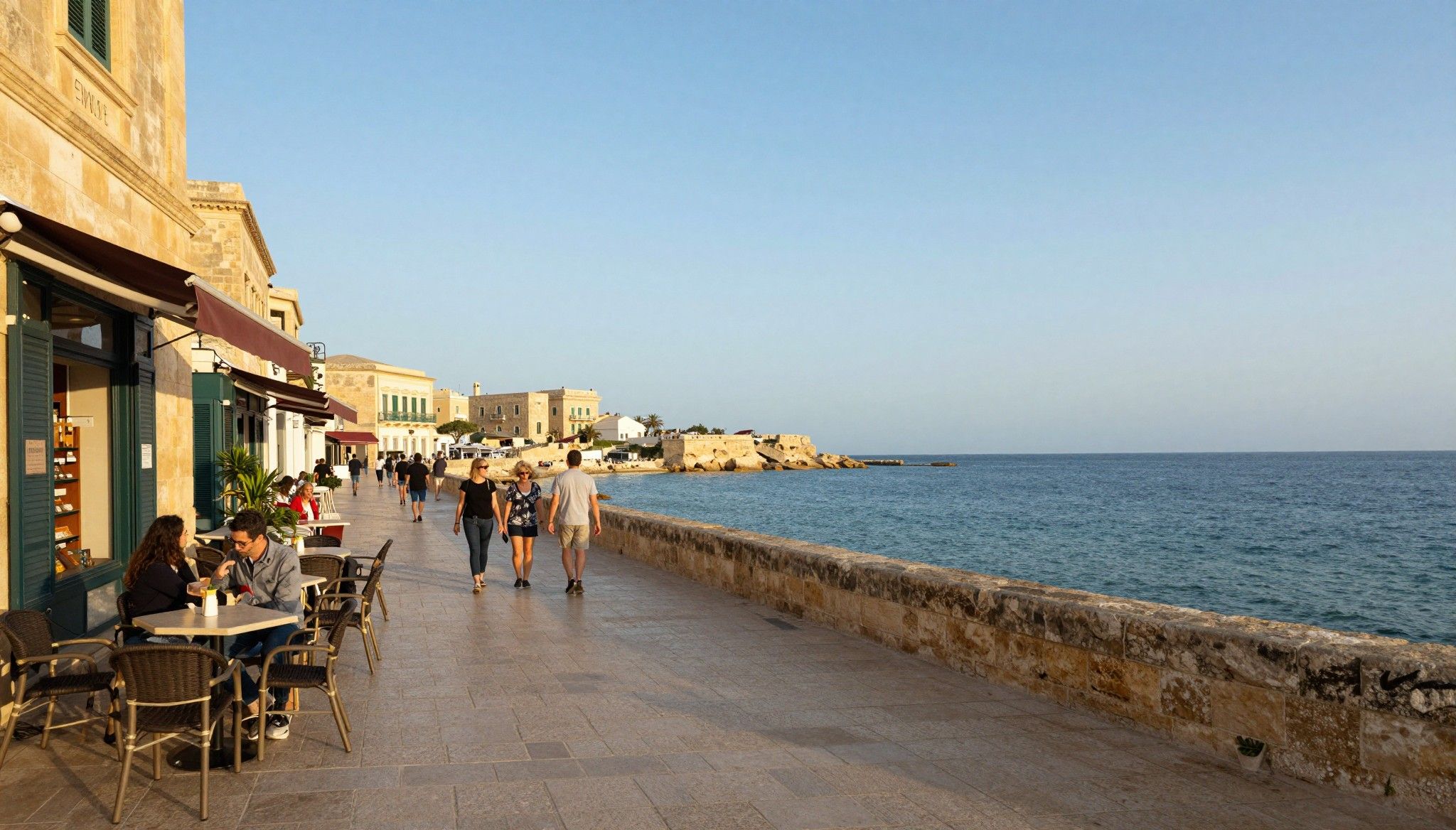
The Cyclades are often painted with a single brush—whitewashed houses, blue doors—but the experience of island life varies: Naxos keeps an agricultural heartbeat and quieter beaches; Paros balances local life with discreet luxury; Santorini is its own category of global spectacle. For the discerning buyer, islands offer both seasonal vibrancy and year‑round communities; the practical implication is to look for good storage, thicker walls for summer heat, and reliable winter access rather than chasing only the postcard image.
Making the move: how lifestyle should shape property choices
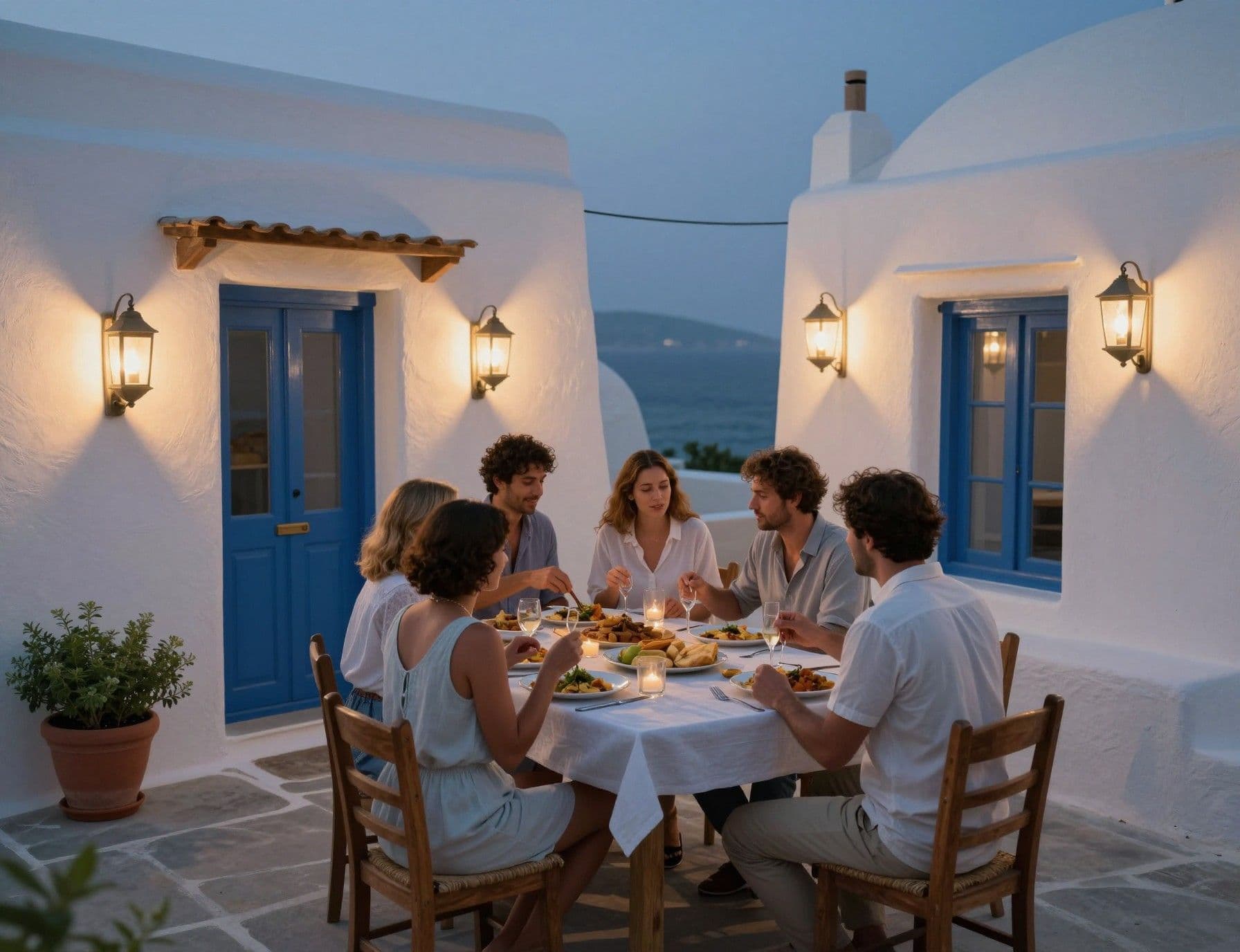
The romance of a place must meet the legal and market realities that determine whether a purchase will be sustainable. Law changes in 2024 raised investment thresholds for residency in many high-demand zones, while creating targeted lower thresholds for conversions and listed‑building restorations. That matters if residency or rental return figures into your plan: different purchase types carry distinct eligibility, use and leasing restrictions that affect long-term utility and value.
Property styles and how they shape daily life
A restored neoclassical maisonette offers high ceiling heights, timber joinery and an urban life rooted in street culture; a modern seafront villa prioritises light, open plans and outdoor entertaining. If mornings are café‑based and social life happens on the street, a central apartment with a generous balcony serves well. If you imagine hosting on terraces and planting a small kitchen garden, a west‑facing plot with sheltered courtyard gains priority. Match the architecture to how you will live, not to how the listing photographs.
- Practical factors to compare when visiting properties
1. Sun orientation and prevailing winds — crucial for comfort and energy use. 2. Access and seasonality — ferry reliability, winter roads, nearby services. 3. Building fabric — evidence of good repairs, quality lime plasters, original timber elements. 4. Local amenities — bakery, greengrocer, a pharmacy reachable on foot. 5. Rental rules and Golden Visa eligibility — what the title deed actually allows. 6. Community patterns — long‑term residents versus transient, tourism-driven occupancy.
Insider knowledge: what expats wish they’d known
Stewardship is the watchword many long‑term residents use: properties here repay the care you give them. Bank of Greece data show steady price growth in recent years and strong interest from non‑resident buyers, which has concentrated demand in Athens, major islands and the Attica Riviera. But buyers often underestimate the daily logistics—seasonal service closures, utility idiosyncrasies, and the time required for authentic integration into neighbourhood life. These are not obstacles but realities that shape where a property will feel most like home.
Language, community and social rhythms
A modest effort with Greek opens doors—local shopkeepers, a municipal official, your next‑door neighbour. In many island communities the social calendar revolves around the kafenio and the church feast day; in Athens it is the weekly market and the small orchestra of relationships at the corner baker. Join the rhythm early and you gain both friendship and practical knowledge: who to call for an honest builder, where the best seasonal produce arrives, and which streets are quiet after summer.
Practical next steps for a confident purchase
1. Visit in two seasons: sample the island in high summer and in winter to judge year‑round life. 2. Obtain a detailed title search and survey before any deposit; insist on a verified deeds extract. 3. Discuss Golden Visa or residency implications with a specialist law firm early—thresholds and permitted uses vary by property type. 4. Engage an architect or conservator when considering listed buildings; restoration rules protect heritage but require compliance. 5. Use a local agency that values provenance and will introduce you to neighbourhood custodians, not merely listings.
Conclusion: Greece asks for time and attention, and rewards both. The daily life—shared breakfasts, a lazy afternoon on the terrace, the neighbour who brings olives in autumn—is what gives value to property here. Recent market data indicate robust foreign interest and regulatory shifts that favour considered investment over opportunistic buying; the best purchases pair an immediate sense of belonging with careful legal and technical due diligence. When you move with a modest, well‑informed plan you acquire more than real estate: you acquire a place to live well.
Having moved from Stockholm to Marbella in 2018, I help Scandinavian buyers navigate Spanish property law, restoration quality, and value through authentic provenance.