Croatia: Tax Stewardship for Seasonal Lives
How Croatia’s 2025 property and transfer tax changes reshape purchase choices — lifestyle-led tax planning for buyers who value provenance and seasonal living.
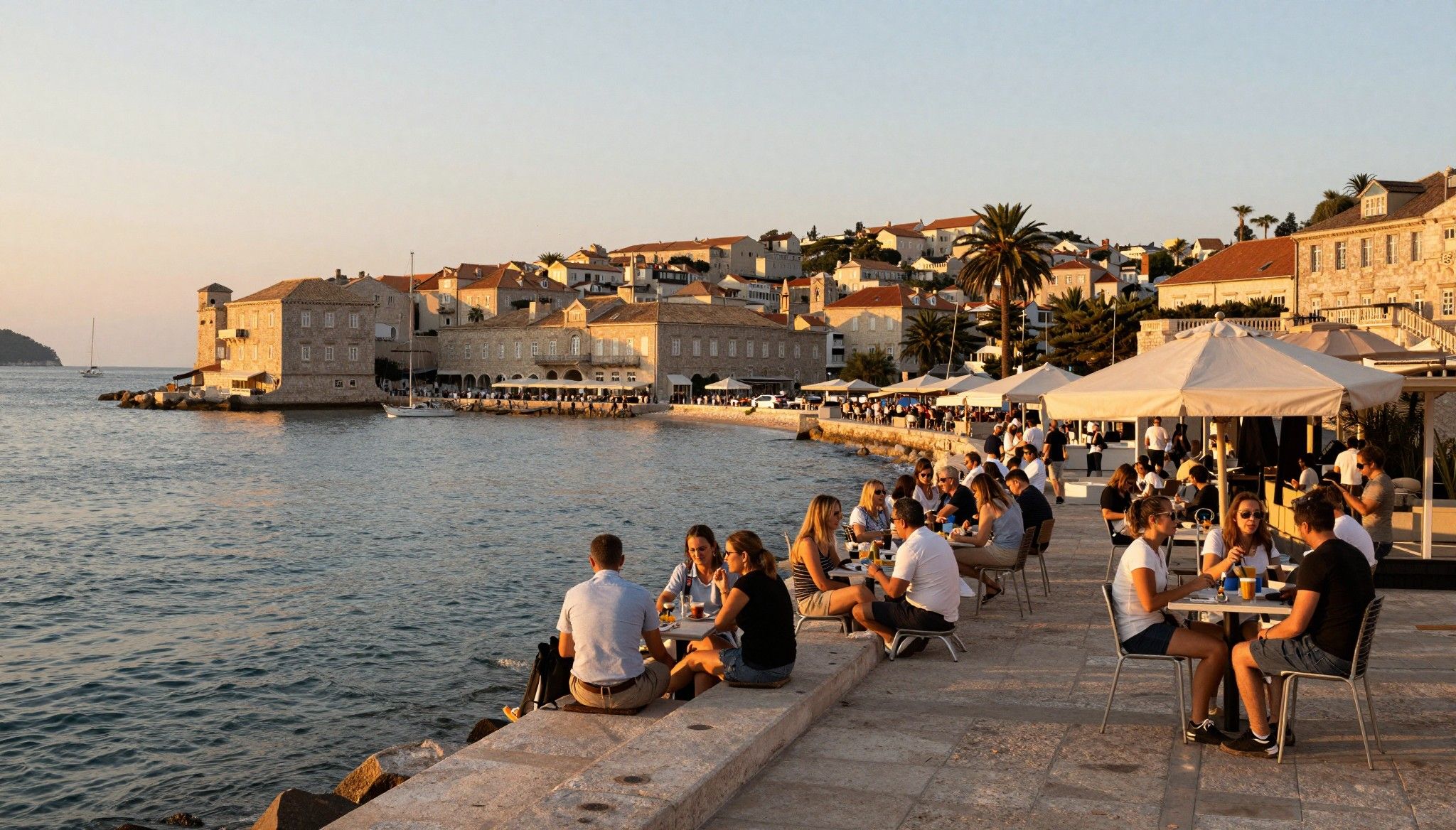
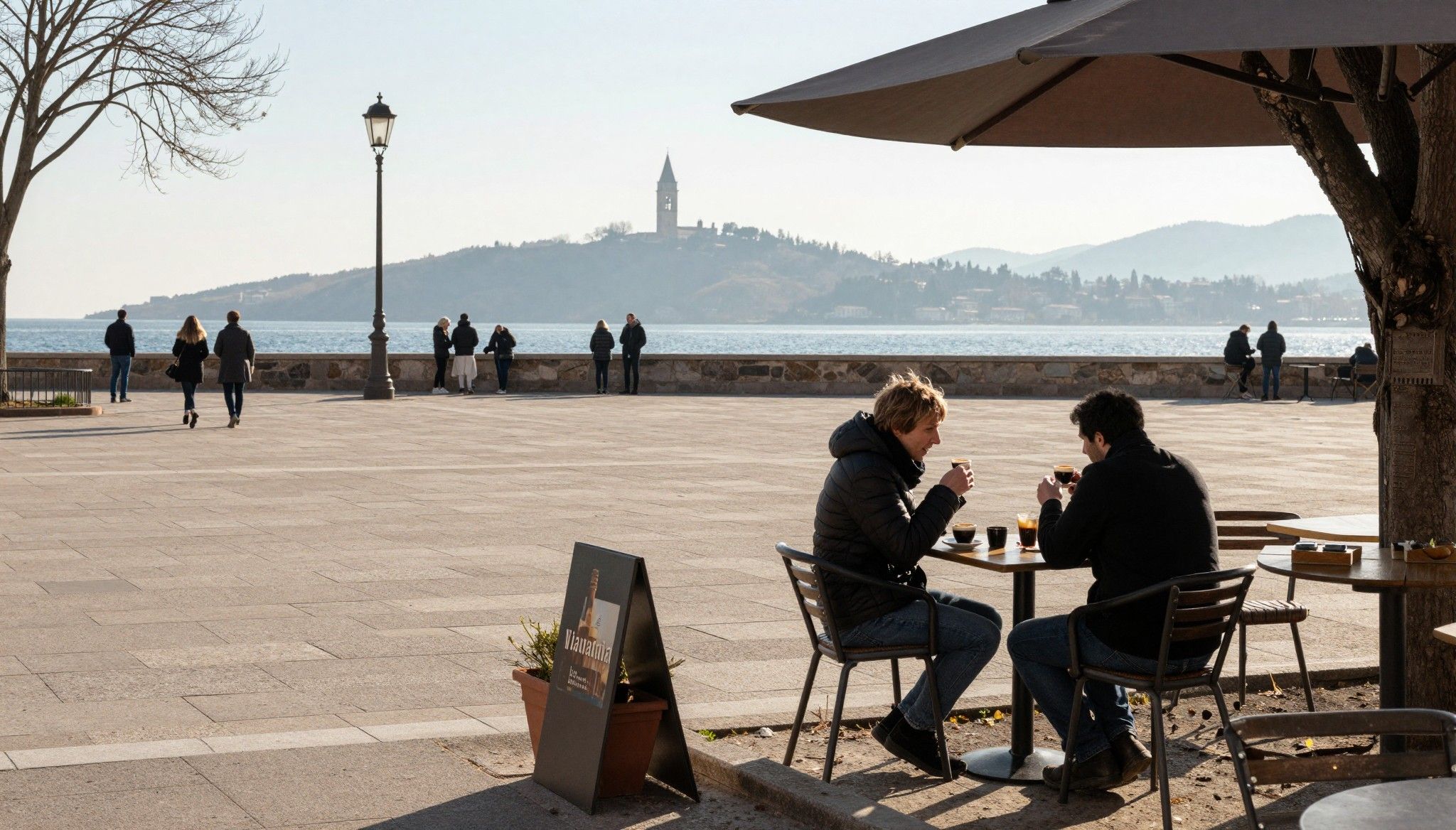
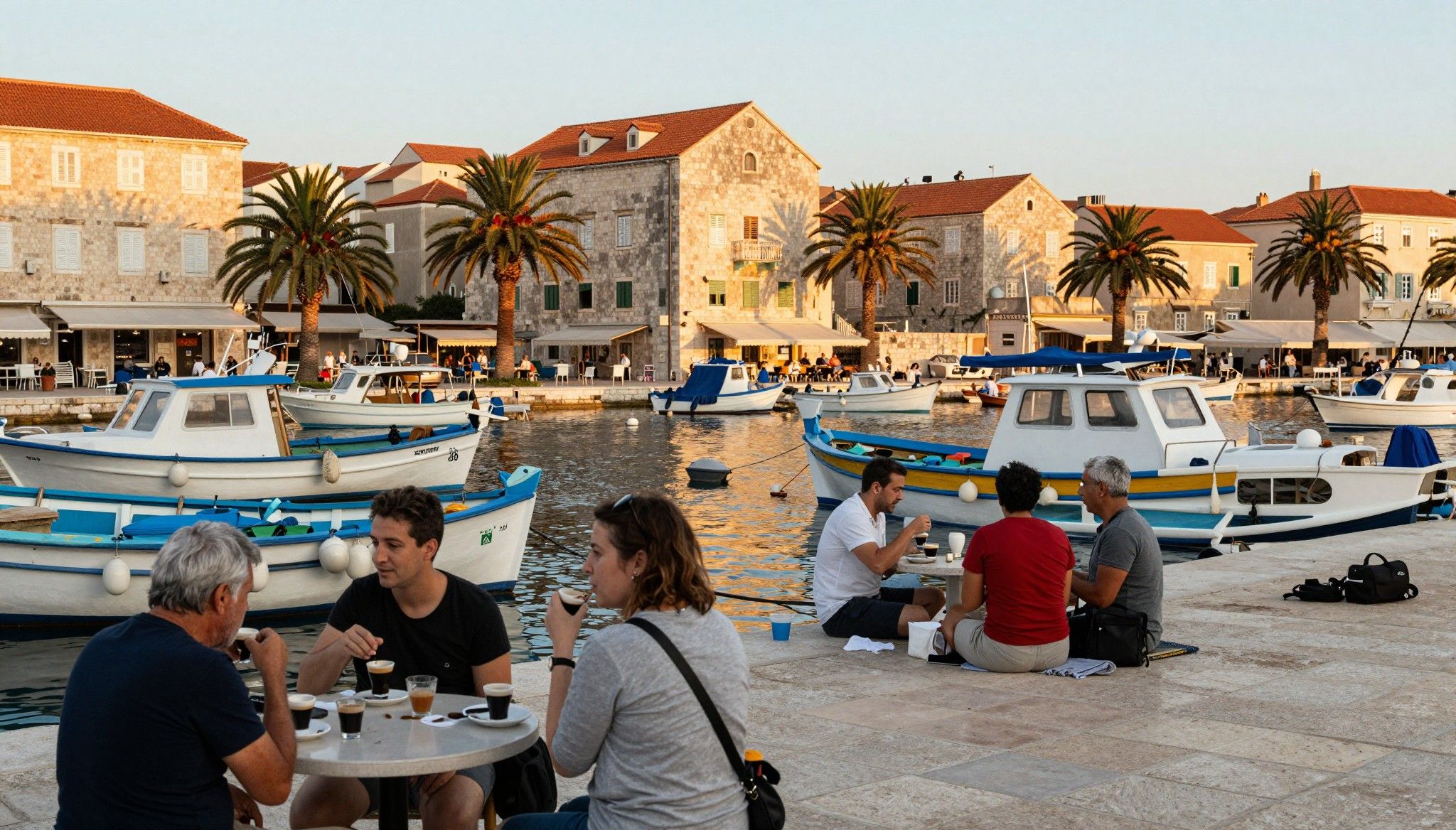
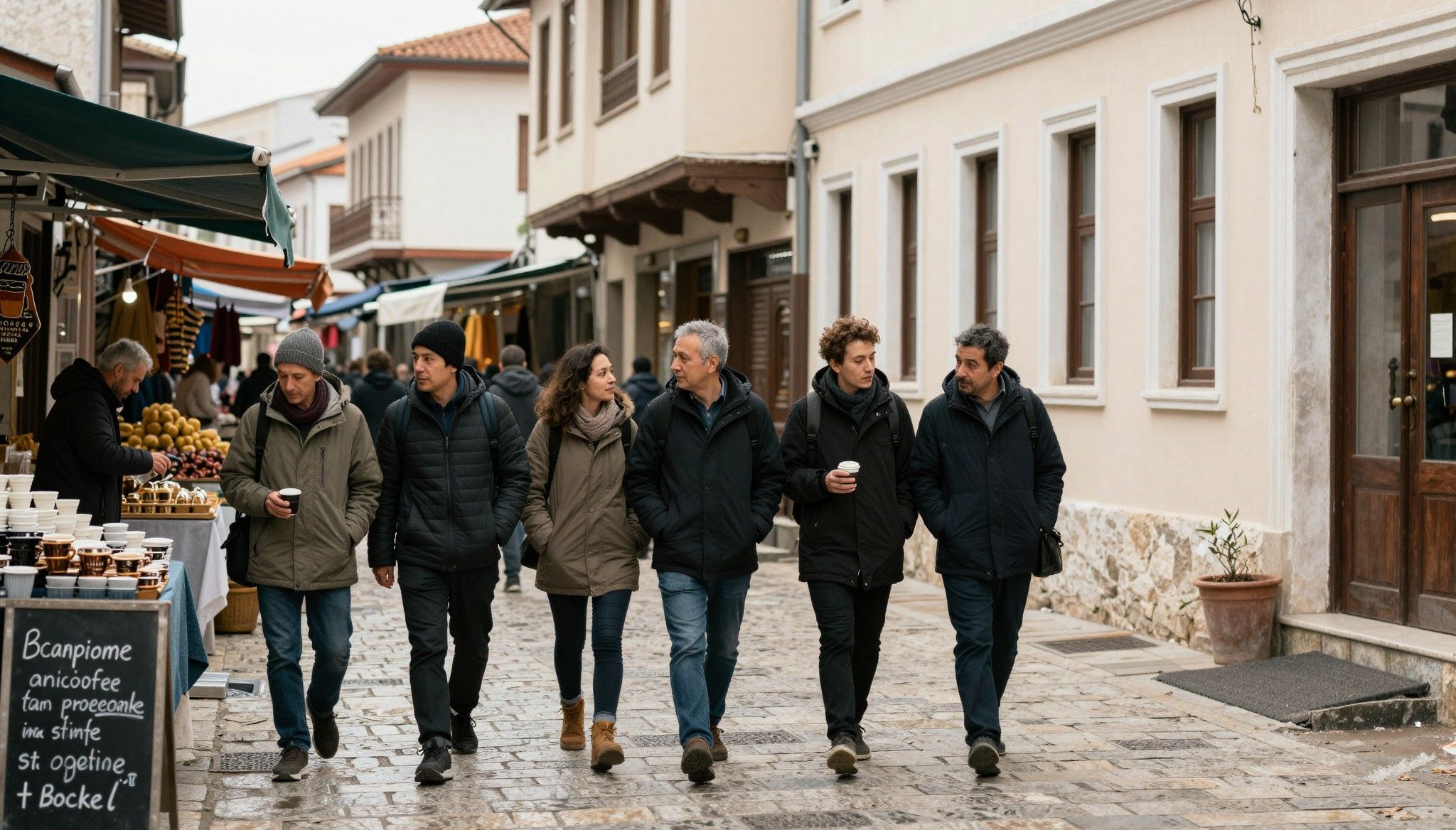
Imagine stepping from a cobbled street in Split into a café that smells of espresso and baklava, the Adriatic sun warming the stone façades. For many international buyers, Croatia begins with this sensory memory — the rhythm of morning markets in Hvar, sunset aperitifs on Vis, and the quiet dignity of a restored stone villa in Istria. Yet beneath that romance lie tax rules, new local levies and planning details that materially shape whether the house becomes a treasured home or an expensive surprise. According to recent market analysis, understanding Croatia’s 2025–2026 tax changes is essential before you sign.
Living the Croatian life: feeling, places, seasons
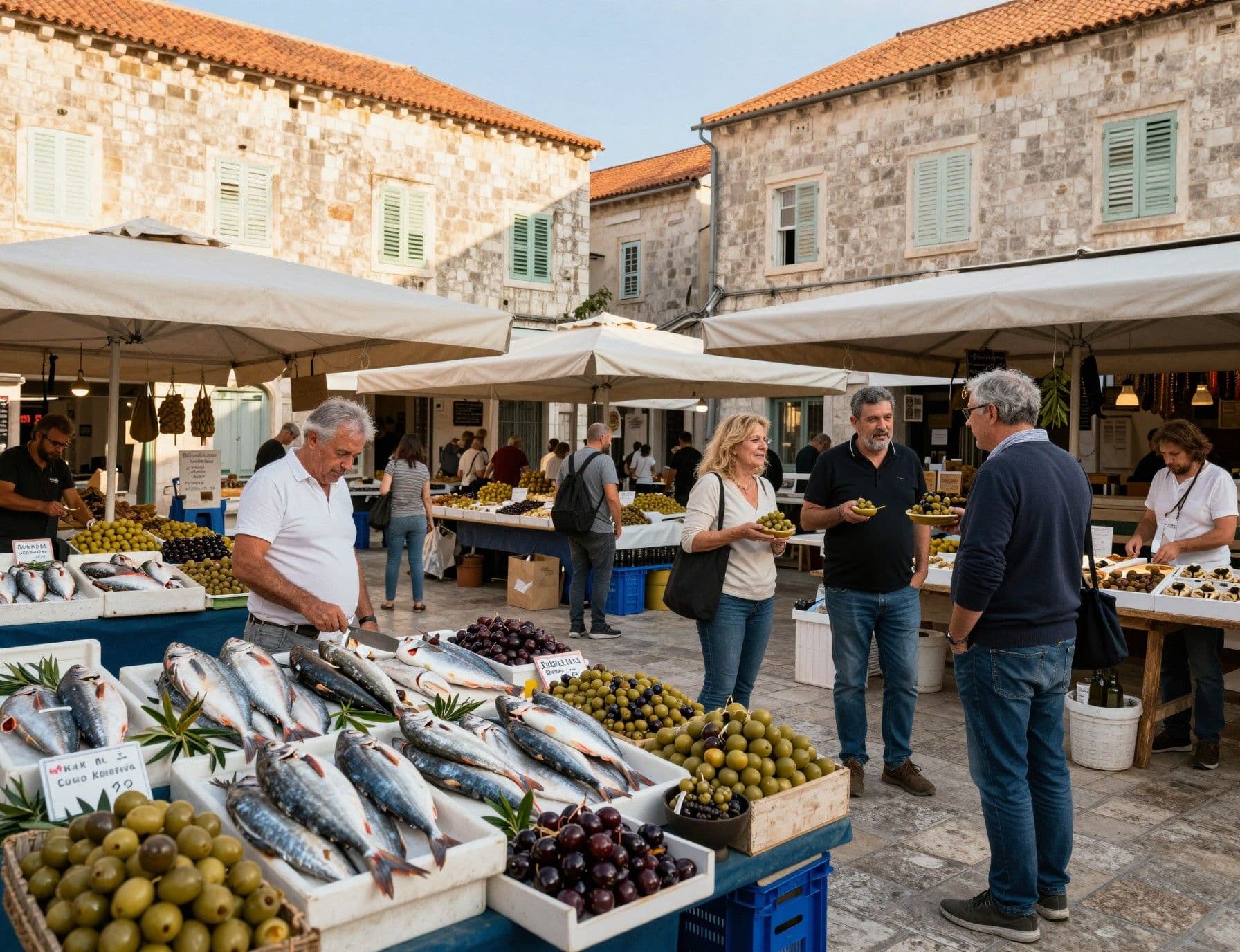
Croatia’s appeal is pace and provenance. Days begin in neighbourhood bakeries and end on terraces where conversation outlasts dinner. Waterfront towns — Dubrovnik’s marble streets, Rovinj’s ochre alleys, Zadar’s brass benches — each keep their own tempo. Inland, Istrian hill towns offer truffle-rich winters and quiet summers; Dalmatian islands invert that pattern, buzzing in July and hushed by November. This rhythm matters: where you buy determines not only the light in your windows but taxes, rental prospects and maintenance cycles.
A few neighbourhood notes that matter
If you cherish daily cafés and pedestrian life, Split’s Veli Varoš and the Old Town of Dubrovnik give immediate immersion but bring higher seasonal service costs and stricter conservation rules. For quieter stewardship — olive groves, vaulted barns and long views — Motovun and central Istria reward patience and are kinder on renovation budgets. On islands such as Brač and Korčula, accessibility (ferry schedules, winter services) directly affects both living quality and the taxable income you might realistically earn from short lets.
Food, markets and weekends: lifestyle that informs tax choices
Weekends in Croatia are market-driven: fish stalls in Split’s Green Market, Istrian farmers with cured ham and Malvasia, and small bakeries in Zagreb’s Dolac. These routines shape how people use second homes — frequent weekend returns reduce vacancy and can change tax treatment for primary residence rules or long-term rental classification. For buyers who imagine a life tied to local food and community, plan for practicalities: storage for produce, year-round access, and municipal rules that affect conversion to short-term rental.
Making the move: practical considerations that preserve the lifestyle
Romance meets regulation when the contract is signed. Croatia levies a real-estate transfer tax (generally 3% of market value) payable by the acquirer in most sales; some transfers (inheritance, gifts between close relatives) are exempt. From 2025 a new property tax framework also began to apply to non-primary residences, changing ongoing ownership costs. These levies are not abstract — they alter monthly carrying costs and the calculation of rental yield, which should inform offer strategy.
Property types and how they align with life and taxation
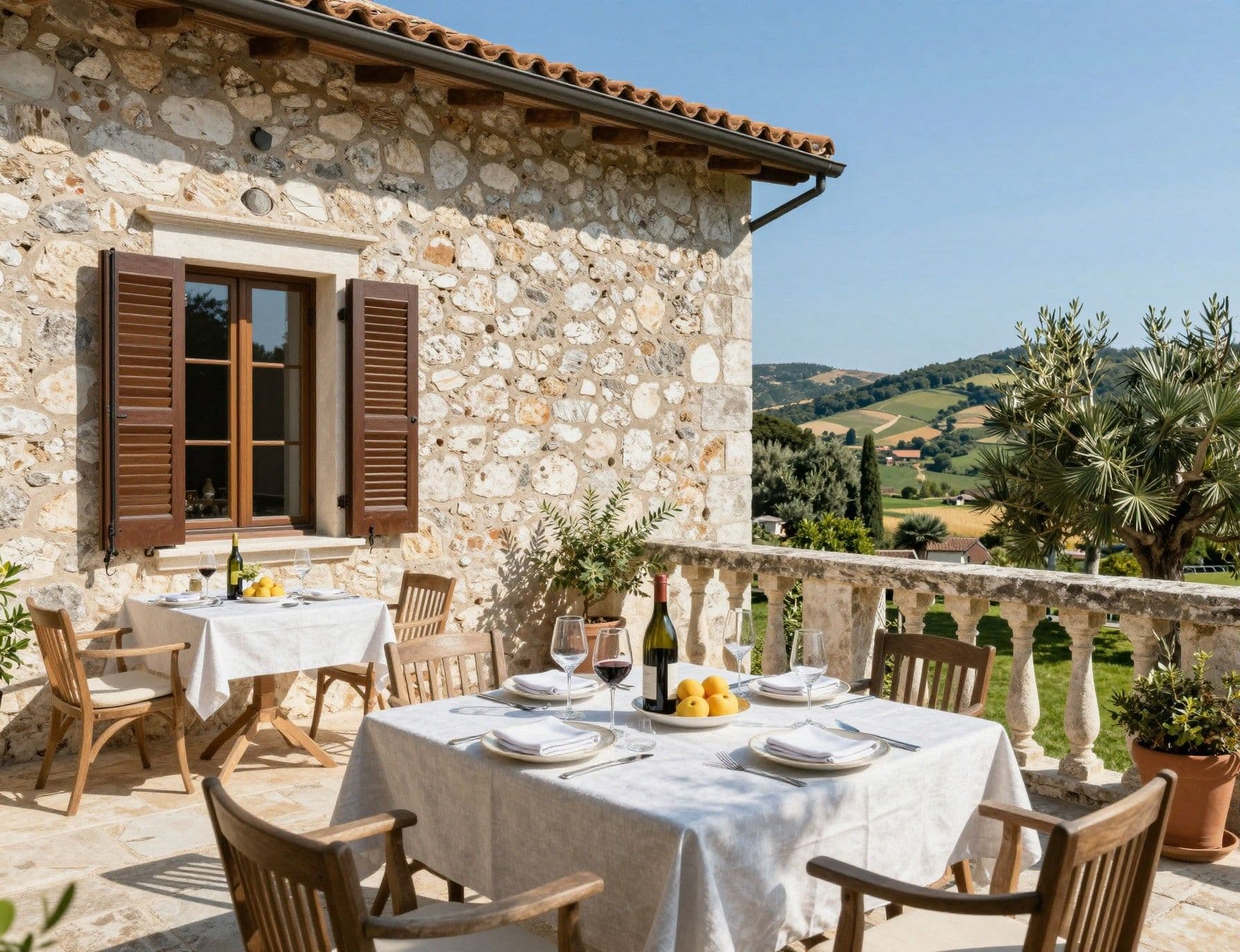
Stone townhouses and historic apartments often sit within conservation zones where VAT exemptions, renovation permissions and tax treatments differ from new builds. A converted stone villa in Istria may enjoy lower long-term running costs yet attract a property tax if not your primary residence. Conversely, a modern coastal apartment with tourist demand may promise rental income but will be affected by stricter short‑term rental rules and municipal levies introduced since 2025. Match the architecture to your intended use — living, letting, or mixed — and let that decision guide tax planning.
Working with local experts who preserve the life you imagine
An agent who knows a neighbourhood is not the same as a lawyer or tax adviser who knows the tax tables. Engage a notary for title work, a Croatian tax adviser for residency and ongoing obligations, and an architect familiar with conservation constraints if you plan renovations. Agencies that specialise in provenance — restored stone houses, architect‑led conversions — will better connect you with properties where design integrity and tax efficiency align.
- Do this before you make an offer: 1. Confirm whether the transfer attracts the 3% transfer tax or VAT (new builds sometimes involve VAT). 2. Ask the Tax Administration for the official market valuation if the declared price differs from market comparables. 3. Estimate annual property tax and municipal tourist levies for non-primary residences. 4. Calculate realistic net rental yield after management, seasonality, and new local rules on short-term lets. 5. Get a written cost schedule from local conservators or architects for any intended restorations.
Insider knowledge: what expats wish they’d known
Expats often underestimate how seasonality and neighbour sentiment affect taxation and permitted use. Since 2025 municipalities can influence property tax rates and short‑term rental rules; in some towns the conversion of apartments into tourist lets now requires neighbour approval. What felt like an asset in July can be a liability in January if ferry links slow or if peak-season income is not legally supported. Local knowledge — including which communes offer exemptions for returnees or heritage restorations — is decisive.
Cultural and day-to-day realities that influence long-term value
Language and custom shape practical living. Neighbour consent matters in small communities; neighbours influence licensing, noise norms and even renovation pace. Long winters in inland Istria mean lower running costs but require winter-proofing; coastal properties need attention to salt air and insurance. Over time, communities reward owners who invest in stewardship — good neighbours, maintained stonework and olive groves preserve value and reduce contentious assessments.
Hidden costs and red flags
- Uncover these before you buy: - Official market valuation vs declared price (Tax Administration can reassess). - Outstanding communal debts on buildings (maintenance, utilities). - Restrictions in conservation areas that restrict upgrades or rental use. - Seasonal accessibility costs (winter heating, ferry subsidies, road maintenance). - Recent municipal ordinances on tourist rentals or new property tax decisions.
- A simple 4-step tax-check before completion: 1. Request a notarial title search and outstanding charges certificate. 2. Obtain a written tax estimate from a Croatian tax adviser, including transfer tax, property tax and likely income tax on rentals. 3. Verify residency implications: how often will you need to be present to claim primary residence benefits? 4. Confirm any local licensing or neighbour consent needed for short‑term letting.
When done well, buying in Croatia is stewardship as much as investment. The most enduring homes are those matched to a life: a narrow town house for daily cafés, an Istrian farmhouse for slow winters and harvests, or a sheltered coastal villa for seasons of light. Match that life to careful tax planning — use local advisers, request written estimates, and let the architecture and community inform fiscal choices.
Next steps — how to move forward with confidence
- Practical first moves: - Commission a short neighbourhood feasibility report from an agency experienced in Croatian conservation zones. - Arrange a pre-offer tax consultation to model transfer tax, property tax and rental scenarios. - Insist on a notarial escrow and a detailed schedule of condition for older stone properties. - Visit in two seasons to feel the year-round rhythm before committing.
A life in Croatia asks for attention to history, to seasons, and to neighbours. The right tax plan does not detract from that life; it enables it. If you want properties that reward stewardship rather than speculation, begin with lifestyle-first questions and let local tax expertise translate them into sound offers.
Having moved from Stockholm to Marbella in 2018, I help Scandinavian buyers navigate Spanish property law, restoration quality, and value through authentic provenance.