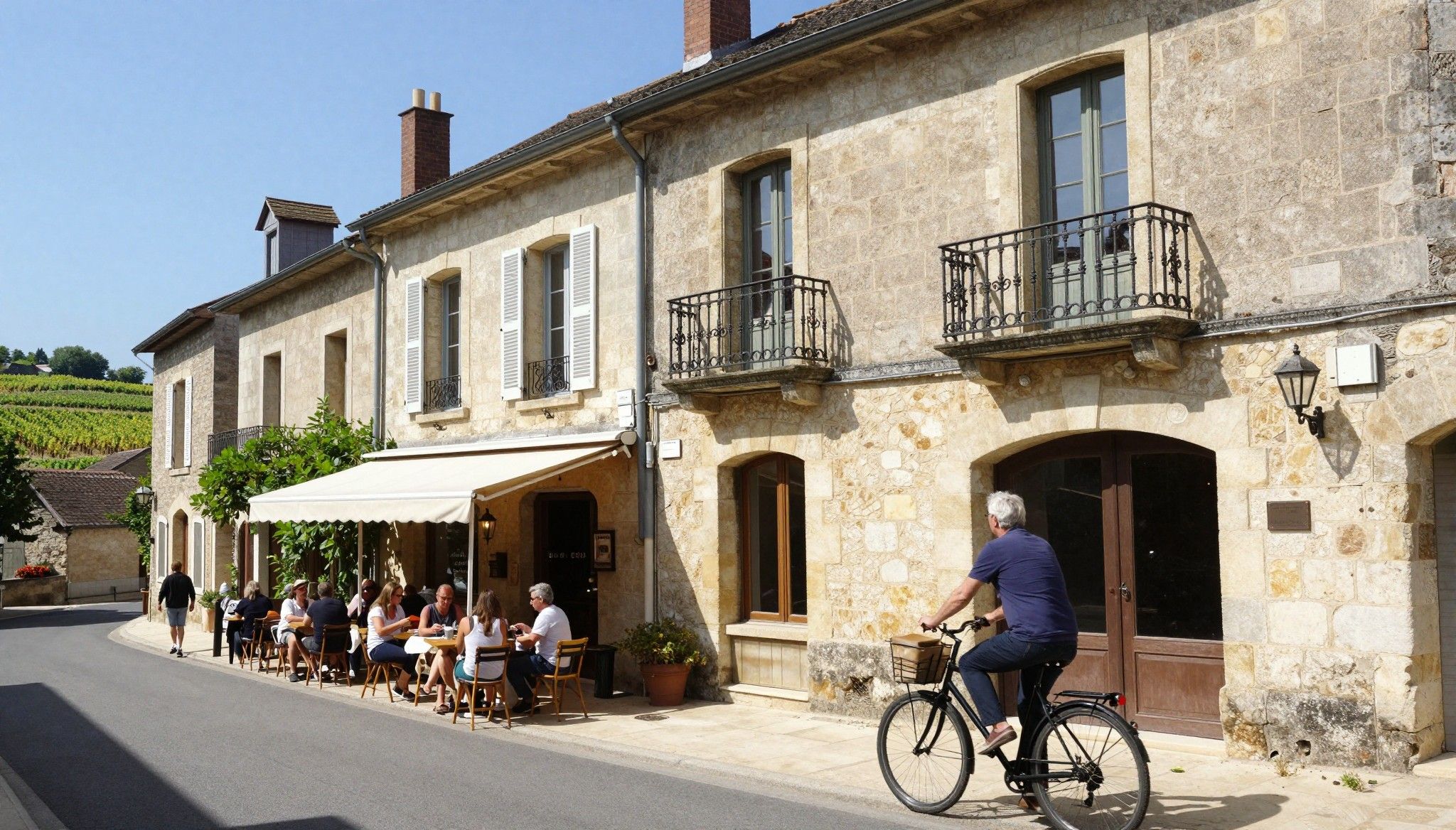
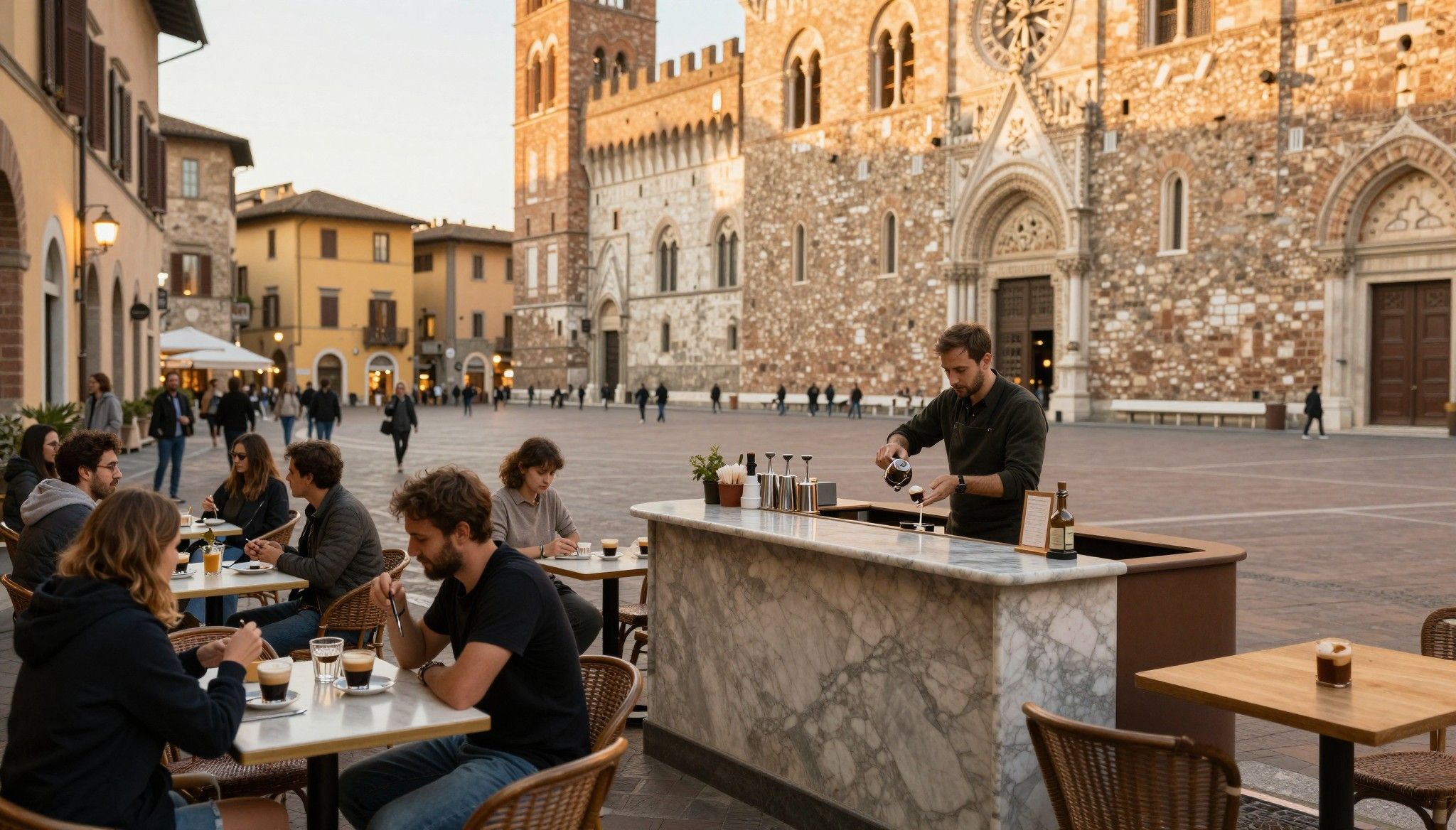
Protecting the Croatian Home You Love
How to protect a Croatian home you adore: match lifestyle intelligence with legal clarity—title checks, tailored reinstatement cover and local adviser's stewardship advice.
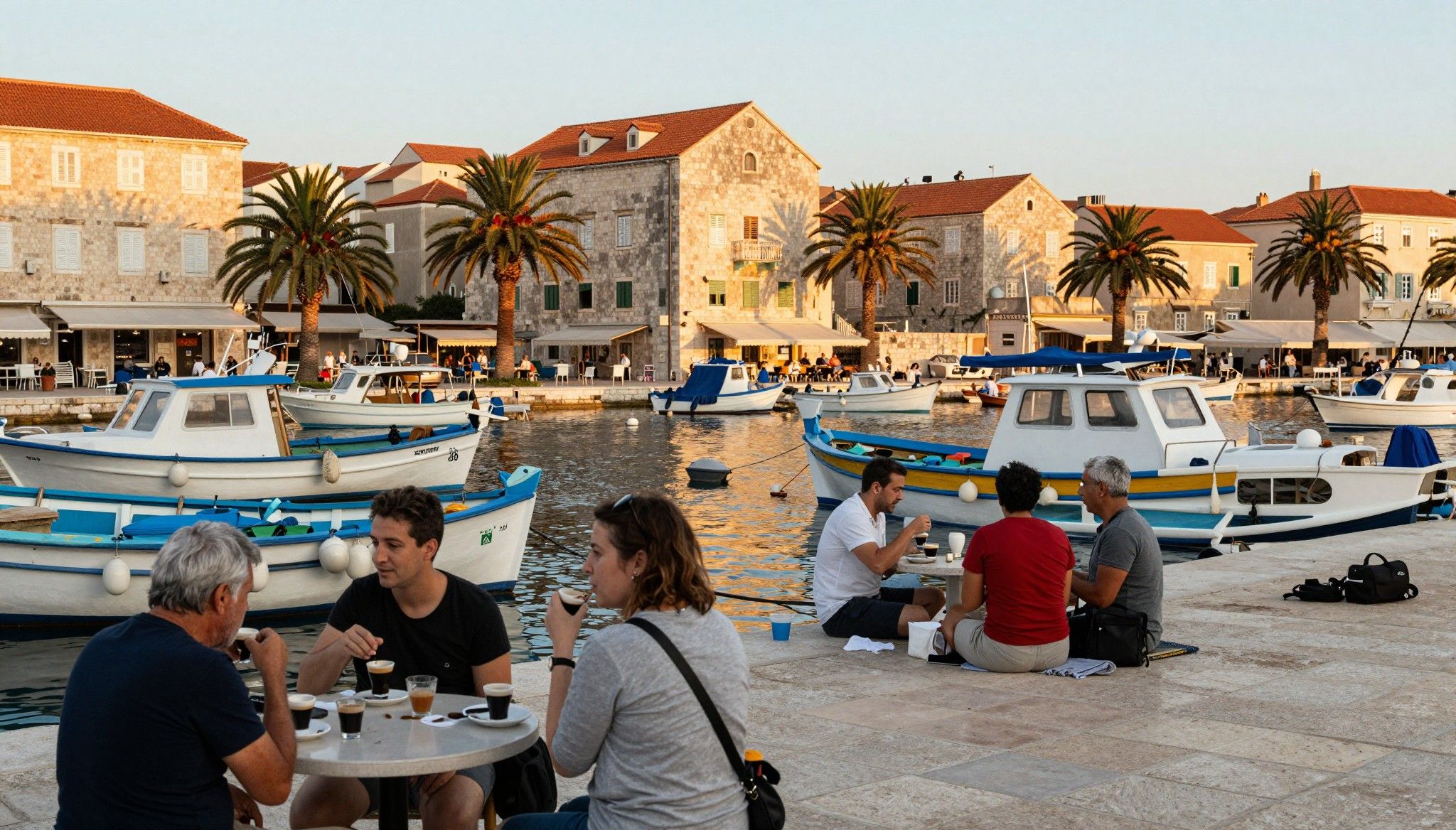
Imagine an autumn morning in Split: cobbled alleys warm beneath a low sun, a baker folding fragrant burek, neighbours pausing at the harbour to exchange the day’s news. Croatia lives in seasons — gentle winters in Istria, brilliant summers along the Dalmatian coast, and a daily rhythm where markets, cafés and the sea set the tempo. For many international buyers the romance arrives first; the practical questions follow — title certainty, insurance that respects stone walls and sea air, and a purchase process shaped by EU law and local custom. This piece looks at protection strategies that let you keep the romance intact while minimising legal and financial risk, with concrete sources and local examples.
Living the Croatian life: texture, seasons and place
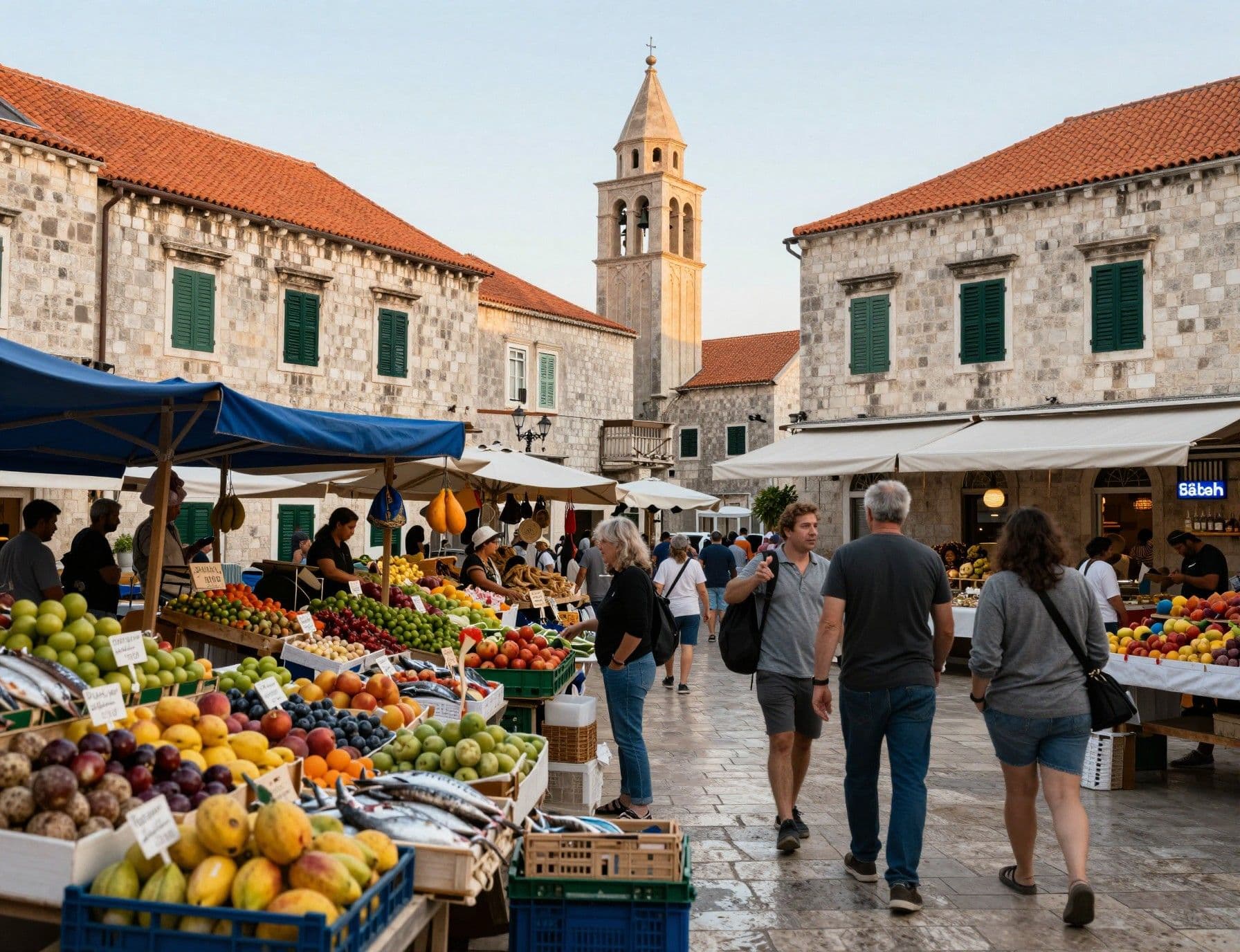
To live in Croatia is to live with visible history: Venetian arches in Dubrovnik, austere Austro-Hungarian facades in Zagreb, rustic stone hamlets on Hvar. Daily life is outward-facing — cafés on Riva promenades, morning fish markets in Zadar, and terraces that host long suppers. Seasons matter for both mood and market: coastal towns pulse in July and August, while winter reveals quieter rhythms and negotiating room. For buyers these rhythms determine not only lifestyle but the practicalities of insurance cover, maintenance schedules and rental potential noted in national investment guidance.
Spotlight: Old Towns and their quiet economies
An apartment on Poljana Uz SPinčićeva near Diocletian’s remains will give you morning markets and a walkable life; a stone restoration in Korčula’s Stari Grad promises shade and sea breezes. These areas come with specific upkeep needs: heritage façades, lime-based mortars, and tightly drawn building regulations. That history is part of their value, but it also shapes insurance premiums, restoration permits and the kind of warranty you should require from a seller. Practical protection starts by matching your insurer’s understanding to the property’s material story.
Food, markets and the social currency of neighbourhoods
Picture Saturday at Dolac market in Zagreb, buying seasonal produce and overhearing tips about an available apartment two streets away. Food and markets knit communities and often point to where practical value accumulates. A neighbourhood with an active week‑end market usually resists tourist volatility and provides steadier long‑term demand. For buyers who prize a lived-in community, these social cues are as important as price per square metre when evaluating protection strategies like home insurance and landlord cover.
- Lifestyle highlights to scout in person
- Morning cafés on Split’s Riva; evening fish stalls at Rijeka’s Korzo
- Quiet lanes of Dubrovnik’s Ploča for restoration projects with sea views
- Istrian truffle routes and weekend food festivals that sustain local rental demand
Making the move: practical protections that respect the lifestyle

The emotional appeal of a Croatian life must be paired with legal clarity. EU citizens enjoy parity of purchase rights; non‑EU buyers usually require reciprocity or ministerial consent. That difference alters the paperwork and the timing of transactions, and it should influence the protections you insist upon: clear title extracts, up-to-date urban‑planning confirmations and an insured closing. Begin by asking for the land register extract and municipal planning statement before making an offer; these documents expose constraints that affect insurance and future works.
Property types and the cover they need
Stone houses, new builds and apartment conversions each carry distinct risk profiles: older stone dwellings face salt‑air corrosion and require specialist reinstatement cover; new developments need builder’s and latent defects insurance; coastal flats require flood and storm extensions. Recent DZS indices show continued upward pressure on house prices in many regions, which makes accurate valuation and replacement-cost assessments essential for adequate cover. Ask your insurer for a tailored reinstatement estimate rather than a simple market value figure.
Working with local advisers who understand life and law
A Croatian solicitor and a local insurance broker are complementary allies. Lawyers confirm land register status, check reciprocity requirements and draft contractual warranties; brokers interpret policy wordings for coastal risks, artisan restorations and furnished short‑lets. Choose advisers who have worked with international clients and who can explain how Croatian practice departs from other European norms. Their local knowledge often turns otherwise opaque documents into practical protections that align with the life you expect to lead.
- Six-step checklist that blends lifestyle and protection
- 1. Obtain an up-to-date land register extract (izvadak iz zemljišnih knjiga) and municipal urban-plan statement.
- 2. Commission a local surveyor experienced with coastal salt exposure and historic masonry.
- 3. Ask sellers for written warranties on structural work and planning compliance; record these in the contract.
- 4. Get tailored insurance quotes that separate contents, reinstatement, and flood/storm extensions.
- 5. Use escrow or notary holding where possible to time payment with registration; confirm who pays transfer taxes and fees.
- 6. Plan for seasonal maintenance and include a recommended annual inspection clause in rental agreements if leasing.
Insider knowledge: common missteps and the quieter protections
Expats often assume that a completed sale equals full protection; the subtleties lie in what follows. I have seen buyers who accepted verbal promises about renovations, only to find them unenforceable without written warranties. Others underestimated seasonal risks — a winter roof leak or spring inundation can quickly erode enjoyment and value. Practical protections extend beyond insurance: contractual timing, retention of part of the purchase price until defects are resolved, and a clear clause allocating responsibility for pre-existing encumbrances.
Cultural cues that change legal choices
Croatian negotiations often mix formalities with neighbourly trust; a seller’s local reputation matters. Where a property is family‑held, expect informal repairs and ad‑hoc documentation that require legal formalisation. Learning a few Croatian phrases helps — for instance, confirming who maintains shared yards or communal roof tiles avoids later disputes. The best protection is respect for local practice combined with rigorous documentation drafted by an adviser who understands both languages of law and local life.
Longer-term considerations: stewardship rather than speculation
Ask not only how a property can be used now but how it will age. Choosing durable materials, preserving artisan details and planning for periodic conservation increases a home’s desirability and reduces insurance surprises. For buyers who intend to let, seek landlords’ policies that include seasonal re‑occupancy clauses and cover for furnished items. Thinking in stewardship terms aligns with Croatia’s patrimonial fabric and often yields the most enduring financial returns.
- Red flags to pause for
- No recent land register extract or conflicting entries in the cadastre
- Lack of written planning confirmation from the municipality for renovation works
- Insurer refusal to quote reinstatement cost based on a surveyor’s report
- Seller unwilling to agree to a short post‑completion defect retention
When these warnings appear, slow down. The extra time to clear title, obtain municipal confirmations and secure tailored insurance is a modest premium for the tranquillity of knowing the life you bought will endure. Agencies that combine a curated property list with in‑house legal and insurance partners will often streamline these steps without sacrificing rigour.
Conclusion: how to move forward with taste and assurance
If Croatia has convinced you — its markets, its markets, and its seasons — let that conviction be tempered by practical protections. Begin with documented facts: land register extracts, municipal statements and a surveyor’s reinstatement report. Then secure insurance and contractual warranties that reflect coastal exposure, historic fabric and your intended use. Finally, choose advisers who value provenance as much as price; the right agency will protect the life you imagine as carefully as they sell the property that makes it possible.
Relocating from London to Mallorca in 2014, I guide UK buyers through cross-border investment and tax considerations. I specialise in provenance, design integrity, and long-term value.