Italy: Lifestyle, Provenance and the Practical Move
Italy sells a daily ritual as much as a property. Marry lifestyle intent with local market knowledge — test a neighbourhood, prioritise provenance, and engage experts to protect value.
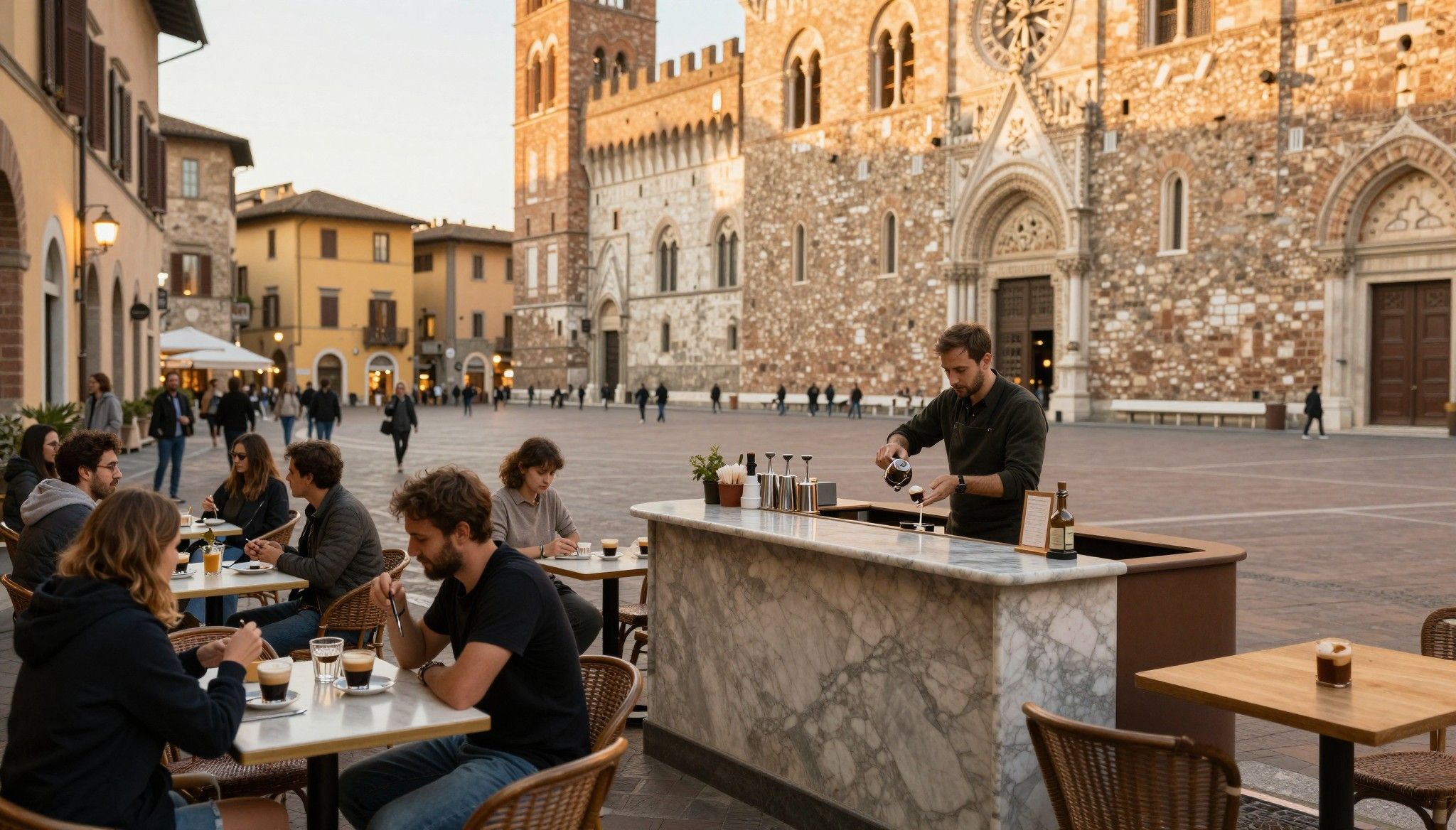
Imagine waking to the sound of a baker on Via del Corso, afternoon markets spilling tomatoes and basil onto stone, and a late‑day aperitivo watched from a small terrace that overlooks worn terracotta roofs. That is the daily theatre of living in Italy — a life orchestrated by light, food, and streets that carry centuries. For international buyers the romance is immediate; the practical choices that follow must match that rhythm.
Living the Italy lifestyle
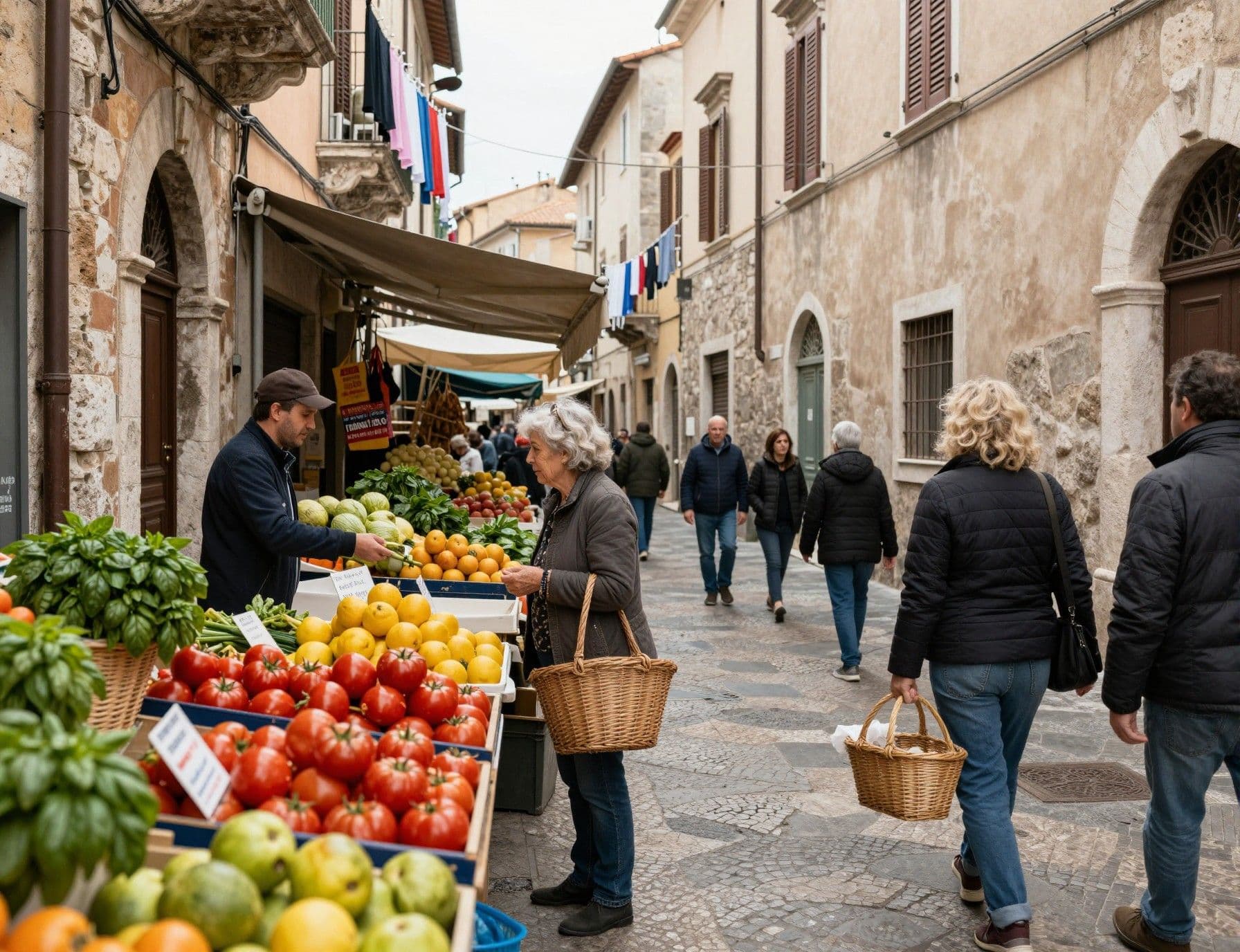
Italy is not a single mood but a chorus of neighbourhoods. In Milan one moves through considered minimalism and late‑night trattorie; in Florence the city is an atelier of stone and light; on the Amalfi Coast mornings begin with fishermen hauling nets while terraces sip sunlight. These are lived rituals — espresso standing at counters, weekly markets that determine dinner, piazzas that stage civic life — and they determine how a home will be used and cherished.
City centres: historic sequence and quiet stewardship
Historic centres — Trastevere in Rome, Oltrarno in Florence, Brera in Milan — offer architecture with provenance: restored palazzi, timber beams, artisan tile. Living here is intimate and vertical: narrow staircases, recessed kitchens, windows that open onto communal courtyards. Expect conservation rules, delighted neighbours, and a price premium that reflects architectural pedigree rather than square metres alone.
Coast and countryside: seasonal lives, year‑round stewardship
Tuscany’s hilltop villas, Liguria’s pastel corniches and Puglia’s masseria culture reward those who embrace seasonality. Summers are sociable and outdoor; winters quiet and restorative. Properties with olive groves or private courtyards are not mere houses but working estates. Recent market analysis shows renewed activity in these regions, driven by buyers seeking provenance and lifestyle integration.
- Lifestyle highlights to look for
- A morning cappuccino at Pasticceria Marchesi (Milan) or a cornetto at a neighbourhood bar; small rituals anchor daily life.
- Weekly market stalls on Via della Scala (Florence) or Mercato di Testaccio (Rome) where produce shapes menus.
- Sunset aperitivo from Amalfi terraces or evening passeggiata through a lakeside promenade in Como.
Making the move: practical considerations that preserve lifestyle
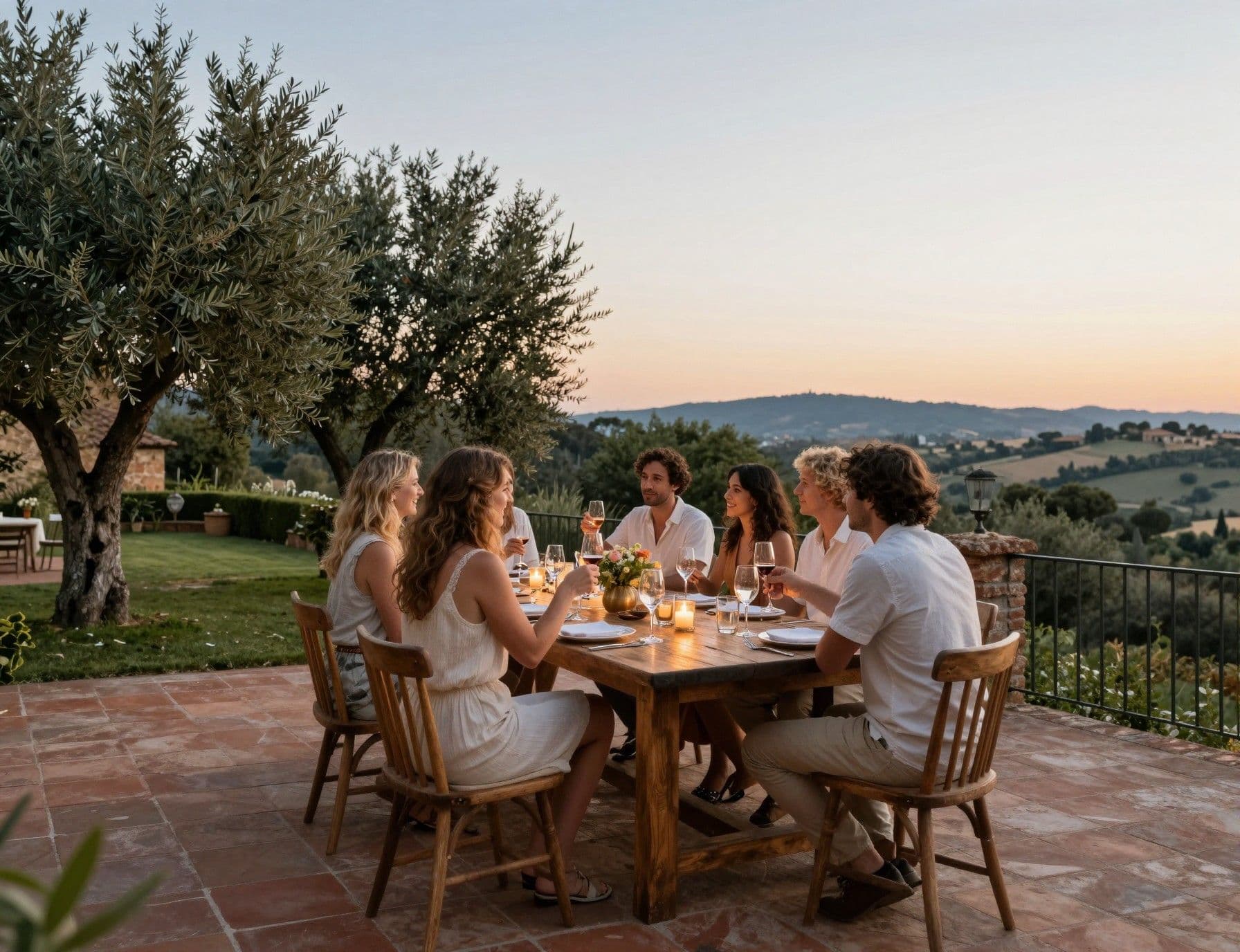
Romance must be reconciled with logistics. Recent reports show modest national price growth and stronger interest in central, well‑connected locations; buyers should prioritise how a property fits daily rituals. Does the kitchen admit a table for long lunches? Is there a nearby mercato? How will winter heating and insulation alter year‑round comfort? Practical choices protect the lifestyle you’ve imagined.
Property styles and how they shape life
A restored palazzo flat offers proportion, high ceilings and civic proximity; a converted barn or masseria gives land, privacy and room for cultivation; a coastal apartment offers light and ease but often less storage. Choose by ritual rather than by headline price: if you entertain at home, prioritise kitchen flow and outdoor access; if you seek solitude, value plot, aspect and sound insulation.
Working with local experts who know the rhythm
Agencies grounded in neighbourhood life translate lifestyle into search criteria. A skilled agent will source properties off‑market, advise on restoration quality, and align scheduling with local rituals — market days, municipal planning calendars and seasonal access. They also liaise with notaries and surveyors who appreciate the technicalities of historic fabric.
- Steps to marry lifestyle and purchase
- 1. Live like a local for a week: rent a flat in your chosen neighbourhood to test daily rituals.
- 2. Commission a technical survey that values provenance and identifies urgent conservation needs.
- 3. Ask an agent for off‑market options near the cafés, markets or schools you want to keep.
Insider knowledge: what expats wish they'd known
Expat experience often reveals small, indispensable truths: heating season reveals poor insulation; neighbourhood life means early dinners and late town halls; municipal rules can restrict alterations. These details alter cost and comfort far more than headline price per square metre. Knowledge of seasonal rhythms — olives harvested in October, festivals in August — will shape how you use a property and what you must maintain.
Cultural integration and daily community
Join local markets, a language class, a volunteer circle or a neighbourhood bocciofila and you will find that the practical labour of community — asking for a recommendation, learning trash‑collection days, respecting Sunday quiet — quickly repays itself. Neighbours value steadiness and respect for local customs more than displays of wealth.
Long‑term lifestyle stewardship
Think of purchase as stewardship. Conservation, thoughtful renovation and long‑term maintenance preserve both lifestyle and value. Areas with strong cultural programming and stable local services — universities, hospitals, regular markets — tend to sustain desirability. Recent market commentary indicates renewed international interest in high‑quality, well‑located Italian properties.
- Red flags and small print to note
- Complex ownership histories in historic centres that require careful title searches and notary scrutiny.
- Properties advertised without energy performance certificates or with informal extensions — both increase future costs.
- Seasonal access issues in hill or coastal towns; a summer idyll can be a winter logistics challenge.
Conclusion: living here begins with curiosity and is sustained by care. Italy offers rituals and rooms for those who value provenance, light, and conviviality. Begin with a neighbourhood residency, enlist an agent who can read local life as well as market data, and choose a property that will reward stewardship. When lifestyle and practicalities align, a house in Italy becomes a life well tended.
Having moved from Stockholm to Marbella in 2018, I help Scandinavian buyers navigate Spanish property law, restoration quality, and value through authentic provenance.