Greece: Where Living Costs Meet the Life You Want
A sensory, data‑aware look at living costs across Greece: where everyday life is delightful, which neighbourhoods carry hidden expenses, and how to budget for a life well lived.
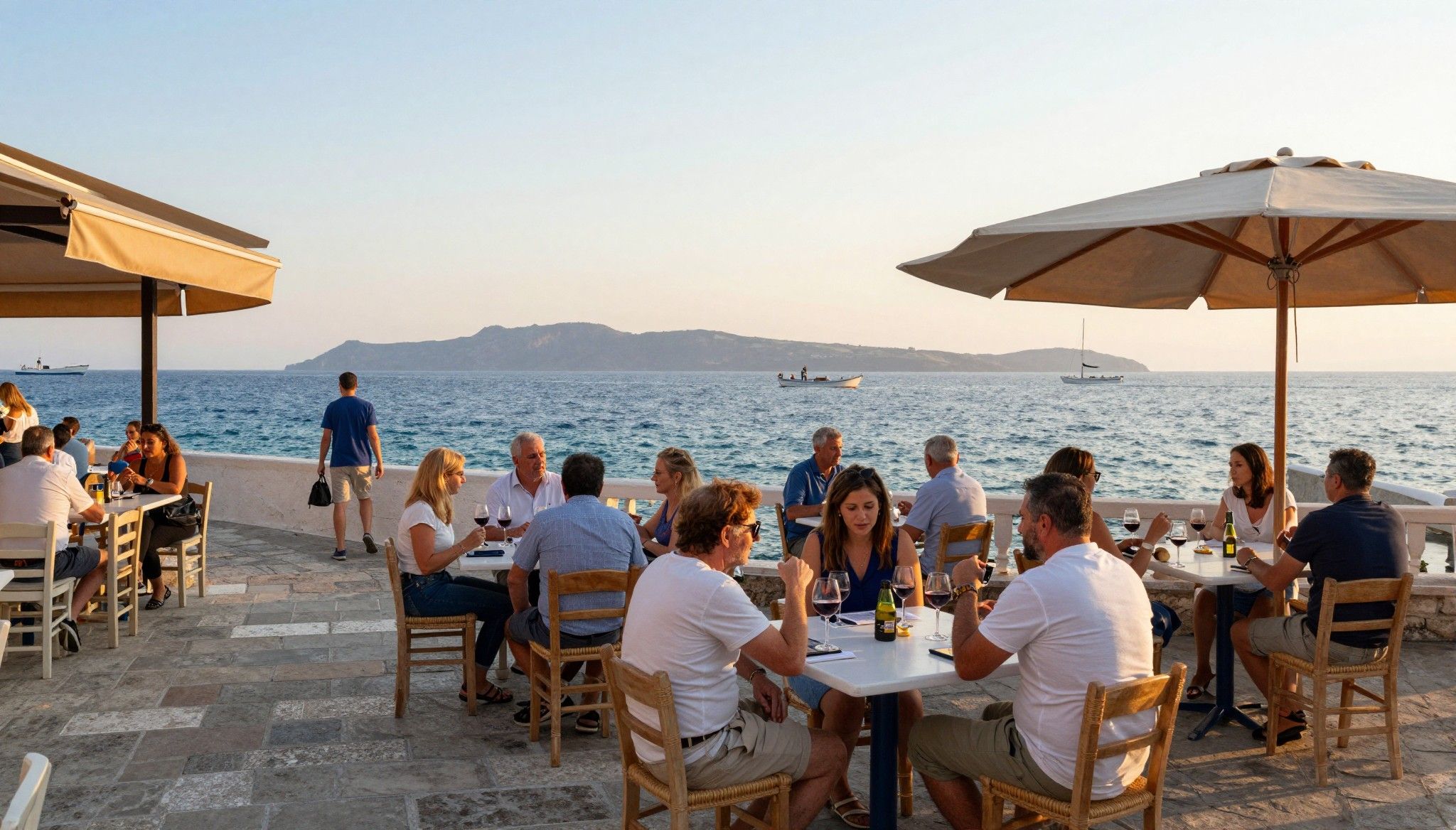
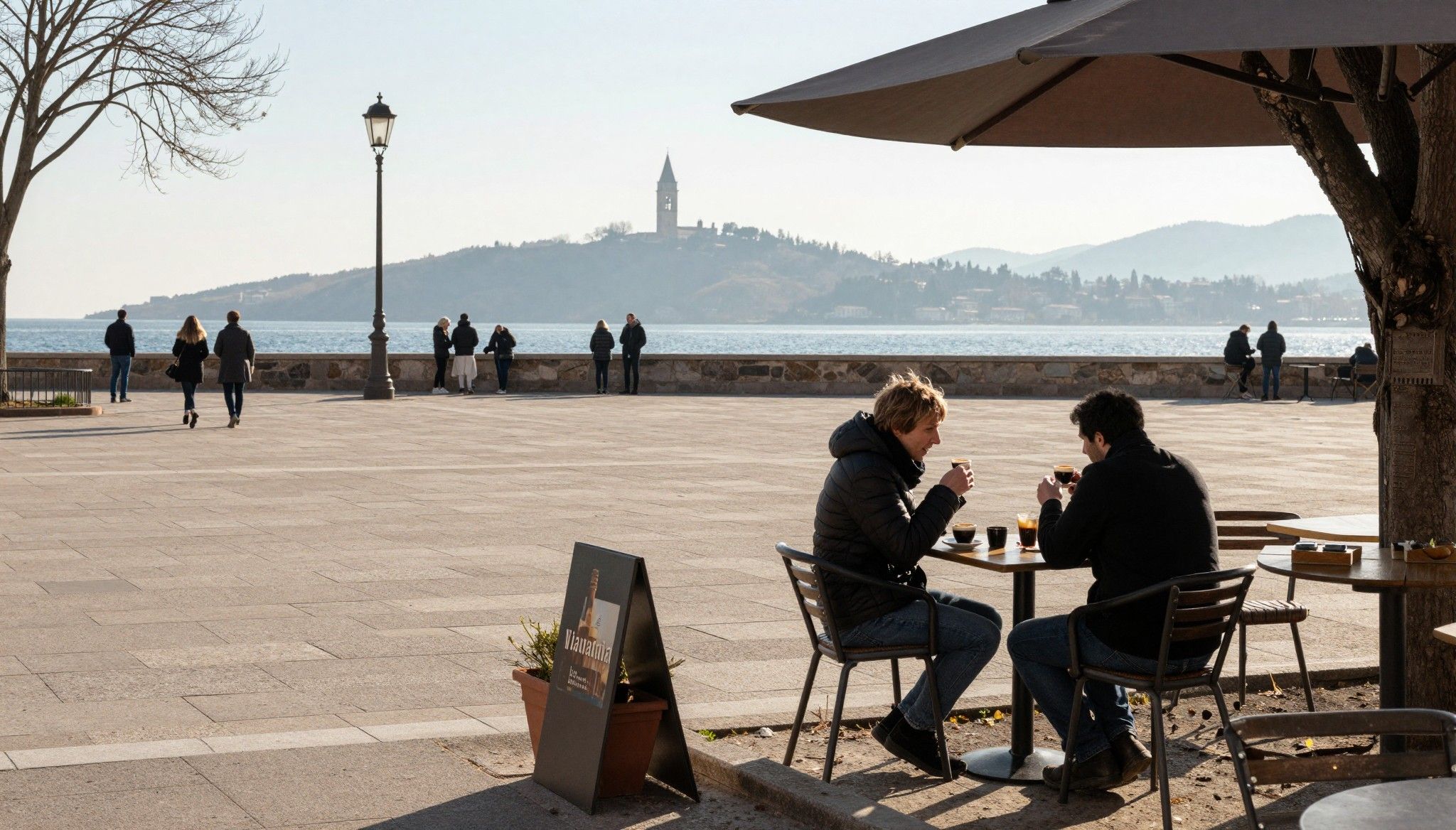
Imagine waking each morning to the smell of baking koulouri and sea-salt air, choosing between an espresso in Plaka or a walk along the pine‑fringed shore of Vouliagmeni. Greece asks you to slow, to savour — but it also asks you to see property through a practised, practical eye. Combining the sensory life and the spreadsheet, this piece shows where day‑to‑day living is delightful and where the hidden costs quietly matter.
Living the Greece lifestyle: the senses and the streets
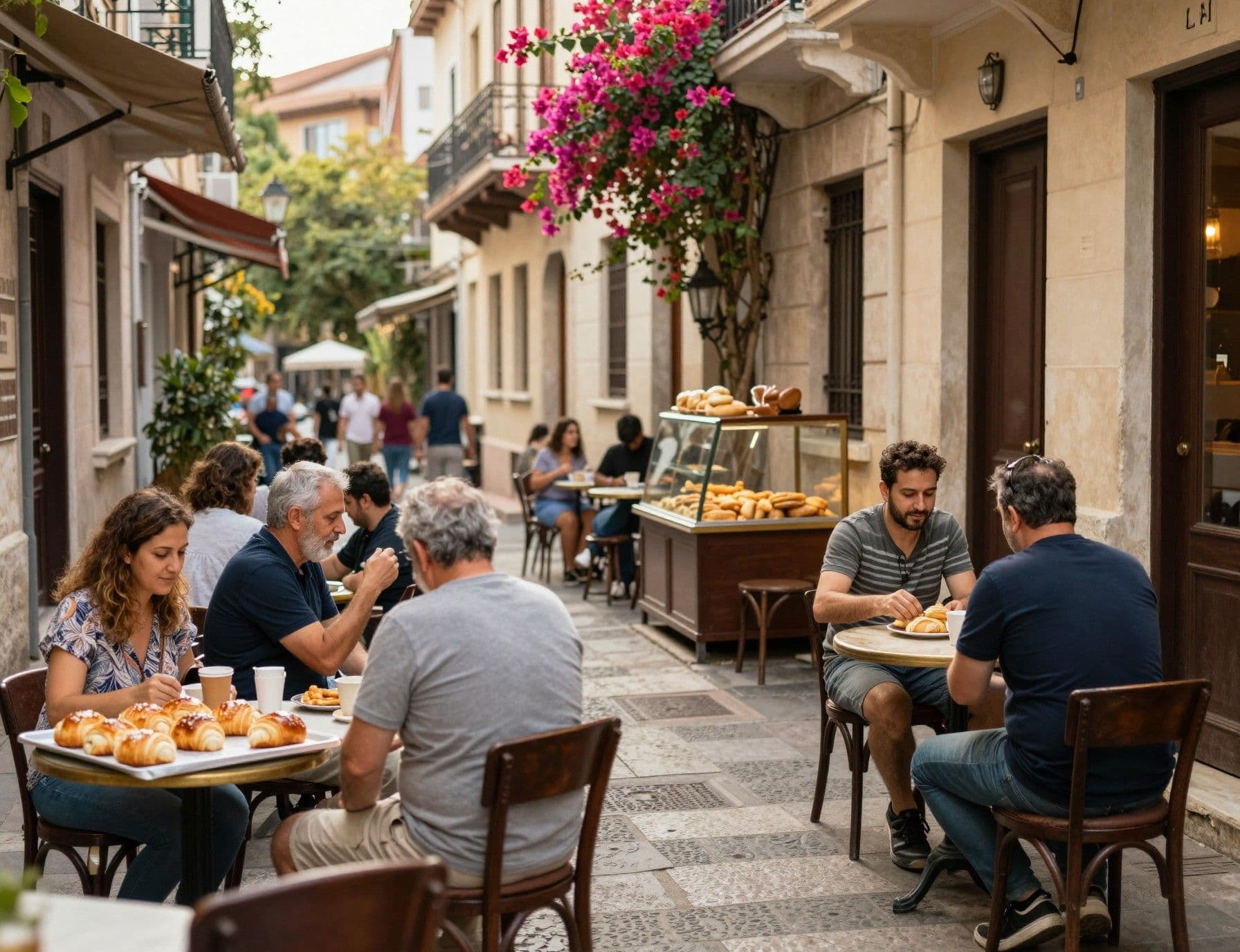
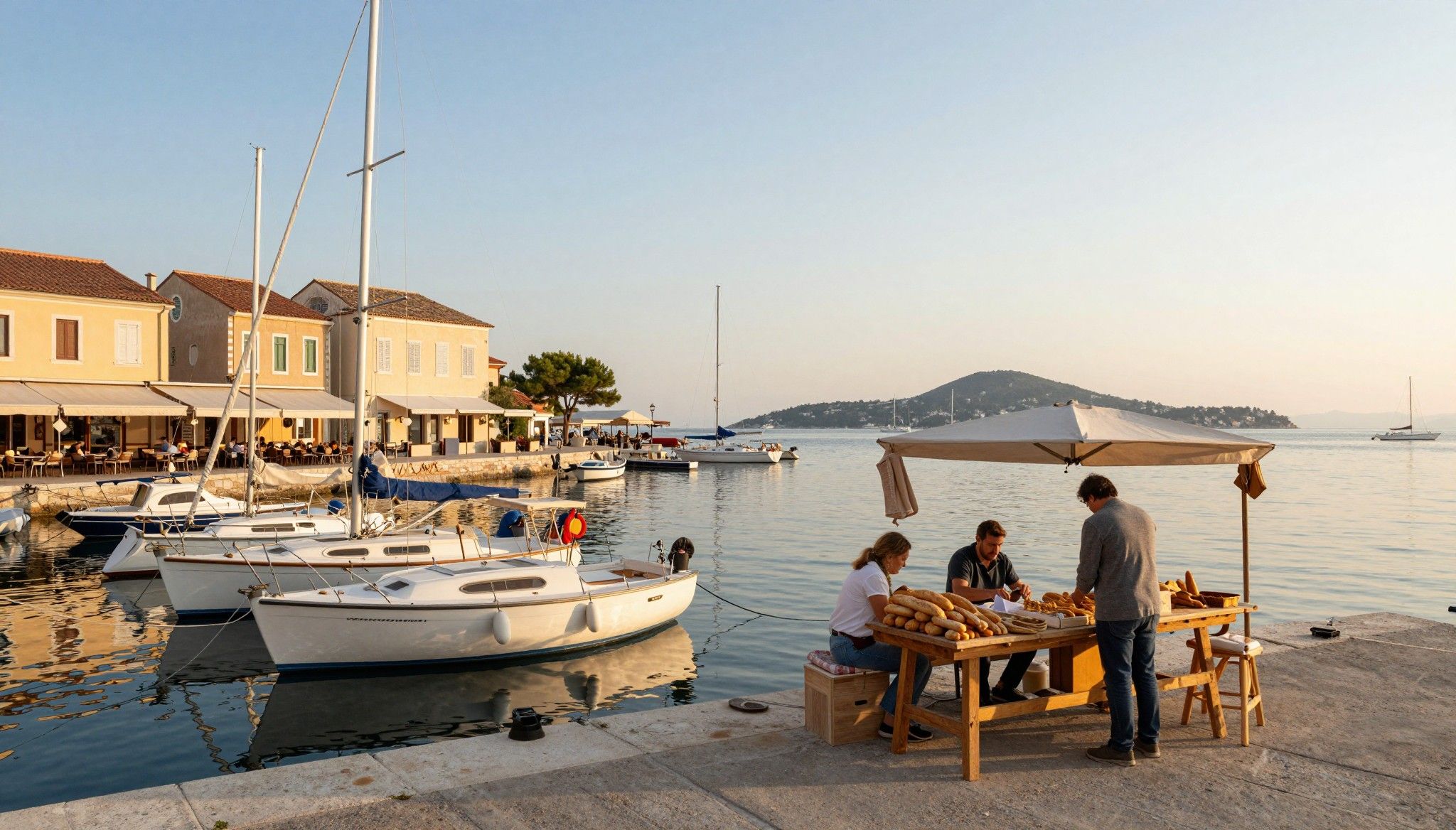
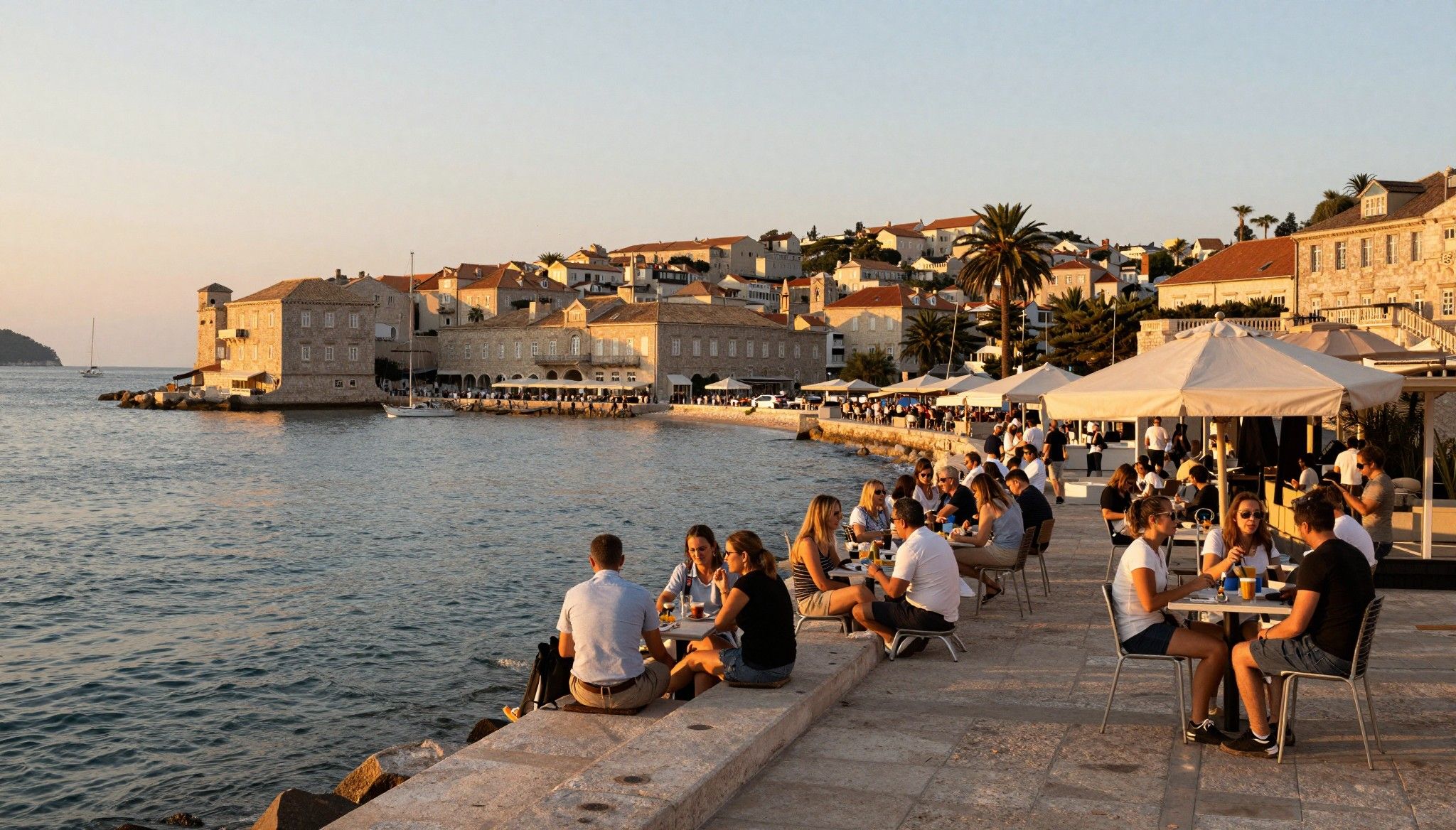
Greece moves on a lived schedule: market stalls at dawn, long lunches that stretch into siesta, and evenings that gather in neighbourhood kafeneia. In Athens, narrow streets in Koukaki and Anafiotika trade the din of the city for stepped squares and tavernas; on the islands, mornings belong to fishermen and bakers, afternoons to olive‑tree shade. Understanding these rhythms is the first step to choosing a property that will be used and loved, not merely admired from afar.
Neighbourhood spotlight — Athens: Koukaki, Pangrati, and Kolonaki
Koukaki offers a low‑rise, human‑scale life: late‑afternoon coffee at Cinque, orchards of bougainvillea, and well‑tended neoclassical façades. Pangrati is quieter by day and quietly social by night, with specialist delis and small parks. Kolonaki, closer to Lycabettus, is more formal — galleries, restrained boutiques and pension‑era apartments with high ceilings. Each area implies different maintenance costs, community expectations and interior layouts, from tiled courtyard homes to compact, efficient flats.
Islands and coasts: Mykonos, Paros, and unexpected mainland choices
The Cyclades present a familiar arc: intense summer demand, quiet winters, and a premium for sea views. Mykonos and Paros command top prices during the season, but nearby mainland pockets — Halkidiki or Pelion — can offer similar light and maritime life at lower daily costs. Recent market signals show island hotspots leading price growth while mainland locales provide steadier year‑round living. For lifestyle buyers, the trade is between seasonal exhilaration and long‑term domestic calm.
- Morning markets in Athens: Varvakeios for fish, Kallidromiou for produce; coffee rituals at nearby kafeneia
- Island rituals: fishermen selling at sunrise, midday loukoumades in shadowed squares, emptied bays in November
- Family life: playgrounds and weekend barbecues under plane trees (platanos) in villages such as Tinos or Nafplio
Making the move: practical considerations that preserve the life you want
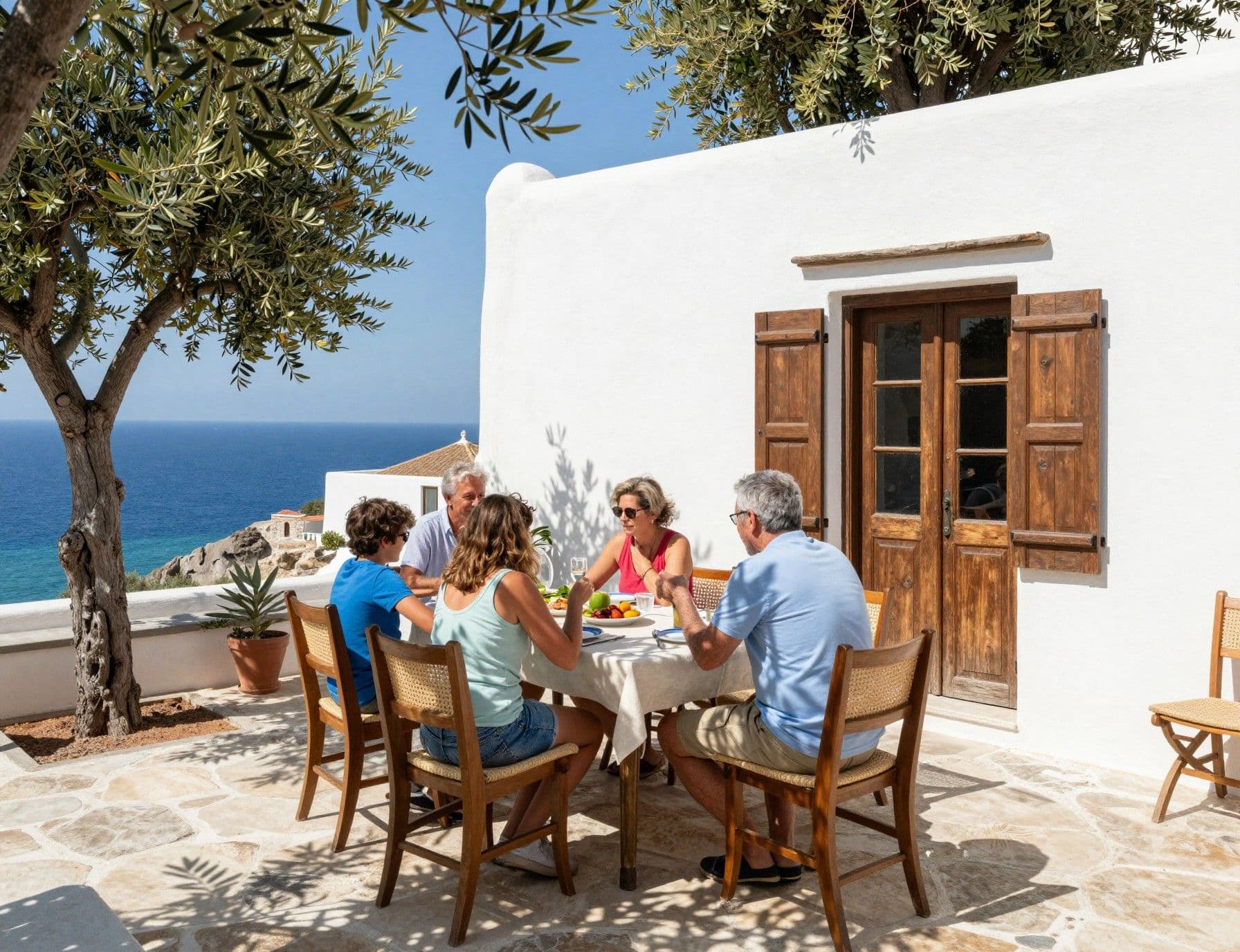
The romance of island light is best paired with clear budgeting. Greece’s cost‑of‑living indices and consumer‑price statistics show regional variation: Athens and tourist islands command higher service costs and seasonal rents, while many mainland towns remain significantly cheaper. Use official CPI and house‑price indices to compare living costs rather than relying on impressions alone; they will reveal where everyday goods and municipal fees will affect your household budget.
Property types and what they mean for running costs
Stone village houses bring provenance and slow charm but often require specialist restoration, higher maintenance and insulation upgrades. Modern developments offer lower immediate maintenance yet may lack the character you moved for. In Athens, masonry walk‑ups with central heating differ sharply from island homes built for summer breezes; anticipate higher heating bills on the mainland and higher insurance and maintenance for coastal salt exposure.
Working with local experts who respect lifestyle and value
- 1. Choose an agent rooted in the neighbourhood: they know seasonal rental patterns, local tradespeople and municipal quirks. 2. Ask for a lived‑in cost breakdown: utilities, municipal taxes, common charges and realistic restoration estimates. 3. Insist on recent energy certificates and structural surveys, especially for stone or listed properties. 4. Factor in property management and short‑term letting rules if you plan seasonal rentals. 5. Obtain three local quotes for renovation works — material sourcing in islands can increase lead times and cost.
Insider knowledge: what expats wish they’d known before buying
Expats often under‑estimate irregular costs: seasonal utility spikes, concierge or garden services, and the premium for urgent repairs when tradesmen are scarce. Crowdsourced cost indices reveal Greece remains competitively priced overall, but they also underscore regional spikes in rent and services on the islands. A realistic monthly budget—built from local invoices rather than averages—preserves the lifestyle you imagine.
Cultural integration and everyday rhythms
Language matters, but it is not everything. Small investments in language and local courtesies — learning to shop at the neighbourhood laiki (open market), greeting shopkeepers by name, attending local patron saint feasts — open doors and reduce friction. Community life in villages and city quarters is built around reciprocal favours; this social capital often translates into practical savings and better access to trusted craftsmen.
Long‑term lifestyle considerations
Think beyond purchase: transport links, seasonal community shifts and maintenance capacity determine whether a house remains a pleasure or becomes a headache. Recent market momentum shows value growth in sought island and Athens suburbs, but liquidity varies: some properties are seasonal investments, others are durable homes. Align buying intent with exit strategy — and whether you prioritise daily life or capital appreciation.
- Key living‑cost tradeoffs to weigh before an offer: climate comfort vs heating bills; provenance vs restoration spend; island vista vs year‑round services; rental potential vs neighbourhood authenticity
If you imagine an afternoon under a platanos, the right property will let you live that image without the surprise of unexpected bills. Start with a lifestyle brief — how you want to spend mornings, afternoons and weekends — then build a cost plan with local experts who can translate those wishes into numbers. That marriage of longing and ledger is how prudent, joyful buying happens in Greece.
Norwegian with years in Florence guiding clients across borders. I bridge Oslo and Tuscany, focusing on legal navigation, cultural context, and enduring craftsmanship.