France: A Lifestyle‑Led Look at Financing Choices
A lifestyle‑first guide to financing homes in France: where daily rhythms meet lender rules, budget essentials and red flags for international buyers.
Imagine a late‑morning market in Aix‑en‑Provence, baskets of peaches on a sunlit table, or an October evening in Bordeaux where shutters close slowly and the weight of centuries feels like a promise. In France, the life you buy is as important as the bricks you own — and financing the dream requires both sensitivity to culture and attention to detail. This guide blends what daily life feels like across neighbourhoods with practical financing realities that international buyers must know.
Living the French life — how place shapes possibility
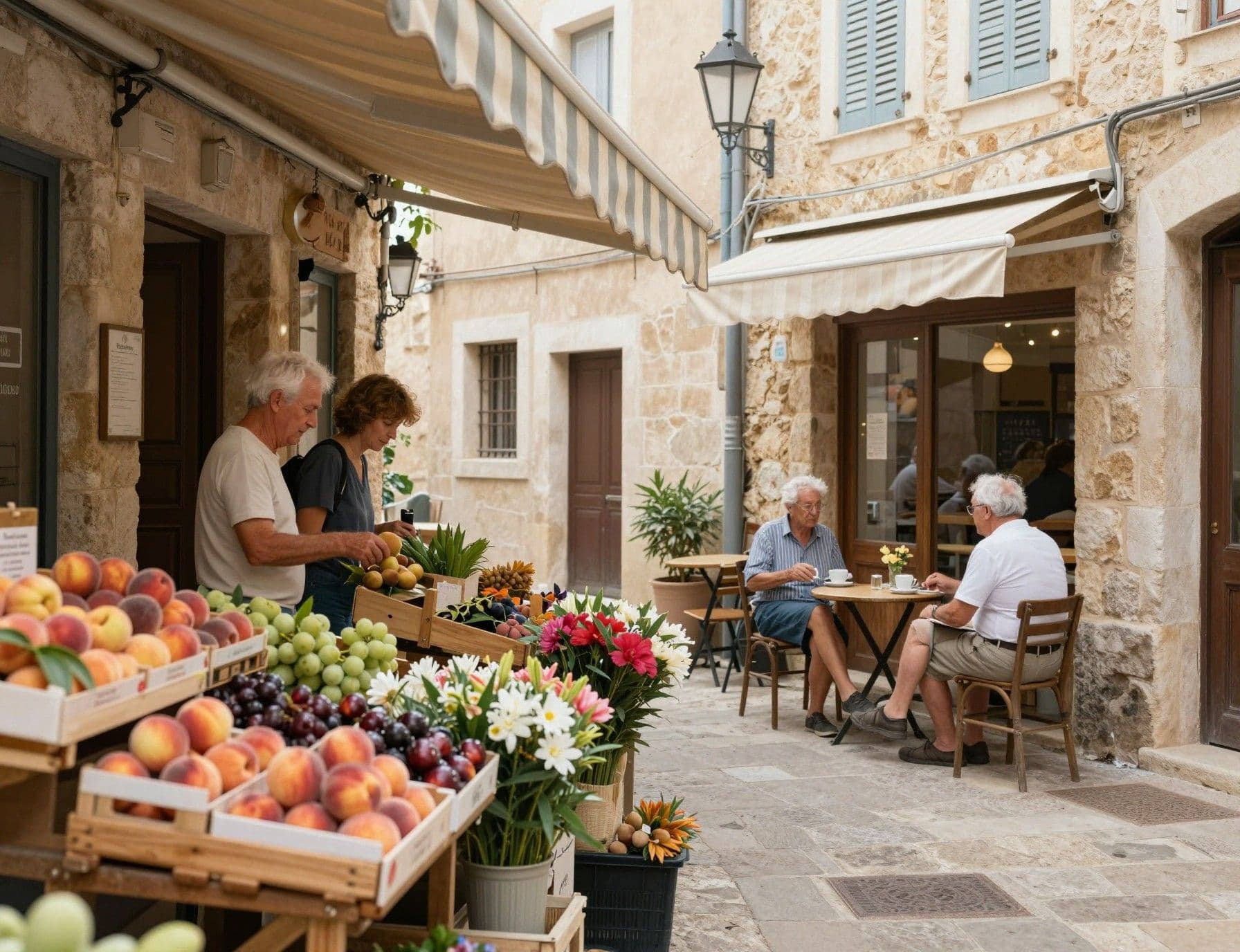
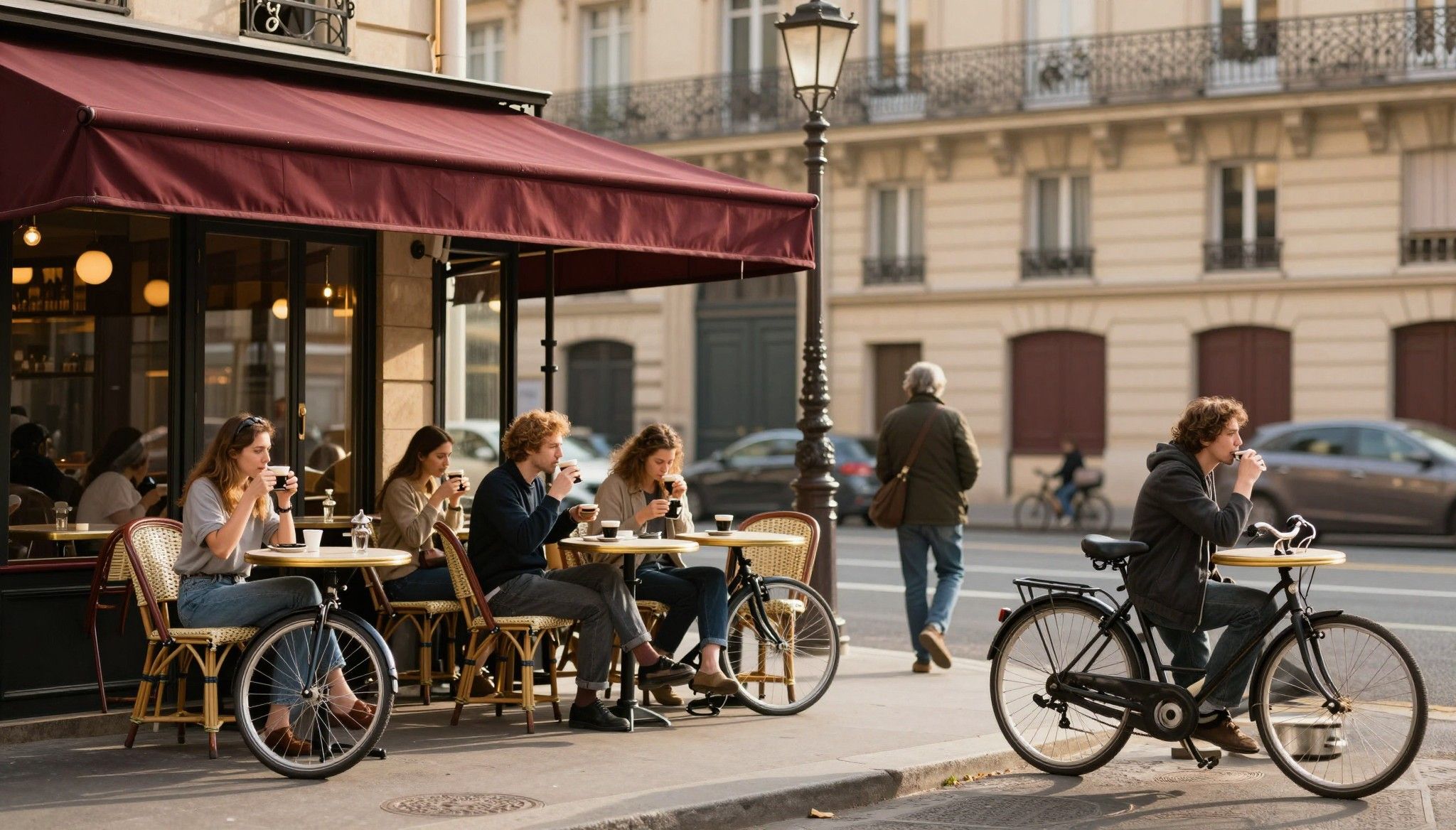
Morning rituals vary by region: in the Marais you will queue for a perfectly pulled espresso before strolling to Place des Vosges; on the Côte d'Azur the day begins with a brisk sea walk and a pastry at Boulangerie des Allées. These rhythms determine the kinds of properties that best suit each life — a compact apartment with an efficient kitchen in Paris, a stone farmhouse with a terrace in Dordogne, a Belle Époque pied‑à‑terre in Nice. Understanding these patterns helps set realistic expectations for loan size, running costs and renovation budgets.
Île‑de‑France and Paris: compact elegance, high competition
In Paris and its inner ring, streets are stitched with Haussmann façades and small private gardens that command a premium. Expect competitive bidding and lenders who scrutinise income and deposit provenance carefully. For internationals, that often means arranging pre‑approval or a formal proof of funds before making an offer — a small administrative gesture that signals credibility in a dense market.
Provencal towns and the Atlantic coast: space, seasons, and second‑home rhythms
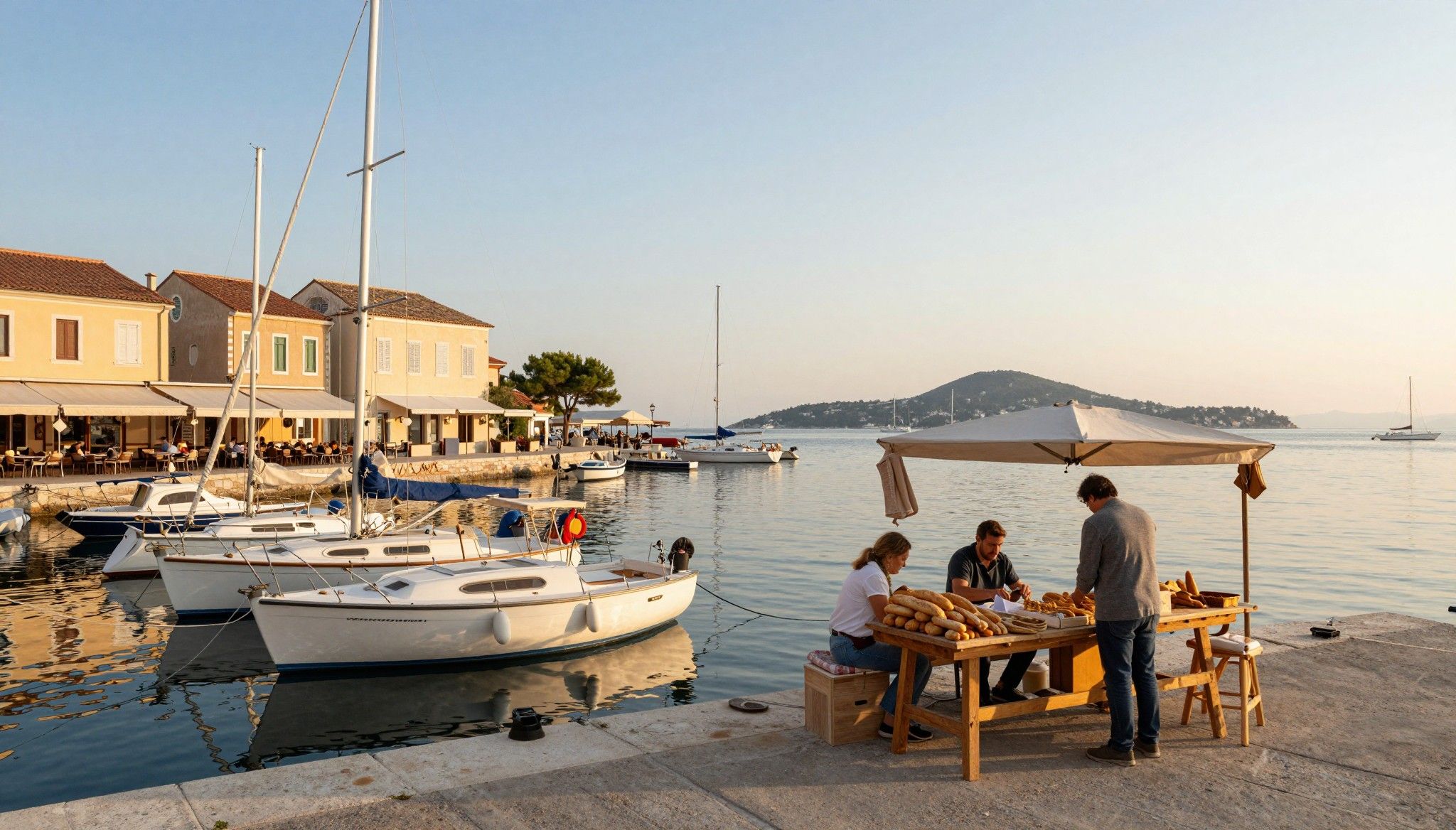
Town centres such as Saint‑Rémy or Biarritz trade on outdoor life: terraces, markets and an easy calendar of festivals. Mortgage providers for these properties will ask about intended use (primary, secondary or rental) since loan conditions — notably rates and LTV — differ. Seasonal rental potential can improve lender appetite, but it also introduces tax and management considerations that affect net return.
Making the move: financing that respects both lifestyle and law
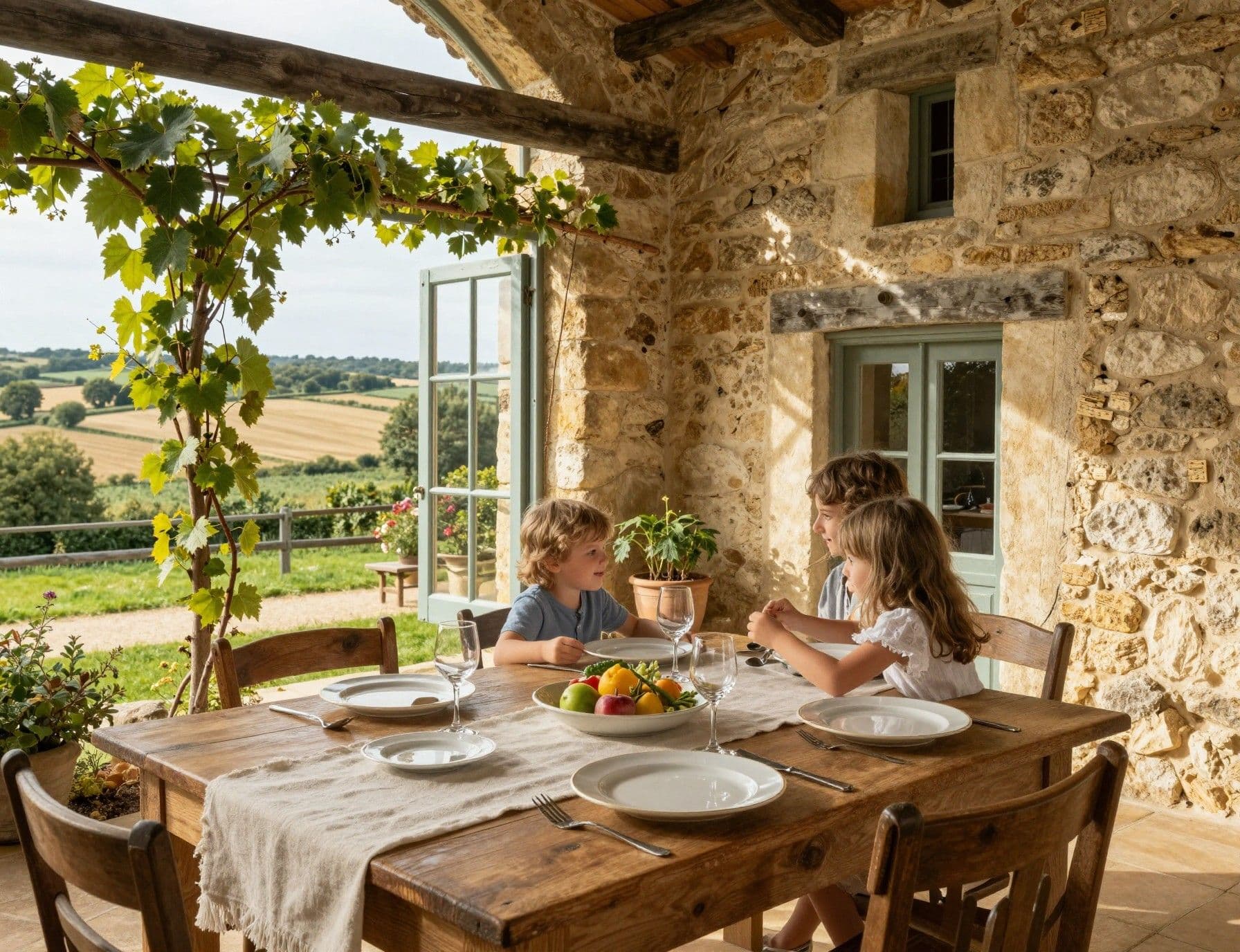
France offers clarity alongside nuance. Transfer taxes and "frais d'acquisition" (commonly called notary fees) vary with property age and departmental rules; recent changes give departments discretion over certain rates. International buyers should budget for these costs and for the different lending norms that apply to non‑residents.
How much to budget: the real cost beyond the asking price
Typical cost items to plan for:
Frais d'acquisition (notary + transfer taxes): commonly 7–8% for older properties, 2–3% for new builds. (Notaires de France).
Mortgage arrangement fees and compulsory insurance: vary by lender and loan size; international buyers often face slightly higher insurance premiums.
Local taxes and recurring charges: taxe foncière, taxe d'habitation (where applicable), and syndic or communal maintenance costs.
How lenders see international buyers
French banks lend to non‑residents, but underwriting focuses on income stability, deposit source, and purpose of purchase. LTV ratios for internationals commonly sit lower than for residents (often 60–80%), and a larger deposit strengthens negotiating position and can reduce required mortgage insurance.
Insider knowledge: myths, red flags and the small details that matter
Myth: France is universally expensive. Reality: some city centres are costly, but regional pockets — inland Dordogne villages, certain Atlantic towns — offer substantial value when you prioritise lifestyle tradeoffs. Red flag: sellers who resist allowing a full diagnostic (diagnostics techniques) or provide inconsistent renovation records. Small omissions in disclosure can become large renovation bills.
Practical red flags to spot early
Steps to avoid costly mistakes:
1) Insist on the full diagnostics pack and seek independent structural advice when stonework or timber is present.
2) Verify the cadastral plan and any servitudes that limit expansion or access.
3) Check local departmental rules on transfer tax rates — some departments raised rates in 2025 and this affects total acquisition cost.
Working with a French agent and a cross‑border mortgage adviser
An agent versed in local rhythms will introduce you to the neighbourhoods that suit the way you want to live and will help translate lifestyle desires into credible offers. A cross‑border mortgage adviser or a bilingual notaire can streamline paperwork, verify taxation consequences and advise on whether to borrow in France or refinance in your home country.
Checklist: documents lenders commonly require
• Proof of income (translated and notarised where necessary)
• Passport and residency documents
• Evidence of deposit origin and bank statements covering several months
Conclusion — the life you buy and the financing that sustains it
France rewards patience and attention. Start with the life you want — the café, the coast, the courtyard — and let financing be the mechanism that preserves that life, not a source of stress. Budget fully for acquisition costs, work with a local agent and a cross‑border mortgage adviser, and treat diagnostic reports as invitations to stewardship rather than obstacles. When aligned, lifestyle and finance become the same refined project.
Having moved from Stockholm to Marbella in 2018, I help Scandinavian buyers navigate Spanish property law, restoration quality, and value through authentic provenance.