Croatia Mortgages: Reciprocity, Residency and Lender Realities
Practical, lifestyle-led guidance on Croatian mortgages: reciprocity rules, lender expectations, timing and documentation to secure finance without sacrificing the life you want.
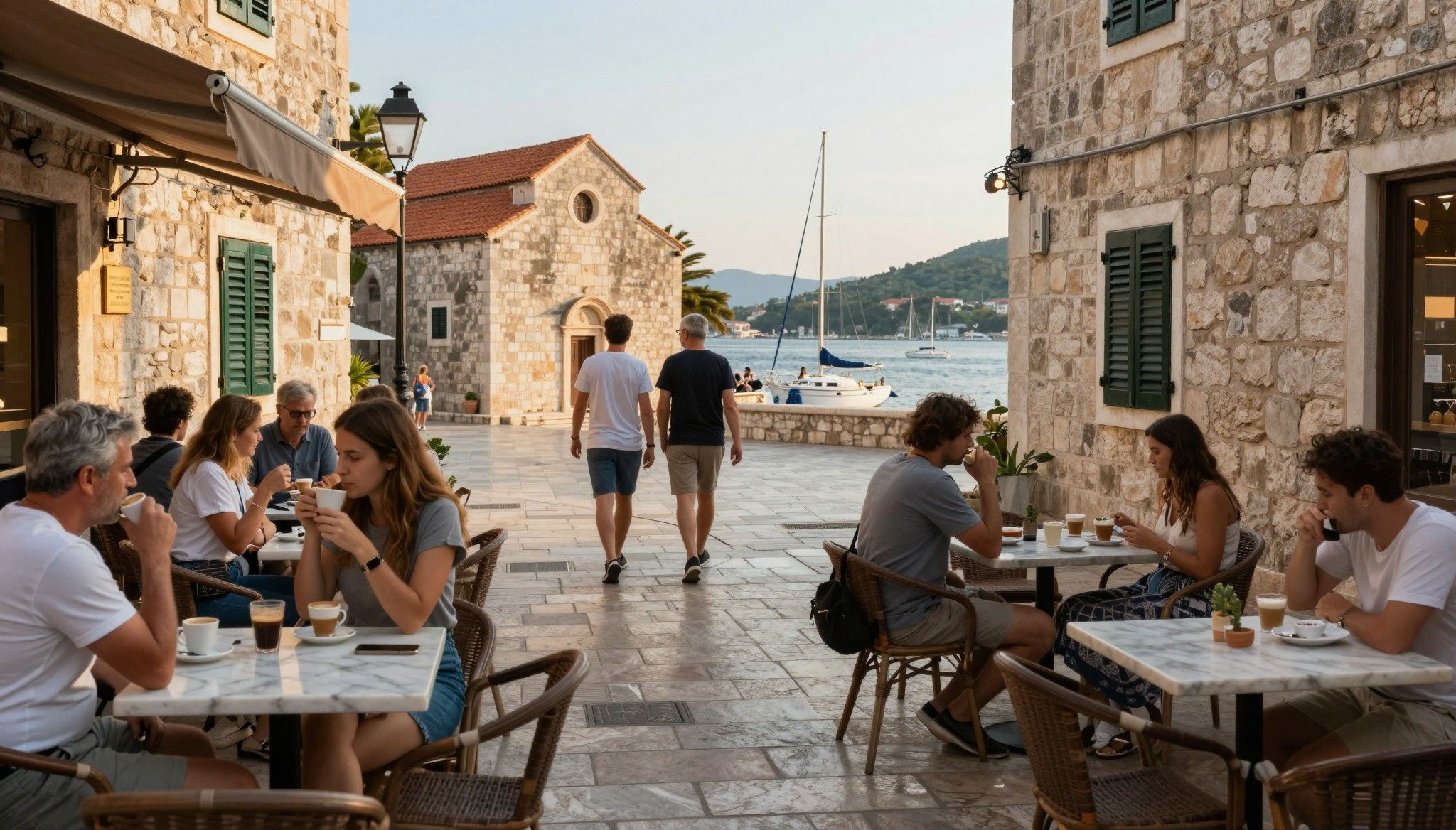
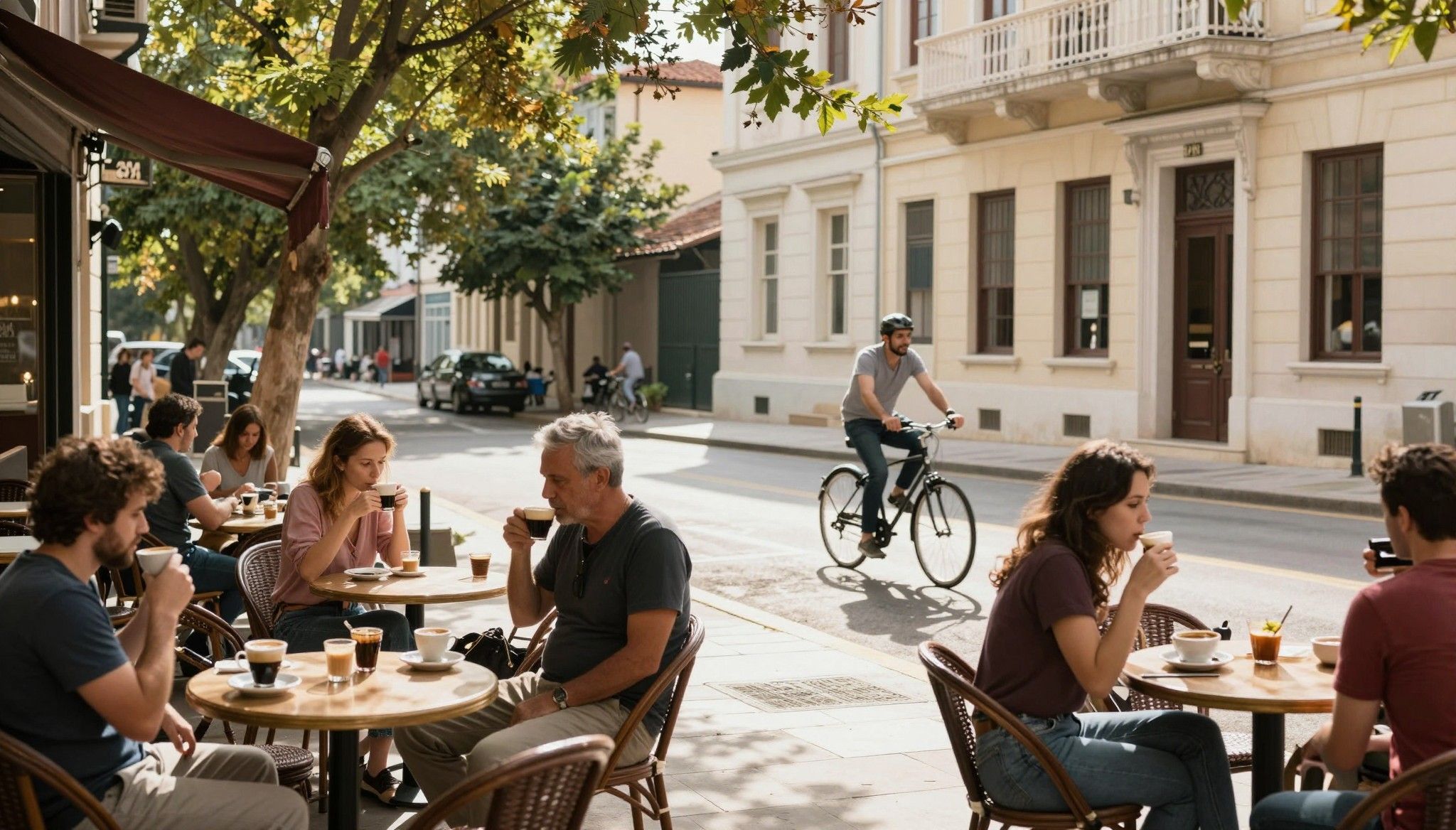
Imagine waking to the clack of espresso cups on a stone-paved street in Split, then signing mortgage paperwork in a light-filled office that overlooks a tiled roofscape. Croatia’s coast has the cadence of slow mornings and busy summers, but beneath the sunlit rhythms there is a quiet, technical world that determines whether a dream home becomes an asset or a liability. For international buyers the twin pillars of reciprocity and lender practice shape access to finance; understanding both is the difference between a considered purchase and a costly compromise.
Living the Croatian Lifestyle — why it matters for financing
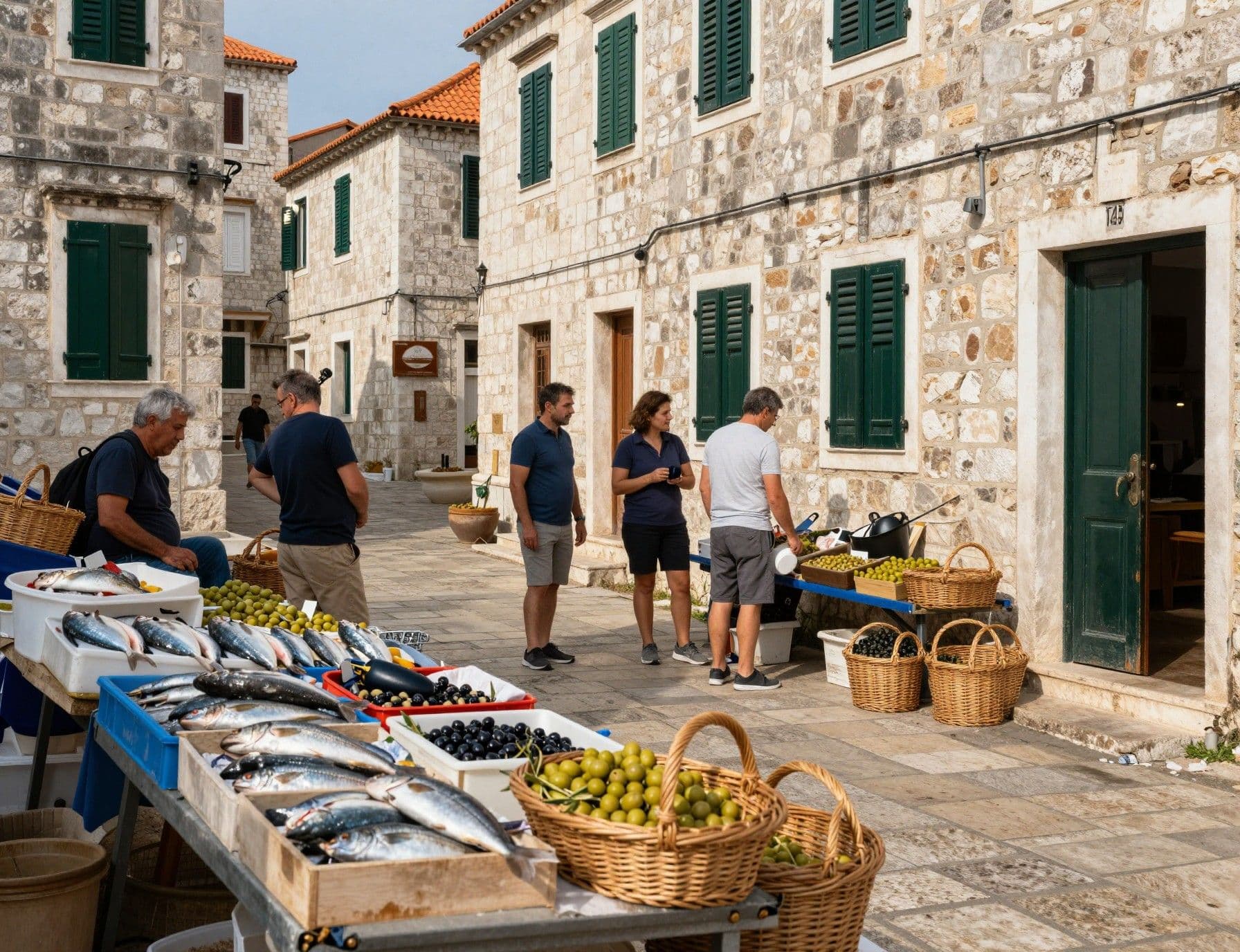
Croatia’s daily life ties directly to property choice and therefore to financing needs. In Hvar or Dubrovnik the cadence of tourism means seasonal rental potential and higher maintenance costs; in Istria and Zagorje the life you buy is quieter, with greater emphasis on land, vineyards, and restoration budgets. Lenders underwrite not only the brick and mortar but the income profile a property can realistically produce—seasonal revenue is valued differently from steady long‑term tenancy.
Neighborhood moods: where lifestyle and lending diverge
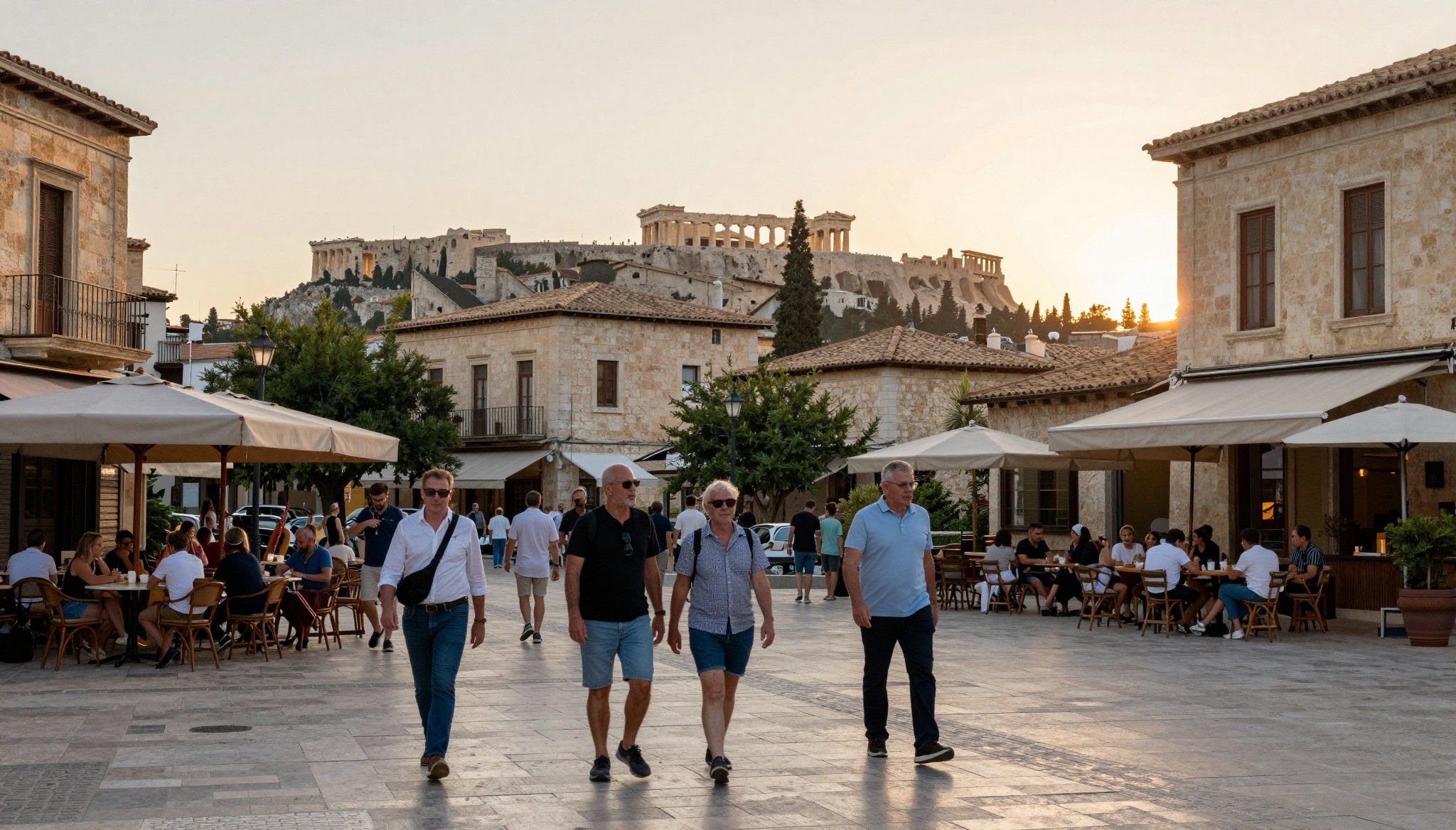
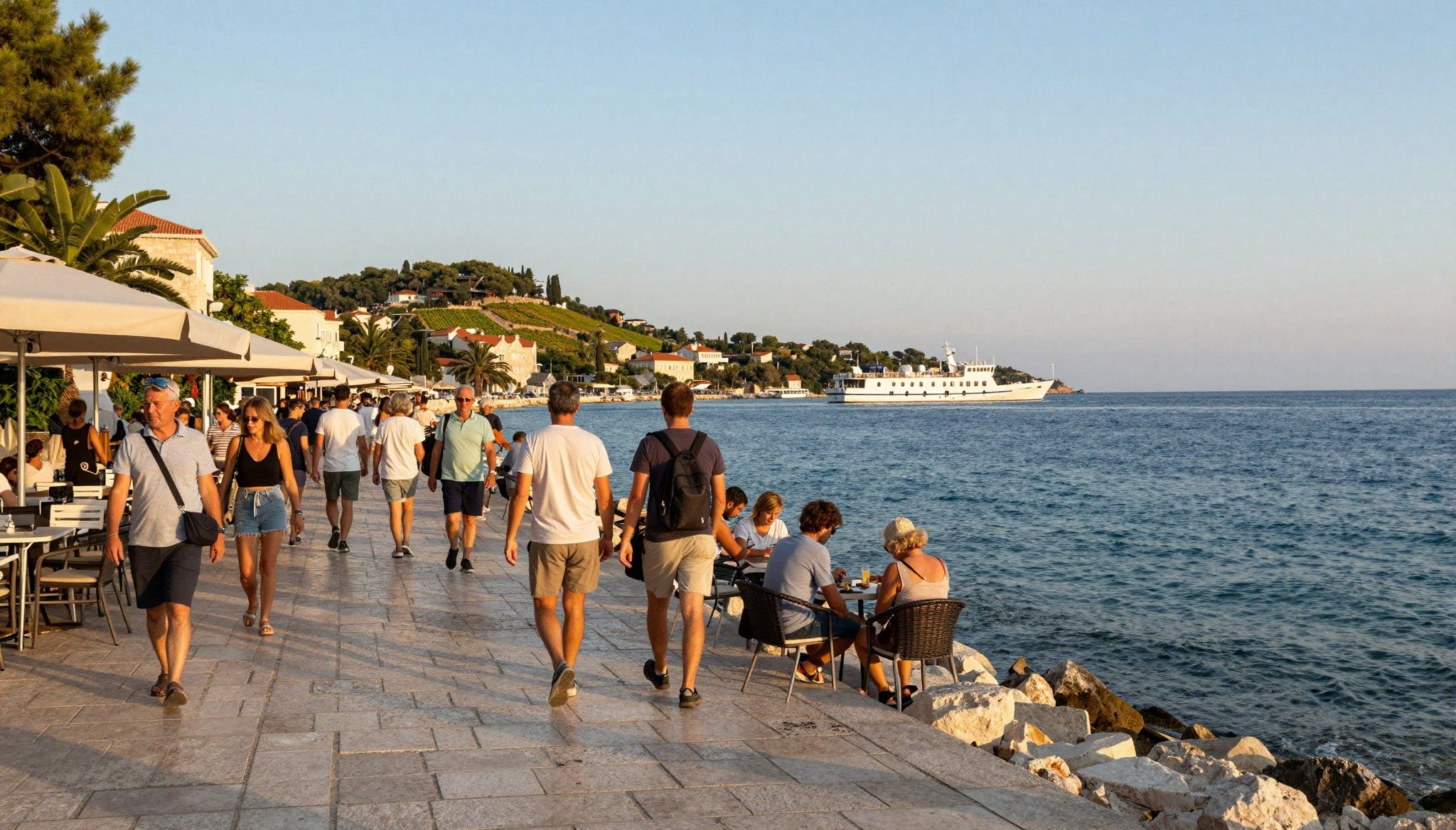
A two-block stroll through Zagreb’s Gornji Grad feels nothing like the coastal promenades of Split’s Riva. Banks and valuers take note. In upscale, year-round neighbourhoods—Loretić Street or the stone lanes off Diocletian’s Palace—banks see stable comparables that support higher loan-to-value ratios. In resort-centred quarters, lenders discount on-season rents and apply higher stress tests, so the same purchase price can require a materially larger deposit.
Food, markets and the cash cycle: a surprising financing factor
Weekly markets in Rovinj or the fish stalls on Zadar’s waterfront do more than create atmosphere; they reflect local economies where cash transactions are common and seasonal employment prevails. Lenders scrutinise income documentation: permanent contracts and demonstrable rental history strengthen applications far more than anecdotal local business prospects. For buyers who plan to rely on short-term rentals, compiling multi-year booking records and formal accounts is essential to persuade banks of sustainable serviceability.
Making the move: reciprocity, residency and what lenders actually ask for
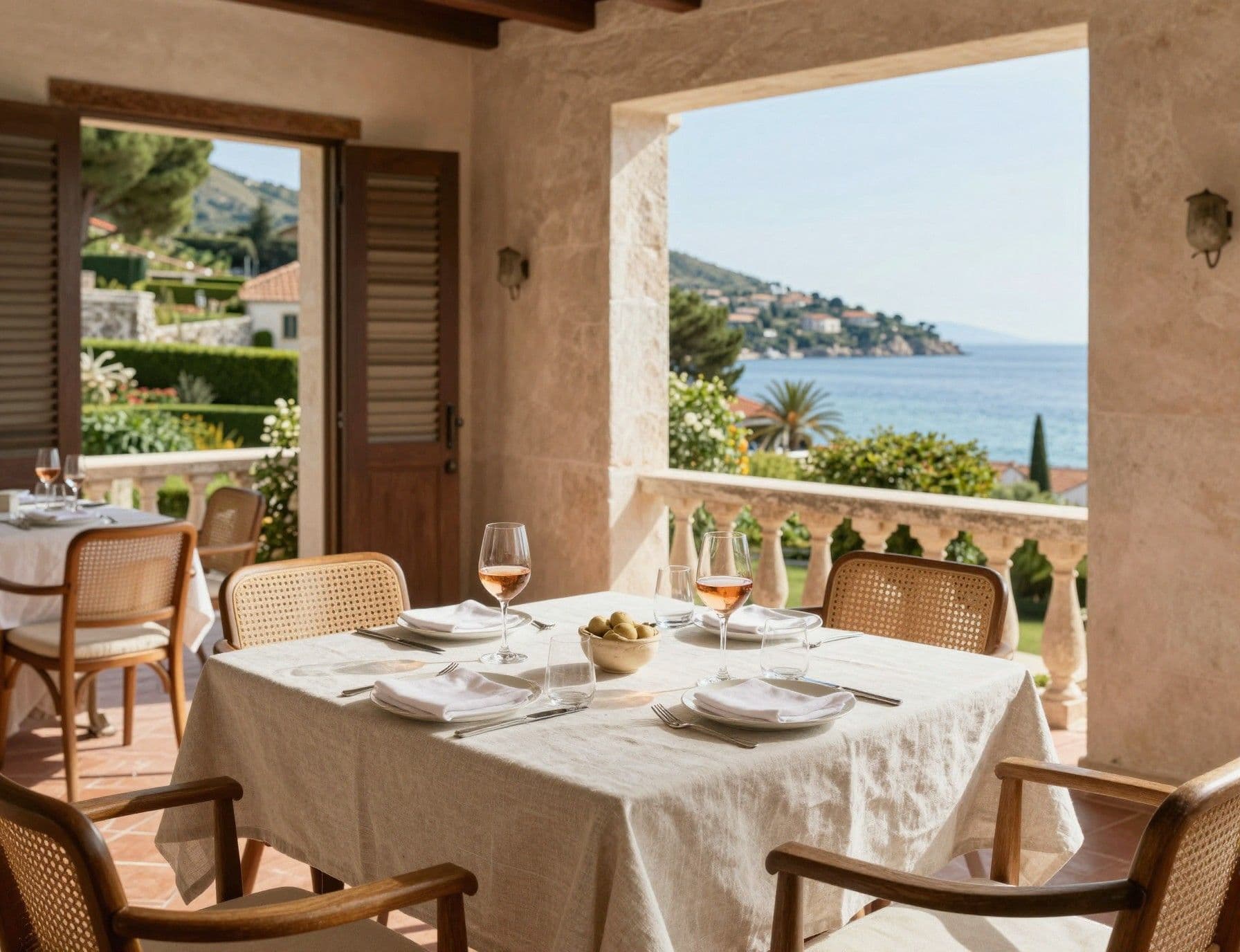
Croatia follows a reciprocity principle: citizens of EU/EEA states, Norway, Iceland and Liechtenstein may acquire property under the same conditions as Croatians, while others typically require administrative consent. Banks layer their own criteria on top of legal permission: residency, a Croatian bank account, local tax registration and robust proof of income. Accepting the legal framework but ignoring lender practice is the common mistake: you can have permission to buy yet still be unable to secure favourable finance.
How Croatian banks treat non-resident applications
In recent practice lenders commonly require larger down payments from non-residents—often 30–40%—and prefer collateral in Croatia. Loan-to-value ratios and interest margins are conservative compared with home-country offers for many buyers. Some banks will accept foreign income but apply higher stress rates and demand translated, notarised income statements. Practical preparation—local bank account, translated payslips, a Croatian tax number—shortens review times and improves terms.
Key documentation lenders typically request
Certified passport copy, Croatian tax identification (OIB), proof of income (translated, notarised), bank statements (6–12 months), property valuation and local land registry extract.
Insider knowledge — timing, taxation and the myth of the ‘cheap coast’
Croatia’s coastal price premium is less monolithic than headlines suggest. National indices show strong nationwide growth, but price dispersion is wide: Dalmatian islands and Dubrovnik command premiums while lesser‑known towns on the Kvarner coast often offer relative value. Buying in high season can mean paying peak market prices and contending with stretched professional services; conversely, autumn and winter house-hunting often yield negotiateable terms and clearer valuations.
When to apply for mortgage pre‑approval: a practical sequence
1) Get local legal advice to confirm reciprocity and property eligibility. 2) Open a Croatian bank account and obtain an OIB. 3) Assemble certified income documentation and request lender pre-approval. 4) Commission a local valuation and land‑registry extract before final offer. 5) Reserve funds for notary, registration, and tax (typically 3–6% of purchase value).
Practical financing tips that reflect life, not just numbers
Prepare bilingual documentation; prioritise banks experienced with expat lending; treat short‑term rental income conservatively in affordability models; budget for restoration and seismic insurance where applicable; and consider staged purchases with a Croatian holding company only after legal counsel.
What expats wish they’d known — real stories, quieter truths
An architect from Amsterdam bought in Vis thinking the island season would finance the mortgage. When bookings were lower than projected, he realised his lender had stressed his income at a far higher rate than the booking calendar suggested. Conversely, a retired couple who chose suburban Šibenik found that slower year‑round rhythms aligned with a conservative mortgage plan and modest renovation budget, allowing them to live comfortably without relying on rentals.
Cultural and legal nuances that shape long‑term ownership
Property in Croatia is bound to a land registry (gruntovnica) and municipal planning frameworks that can affect renovation scope, rental permissions and future resale. Local customs—such as summer tenancies arranged informally—will not satisfy a bank’s documentation requirements. Work with a lawyer who reads municipal plans and a valuer who understands seasonality; their advice preserves both lifestyle and capital.
Long-term stewardship: taxes, inheritance and design integrity
Croatia’s tax regime includes transfer taxes and potential capital gains implications; inheritance traditions often pass coastal houses through families for generations, which affects legal planning. Buyers who prize architectural provenance should budget for conservation-quality materials and expert contractors; these choices protect value and align with the Croatian way of caring for place.
Conclusion: buy the life first, then the loan. Start with the scene you want—market mornings, island evenings, village markets—and translate that into lender‑friendly documentation and sensible timing. Use pre‑approvals to sharpen offers, prioritise local expertise for reciprocity and registry checks, and treat seasonal income conservatively. When aligned, Croatia rewards stewardship with a life that is at once considered and enduring.
Dutch former researcher who moved to Lisbon, specialising in investment strategy, heritage preservation, and cross-border portfolio stewardship.