Insurance & Buyer Protection: Croatian Real‑Estate Reality
Pair Croatia’s coastal allure with concrete protection: buyer-focused insurance, red flags, and local legal steps to preserve lifestyle and capital.
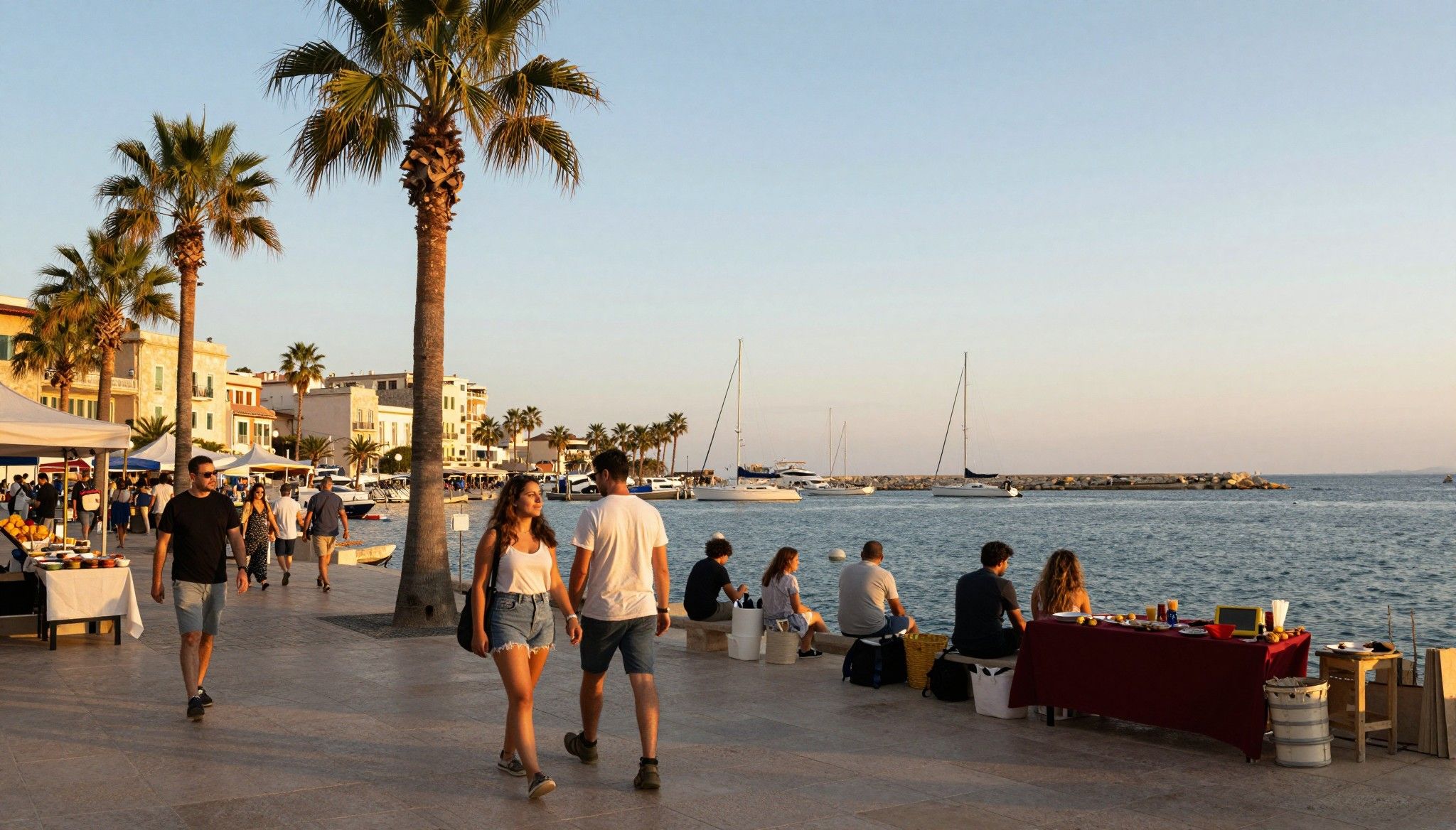
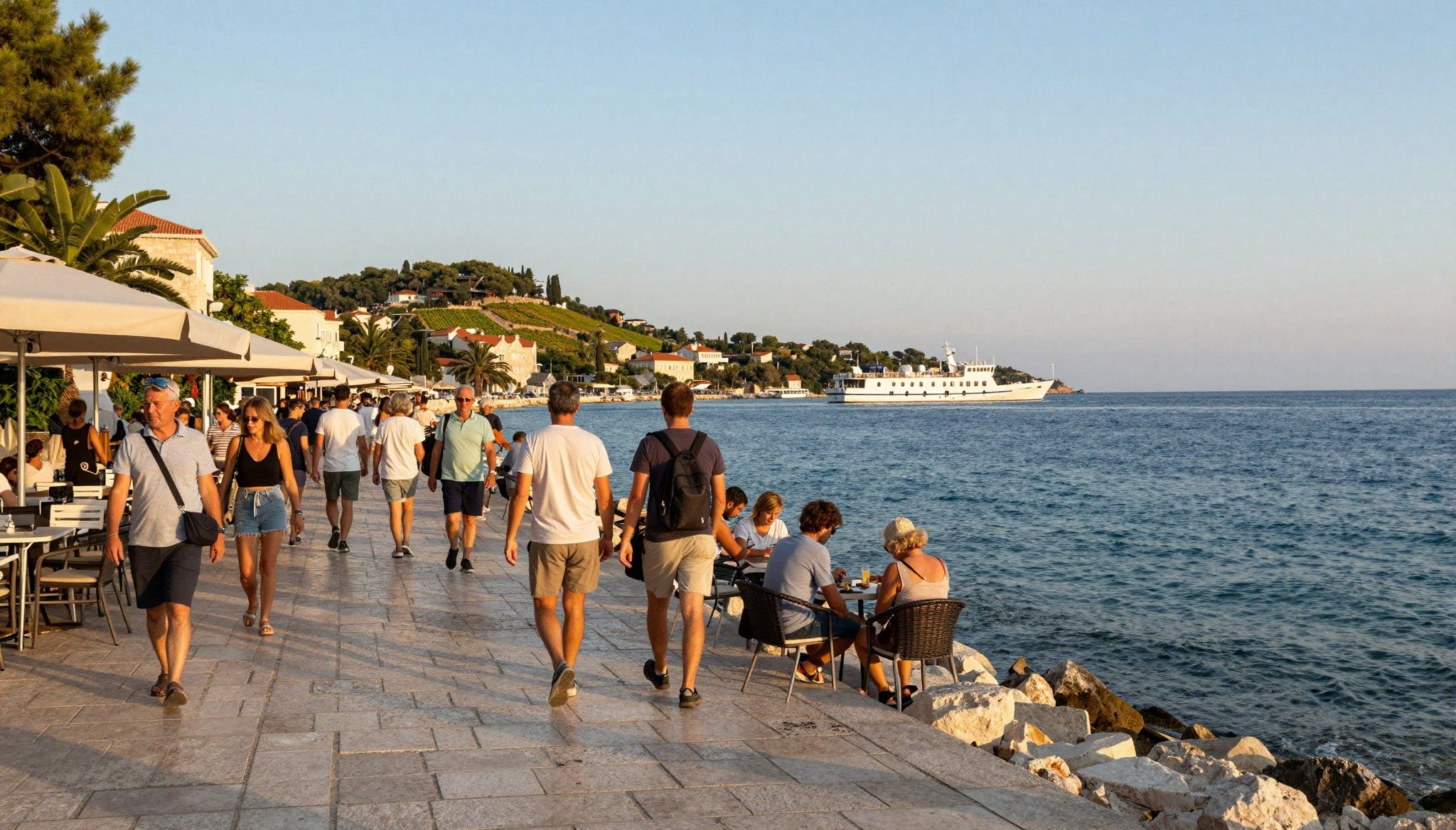
Imagine a late-afternoon stroll along Split’s Riva: the smell of espresso and grilled sardines, fishermen mending nets, and limestone facades soft with salt and sun. Croatia’s coast is cinematic, but the decision to make a home here requires more than longing. This piece pairs the pleasures of Adriatic life with a seldom-discussed pillar of security for international buyers: insurance and buyer-protection strategies tailored to Croatia’s legal and market realities.
Living the Croatian Life
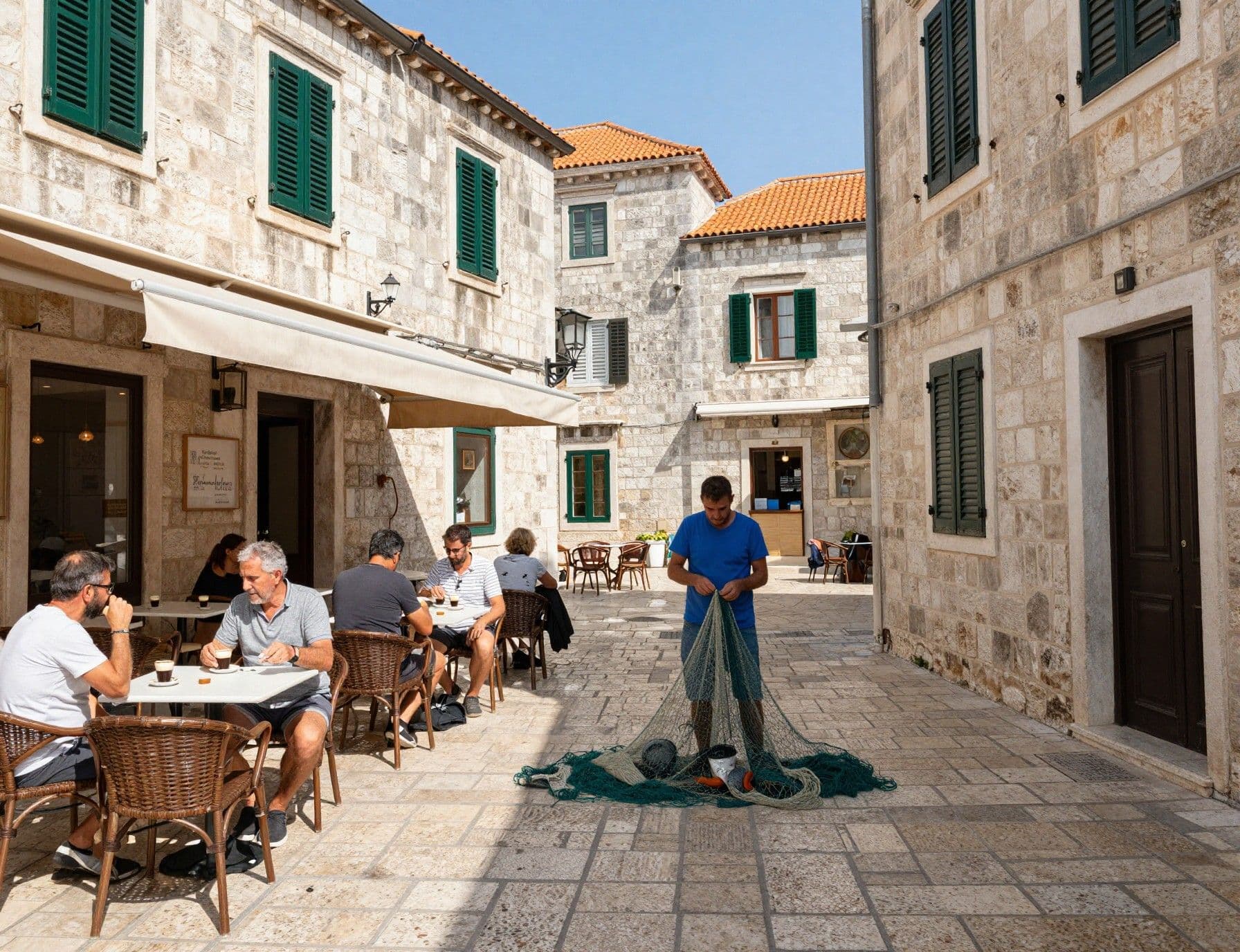
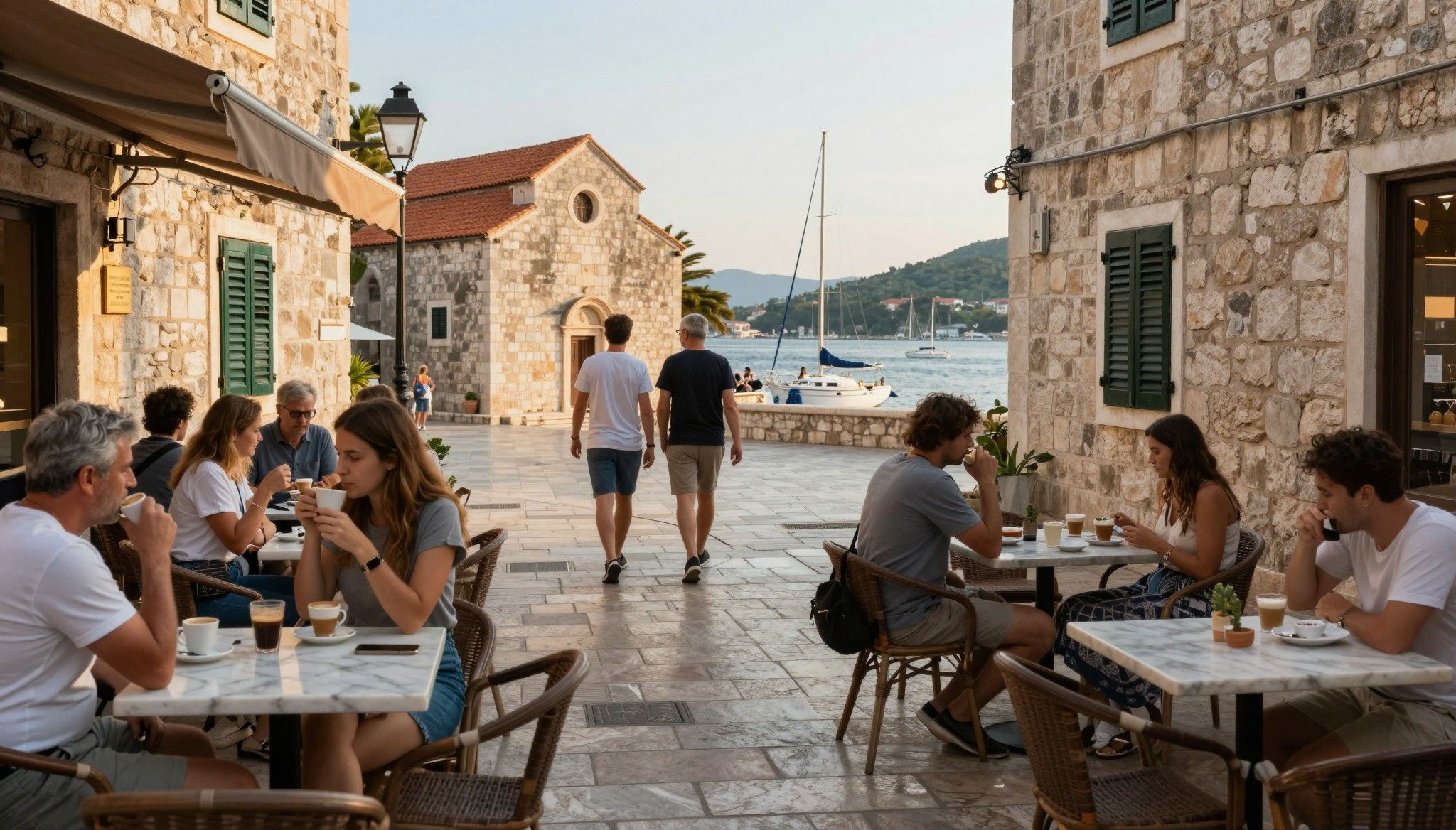
Croatia moves at a Mediterranean pace: markets begin with morning coffee at Zrinski Square in Zagreb and end with twilight swims near Hvar’s coves. Neighborhood character varies markedly — the baroque intimacy of Dubrovnik’s Old Town differs from the low-slung stone villas of Istria and the mixed modernist pockets of Rijeka. That variety shapes the insurance questions you will ask: coastal salt, seismic risk, and seasonal rental use all change the coverage you need. For prospective foreign buyers, the legal framework — including reciprocity rules for non-EU citizens — underpins every practical choice.
Coast vs. Inland: How place drives protection
On the Dalmatian coast, salt spray, humidity and tourism-driven wear demand policies that cover exterior corrosion, short-term rental liability and contents that are seasonally stored. By contrast, an Istrian stone farmhouse requires attention to heritage-appropriate materials, restoration warranties and flood or landslip cover in certain valleys. Seismic exposure — modest but real in parts of Croatia — is an insurance axis that some buyers overlook until after an inspection.
A day in the life: neighborhood examples
Picture morning markets on Dolac in Zagreb, afternoons at Brela’s pebbled shore, and aperitifs on Split’s Poljud terraces. In each place, daily routines determine risk: a flat used year-round by an owner-occupier has different liability exposures than a sea-view apartment offered as a holiday let. Understanding how you will use a property — and how local life affects wear and liability — is the first step to bespoke protection.
Making the Move: Practical Considerations
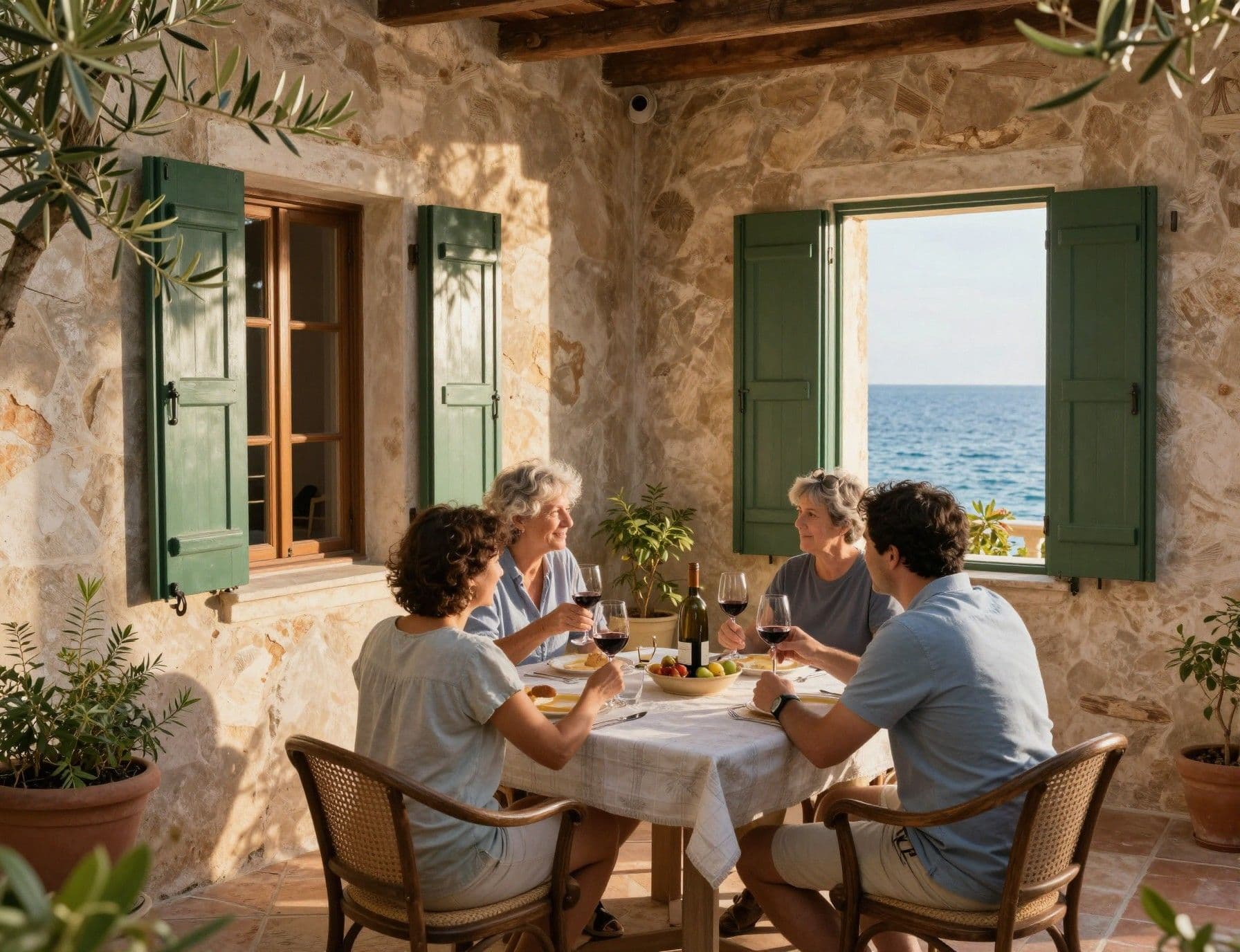
Croatia’s housing market has shown sustained growth in recent years, concentrated in coastal and historic-city segments. Higher prices and limited stock make due diligence and buyer protection more than formalities: they are essential to preserve both lifestyle and capital. Begin with a legal check on title, zoning and hidden encumbrances, then layer insurance and contractual protections that reflect how you intend to live in — and perhaps rent out — the property.
Property styles and their insurance implications
New-build seafront apartments often carry developer warranties and clearer documentation, which can make insurance placements straightforward. Historic stone houses demand proof of restoration standards, artisan-material sourcing and a builder’s liability history before insurers will offer adequate cover. For villas with pools or terraces, check that liability limits are scaled to host capacity and that guest-injury cover is explicit; municipal permits for pools and terraces should be on file.
Working with local experts
A Croatian notary and a local lawyer are indispensable: registry entries are document-driven and the land register (Zemljišna knjiga) is the definitive record of ownership. Insurers will ask for notarised purchase contracts, cadastre extracts and municipal zoning confirmations. Choose advisers who routinely handle foreign buyers and who can translate administrative nuance into clear insurance terms.
Steps to protect the purchase (legal + insurance)
1. Commission a full title and encumbrance report from the land registry; 2. Obtain an up-to-date extract from the cadastre and a municipal zoning statement; 3. Require developer/warranty documents or proof of restoration standards; 4. Secure conditional escrow or notary-held deposit arrangements; 5. Shop for a combined buildings, contents and liability policy before completion; 6. Add short‑term rental cover if you will let the property seasonally.
Insider Knowledge: Red Flags and Protection Strategies
Expats frequently tell a similar story: they fell in love with a property’s light and view, overlooked a missing municipal permit or an incomplete registry entry, and later faced months of legal clarification. Insurance can mitigate certain consequences, but it cannot fix title defects. The most elegant protection is a layered one: contractual warranties from the seller, notary escrow, and insurance tailored to local hazards.
Common red flags
Seller cannot produce a recent land-register extract
Unregistered alterations (terraces, annexes) visible on site but absent from permits
Properties advertised with a ‘private beach’ claim — Croatian law makes most foreshore public
Vague restoration records or missing artisan warranties for listed or historic houses
Practical insurance measures worth insisting on
Contents and accidental damage cover at replacement value — salt damage and humidity are common on the coast
Third‑party liability scaled for short‑term rentals if you plan to let seasonally
Seismic or subsidence add‑ons where local geology suggests elevated exposure
Restoration‑warranty or ‘works’ cover when buying a renovated historic property
How to use insurance to negotiate
1. Obtain insurer estimates early and present them to the seller as part of contract negotiations; 2. Where a required policy is unusually costly, ask the seller for a repair or price adjustment; 3. Require the seller to warrant the condition of key elements (roof, foundations, mains services) for a defined period; 4. Use an escrow with conditions tied to delivery of registry extracts and insurance binders.
What Expats Wish They’d Known
Expat communities in Zadar, Dubrovnik and Hvar adapt quickly but integration is gradual; language and local bureaucracy are the real daily obstacles. Long-term residents recommend building relationships with a municipal clerk, a trusted notary and a small network of craftsmen. These connections reduce friction when a claim is made or when a permit question arises, and they often turn an anxious repair into an orderly project.
Cultural nuances that affect protection
Croatians value provenance and paperwork; sellers who present detailed restoration invoices and notarial records are trusted more readily. Expect slower administrative rhythms than in large financial centres and allow time for translations, certified documents and formal consents. Patience here is not passive — it is a protective practice.
Long-term considerations
Think in decades: salt‑weathered façades, maintenance of stonework and succession planning for property in areas where family provenance matters. Insure with an eye to heirship — policies that permit smooth transfer and clear documentation avoid disputes later. For buyers planning to hold property as part of a family estate, early engagement with Croatian succession specialists is prudent.
Conclusion: The Adriatic life is readily available to those who pair desire with discernment. Begin with sensory imagination — market mornings, harbour light, village tables — then secure the purchase through documents, local counsel and insurance designed for Croatian realities. A considered advisor will position insurance not as an afterthought but as an architectural element of stewardship, ensuring the home you fall in love with remains a source of quiet pleasure for years to come.
Former Copenhagen architect who relocated to Provence, offering relocation services, market analysis, and a curator’s eye for authentic regional design.