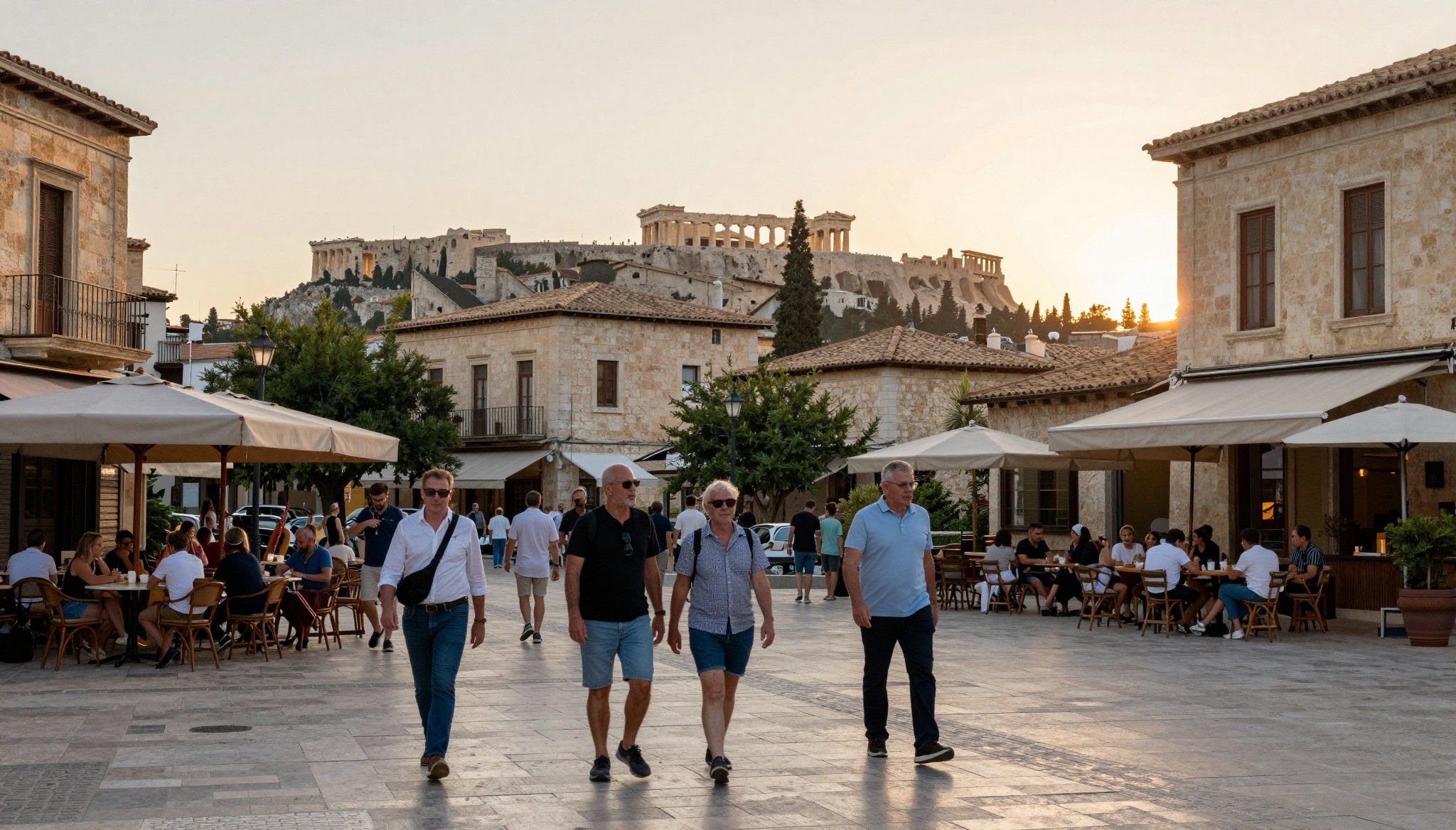
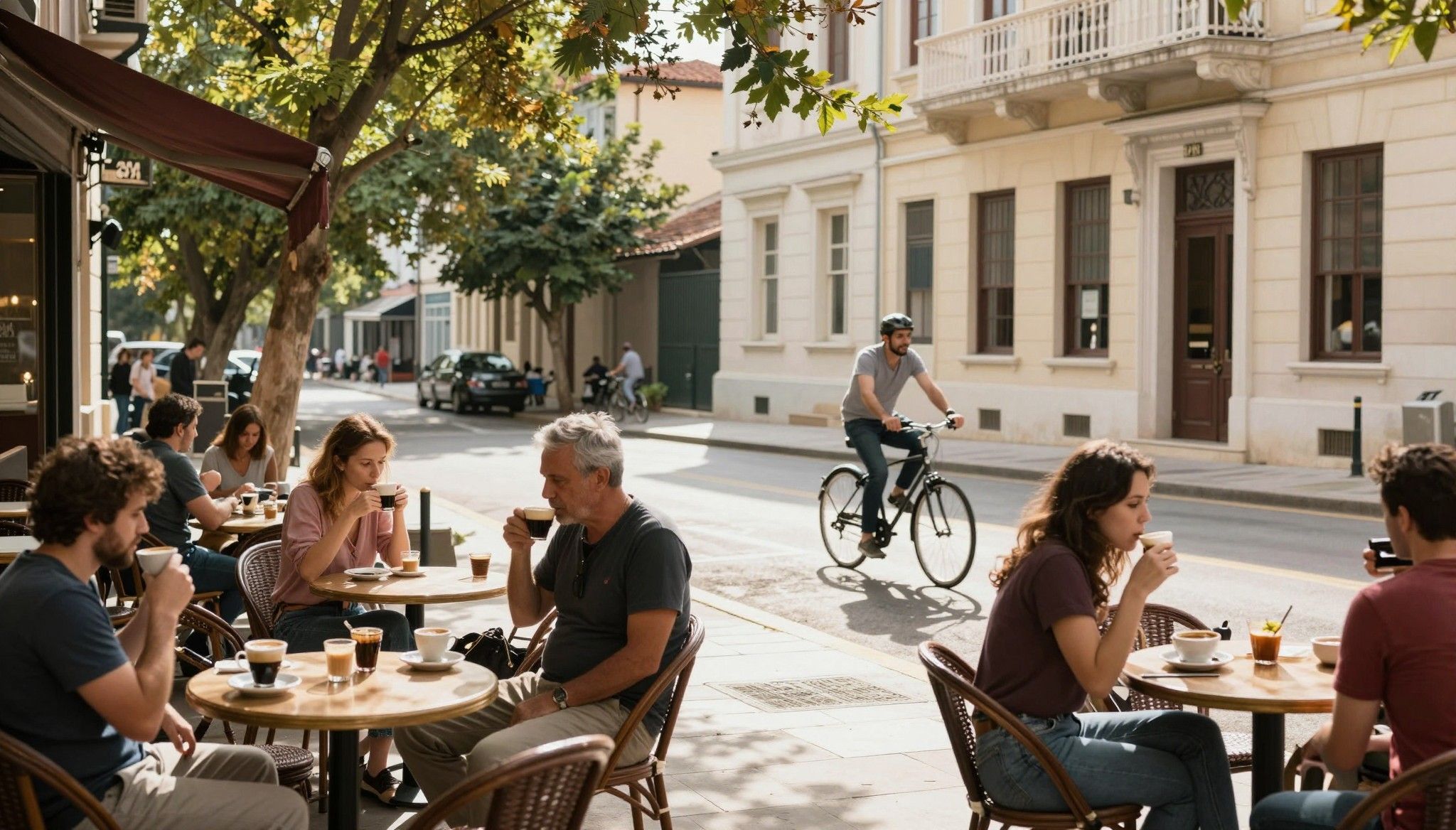
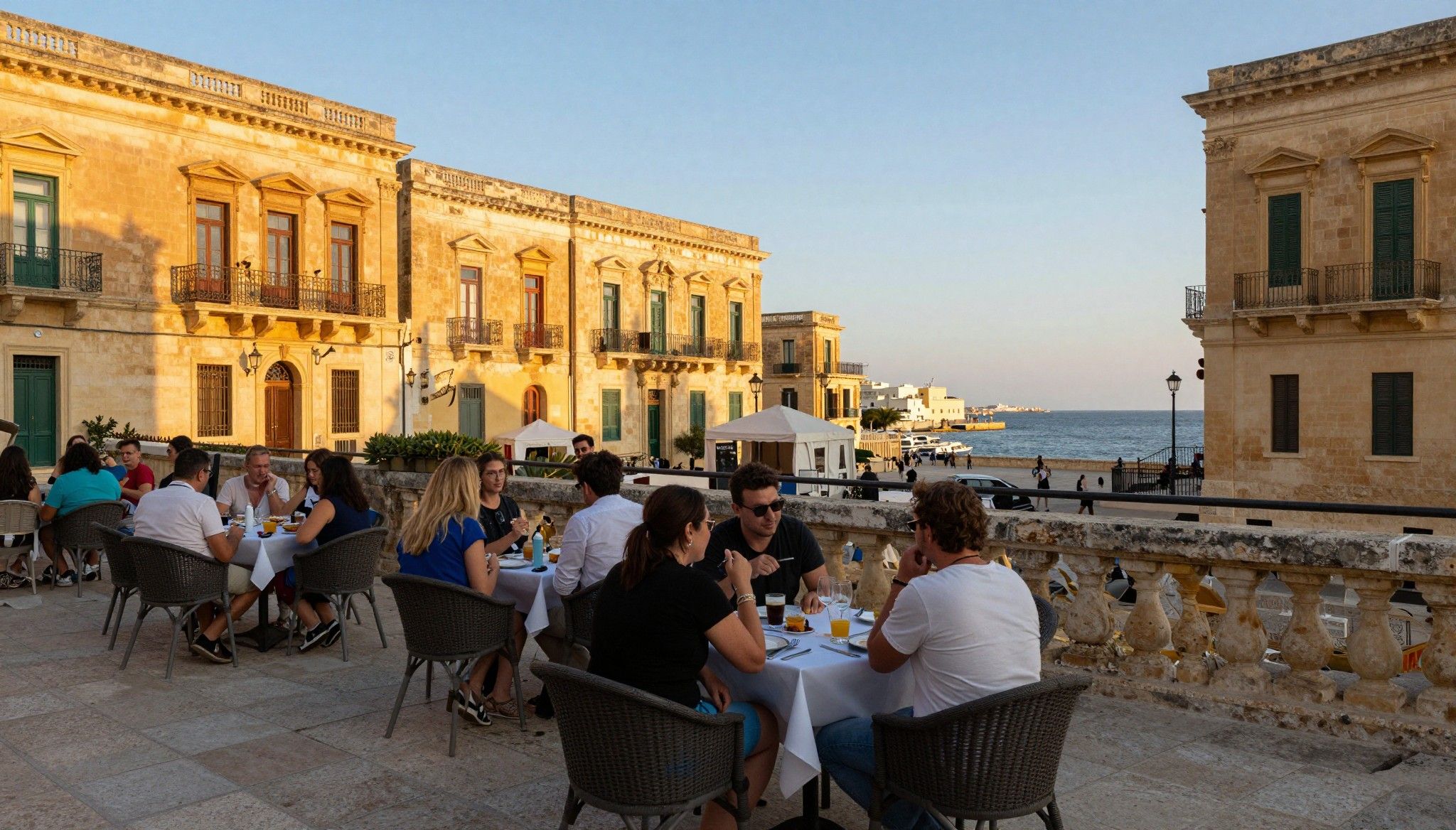
Skip the Summer Sparkle: Buy in Malta's Quiet Months
Why house‑hunting in Malta’s off‑season reveals true neighbourhood life, negotiating room and better restoration prospects—backed by NSO and market reports.
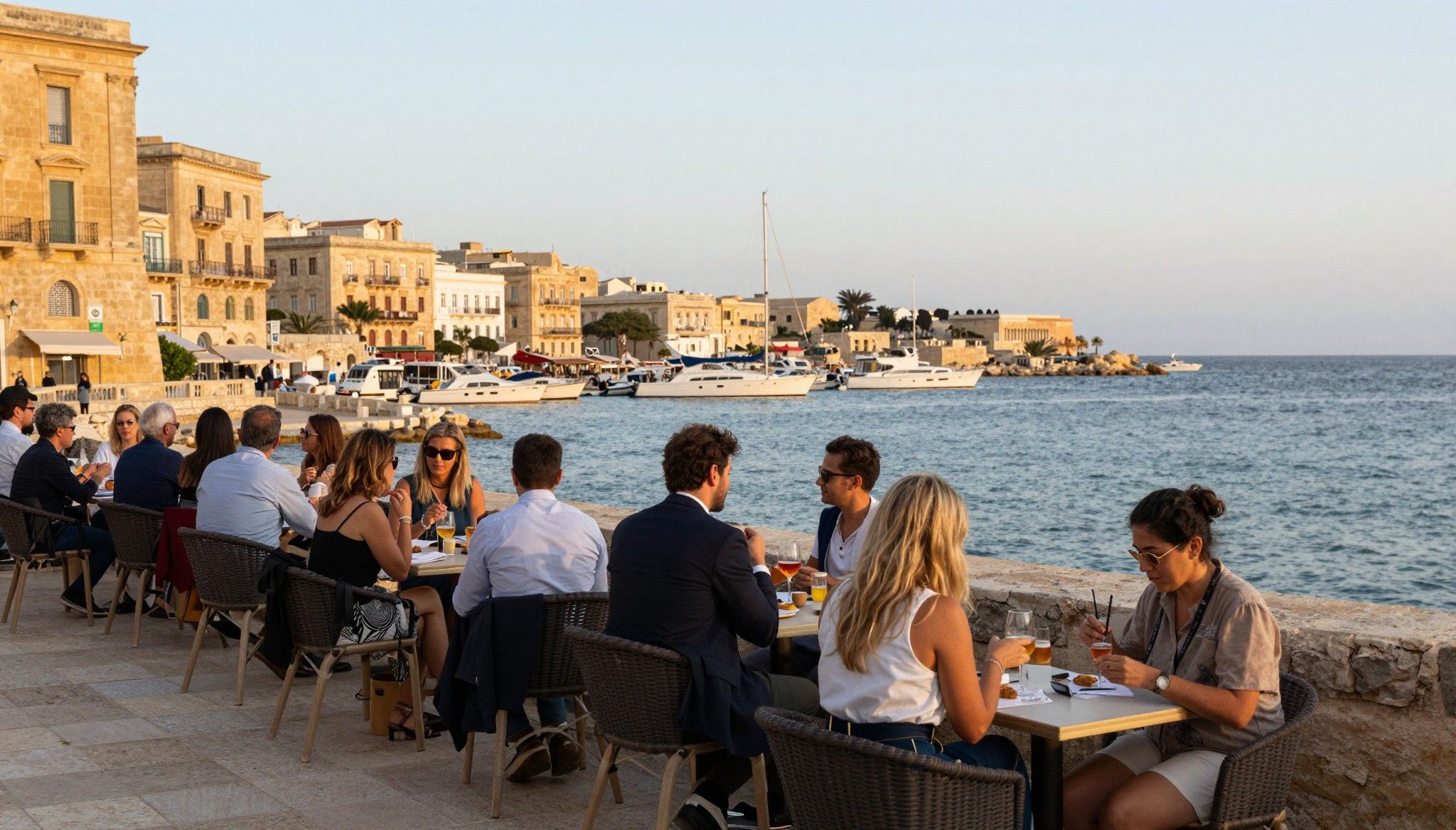
Imagine a late‑autumn market in Marsaxlokk: orange nets drying on limestone quays, a single café table with an espresso and a colleague’s Maltese‑English banter. The island feels both intimate and lived‑in; streets that swell with tourists in July become small, serviceable neighbourhoods by November. That shrinkage in volume is where discerning buyers find clarity — quieter viewings, more negotiation room, and a truer sense of daily life beyond the summer spectacle. Recent NSO figures show Malta’s population and housing pressures are steady rather than runaway, a context that matters when timing a purchase.
Living Malta: the real rhythm beneath the postcards
Life in Malta is compact and tactile: small squares where neighbours meet at dusk, streets of soft honeyed limestone, and a café culture threaded through hukum‑hours and late dinners. The island’s scale means a short commute often trades for an exceptional street life; an apartment on a Valletta corbelled balcony feels different to a penthouse overlooking St Julian’s bayside. The island’s housing stock — notably a high home‑ownership rate and abundant secondary dwellings — shapes neighbourhood rhythms and the supply available to international buyers. Understanding how people actually live in a place, not how it photographs in high season, is the first step in choosing where to buy.
Valletta and the Three Cities: history as daily companion
Valletta remains an argument in stone: Baroque facades, wrought‑iron balconies and a measured civic scale. Living here is to have museums, concert halls and understated restaurants at walking distance, and platformed harbour views in the mornings. The Three Cities across the Grand Harbour trade in quieter domesticity — fishing quays, small artisan workshops, and long low terraces — a distinct mood for those seeking authenticity over spectacle. For a buyer interested in provenance and architectural pedigree, these localities offer properties with histories rather than mere amenities.
North shore: St Julian’s, Sliema and the service economy
The north shore is where convenience meets buoyant rental demand: restaurants, marinas and an international service economy cluster here. Sliema streets are lined with cafés popular among expats; St Julian’s draws evening life and short‑let interest. That energy supports liquidity but also seasonal noise and higher asking prices in summer months. If quiet mornings and long views are priorities, look a little inland or to west‑facing terraces south of St Julian’s where the pace is steadier.
- Morning espresso at Caffe Cordina (Valletta); Sunday fish market in Marsaxlokk; Sunset walk along Għajn Tuffieħa; Small‑plate dining in Mdina’s quiet alleys; Kayaking the Blue Lagoon off Comino; Weekday market mornings at Valletta’s Merchants Street.
Making the move: when timing trumps impulse
The usual instinct is to view Malta through its peak months; agents and sellers likewise stage properties at full summer brightness. Yet market conditions and regulatory updates introduced in recent years reward patience. Legal and planning clarity has increased, and the Central Bank and local commentators describe steady, income‑linked price growth rather than froth. For an international buyer, the quieter months reveal hidden faults, let you judge neighbourhood life accurately, and often allow more constructive negotiation.
Property types: stone maisonettes to modern penthouses
Malta’s architectural range is a practical vocabulary: traditional limestone maisonettes with internal courtyards, elegant townhouses with timber balconies, and compact modern flats stacked along bay promenades. Each type requires specific stewardship: lime mortar repairs for old stone, careful thermal upgrades for tightly built terraces, and sound insulation for apartment blocks. Choose a property type that matches how you plan to live — private courtyard for quiet mornings, bay aspect for light and rental appeal, or a townhouse for restoration and provenance.
Local expertise: what to expect from a Malta agency
A good Maltese agency is both an archivist and a local host: they trace title provenance, explain covenant or renovation constraints, and introduce you to the neighbourhood’s rhythm. Expect help with realistic pricing (seasonal adjustments included), introductions to conservation architects where required, and disciplined viewings scheduled outside the summer rush. Ask for evidence of transactions in your target street and a candid assessment of seasonal dynamics — the best agents will frame value in terms of lived experience as well as numbers.
- Inspect in off‑peak months; commission a conservation‑aware survey; confirm title and utility easements; budget for weather‑proofing and lime‑mortar works; negotiate with seasonal context in mind.
Insider knowledge: what expats wish they’d known
Expat life in Malta grows less by spectacle and more by ritual: an evening at a local bocci club, weekday markets, and the unexpected convenience of English as an official language. Still, integration requires patience — small communities prize local continuity and a respect for custom. Residency schemes such as the Malta Permanent Residence Programme make relocation administratively straightforward for many buyers, but legal nuance can change; rely on up‑to‑date counsel rather than brochure summaries. Long term, people who succeed here adapt to seasonal swings rather than fight them.
Cultural notes and community life
Maltese social life values hospitality, family circuits and parish calendars. Weekends are for family meals and coastal escapes; weekdays for neighbourhood commerce and small‑scale cultural gatherings. For buyers this means choosing a street with the right cadence: some quarters are quietly residential, others host seasonal hospitality. Spend time in a place across months to understand which cadence suits your life.
Longer view: stewardship and resale considerations
Malta rewards buyers who think like custodians: sympathetic restorations and quality materials preserve value and appeal to international buyers seeking provenance. The market’s measured growth and regulatory tightening suggest that well‑executed restorations and buildings with clear title histories will outperform speculative, cosmetic flips. When assessing a purchase, prioritise workmanship, structural clarity and neighbourhood longevity over short‑term yield.
- Inspect historic bonds and conservation orders; ask for detailed service charge breakdowns; prioritise lime and stone remediation over trendy finishes; verify seasonal rental demand with recent local data; plan for modest modernization that respects original fabric.
If Malta appeals for its luminous light, living scale and closeness to Mediterranean life, allow the island’s quieter months to reveal its character. Visit in November or March, stay in a small apartment for a week, and listen for the neighbourhood’s true rhythm. When you buy with that seasonal knowledge, you purchase not only a property but the promise of a life that endures beyond the postcards. Reach out to an agency that can couple cultural fluency with legal rigour — they are the local custodians who enable a graceful transition.
Former Copenhagen architect who relocated to Provence, offering relocation services, market analysis, and a curator’s eye for authentic regional design.