Why Italy’s Quiet Neighbourhoods Often Outshine the Coast
Discover why intimate Italian neighbourhoods—market squares, artisan streets and restorative palazzi—often offer better lifestyle and long‑term value than obvious coastal buys.
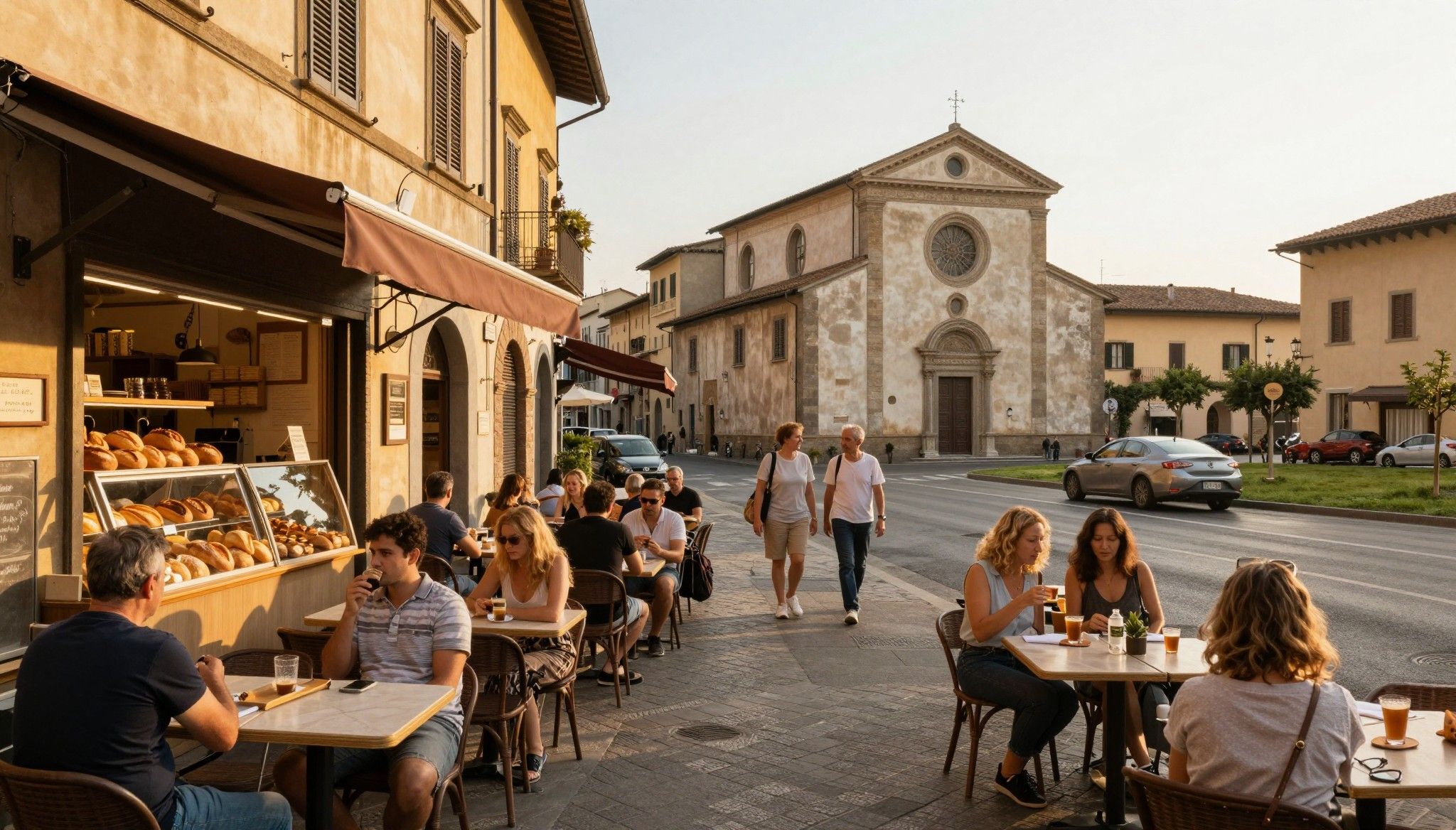
Imagine waking to the bell of a neighbourhood bakery on a narrow street in Bologna’s Santo Stefano, or reading on a shaded terrace in Lucca while market vendors bundle the day’s porcini. Italy’s attraction is not only the headline cities and coastlines; it is the everyday cadence—morning espresso at a corner bar, an afternoon passeggiata, a Sunday mercato—that defines where people choose to live and, critically, where values hold steady over time. Recent market analysis shows modest, steady price growth across many Italian markets, making quieter, lived-in neighbourhoods an often overlooked route to durable value.
Living the Italian life: texture, routine, provenance
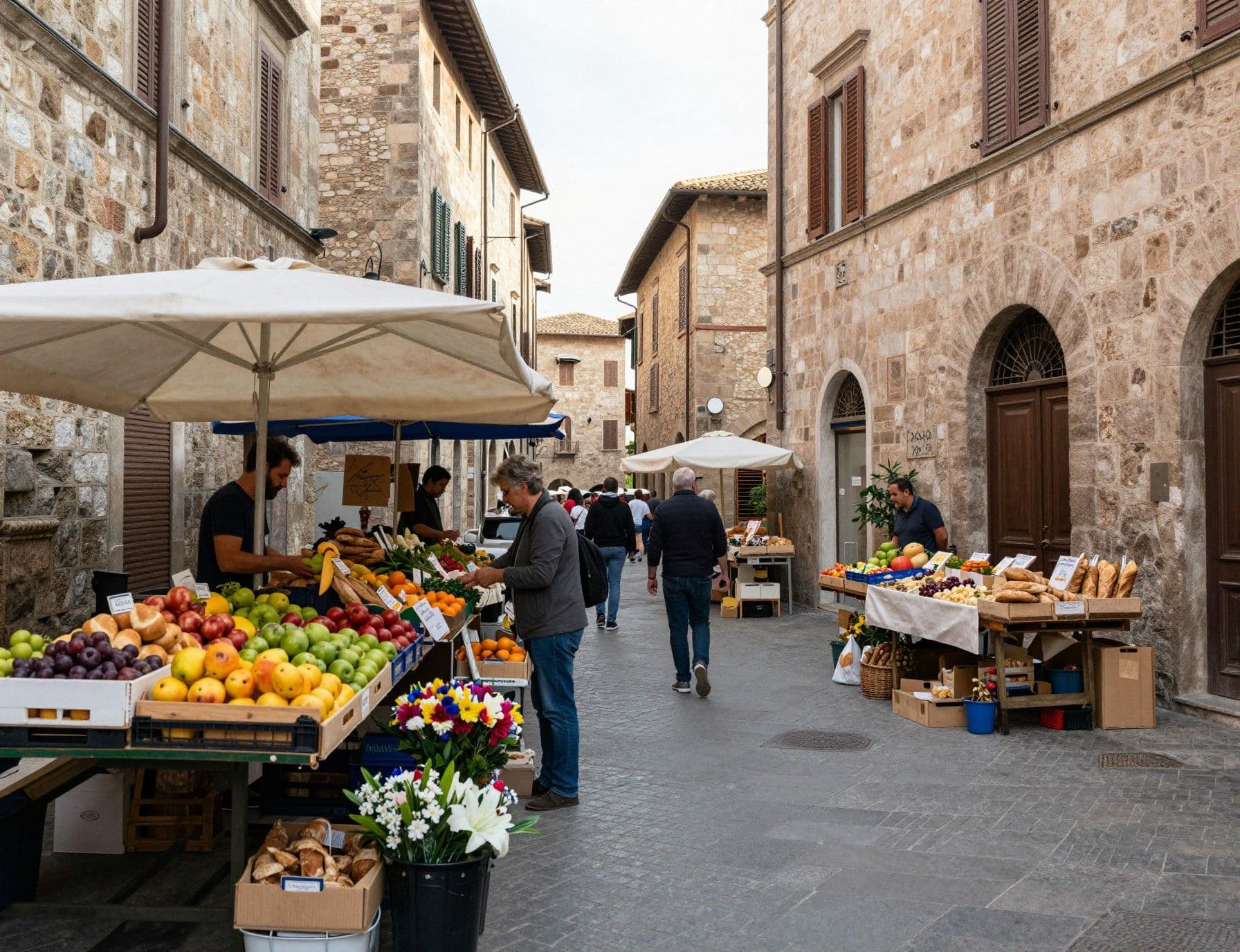
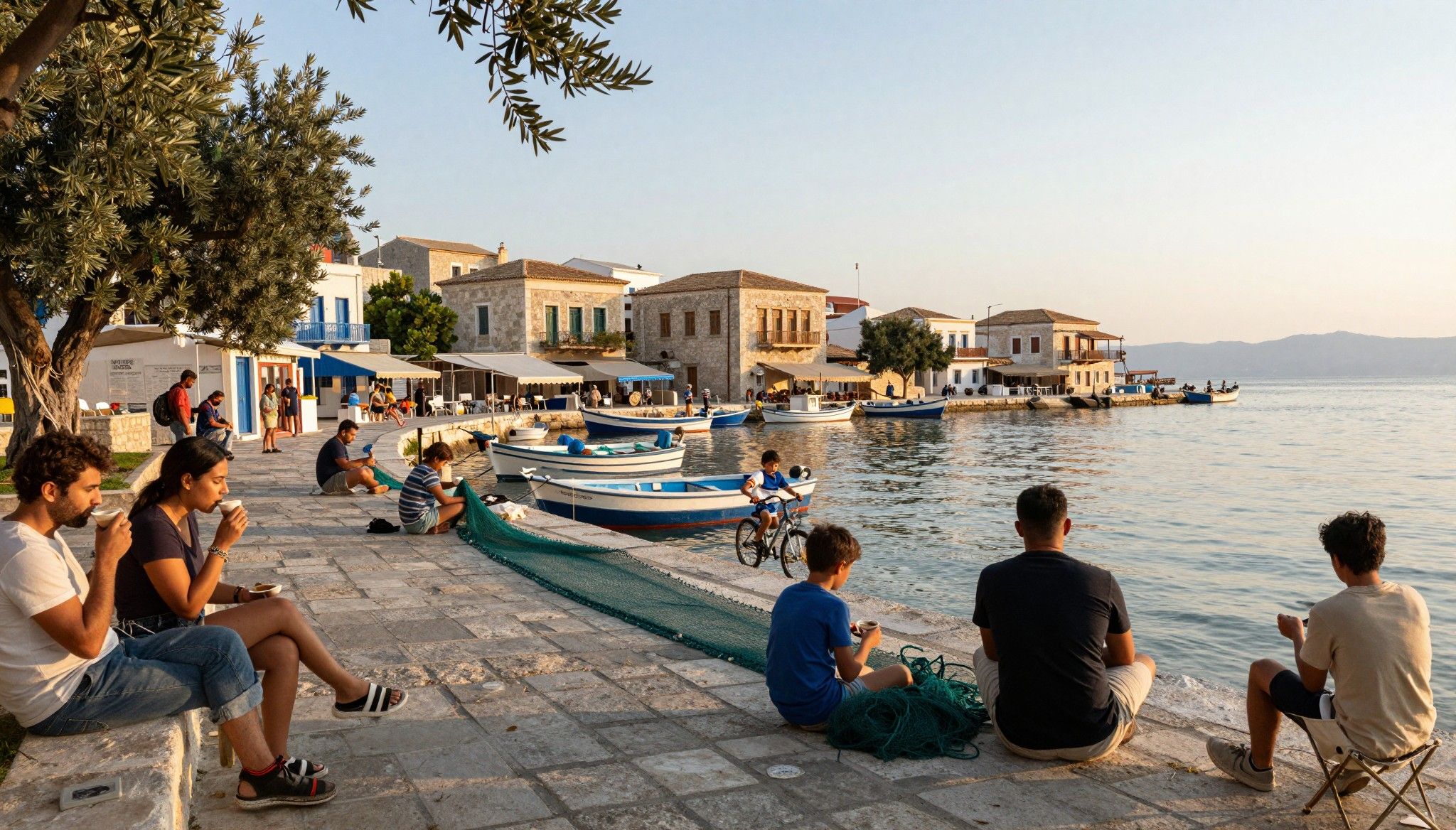
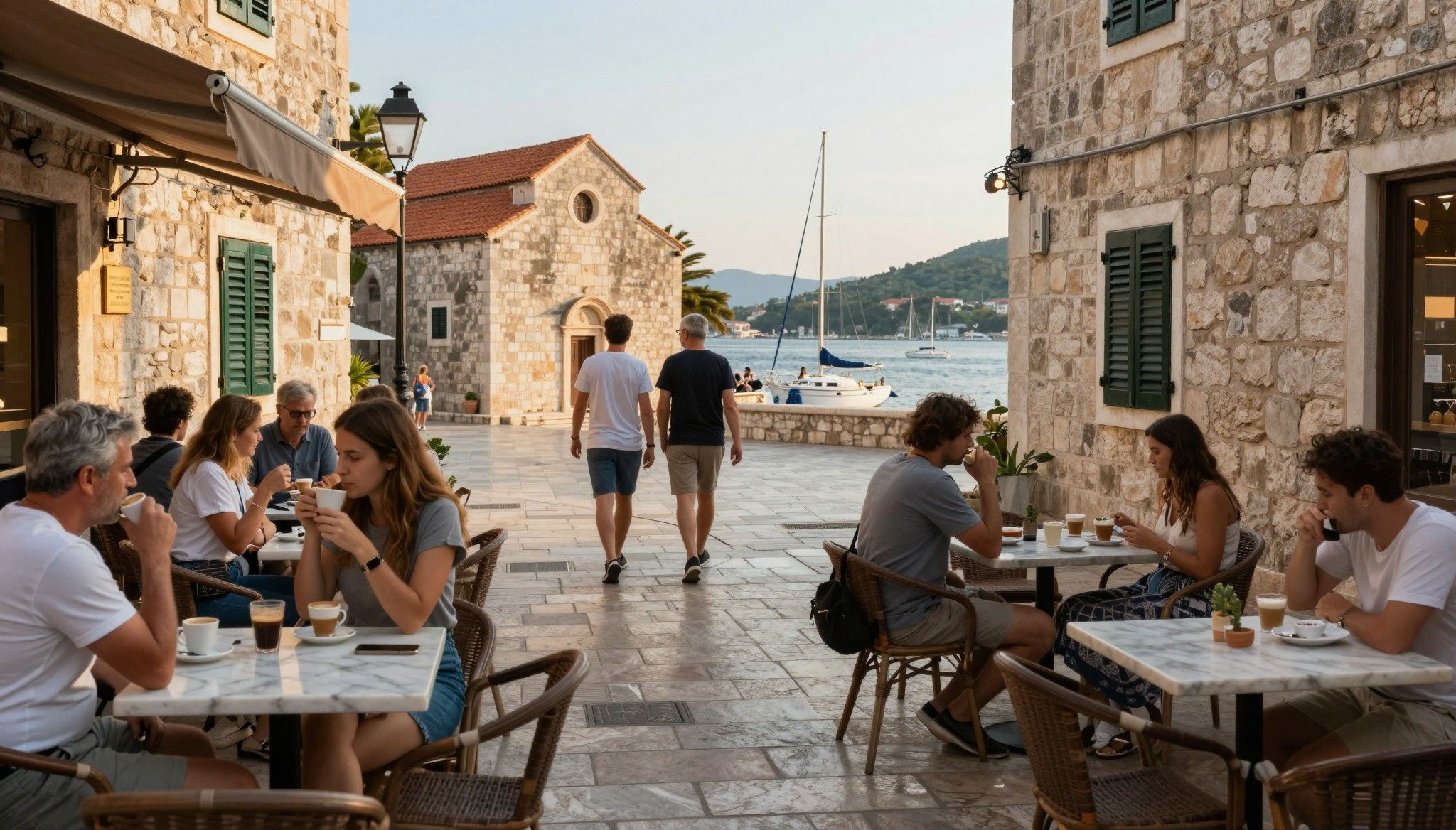
Italy’s daily life is tactile. Streets are defined by tactile materials—stone thresholds, worn travertine, terrazzo steps—each a record of repair and reuse. In cities such as Florence and Milan the café scene dictates pedestrian rhythms; in smaller towns like Orvieto or Pienza the market square is the civic heart. For buyers who prize provenance, these materials and rituals are part of the property’s story: a restored fireplace, original beams, or an artisan‑made tile run become living proof of place.
Neighbourhood spotlight: Florence — Oltrarno and Santo Spirito
Cross the Arno into Oltrarno and you enter a district where ateliers and family-run osterie still predominate. Santo Spirito’s backstreets hold modestly scaled palazzi and apartments with hand-hewn beams and small courtyards. For buyers wanting an authentic Florentine life—morning market at Sant’Ambrogio, aperitivo by the piazza—these pockets deliver lifestyle depth rather than spectacle, and historically they show resilient demand from long-term residents and discerning buyers alike.
Food, conviviality and seasonality as place-making
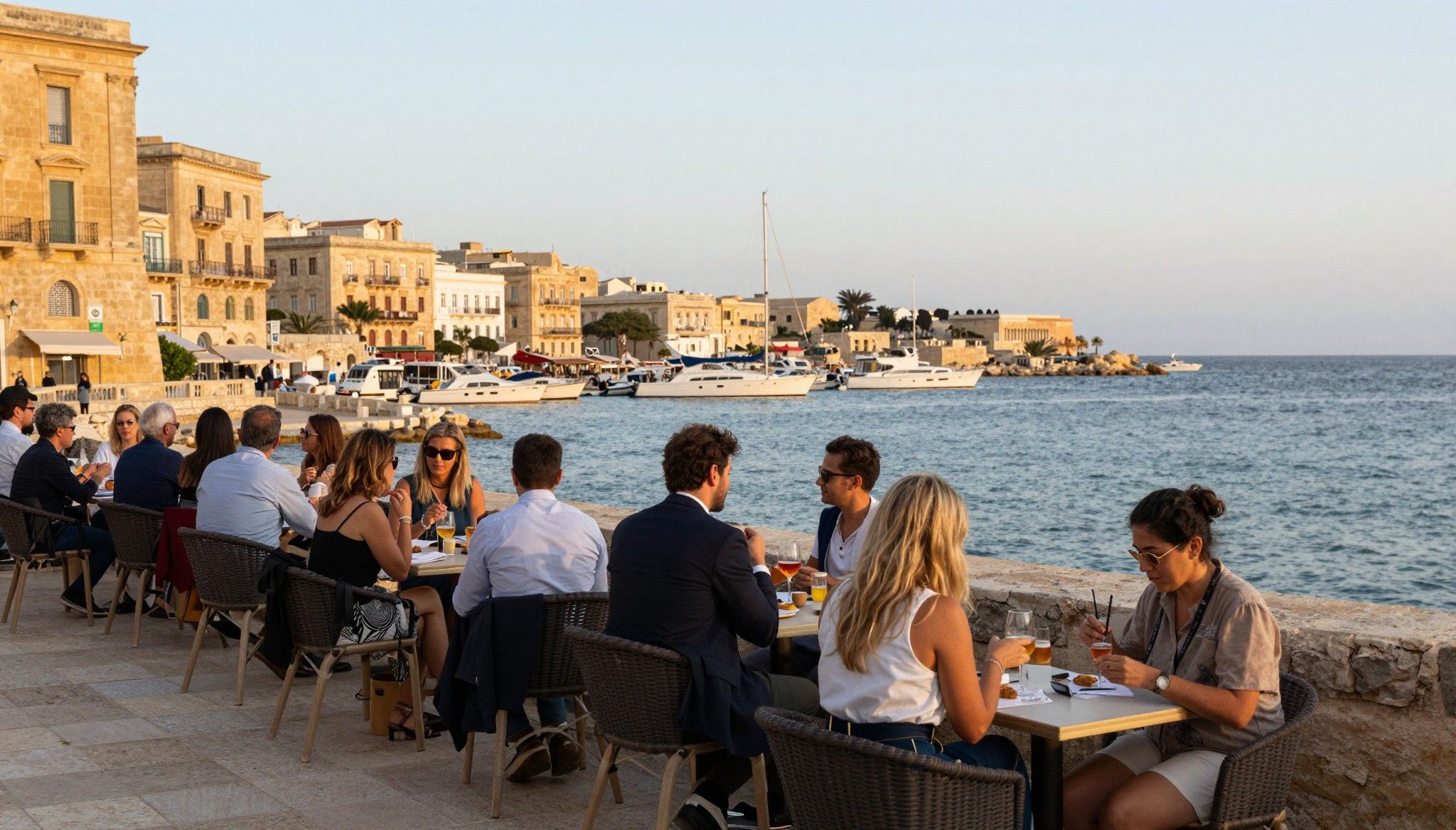
Italy’s food culture is civic infrastructure: weekly markets, neighbourhood trattorie, and seasonal festivals shape how neighbourhoods feel across the year. This cadence affects use — terraces in Ligurian towns are busy from April through October, while inland hill towns fill in autumn for truffle season. Practical living costs and rhythms vary regionally; buyers will find markedly different monthly budgets depending on whether they choose a provincial hilltop or a central Milan apartment.
- Lifestyle highlights: neighbourhood details to look for
- Early-morning markets (e.g., Mercato di Sant’Ambrogio, Florence)
- Small osterie and family-run bakers on side streets (Santo Spirito, Lucca centre)
- Public squares for social life rather than tourist footfall (Piazza delle Erbe, Mantua)
Making the move: how lifestyle choices shape the purchase
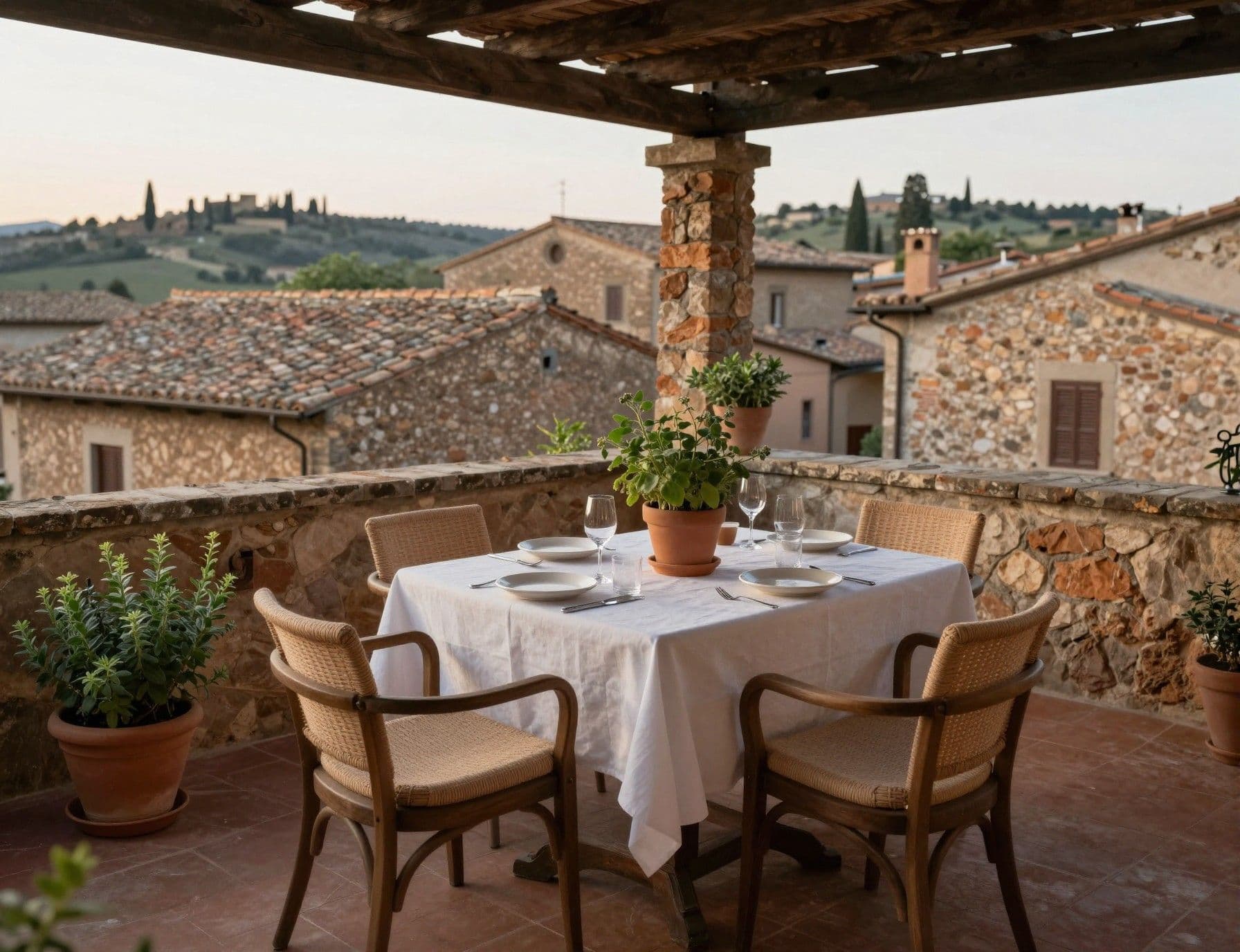
Buying in Italy is seldom only about square metres and yields; it is a judgment about daily life and stewardship. Market reports indicate moderate national price growth and a tightening of supply in desirable urban and lifestyle areas, reinforcing that a neighbourhood’s everyday quality often underpins long-term resilience. As supply remains constrained in many desirable centres, buyers who prioritise lived-in neighbourhoods can find both value and a smoother integration into community life.
Property types and how they serve life in Italy
A hill‑town terraced house offers intimate connection to neighbours and markets; a restored palazzo flat offers craftsmanship and scale; a converted farmhouse (casale) supplies outdoor life and cultivation. Each form carries maintenance obligations—roofing, seismic upgrades, energy retrofits—but delivers a distinct lived reality. Consider not only the interior layout but the approach: narrow alleys may limit deliveries and renovations, while a more modern block may offer easier services.
Working with agencies that curate lifestyle, not listings
Seek agents who understand the civic fabric—those who can point to the neighbourhood baker, the quiet square, and documented restoration work. Agencies that curate by lifestyle (family mornings, artist quarters, market access) will save time and help you evaluate off‑market opportunities. Institutional investment is rising in Italy, but the best neighbourhood buys still happen through local knowledge and discreet introductions.
- Steps that blend lifestyle and practicality
- Spend 48 hours living as a local: shop a market, take transit, have an evening in the piazza.
- Ask an agent for utility records, restoration permits and energy-cert (APE) history before an offer.
- Factor in conservation or seismic work for historic buildings; request contractor estimates early.
Insider knowledge: what expats wish they’d known
Expat experience tends to converge on a few truths: language accelerates integration, local services matter more than a panoramic view, and seasons change how a place lives. Some buyers arrive expecting perpetual sunshine and discover winter quiet. Others underestimate the value of a neighbourhood grocer and the connection that confers. Practicalities—administrative hours, garbage schedules, and small‑town social codes—shape daily enjoyment as much as the property itself.
Cultural integration and day-to-day practicalities
Learn basic Italian phrases used at the market and the tax office; attend a local association meeting or a neighbourhood festa to meet residents. These small acts open doors to trusted artisans, local handymen and weekly information—connections that matter when conserving a historic property or negotiating an off-market sale.
Looking ahead: stewardship and enduring value
Italy rewards patient stewardship. Well-maintained properties in stable neighbourhoods tend to outperform as tourism cycles ebb and flow. Whether your aim is a life change or a legacy residence, the long view—documented restorations, sympathetic upgrades, respect for local typologies—typically secures both enjoyment and value.
- Red flags to note before making an offer
- Unresolved condominium debts or absent minutes for communal work
- Missing energy certificate (APE) or unclear seismic class
- An agent who avoids showing surrounding streets or weekday life
Italy is a study in contrasts: dramatic coasts and quiet lanes, grand palazzi and modest row houses. For many international buyers the surprise is that the most satisfying purchases are rarely the most photographed. They are the places with markets that still close for three hours at midday, bars where the owner knows your order, and neighbours who look after the building. Those are the qualities that sustain property values as well as daily contentment.
If you are drawn to Italy for lifestyle rather than headline returns, begin with a short residency: live in the neighbourhood you love for a few weeks, engage a local agent who can open off‑market doors, and commission an independent technical survey before contracts. These small investments of time and counsel translate to a more confident purchase and, ultimately, a life that feels authentically Italian.
Having moved from Stockholm to Marbella in 2018, I help Scandinavian buyers navigate Spanish property law, restoration quality, and value through authentic provenance.