Why Italy’s 'Expensive' Reputation Misleads Buyers
Italy is not uniformly ‘expensive’ — regional rhythms, local streets and stewardship distinguish true value; pair lifestyle priorities with targeted market data to buy wisely.
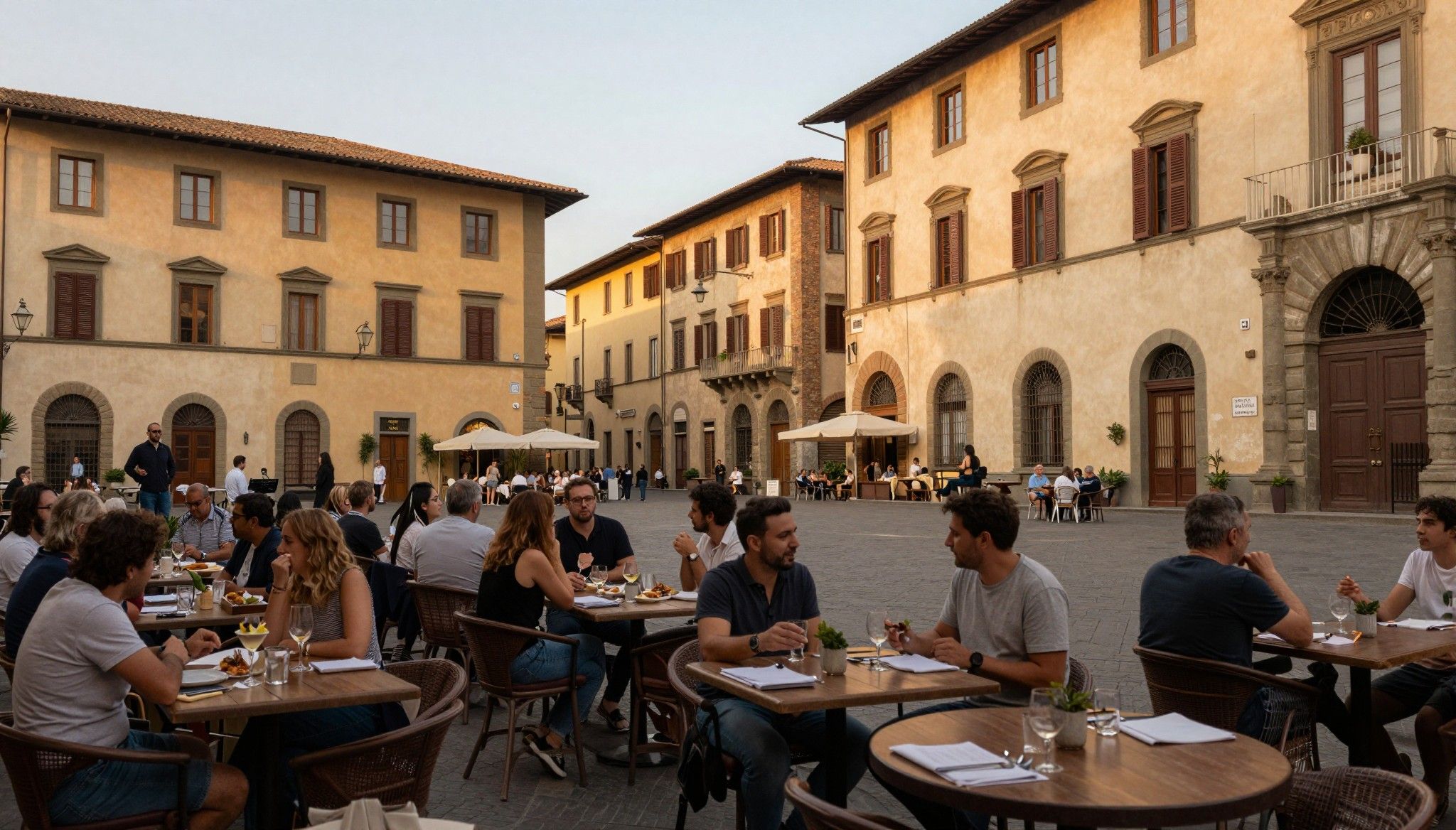
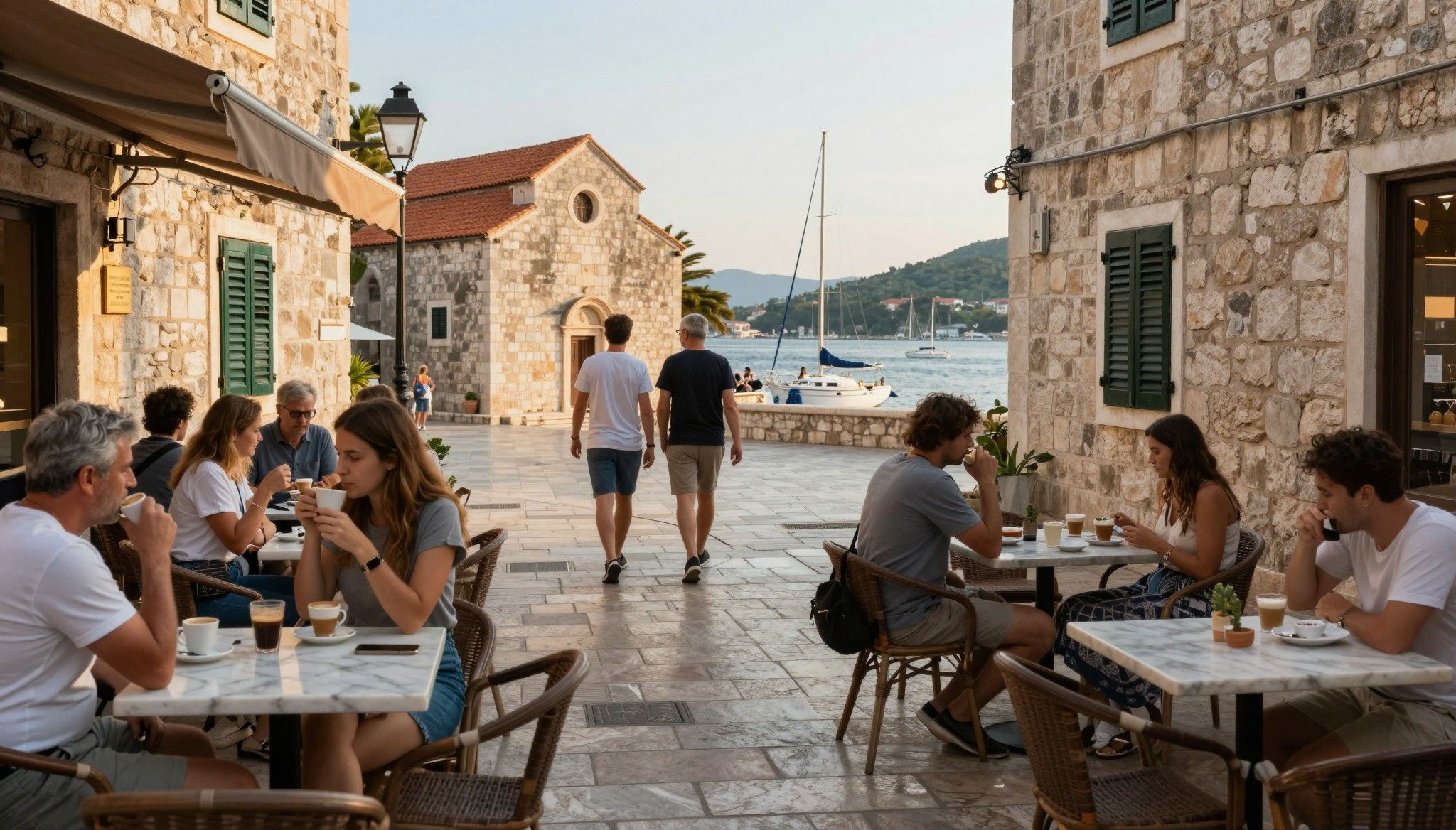
Imagine the slow, disciplined ritual of an espresso at 9am in Trastevere, the smell of wood smoke from a Florentine trattoria at dusk, and a terracotta terrace in Puglia where neighbours greet each other by name. Italy offers a dozen different lives in one country — and the reputation that the entire country is uniformly “expensive” obscures where everyday value really exists. Recent market analysis shows rising foreign interest but also regional divergence that rewards local knowledge.
Living the Italy lifestyle: texture before trophy
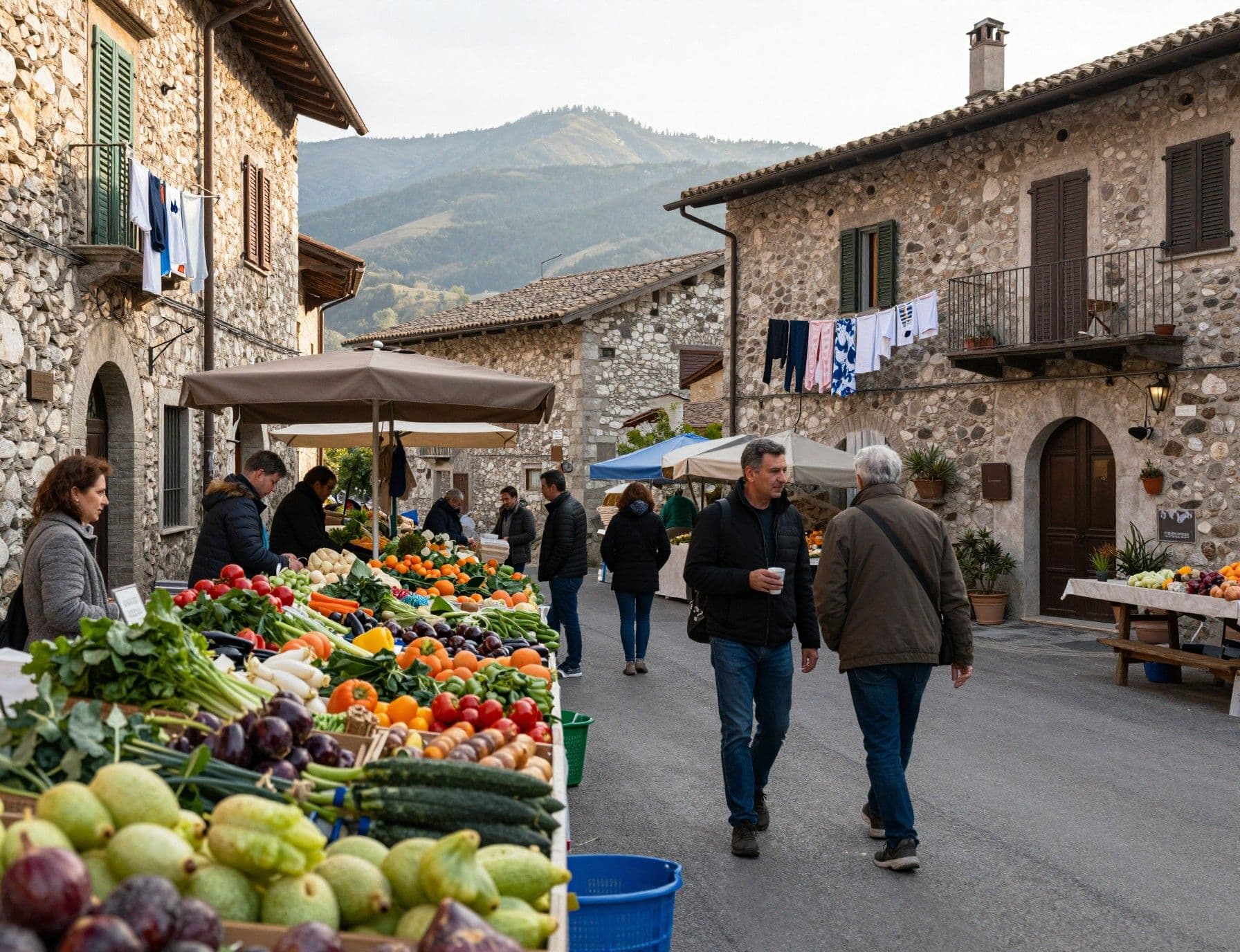
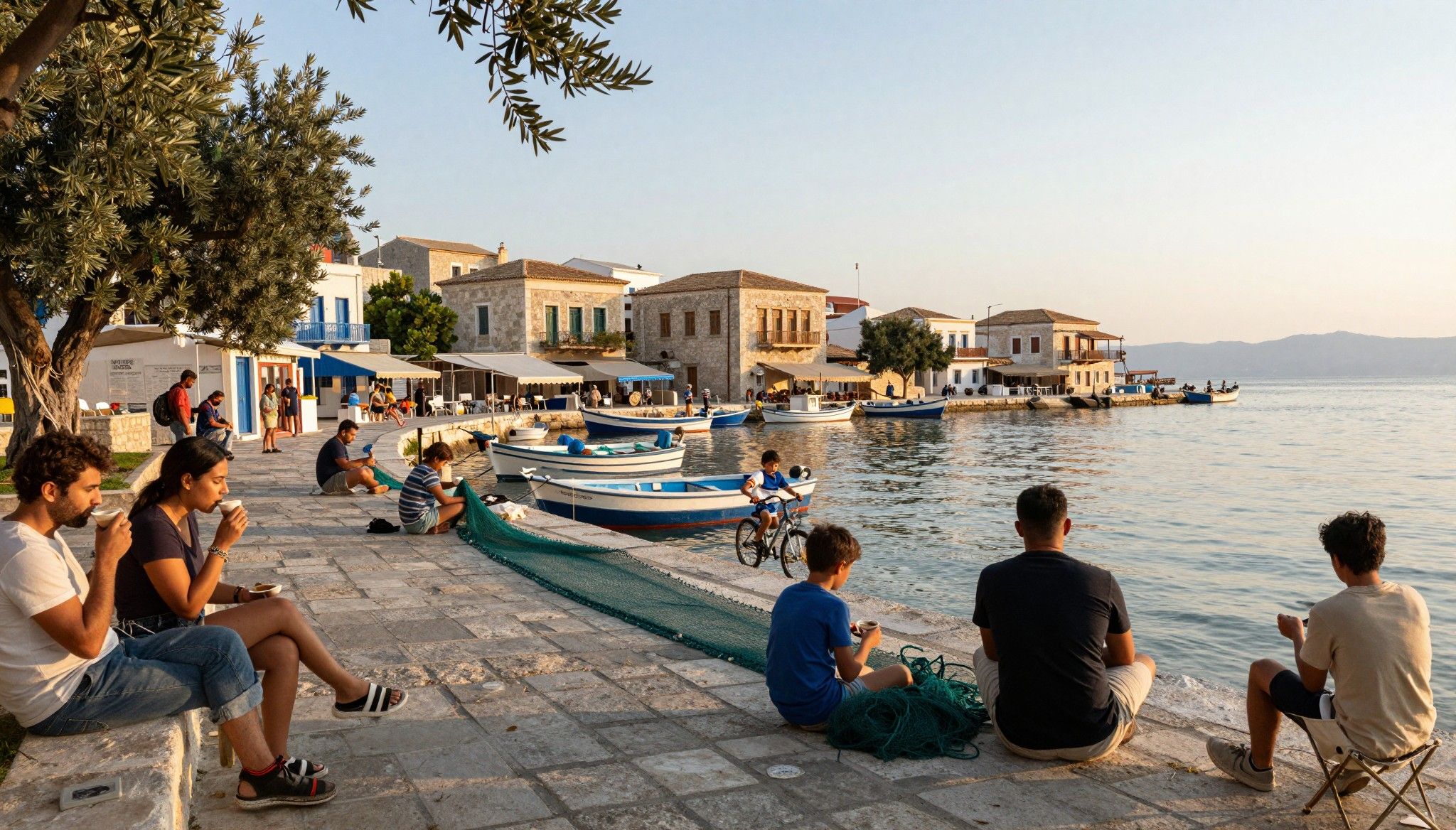
Italy is first and foremost lived-in: markets punctuate mornings, piazze gather neighbours at aperitivo, and each region keeps its own tempo. In Milan the pace is precise and architectural, in the Tuscan hills life orbits markets and vineyards, and on Sicily’s western coast mornings begin with fishing boats and café chat. For an international buyer the allure is not just a view but a daily choreography of place-specific rituals.
Rome — Trastevere and Prati: historic intimacy, modern convenience
Trastevere keeps the feeling of village streets: cobbles, small osterie, and artisans. Prati, by contrast, offers broad avenues, late‑19th‑century palazzi and quieter weekday streets. A one-bedroom in an unlisted Trastevere palazzo will feel raw and lived; a Prati flat often wins on light, layout and long-term rental appeal. Choose the street that matches your life rhythm, not only the postcard.
Florence & Oltrarno — crafts, courtyards, and restored interiors
The Oltrarno quarter rewards those who value craft: small workshops, artisan restoration, and quiet lanes off the Arno. Properties here often display original beams, artisan plaster and private gardens — characteristics that command a premium but also age well. For buyers who appreciate provenance, a modestly sized restored apartment will typically outlast a trendy conversion in terms of both pleasure and value.
Coast and countryside — Puglia, Liguria and Sicily's inland towns
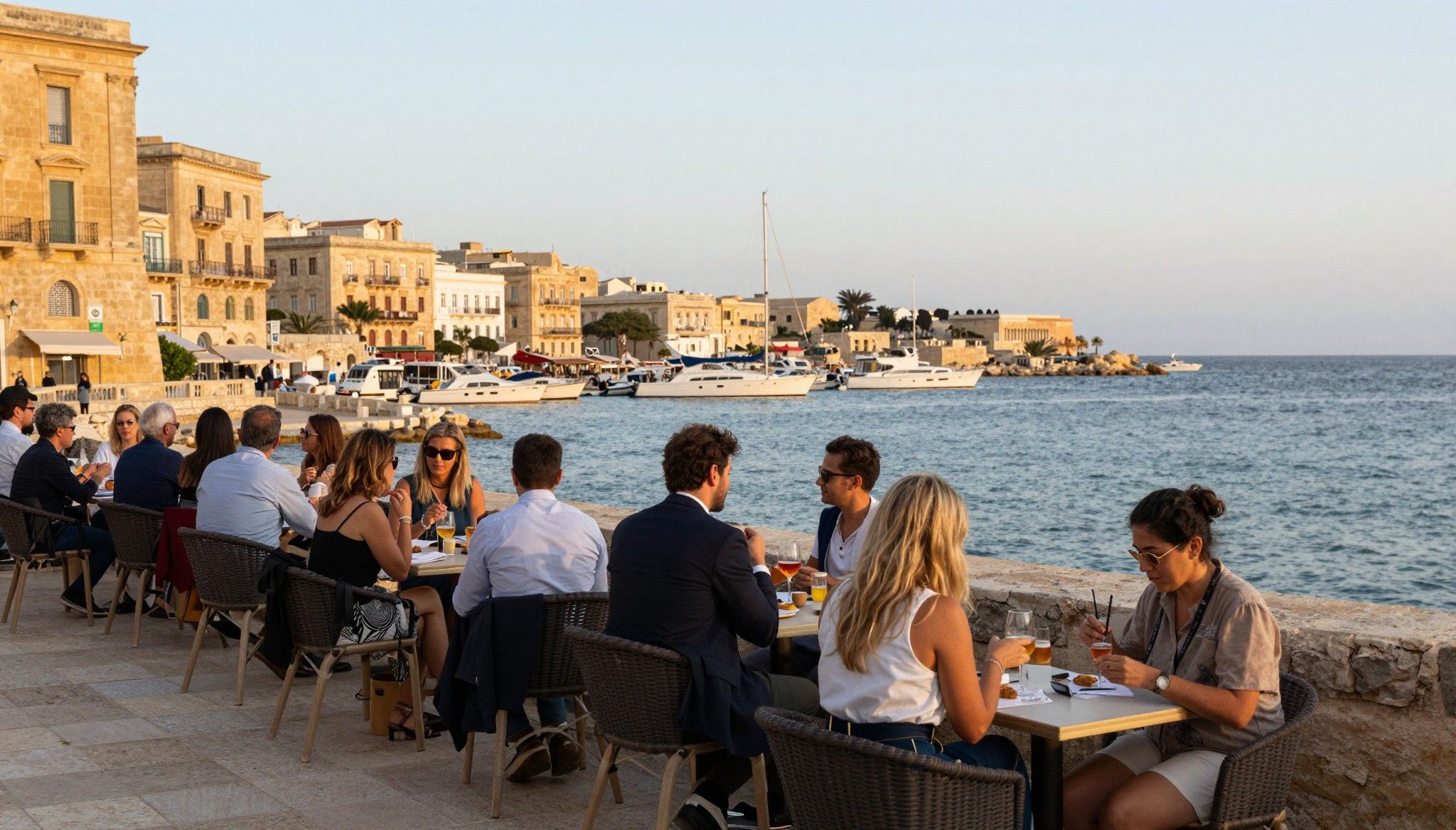
Puglia’s whitewashed towns (Ostuni, Martina Franca) for relaxed outdoors life; Liguria’s fisherman villages (Camogli, Sestri Levante) for compact charm and rail links; Sicily’s inland baroque towns (Noto, Modica) for dramatic architecture and lower entry prices.
These regions also show why the “Italy = expensive” shorthand is misleading. Population shifts and regional dynamics mean pockets of compelling value exist where local life, not tourism, sets the tone. National statistics illustrate steady regional divergence in population and demand, which smart buyers exploit by pairing lifestyle priorities with less obvious locations.
Making the move: how lifestyle choices shape property decisions
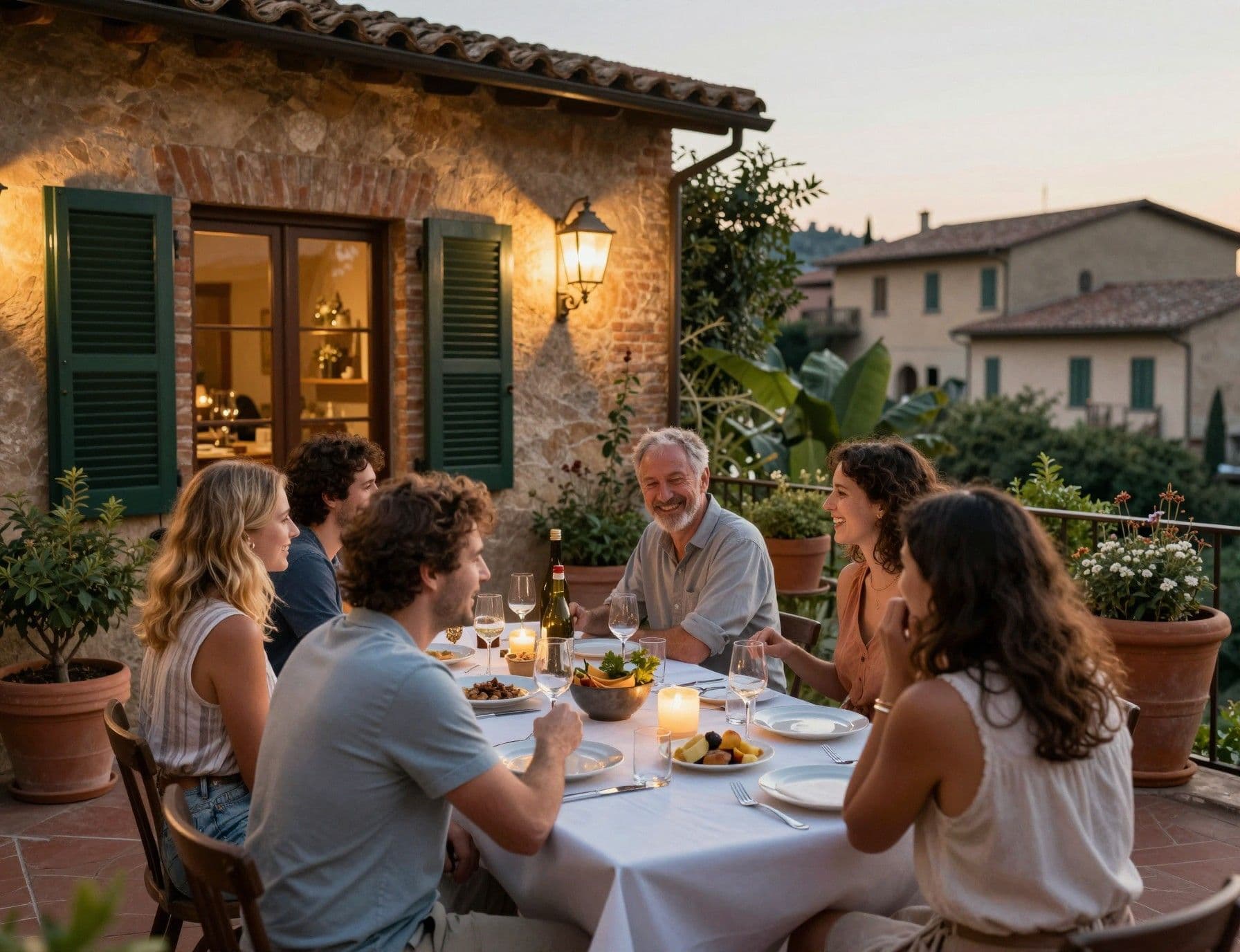
Your ideal daily life determines which features matter. Do you want morning markets and walkable cafés, or privacy and a long garden? The architecture you choose — apartment in a palazzo, farmhouse (masseria), or renovated townhouse — will influence maintenance, running costs and neighbourhood integration. Understanding these trade-offs early keeps the search precise and prevents impulse buys driven by an Instagram-ready façade.
Property types and how they serve a life in Italy
Palazzo apartments often deliver classical proportions and municipal services but may involve condominium rules and shared restoration projects. Rural masserie offer land, olive groves and autonomy — yet require agricultural planning and more hands-on stewardship. Period townhouses reward with layered history and potential for thoughtful restoration; new builds offer modern systems but often lack the patina that makes Italian homes deeply satisfying.
Work with local experts who understand where lifestyle and price diverge. Regional agencies and buying agents translate municipal nuances — from historic‑centre restrictions to short‑let registration — into actionable searches. Recent industry commentary indicates foreign buyer activity has risen regionally; informed representation turns that interest into advantage rather than competition.
Decisions that blend daily life and practicalities: 1) Prioritise walkability if cafés, markets and social life matter; choose a palazzo apartment near services. 2) Choose inland towns for larger plots and lower per‑square‑metre prices when outdoor life matters. 3) Budget for restoration when buying heritage fabric — quality craftsmanship costs but sustains value. 4) Check local short‑let rules early if rental income is part of the plan. 5) Meet neighbours and shop locally before bidding; neighbourhood acceptance shapes daily pleasure.
Insider knowledge: what expats wish they'd known
Expat stories converge on a few honest truths: language accelerates belonging, stewardship of historic fabric is a long-term commitment, and the best value often lies off the beaten path. Many buyers tell of choosing a quieter street two blocks from a famous square — less spectacle, better neighbours, and a steadier lifestyle. That steadiness is what endures.
Cultural integration and everyday life
Learning basic Italian opens doors beyond bureaucracy: it changes how shopkeepers, artisans and neighbours receive you. Community life in Italy centers on reciprocity — knowing where to buy produce, who fixes shutters, and which café is quietly excellent. Those local ties shape the lived experience more than any view.
Long‑term lifestyle and stewardship
Think in decades. A well‑executed restoration that respects materials and proportion elevates enjoyment and attracts the kind of tenants or buyers who value provenance. Conversely, short-term cosmetic updates aimed at resale can leave owners with maintenance issues. Stewardship — choosing materials, skilled artisans and a preservation‑minded local architect — is an investment in both life and legacy.
Lifestyle moments that influence timing and location: • Truffle season in Piedmont brings quieter weeks for viewing country homes and meeting producers. • Early autumn market weeks in Tuscany are ideal for visiting vineyards and assessing microclimates. • Spring in Liguria reveals the vegetation and coastal light before summer crowds arrive. • Winter mornings in Sicily show authentic local life and service availability off‑season.
Final practical notes: government data and industry reporting both indicate that regional demand diverges and foreign interest is growing. Use official statistics and local market reports to shape your offer strategy, and engage an agent who can marry lifestyle priorities with municipal realities. A considered purchase in the right street will repay not only in market terms but in daily, enduring pleasure.
If you can, visit the precise street at different times of day and different seasons. Speak with a local agent who shows you practical trade-offs alongside sensory delights. The most rewarding Italian properties are not the most photographed but those whose light, materials and community match the life you intend to lead.
Having moved from Stockholm to Marbella in 2018, I help Scandinavian buyers navigate Spanish property law, restoration quality, and value through authentic provenance.