How France’s Everyday Life Shapes Tax Choices
Fall for France’s markets, light and rhythms — then set a tax plan that preserves that life: notary costs, second‑home surtaxes, residency rules and succession structures matter.
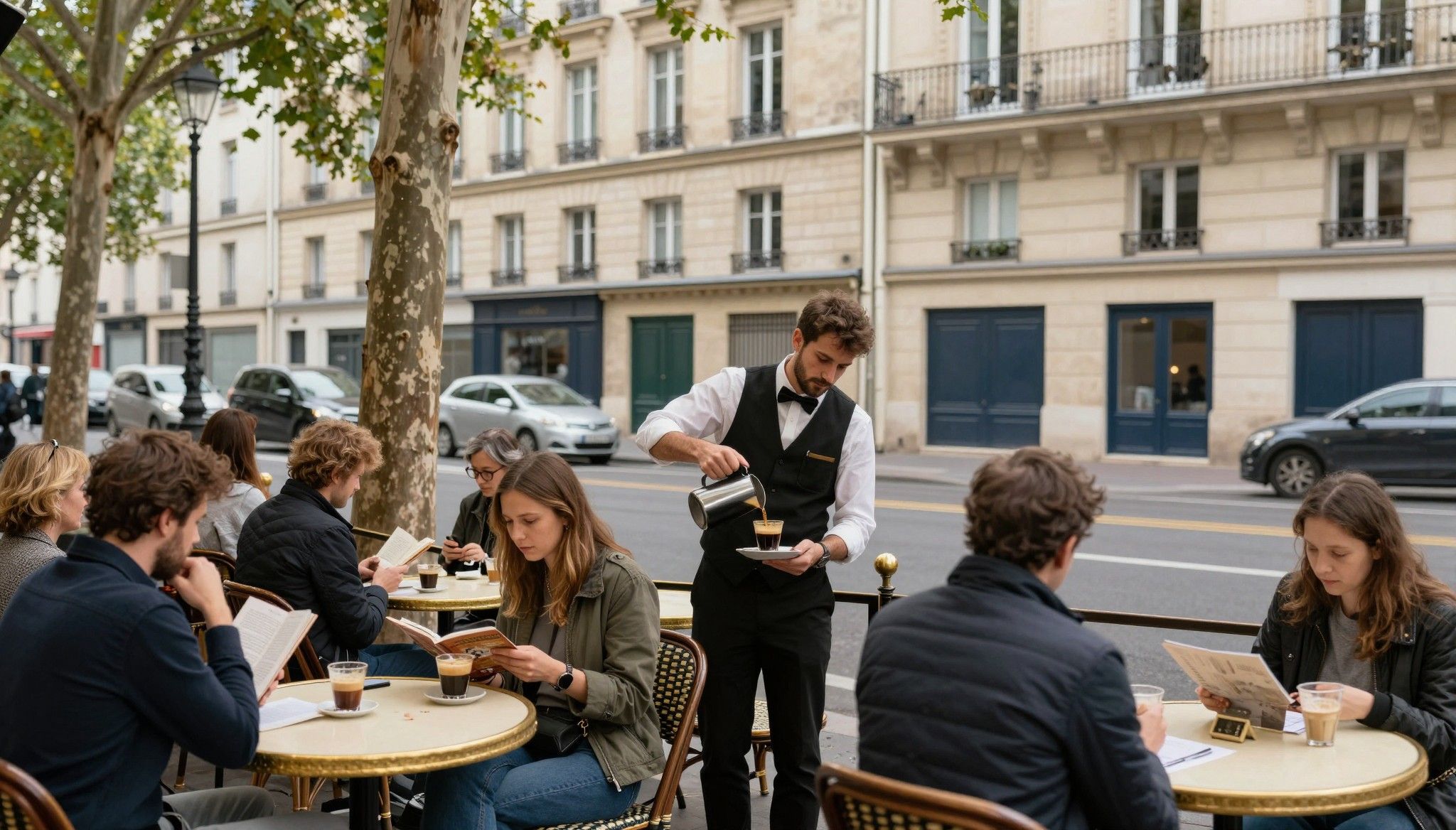
Imagine a late‑morning marché in Aix‑en‑Provence: sunlight on limestone façades, the smell of freshly baked fougasse, a neighbour buying truffles from an artisan stall. It is easy to fall in love with France. Yet beneath the charm are tax choices that quietly shape which neighbourhoods flourish and which houses become burdens. This guide blends that sensory life with the tax realities international buyers must know, so the romance of place is paired with sound stewardship.
Living the French Life: What you really buy
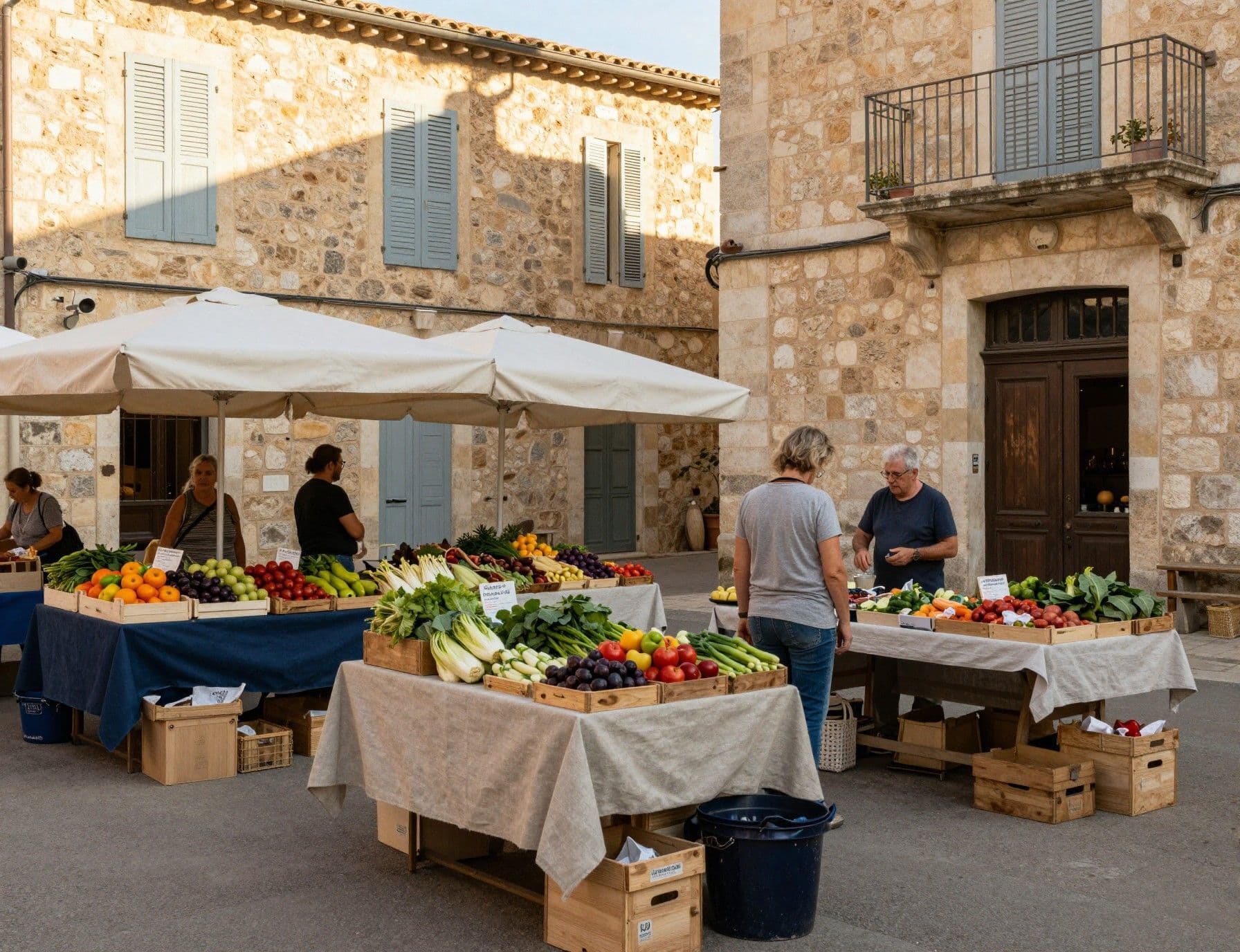
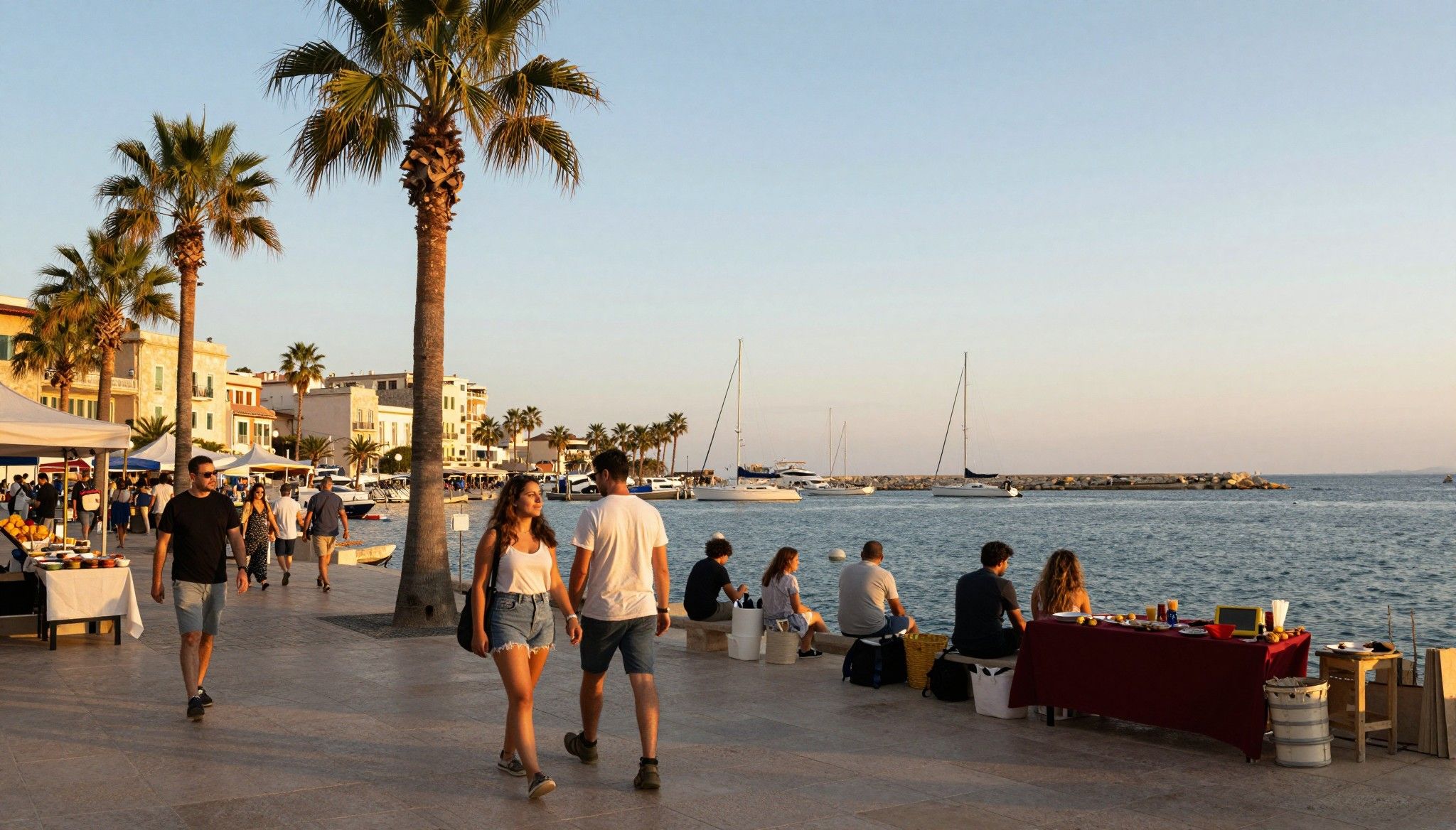
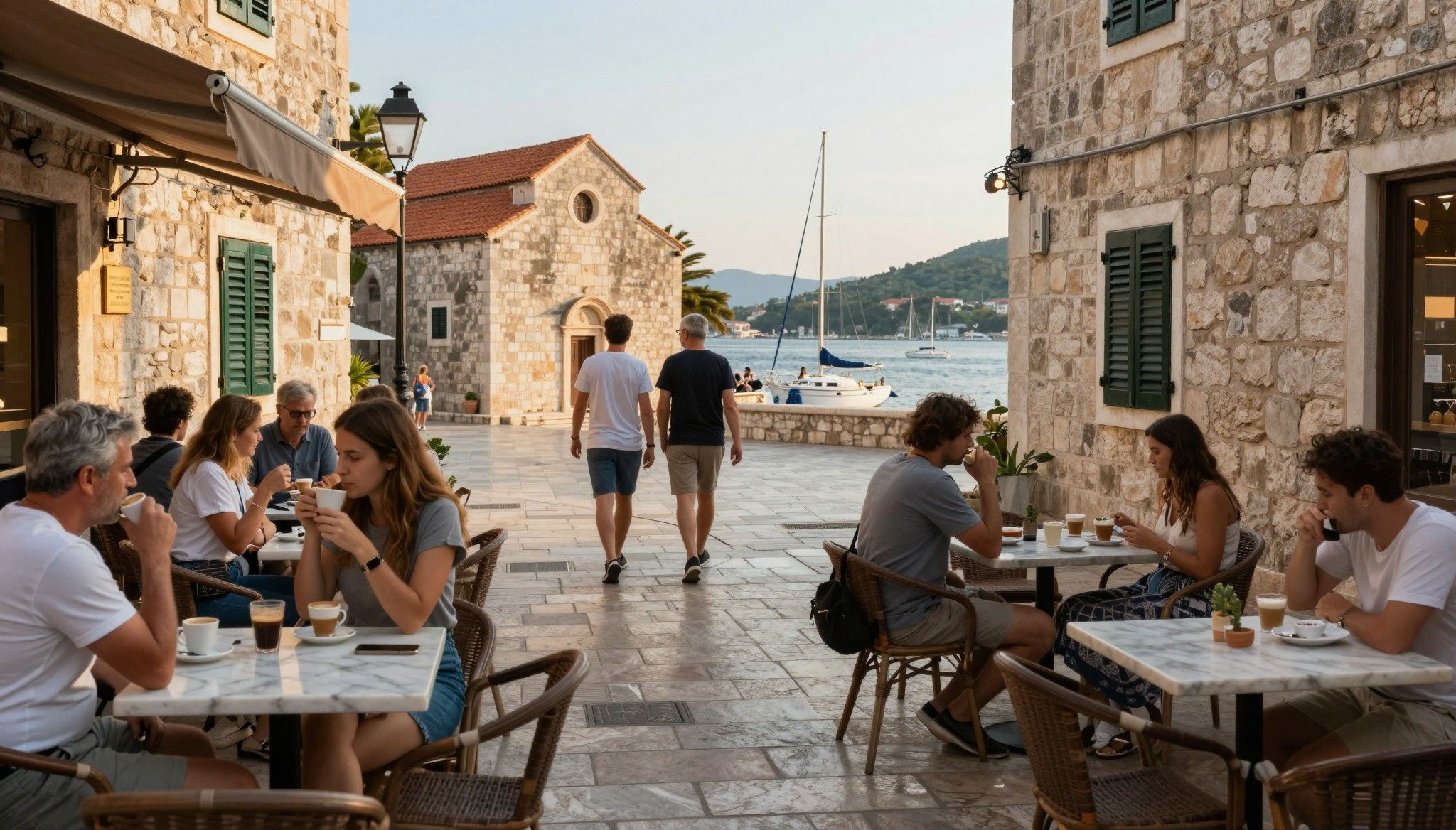
France is a composition of intimate rhythms: café terraces at dawn in Le Marais, late aperitifs along Nice’s Promenade, weekly marchés in the Dordogne. Property is not only shelter but a ticket to local routines — boulangeries, municipal fêtes, cultured silence of a restored hôtel particulier. Those everyday textures influence tax and ownership choices: a central apartment in Saint‑Germain will carry different costs and tax treatments than a stone farmhouse outside Uzès.
Neighbourhoods that define life
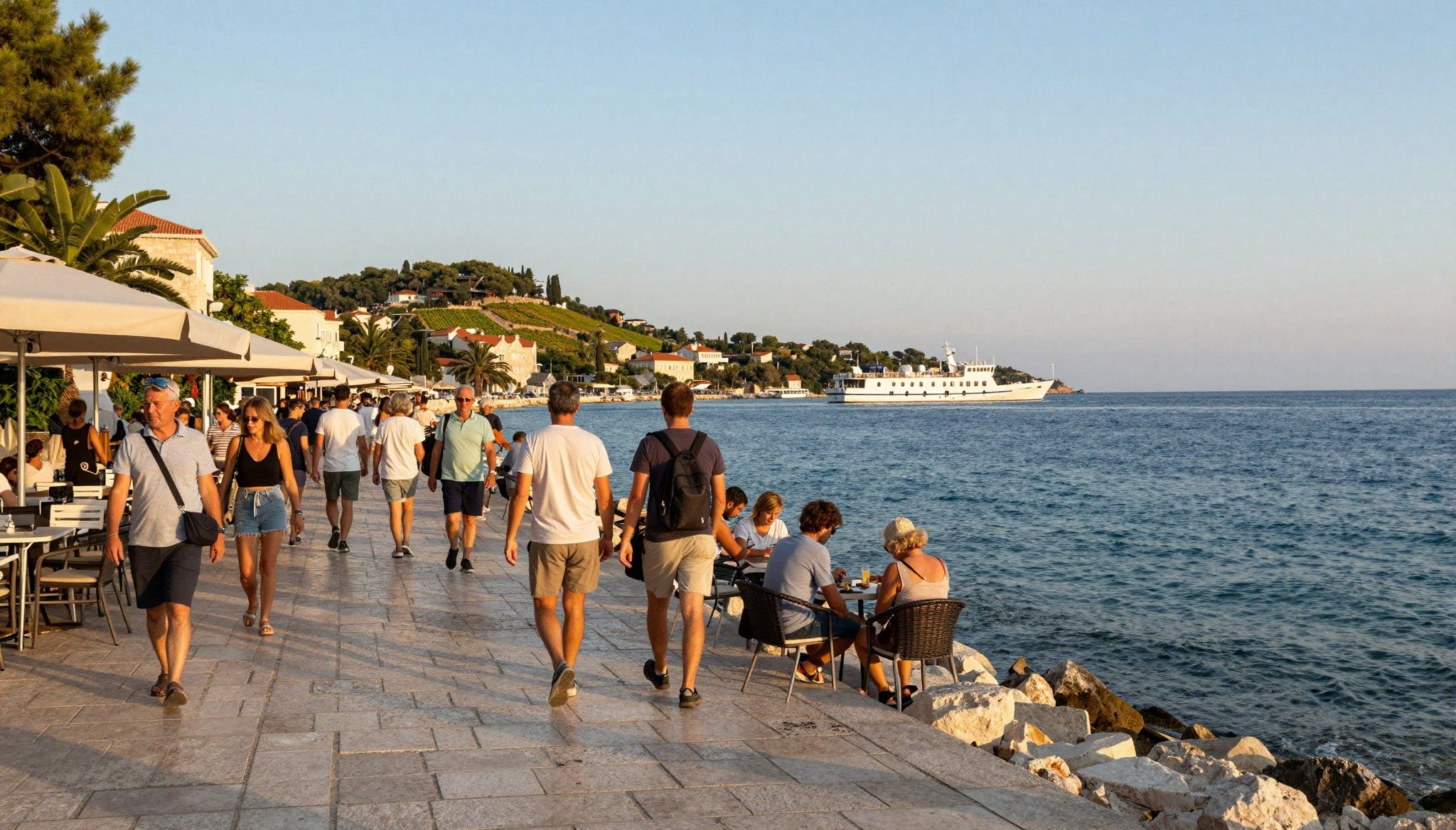
Paris’s 6th arrondissement offers proximity to libraries and salons; buyers there pay for convenience and heritage. On the Côte d’Azur, Villefranche‑sur‑Mer or Nice’s Cimiez promise light and views but also municipal surtaxes on second homes that some towns now levy. In Provence, L’Isle‑sur‑la‑Sorgue rewards market life and slower maintenance costs; in Brittany, Saint‑Malo’s tidal calendar matters for insurance pricing and property upkeep.
Food, public life and seasonal rhythms
Markets and festivals are not quaint extras — they determine occupancy patterns, rental potential and thus taxable income. Truffle season in Périgord or the Vendanges in Bordeaux can be high‑yield for short lets; conversely, winter months in mountain villages can leave a second home empty and subject to higher local taxes. Consider lifestyle calendars when modelling rental income and vacancy for tax planning.
- Lifestyle highlights that affect tax and ownership
- Municipal surtaxes on second homes have become more common since 2024; many coastal and Alpine communes now raise the levy to discourage vacant units.
Making the move: practical tax considerations
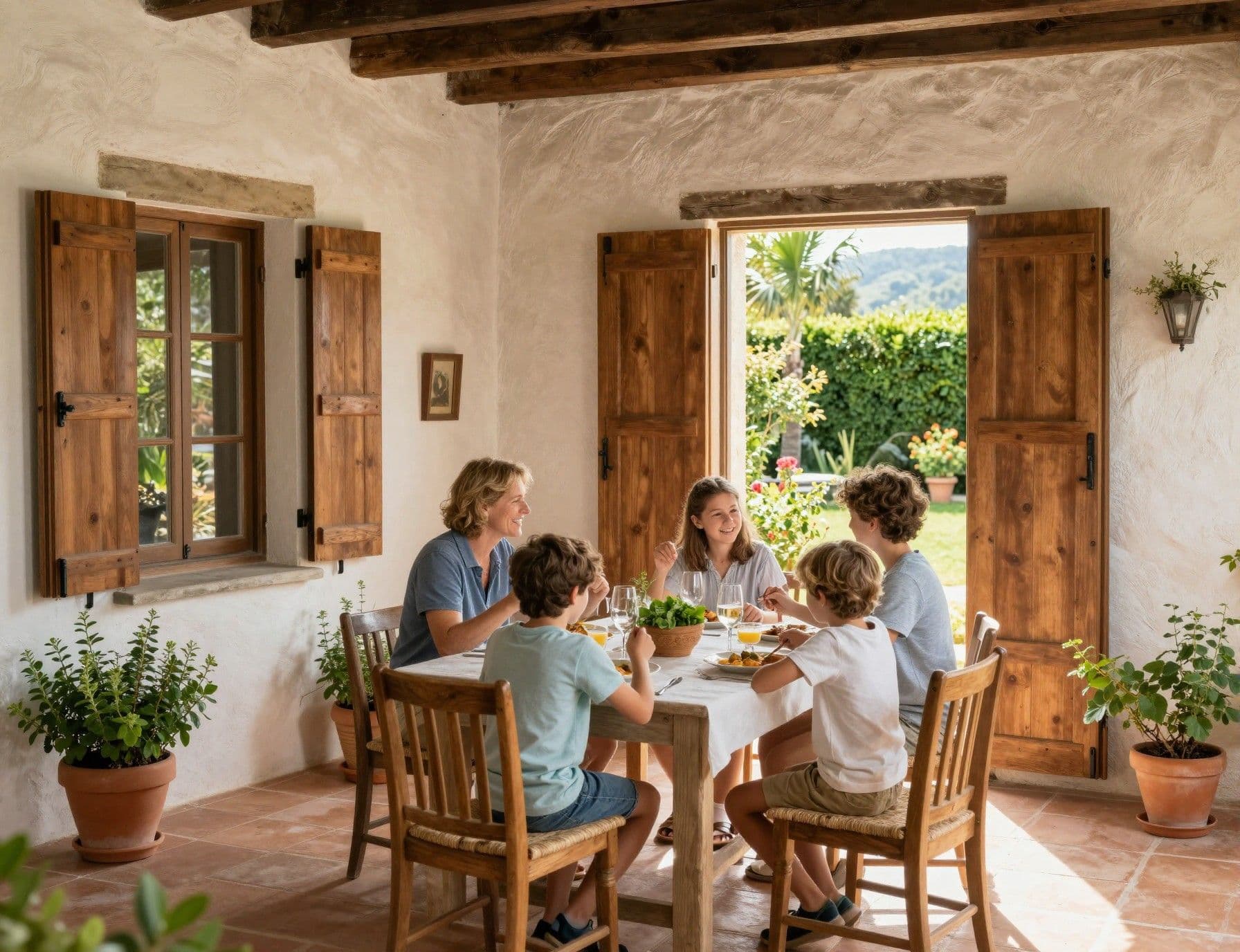
The emotional reasons to buy in France are plentiful; the practical reasons must be mapped carefully. Key costs — transfer duties (frais de notaire), property taxes, potential rental income taxes and capital gains rules — differ according to residency, property use and region. Early structuring choices (buy as individual, SCI, or through a company) influence succession, income tax and wealth‑tax exposure over decades.
Property costs that surprise buyers
Expect frais de notaire of roughly 2.5–5% for new builds and up to 7% for older properties, principally composed of state and departmental transfer taxes. Budget for these at the outset rather than as an afterthought; they are paid by the buyer at completion and vary by département.
How residency changes taxation
Non‑residents remain subject to French tax on French‑sourced income and gains. Residency status also affects exemptions (principal residence is generally exempt from capital gains tax after certain durations). New residents may benefit from transitional rules for five years where only French‑situs assets are taxed. Confirm residency tests early with your tax adviser.
- Practical steps that blend lifestyle and tax sense
- 1) Clarify intended use: primary home, seasonal second home, or rental. Each path changes municipal charges and income‑tax treatment. 2) Model rental cadence around local events (vendanges, festivals): realistic occupancy forecasts improve taxable income estimates. 3) Engage a French notaire and a bilingual tax adviser before making an offer; structure (individual vs SCI) alters succession and income outcomes. 4) Budget for local taxes (taxe foncière), notary fees, and potential municipal surtaxes when comparing neighbourhoods.
Insider knowledge: what expats wish they'd known
The most frequent surprises are municipal decisions and administrative nuance. Mayors can set surtaxes on second homes to address local housing shortages; this is increasingly common in attractive coastal and mountain towns. Succession rules are also notably prescriptive in French civil law, where forced heirship can limit testamentary freedom for some buyers unless proper structures are adopted.
Cultural and practical integration
Learning a few phrases, attending local marché and introducing yourself to the mairie are not mere politeness — they unlock local goodwill, timely municipal information, and sometimes tax relief opportunities (ZRR and other local exemptions). Practical integration also reduces the chance of overlooked charges, such as higher insurance rates in flood‑prone zones or unexpected local service fees.
Long‑term stewardship and succession
For many buyers the goal is multi‑generational ownership. Consider an SCI for collective management, but weigh its administrative burden and tax transparency. Succession planning with a French notaire can preserve the integrity of a house as both home and asset, ensuring the life you first fell in love with survives the practicalities of inheritance law.
- Red flags and quick checks before offers
- • A recent municipal vote raising the second‑home surcharge. • Flood or seismic risk noted in the diagnostic (DPE, état des risques) that raises insurance and remediation costs. • Large discrepancies between advertised and notary‑estimated charges — ask for recent taxe foncière and copro charges.
A brief checklist for immediate action: request recent local tax bills from the seller, obtain a neighbourly walk with your agent to sense maintenance demands, and instruct an independent surveyor where stonework or roofing shows age. These steps protect lifestyle dreams from unwelcome fiscal surprises.
Conclusion: buy the life, steward the asset. France rewards those who enter with respect for its rhythms and rules. Begin with the scenes — markets, cafés, vineyards — then build a tax plan that preserves them: early advisor meetings, realistic rental models around seasonal life, and legal structures that protect succession and use. When the practical and the poetic are held in balance, a home in France is both a daily pleasure and a carefully tended legacy.
Norwegian with years in Florence guiding clients across borders. I bridge Oslo and Tuscany, focusing on legal navigation, cultural context, and enduring craftsmanship.