The Summer Illusion: Insurance & Protections in France
Pair the lived pleasure of French life with precise protections: understand MRH, PNO, copropriété rules and vacancy clauses to secure your home and lifestyle.

Imagine a Sunday in Aix‑en‑Provence: shutters half‑closed, a stallholder arranging truffles at the cours Mirabeau, and a small townhouse with original beams waiting two streets back. That sensory certainty – markets, light, neighbourhood rituals – is what draws international buyers to France. Yet the same summer festivals and picture‑postcard weekends that seduce often conceal the practical exposures that later unnerve owners. This guide pairs the life you want with the protections you need: insurance choices, common misassumptions about cover in France, and concrete steps to protect a property bought from abroad.
Living the French life — and the risks behind the romance
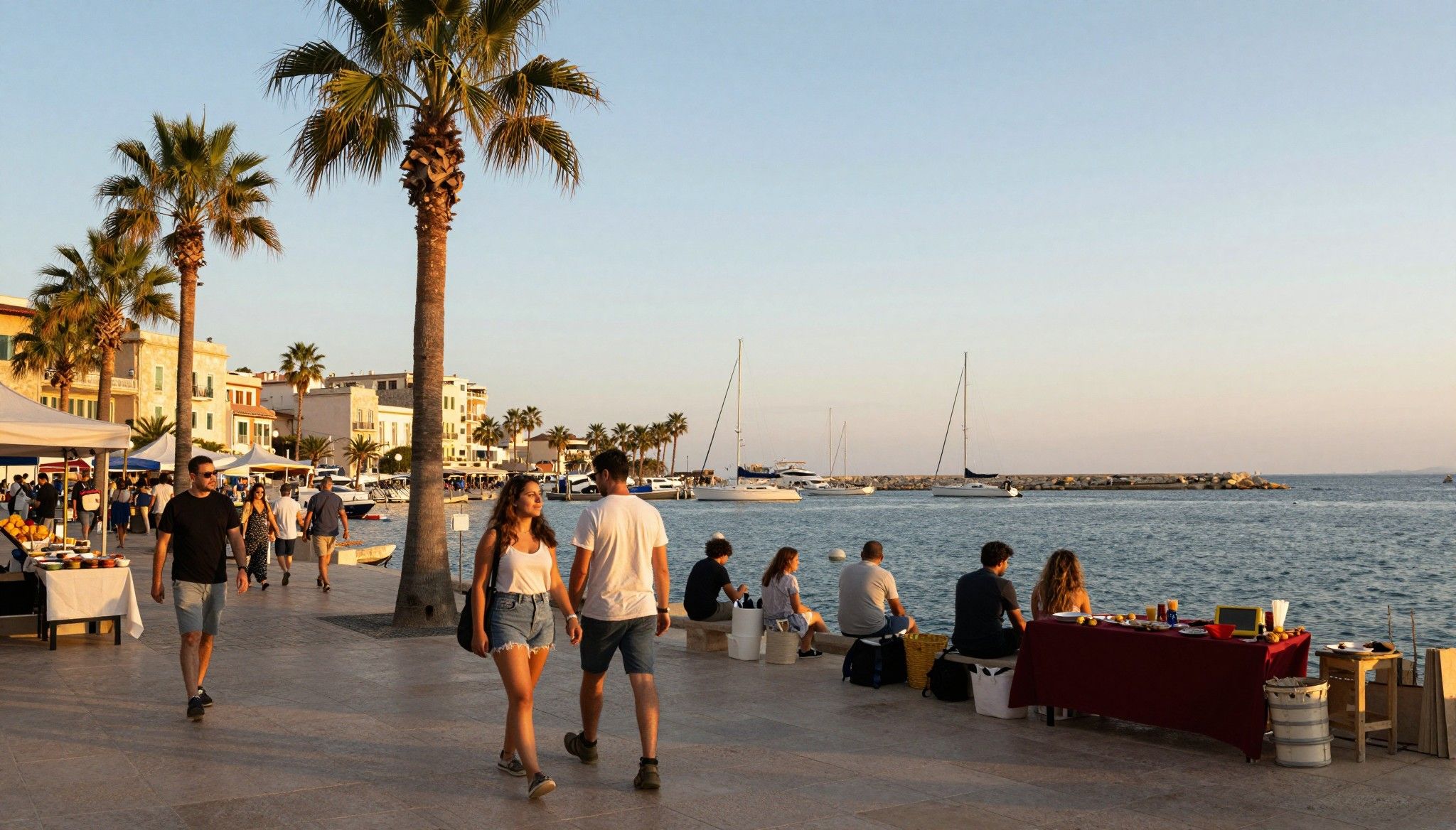
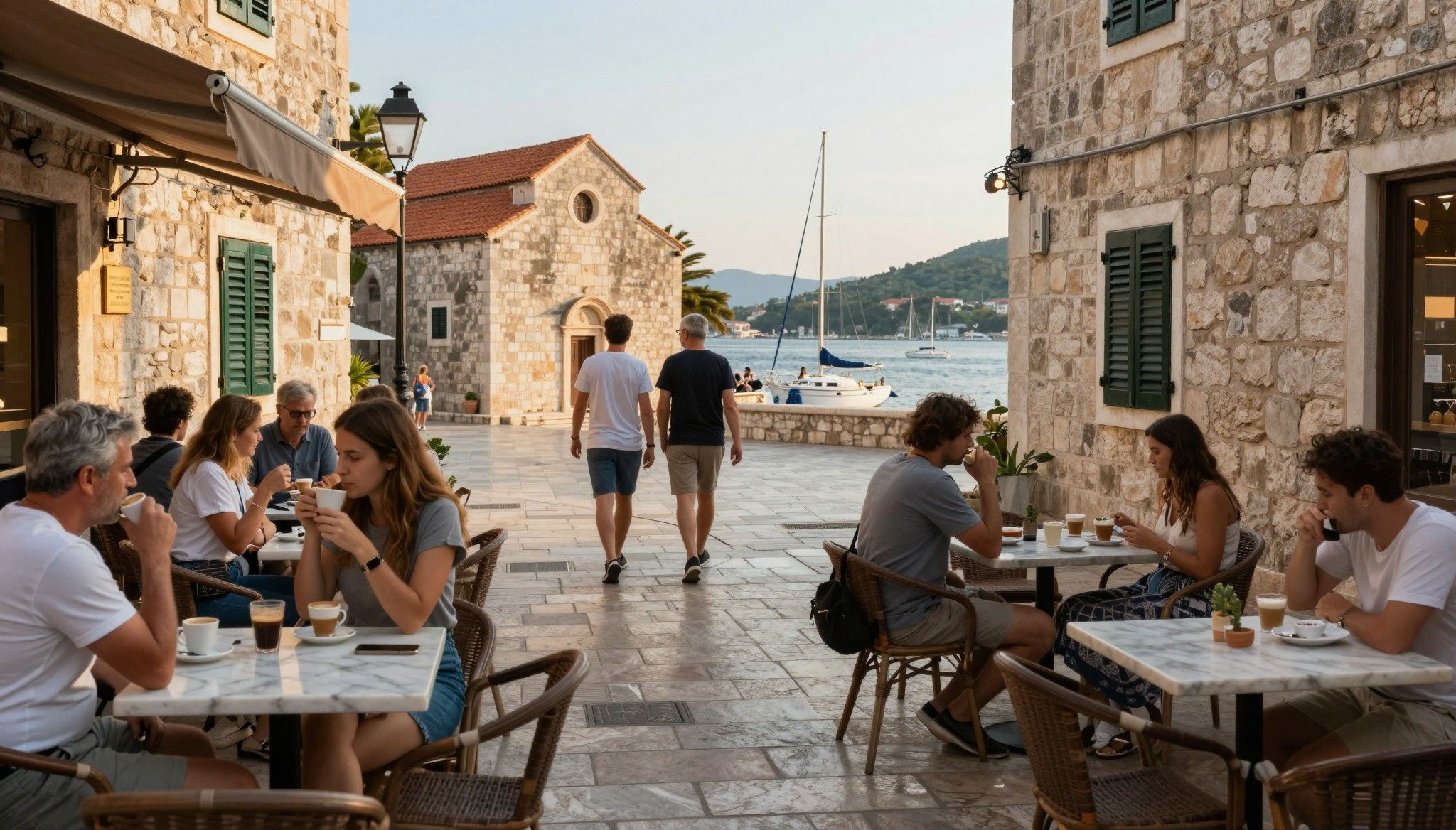
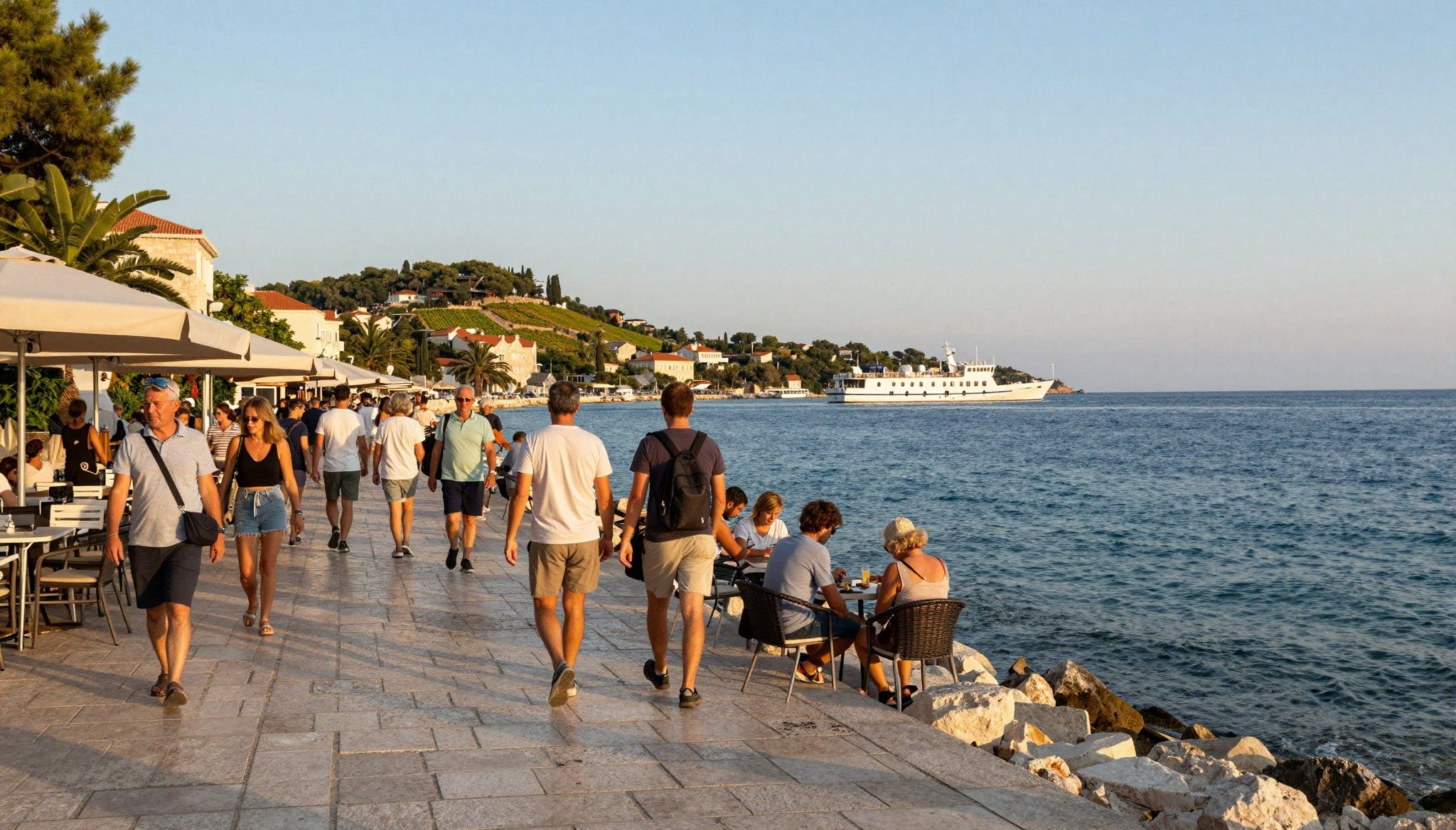
France offers a slow, richly textured rhythm: weekday markets in Lyon’s Croix‑Rousse, seaside aperitifs on the terraces of Biarritz, evening passeggiata in Bordeaux’s Chartrons. But daily pleasures bring distinct property exposures: old plumbing in Provençal village houses, historic rooflines on Breton cottages, and salt‑air corrosion on Mediterranean façades. The same features that give a house character also shape the insurance cover you must choose.
Neighbourhood character that matters to cover
A rue in the Marais with timber floors requires different protection from a stone farmhouse in Dordogne. Historic districts may be subject to conservation rules that increase repair costs; coastal homes face wind and salt claims more frequently; mountain chalets run higher risk from snow loads and frozen pipes. When you fall in love with a street, consider how its climate and heritage affect premiums and policy exclusions.
Food, markets and a lived‑in plan
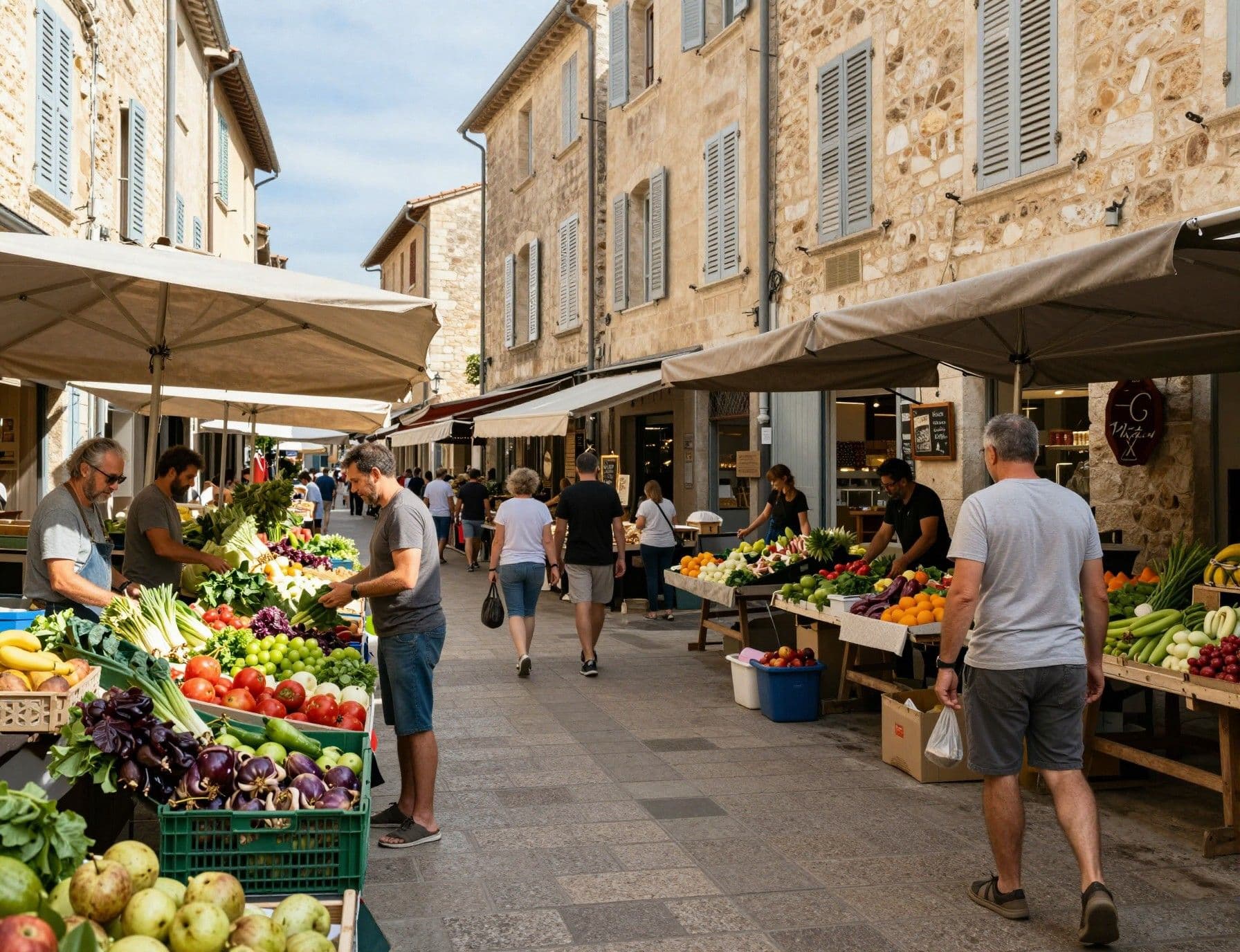
Picture weekly market runs to Marché des Enfants Rouges or a morning at Les Halles: those rhythms mean more guests, regular deliveries, and active kitchens. Such use increases wear, raises liability exposure and can influence whether insurers require additional guarantees (for example, for professional cooking appliances or frequent short‑term lets). Match your intended use with policy terms before contracts are exchanged.
- Lifestyle highlights that change insurance needs: Marché‑life (more footfall), historic façades (higher repair costs), coastal exposure (salt/wind), seasonal rentals (different liability profiles), long periods of vacancy (winter months abroad).
Making the move: practical protections unique to France
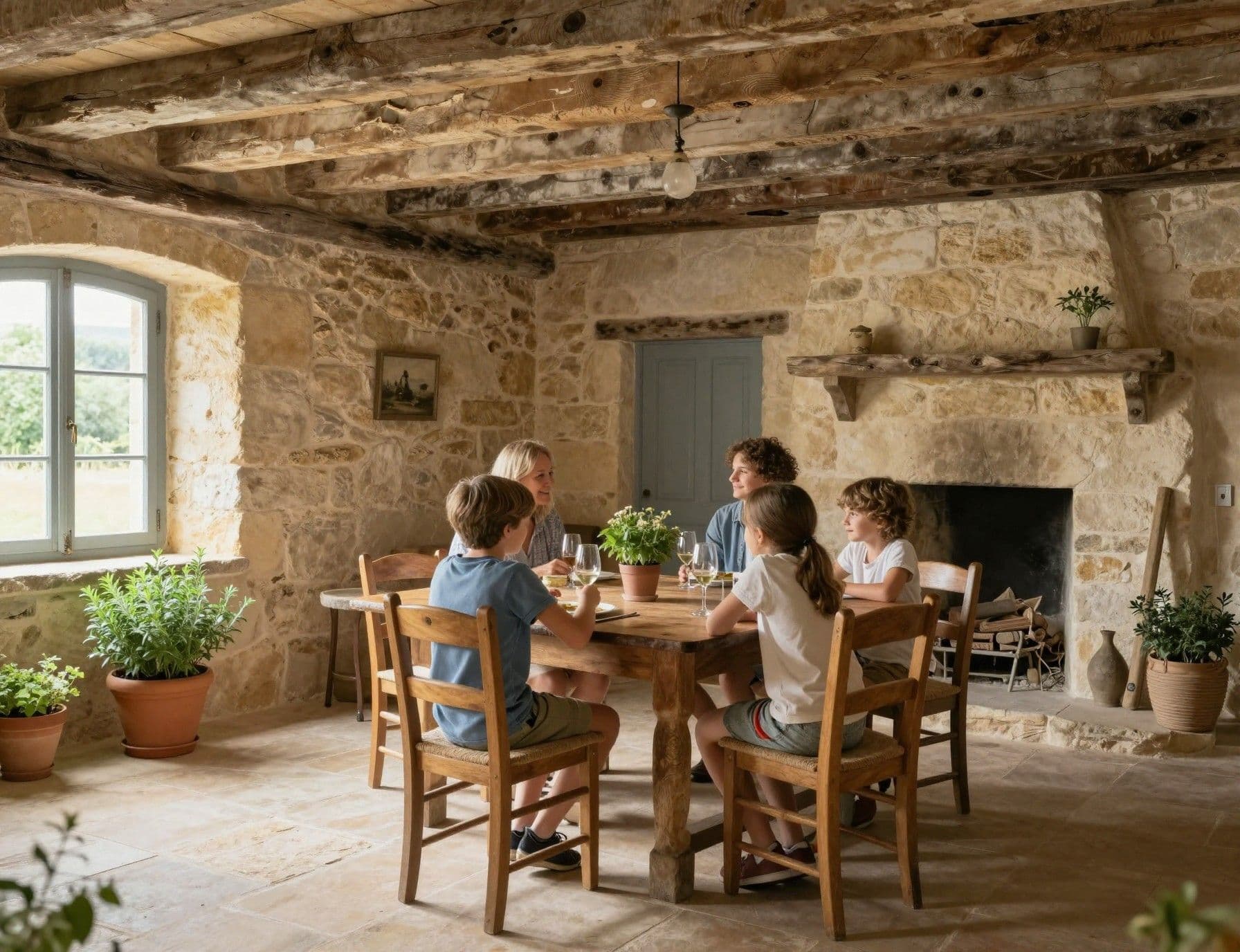
The French system centres on the multirisques habitation (MRH) and other specialist contracts. Contrary to what many foreign buyers assume, the legal obligations differ by profile: tenants must show cover, copropriété rules may require building‑level insurance, and owners — especially non‑resident landlords — often need a propriétaire non‑occupant (PNO) policy. Understanding these distinctions avoids gaps that can render claims void.
Property types and the policies they require
A listed townhouse under monument historiques rules may require specialist restoration cover; a pied‑à‑terre in Nice usually takes standard MRH with contents and liability; a rental villa on the Côte d’Azur that’s let short‑term needs tailored liability and loss‑of‑rent clauses. Ask the notary and local syndic about any copropriété clauses that make specific guarantees mandatory before committing.
Working with local experts who preserve the lifestyle
Local insurers, a French‑speaking notary (notaire) and a syndic (for apartments) are the triad that turns aspiration into a secure tenure. Notaries flag title encumbrances and conservation rules; syndics explain building‑level risks; insurers translate the usage pattern of a household into contract wording. Choose advisers who appreciate the particular way you want to live in France, not only the market value of the walls.
- Steps to align lifestyle with protection: 1) Clarify intended use (primary, secondary, furnished rental). 2) Request the copropriété dossier and syndic insurance policy. 3) Obtain a PNO policy if leaving the property vacant or renting long‑term. 4) Add specific guarantees for historic fabric, pools, or coastal corrosion. 5) Confirm the insurer’s vacancy rules and notification periods.
Insider knowledge: myths, red flags and expat lessons
Expat buyers often assume French cover is the same as at home, or that title insurance will solve hidden defects. France’s system relies on rigorous notarial conveyancing rather than broad title insurance. At the same time, insurers can exclude particular perils (e.g., subsidence, salt corrosion, or renovation‑related defects) unless explicitly included. Spotting exclusions early is decisive.
What buyers commonly miss
- Common oversights: assuming contents are covered by a basic MRH; not declaring habitual short‑term lets; ignoring vacancy clauses that void cover after a period; overlooking municipal risks (flooding in low‑lying towns) and their required additional guarantees.
For significant exposures — long‑term vacancy, large renovation works, or high‑value collections — negotiate explicit wording. Keep receipts and inventories, register major works with the notary, and where appropriate, take out loss‑of‑rent and legal‑protection (protection juridique) endorsements that make dispute resolution practical rather than theoretical.
- A compact due‑diligence sequence for international buyers: 1) Ask seller for the last three years of claims history and any syndic minutes on building issues. 2) Commission a local technical survey (diagnostics techniques) for roof, electricity, and lead/asbestos where relevant. 3) Obtain written confirmation from insurer on vacancy and rental clauses before signing. 4) Register ownership and tax contact details with a local fiscal representative if non‑resident.
Longer term, stewardship matters. A restored limestone farmhouse needs a maintenance calendar; a Paris apartment thrives when the concierge and syndic are engaged. Insurances are not a one‑time purchase but a governance tool that ensures the life you loved in the brochure endures in reality.
Final thoughts — the life you buy is worth protecting
If France drew you by light, markets and craft, let that romance inform—not obscure—your protections. Match policy language to how you will live, insist on transparency about exclusions and vacancy rules, and build a small local team (notary, insurer, syndic) that shares a stewardship ethic. With these measures in place, the life you imagined—espresso at dawn, rain on tile at dusk—becomes a secure reality.
Having moved from Stockholm to Marbella in 2018, I help Scandinavian buyers navigate Spanish property law, restoration quality, and value through authentic provenance.