Why inland Maltese neighbourhoods outsmart sea‑view hype
Look inland: maltese neighbourhoods with quotidian charm often outperform sea‑view hype — a lifestyle‑first approach backed by RPPI growth and local market surveys.
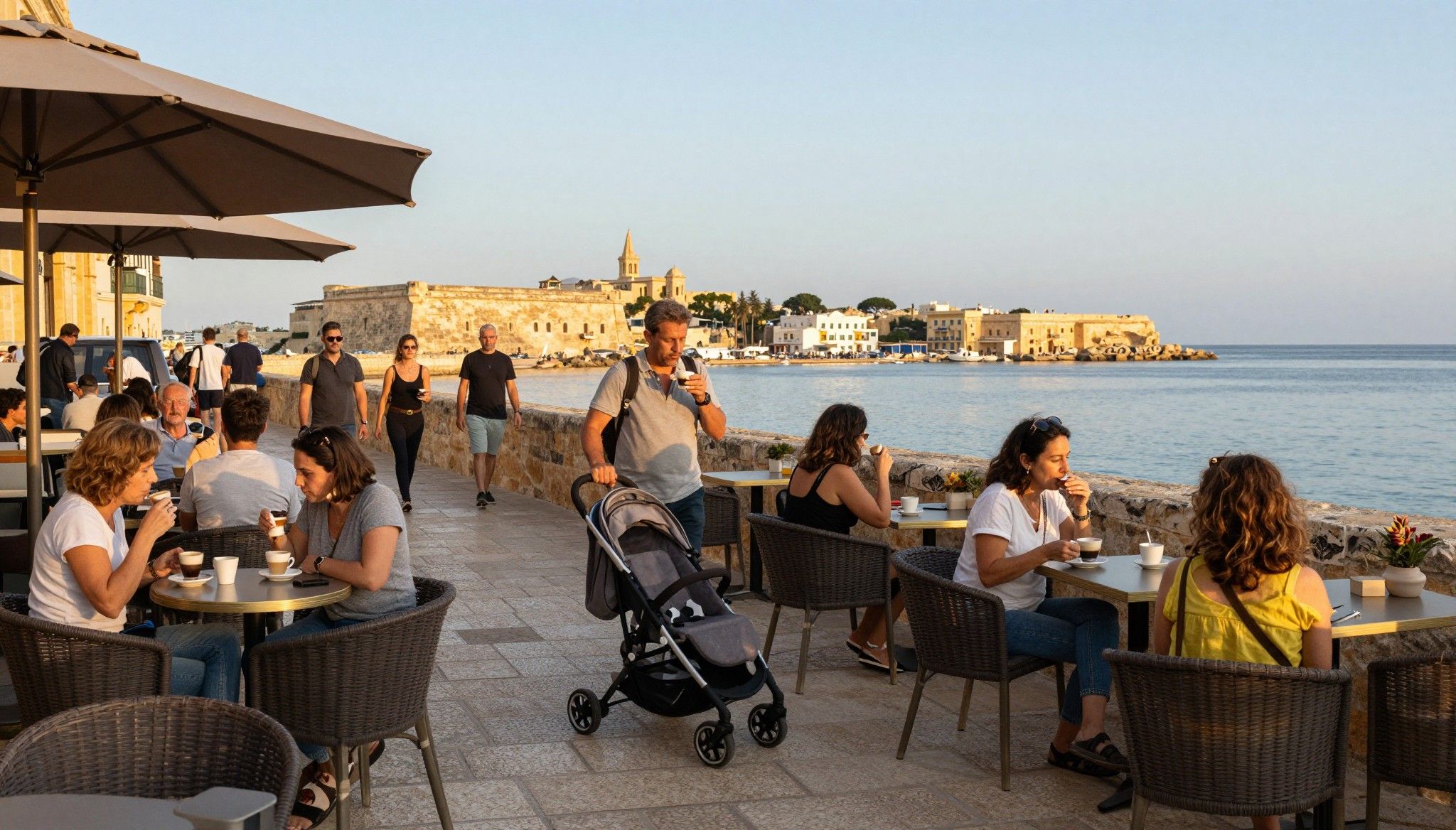
Imagine a late‑afternoon espresso at Café Cordina on Republic Street, then a short walk past limestone townhouses to a quiet, plant‑lined lane where neighbours still hang laundry from wooden balconies. That contrast — public grandeur and private domestic life — is the rhythm of Malta. For many international buyers the island reads as sea‑views and fortresses; for Maltese buyers it reads as street and stewardship. This piece explains why inward, everyday neighbourhoods often deliver the lifestyle and long‑term value foreign buyers overlook, and what that means for your purchase.
Living Maltese Life: more than a postcard
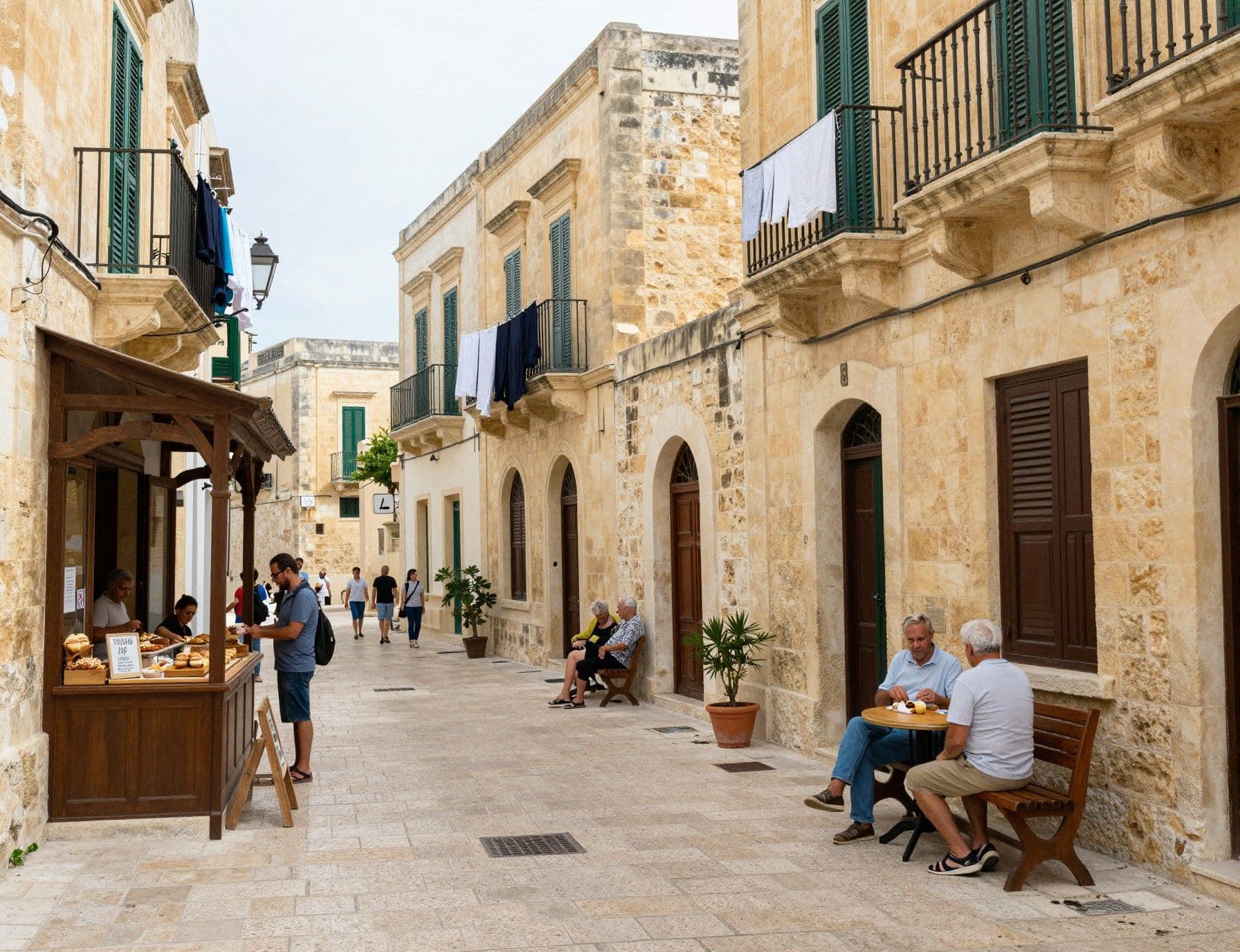
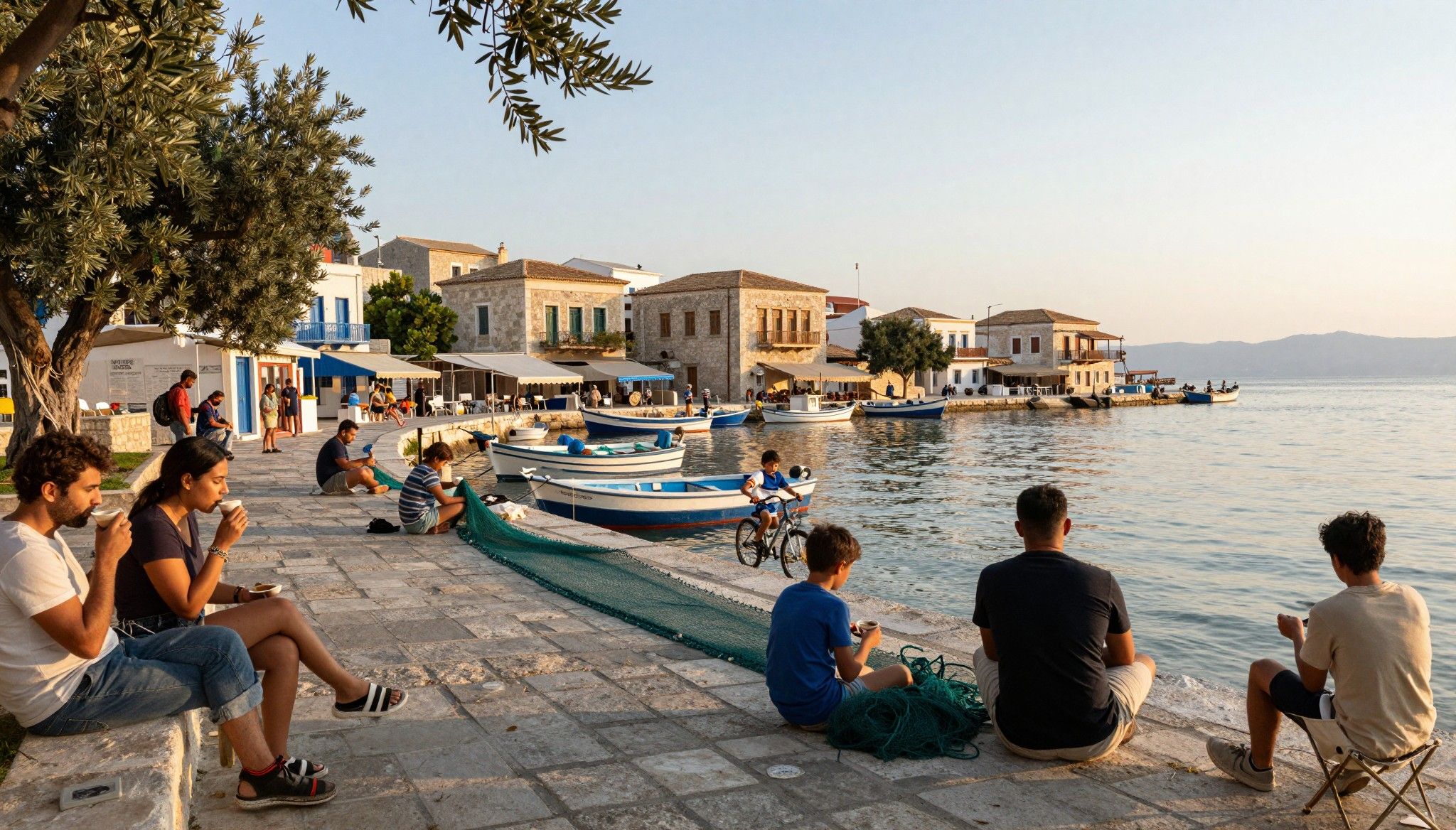
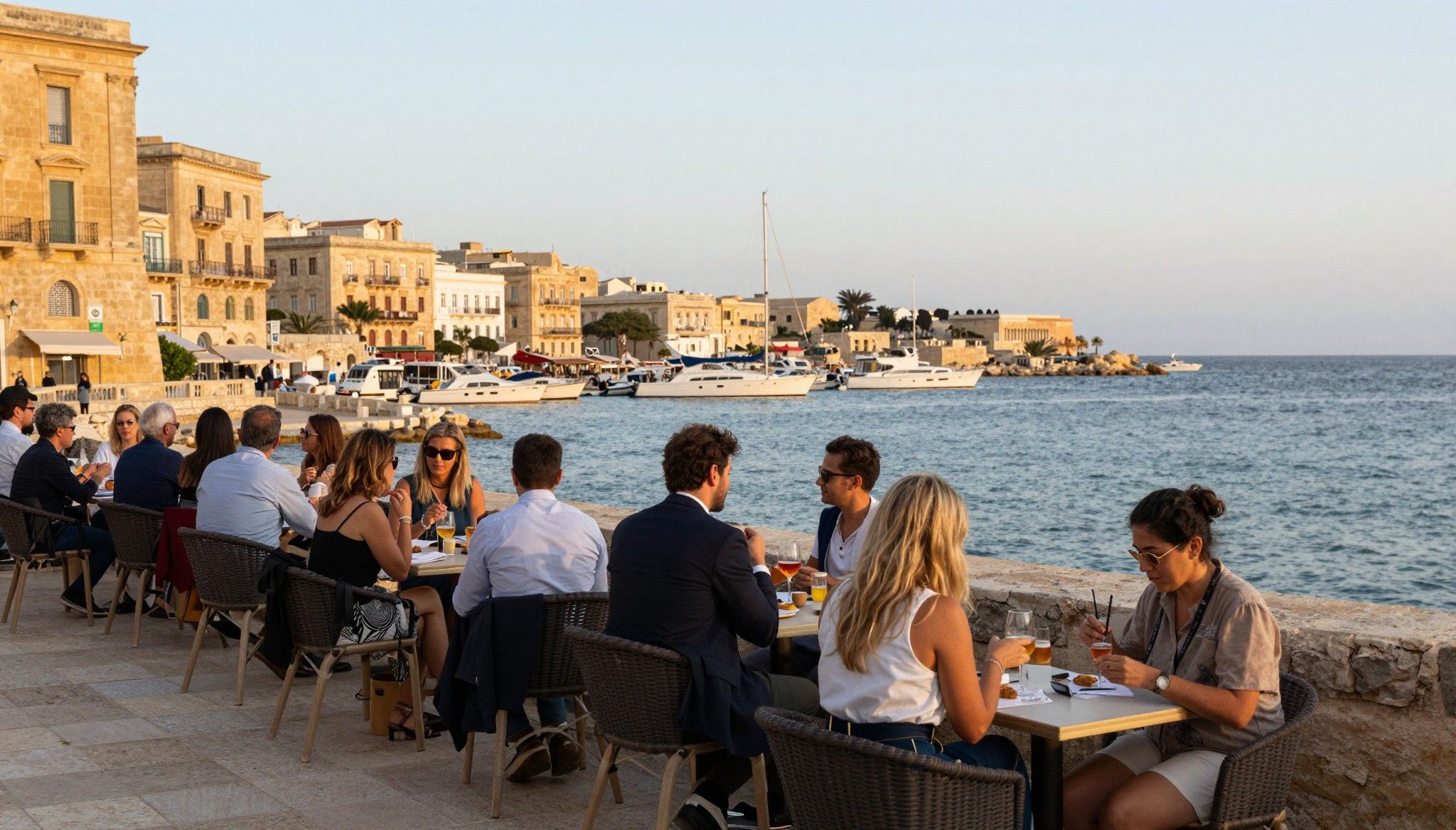
Daily life in Malta is compact and layered: morning markets, late coffee, a short commute, a paseo by the sea at sunset. Valletta’s baroque theatre and Sliema’s promenades form the visible attractions, yet the quieter neighbourhoods — Ħamrun, Paola, Pietà, Pembroke’s residential crescents — show how Maltese people actually organise family life, child care, and friendships. For a buyer seeking an authentic lived‑in home, those streets often offer larger interiors, community continuity and lower noise from tourism that define good long‑term living.
Neighbourhood spotlight: Ħamrun and Santa Venera
Walk Ħamrun on a Saturday and you’ll find artisan bakeries, family‑run grocers and plaza benches where neighbours trade small news. Properties here — often mid‑century maisonettes and town‑houses — are modest externally but generous in plan, with high ceilings and light wells. For families or professionals who want short school runs and an active street life, these areas combine convenience with a quieter daily tempo than waterfront tourist strips.
Neighbourhood spotlight: Żabbar and the east‑coast hinterland
Further inland, Żabbar and neighbouring villages reveal a different Malta: festas that fill piazzas with brass bands, narrow streets where neighbours know one another, and period houses of character set behind small courtyards. These places can deliver spacious living and value — particularly for buyers who prize heritage stonework and a stable, rooted community over panoramic sea‑views.
Making the move: what the numbers tell us
Malta’s property market has continued to record upward pressure on prices even as patterns of demand shift from central waterfront addresses to more domestic neighbourhoods. Official RPPI data show steady national growth through 2024–2025, while industry surveys note particularly strong performance in traditional town‑house and maisonette segments. Those figures matter: they explain why some inland streets now outperform certain coastal micro‑locations in rental demand and resale consistency, despite lower headline prices.
Property types: what fits life in Malta
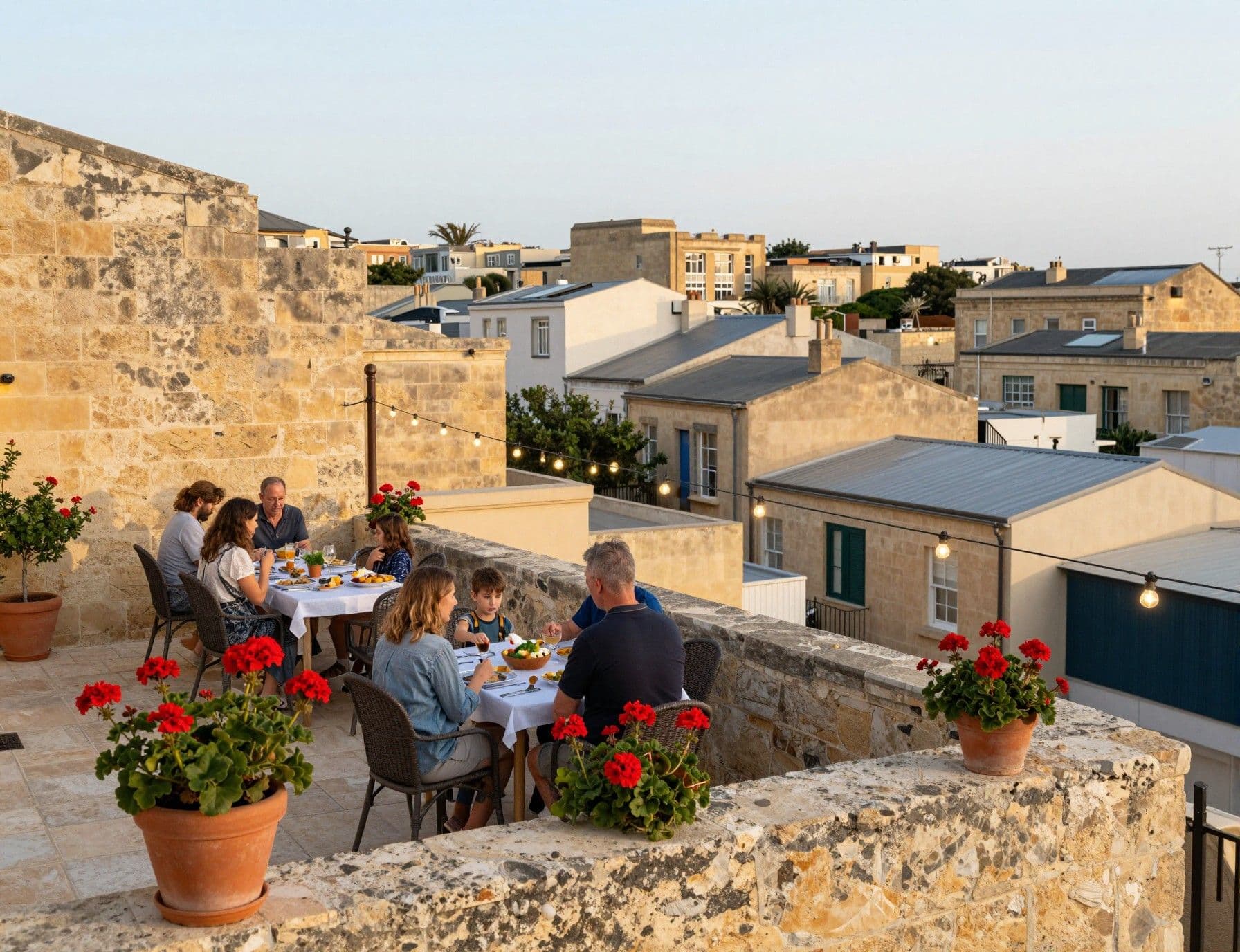
In Malta you will encounter three dominant residential typologies: apartments along the promenades, maisonettes and town houses in traditional streets, and country villas in the north and Gozo. Maisonettes and town houses — often with internal courtyards and rooftop terraces — are most suited to the lived‑in lifestyle Maltese buyers prize: flexible rooms, scope for sympathetic restoration, and tangible connection to community. If you seek quiet mornings, local markets and an evening passeggiata, prioritise plan, light and courtyard over a distant sea view.
Working with agents who know the street
Local agents are the translators of street life into property potential. The right broker will identify houses with original features — cornices, Maltese limestone carpentry, and usable courtyards — and will contrast advertised sea‑front glamour with the reality of seasonal noise and higher service costs. For buyers considering residency routes or rental income, discuss local tenancy norms and the Malta Permanent Residence Programme options early; an experienced adviser connects lifestyle aims with programme eligibility and documented property choices.
Insider knowledge: lived reality and red flags
Expat buyers often learn three hard truths quickly: first, advertised sea‑views command a premium but not always steady rental yields; second, renovation in Malta requires patience with planning and party‑wall customs; third, the best streets may look ordinary from the outside yet host the most resilient value. Macro reports also caution about the economy’s exposure to property cycles — prudence and long horizon thinking matter when choosing any Maltese address.
Cultural notes: how neighbours shape life
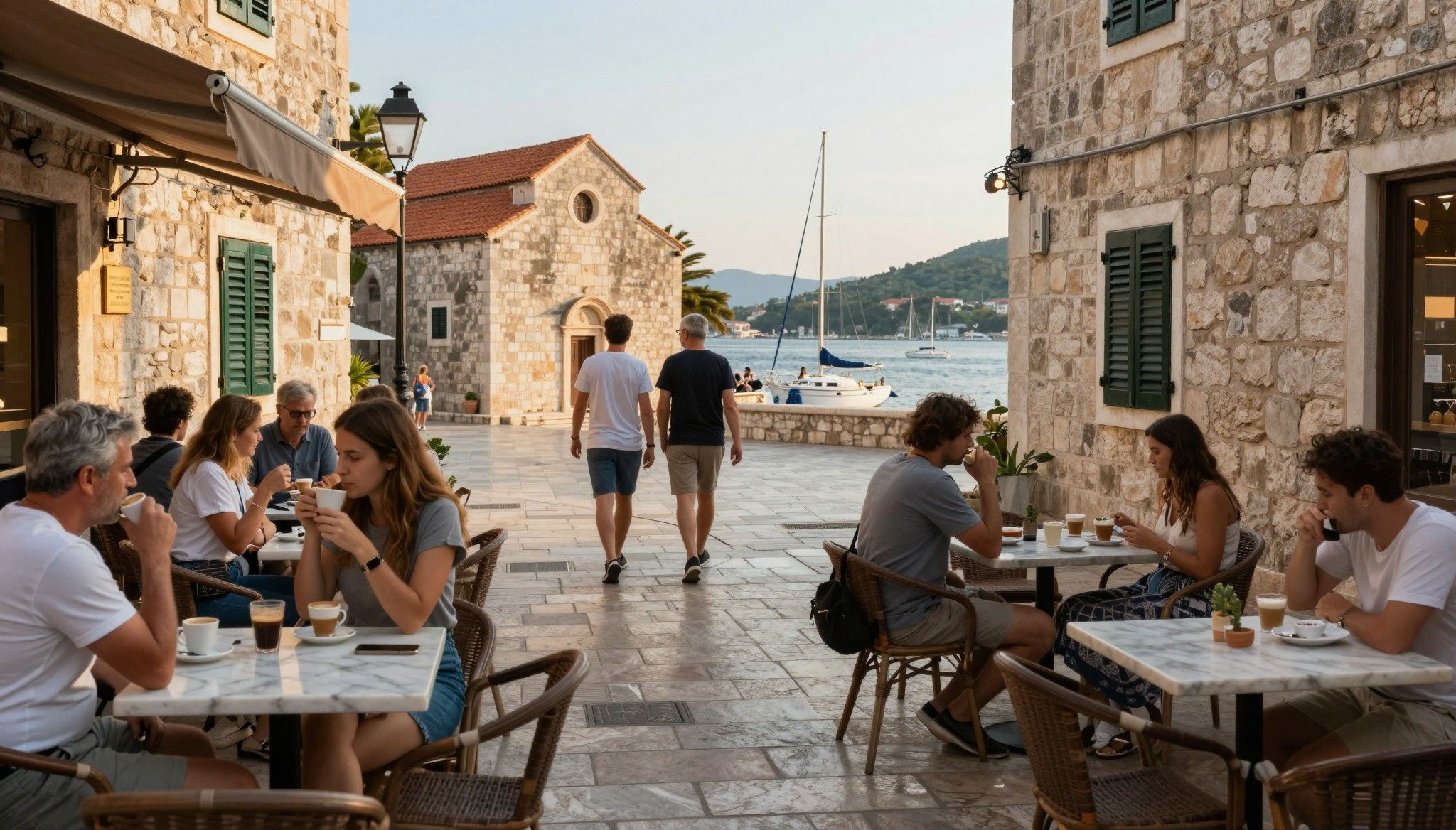
Maltese society prizes family, festas and neighbourly reciprocity. Language rarely forms a barrier — English and Maltese coexist in commerce and schools — but social integration is fastened by small rituals: the morning coffee, the church festa, the local bakery. Choose a neighbourhood where you can imagine these rituals because they will define how you live, not the touring map’s highlights.
Longer view: stewardship and generational value
Buy with stewardship in mind: authentic restoration of a stone house or maisonette commonly increases desirability more than cosmetic seafront remodelling. Materials, proportion and preserved architectural detail create a property that attracts discerning tenants and later‑generation buyers. For international purchasers who value provenance, investing in conservation and thoughtful adaptation is both a cultural act and a pragmatic strategy.
- Lifestyle factors to prioritise when touring Maltese properties: • Courtyard or usable roof terrace for private outdoor life • Proximity to week‑day markets and schools rather than tourist promenades • Original features (stone arches, timber shutters) indicating quality restoration potential • Quiet residential street with visible neighbourly life over a busy coastal road • Practical access to services (pharmacy, clinic, grocery) within a 5–10 minute walk
A practical short checklist: from visit to offer
- 1. Walk the street at different times — morning market, siesta, evening festa to sense daily life. 2. Ask the agent for recent sales on the same street and compare actual deed prices. 3. Commission a local architect or surveyor experienced with Maltese limestone and party‑wall issues. 4. Consider restoration cost estimates before bidding; factor in permits and neighbour approvals. 5. Discuss long‑term stewardship plans with your agent: rental management, sympathetic restoration partners, and community contacts.
Conclusion: choose the street that gives you life, not only the view. When you prioritise neighbourhood character, usable space and authentic materials, Malta rewards with a way of life that feels lived‑in and durable. If you want guidance that honours both aesthetic integrity and sensible investment, work with an agent who knows the lanes as well as the coastline — they will show you the addresses Maltese people prefer, and why those streets deserve attention.
Dutch former researcher who moved to Lisbon, specialising in investment strategy, heritage preservation, and cross-border portfolio stewardship.