Historic Edge vs. Seafront: Italy’s Neighbourhood Value
Explore why Italy’s quieter historic edges often outperform seafront hype—lifestyle texture, steady market data and practical steps for buyers seeking authentic, resilient neighbourhoods.
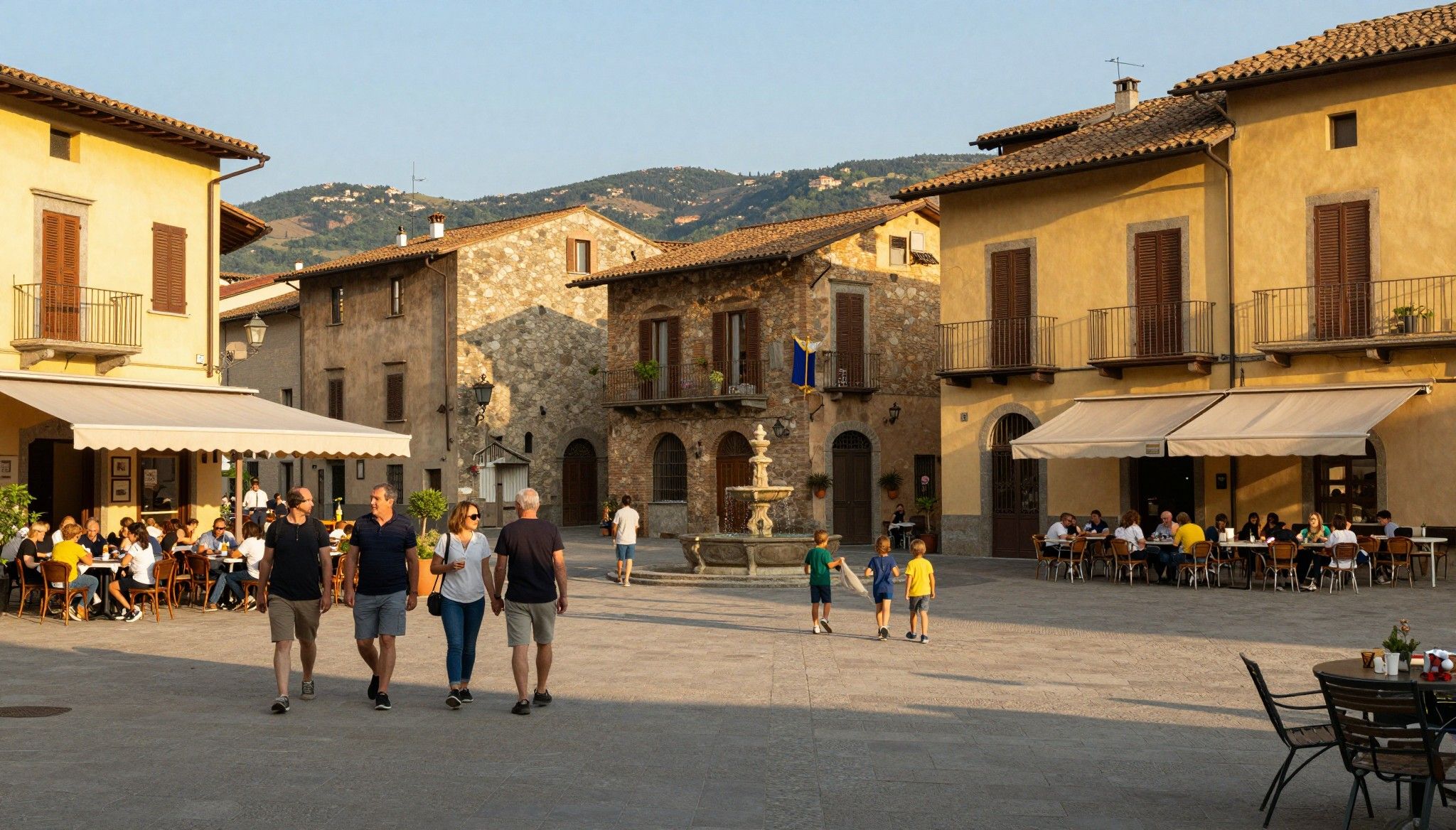
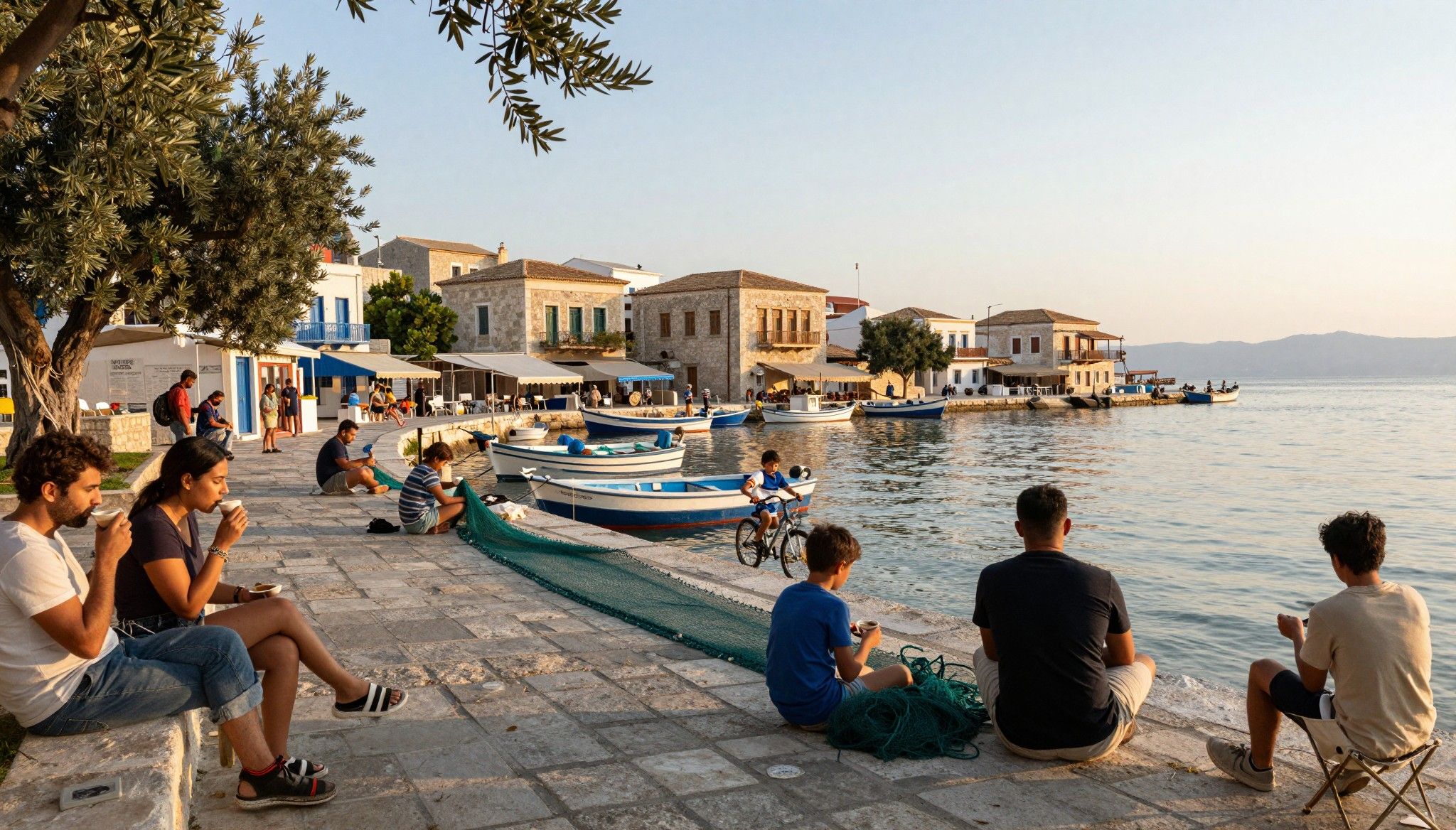
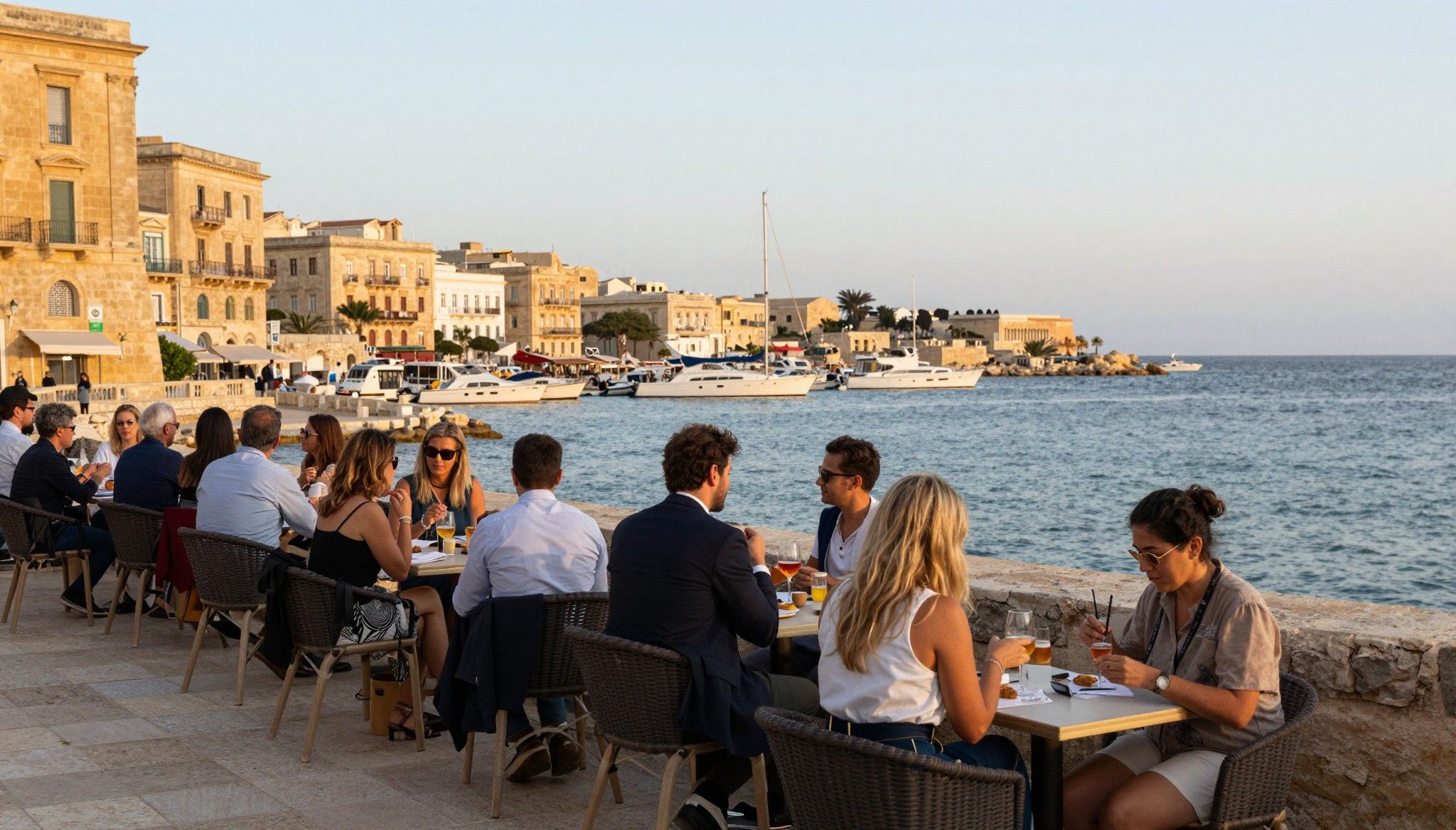
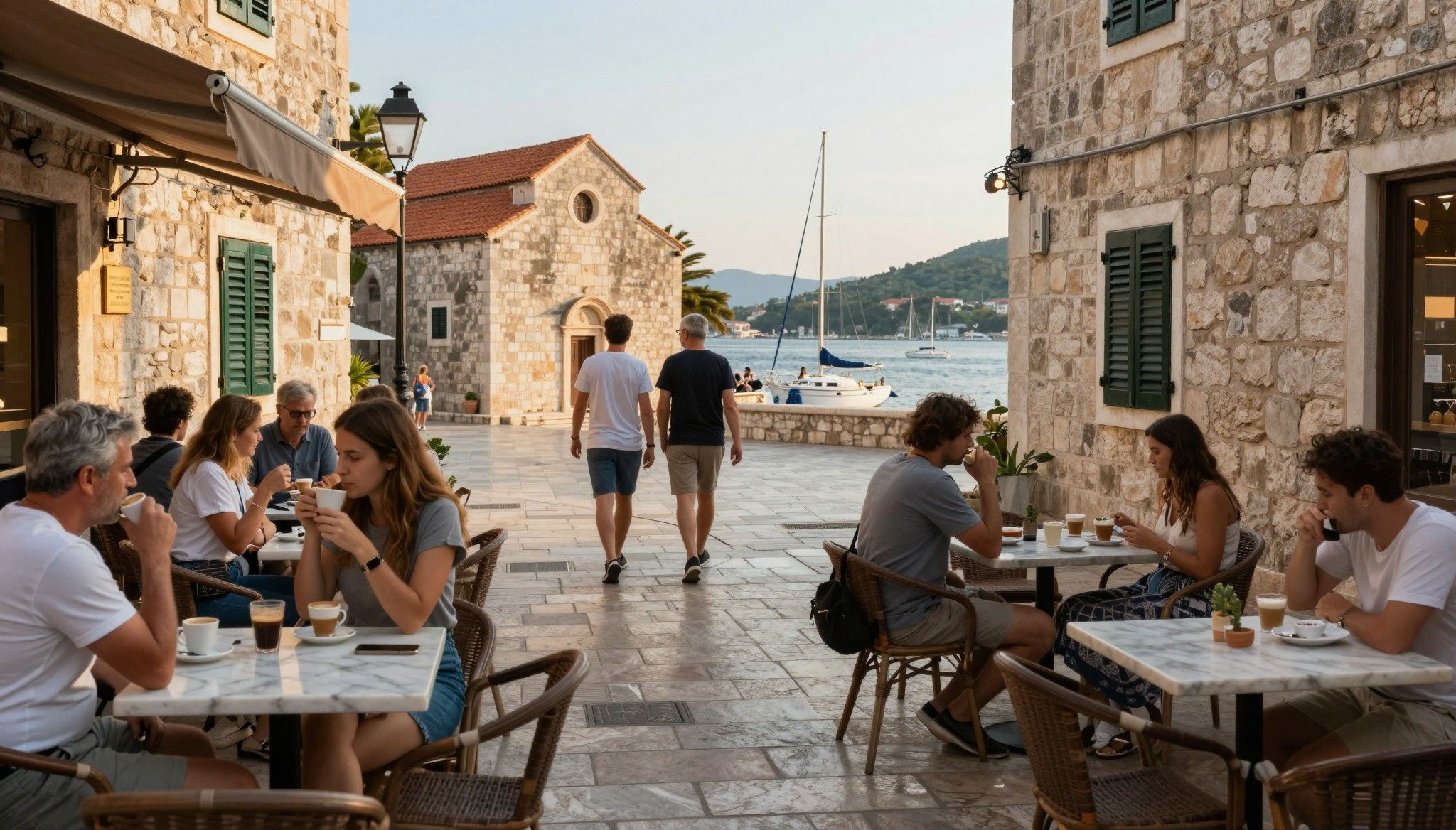
Imagine an early morning in a small Italian borgo on the edge of a city: a barista polishing espresso machines, a fruit seller arranging citrus beside stone steps, and a terrace where a retired couple reads regional news. This is not the coast’s postcard but a quieter orbit of Italian life where provenance, craft and everyday conviviality define a neighbourhood. For many international buyers, these are the streets that deliver enduring value and a truer Italian life than headline-seaside listings.
Living the Italian lifestyle beyond the coast
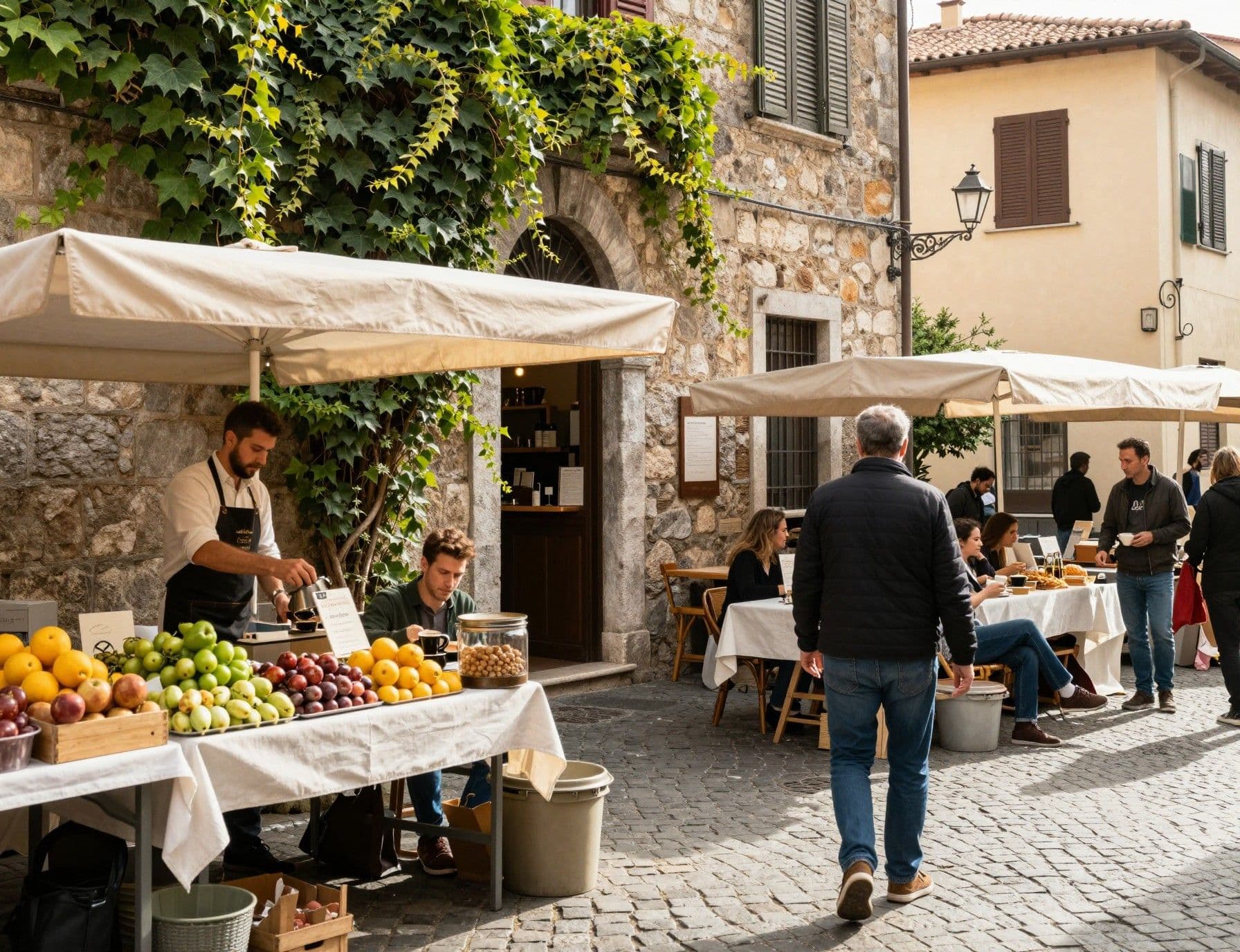
Daily life in Italy collects itself around neighbours, markets and routines more than vistas. Walkable streets in historic peripheries—San Giovanni in Rome, Isola in Milan’s quieter blocks, Oltrarno’s residential lanes in Florence—bring neighbourhood cafés, artisan workshops and small grocers into your morning. These areas age gracefully: façades patinate, local shops endure and the rhythm of life is measurable in bell chimes and bakeries opening at dawn. Recent data shows steady price growth outside prime waterfronts, reflecting rising demand for lived-in authenticity rather than spectacle.
Neighborhood spotlight: the city’s historic edge
Take the historic edge rather than the historic core: streets where artisans still work, where a central piazza hosts a weekly market, and where narrow lanes open onto small gardens. In Naples, consider Vomero’s quieter terraces rather than the overcrowded waterfront; in Palermo, the Kalsa’s inner lanes offer restored palazzi and an emerging culinary scene. These pockets combine architectural pedigree with more favourable price trajectories and lower seasonal volatility than coastlines dependent on tourism.
Food, market life and social fabric
Markets and trattorie anchor weekly life; you learn your fishmonger, you time your errands around market hours, and aperitivo becomes a neighbourhood habit. These patterns determine how a property is experienced: a ground-floor apartment next to an alimentari feels different from a tower-block with a view. Agents who understand local rhythms will prioritise walkability, light at different times of day and storage for seasonal food, all small items that compound into a richer everyday life.
- Lifestyle highlights: weekly market in Campo de' Fiori (Rome); early-morning espresso on Via San Niccolò (Florence); fish market at Pignasecca (Naples); neighbourhood osteria tucked on Via dei Benci (Florence)
Making the move: practical considerations that preserve lifestyle
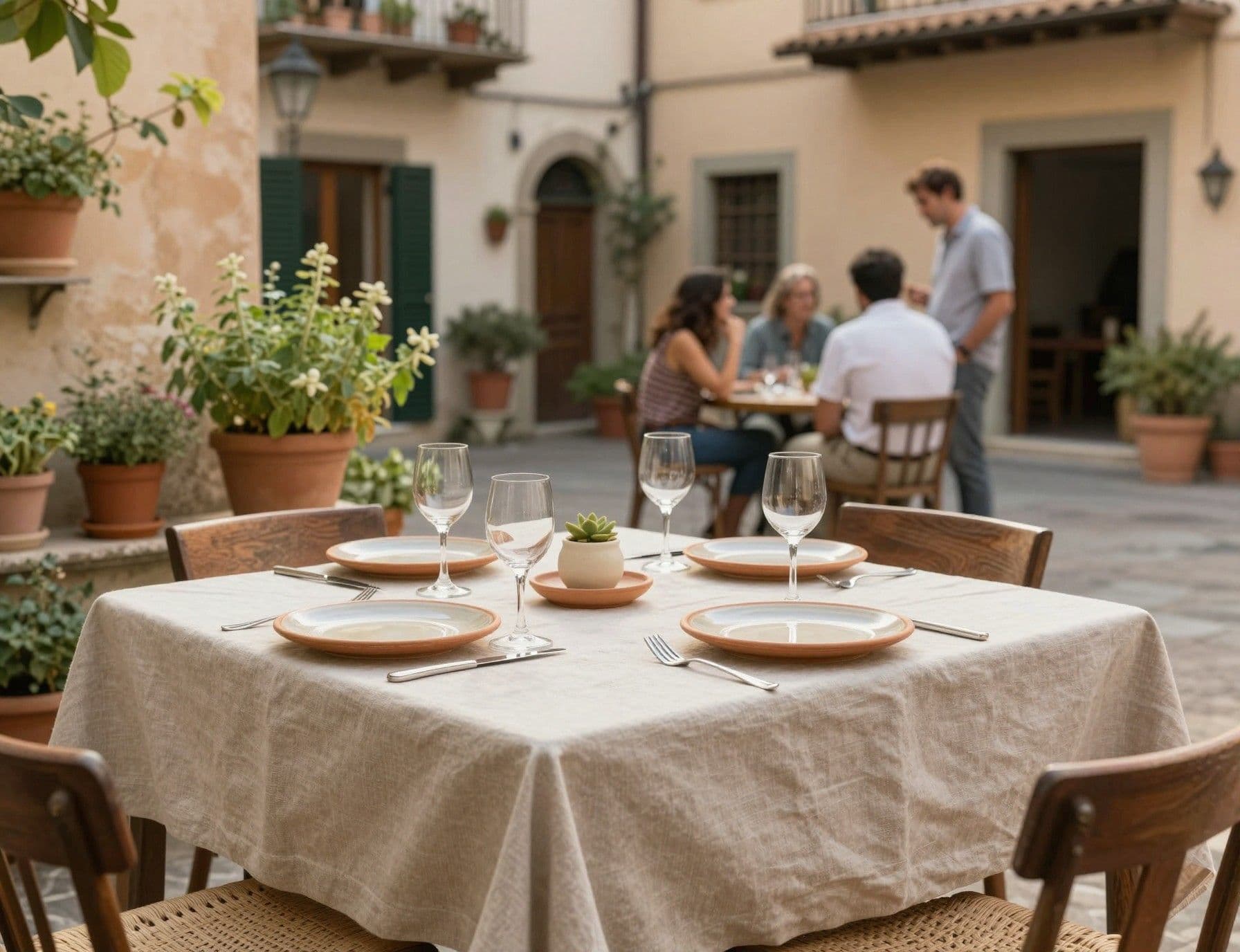
A practical search balances dream and data. National indices show modest, broad-based growth rather than runaway bubbles; Nomisma’s observatory and ISTAT’s HPI indicate steady transaction volumes and price increases concentrated in cities with strong local economies. That suggests buyers who prioritise neighbourhood quality over headline views can expect resilience: better rentability out of season, fewer management headaches, and properties that reward careful stewardship.
Property types and how they support living
In Italy the architecture dictates lifestyle: a restored 19th‑century apartment offers high ceilings, encaustic tiles and a sense of provenance; a compact apartment in a borgo brings courtyard life and community ties; a small villa inland gives space for a kitchen garden. Match the fabric of the building to daily routines—do you want an internal courtyard for winter light, or a street-facing loggia that catches evening breezes?
Working with local experts who know what matters
- 1. Ask agents about neighbourhood patterns: market days, noise profiles, and nearby artisan services. 2. Commission a local architect or restorer to assess fabric and hidden costs before offer. 3. Seek an agent with on‑the‑ground relationships—solicitors, notaries and builders who understand heritage constraints. 4. Consider rental yield seasonality: neighbourhoods with a stable resident base often give steadier long-term returns. 5. Request recent transaction comparables rather than online asking prices; discounts and negotiation norms vary by region.
Insider knowledge: what expats wish they’d known
Expat experience often narrows to surprising details: the restorative joy of a friendly giornalaio, the way municipal trash schedules shape kitchen storage, the seasonality of neighbourhood life when students leave or festivals arrive. Practicalities—local registration, utility nuances, and the cadence of municipal permits—shape how a property performs as a home. Long-term satisfaction hinges on integrating into the social fabric as much as on bricks and mortar.
Cultural integration and daily belonging
Language matters in neighbourhood life. A few phrases open doors: greetings at the market, a polite inquiry with a neighbour, a handwritten note about building works. Join local social rhythms—volunteer at a festa, attend parish events, or simply shop weekly. Such small acts embed you in community and protect the lifestyle you bought the property to enjoy.
Planning for the future: stewardship and sustainability
Think in terms of stewardship: appropriate restoration, energy upgrades sympathetic to historic fabric, and relationships with local craftsmen. These investments preserve value and the lived quality of a home. International buyers who adopt a generational perspective—careful maintenance, discreet modernisation—often see their properties outperform short-term speculators.
- Red flags to watch for: complex condominium rules; neighbours’ undocumented alterations; properties with unresolved building amnesty issues; unclear supply of hot water/heating; absentee sellers who overstate rental income.
If you can picture a life of market mornings, evening passeggiata and neighbours who know your name, you already know what to prioritise: neighbourhood character over postcard scenery, architectural quality over novelty, and local expertise over global listings. Begin with a shortlist of three neighbourhoods—one central historic edge, one quieter residential periphery, and one small town within easy commutable distance—and let local specialists show you how each will feel in the routine of living.
Next steps: arrange tailored viewings with a neighbourhood‑focused agency, commission a local conservation-minded architect for due diligence, and request recent transaction data for the specific streets you love. Italy rewards patience and respect: buy a life you intend to steward, and the location will repay both care and time.
Norwegian with years in Florence guiding clients across borders. I bridge Oslo and Tuscany, focusing on legal navigation, cultural context, and enduring craftsmanship.