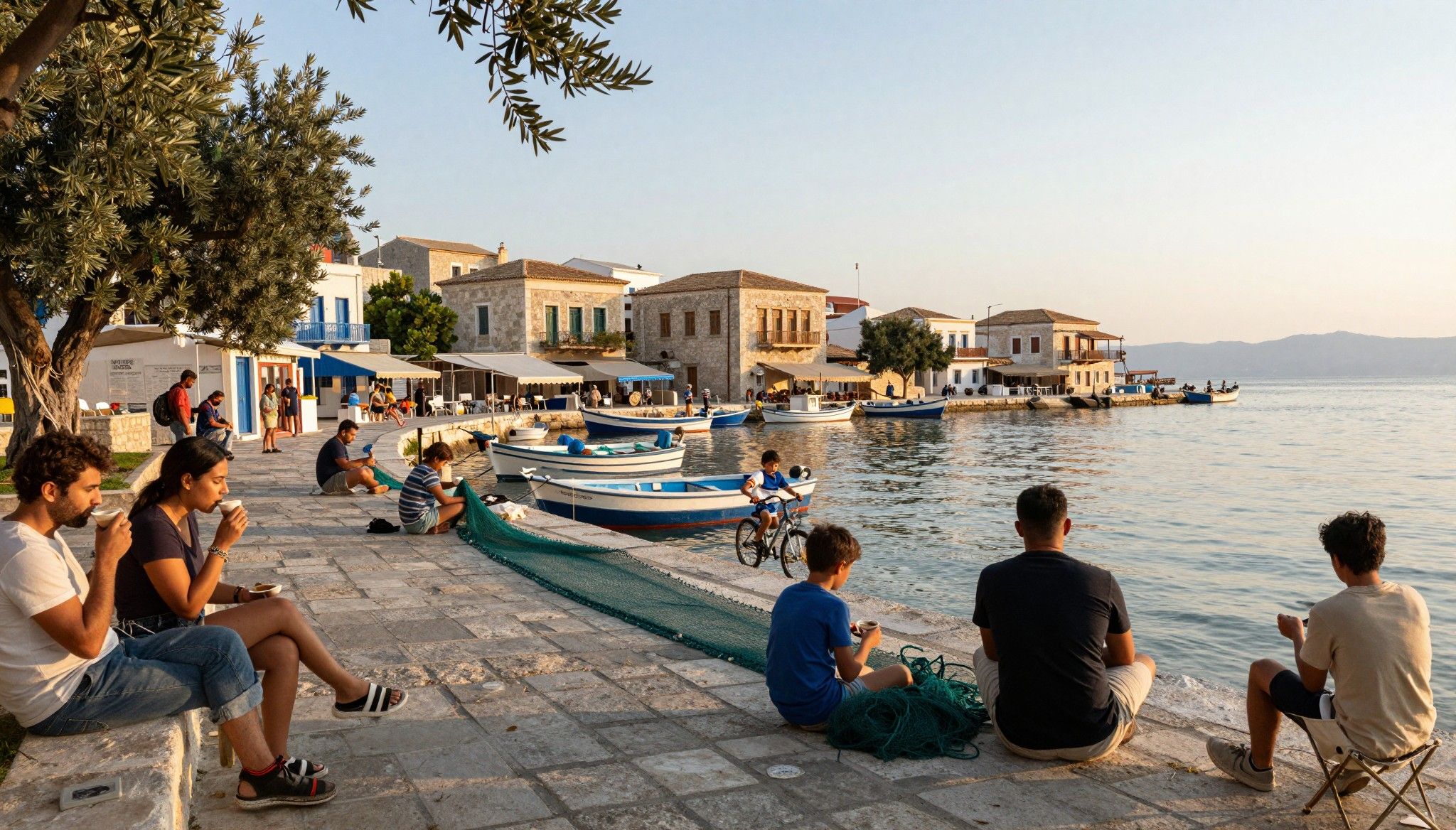
Why Winter House‑hunting in Cyprus Pays Off
Why visiting Cyprus in the quieter months can improve negotiation, finance and lifestyle fit—seasonal strategy for international buyers backed by market data.
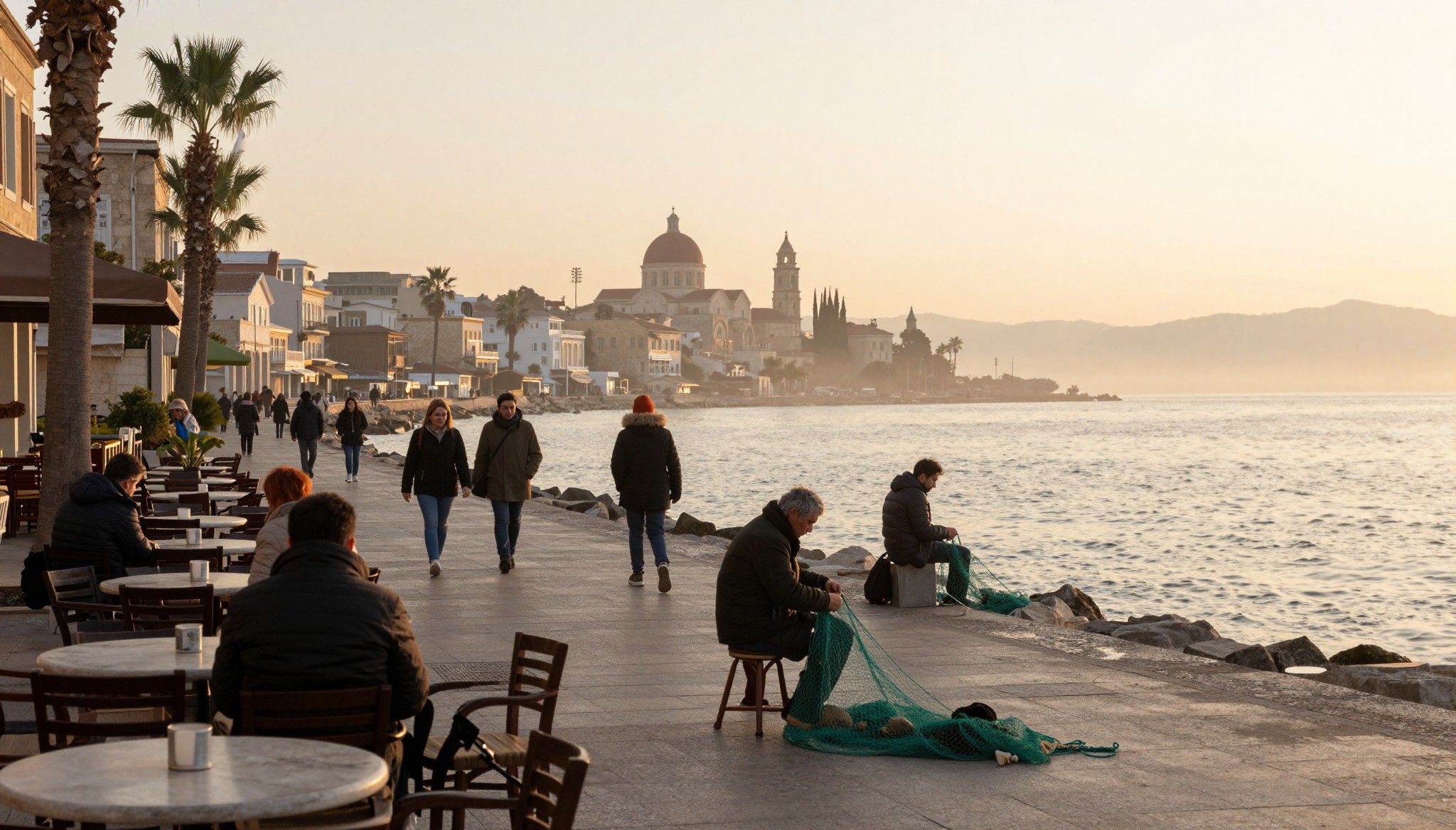
Imagine a January morning in Larnaca: the harbour is quiet, the cafés steam gently, and a handful of buyers—mostly locals and a few deliberate internationals—drift between listed townhouses and refurbished colonial flats. That soft, off‑season rhythm is where the best decisions are made. In Cyprus the market breathes with the seasons; timing a visit can materially change the properties you see, the negotiating tone and the financing options available.
Living the Cyprus Life — how seasons reshape experience
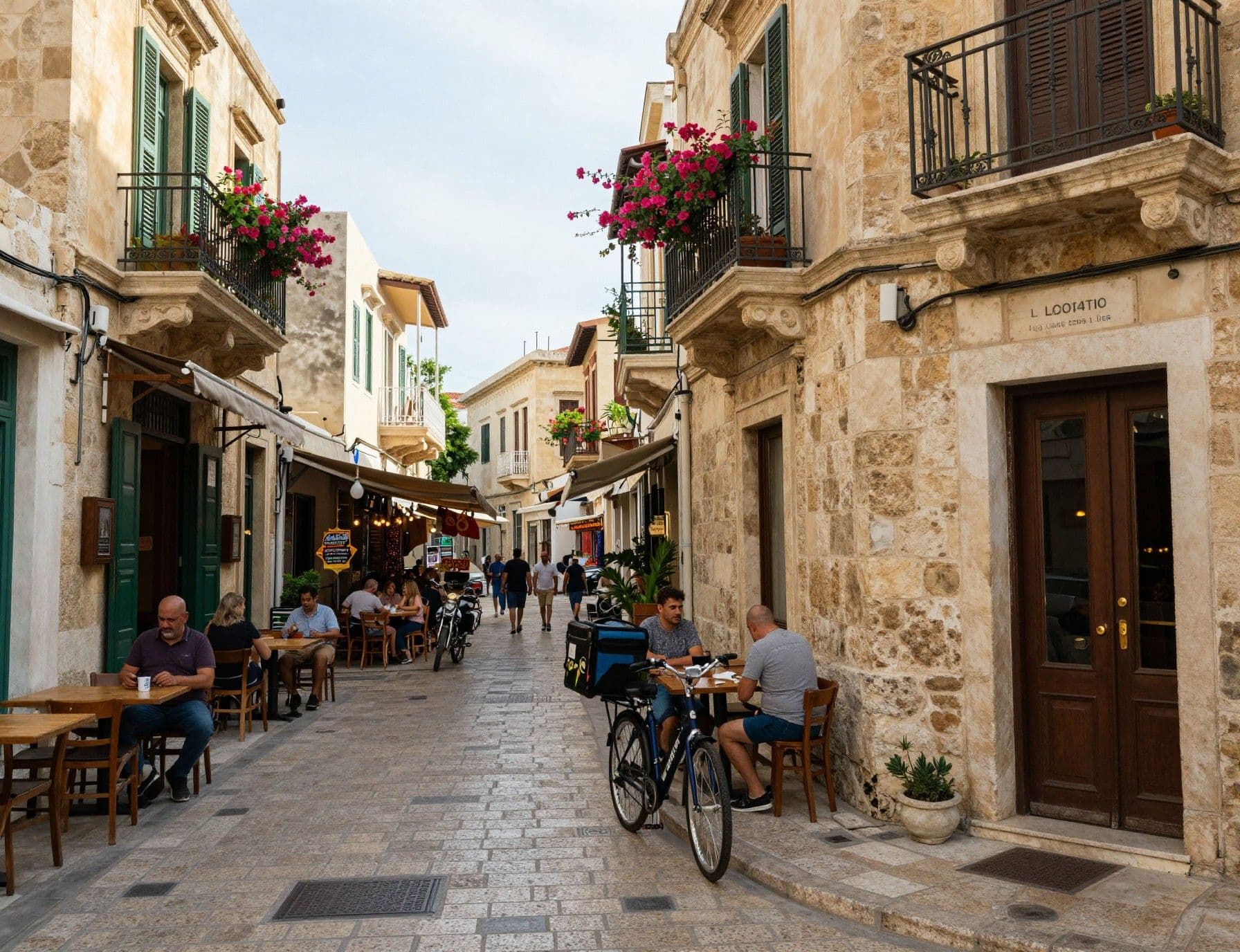
Cyprus is not a single scene but a sequence of neighbourhoods and seasonal personalities. Limassol hums with marina life and international schools; old Nicosia offers narrow streets, municipal theatres and Ottoman‑era courtyards; Paphos keeps a quieter coastal pace. Recent market reports show healthy demand across the island, but that demand is unevenly distributed and seasonal—meaning your timing will shape both lifestyle and finance. For buyers who prefer a considered life rather than an instant holiday, winter viewings reveal how a place feels beyond the postcard months.
Limassol's dual personality: marina and old town
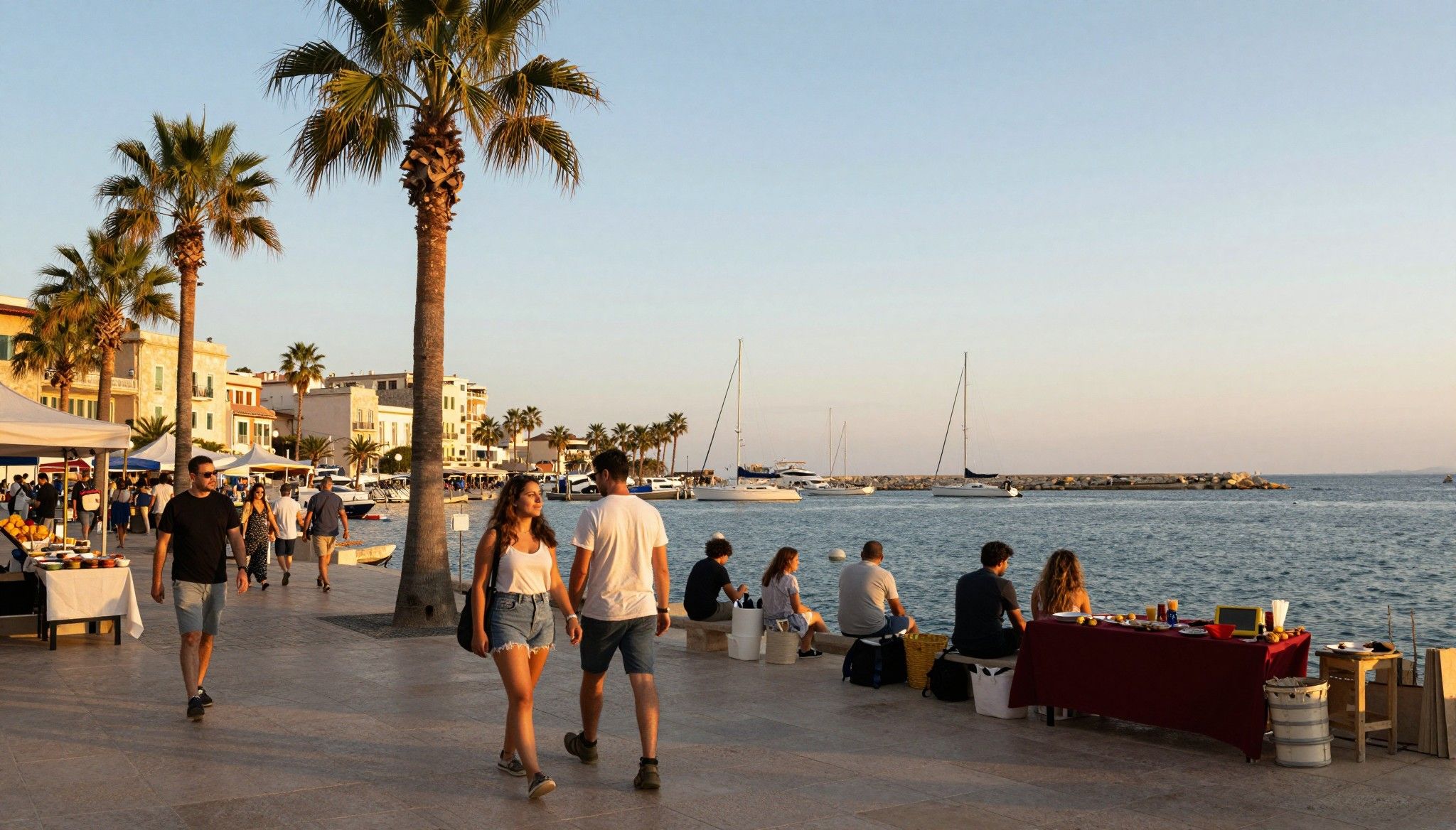
Walk from the yacht-lined Promenade into the narrow lanes of the old town and you meet two different daily lives. The Promenade is polished, designed for sunset promenades and international living; Old Limassol rewards those who want corner cafés, a short walk to markets and civic rituals. Properties that perform across seasons—quality masonry, deep shutters, sheltered terraces—are the ones that sustain both daily pleasure and long‑term value.
Food, markets and the weekday rhythm
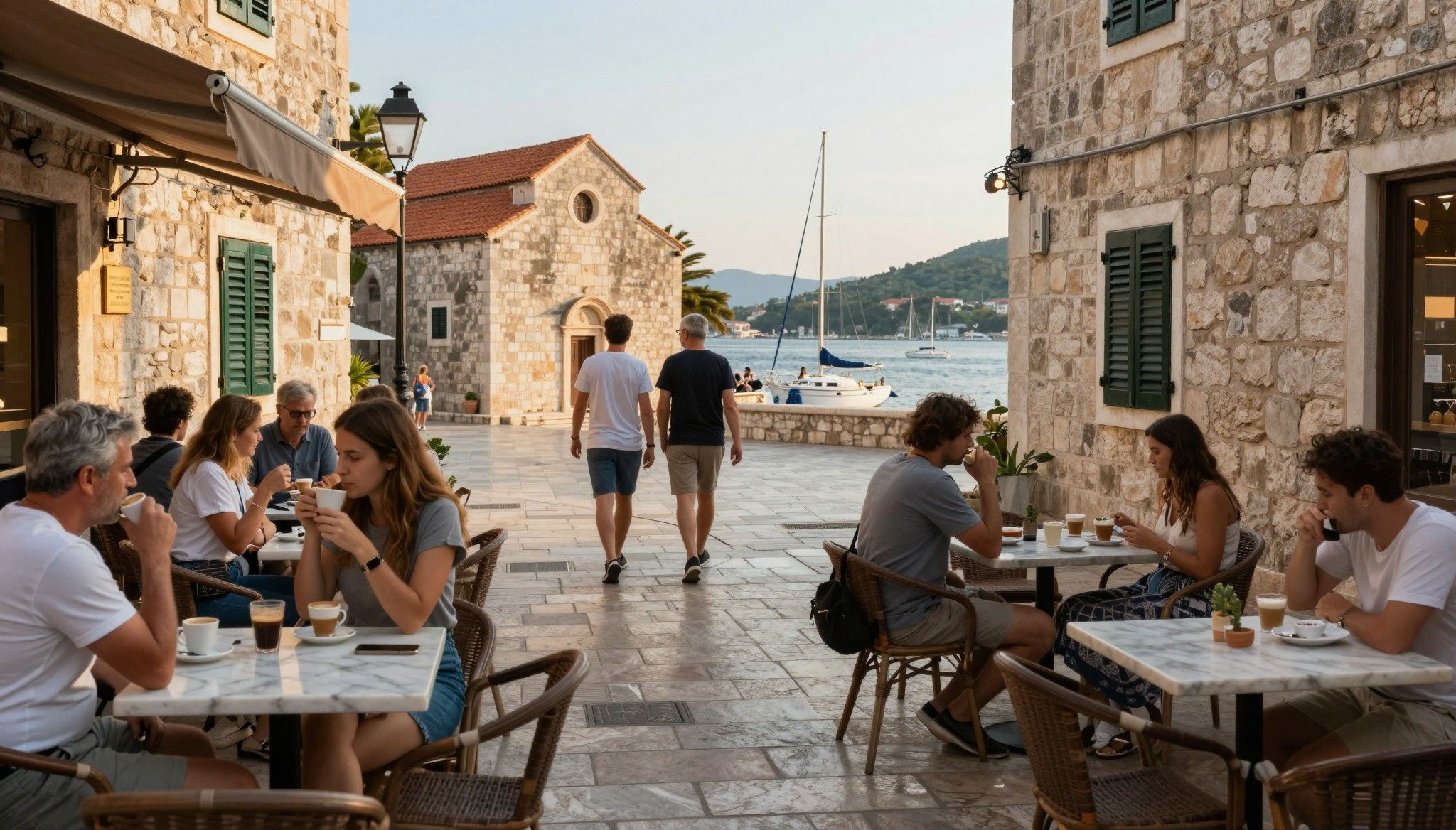
A true measure of neighbourhood life is where people buy their bread. In Paphos the municipal market opens early and conversations start at the fish counter; in Larnaca, French bakeries share pavements with traditional meze tavernas. These everyday choices determine the practicality of a property. If you want a life of morning markets and late cafés, favour ground‑floor or duplex apartments near the centre; if you prefer calm and privacy, a terraced villa on the outskirts will be more suitable.
- Lifestyle highlights to scout in any season: • Morning espresso on Anexartisias Street (Larnaca) or Columbia Beach Club (Limassol) for atmosphere • Saturday food market at Old Paphos for fresh produce and neighbourly conversation • A weekday walk along the Molos promenade to test noise and light levels • An evening at the Rialto Theatre in Nicosia to feel cultural life and transport links
Making the move: how season alters finance and negotiation
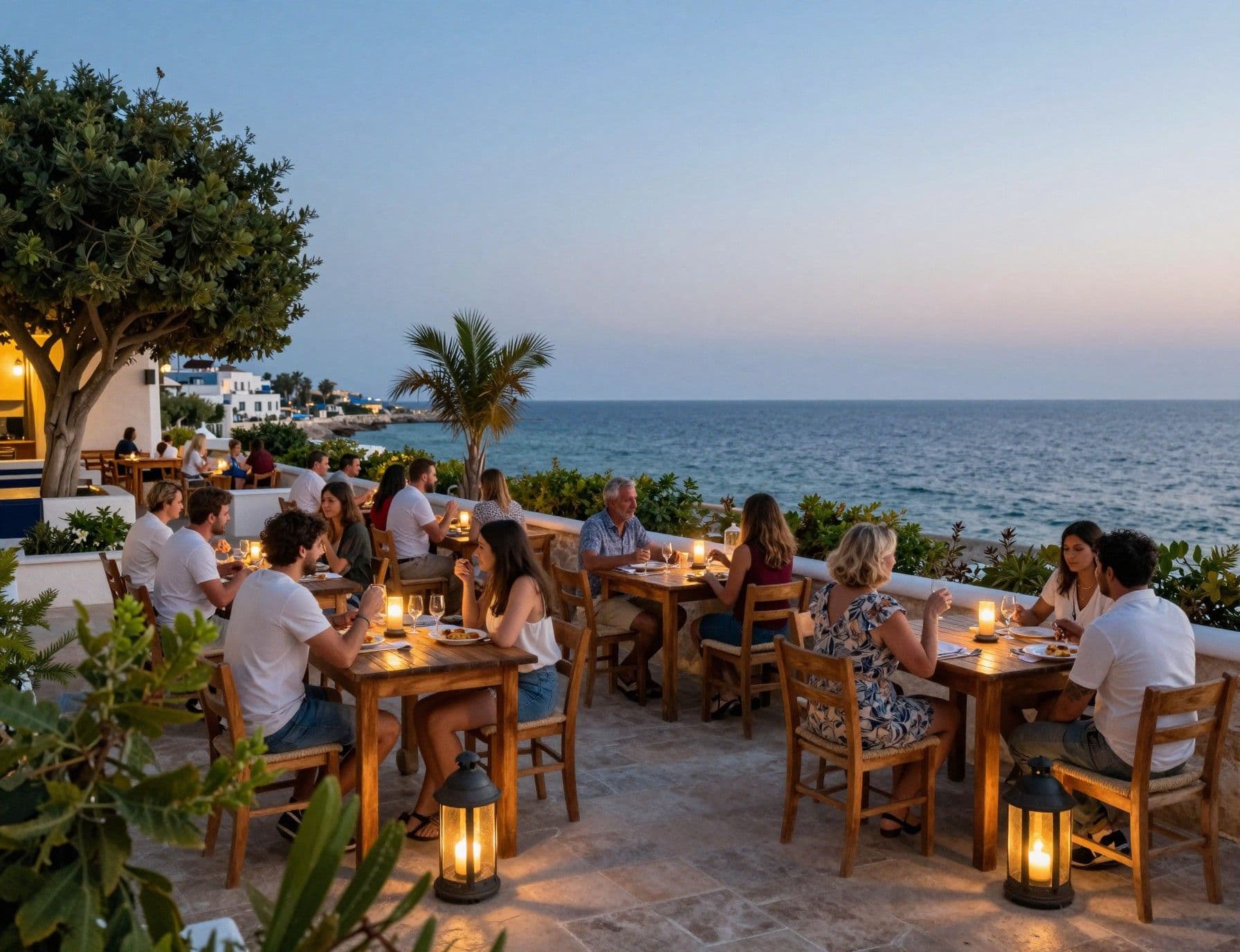
Buyers often assume price is the only financial lever. In Cyprus, financing availability, seller urgency and bank appraisal practices fluctuate with season and market momentum. The Central Bank and recent HPI releases show modest island‑wide growth, but lending criteria and the appetite of developers change with transaction flow. Visiting in quieter months can reveal motivated sellers, more responsive banks on mortgage pre‑approvals, and the chance to align inspections and valuations without competitive pressure.
Property types, lending patterns and lifestyle fit
Banks in Cyprus distinguish between residents and non‑residents, new build and resale, and between income documented in euros or other currencies. For an international buyer seeking a year‑round lifestyle, a mixed strategy often works best: secure a conditional mortgage offer during low season, then use the calmer months to negotiate price and complete due diligence. Developers may be willing to offer staged payments or developer financing when sales slow—an edge you notice visiting off‑peak.
- Steps to combine lifestyle scouting with finance (winter advantage): 1. Arrange pre‑approval with a Cyprus bank or international lender before travel. 2. Book weekday viewings to assess true neighbourhood life, not weekend theatre. 3. Commission a winter inspection to spot damp, heating needs and insulation quality. 4. Use quieter months to negotiate longer completion windows and staged payments. 5. Confirm tax and transfer fee treatment with a Cyprus tax adviser before signing.
Insider knowledge: what expats wish they'd known before buying
Real buyers learn the island's small technicalities quickly: VAT treatment on new builds, the transfer‑fee versus VAT choice, and how capital‑gains exposure affects long‑term plans. Many expats arrive enchanted by summer scenes and only later discover how winter weather, service costs and municipal rhythms change daily life. Those who bought with seasonal perspective report fewer regrets and better negotiating outcomes.
Cultural integration and practical community tips
Cyprus is warm but not uniform. English is widely spoken, yet social life still orbits local cafés, church festivals and family networks. Attending a local feast day or the weekly market will teach you more about a neighbourhood than a dozen viewings. For long‑term living, prioritise properties with adaptable internal layouts (guest suite, study, utility) and a street presence that supports daily habits—an afternoon bakery, a pharmacist, and a regular bus route.
Conclusion: If you want Cyprus as a way of life rather than a summer retreat, let season be part of your strategy. Visit in the quieter months, pair those visits with bank pre‑approvals and winter inspections, and look for properties that sing in all seasons. A considered purchase in winter often yields not only a better price or terms but a truer sense of the neighbourhood you will call home.
Former Copenhagen architect who relocated to Provence, offering relocation services, market analysis, and a curator’s eye for authentic regional design.