Greece: Lifestyle Costs, Neighbourhood Truths
Greece offers textured, sunlit living—but rising prices and seasonal distortions mean smart buyers pair neighbourhood nuance with data, off‑season viewings and local stewardship.
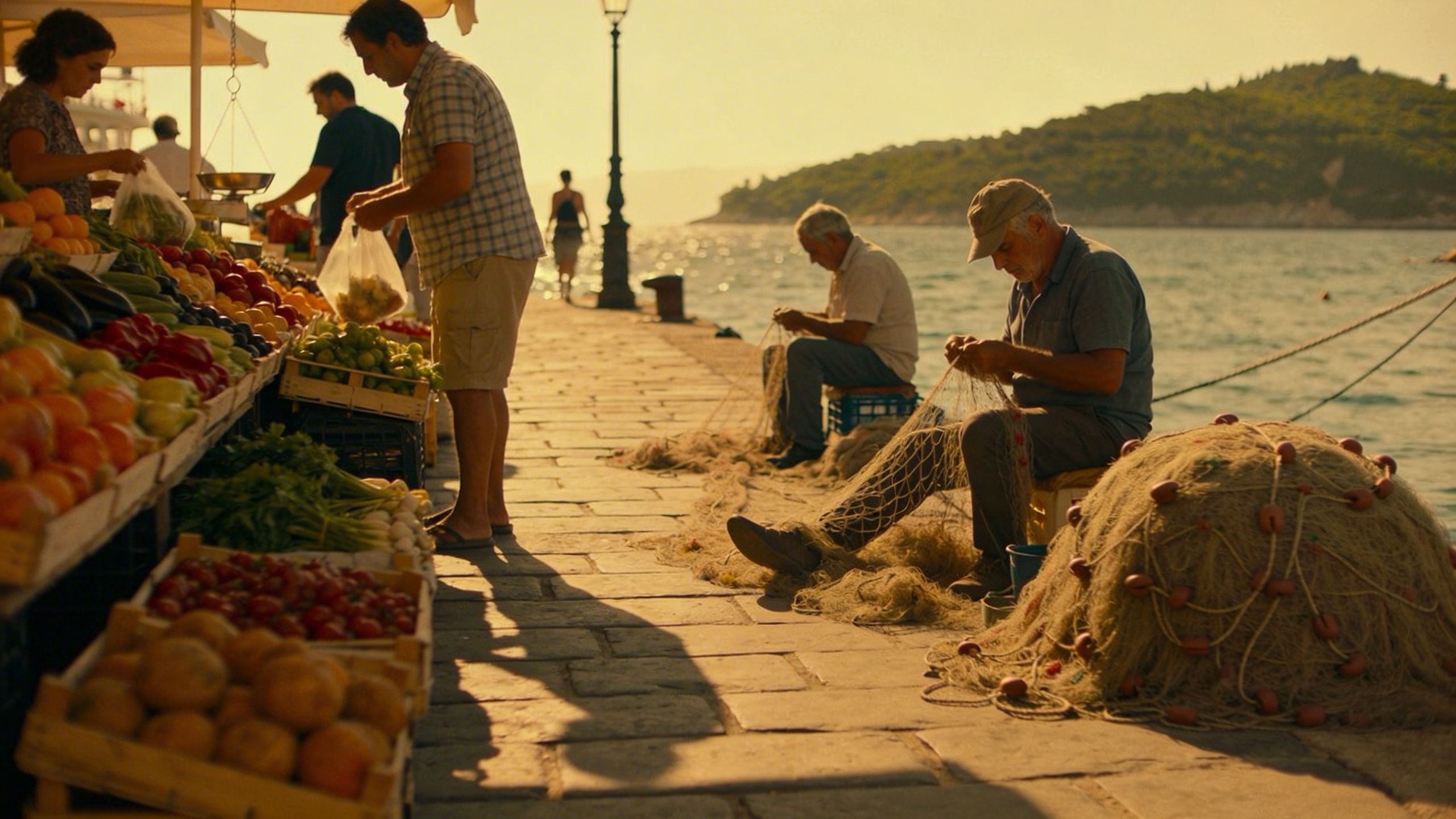
Imagine a morning market in Chania where the air smells of sea salt and oregano, a barista pulls a single, bright espresso on a narrow street in Koukaki, and an afternoon swim is never more than twenty minutes away. Greece lives in a measured rhythm — sunlit courtyards, slow lunches, precise craftsmanship — yet the cost of inhabiting that rhythm has quietly changed. For buyers drawn to its textures and light, the question is no longer merely whether to buy, but when, where and at what real cost.
Living the Greece Lifestyle
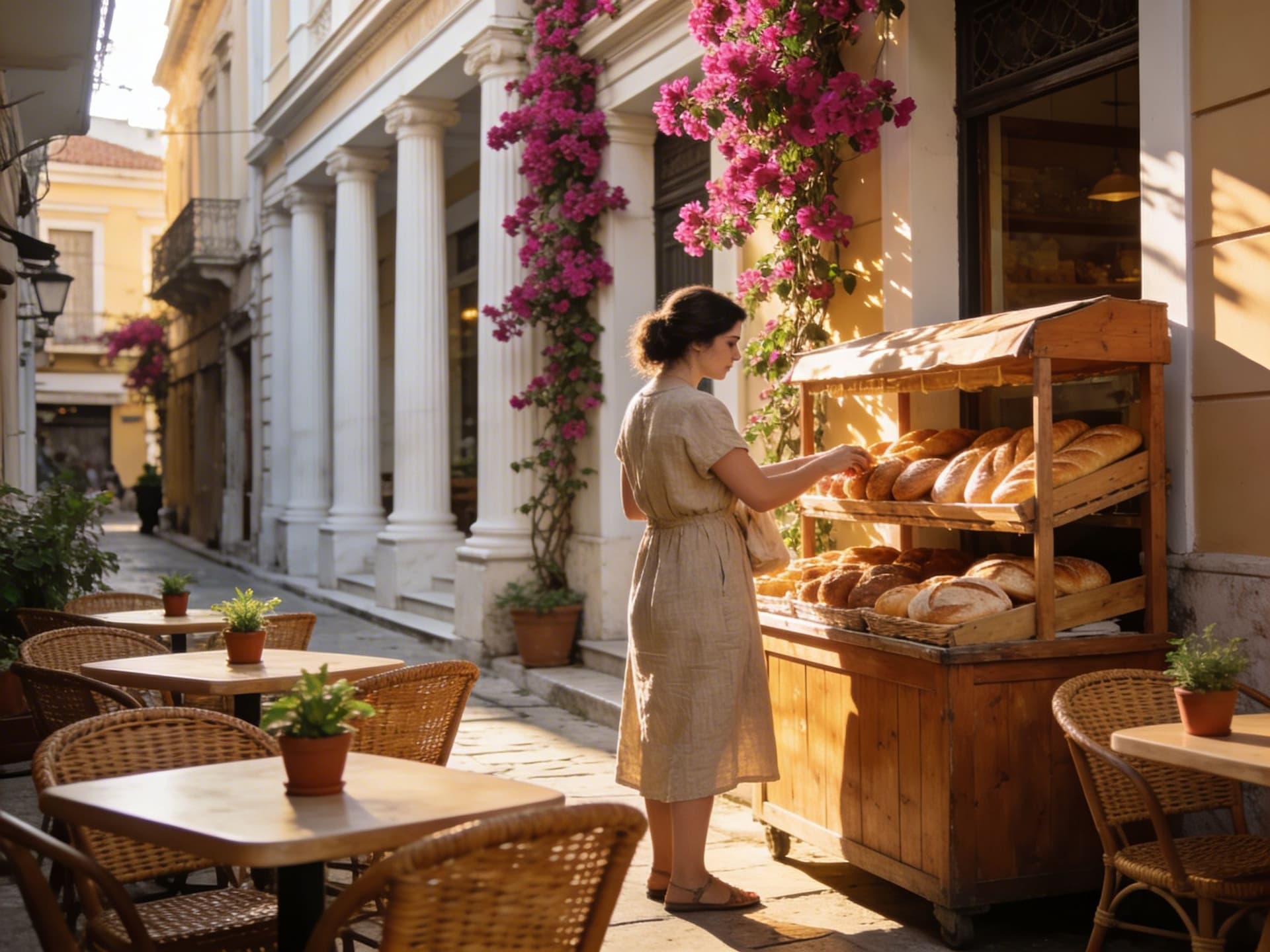
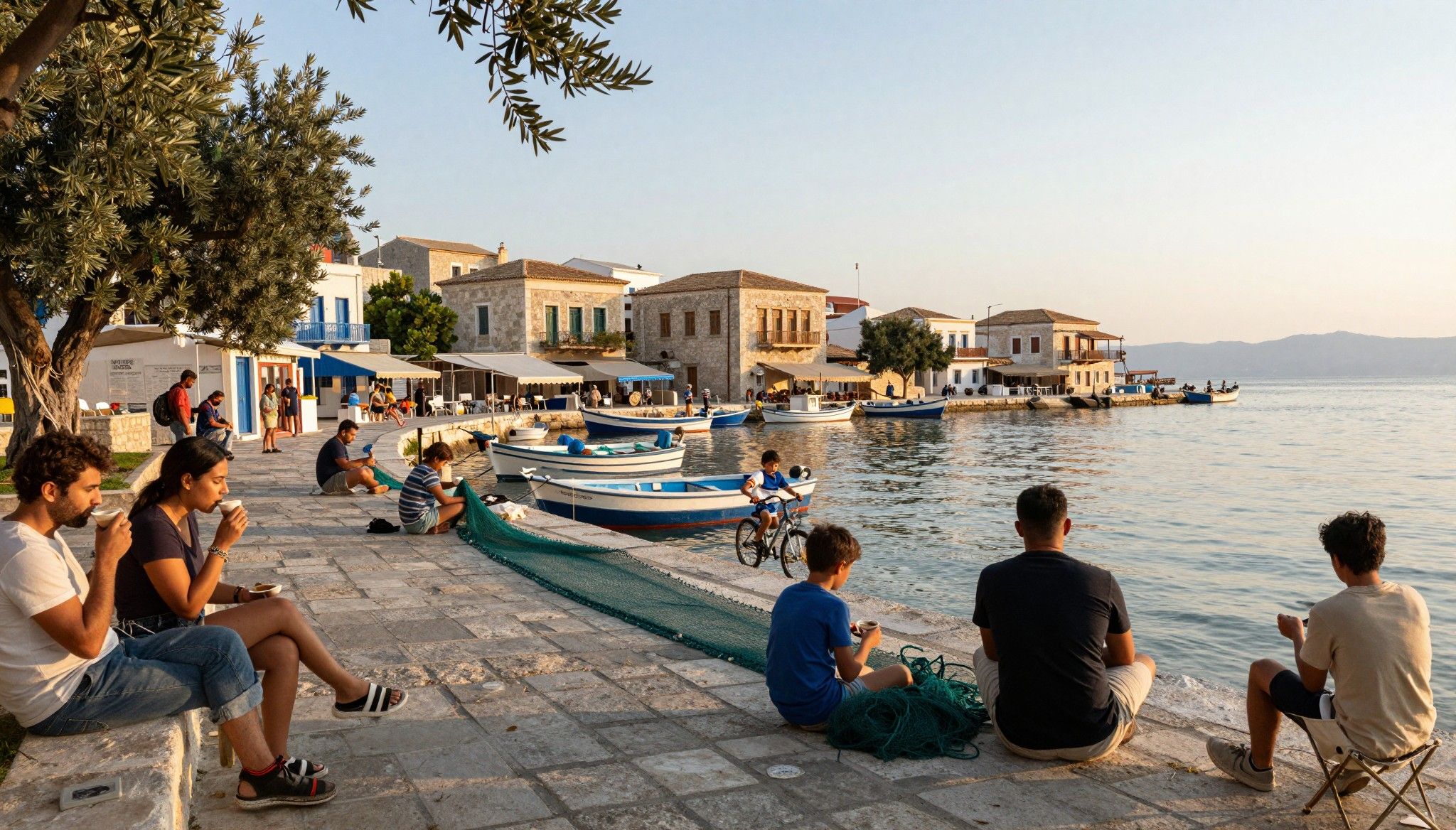
Greece is more than islands and monuments; it is neighbourhoods that keep time. Athens hums with layered histories — from the neoclassical facades of Plaka to the restrained modernity of Kolonaki — while islands such as Paros and Syros offer artisans’ workshops, harbourside tavernas and a different tempo. Living here means coordinating daily life around morning markets, late dinners on shaded terraces and communal rituals that give neighborhoods their texture.
Neighborhoods that define the day
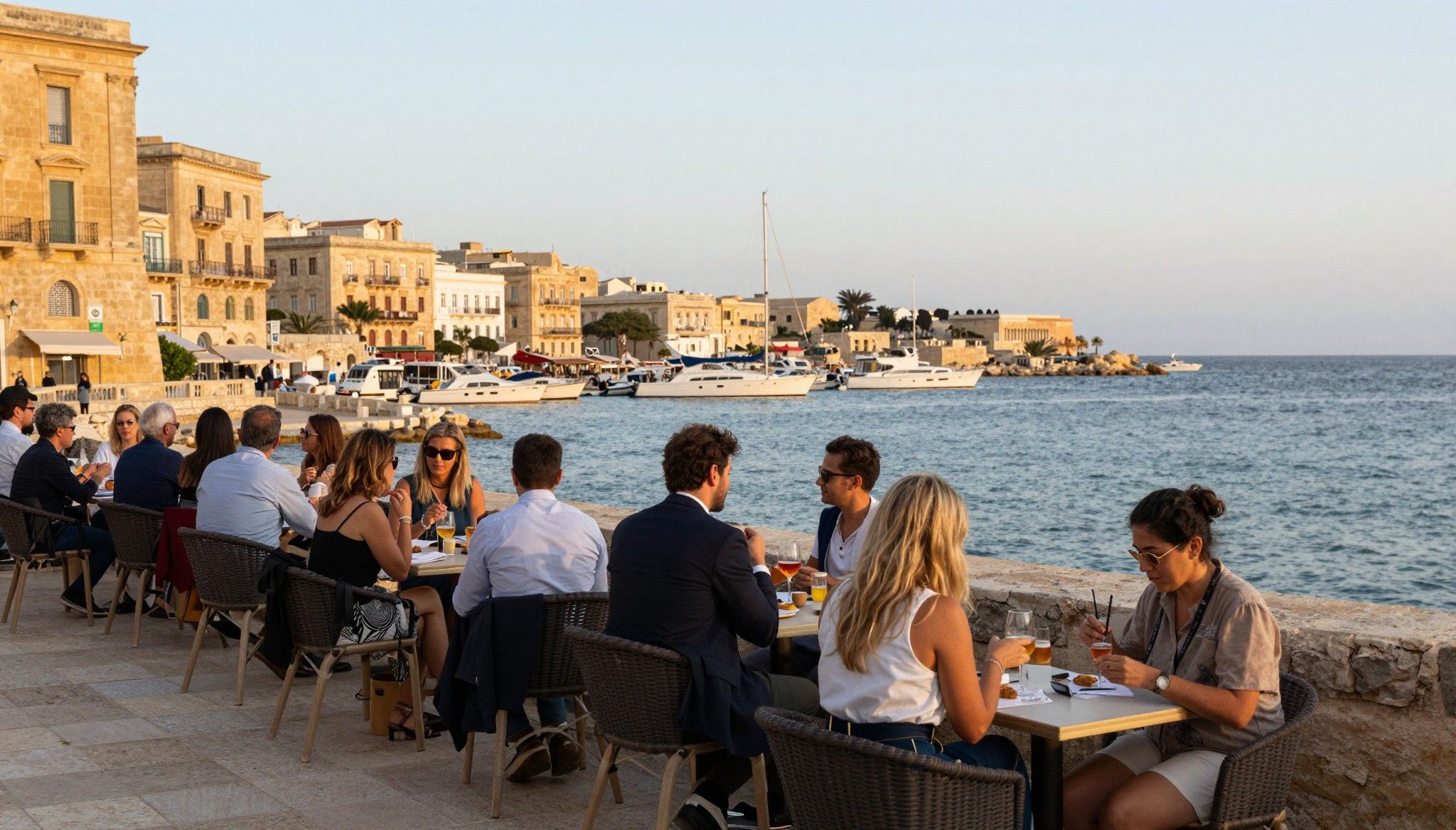
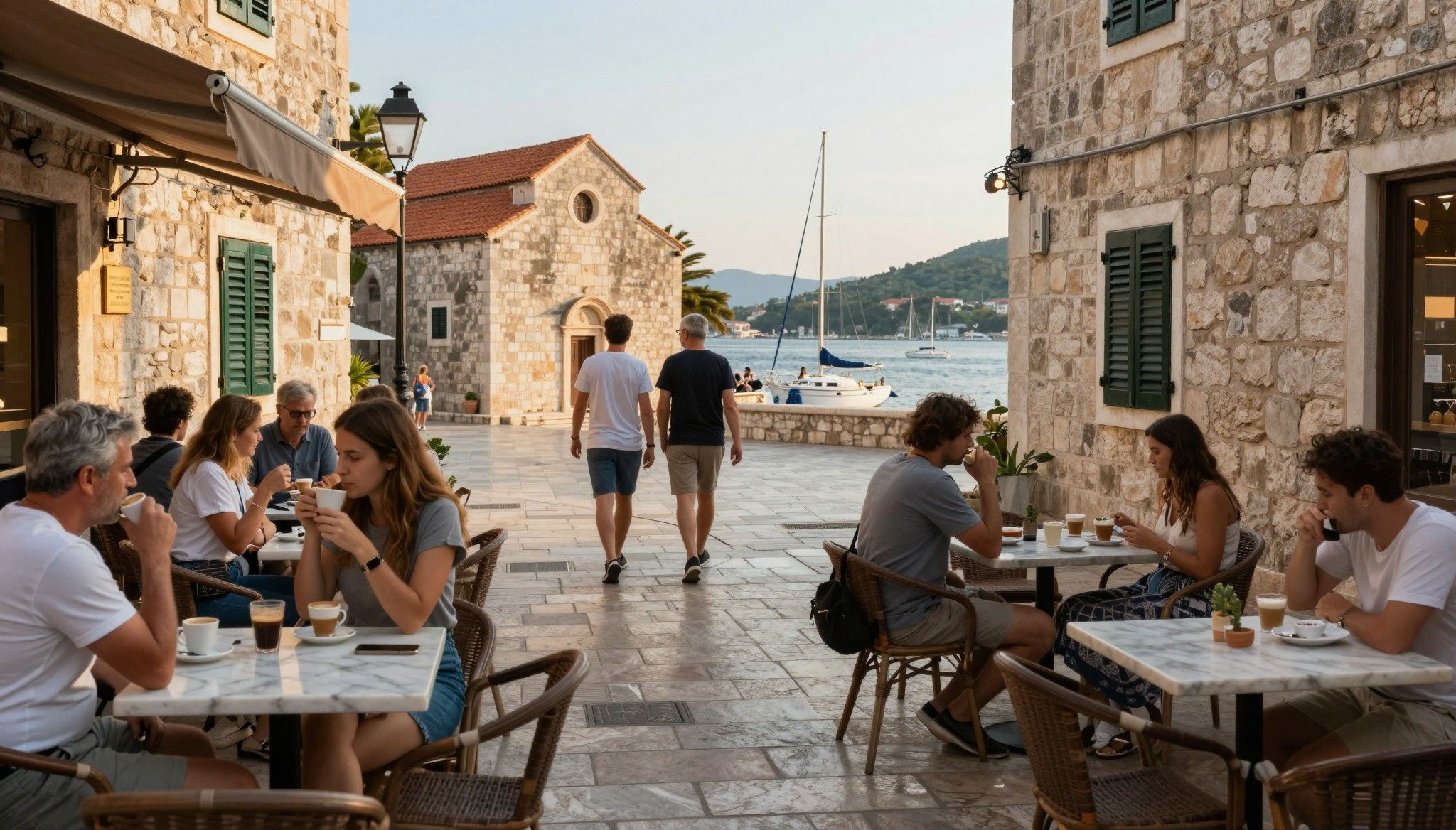
In Athens, stroll down Dionysiou Areopagitou to the foot of the Acropolis, cross to the quieter residential lanes of Koukaki where cafés spill onto cobbled streets, or head south to Glyfada for a coastal suburb with polished marinas and contemporary restaurants. On Crete, Rethymno’s Venetian harbour frames evenings of fresh seafood and classical buildings; on the Ionian coast, Nafplio’s neoclassical squares host weekend promenades and slow commerce.
Food, markets and the lived interior
Weeks in Greece are punctuated by markets: fishmongers at Varvakios in central Athens; morning stalls in Naxos; farmers arriving with citrus and mountain honey. Cuisine is local and seasonal, which affects household budgets in a tangible way — you will spend on quality olive oil, cheeses and market produce, and less on packaged goods. Recent policy shifts around short‑term lets are already altering where locals and visitors dine, which in turn reshapes neighbourhood economies and the cost of living for residents.
- Lifestyle highlights: Varvakios market (Athens); Koukaki cafés; Glyfada marina walks; Venetian harbour (Rethymno); Anafiotika lanes; Paros workshops.
Making the Move: Practical Considerations
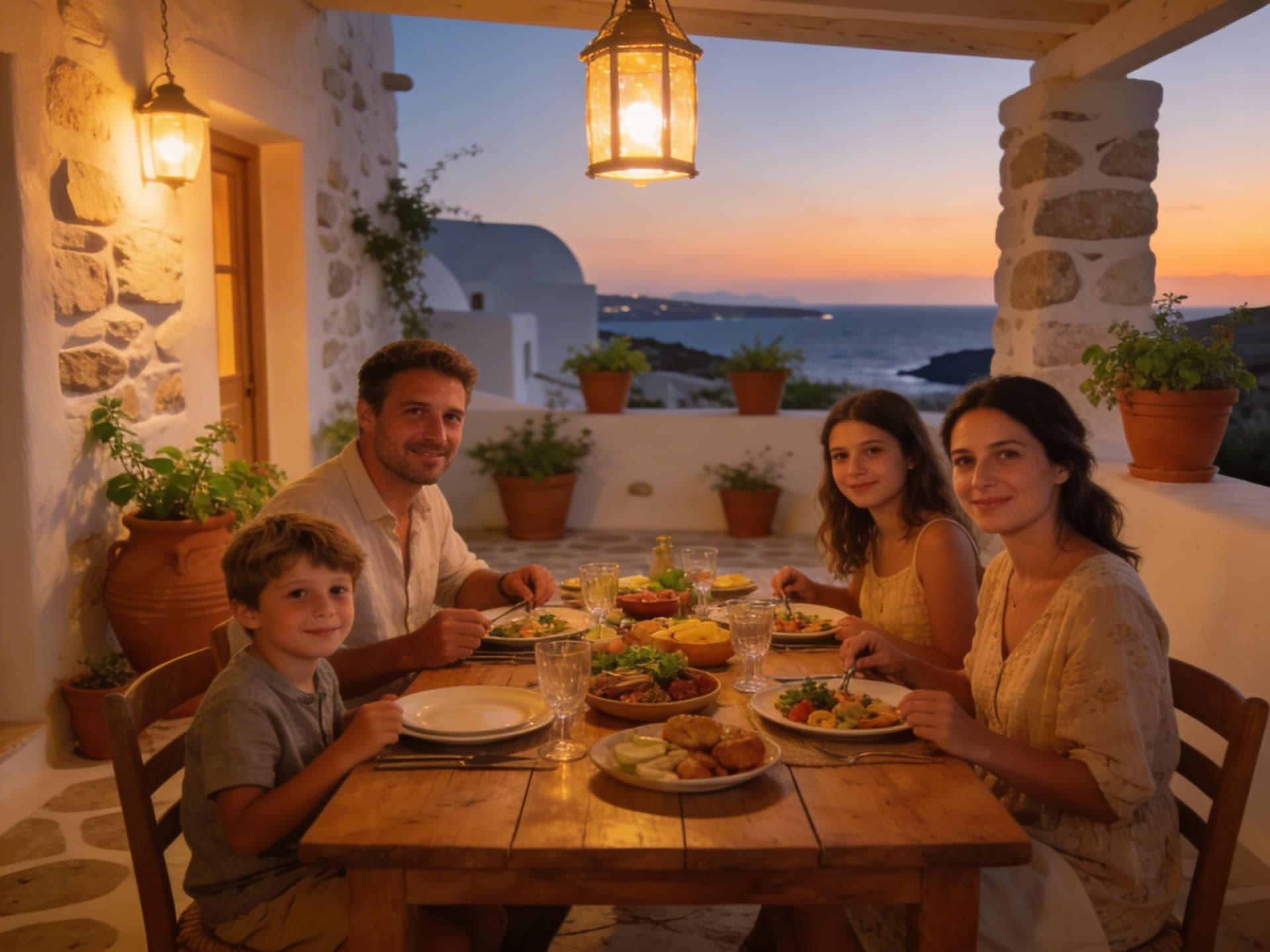
The romance of place must be balanced with current market realities. National data indicate sustained price growth in recent years, with particular strength in Athens and major islands. Those shifts change what a budget buys: a renovated neoclassical apartment in central Athens now commands a premium comparable to coastal villas in lesser‑known islands a decade ago. For international buyers this means planning for higher entry prices in core locations and seeking value where lifestyle alignment — not headline prestige — matters most.
Property styles and how you'll live in them
Stone cottages on the Peloponnese demand different upkeep than a post‑war Athens apartment or a contemporary villa on Crete. Consider insulation and orientation for summer heat, the cost of restoring lime‑based plaster, and whether a roof terrace will become your primary living room in summer months. These material decisions shape ongoing living costs more than stylistic choices alone.
Working with local experts who know the lifestyle
- 1. Ask agents for neighbourhood dayplans: where to shop, where children go to school, typical noise and foot traffic. 2. Request a layered running cost estimate: utilities (summer cooling), maintenance, and common charges. 3. Insist on contractor references for restorations — craftsmanship matters and saves money long term. 4. Compare long‑term rental dynamics if you plan occasional letting; this affects both yield and community impact. 5. Visit off‑season to sense true living conditions and to negotiate with owners who won’t be relying on tourist premiums.
Insider Knowledge: What Expats Wish They'd Known
Expats speak of small misunderstandings that grow into daily friction: assuming supermarkets are open late in every town, underestimating summer electricity bills, or equating tourist season prices with year‑round costs. Development projects such as Ellinikon are reshaping coastal living and can lift values — while also bringing construction, congestion and new service costs. Knowing which projects are nearby will change both lifestyle and long‑term expenses.
Cultural integration and neighbourhood life
Learning a few phrases, shopping occasionally at the same market stall, and attending local festivals yields social capital that makes living simpler and cheaper. Neighbourhood relationships can reduce common headaches — a local builder who understands marble sourcing, or a neighbour who collects electricity bills when you are away — and these informal networks are an underrated element of cost control.
Long‑term lifestyle and practical realities
Inflationary pressure on food, transport and utilities has been palpable across recent years and is visible in everyday life. Plan for household budgets that account for seasonal peaks — tourist season can inflate local service costs — and keep contingency for restoration and property‑specific maintenance. The best purchases are those where the architecture and site justify the long‑term stewardship you are willing to undertake.
- Red flags to watch: properties with unclear roof, damp in masonry walls, short‑term let licences that may be revoked, absent planning documentation, and sellers unwilling to share recent utility bills.
Visit in the shoulder season, talk to neighbours, and ask agents for itemised running costs. Where possible, commission a pre‑purchase survey that examines structure, insulation and services — these reports turn romantic choices into durable investments.
- 1. Time viewings for off‑season months to avoid tourist distortion. 2. Build a 10‑year maintenance forecast for older properties. 3. Factor in energy retrofits if you plan year‑round occupation. 4. Use local architects to preserve character while improving efficiency.
Buying in Greece is buying into a way of life: tactile materials, communal rituals and a landscape that rewards patience. For international buyers, the most enduring investments pair architectural integrity with neighbourhood authenticity. Work with advisors who measure value by provenance and everyday livability, not merely by square metres.
If you are ready to begin, schedule an off‑season trip, request neighbourhood cost breakdowns from prospective agencies, and ask for recent comparable sales rather than headline listings. These steps will align the dream with sustainable ownership.
Relocating from London to Mallorca in 2014, I guide UK buyers through cross-border investment and tax considerations. I specialise in provenance, design integrity, and long-term value.