Greece: Neighbourhood Rhythms, Stewardship and Market Shifts
Experience Greece’s daily rhythms — from Athenian cafés to island quiet — and match lifestyle choices with recent market shifts and regulatory changes to buy with confidence.
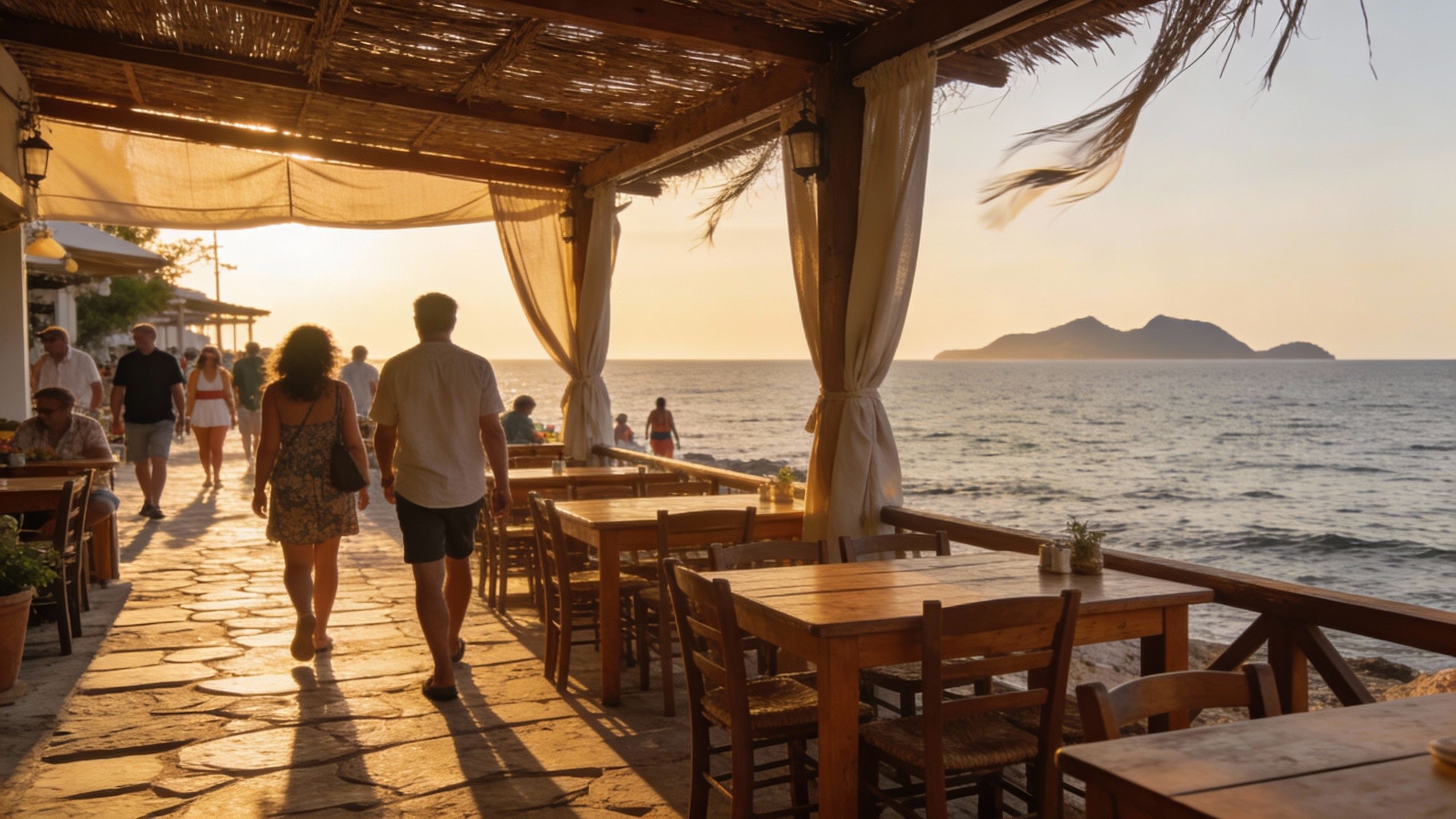
Imagine waking to the smell of fresh bread from a kafeneio on a narrow Athenian lane, then walking past neoclassical facades toward a seaside taverna at dusk. Greece arranges life around light and season: market mornings, slow lunches, and evenings that favour conversation. For many international buyers the island postcards tell half the story; the other half is about neighbourhood rhythms, local services and a market that has been changing faster than the guidebooks suggest. This piece pairs the sensual pleasures of Greek life with the practical markers a discerning buyer needs — neighbourhood character, seasonal realities and recent market shifts that quietly affect value.
Living the Greece Lifestyle
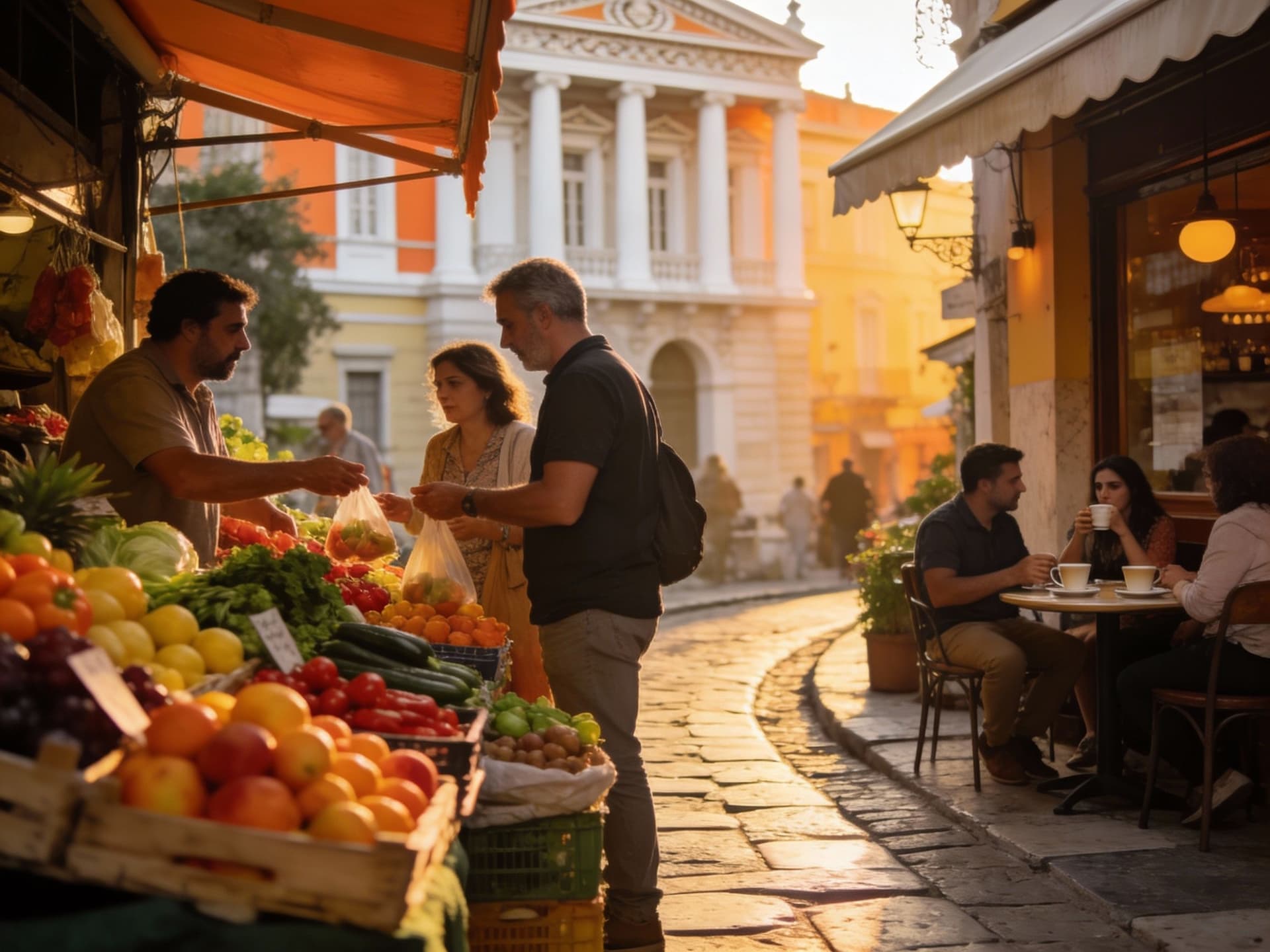
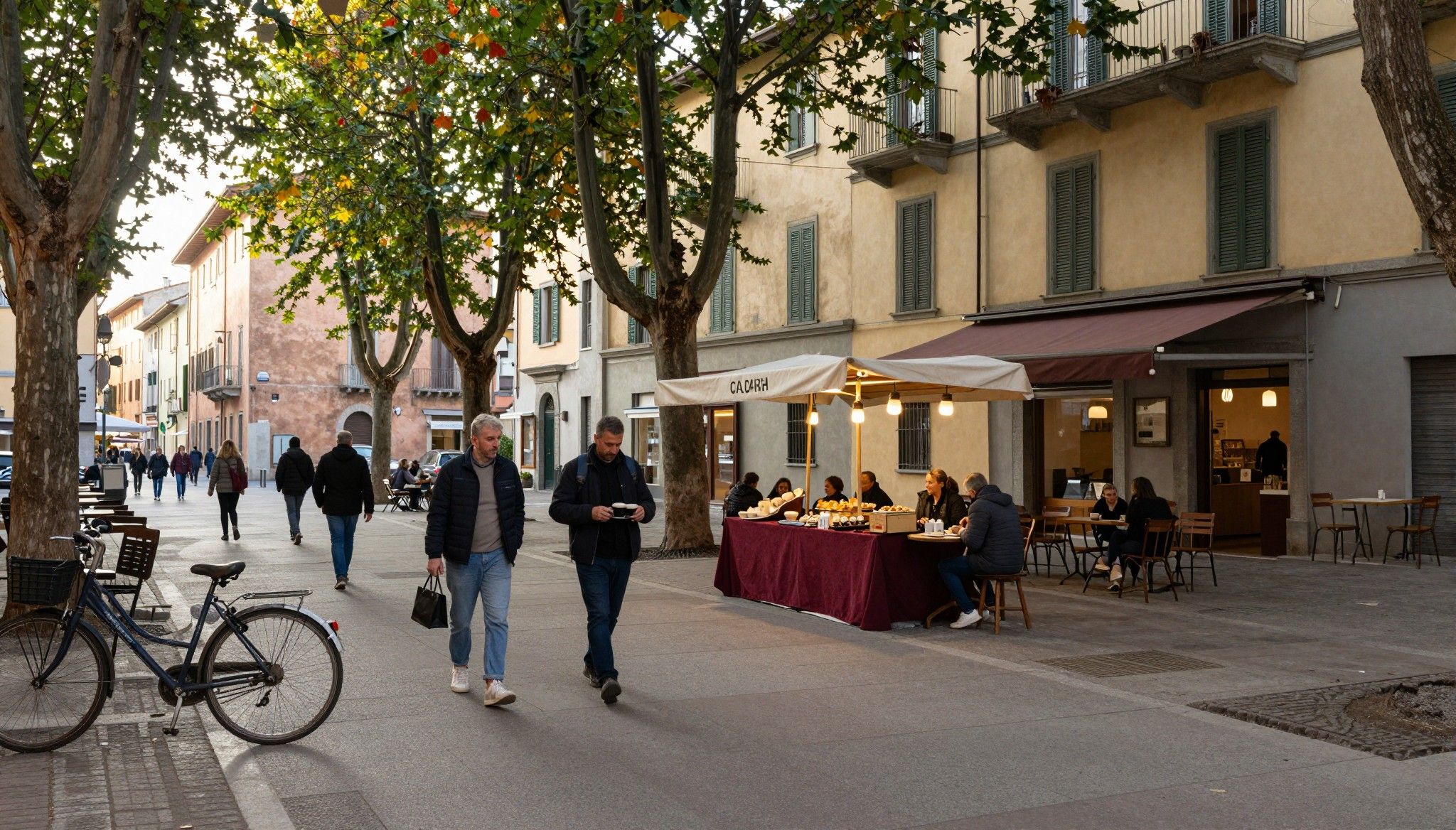
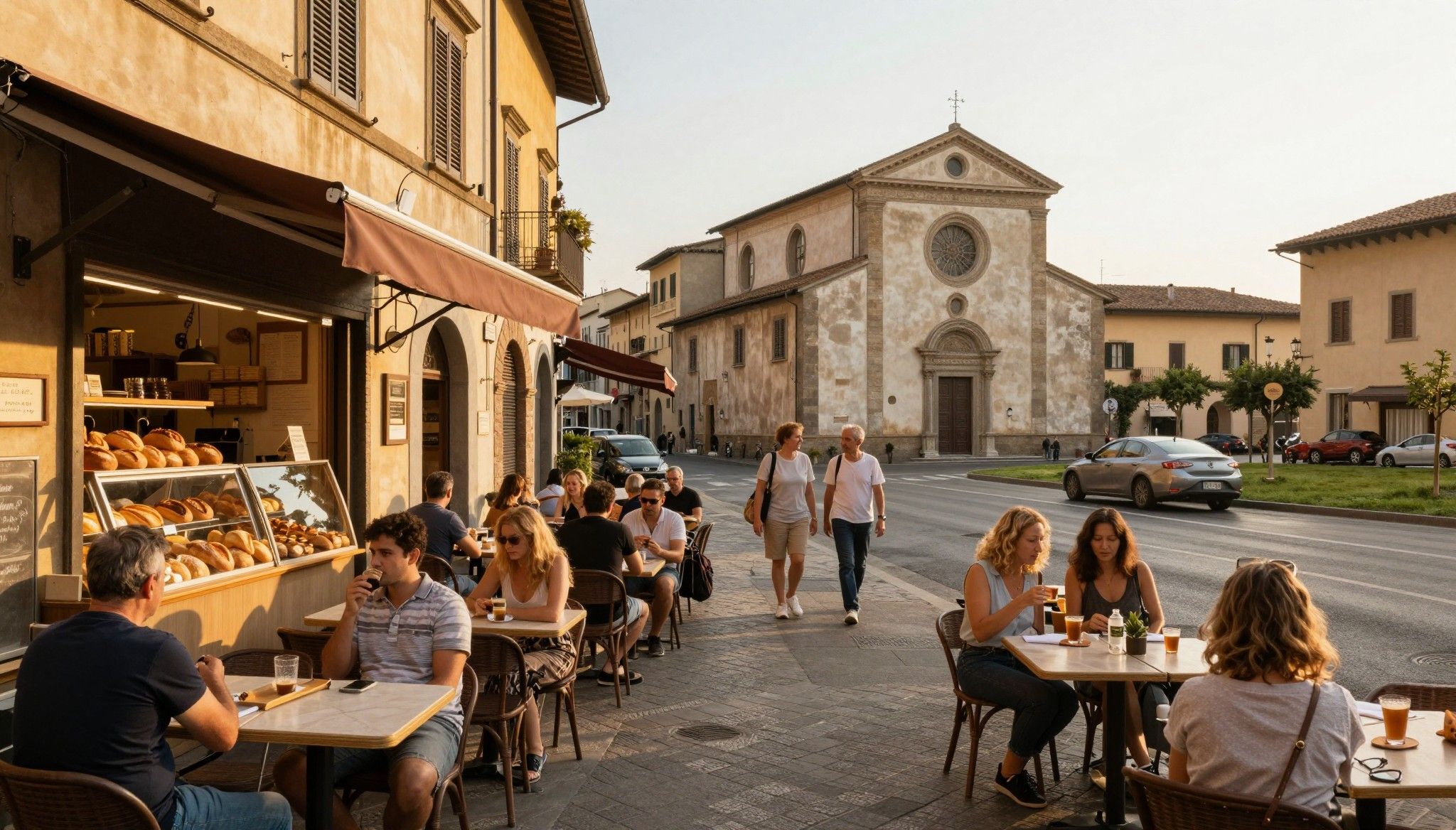
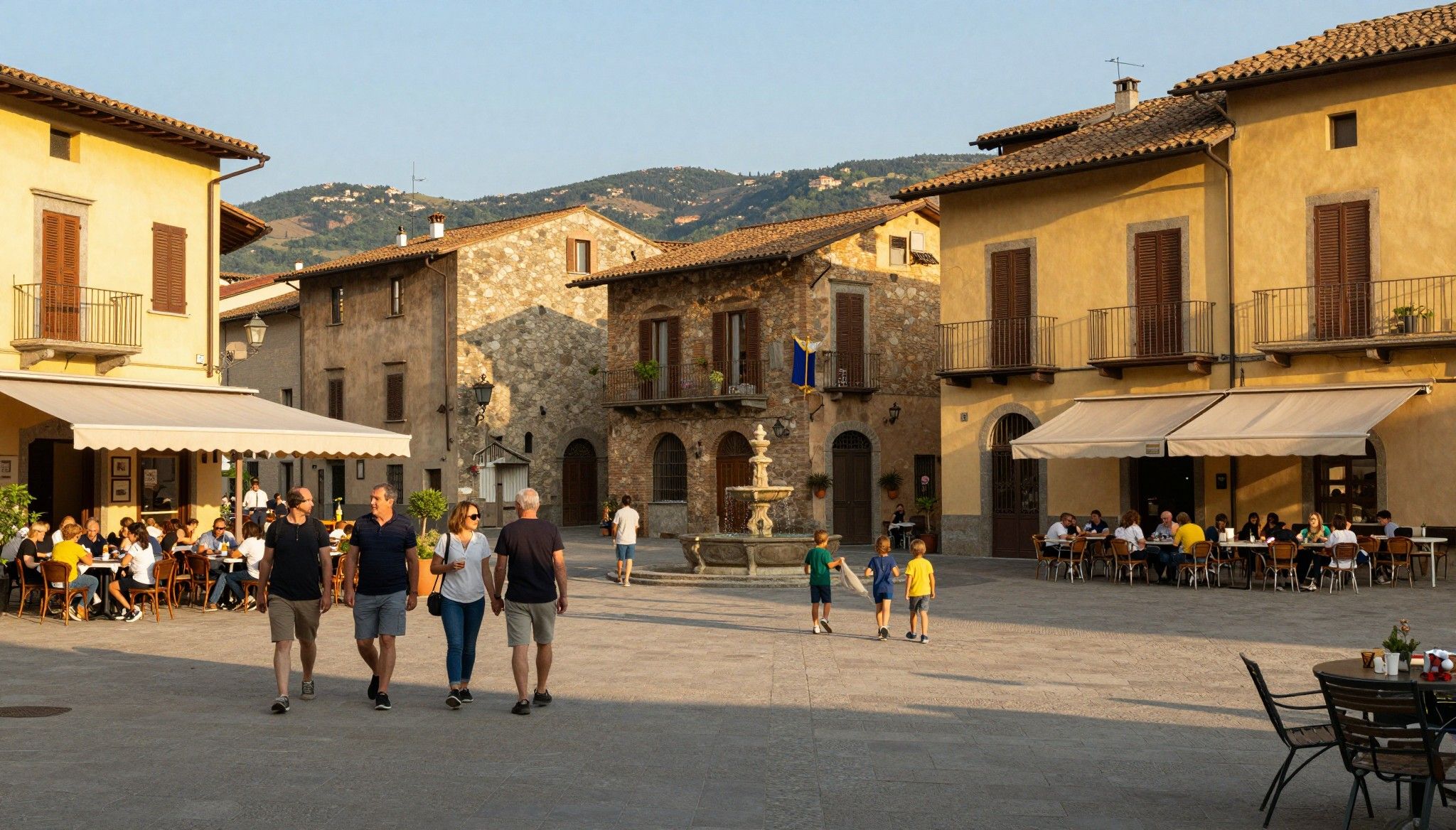
Life in Greece is shaped at street level: mornings at the Varvakios Market in Athens, afternoons on the pebble beaches of Glyfada or Vouliagmeni, and late nights in the lantern-lit alleys of Chania. Architectural variety is generous — from Syntagma’s Haussmannian-style blocks to the Cycladic whitewashed homes on Paros — and each offers a different cadence of daily life. Recent regional price guides and market snapshots show meaningful regional variance; understanding those distinctions is as important as knowing whether you prefer café culture or harbourfront tranquillity. Local services, seasonality and the social fabric determine how a property will feel year-round.
Athens: City of Layers — Kolonaki to Koukaki
Athens contains a surprising number of small worlds. Kolonaki is restrained, with art galleries and private clubs tucked between elegant townhouses; Koukaki offers a quieter, lived-in dignity where an afternoon espresso is likely to lead to a conversation about theatre or architecture. Plaka and Anafiotika carry tourist footfall but also remarkable restoration opportunities in sympathetic buildings. The key to choosing a quarter is not only proximity to amenities but the conservation status of the building stock and local planning momentum, both of which influence long-term value and the feasibility of sensitive restoration.
Islands and Coast: Mykonos, Crete and the Lesser-Known
The Cyclades contain extremes: Mykonos and Santorini command headline prices and a particular seasonal life, while Naxos, Syros and Paros offer steadier, more authentic rhythms with lower price points and better year-round communities. Crete mixes agricultural hinterland and refined coastal towns — Chania’s Venetian harbour, for instance, supports a year-round life with cultural institutions and a measured tourist season. For buyers who prize provenance and community, lesser-known islands often deliver the balance of architectural character and quieter investment upside.
- Lifestyle highlights to seek in each area:
- Athens: morning market at Varvakios, late-afternoon promenade in Gazi, neighbourhood restorations in Koukaki
- Cyclades (Paros/Naxos): fishing harbours, family-run tavernas, and locally produced cheeses and wines
- Crete: Venetian architecture in Chania, olive groves close to town, year-round cultural festivals
Making the Move: Practical Considerations
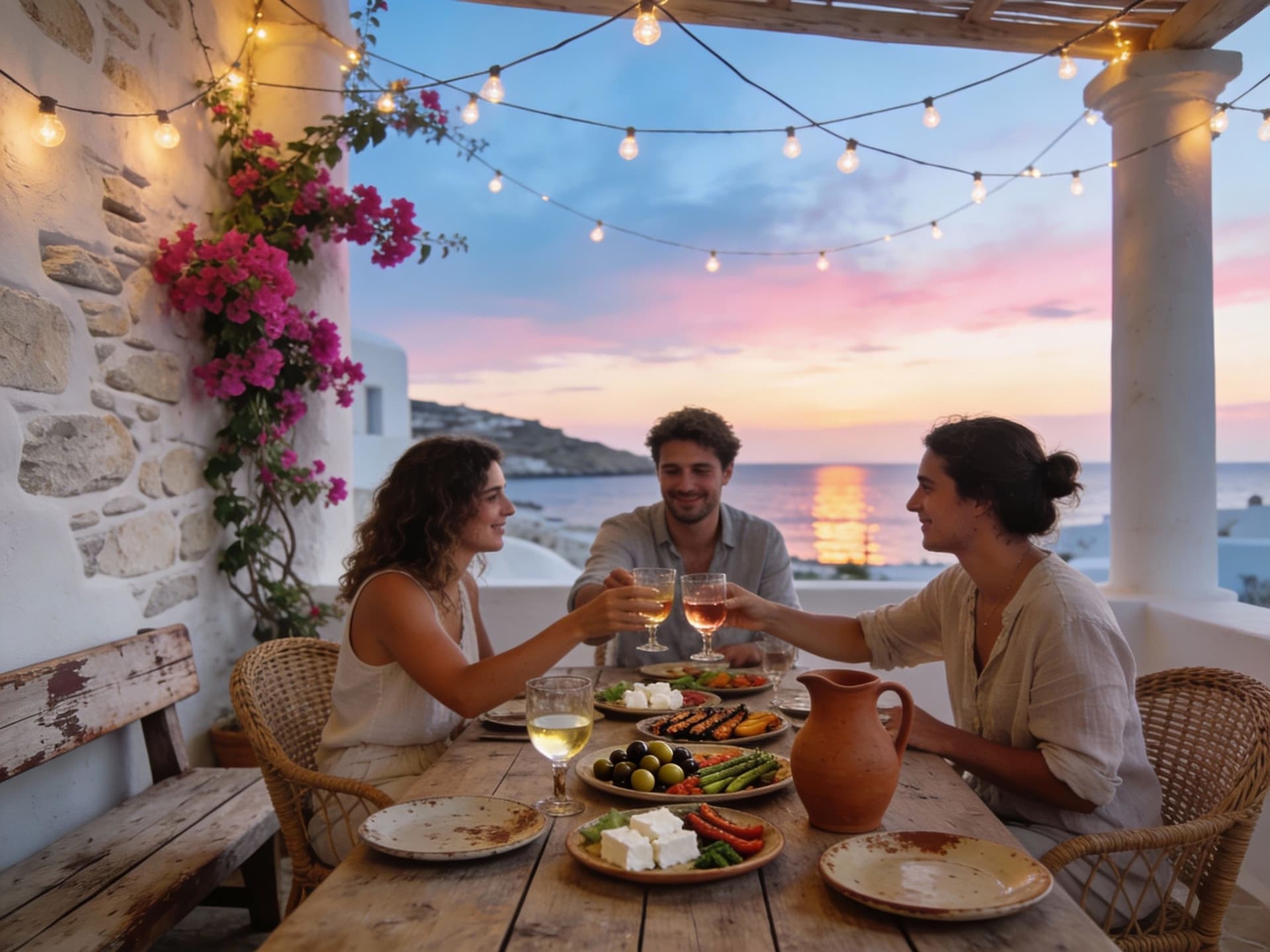
The romance of Greek life meets a changing regulatory and market landscape. Recent legal adjustments to residency-by-investment and a strong price recovery in 2023–24 mean buyers should pair lifestyle priorities with timely market knowledge. Work with advisors who can interpret the practical consequences of threshold changes, tax updates and regional planning — matters that will shape both purchase strategy and the future use of the property. The goal is to secure a residence that performs as well in practice as it does in imagination.
Property types and how they shape life
A restored neoclassical apartment in Plaka will offer proximity to culture and a compact, pedestrian life; a modern townhouse in Glyfada provides more outdoor living and privacy; a traditional stone farmhouse in Naxos delivers land, quiet and the possibility of agricultural use. Each typology carries different running costs, renovation needs and regulatory constraints — particularly where listed buildings and coastal setbacks are concerned. Consider how you want to live across seasons; terraces, insulation and water management matter as much as square metres.
Working with local experts who know the life
An agent who understands neighbourhood cadence — which bakeries draw locals, which streets empty in July, where a reliable ferryman docks — will save you months of searching. Look for firms that present provenance, recent restorations and service networks rather than glossy staging alone. Local architects, an English-speaking notary, and a chartered surveyor familiar with Greek seismic and heritage requirements are essential collaborators for a purchase that endures. Their expertise bridges the experience you want with the obligations a property imposes.
- A practical, lifestyle-minded checklist when viewing properties:
- Inspect daylight and prevailing breezes (for natural cooling and year-round comfort).
- Ask about water rights, well maintenance and municipal water quality — crucial in many islands.
- Confirm conservation status and permitted alterations for listed or vernacular buildings.
Insider Knowledge: What Expats Wish They’d Known
Seasonality is not a novelty in Greece; it is a shaping force. Many buyers come for summer and expect the same pace in January; they are surprised when cafes close, ferries thin out and the island quiet returns. That quiet is the daily life many expatriates prize, but it also means checking winter connectivity, local healthcare access and whether services run year-round. Long-term residents speak of community rituals — patron saint fêtes, sabbaths of silence, market rhythms — that ultimately determine whether a place feels like home.
Cultural integration, language and social scene
Greek social life is generous but particular. Courtesy and slow conversation matter; learning a few phrases and attending local events opens doors. Expats who invest time in neighbourhood markets, municipal events and small associations find social life unfolds naturally. Practicalities such as joining the local clinic, registering at the municipality and using local craftsmen are often where friendships begin.
Longer-term living: stewardship and community change
Properties in Greece reward stewardship: careful restoration, attention to local materials and respect for scale tend to preserve value and community goodwill. Conversely, speculative conversions aimed solely at short-term rental can erode neighbourhood fabric and invite regulatory attention. For buyers intent on a life there, prioritise provenance and craftsmanship, plan for seasonal use, and consider how your ownership will affect the place you love.
Conclusion: Greece as a life, not a purchase. If you are drawn by sunlit courtyards, weekly markets and a pace that privileges meals and conversation, pair that desire with disciplined due diligence. Assemble a small team — an agent versed in neighbourhood life, a surveyor who reads stones, a notary who explains obligations — and visit across seasons before committing. When done with respect, buying in Greece can be both an aesthetic and financial stewardship, a property owned not just for return but to preserve a way of life.
Having moved from Stockholm to Marbella in 2018, I help Scandinavian buyers navigate Spanish property law, restoration quality, and value through authentic provenance.