When Greece’s Tax Calendar Favors House-Hunting
Seasonal rules, ENFIA and recent tourist levies mean timing and tax strategy materially shape the cost of buying in Greece; pair neighbourhood knowledge with fiscal planning.

Imagine the light at dawn along an Athenian neighbourhood — the pavement still warm from the previous day’s sun, a baker’s front window fogged with steam, and a neighbour setting out a tray of coffee. That light is the reason many of us first fall for Greece: unforced beauty, an urban rhythm that honours ritual, and islands that smell of thyme and salt. Yet beneath those sensory pleasures lies a calendar of tax rules, seasonal levies and practical windows that subtly change the cost and timing of a purchase. Knowing when and how those rules bite — or soften — will materially alter what you pay and how quickly you can settle into everyday life here.
Living the Greek life: neighbourhoods, markets and seasons

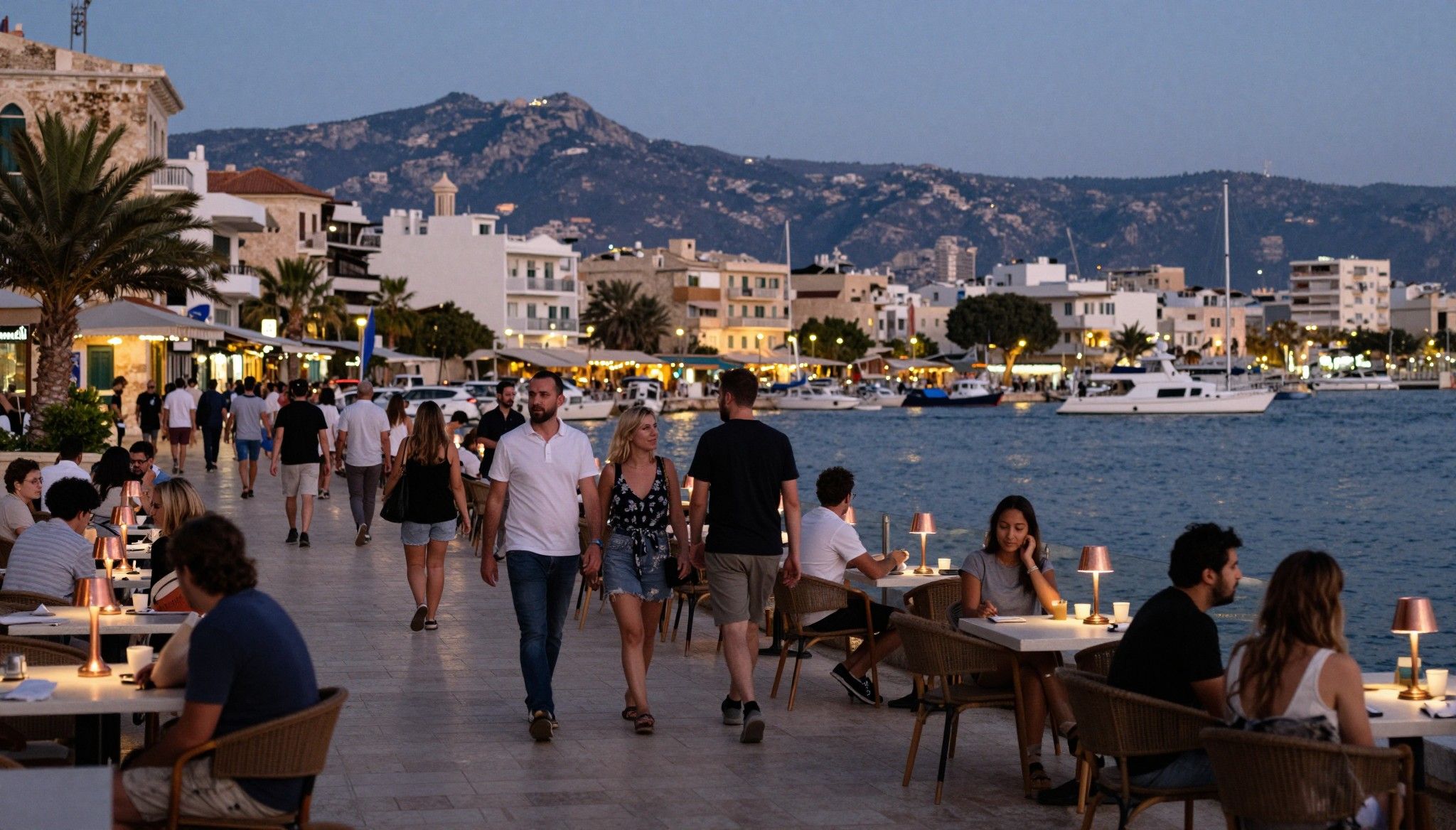
To live in Greece is to learn a new cadence. In Plaka you wake to cat calls and the slow sweep of tourists; in Kifisia the mornings are punctuated by artisanal bakeries and plane trees; on Mykonos or Serifos, the day is ordered around sea, taverna and siesta. Weekends are market days — in Varvakios in Athens you choose fish by texture rather than certification; on Crete farmers arrive with figs glazed in the late sun. Seasonal life matters: islands empty in October, trickling into a quieter winter that rewards those who appreciate clarity and space over spectacle.
Athenian corners and island rhythms
Athens is a study in contrasts. Walk from Exarchia’s bookshops to Kolonaki’s galleries in twenty minutes and you will see how micro-neighbourhoods define lifestyle. On the islands the choice is simpler but no less consequential: Santorini’s caldera views come with seasonal flux; Naxos offers a slower, agricultural rhythm and year-round community. Those choices matter because Greek tax rules often align with municipal seasons — short-term rental restrictions, tourist levies and municipal services shift with the calendar and affect yield, running costs and the lived experience.
Food, people and the small pleasures that shape decisions
Imagine buying a house on a laneway with a favoured kafeneio on the corner: the property’s attraction is as much about proximity to that everyday ritual as about square metres. Yet municipal policy — most recently restrictions on new short-term lets in central Athens districts — can change that calculus overnight. For lifestyle-minded buyers, the implication is practical: evaluate municipal plans and local ordinances alongside the street’s atmosphere. A quiet square with a morning market may yield a superior life and steadier long-term value than a headline-making sea view.
Making the move: practical tax windows and what they mean

The romance of a coastal terrace meets fiscal reality at the point of transfer, ownership and operation. Purchase price is only part of the equation: Greece levies transfer taxes (typically around 3%), annual property tax (ENFIA) and variable taxes on rental income. Recent measures have also introduced seasonal and sectoral adjustments — increases to tourist levies and temporary curbs on short-term lets — which will affect owners who plan to let their homes seasonally. It is essential to pair neighbourhood knowledge with tax timing: a purchase just before a newly announced municipal levy or a national reform can materially change effective cost.
Property types and the tax consequences for lifestyle
A restored neoclassical apartment in Plaka and a modern villa on Paros will draw different tax and operating profiles. Older, listed properties often require careful attention to restoration rules and municipal permits; they may benefit from preservation grants but also incur stricter controls. Newly built properties can offer VAT considerations and developer options if unsold inventory benefits from temporary VAT suspensions. For the buyer who intends to live full-time, ENFIA and local service costs dominate; for those who plan seasonal letting, tourism levies, registration rules and VAT choices become pivotal.
Steps to align lifestyle goals with tax realities
1. Clarify your use-case: full-time residence, long-let, or short-season lets. Different uses attract distinct tax rules and municipal attention. 2. Check transfer timing: transfer tax is fixed on the declared taxable value and typically applies at sale; small shifts in valuation methods around law changes can alter your immediate cash outlay. 3. Assess ENFIA exposure: total property portfolio value influences surcharges above certain thresholds. 4. Model rental yield with new tourist levies and potential short-term rental restrictions in mind. 5. Engage a local tax adviser early — their input will shape whether a property meets both your daily life and fiscal tolerance.
Insider knowledge: myths, non-dom advantages and seasonal timing
A common myth is that Greece is a one-size-fits-all tax environment for foreigners. In truth, there are targeted regimes — notably the non-domiciled (non-dom) flat tax for new residents — that can be highly favourable for high earners and investors who qualify. Equally, seasonal policy (tourist levies, short-term rental curbs) can be a decisive factor in whether an island villa yields expected income. Where many buyers err is treating headline purchase cost as final; a shadow of seasonal levies, ENFIA adjustments and registration rules often defines the property’s true annual carrying cost.
What expats often wish they'd known
Expats frequently tell a similar story: they fell in love with a street — the morning coffee, the neighbouring butcher, the light on the facade — and only later discovered that municipal planning or a new national levy hobbled their plans to rent or renovate. Others regret not timing purchase paperwork to precede legislative tweaks that raised transfer costs or changed VAT status on developer stock. The practical remedy is simple: treat tax and municipal research as part of your property viewings, not a post-offer chore.
Quick insider checklist before you sign
• Verify municipal rules on short-term rentals for the specific district and island. • Request recent ENFIA statements for the property and comparable homes. • Confirm whether the property’s sale is subject to transfer tax or VAT (new builds often differ). • Ask your notary for examples of recent declared taxable values to foresee transfer tax exposure. • If you plan to move residency, model non-dom eligibility early; the flat tax can alter long-term fiscal outcomes.
1. Book a viewing and meet a tax-savvy lawyer; 2. Obtain a pre-contract fiscal model; 3. Negotiate timing clauses tied to tax changes; 4. Lodge transfer within advised windows.
Pulling together love of place and fiscal prudence need not be a compromise. A considered purchase — one that aligns the rhythm of your days with municipal seasons, leverages targeted tax regimes where applicable and anticipates carrying costs — delivers both a life well lived and an estate of enduring value. When you walk from your front door to a favourite kafeneio and the barista nods by name, you will know the calculation worked. For next steps, ask an Athens-based tax adviser to prepare a short fiscal memo for any property under consideration and have your agent include timing clauses in the sale agreement that reflect impending legislative changes.
Conclusion: fall for the light, plan for the ledger. Greece rewards those who choose with patience and local counsel. Begin with neighbourhoods that speak to your daily life, then pair that choice with specialist tax advice and timing strategies that protect the lifestyle you seek.
Having moved from Stockholm to Marbella in 2018, I help Scandinavian buyers navigate Spanish property law, restoration quality, and value through authentic provenance.