When Croatia’s Property Tax Makes a Holiday Home a Liability
Croatia’s 2025 property tax reforms shift costs onto vacant and holiday homes—plan ownership use, municipal rates, and VAT vs transfer tax to protect lifestyle and returns.
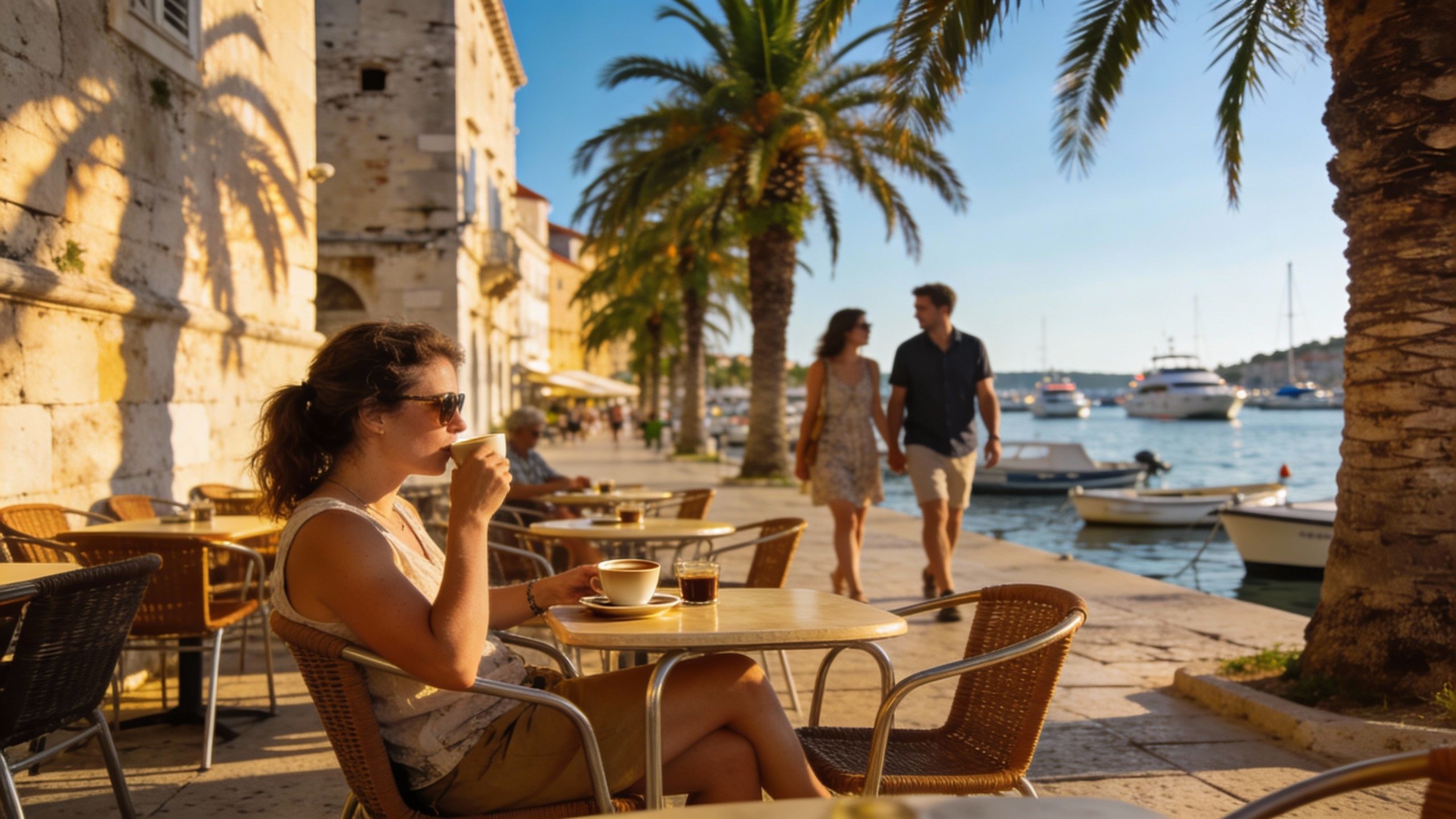
Imagine an autumn morning in Rovinj: espresso steaming at Caffe Bar Valdibora, fishermen sorting octopus on the quay, a neighbour watering succulents on a limestone balcony. This is the life Croatia sells—a pared-back Mediterranean rhythm where stone, sea and civility intersect. But recent fiscal changes mean that the dream and the ledger now meet in unexpected ways; the new property tax and evolving transfer rules reshuffle which addresses feel like sanctuary and which feel like expense.
Living the Croatia life: mornings, markets and micro‑neighbourhoods
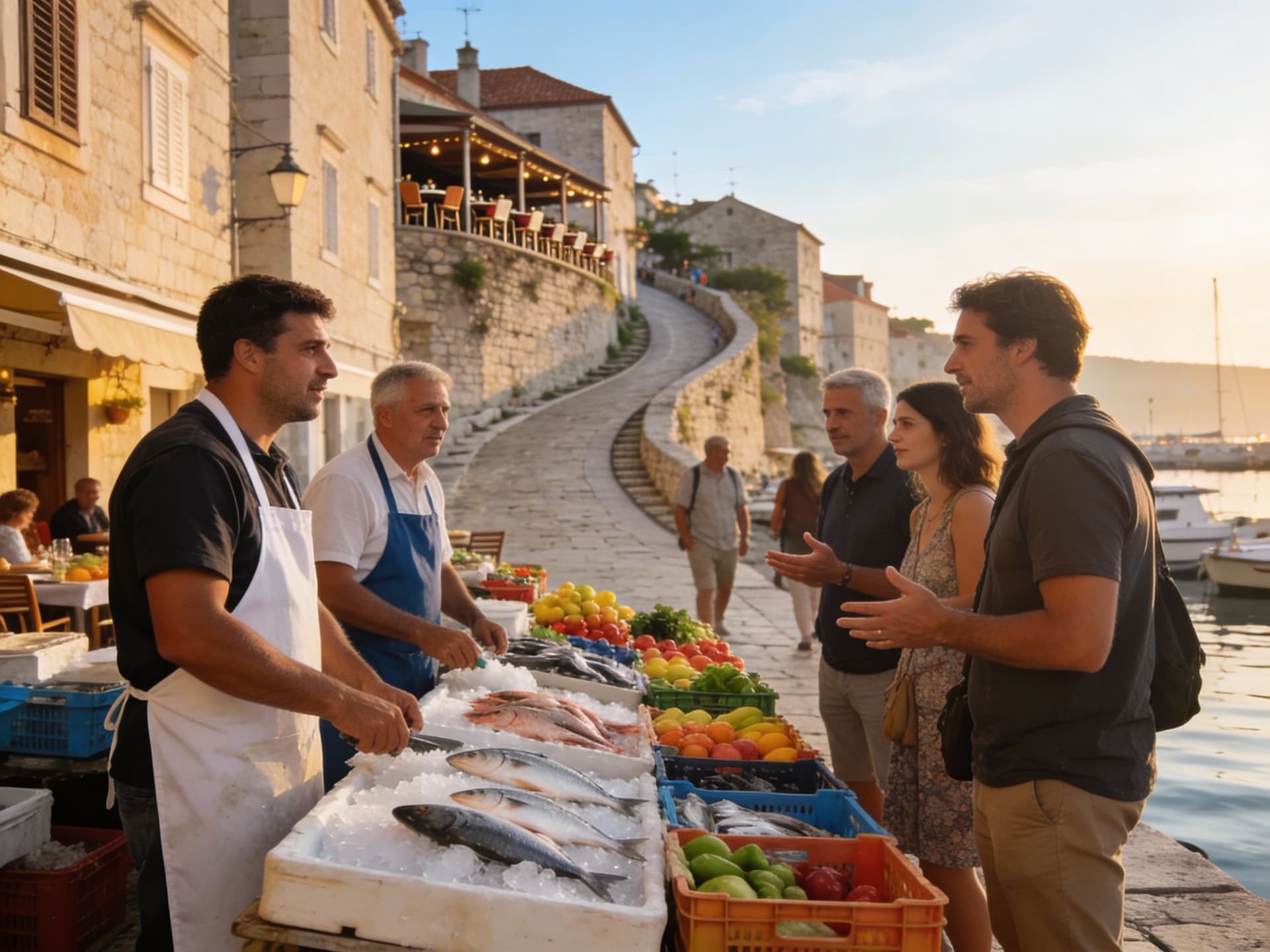
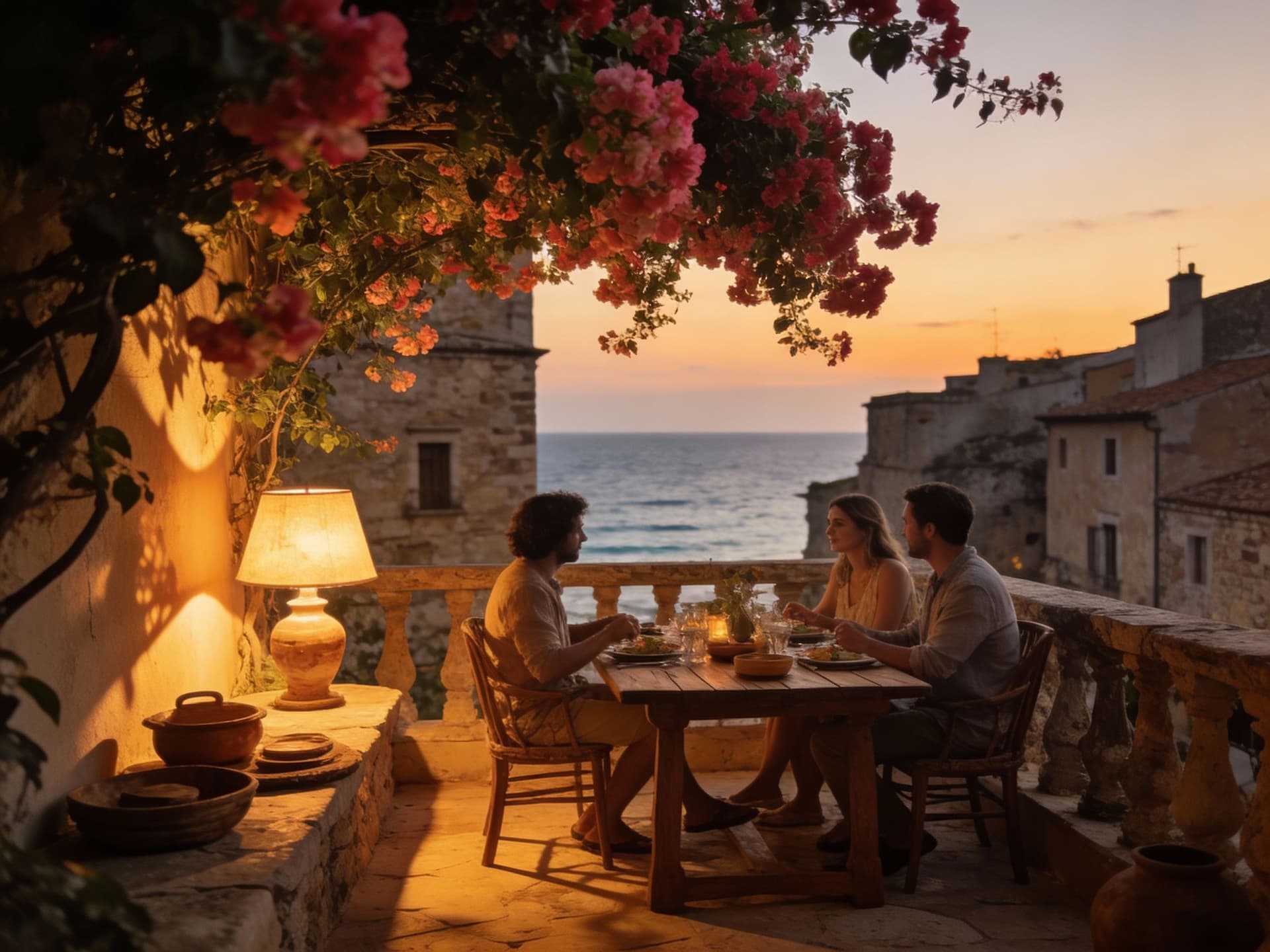
Daily life in Croatia arranges itself around tangible pleasures: early market runs for šparoge and soft cheeses, late-afternoon promenades along Riva in Split, slow dinners beneath bougainvillea in Hvar. Neighbourhood character matters here—old stone lanes hum differently to coastal promenades—so the street you buy on determines more than commute times; it shapes your social calendar, seasonal expenses and, increasingly, your tax exposure.
Dalmatian coast: sea, stairs and seasonal life (Split, Hvar, Zadar)
In Split’s Veli Varoš or Hvar’s Old Town, properties with narrow staircases and sea views invite social life on small terraces. They are wonderful lived-in homes but often empty most of the year. The new annual property tax regime penalises vacancy and short-term orientation; municipalities may set rates that make under‑used holiday homes materially more expensive to hold. That alters the calculus for buyers seeking a weekend retreat rather than a year-round residence.
Istria & Kvarner: villages, vineyards and craft restaurateurs (Rovinj, Motovun)
In Istria, life revolves around truffle season, trattorias and boutique olive oil producers. Properties in Motovun or central Rovinj often come with land or cellar spaces suitable for small-scale agriculture—assets treated differently under tax rules and frequently exempted from the new property tax if used for production. For buyers who want to farm a small vineyard or host long-term guests, these legal distinctions can convert a perceived tax burden into an operational advantage.
Making the move: how tax changes shape where and how you buy
Policy shifts announced in 2024 and implemented in 2025 introduce an annual property tax (municipality-determined rates between about €0.60 and €8.00 per m²) intended to reduce vacancy and encourage long-term rentals, and they exist alongside the established 3% property transfer tax payable on resales. These two levies change ownership math: holding costs have become a decisive factor in price comparisons and lifestyle choices. Municipal exemptions for long-term rental or productive use matter for buyers with different intentions.
Property styles and the tax consequences
A stone townhouse in Dubrovnik’s Ploče has different fiscal and practical implications than a modern apartment in Zagreb or a rural farmhouse near Rovinj. Resale homes typically carry the 3% transfer tax, while new builds sold by VAT-registered developers incur 25% VAT instead—an important distinction when negotiating price and structuring payment. Annual tax exposure differs by how the property is classed (primary residence, long-term rental, holiday unit or productive land).
Working with local experts who understand both life and ledger
A local lawyer or agency does more than arrange viewings; they translate municipal tax practice into lifestyle options. Expect counsel on how to register use (long-term rental vs holiday), navigate reciprocity consents for non-EU buyers, obtain an OIB and use corporate structures where appropriate. Their work converts preferences—garden dinners, nightly markets, seasonally shuttered terraces—into tax-efficient ownership and compliant habitability.
Six practical steps that blend lifestyle and tax sense
Obtain an OIB early; it opens banking, contracts and tax registration, avoiding delays that can cost deposits and weeks of paperwork.
Confirm whether the seller is VAT-registered: if so, price usually includes 25% VAT and transfer tax is not due; if not, budget 3% transfer tax on the higher of purchase price or market value.
Decide how you will use the property—primary residence, long-term rental (≥10 months) or holiday letting—then ask the municipality for applicable annual tax rates and exemptions.
If you intend to leave the house vacant for months, quantify the annual tax exposure; a coastal apartment empty eight months a year can flip from affordable to a recurring expense that erodes returns.
For non-EU buyers, check Ministry of Justice reciprocity status early: some nationalities require consent that can take weeks or months; legal entities (d.o.o.) are an alternative route for restricted citizens.
Negotiate a contract clause assigning responsibility for tax recalculation or reassessment—especially in cases where market value might be used by the tax authority to compute transfer tax.
Insider knowledge: what expats wish they’d known about Croatia’s taxes
Expats often underestimate how municipal discretion changes outcomes. The same apartment in Trogir may attract low annual tax in one municipality and a higher rate in another, depending on local policy and how the property is classified. Likewise, reciprocity paperwork is not a mere formality for some nationalities; it shapes timelines and may require a local lawyer to shepherd consent through ministries.
Cultural and seasonal realities that affect tax strategy
The Adriatic’s seasonality is the property buyer’s constant: summer influxes boost short-term yields but also invite municipal scrutiny. Owning a coastal pied-à-terre used primarily in July and August will draw different tax and regulatory attention than a year-round urban flat. For owners who want both—weekends on the coast and steady rental income—structuring long-term rental periods of ten months or more can unlock exemptions and preserve the lifestyle you imagined.
Long-term stewardship: thinking like a custodian, not a speculator
When you view a Croatian property as inherited provenance—stonework, original joists, a family olive press—you begin to measure value beyond short-term yield. Tax rules increasingly reward use that sustains community life: productive land, long leases and primary residence status. That alignment of civic sustainability and fiscal advantage should guide buyers who prize generational value over rapid turnover.
Lifestyle-to-tax checklist: quick questions before you bid
Will this be empty for long stretches? If yes, ask the municipality for annual tax scenarios.
Is the seller VAT-registered (new build) or a private seller (resale)? That determines VAT vs transfer tax liabilities.
Can the property be classed as productive land or used for long-term rental to access exemptions?
Conclusion: buy a life, not a tax problem
Croatia still rewards those who value craftsmanship, locality and continuity. The recent tax changes simply make the trade-offs explicit: choose where you will be present, how a house will be used, and structure ownership accordingly. Start conversations with a Croatian lawyer and a municipally-savvy agent, obtain the OIB, and map expected annual costs before you sign. Do this, and your Rovinj balcony or Split terrace remains a residence of quiet distinction rather than an avoidable recurring expense.
Former Copenhagen architect who relocated to Provence, offering relocation services, market analysis, and a curator’s eye for authentic regional design.