IFI, Inheritance & Rental Tax Truths in France
Practical, sensory guide to French property taxes: IFI thresholds, rental regimes and succession law explained with neighbourhood examples and actionable steps.
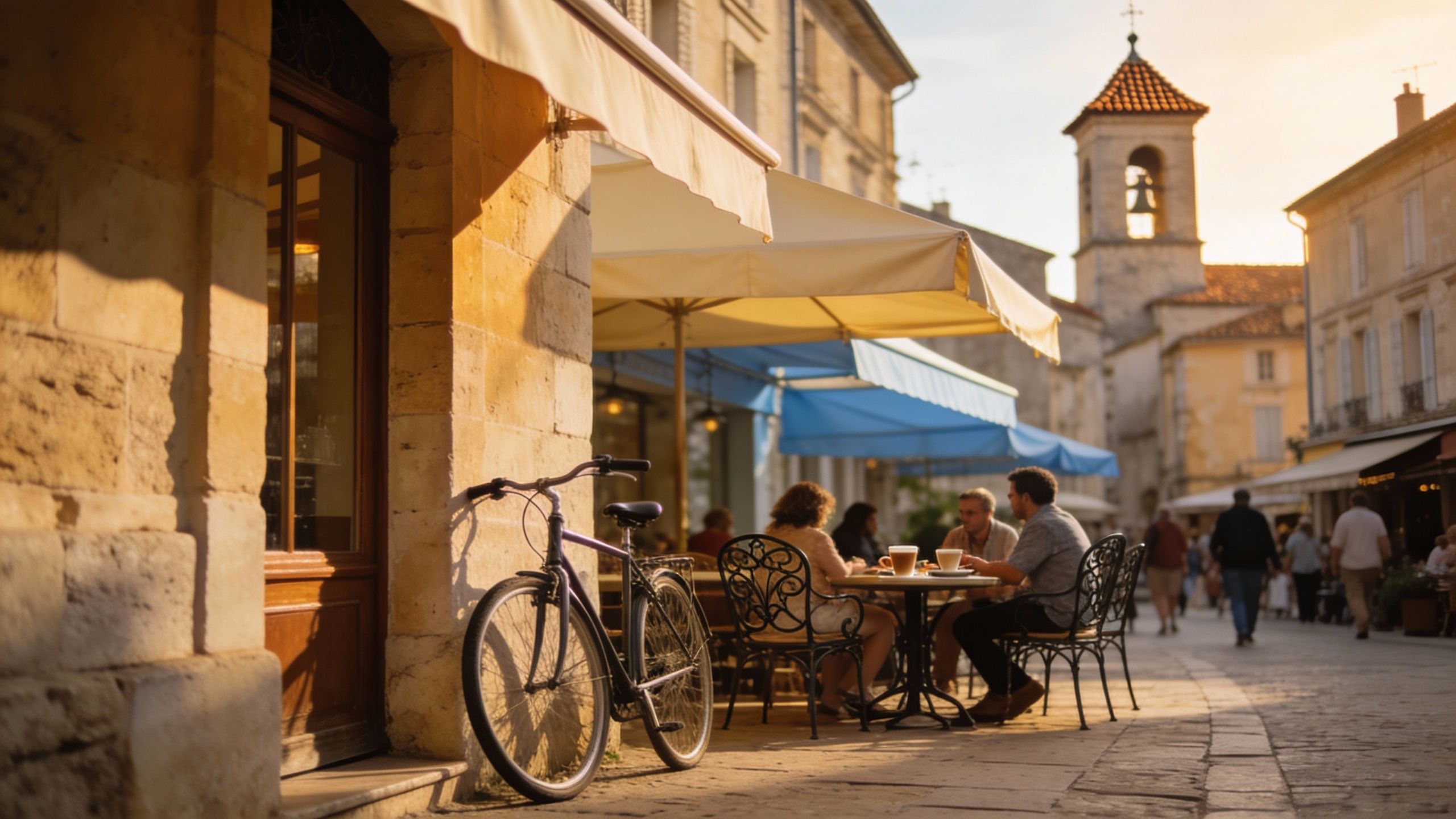
Imagine waking on a spring morning in Avignon, the scent of warm bread drifting from the marché on Rue Carnot, or an autumn light that makes the ochre façades of Aix‑en‑Provence seem newly lacquered. It is easy to fall for France in the small rituals — café terraces, farmers’ markets, weekly bookshops — and to let the dream of a home here outrun the practical questions that follow. This essay places that life first, then addresses the tax and legal contours that shape whether the dream remains a pleasure or becomes an administrative burden. Read on for the tax truths most often overlooked by buyers arriving from abroad, and the pragmatic steps that preserve both joy and capital.
Living the French Life: Streets, Seasons and Spatial Politics

France presents itself as a sequence of intimate neighbourhoods where daily life is local and finely tuned. In Paris the 6th arrondissement still favours lingering espresso and bookstalls; in Nice the Promenade des Anglais is choreography at sunset; in the Dordogne market towns such as Sarlat stage Saturday mornings with truffle sellers and pâtés. These rhythms matter because they determine practical choices: proximity to markets and schools, parking and storage needs, and — crucially for taxes — whether a property is treated as a main residence, second home or rental asset.
Neighbourhood spotlight: Aix‑en‑Provence and the cours Mirabeau life
Picture a late afternoon at Cours Mirabeau: plane trees shed a quiet litter of light while families and retirees choose olives and chèvre at the market stalls. In practical terms, properties here are typically townhouses or 18th‑century apartments with solid copropriété governance and visible syndic accounts. For a buyer, that means asking different questions at viewing — how well the syndic maintains records, whether historic façades have recent permissions — because those governance details influence reserve funds, tax deductions and the likelihood of special assessments.
Food, festivals and the seasonal tempo
Seasonality defines how properties are used and taxed. A summer holiday cottage on Île de Ré will feel vibrant in July and empty in November; this pattern affects income potential if you rent, the classification for local taxes, and even insurance costs. Before bidding, speak with a local agent about annual occupancy patterns and ask for recent rental yields by month; seasonal realities change the arithmetic far more than headline price per square metre.
Lifestyle highlights to test during a visit
Spend a morning at a municipal market (Paris: Marché d’Aligre; Bordeaux: Marché des Capucins) and note footfall — an indicator of rental demand and local services that affect property value.
Making the Move: Practical Fiscal Realities That Shape the Dream

The difference between conjuring a Provençal life and living within it is mostly procedural: declarations, thresholds and the fine print of French fiscal law. For non‑residents, tax exposure is concentrated on French‑source income and property holdings; capital gains on sales and the real‑estate wealth tax (IFI) are two obligations that quickly reshape the net cost of ownership. It is not a matter of intimidation, but of planning: correct classification of occupancy, choice of rental regime, and advance valuation can materially reduce surprise.
How the IFI (real‑estate wealth tax) quietly enters the buyer’s picture
France’s IFI applies to net real estate holdings above the threshold and is declared alongside income tax. According to official guidance, non‑residents are liable only on their French real estate, while residents report global real estate assets. Practical consequence: a modestly prized villa on the Riviera can tip an individual into IFI territory; valuation method and deductible debts (notably mortgage debt linked to the real estate) materially alter the taxable base, so early valuation and loan structuring matter.
Rental income and the choice of tax regime
Income from letting unfurnished property is declared as property income and can fall under the micro‑foncier allowance or the réel regime, each with different deductions and reporting. For modest gross rents the micro‑foncier regime offers a 30% standard deduction, while the réel regime allows actual costs — repairs, syndic fees, mortgage interest — to be offset. Choosing the wrong regime after the first year can mean foregoing available deductions; a local accountant will model both to show which is preferable given your occupancy plan.
Steps to reduce taxable exposure without endangering lifestyle
Obtain an independent property valuation before signing; mortgage debt connected to the property is deductible from the IFI base in many cases.
Select the rental tax regime (micro‑foncier vs réel) after modelling two‑year cash flows and probable occupancy patterns to capture the most favourable deductions.
Consider holding structures cautiously; French notaires and accountants can explain how SCI (Société civile immobilière) forms shift transmission and tax profiles but may complicate inheritance rules.
Insider Knowledge: What Experienced Expats Tell New Owners
One detail that surprises many arriving buyers is French succession law. Unlike jurisdictions that allow complete testamentary freedom, France preserves a reserved portion of the estate for close heirs — children in particular — which has consequences for estate planning and for how you structure ownership. Those who expect to leave a property to a non‑family beneficiary or wish to use certain gifting strategies need early advice from a French notaire, who can draft conventions and help mitigate unintended tax or legal friction.
Cultural integration that eases fiscal life
A practiced local agent will not only point to desirable streets — rue de l’Ancienne Comédie in Lyon, rue des Vieux Moulins in Nice — but will introduce you to the syndic, the mairie, and a recommended notaire and accountant. These introductions matter because French practice relies on trusted professional networks. When you arrive having already met the right notaire and fiscal adviser, paperwork moves with discretion and speed; without them, deadlines and declarations can become a source of stress.
How life changes after settling
Six months after purchase the dream becomes routine: neighbourhood markets, a regular boulanger, and a seasonal circle of friends. Practically, that routine will reveal whether you want to convert a secondary home into long‑let accommodation, seek a long‑term tenant, or keep the property as a private retreat. Each choice has tax consequences: occupancy classification affects local taxes, rental classification dictates allowable deductions, and eventual sale attracts capital gains rules that vary with length of ownership.
Red flags and questions to ask before you sign
Are communal (copropriété) accounts up to date and do reserve funds exist for major works? In older town centres this often drives special assessments.
Does the current use match the declared occupancy? Discrepancies can trigger retrospective taxes or fines.
Has the property been independently valued for IFI planning and is the debt allocation documented to optimise deductible amounts?
Conclusion: The life you buy in France is both immediate and cumulative. Begin with the sensory pleasures — a market square at dawn, a library with timeworn bindings, a terrace that receives the late light — and couple that appetite with deliberate fiscal planning. Meet a notaire and an accountant early, model IFI and rental regimes against realistic occupancy scenarios, and insist on clear documentation for debt and valuation. When these steps are taken, taxes cease to be a tax on pleasure and become a manageable part of a considered life in France.
Having moved from Stockholm to Marbella in 2018, I help Scandinavian buyers navigate Spanish property law, restoration quality, and value through authentic provenance.