How Cyprus’s VAT and Fees Quietly Shape Where You Buy
Cyprus’s VAT, transfer‑fee and capital‑gains rules materially change which properties deliver real lifestyle value — plan use, documents and timing to protect purchase value.

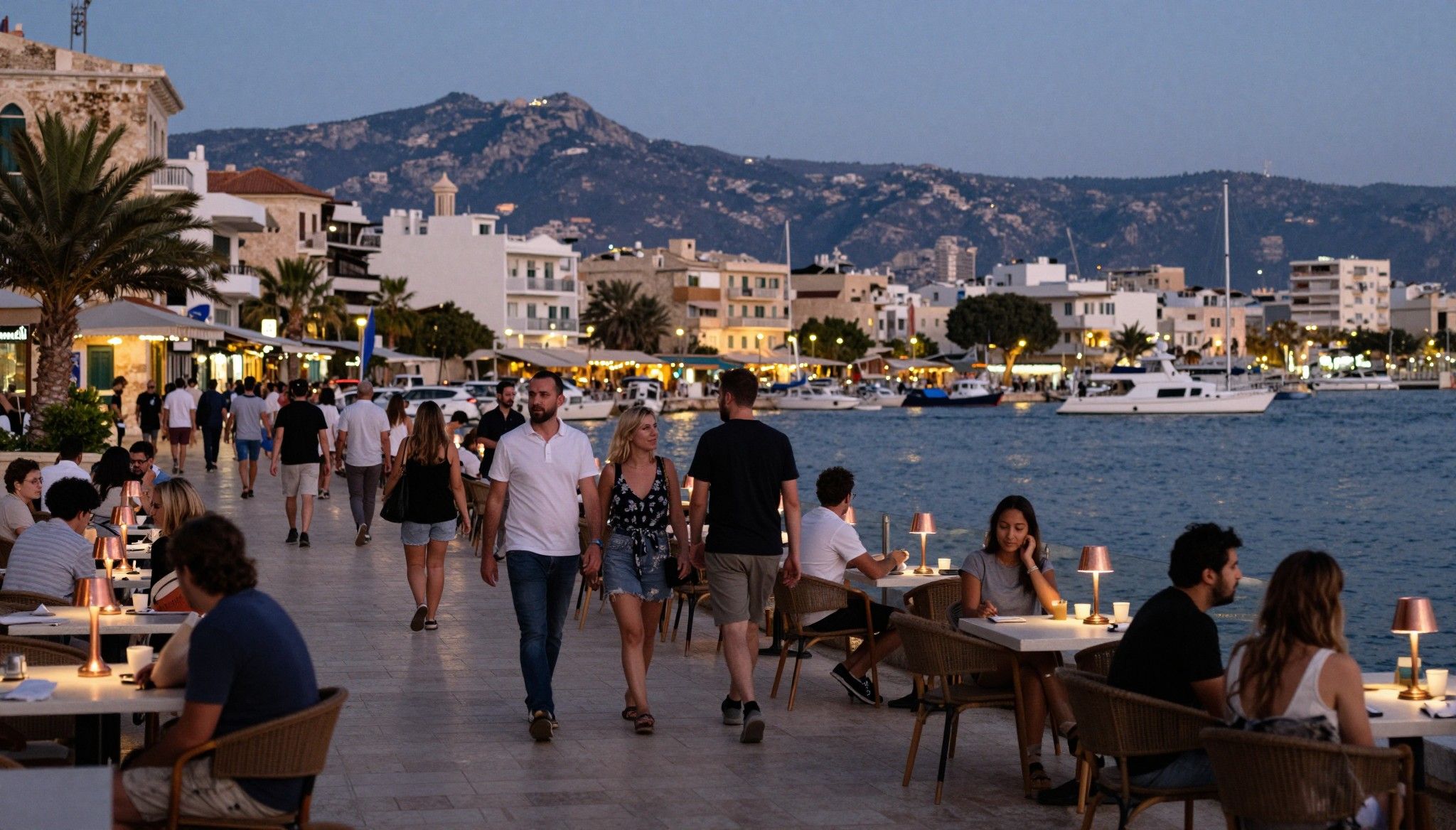
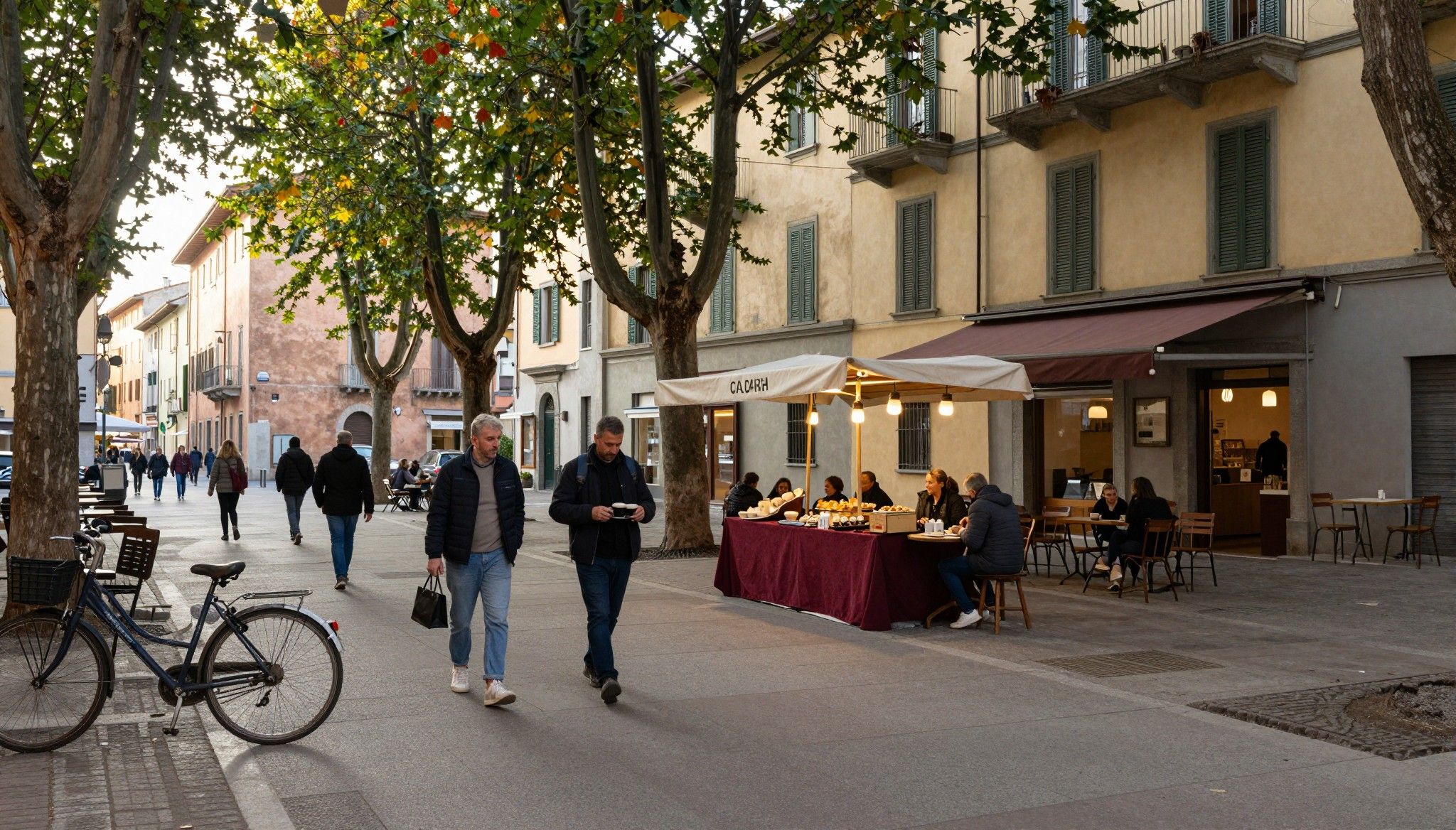
Imagine morning light on a stone‑paved square in Limassol; cafés fill with the quiet theatre of conversation, children chase pigeons near the marina and a baker slides warm koulouri from the oven. It is this lived, textured life — sunlit terraces in Paphos, mountain air in Troodos, the late‑afternoon rhythm of Larnaca’s Finikoudes — that shapes where we choose to buy in Cyprus. But beneath the romance are tax rules and small legal pivots that materially change which neighbourhoods reward stewardship and which carry surprise costs. Recent market analysis shows buyers who pair lifestyle clarity with tax strategy keep far more of what they pay in the long run.
Living the Cyprus life: neighbourhoods and daily rhythms
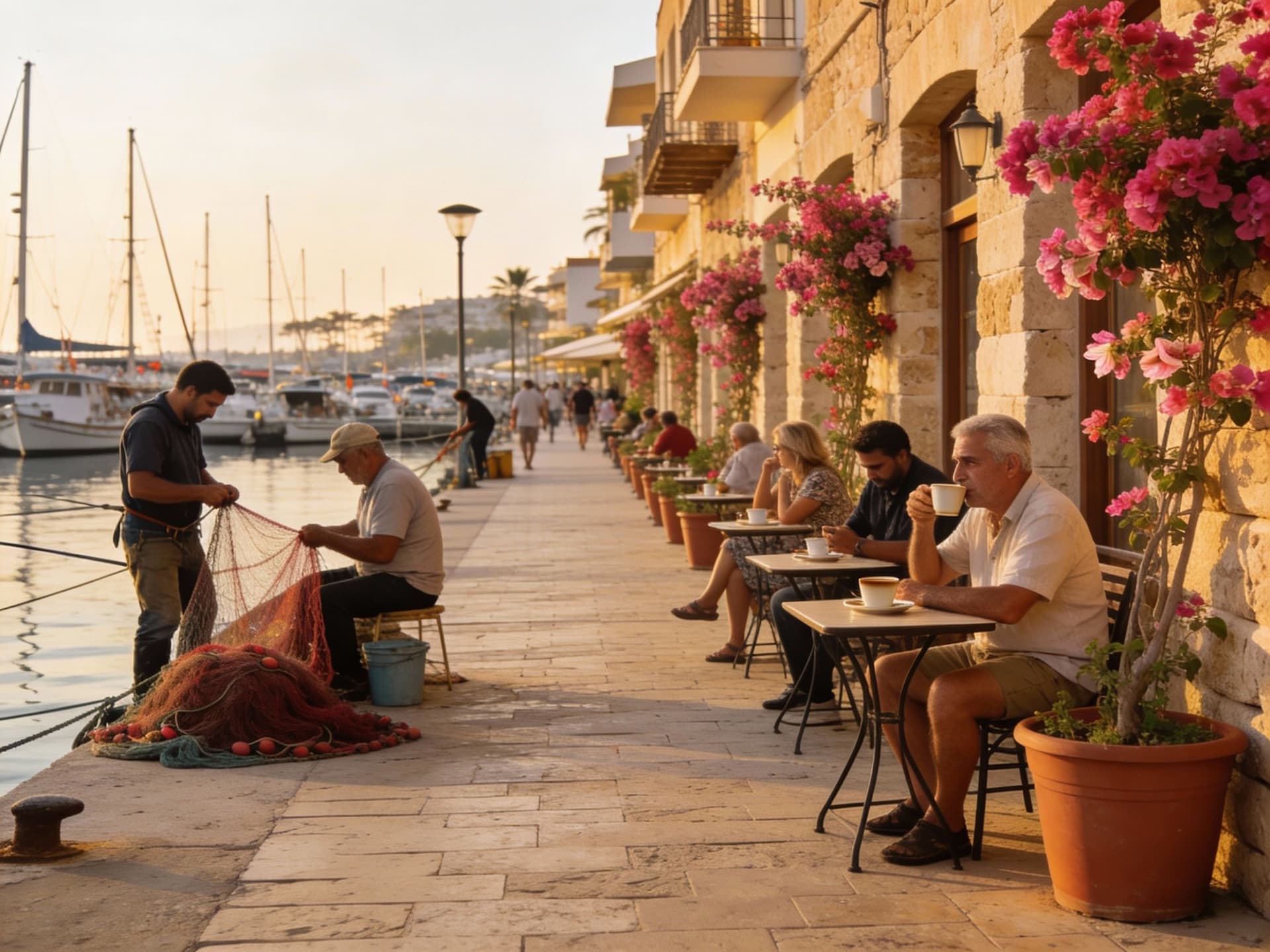
Cyprus is quietly plural. In Limassol, modernist seafront blocks sit beside restored colonial villas on Agiou Andreou; Nicosia’s old town keeps a late‑night rhythm of meze and conversation beneath Venetian walls; the Troodos villages trade polished stone porches for winter snows and summers of mountain air. Each area asks a different tax question — whether you plan to register the property as a primary residence, rent seasonally or hold as a long‑term investment affects VAT liability, transfer fees and annual reporting. The lifestyle you want is the first vector; tax treatment is the second. Align them and the choice becomes elegant rather than accidental.
Seaside refinement: Limassol and Paphos
Picture a Sunday morning espresso on Germasogeia’s promenade or a late‑summer swim at Paphos’ Coral Bay. Coastal properties often appear to promise effortless rental yields, but new builds may attract 19% VAT unless they meet narrow reduced‑rate criteria. That single percentage differential — and the square‑metre rules that accompany it — can change whether a seafront apartment is tax‑efficient as a primary home or costly to hold as a buy‑to‑let.
Mountain and village: Troodos, Omodos and the quieter life
A stone house in Omodos offers seasons and a sense of continuity — and different tax logic. Restorations and conversions frequently avoid VAT entirely (resales are generally outside the VAT net), but they bring other costs: planning approvals, certified surveys and sometimes complex title histories. For buyers enchanted by craft and provenance, a careful pre‑purchase tax review prevents a romance from becoming a budgetary burden.
How Cyprus tax rules quietly reshape the market

Recent legislative changes mean VAT on new residential property now depends on strict area and value thresholds. The reduced 5% rate commonly cited in brochures applies only to the first 130 sq m (with staged rules up to 190 sq m) and to properties beneath specified value caps. If a buyer assumes every new apartment qualifies for 5% VAT, they risk a 19% charge on the balance — a difference that reshapes where price advantage truly lies. Practical guides summarise the thresholds and the transitional deadlines that matter when contracts or planning permits pre‑date changes.
Why the square‑metre rule changes neighbourhood economics
Developers used to price larger apartments with a marketing 5% stamp; the current rules force a arithmetic realism. A 160 sq m apartment marketed at a modest per‑metre rate may carry 19% VAT on the excess above 130 sq m. This changes where developers choose to build and which units represent honest value for primary residents versus investors seeking yield. For the buyer who wants to live there, the 5% threshold can make a compact, well‑designed 120–130 sq m flat materially more attractive than a larger unit burdened by higher VAT on its marginal area.
Making the move: tax‑wise steps that preserve lifestyle value
You do not have to choose between a luminous life here and prudent tax planning. Start with precise questions: will the purchase be your primary residence; is the unit new or resale; are you likely to rent seasonally? Each answer steers VAT exposure, transfer fee treatment and stamp duty. The next steps are procedural but consequential: confirm VAT status in the sales contract, verify planning permit dates, and ask for the seller’s VAT certificate where relevant.
Property types and the tax behaviours they invite
New build apartments: watch VAT thresholds and the developer’s declarations. Resales: usually exempt from VAT but subject to progressive transfer fees, which can be halved for typical resale calculations. Country houses and restorations: these often fall outside VAT, yet title histories, planning constraints and renovation VAT reclaim possibilities call for specialist advice. Capital gains tax (20% on gains for Cyprus‑situated immovable property) and lifetime exemptions for primary residences are additional long‑term considerations for custodial buyers.
Practical purchase steps that blend life and tax
1. Decide primary use: register as primary residence to access reduced VAT where eligible and avoid certain landlord tax complexities. 2. Ask for developer documentation: request VAT certificates, planning permit dates and square‑metre calculations in writing. 3. Split ownership when sensible: joint purchasers often halve transfer fee brackets, materially lowering fees on modestly priced resales. 4. Reserve budget for contingency: legal fees (typically 1–2%), stamp duty and surveys add to the headline price; treat them as intrinsic to your purchase. 5. Plan the exit: capital gains exemptions and allowances differ by tenure and use — speak to a Cypriot tax adviser early if you expect to sell within a decade.
Insider knowledge: expat reflections and common red flags
Expat buyers often tell the same story: they fell in love with a terrace, signed a reservation, and only later discovered a VAT imbalance or a planning caveat that altered total cost. Practical vigilance trumps hopeful assumptions. Watch transitional deadlines — older planning permits may preserve favourable VAT treatment, but these windows close. Equally, beware a seller’s casual assurance that ‘‘this unit qualifies’’ without documentary proof; ask for the Department of VAT paperwork or an accountant’s note before committing.
Cultural context that matters at the notary’s table
Cypriot conveyancing is lawyer‑led rather than notary‑led; your lawyer becomes the steward of title checks, contract drafting and Land Registry liaison. This is practical: the local lawyer understands municipal levies, planning idiosyncrasies and the gentle social practices — such as how long vendors take to clear encumbrances — that shape timelines. Expect clear written instructions and keep timelines flexible; social cadence here is patient rather than hurried, but the paperwork is precise.
Red flags experienced buyers avoid
• Missing VAT paperwork from developer; never assume verbal assurances. • Planning permits older than advertised — make sure transitional VAT deadlines actually apply. • Unclear title histories on village homes; insist on a full title search and certified survey. • Under‑budgeting for transfer fees and legal costs; these are part of the price of good stewardship. • Relying on one advisor; cross‑check tax points with a Cypriot tax lawyer or accountant.
Conclusion: buy the life first, then the tax logic. Cyprus rewards those who pair a clear sense of daily life — where you will drink coffee, walk, and invite neighbours — with timely, document‑driven tax planning. A compact, well‑provenanced home in a neighbourhood you intend to inhabit often outperforms a larger, superficially cheaper unit once VAT, transfer fees and long‑term tax exposures are accounted for. Begin with a daytime visit to a street you love, then bring a lawyer and an accountant who read the rules closely. That small ritual — taste, then technicals — preserves both the romance and the real value of buying in Cyprus.
Norwegian with years in Florence guiding clients across borders. I bridge Oslo and Tuscany, focusing on legal navigation, cultural context, and enduring craftsmanship.