France: Tax‑Smart Moves to Keep the Lifestyle Intact
Fall in love with French life while planning tax-smart steps: residence rules, local taxes, capital‑gain traps and seasonal buying tactics for international buyers.
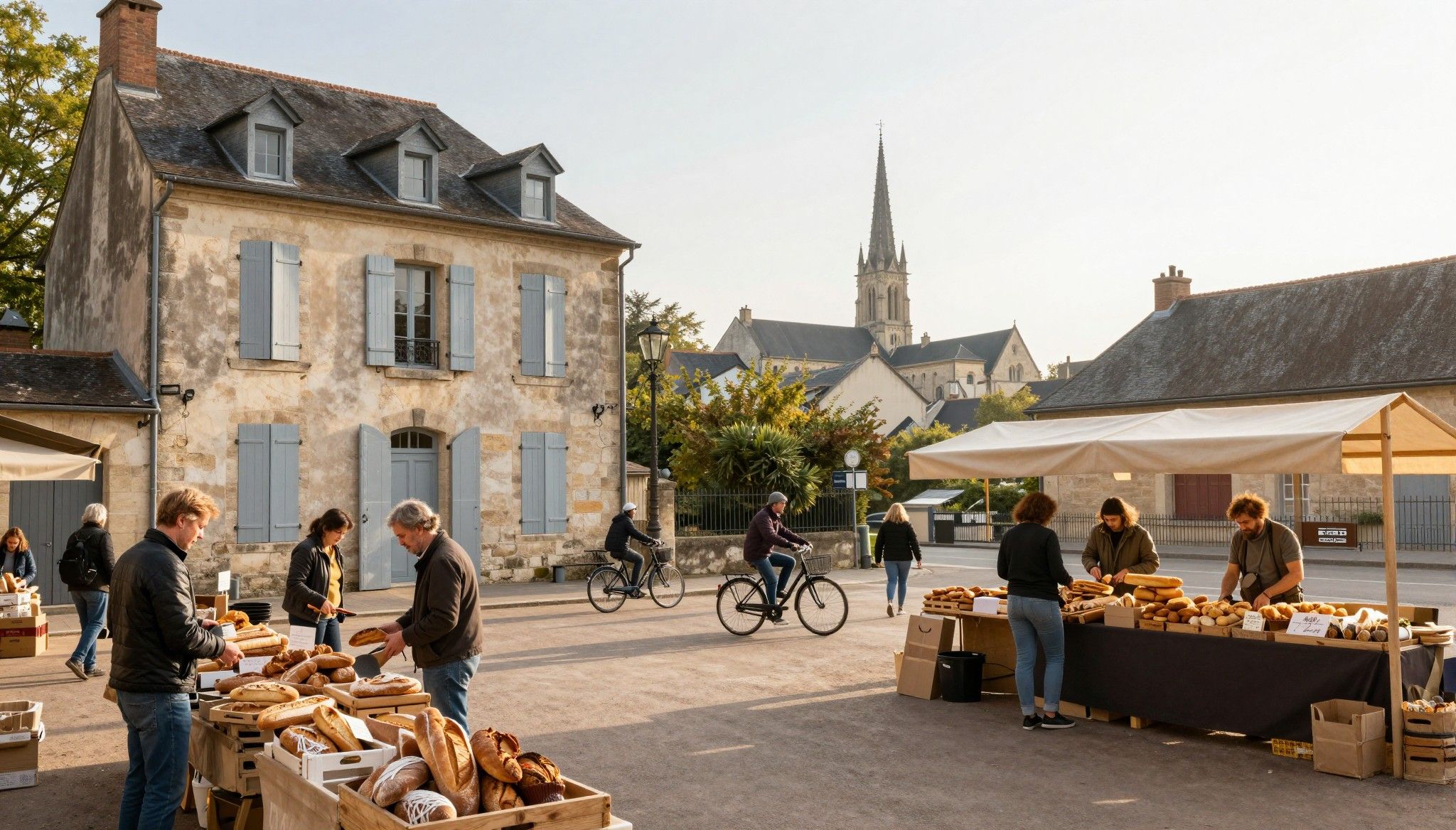
Imagine an autumn morning in Aix‑en‑Provence: a boulanger stalls fresh croissants outside rue Espariat, cicadas finally quiet, and light pools in the tiled courtyard of a 19th‑century hôtel particulier. This is the first impression France offers—an intimate choreography of markets, cafés, quiet squares and proven architectural detail. For international buyers the romance is immediate; the practical questions—tax exposure, residence rules, sale and inheritance implications—arrive soon after. This piece pairs the sensory pleasures of French life with the precise tax planning steps that make a move both delightful and defensible.
Living the French life: places that teach you how to live
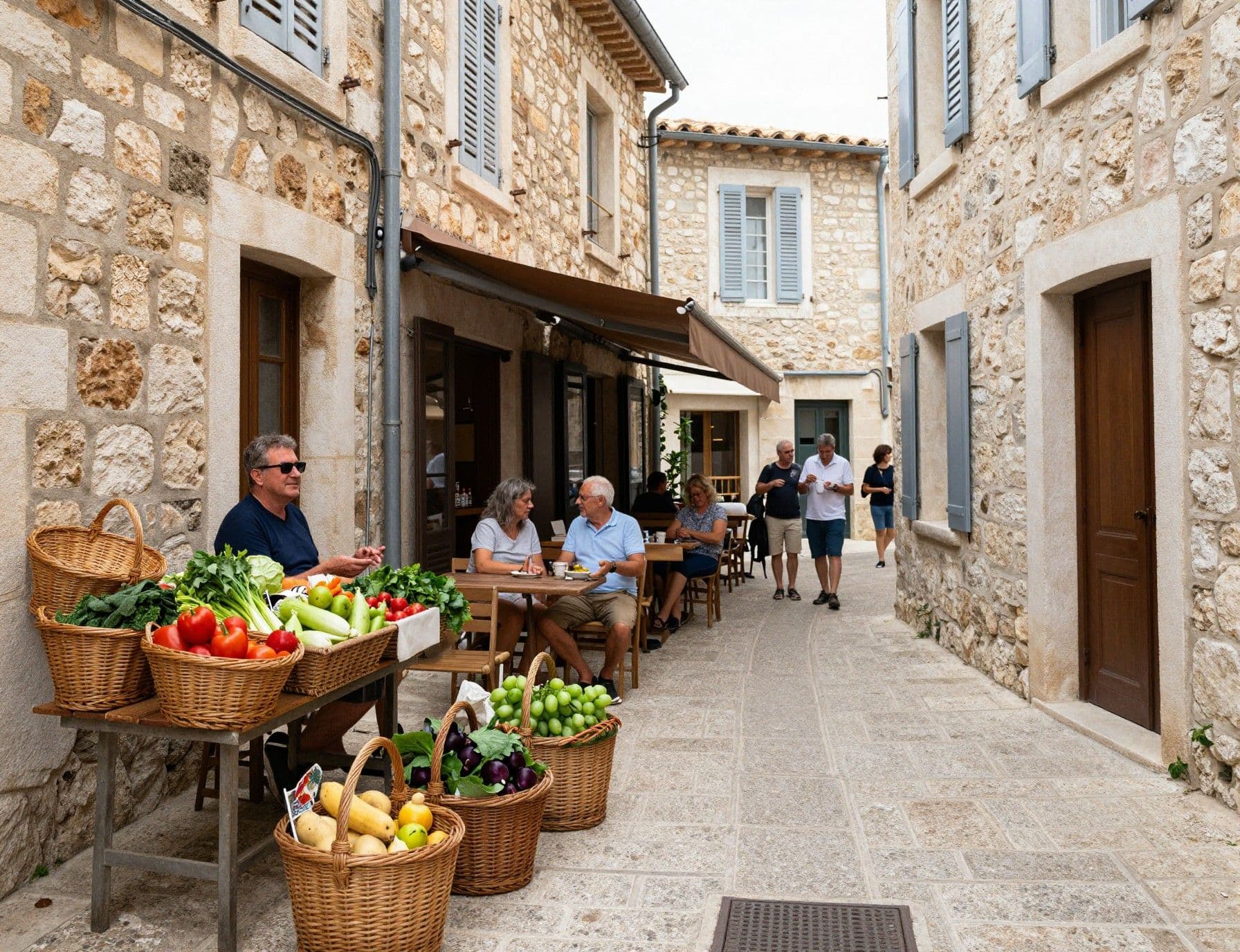
Living in France is measured in rituals: the early market run in Lyon’s Croix‑Rousse; the late‑afternoon promenade along Cannes’ Croisette; a weekly marché in Le Marais where cheese sellers know your name. Streets are layered with history—stone thresholds, carved lintels, patinated shutters—and daily life is organised around small pleasures that shape how you use a property. Homes are often compact in cities and expansive in the provinces; how you live—dinner on a narrow balcony or long lunches in a village square—should steer tax and ownership choices from the outset.
Neighbourhoods that teach you the local rhythm
Choose the 7th arrondissement in Paris for measured formality and proximity to embassies; Antibes’ Vieil Antibes for cobbled lanes and sea air; or the Ile de Ré for an island tempo that privileges bicycles and slow commerce. Each address invites different tax realities: an urban pied‑à‑terre will carry local taxes and potential rental rules; a renovated farmhouse in Dordogne will raise questions about agricultural commons, classification and VAT on restorations when contractors participate.
Food, markets and the property you choose
- Morning market routine: buy at Marché Forville (Cannes) or Marché d’Aligre (Paris), then return to a kitchen with scale and storage—practical because French purchases favor fresh, daily cooking and influence needed kitchen specification when valuing a home.
- Weekend ritual: a day‑trip to a vineyard in Provence or Bordeaux shapes decisions about storage (wine cellar) and tax planning around agricultural leases or vineyard purchases.
- Seasonal living: owning on the Côte d’Azur implicates tourist taxes and potential short‑let regimes; owning inland favours long‑term rental strategies.
Making the move: how taxes shape the life you want
The romantic purchase must coexist with precise fiscal planning. Non‑residents remain liable for local property taxes (taxe foncière, taxe d’habitation for second homes in specific cases) and, on sale, capital gains rules apply with their own allowances and exemptions. For major claims—whether your sale benefits from the principal‑residence exemption or whether a renovation qualifies for VAT relief—official guidance on impots.gouv.fr and service‑public.fr is the starting point for any trusted advisor.
Property types and fiscal character
A listed town house in Bordeaux will bring heritage restrictions, potential tax credits for approved conservation work and higher maintenance obligations. A new build in a peri‑urban zone may benefit from reduced VAT on qualifying renovation or construction work. Understand classification—monument historique, secteur sauvegardé, or energy‑performance band (DPE)—since these labels directly affect tax reliefs, insurance and resale pricing.
- Working with the right experts: a recommended sequence
- 1) Retain a French tax adviser to confirm residence rules and anticipated taxable base. 2) Ask a notaire for pre‑contractual due diligence on title, mortgages, servitudes and succession rules. 3) Commission a certified DPE (energy performance diagnostic) and survey to inform expected works and likely tax reliefs. 4) If renting, consult a local agency to understand short‑let regulations and tourist tax obligations.
Insider knowledge: myths, red flags and unexpectedly useful strategies
A few clarifications cut through repeated myths. First: non‑residents can and do borrow from French banks when documentation is strong and the project makes sense. Second: energy‑inefficient homes (DPE F or G) can sell at a discount and may require urgent works that affect tax calculations—recent analyses show a material price penalty for poor DPE ratings. Third: succession rules in France are compulsory in ways foreign buyers may not expect; tax optimisation requires early estate planning.
What expats wish they’d known
Many expats report surprise at local tax administration detail: declaring secondary residences, registering energy documents, and the need for a fiscal representative when certain taxes or sales occur. Language is a practical barrier but not an insurmountable one; a notaire and bilingual tax counsel will save months of misunderstanding and prevent costly missteps.
- Red flags to check before you sign
- Unresolved servitudes or undefined easements recorded in the cadastral plan; absence of a valid diagnostic (DPE, plomb, termites); unclear proof of works or undocumented renovations that could trigger VAT or post‑sale disputes.
- Properties in conservation areas where restoration requires architect approval and may disqualify standard contractor warranties.
- Ambiguous short‑let history: undeclared rentals may attract back taxes and fines, and tourist tax liabilities are retrospective in some municipalities.
A contrary but practical tip: buy outside the 'obvious' season
While summer viewings feel romantic, buying in autumn or winter reveals properties at rest: heating costs, damp in stone houses, and how a neighbourhood functions off‑season. From a tax perspective, purchasing when there is less tourist pressure often brings more realistic pricing and clearer rental prospects for long‑term lets.
A concise checklist for international buyers focused on tax planning
- 1) Confirm your tax residency under France’s conventions and how that toggles income/capital gains rules. 2) Register the property on impots.gouv.fr (Gérer mes biens immobiliers) to ensure local taxes are correctly assessed. 3) Obtain full diagnostics (DPE, plomb, termites, amiante) before offer. 4) Budget for taxe foncière and potential taxe d’habitation on second homes. 5) Discuss succession and forced‑heirship implications with a notaire; consider French wills for local assets. 6) If planning short lets, calculate tourist tax and declare properly to avoid retrospective penalties.
Where to look for authoritative answers
- Use these primary sources for up‑to‑date rules on capital gains, local taxes and declarations; they also guide administrative procedures such as appointing a fiscal representative or obtaining exemptions.
A home in France is an invitation to live within a tradition—one that rewards careful stewardship. A tasteful hôtel particulier, a sunlit Provençal mas, or a compact Parisian flat each asks different fiscal questions. Pair a clear lifestyle brief with early tax counsel, local notarial support and an agency that understands provenance and place. The result: a residence that feels inevitable and a purchase that withstands time.
Having moved from Stockholm to Marbella in 2018, I help Scandinavian buyers navigate Spanish property law, restoration quality, and value through authentic provenance.