The Title Deed Truth: Cyprus Buying Myths and Moves
Cyprus rewards buyers who pair sensory knowledge of place with disciplined legal stewardship — secure the title deed, confirm permissions for non‑EU buyers, and plan for seasonal life.
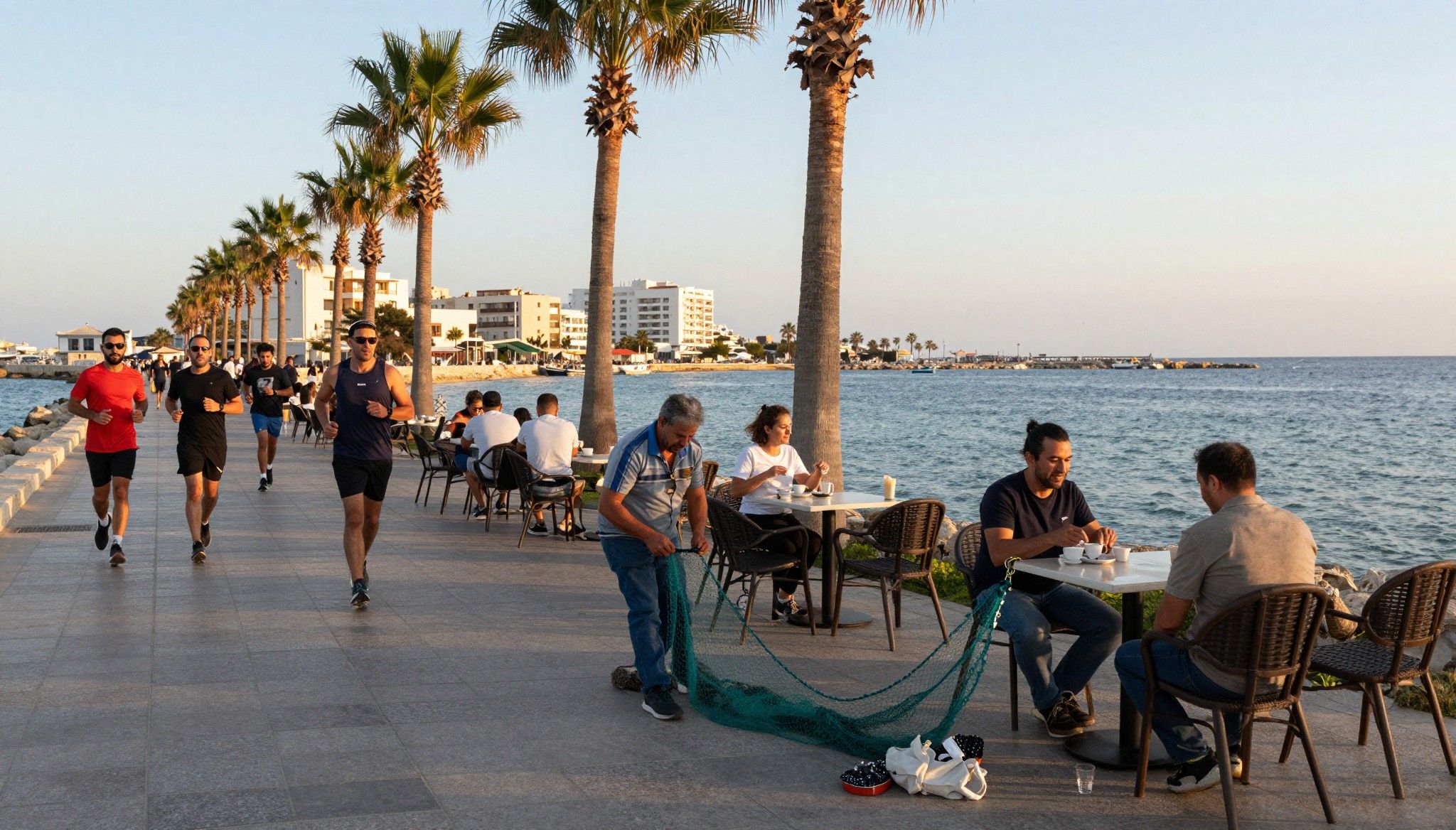
Imagine waking to the low clatter of a fisherman’s boat in Larnaca, or to jasmine on the breeze in Paralimni — the island’s light changes how you see stone and olive trees. Cyprus feels like a collection of small revelations: Venetian arches in old Nicosia, orderly cafes on Limassol’s seafront, taverna tables where neighbours still argue about the catch of the day. For the international buyer this romance collides with paperwork — but the practicalities are less forbidding than the myths suggest. With a clear eye for title deeds, residency rules and local counsel, the island becomes not an inscrutable market but a hospitable one.
Living the Cyprus life
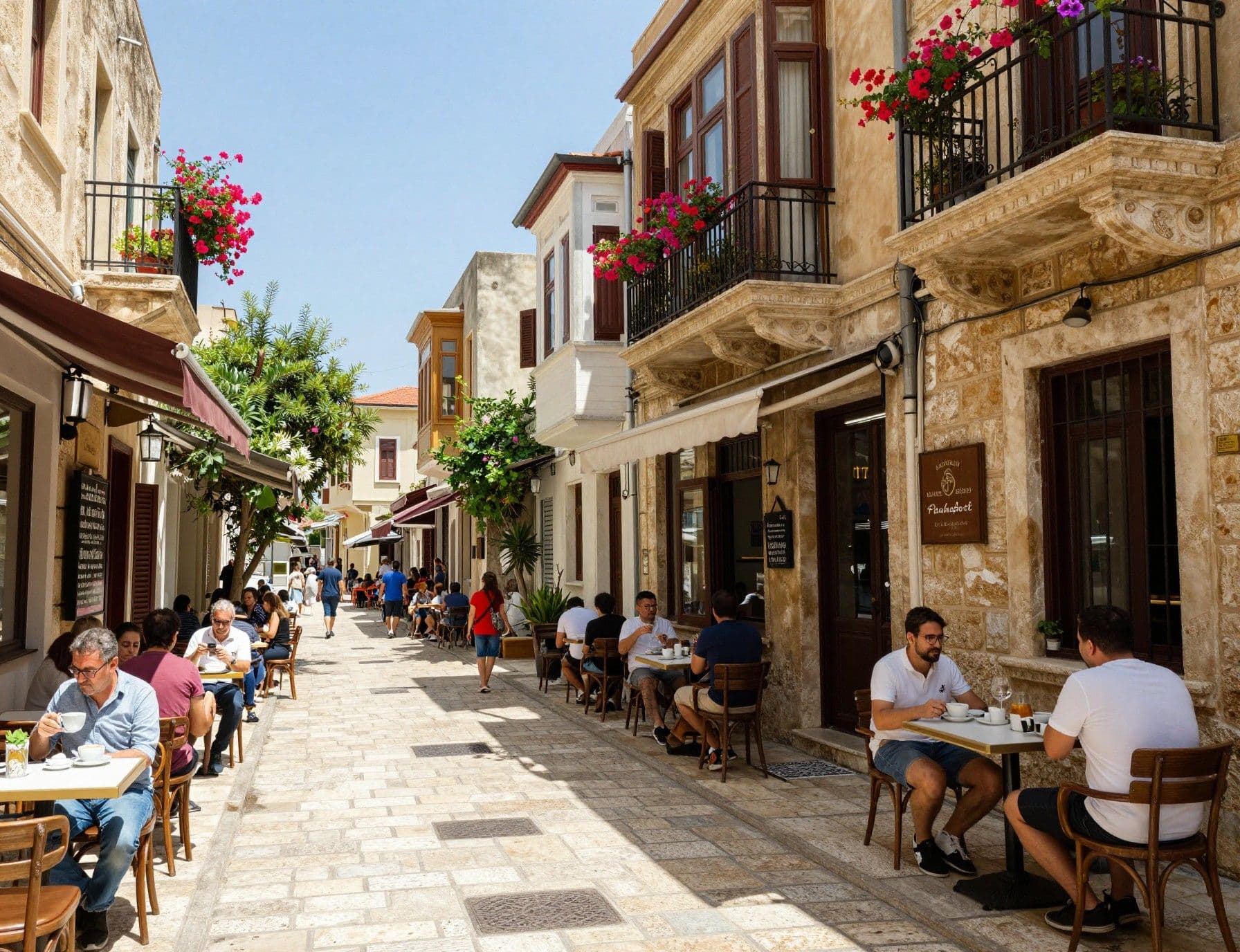
Mornings in Cyprus are a ritual: espresso at a marble-topped kafeneio, a quick stroll past neighbourhood bakeries, afternoons spent on a pebble bay or exploring a hillside village. The pace is measured; locals prize conviviality and provenance. English is widely spoken, especially in Limassol and Paphos, which means practical integration for many internationals is straightforward. Yet the character of the island is local-first: small courtyards, family-run delis, and an enduring attention to materiality — stone, timber, hand-glazed tiles — that shows in both vernacular houses and considered restorations.
Neighbourhoods that feel like home
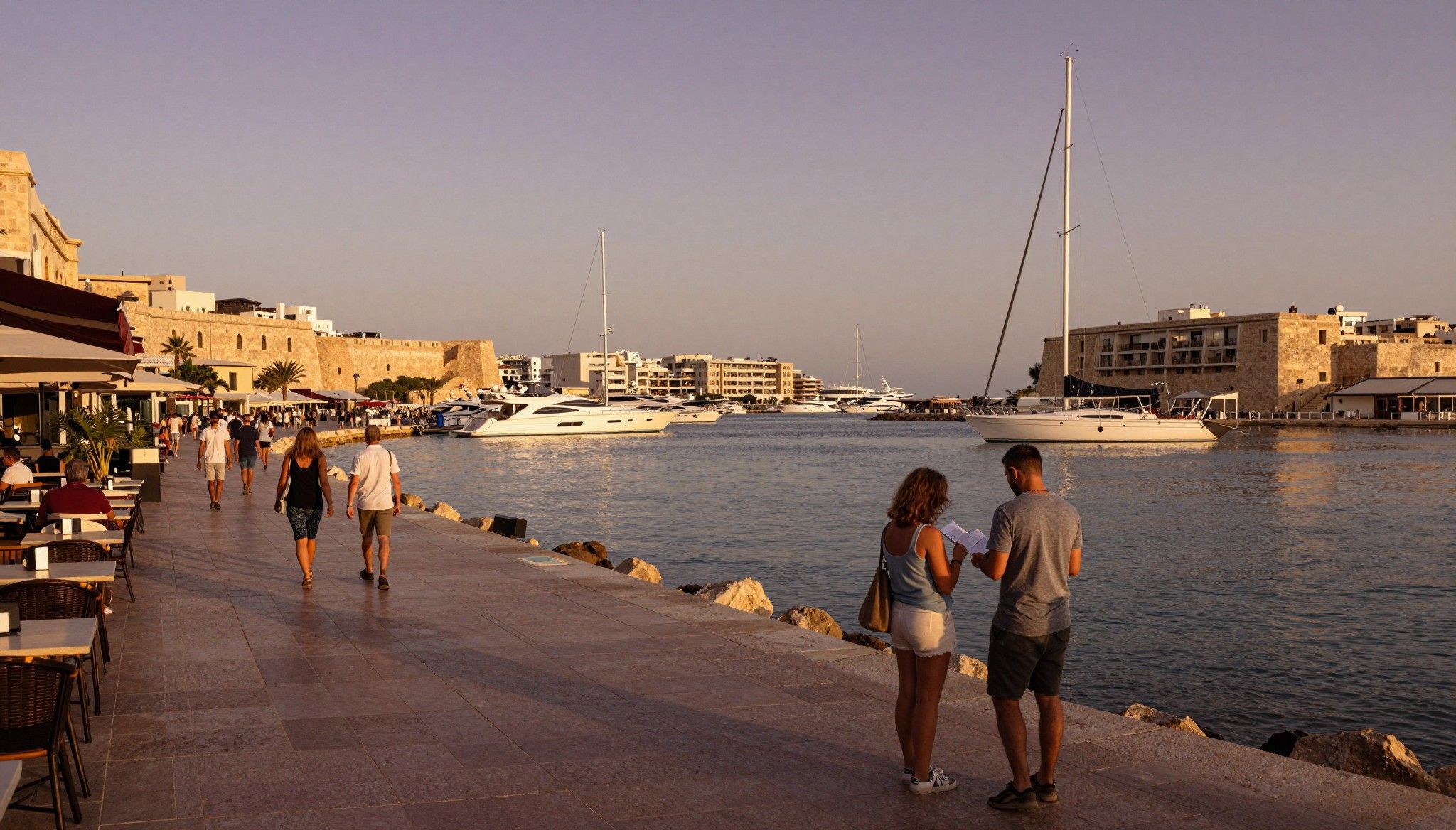
Limassol’s Molos and old port are convivial and cosmopolitan—suitable for families who value cafés, galleries and a regulated marina. Paphos’ Kato Paphos offers seaside living with archaeological layers in the background, favouring calmer rhythms. For mountain solitude, consider Platres and the Troodos foothills — cool summers, stone houses with shuttered windows and neighbourhood bakeries that close only after the bread is sold. Each area changes the daily script; choose where you want your mornings, markets and neighbours to be.
Food, markets and weekend rituals
Weekends are market days: halloumi and thyme honey from Peyia, fresh octopus in Larnaca’s municipal market, and roasted lamb at a village festival. Dining is outdoors as soon as the weather allows; terraces and verandas are central to Cypriot life. When choosing a home, consider proximity to market life and the seasonal pulse — a coastal apartment superb in May may feel very different in the heat of August when locals retreat to shaded courtyards.
- Lifestyle highlights: Molos promenade (Limassol); Kato Paphos archaeological walk; Parekklisia olive route; old Nicosia coffee alleys; Troodos hiking and summer retreats
Making the move: practical considerations

The romance of place meets the mechanics of conveyancing. Cyprus’ framework is clear but idiosyncratic: title deeds remain the single incontrovertible proof of ownership, and the Land Registry procedures, transfer fees and residency links matter to how quickly you start living the life you imagined. Recent years have seen efforts to streamline title issuance, yet buyers still place a premium on a clean, registrable title. Understanding those processes is less about legal theatre and more about timing your inspections, surveys and contract milestones to match the island’s administrative rhythm.
Who may buy — and what that means
EU and EEA citizens face no purchase restrictions; non‑EU nationals must obtain permission from the local District Administration for certain acquisitions. This is a procedural step rather than a prohibition — most requests are granted, but limits on number and land area remain relevant if you plan multiple purchases or large plots. Your lawyer will usually file the application while you reserve the property, allowing the sale to proceed once approval arrives. Treat this as a scheduling consideration, not a barrier.
Property types and how they shape your life
A stone village house requires different stewardship than a coastal apartment: maintenance rhythms, utility connections and insurance vary. New developments offer warranties and easier mortgage access; period houses reward patience and skilled restoration. Decide whether you want immediate lock-and-leave amenity living (marina, concierge) or a slower, restorative project that connects you to local craftsmen and traditions. Both yield a rich life; the legal paperwork simply follows the chosen form of living.
- Steps that marry lifestyle and legality: 1. Reserve with a considered deposit and commission a title search; 2. Arrange a structural survey and checks on planning consents; 3. Ensure District Administration permission if required; 4. Register the transfer at the Land Registry and settle transfer fees; 5. Arrange utilities, municipal registrations and local insurance
Insider knowledge: what expats wish they'd known
Buyers often under‑estimate the importance of social rhythm: festivals, restaurant seasons and municipal schedules shape neighbourhood life. Others worry about paperwork and miss simple local advantages — proximity to a weekly market, the orientation of a terrace for evening breeze, or a neighbourhood with an active British School chapter. Practical integration — registering with a doctor, learning a few phrases of Cypriot Greek, adopting local recycling routines — builds belonging faster than formal processes.
Cultural integration and daily life
Language is functional, not forbidding. Taverna owners, municipal clerks and estate agents will often converse in English. Still, learning local rhythms — when shops close for siesta, how neighbourhood committees operate, what constitutes ‘good neighbour’ behaviour — smooths daily life and reduces bureaucratic friction. Participate in local events; small communities reward continuity and stewardship.
Longer view: taxes, title deeds and the numbers
Transfer fees, VAT and other tax considerations change the arithmetic of a purchase. Reputable tax guides and local advisers (for example PwC Cyprus) provide current scales and exemptions — such as transfer fee concessions for first‑time buyers — and they are essential when modelling long‑term stewardship costs. Always review whether a property is sold subject to VAT (common for new builds) or as a transfer of existing title, and how that affects your cash flow model.
- Red flags to watch for before you sign: • No clear title deed or unresolved mortgage on the file; • Planning irregularities or lack of final building permit; • Sales by companies with opaque ownership; • Promises of ‘fast track’ title issuance without documented approvals
Practical protections your lawyer should secure
A defensible contract will include staged payments held in escrow, a clear timeline for title transfer, retention clauses that protect you against defects, and indemnities where the vendor cannot prove clear title. Insist on searches at the Land Registry and the Department of Lands and Surveys; if the property lacks an issued title deed, require contractual assurances and documented evidence that final planning and building approvals exist.
- Practical checklist for the first 90 days after purchase: 1. Register the property at the Land Registry; 2. Apply for municipal services and a local tax number; 3. Buy comprehensive home insurance that covers coastal exposure; 4. Meet neighbours and local committees; 5. Engage a local property manager if you plan seasonal letting
Cyprus is a place of tactile pleasures and slow provenance. A well‑chosen home here rewards stewardship, not speculation. Approach the legal framework with curiosity and disciplined diligence: the paperwork is the mechanism by which this way of life can be reliably enjoyed. With local counsel, a patient timeline and attention to title, you are buying not just square metres but the right to live within a community shaped by centuries of craft and conviviality.
If you are considering an initial visit, plan to spend time in two distinct worlds: a coastal morning and a mountain afternoon. Let those impressions guide the legal checklist: coastal apartments often require different insurance and rental permissions than village houses. When you are ready, retain a lawyer who will act as both adviser and translator of local practice — that is the single best investment between imagining life here and living it.
Conclusion: Fall for the place, protect the purchase. Cyprus rewards patient buyers who pair sensory knowledge of place with meticulous legal stewardship. Start with a lived visit, follow with targeted due diligence, and let a specialist local lawyer and agency translate neighbourhood rhythms into a property that endures.
Norwegian with years in Florence guiding clients across borders. I bridge Oslo and Tuscany, focusing on legal navigation, cultural context, and enduring craftsmanship.