Why Malta’s Best Value Sits One Street In
Discover why Malta’s best property opportunities sit one street inland: a lifestyle-led, data-informed view that favours provenance, stewardship and lived quality.
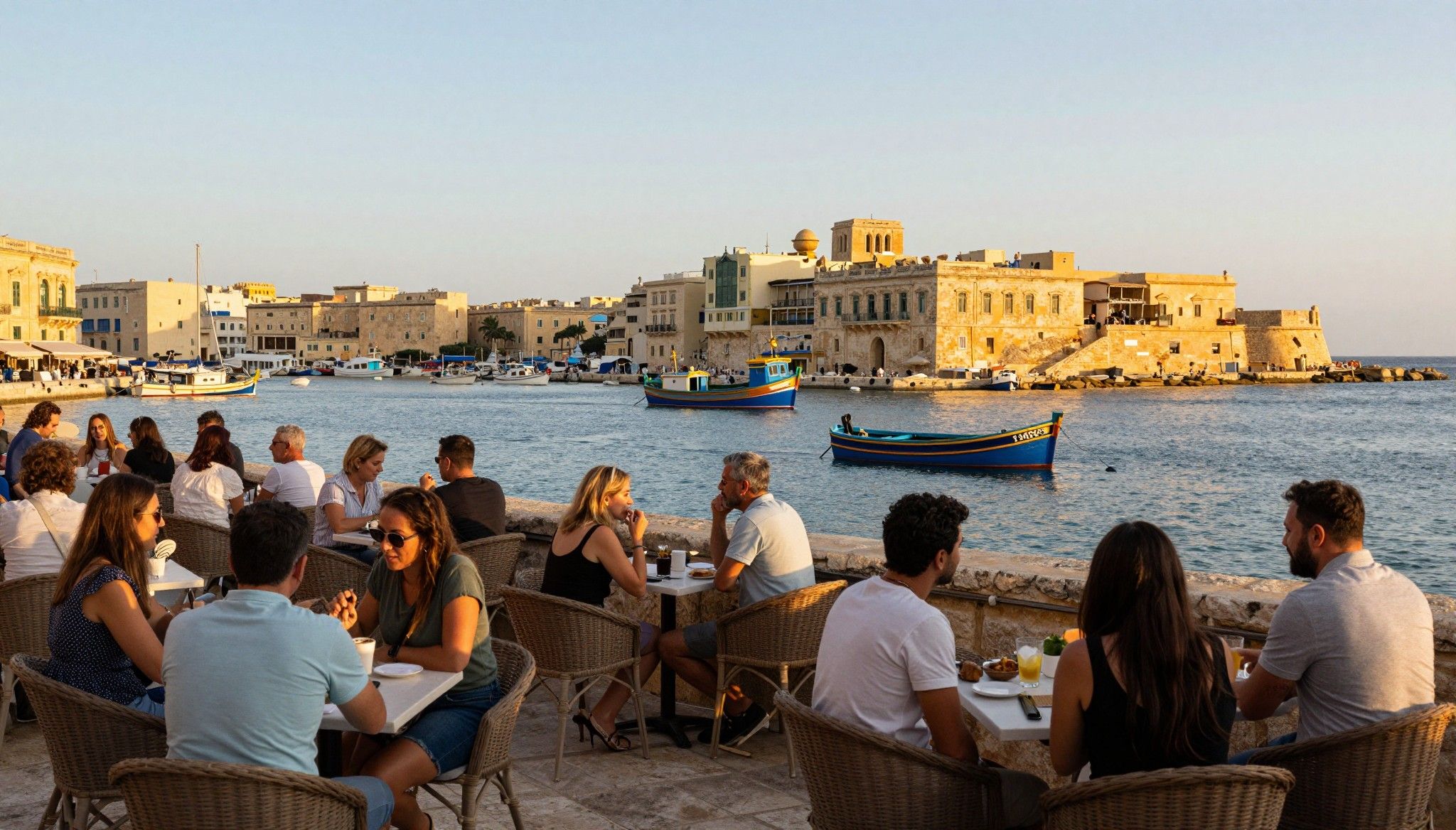
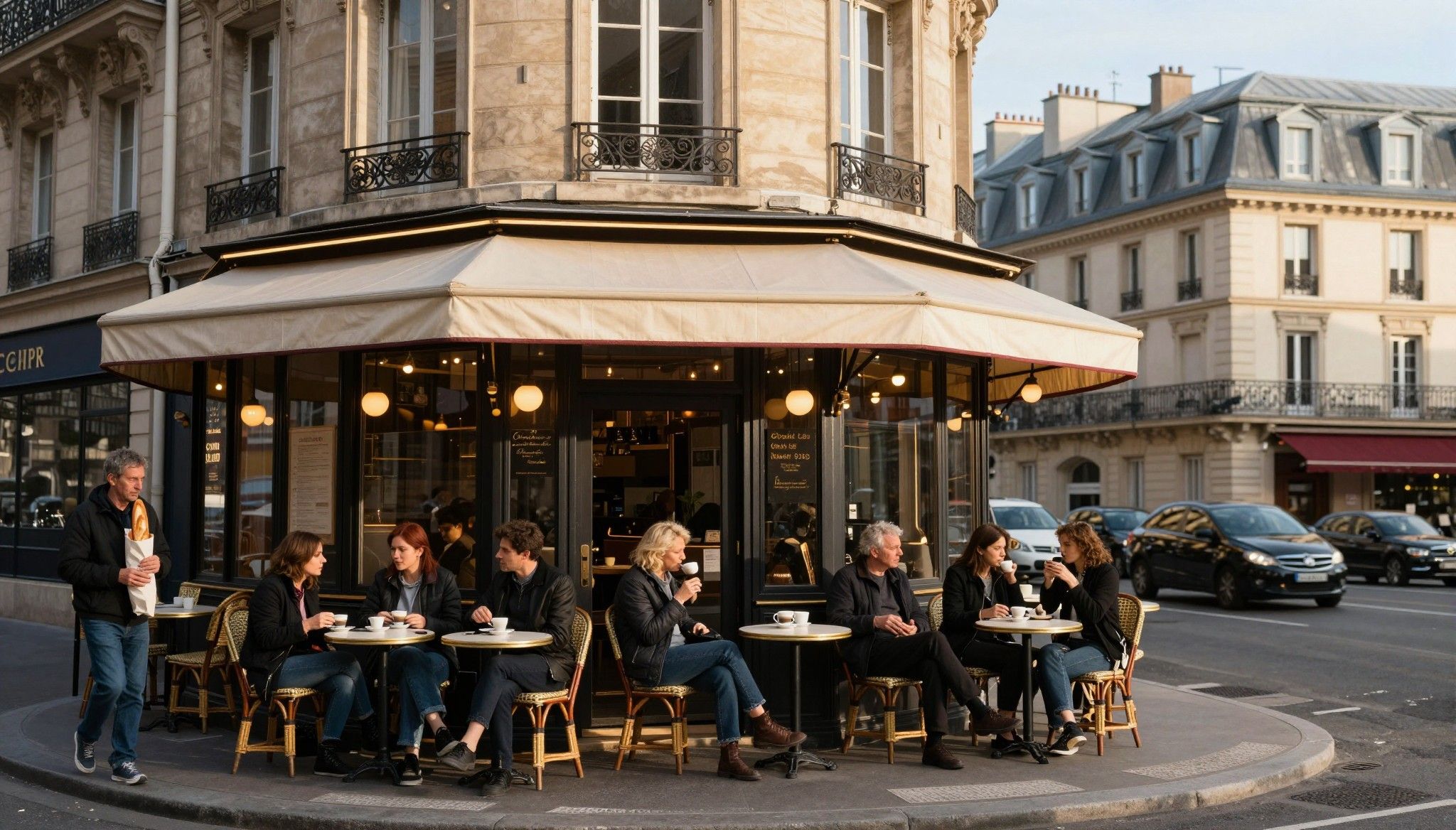
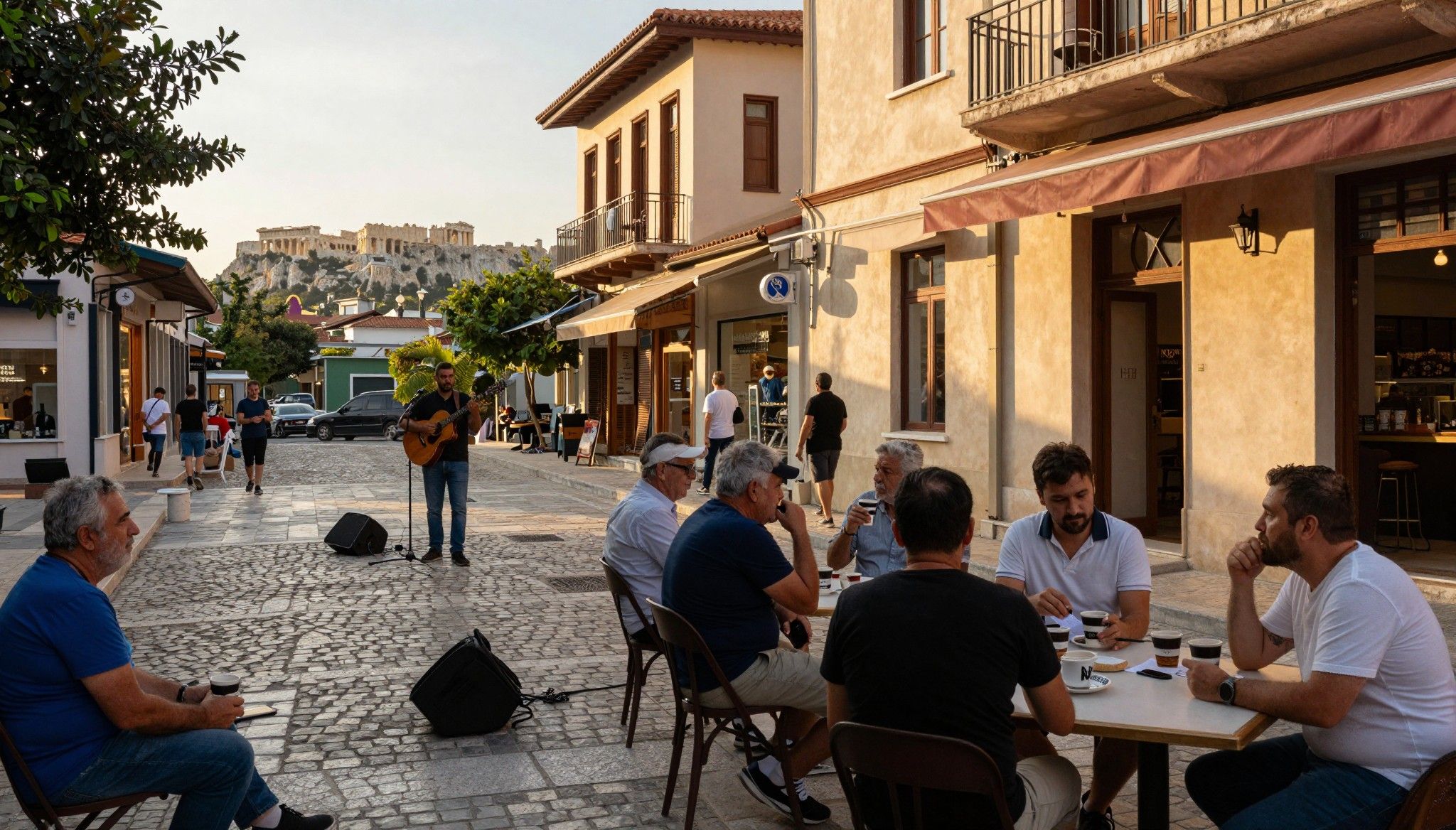
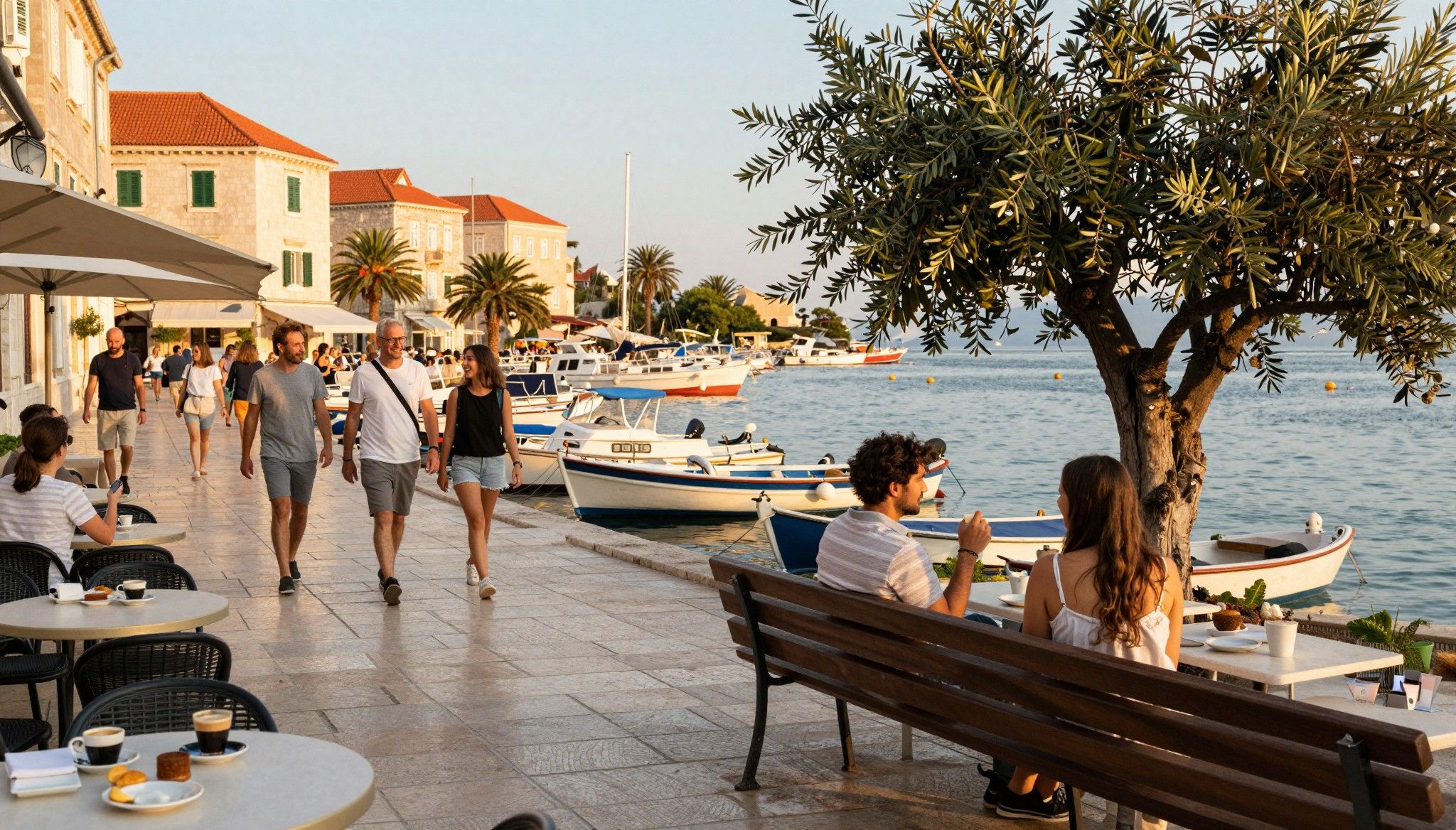
Imagine stepping out onto a narrow limestone street at dawn, the air scented with coffee and baking bread, church bells counting the hour and fishing boats glinting in a harbour a five-minute walk away. Malta compresses a lifetime of Mediterranean life into a territory the size of a small city: intense, convivial and territorial. For buyers from abroad that intensity is the point — compact neighbourhoods, clearly defined urban fabrics and a provenance of stone and craft that lends every house an instant sense of place. Yet the island’s compactness also creates market quirks that reward lateral thinking: value often hides one street inland from the seafront.
Living Malta: texture, rhythm and neighbourhood character
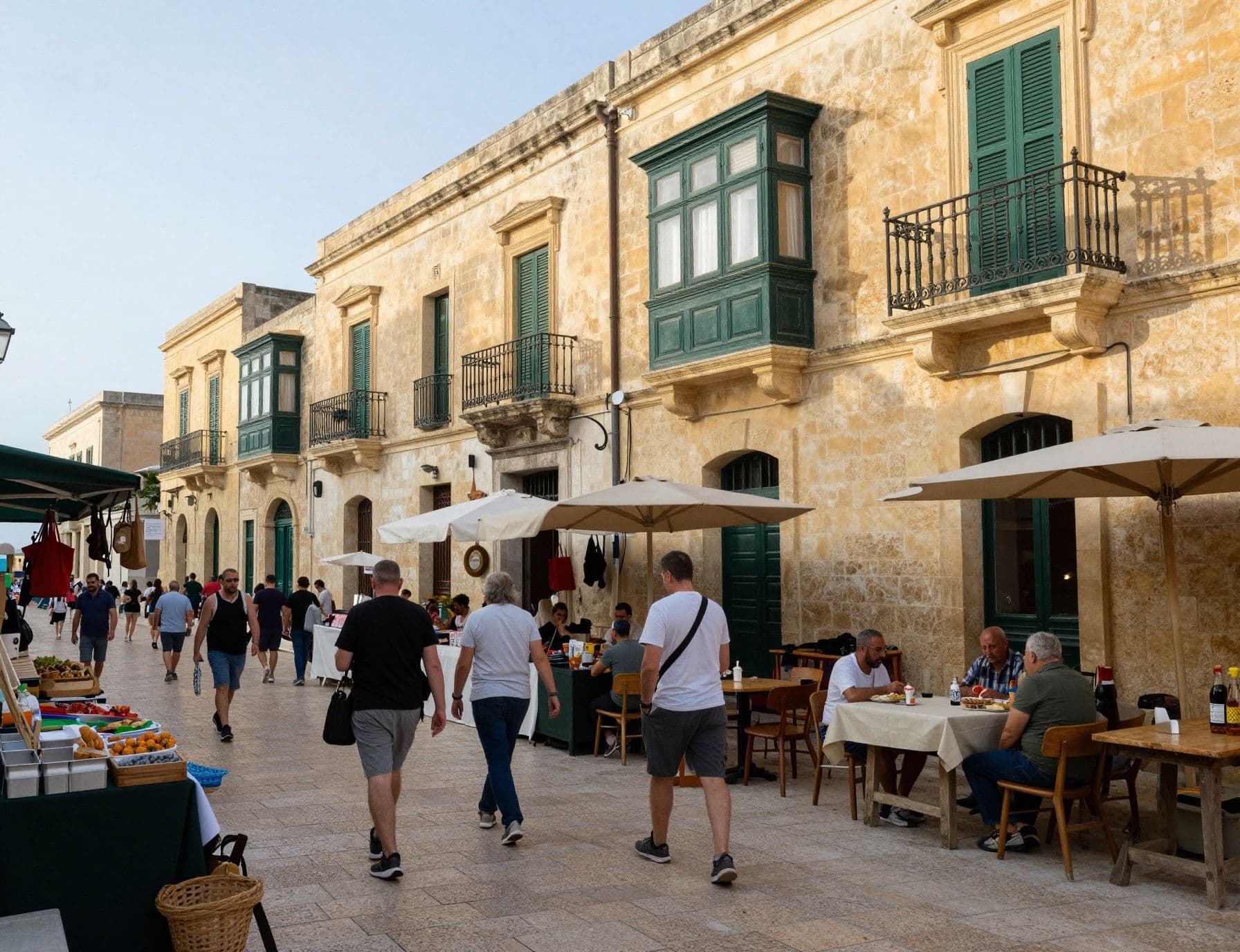
Daily life in Malta is a study in textures: the honeyed patina of baroque facades, the clipped conversation of café terraces, the late-afternoon exodus to rocky bays. Many internationals choose a life paced by short walks rather than long commutes — a market, a favourite pastizzeria, a harbour bench. That compactness alters how you use a home: terraces become extensions of living rooms, narrow salons host large dinners, and rooftop views read like a neighbourhood ledger rather than a panoramic commodity. These are the details that shape where you place your purchase decision.
Valletta’s quieter streets: provenance over promenade
Valletta is frequently sold as a spectacle — its fortifications, façade-lined streets and grand churches. But the real residential value lies in the back streets: restored townhouses on Triq il‑Mediterran or near St Andrew’s Bastion that trade sea‑views for proportion, authentic interiors and stable demand from long‑term tenants. For someone who prizes historic fabric and stewardship, these addresses often outperform headline seafront units in both capital preservation and occupant satisfaction.
Harbour towns and the interior trade-off: Sliema, Gżira, Paola
Sliema and Gżira offer immediate waterfront energy — cafés an arm’s length from the promenade, a late-night vibrancy and dense amenity provision. Yet on Malta, the premium for seafront life is precisely that: a premium. One street inland, places like Ix‑Xatt or Triq Santa Marija reveal larger plans, quieter evenings and often better long‑term family suitability. In the south, towns such as Paola provide scale, improving infrastructure and unexpectedly favourable pricing for architecturally substantial properties.
Lifestyle highlights that shape where you actually live
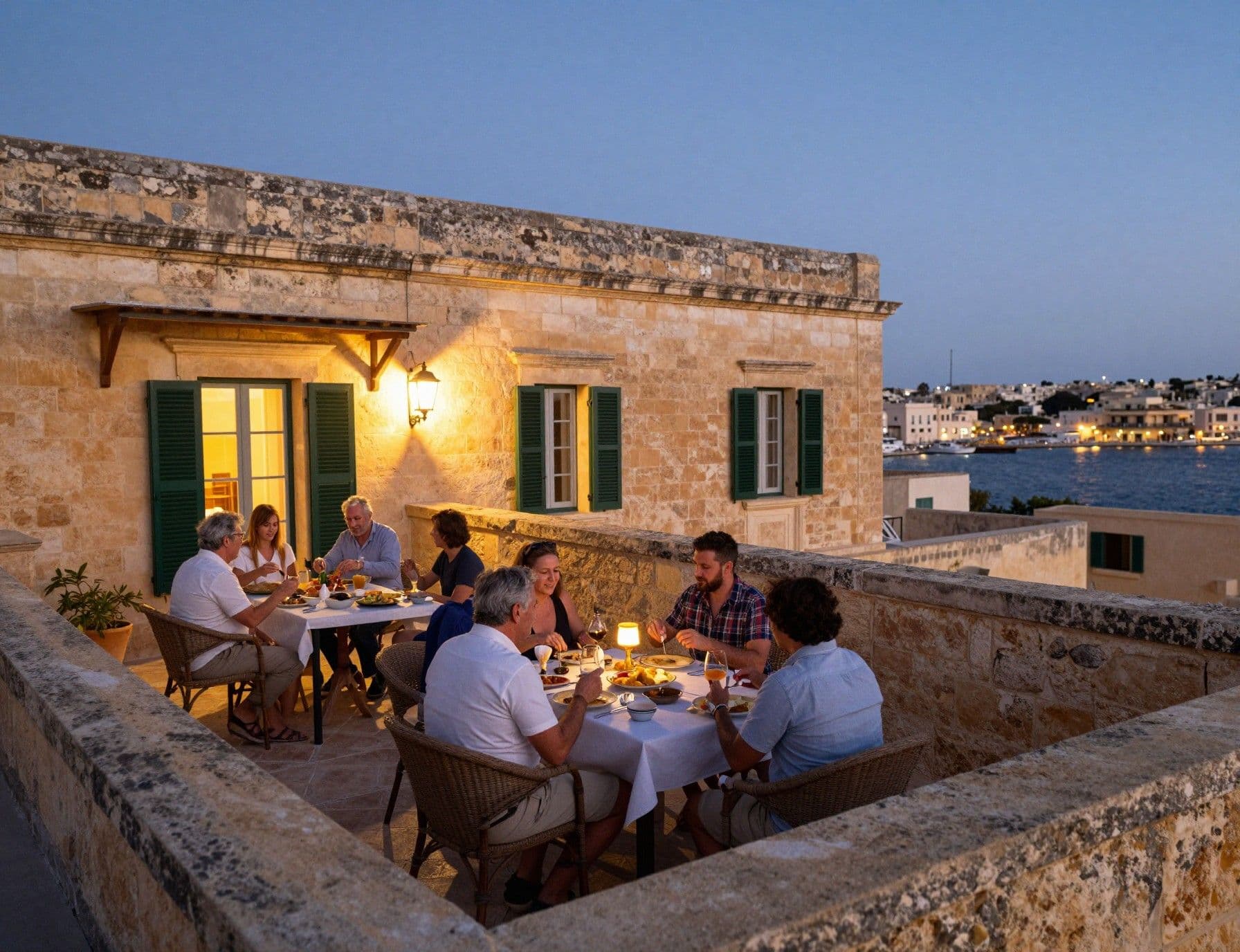
What draws people to specific streets in Malta is rarely the square metre alone. It is the competence of the local baker, a discreet neighbourhood bar, the quality of light on a terrace at late afternoon and the ease of a short school run. For buyers it means thinking in lifestyle clusters rather than postcode glamour: cafes and schools, civic life and quieter evening streets. Below are the everyday things that most determine long‑term satisfaction.
Food, markets and the small rituals
The local market in Marsaxlokk on Sunday, the espresso bar on Triq Manwel Dimech in Sliema, the pastizzi shops clustered around St Julians’ Portomaso: these are not peripheral pleasures, they are the scaffolding of daily life. International buyers often underestimate how quickly a favourite café becomes a social anchor, or how a market morning structures family weekends. Choosing a property near these ritual places can be the single best predictor of a successful move.
- Lifestyle highlights — tactile reasons to prefer inside streets
- Restored townhouses with internal courtyards — privacy, cooler interiors and year‑round comfort.
- Rooftop terraces one street back — protected views, evening light and better rental seasoning.
- Proximity to weekly markets and artisan shops — social capital that sustains resale premiums.
Making the move: practical, research‑backed considerations
Malta’s Residential Property Price Index has shown steady annual growth in recent years while transaction volumes remain significant, meaning prices are supported by real demand rather than purely speculative appetite. Official statistics and market reports show both capital appreciation and modest rental yields compared with larger European metros — a trade‑off that suits buyers prioritising provenance and use over short‑term income. Use these datasets to set expectations about yield, seasonality and capital growth when matching lifestyle priorities to property type.
Property types and how they serve life in Malta
A traditional townhouse with an internal courtyard will feel immediately regarding seasonal comfort: thick stone walls, shaded wells and rooms that remain cool through July. Modern apartments offer open plan living and concierge convenience but often compromise on outdoor space. For the buyer who plans daily life around alfresco dining and neighbourly streets, the restored townhouse or a first‑floor maisonette usually delivers better usability.
Working with local expertise that understands lifestyle value
A local agent who knows which streets keep their character under pressure and which blocks are likely to be overdeveloped is invaluable. Ask agencies for provenance — examples of restorations they’ve handled, the architects or craftsmen involved and a clear account of running costs for stone houses versus modern builds. A curator‑minded agent will prioritise neighbourhood fit and stewardship over headlines.
- Search and purchase steps blending lifestyle and pragmatism
- Shortlist streets rather than addresses: spend three mornings observing each street (coffee, market, evening) before making an offer.
- Request restoration histories for older homes: mortar tests, structural reports and the name of the builder who completed recent works.
- Compare comparable yields with NSO and independent market reports to reconcile advertised rents with realised local rents.
Insider knowledge: what expats wish they'd known
Experienced arrivals say the same two things: choose a neighbourhood that fits your daily ritual, and assume that the most talked‑about street is rarely the best long‑term bet. Renovation costs for period homes can be higher than expected, but the returns — in lived quality and market differentiation — often justify measured investment.
Cultural integration, language and small courtesies
English is an official language and widely used in business, but the rhythm of neighbourhood life is local. Learning a few Maltese phrases, attending festas and respecting church calendars will do more to integrate you than any formal programme. Neighbours notice whether you attend the local festa or patron saint celebration; those small rituals forge community ties that matter when you want trusted contacts for tradespeople or local recommendations.
Long‑term life: how your relationship with place evolves
In year one you love the light and the cafés; by year five you value the structural integrity of your house, the reliability of local services and the neighbours who look out for your home. Choose a property and an agent that see beyond showrooms and into stewardship: how a property will be cared for, appreciated and passed on matters in Malta’s tight market.
Conclusion — if you want the Malta life, think one street in
If the ideal Maltese life is tangible ritual and architectural provenance, then the best buys are often quiet streets a short walk from the glamour. Use public data from the NSO and independent market reports to test yield expectations, and work with agencies who measure value by lived quality rather than seafront branding. Begin your search by spending time — three mornings — on any street you plan to buy on; the small rituals you observe there are the truest indicator of future satisfaction.
Norwegian with years in Florence guiding clients across borders. I bridge Oslo and Tuscany, focusing on legal navigation, cultural context, and enduring craftsmanship.