Malta: Provenance, Lifestyle and Market Insights
Malta’s compact scale rewards buyers who prioritise provenance and lived experience; pair seasonal visits with conservation-aware due diligence and local expertise.
Imagine waking on a narrow, honey‑stone street in Valletta as the city begins to stir: shutters open, the smell of fresh ftira drifts from a bakery on St. Paul Street, and a coffee is poured with the same unhurried care as the island’s restoration crafts. Malta is compact — no place feels far — and that intimacy shapes the daily rhythm: mornings that start on a terrace and afternoons that drift towards the sea. For international buyers drawn to provenance, craftsmanship and a Mediterranean tempo, Malta offers a surprising combination of historical gravity and contemporary convenience. According to recent NSO data, residential prices have risen steadily in recent years, a fact that should shape how and when you look for a home.
Living the Maltese life
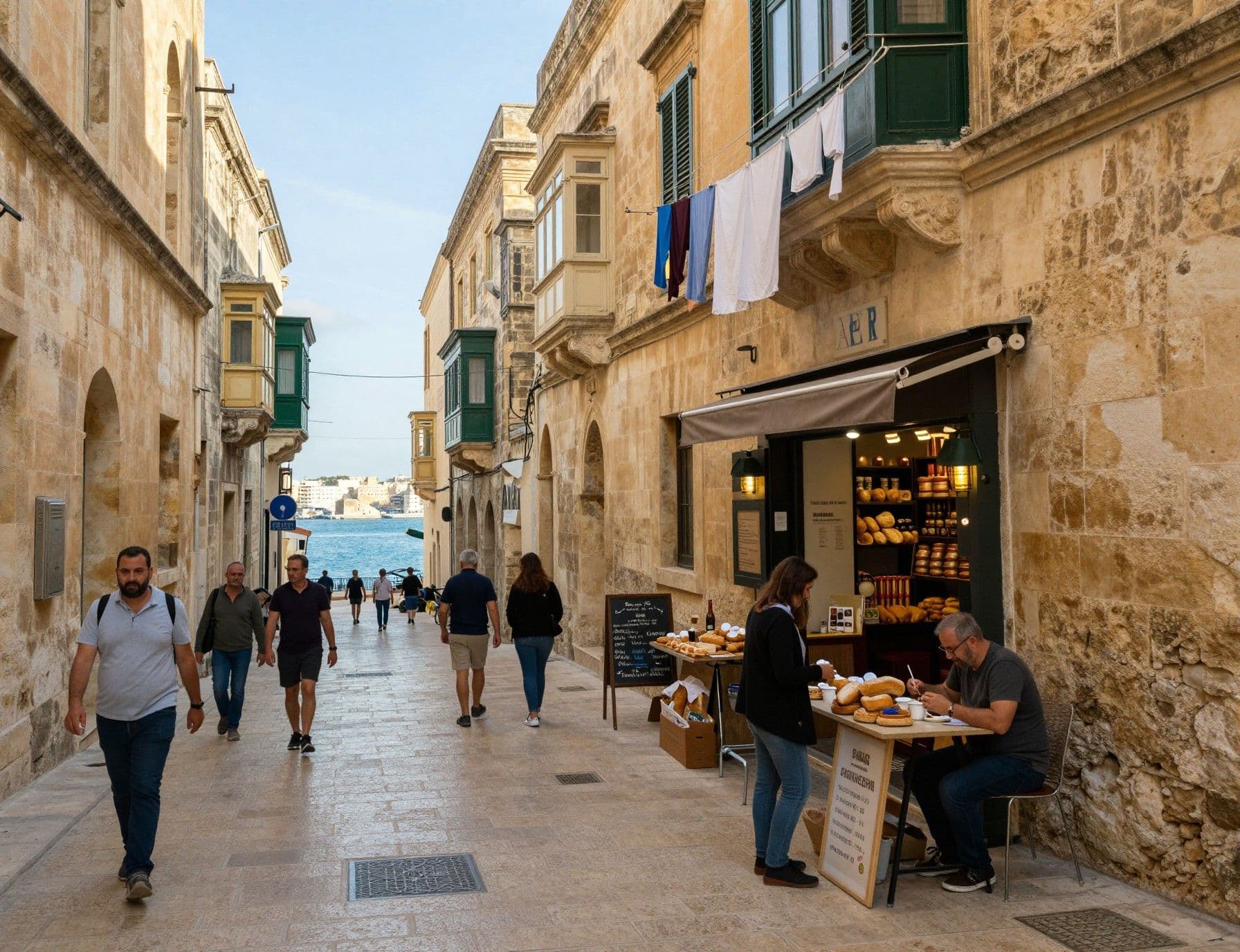
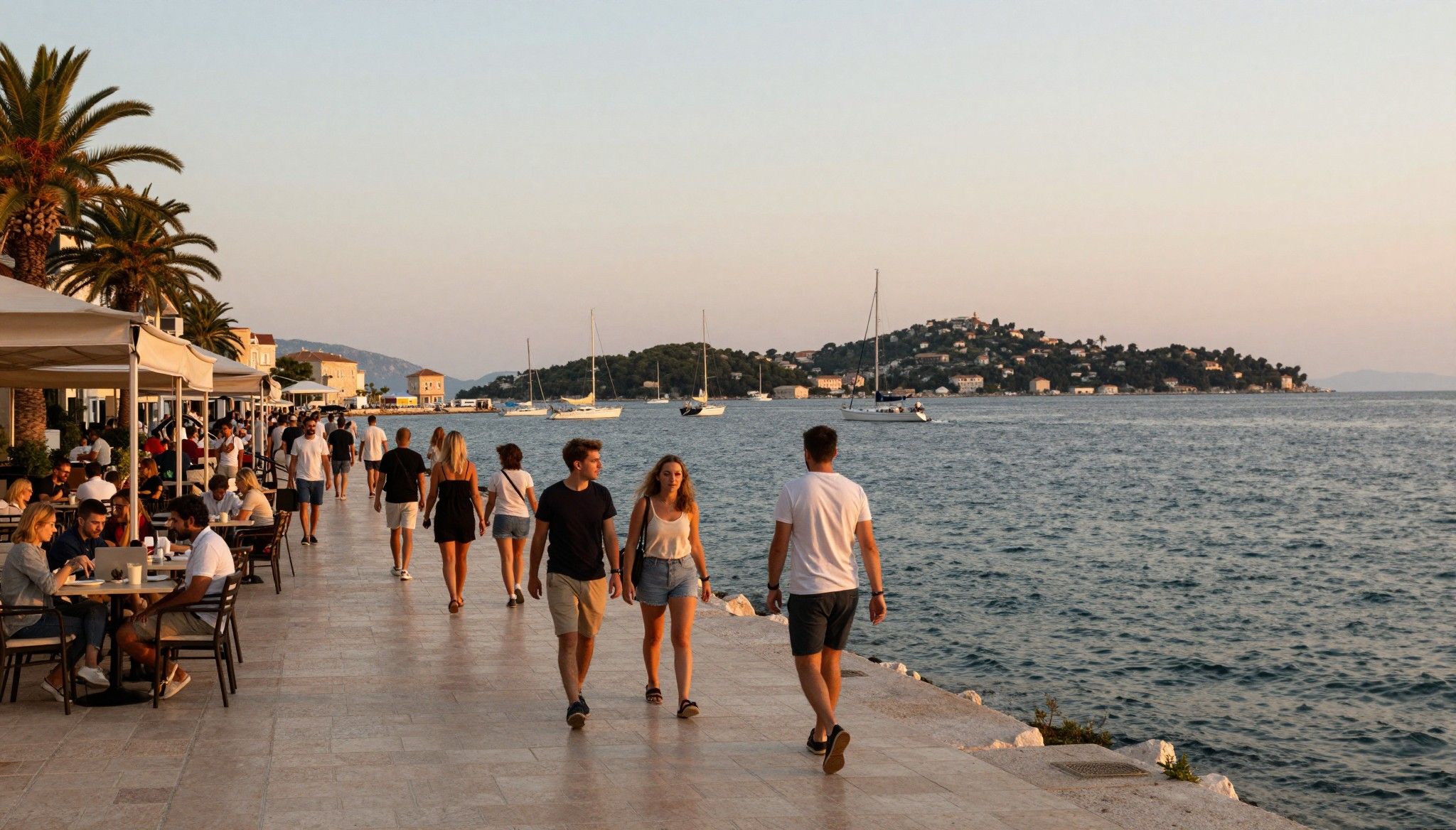
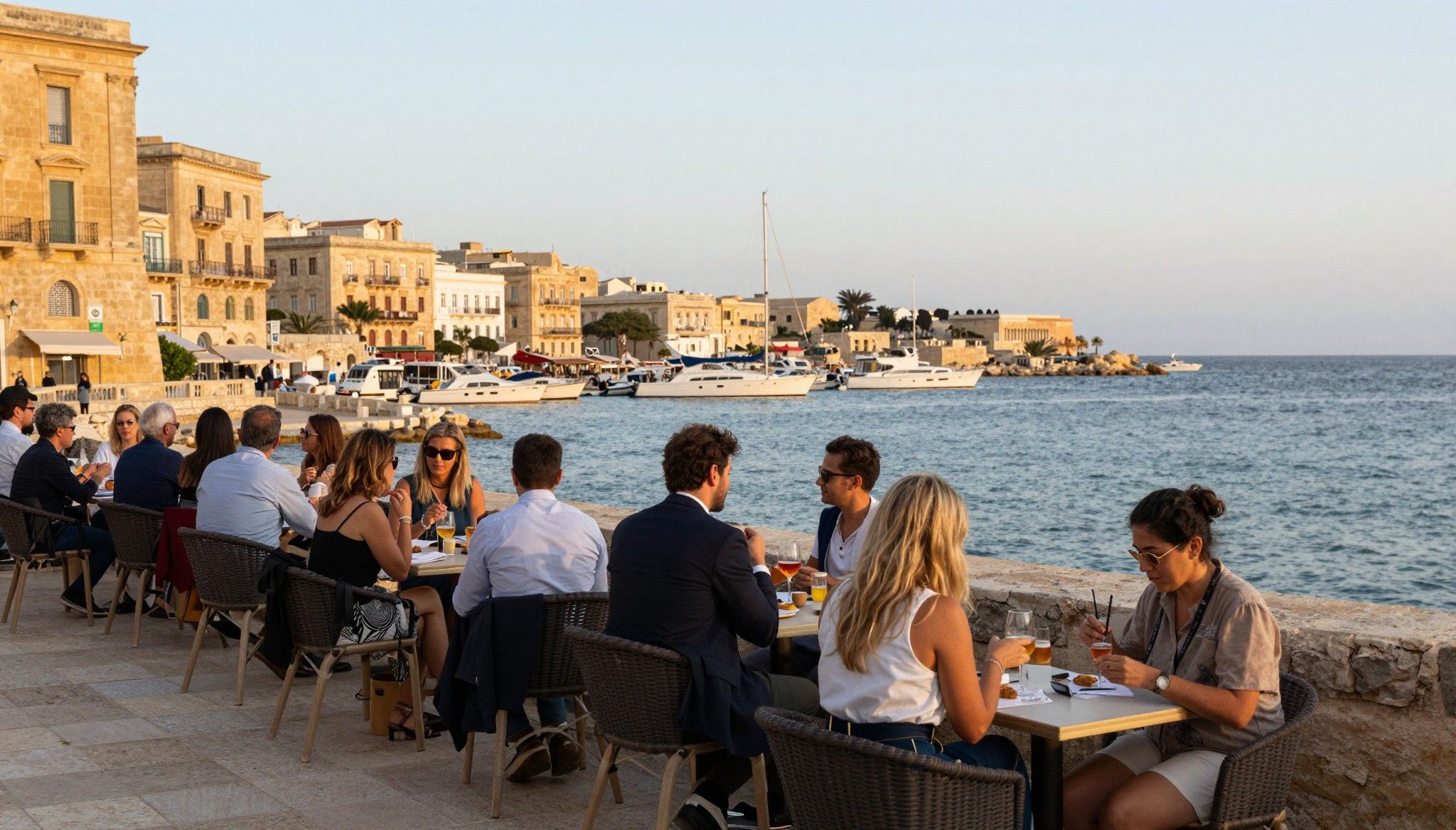
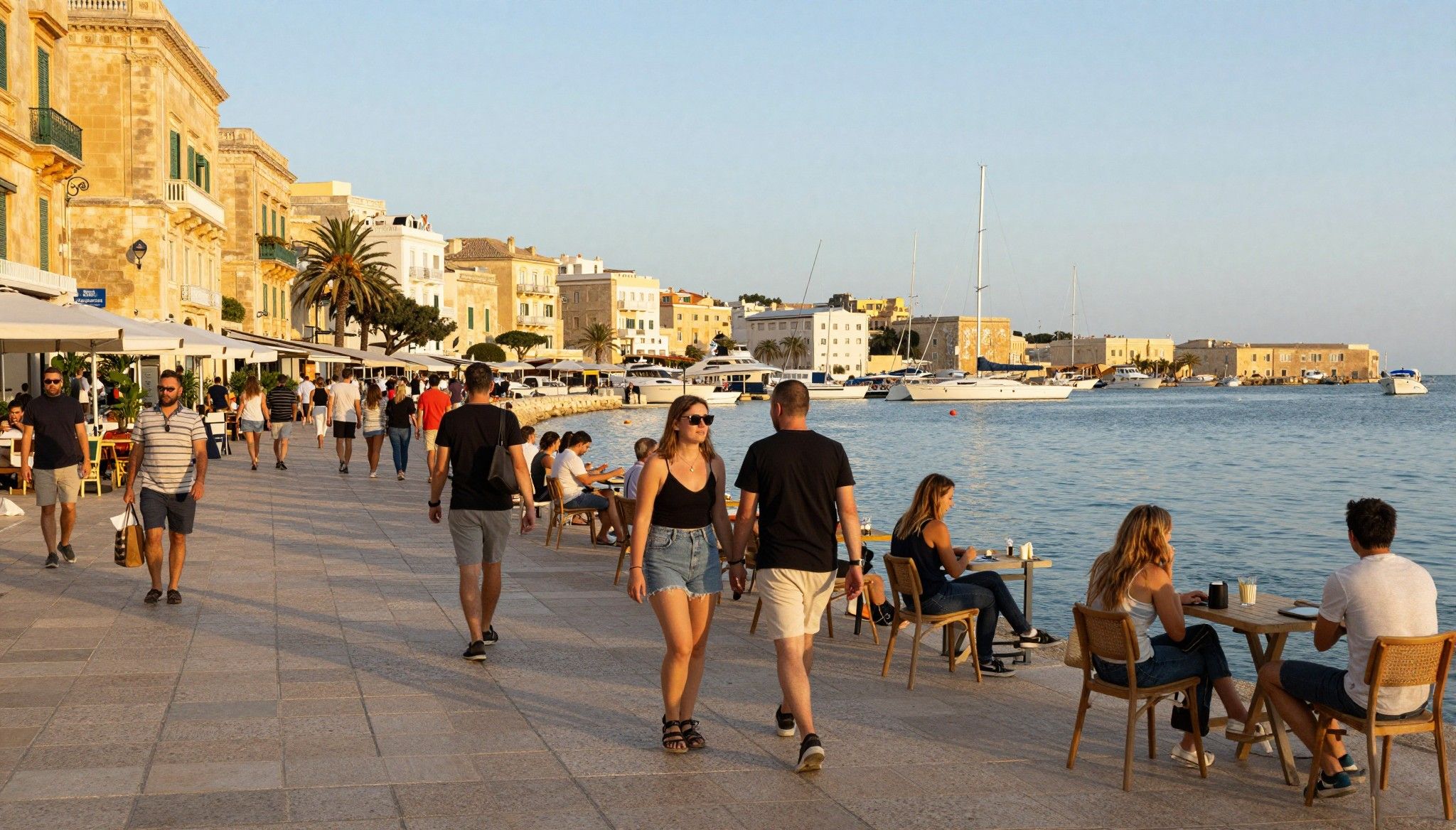
There is a particular grace to everyday life here: late breakfasts in cafés that spill onto flagstone squares, evening promenades along the promenade at Sliema, and weekends that are claimed by seafood lunches in Marsaxlokk. The island’s scale makes amenities intimate — a favourite fishmonger, an artisan tile studio, a neighbourhood bar where everyone knows each other’s name. That scale also informs property choices; where you buy changes the way you move through each day, from the soundscape to sunlight in rooms and the walkability of errands.
Valletta and the Three Cities: history worn with dignity
Valletta’s limestone facades, Baroque churches and narrow sash windows reward a slower appreciation. Living here means afternoons in the Upper Barrakka Gardens, dinner under gas lamps on Strait Street and the quiet authority of a house of character with original mouldings and high ceilings. On the other side of the Grand Harbour, Vittoriosa and Senglea offer harbourside houses where maritime history is part of the view. These neighbourhoods suit buyers who prize architectural provenance and can invest in thoughtful restoration rather than contemporary scale.
Sliema, St Julian’s and Portomaso: terraces, life and measured energy
Sliema and St Julian’s are where Malta’s modern life concentrates: cafes on the waterfront, boutique shops tucked into converted townhouses, and apartment living with sea views. Portomaso brings a discreetly cosmopolitan tone — yacht clubs, contemporary apartments and a compact set of services within walking distance. For buyers who imagine mornings at a coffee bar and evenings on a terrace, these areas offer practical, everyday convenience; be mindful, however, that higher advertised prices often reflect location and convenience rather than singular architectural merit.
- Streets, tastes and small pleasures that define neighbourhood life: - Coffee at Caffe Berry in Valletta; morning light on Merchants Street - Fish market Sunday ritual in Marsaxlokk; fishermen’s stalls and casual eateries - An afternoon swim at Għajn Tuffieħa followed by sunset at Golden Bay - Aperitifs on Balluta Bay’s stone terrace as local families gather - Artisan ceramics in Rabat and quiet passeggiatas through Mdina
Making the move: how lifestyle meets market reality
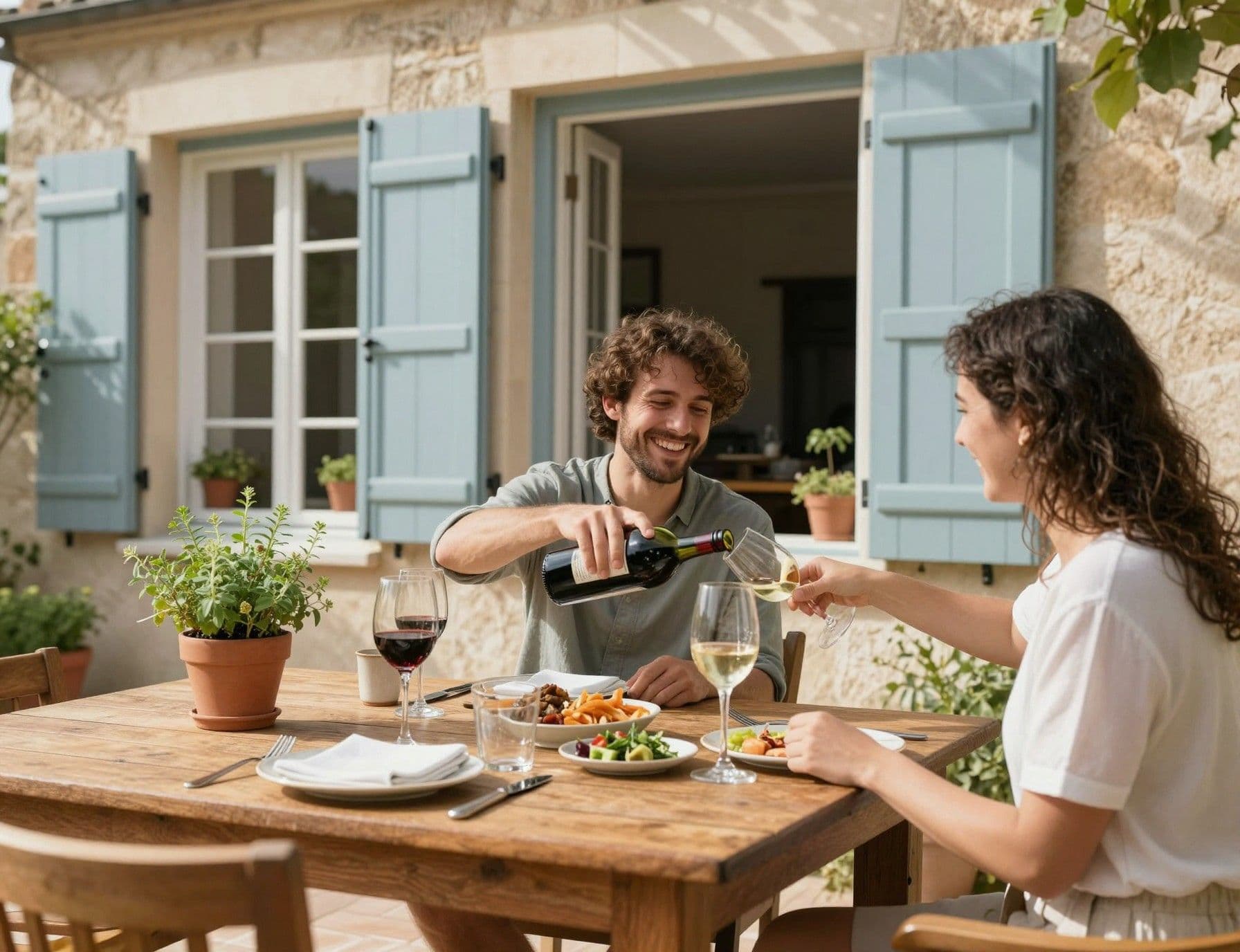
The romance of place should meet a cool appraisal of market dynamics. Malta’s market has recorded steady price increases and stronger demand for apartments and townhouses in recent years, with rental growth reported across key areas. National statistics and sector reports show that purchasers who pair a clear lifestyle brief with a disciplined search — and a local adviser who understands provenance-led properties — find the best long‑term outcomes. Practicalities such as plot limits, conservation zones and building consent timelines often determine whether a restored house will meet your lived expectations.
Styles of property and how they support daily life
A maisonette in Sliema offers indoor‑outdoor living with compact terraces and easy access to cafes; a Valletta town house rewards patient restoration with high ceilings and original stonework; a modern apartment in Portomaso trades historic patina for engineered comfort and concierge services. Consider how each typology aligns with routine: do you want a garden for olive trees, or a low‑maintenance pied‑à‑terre near the water? Attention to fenestration, insulation and shutters matters — the Maltese sun is generous and living spaces should be adapted to it.
Working with local experts who know the island’s character
- Steps a well‑advised buyer follows when seeking a lifestyle match and sound purchase: 1. Define the life you want to live (morning routine, weekend habits, proximity to harbour or schools). 2. Commission a local pre‑purchase survey that includes structural, services and conservation checks. 3. Use an agent with a track record in conservation restorations or the specific neighbourhood you favour. 4. Plan for seasonal occupation; short‑let rules and rental demand affect running costs and yield. 5. Engage a local project manager early if restoration or sensitive adaptation is required. 6. Confirm Residency/Permit implications if your move depends on Malta’s residence programmes.
Insider knowledge: what expats wish they’d known
Expat families often tell the same small truths: English is widely used in professional life, but community ties still form around neighbourhood rituals; a good local grocer is more valuable than proximity to a mall; and restoration invariably takes longer than initial estimates. Residency schemes can ease an otherwise complex relocation, but they also bring compliance demands and evolving regulations — a point to confirm with counsel before assuming any programme will remain unchanged.
Cultural rhythms, language and community
Integration in Malta is practical and personal: join a cooking class in Mdina, spend Sunday at Marsaxlokk, volunteer with a conservation group restoring a chapel. Learning a few Maltese phrases signals respect — but English will carry you through bureaucratic and commercial life. Social circles often centre on school catchments, yacht clubs and parish events; choose a neighbourhood that aligns with how you want to participate in community life.
Longer‑term living: stewardship and resale
Think of property in Malta as stewardship. A considered restoration that respects local fabric will usually outperform quick, high‑turn adaptations. Markets for houses of character have shown resilience; professional surveys and conservancy‑sensitive conversions preserve value and uphold the island’s architectural capital. For buyers balancing rental income with living aspirations, targeted investment in finish and services often moves a property from desirable to enduring.
- Red flags and practical checks before you commit: - Lack of clear title or unresolved servitudes on older houses - Unauthorised works that contravene conservation rules - Overly optimistic rental projections in extremely seasonal areas - Properties with inadequate ventilation or poor solar shading - Missing documentation for historical features that affect renovation permissions
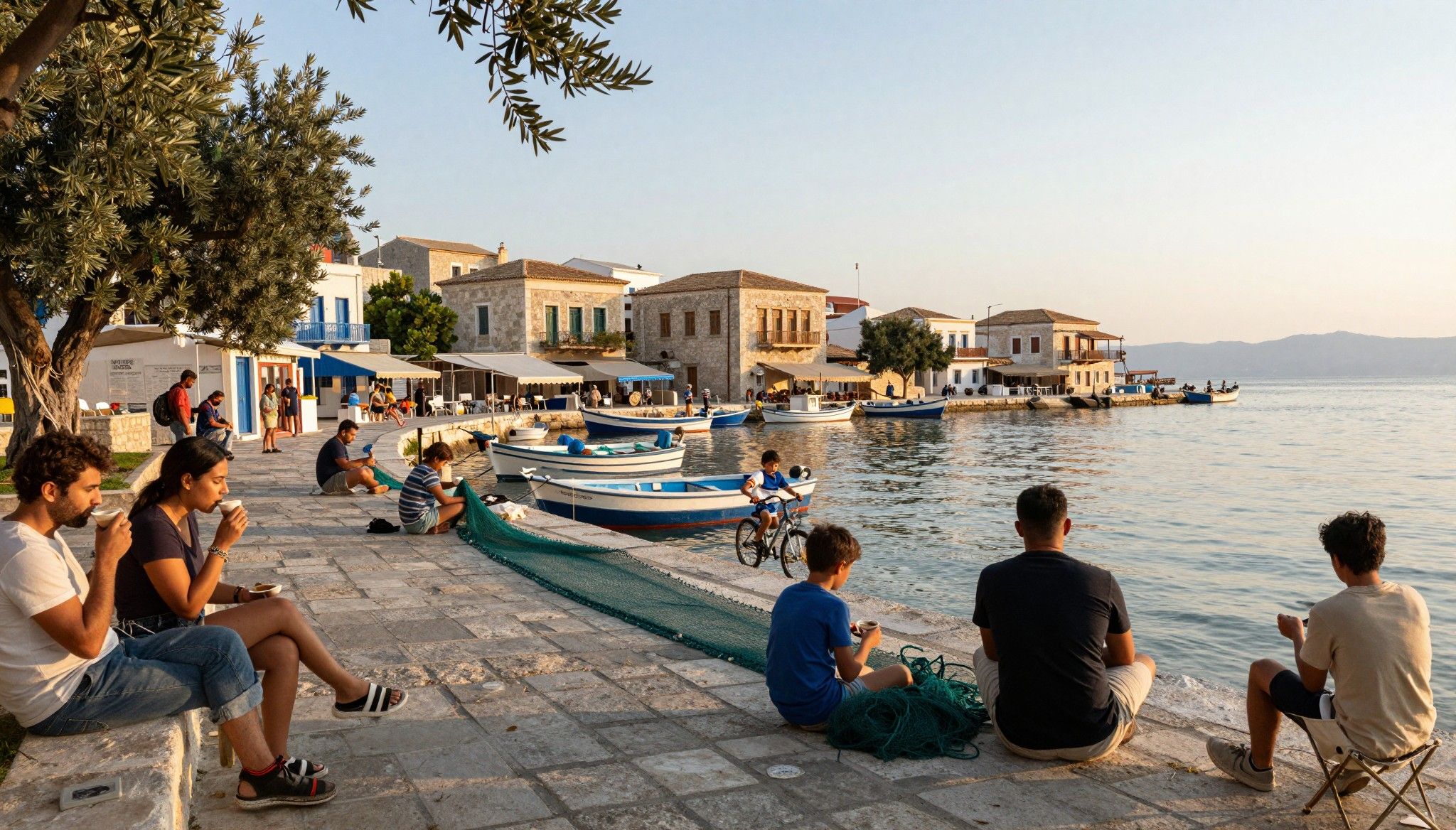
When you first arrive, let the island show you what matters: a corner café at dawn, fishermen mending nets in the harbour, the hush inside a restored palazzo. These moments reveal the scale of life here and help refine where you want to be. If you value provenance, look beyond marketing to the workmanship: original stone staircases, hand‑carved doorways and traditional wrought iron. Villa Curated’s role, in essence, is to match that life with properties that possess the right provenance and potential.
- Next steps for a discerning buyer: 1. Visit in at least two different seasons to sense how light and life change. 2. Commission both a market comparables report and a conservation‑aware survey. 3. Shortlist agents with restoration experience and local stewardship credentials. 4. Negotiate clauses that protect you during restoration (phased handover, escrow for works). 5. Plan for ongoing maintenance — islands reward sustained care.
Malta rewards a patient, perceptive buyer who prefers depth to breadth. Here, a home is rarely merely an investment; it is a continuation of place, a piece of an island story. Begin with the life you imagine — morning cafés, harbour afternoons, preserved interiors — and then let disciplined due diligence, local expertise and modest stewardship bring that vision into being.
Having moved from Stockholm to Marbella in 2018, I help Scandinavian buyers navigate Spanish property law, restoration quality, and value through authentic provenance.