Croatia: When Transfer Tax or VAT Decides the Lifestyle
How Croatia’s 3% transfer tax vs 25% VAT reshapes which homes make sense — marry lifestyle choices to tax strategy before you buy.
Imagine sitting at a riverside kafić in Zagreb’s Upper Town at dawn, the city still cool and quiet, then hopping a short flight to a pebble cove on Hvar by late afternoon. That rhythm — cities that breathe history and islands that reward patience — explains why many buyers fall for Croatia. Yet beneath the postcard is a precise set of fiscal rules that shape which properties make sense. According to recent market analysis, tax choices — from transfer tax to VAT on new builds — change both the cost up front and the running life of ownership in ways buyers often underestimate.
Living the Croatian life: what you feel first
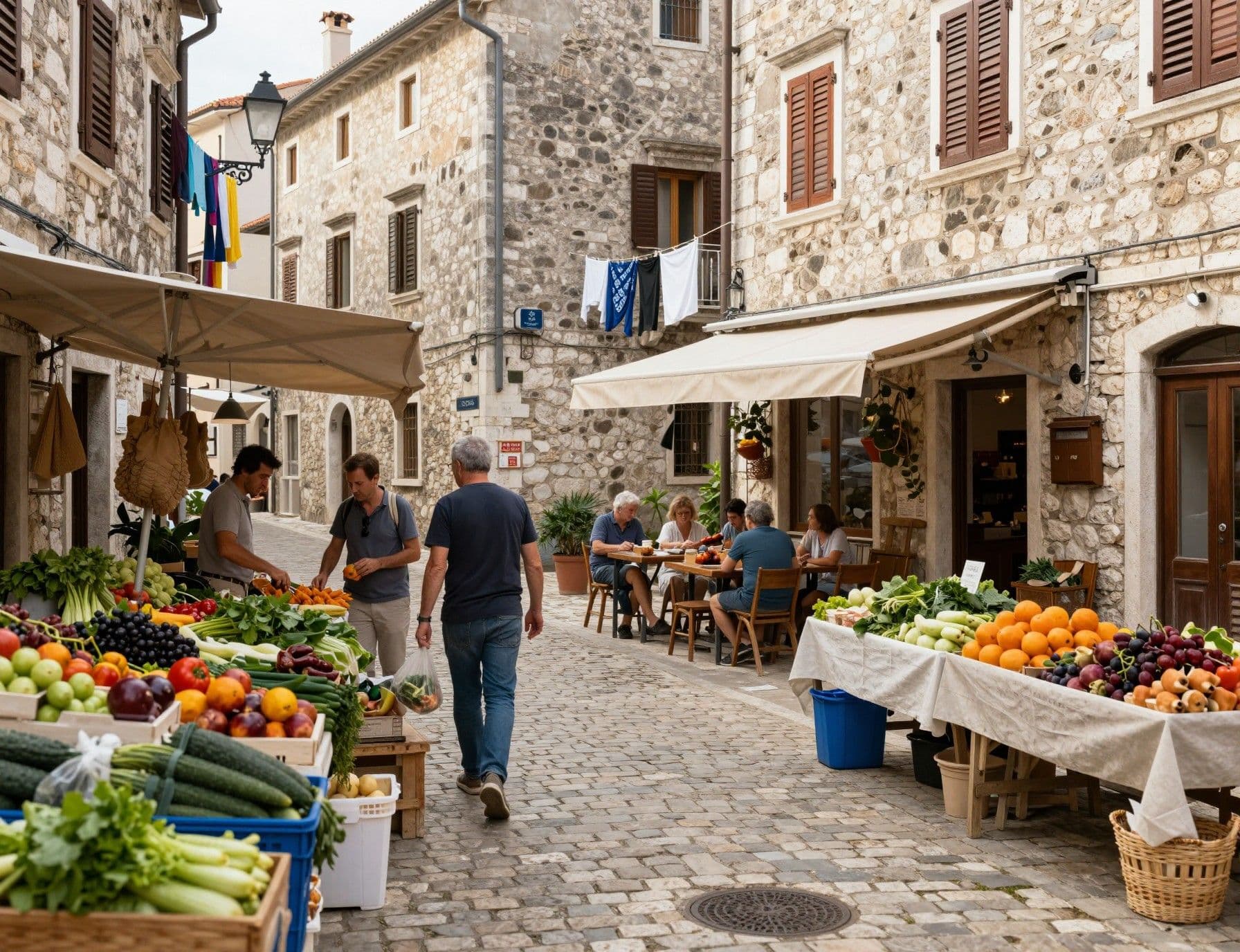
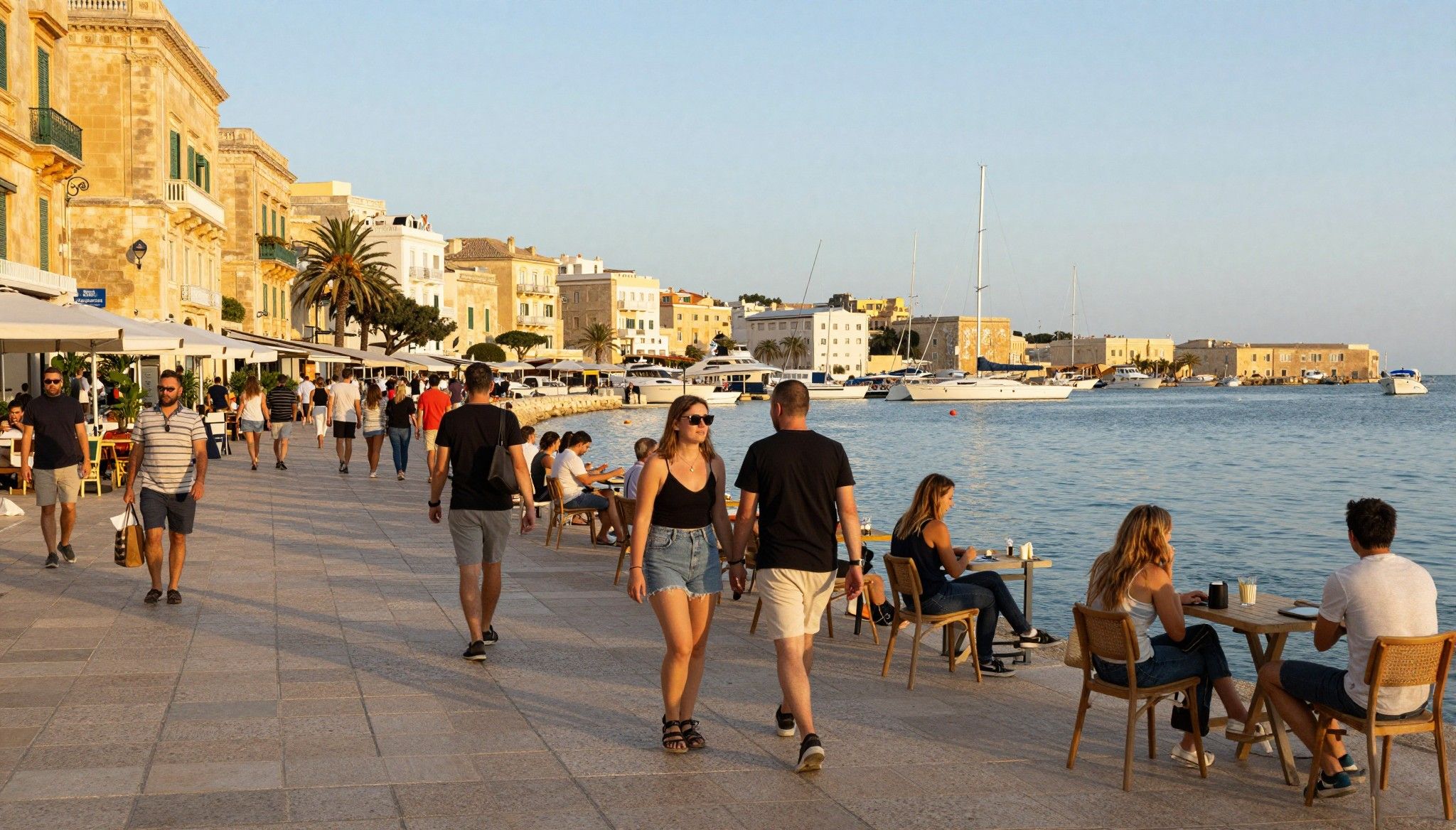
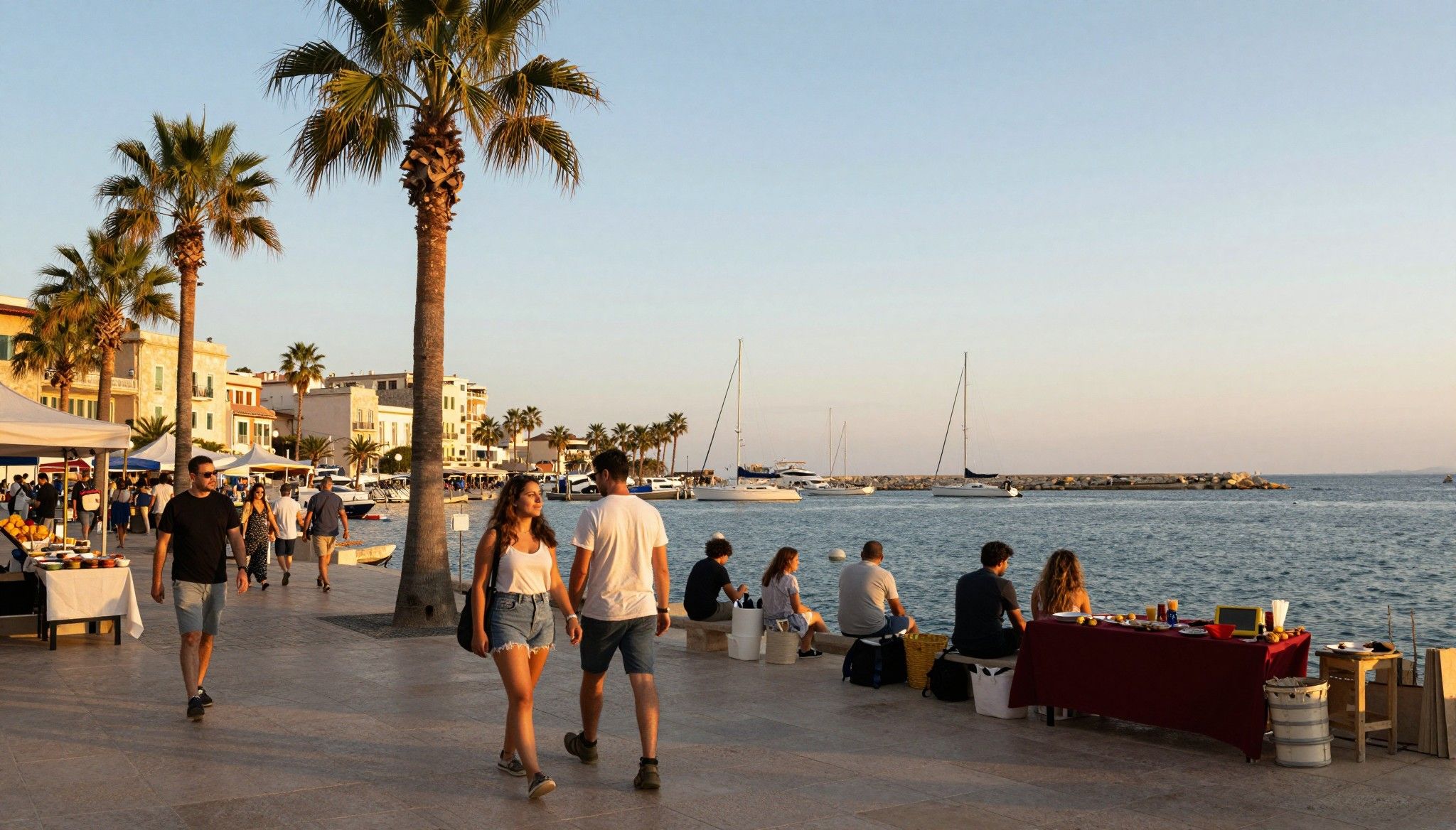
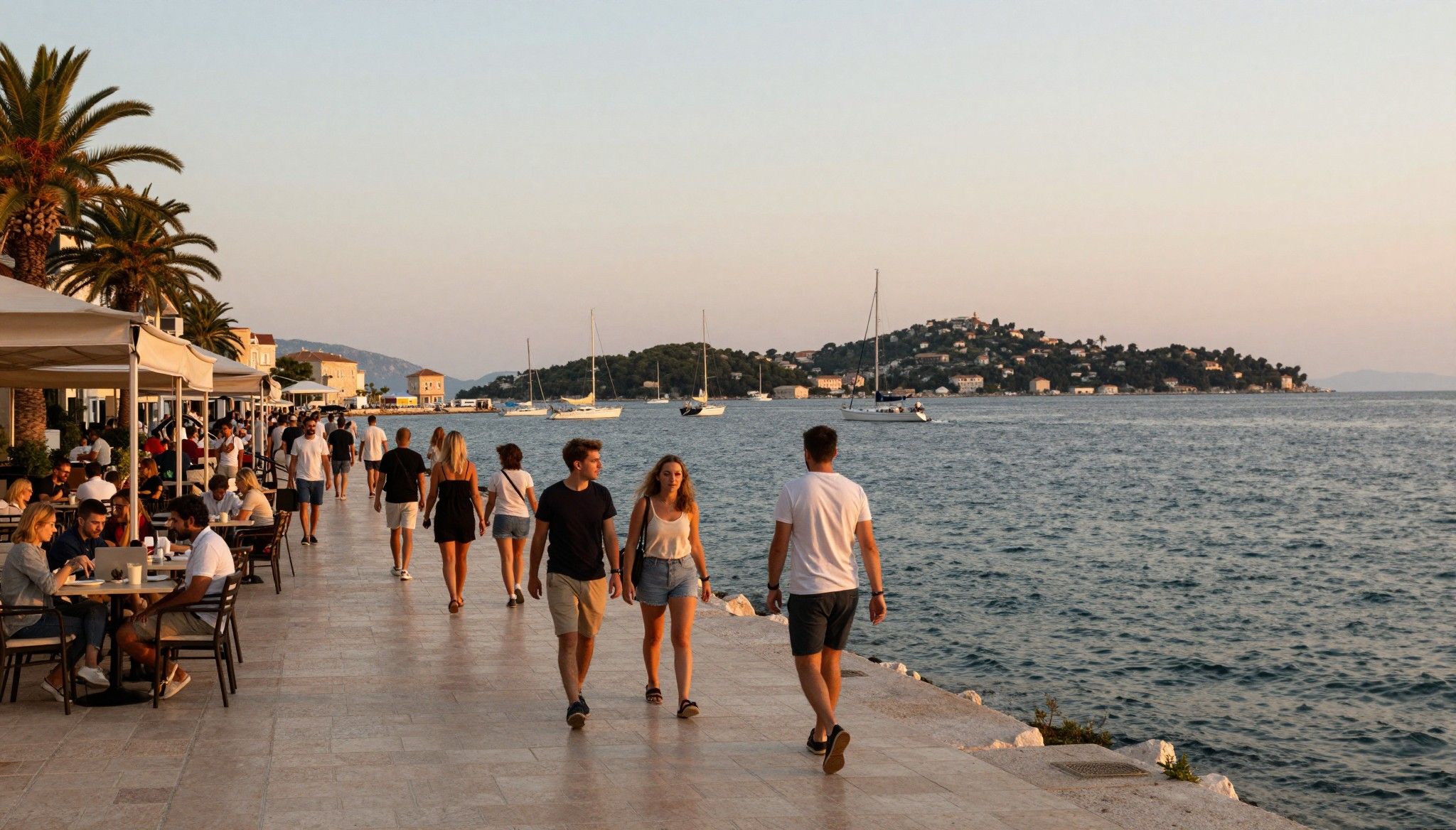
Croatia’s daily pulse alternates coastal languor and inland order. In Dubrovnik you hear church bells and the sea; in Split the Riva hums with cafés and fishermen’s markets; in Istria small hill towns revolve around family-run konobas and olive oil tastings. Life here privileges small rituals — morning espresso at a corner bar, late sunsets over the Adriatic, weekend markets where produce and gossip are traded with equal fervour. These rhythms matter because they determine the kind of property you will use: a compact flat in a stone calle, a restored dalmatian villa with terraces, or a modern apartment near a university or hospital.
Neighbourhood spotlight: Zagreb’s Gradec to Split’s Varoš
Gradec (Upper Town) in Zagreb offers tight streets, baroque facades and small private gardens — an appealing urban refuge for buyers who prize municipal services and year‑round life. By contrast, Split’s Varoš is a low‑rise district of stone houses and terraces overlooking the harbour; it is intimate, noisy in summer and deeply connected to the sea. Each micro‑neighbourhood signals different tax and practical realities: heritage façades often require restoration permits, and short‑term rental potential differs sharply between historic cores and suburban new builds.
Food, markets and the property cue
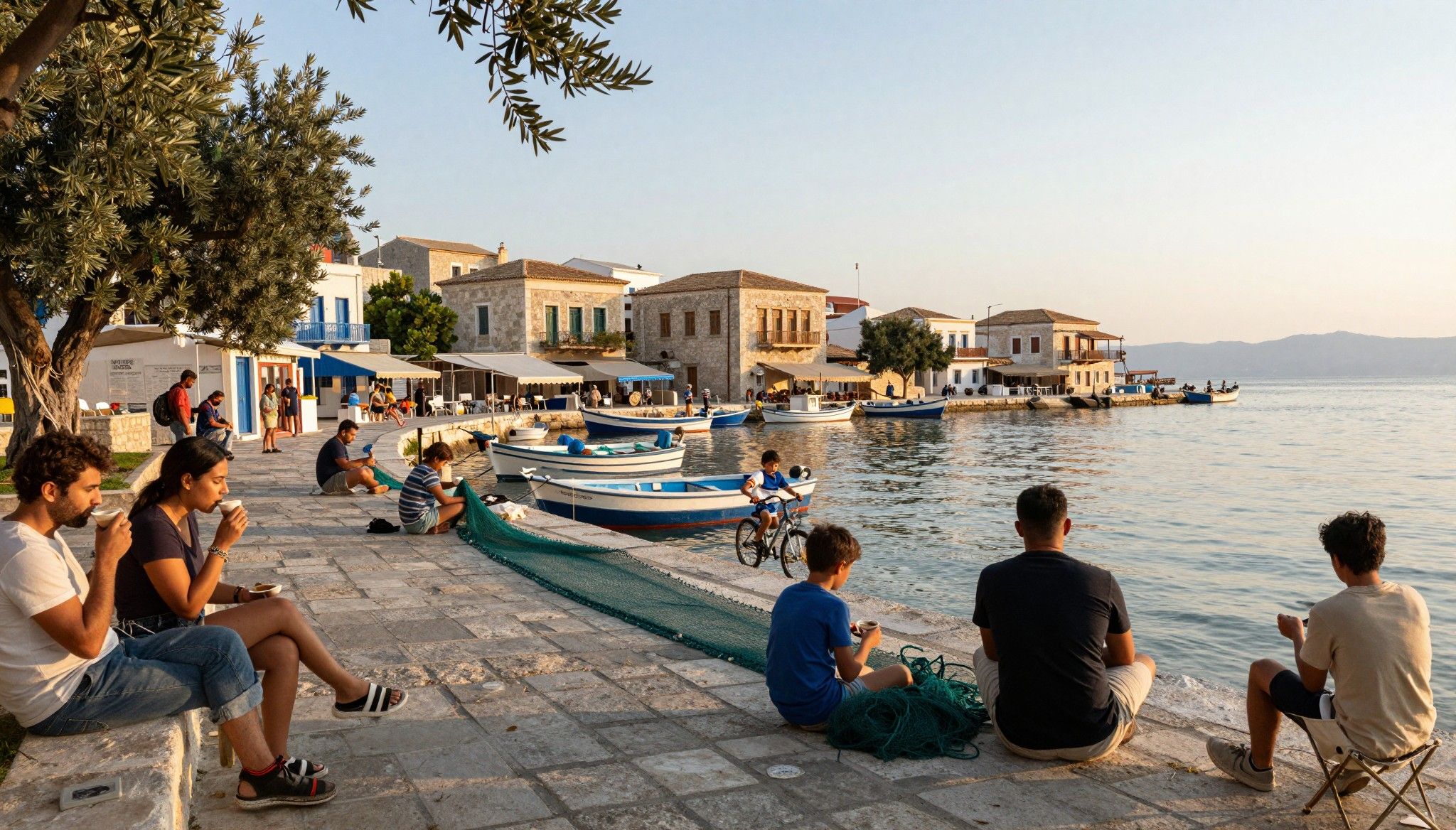
A day in Croatia often follows market timetables: buy morning fish at Split’s Green Market, sip wine in Rovinj’s piazza, collect olive oil in Motovun. These lifestyle anchors influence property desirability — proximity to a market or a harbour raises daily quality of life and, in many towns, also the effective rental yield during high season. For buyers who want lived experience rather than speculative turnover, that means prioritising neighbourhoods with authentic local life over glossy new developments marketed for tourists.
- Market‑tested lifestyle highlights: • Early morning espresso at Tkalčićeva in Zagreb; intimate flats suit year‑round living. • Evening promenades on Split’s Riva; small terraces with sea view command premiums. • Konobas around Rovinj’s old port; renovated stone houses nearest the piazza are scarce. • Hvar’s Pakleni Islands day‑trips; properties with private moorings are uncommon and prized.
Making the move: practical fiscal realities that alter the romantic plan
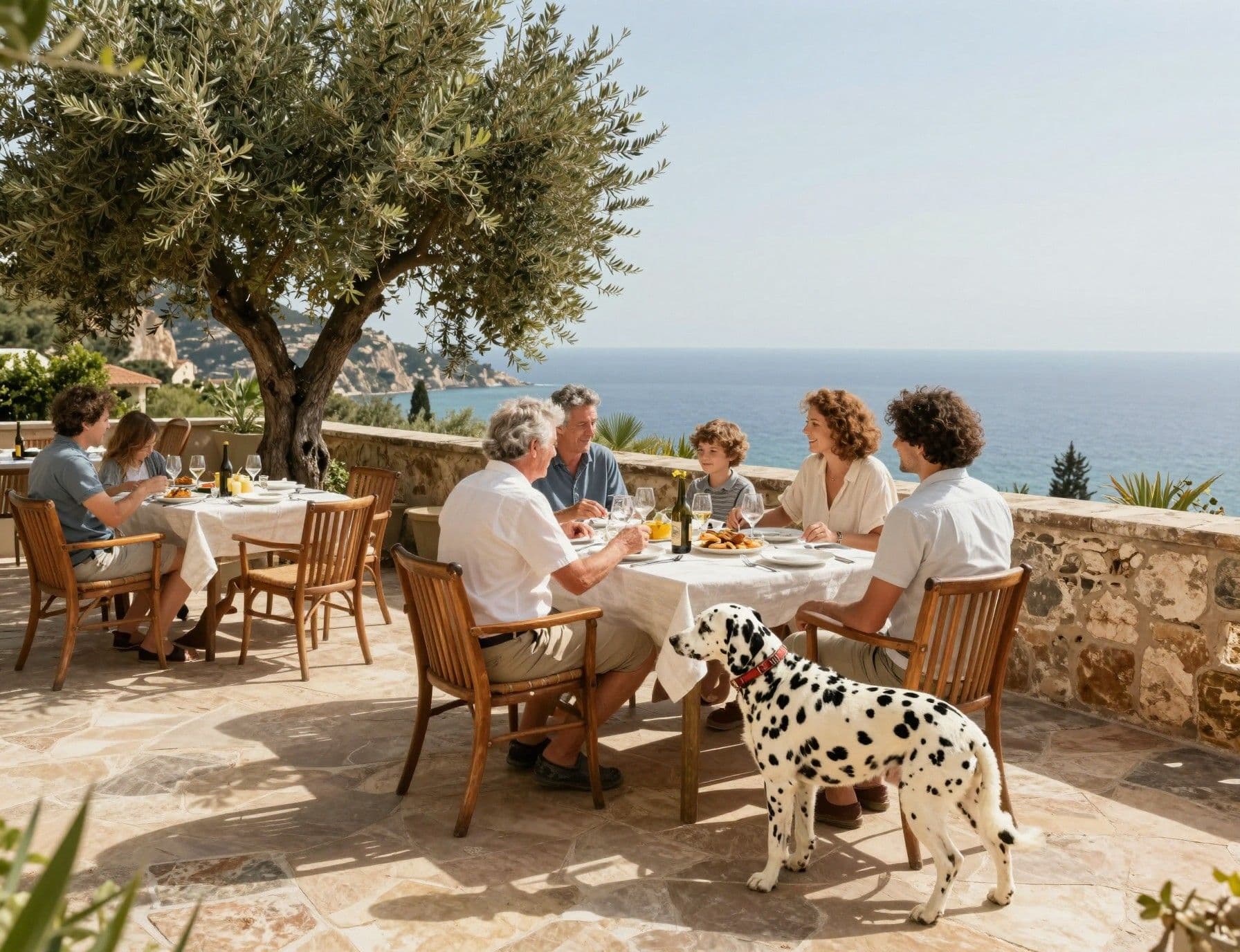
The dream is durable; the math is exact. Croatia applies a 3% real‑estate transfer tax on secondary market purchases and a standard VAT regime (25%) to many new builds or sales by VAT‑registered vendors. These rules mean that the headline price is only the start: whether you buy an old stone house in Korčula or a newly completed apartment in Zagreb affects whether you pay a 3% transfer tax or face 25% VAT. Small changes in structure or vendor status can alter up‑front costs materially, so the right expert will read contracts and tax status before you commit.
Property types and what the tax signals mean for living well
A restored stone apartment in a historic centre often comes with transfer tax (3%) but no VAT; its charm and fabric suggest restoration and maintenance costs rather than immediate depreciation. A new apartment sold by a developer will usually attract VAT (25%) if sold before first occupancy; that higher initial outlay can be offset by modern systems and lower short‑term maintenance. Consider how you will live the property — full‑time residence, seasonal retreat or short‑term let — and match the tax profile to usage.
Working with local experts who know lifestyle and levy
- How a local advisor protects both your lifestyle and ledger: 1. Confirm vendor tax status before offer (VAT vs transfer tax) so you know the true purchase price. 2. Check municipal decisions on annual property tax; local councils set rates that affect second‑home costs. 3. Verify historic‑building restrictions and likely permit times for restorations; delays change lifestyle plans. 4. Model rental income scenarios under Croatian tax rules if you plan part‑time letting.
Insider knowledge: what expatriates wish someone had told them
Expats often arrive enchanted and learn hard lessons about timing and classification. One frequent surprise: municipal property taxes and occupancy charges vary by town; two buyers with identical homes in different municipalities can face very different annual bills. Another is the VAT trap — a gleaming new project may be cheaper per square metre but attract VAT, making it more expensive net than a carefully chosen resale. Knowing which neighbourhoods favour year‑round community over tourist turnover will protect both lifestyle and net returns.
Cultural and daily‑life adjustments that change your tax picture
Learning Croatian basics and local customs eases integration and the administrative process. Registering with local utilities, understanding municipal council decisions (opcine/grad) and building relationships with a notary and a tax advisor shorten permit times and reduce the risk of unexpected charges. For owners who rent seasonally, local rules on tourist levies and short‑term rental registration are enforced by municipalities and can affect both cash flow and compliance.
Long‑term thinking: how ownership evolves Croatia introduced reforms that affect annual property charges and the way revenue is recorded; keep an eye on municipal decisions and national tax updates. If your plan is intergenerational stewardship, prioritise proven craftsmanship, documented restorations and clarity of title — these reduce tax ambiguity at transfer or inheritance and protect provenance. Speak to a Croatian tax specialist about wealth transfer options and the interplay between Croatian rules and your home country tax regime.
- Red flags and immediate checks before an offer: • Confirm whether the sale is subject to 3% transfer tax or 25% VAT. • Request a recent certificate of land registry (Izvadak iz zemljišne knjige) and building permit history. • Ask for municipal tax decisions (porez na nekretnine) and evidence of utility connections. • Obtain a written estimate for expected restoration or maintenance work from a local contractor.
- Practical next steps to align lifestyle and tax planning: 1. Choose three neighbourhoods you genuinely love and ask an advisor to produce net cost comparisons (price + VAT/transfer tax + municipal charges). 2. Engage a Croatian tax lawyer to review contracts and model ownership tax across 3–5 years. 3. If you plan rentals, register for local tourist tax rules and model seasonal yield conservatively. 4. Retain a notary to confirm title and any easements or servitudes before paying deposit.
If you want the life as much as the ledger, start with the places that promise daily delight and then ask the fiscal question. The practical path is simple: pick neighbourhoods you can imagine inhabiting, then commission local cost modelling that accounts for transfer tax vs VAT, municipal property levies and likely maintenance. A considered team — an agent who knows the streets, a notary who reads title, and a tax advisor who models cross‑border implications — turns yearning into sustainable ownership.
Conclusion: Croatia rewards patience. Choose a place because you want to live there on ordinary days — the markets, terraces and quiet mornings — and then use precise tax planning to make that life attainable. With the right local team you can preserve the romance of place while avoiding fiscal surprises and building a property you will treasure across seasons.
Former Copenhagen architect who relocated to Provence, offering relocation services, market analysis, and a curator’s eye for authentic regional design.