When 3% Decides the Deal: Croatia's Property Tax Reality
Croatia’s decisive tax choices — the 3% transfer tax vs. VAT on new builds — often determine whether a coastal dream is fiscally sensible; plan for provenance, permits and reciprocity early.
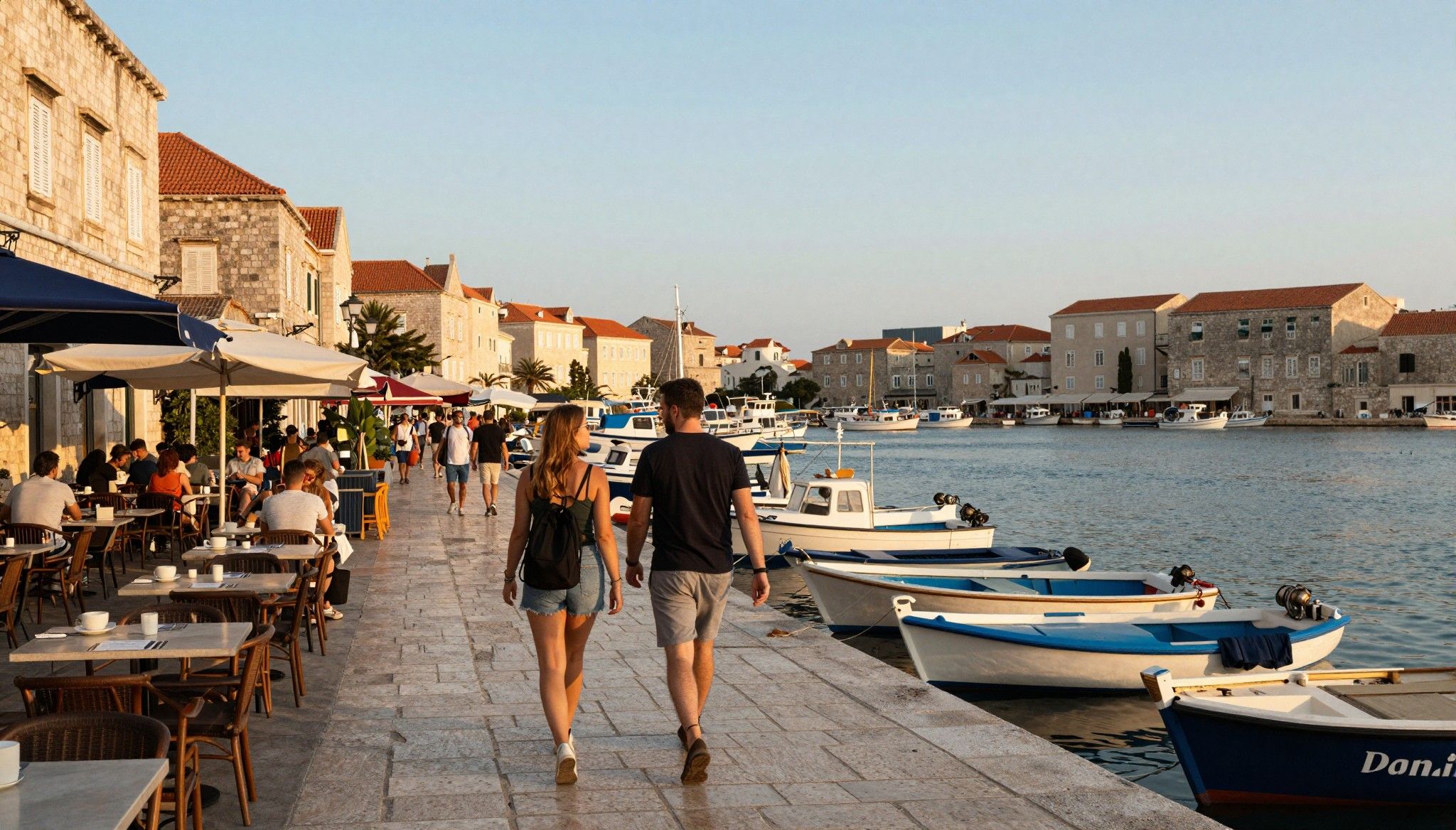
Imagine an autumn morning in Split: espresso rimmed with sea-salt on a stone window sill, fishermen untying nets below, and a narrow lane where a carefully restored 19th‑century townhouse stands waiting. For many international buyers that picture is the promise; for careful buyers it is also a set of tax decisions that quietly determine whether the promise becomes a lasting home or an expensive lesson. Croatia’s tax architecture — most notably the 3% transfer tax versus VAT on new builds — is the small, decisive detail that shapes the practical possibility of that life. Recent market analysis shows these choices materially affect total acquisition costs and long‑term yield.
Living the Croatia lifestyle

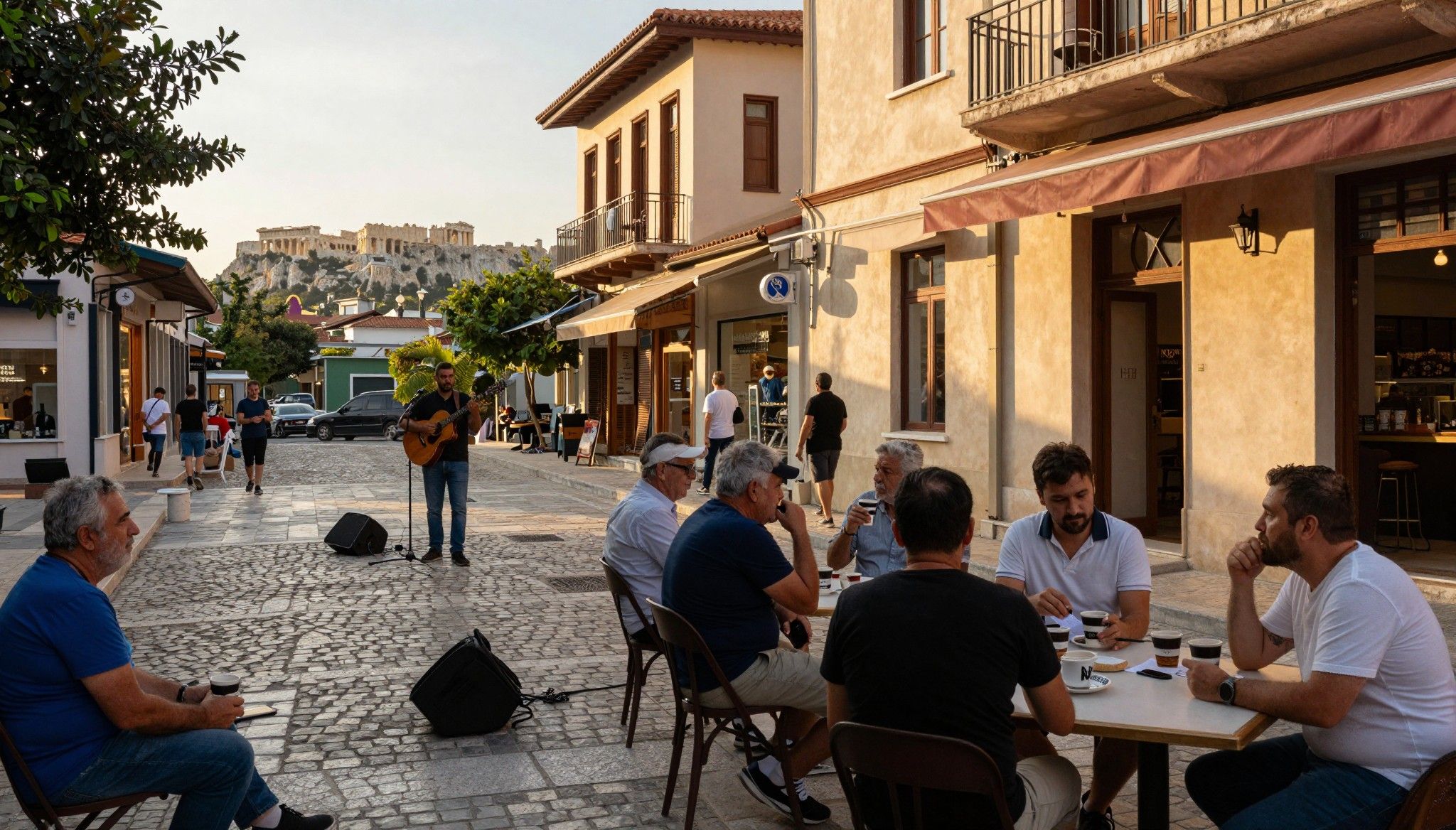
Croatia feels tactile: limestone streets warmed by sun, small harbours that double as social rooms, and markets where octopus is bartered beside heirloom tomatoes. Regions differ sharply. Zagreb is composed and civic; Istria folds wine hills into truffle forests; Dalmatia arranges life around the sea. The rhythm — a long lunch in summer, a quiet weekday morning in winter — informs where you want to live and what kind of property will serve you. Each choice carries tax consequences, from local communal fees to whether a sale is subject to VAT or the real estate transfer tax.
Dalmatian coast: harbours and restored townhouses
Picture Veli Varoš in Split or the alleys of Hvar town: small courtyards, shuttered windows, and residences that trade on architectural provenance. These historic buildings often come with complex title histories and occasionally zoning caveats that influence whether VAT applies or the 3% transfer tax does — and whether renovation costs will be deductible or capitalised for future tax calculations. Local knowledge is therefore essential when provenance matters as much as lifestyle.
Istria & Zagreb: country houses and measured urban life
In Istria you will find stone farmhouses and truffle markets; in Zagreb elegant apartments and late‑afternoon cafés. These are places where a buyer might prioritise long‑term residency, agricultural access, or rental yield. Each priority interacts with Croatian tax rules — agricultural plots, coastal protected zones and new build VAT treatment can all alter the economics of ownership.
Lifestyle highlights to look for
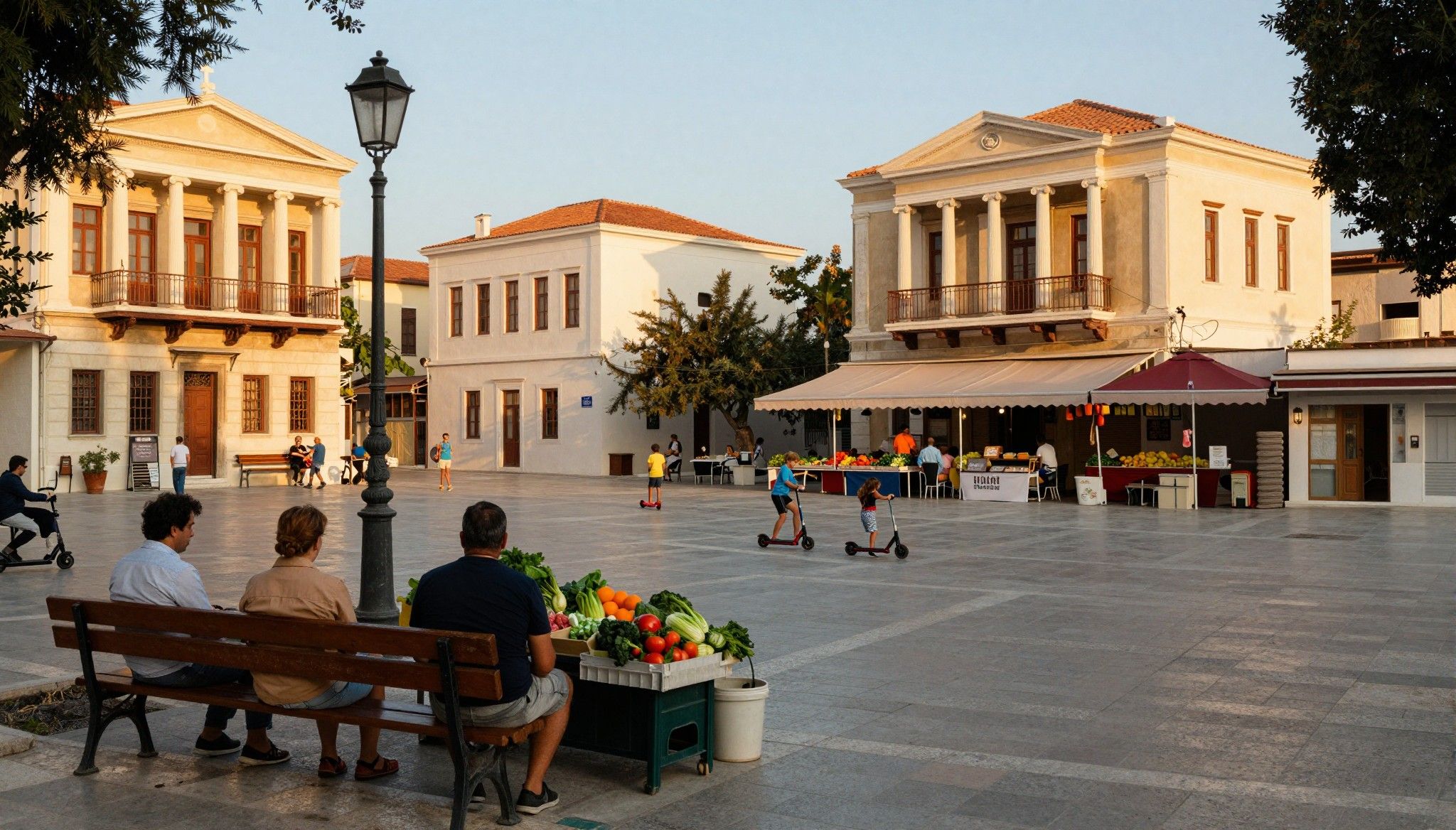
- Morning markets: Split’s Pazar and Dubrovnik’s Gundulićeva poljana — groceries, neighbours, and the pulse of neighbourhood life.
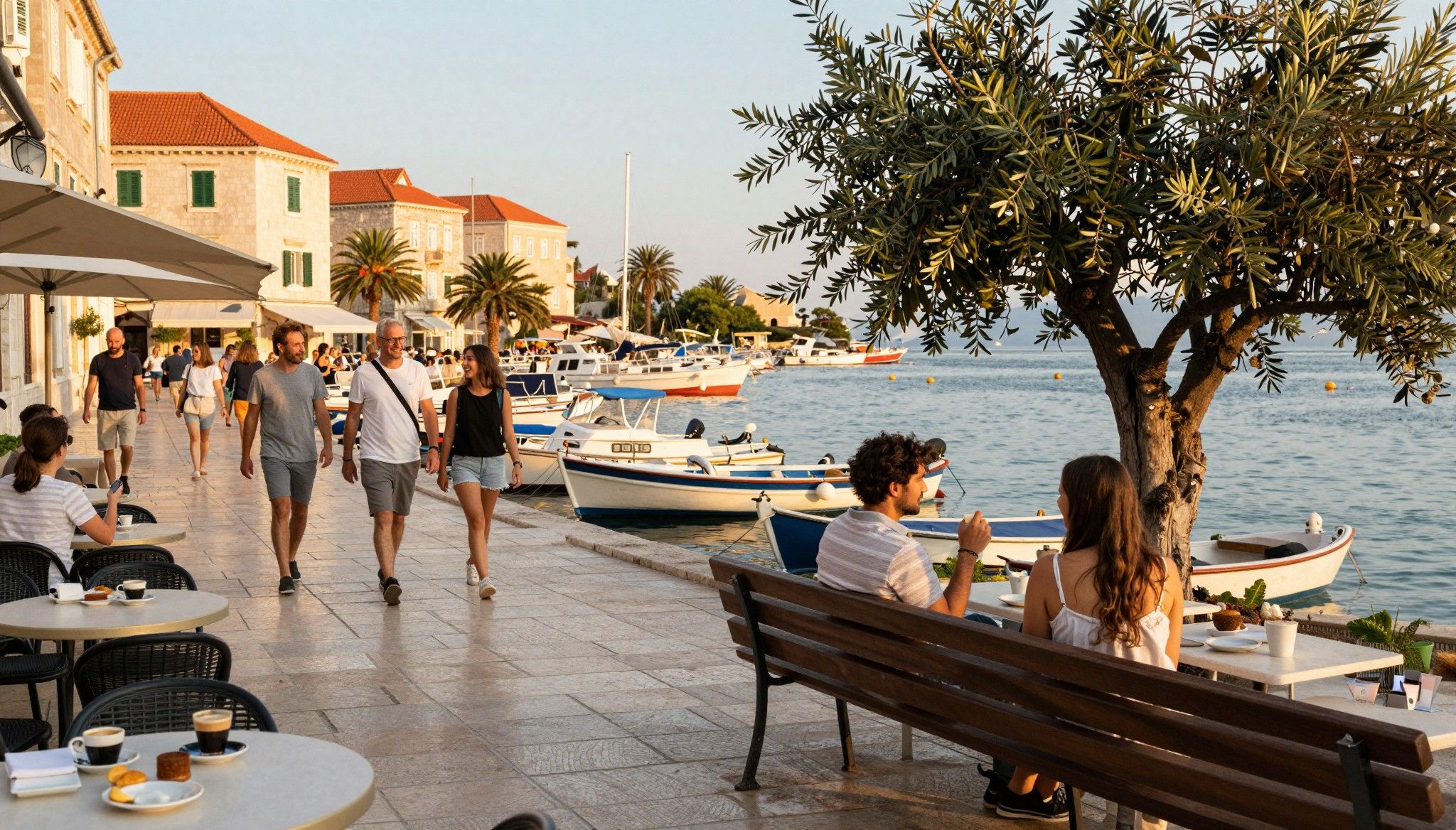
- Seaside rituals: late afternoon promenades on Riva (Split) or the quieter coves around Vis.
- Seasonal feasts: Istrian truffle festivals and Dalmatian fish grills that define the social calendar.
Making the move: practical considerations where tax and lifestyle meet

The simplest, most decisive technical point: when VAT is not charged, Croatia imposes a 3% real estate transfer tax on the market value of the property at acquisition. If a property is delivered as a new build by a VAT payer, VAT (typically 25%) may instead apply. This single distinction often changes whether a coastal apartment tailored for short‑term let keeps its projected yield or becomes a marginal investment once taxes are applied. Official guidance and recent market summaries confirm the 3% rate remains the common baseline for resales.
Property types and tax consequences
A historically restored townhouse, a resale apartment, and a developer’s flat are taxed differently. Buy resale and you will usually pay the 3% transfer tax; buy a new property from a VAT-registered developer and VAT will often be included. That trade‑off matters both for cash flow at closing and for rental yield. Carefully assess whether the advertised price is VAT‑inclusive or whether you will owe transfer tax on top of a quoted net price.
Working with local experts who know both law and life
A lawyer comfortable with Croatia’s land registry and a tax adviser who understands VAT elections are essential. Local agencies serve as cultural translators — not only finding properties that match your aesthetic but ensuring the paperwork reflects the life you intend to lead (full‑time residency, seasonal let, or pure investment). For non‑EU buyers, an additional Ministry of Justice reciprocity check can add weeks to closure; plan that into your timeline and budget.
Practical steps to reduce surprise tax costs
- Confirm whether the seller is a VAT payer and whether the price is VAT‑inclusive; if not, factor the 3% transfer tax into your offer.
- Request the land registry extract and certified proof of building permits — properties without valid permits may affect mortgage and insurance eligibility.
- For non‑EU nationals, open the reciprocity file early; for everyone, budget for notary, registration and modest local communal fees.
Insider knowledge: what expats wish they'd known
Experienced expats speak of two surprises: first, the administrative cadence — seemingly small documents and stamps matter greatly; second, the seasonal character of value. A property that charms in August may be functionally quiet nine months of the year. Tax planning should therefore reflect not only the purchase moment but the life you expect to live there. Many owners underestimated communal and tourist‑related local levies; others overlooked transfer tax timing when splitting purchases across family members.
Cultural integration and everyday practicalities
Croatians prize neighbourly continuity: introductions at the bakery, attention to permit conventions, and respect for quiet hours. Language is part of stewardship; a homeowner who understands basic Croatian will find smoother relationships with local administrations and tradespeople — and, in many cases, better outcomes during negotiations over permits or small renovations that affect tax treatment.
Long‑term considerations: resale, inheritance and taxes
Plan for the long view: capital gains rules, inheritance procedures and municipal property levies can evolve. Recent policy discussions include recurrent property tax concepts that may alter carrying costs. Discussing estate arrangements early — whether transfer by gift, sale, or through a Croatian legal entity — affects succession tax and the continuity of the life you built here.
Red flags buyers should never ignore
- No recent land registry extract or unclear title chains.
- Seller price quoted without clarity on VAT versus transfer tax.
- Property lacking building permit or with disputed coastal zoning.
Conclusion: how to make the lifestyle you imagine fiscally sound
If Croatia’s light and materiality draw you, allow a moment for tax clarity before the emotional decision. Confirm VAT status, secure certified land registry extracts, open the reciprocity process if needed, and engage a local lawyer and tax adviser who move easily between cadastral detail and lifestyle aspiration. With the right team, that stone townhouse or coastal apartment becomes not only a place of rare mornings and good company, but a sustainably managed asset — a house that supports the life you sought when you first imagined the window and the sea.
Relocating from London to Mallorca in 2014, I guide UK buyers through cross-border investment and tax considerations. I specialise in provenance, design integrity, and long-term value.