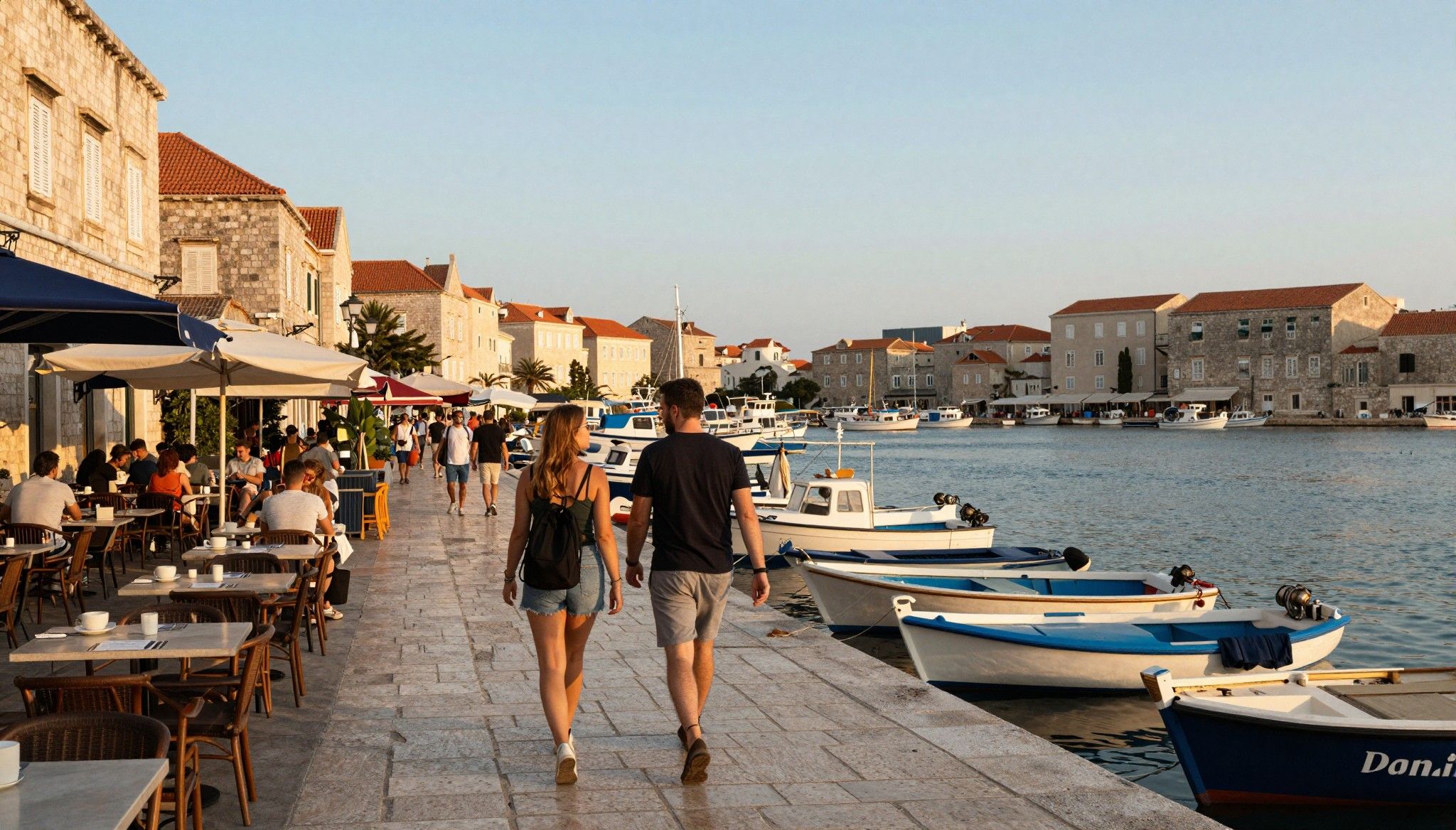
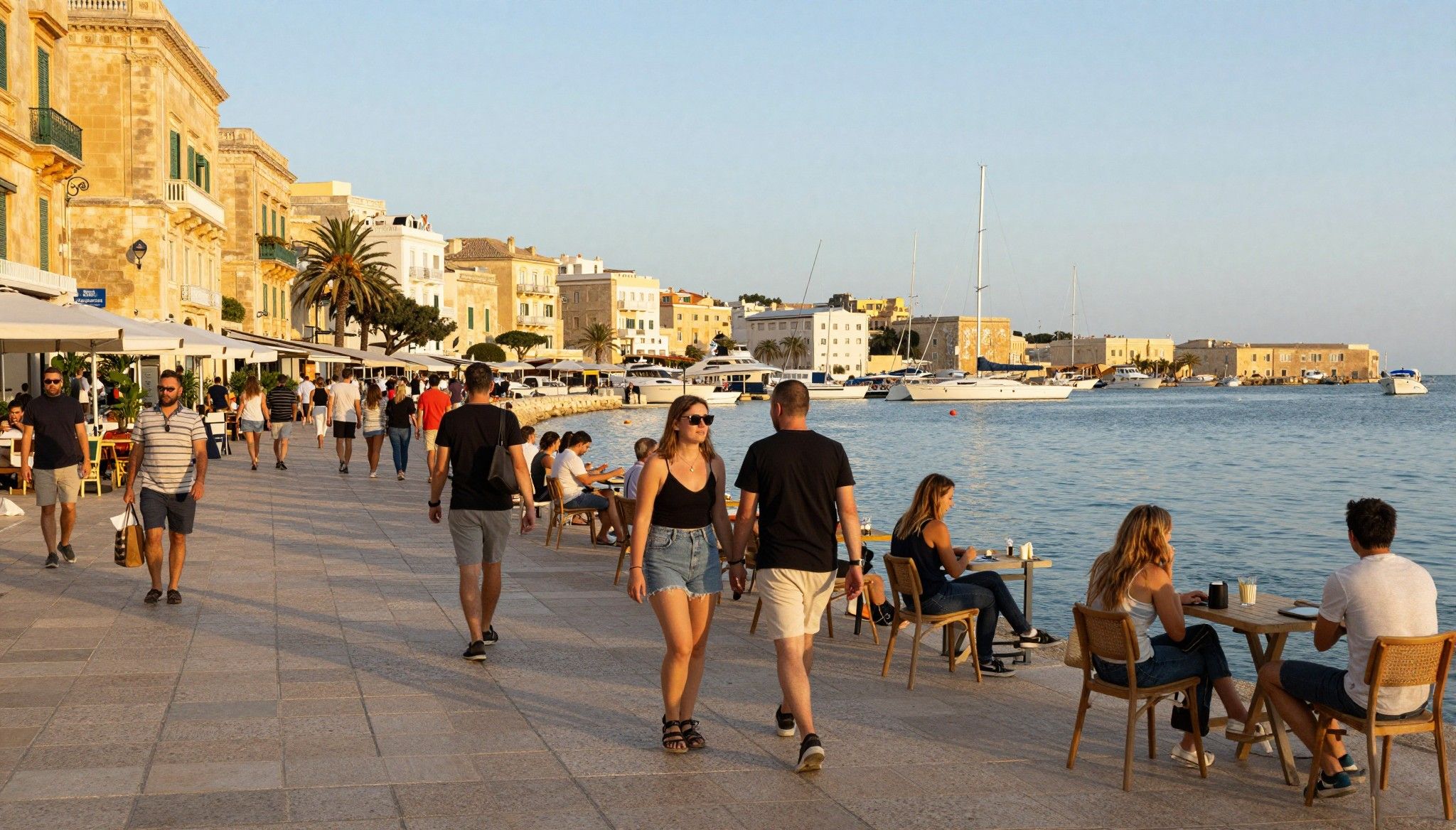
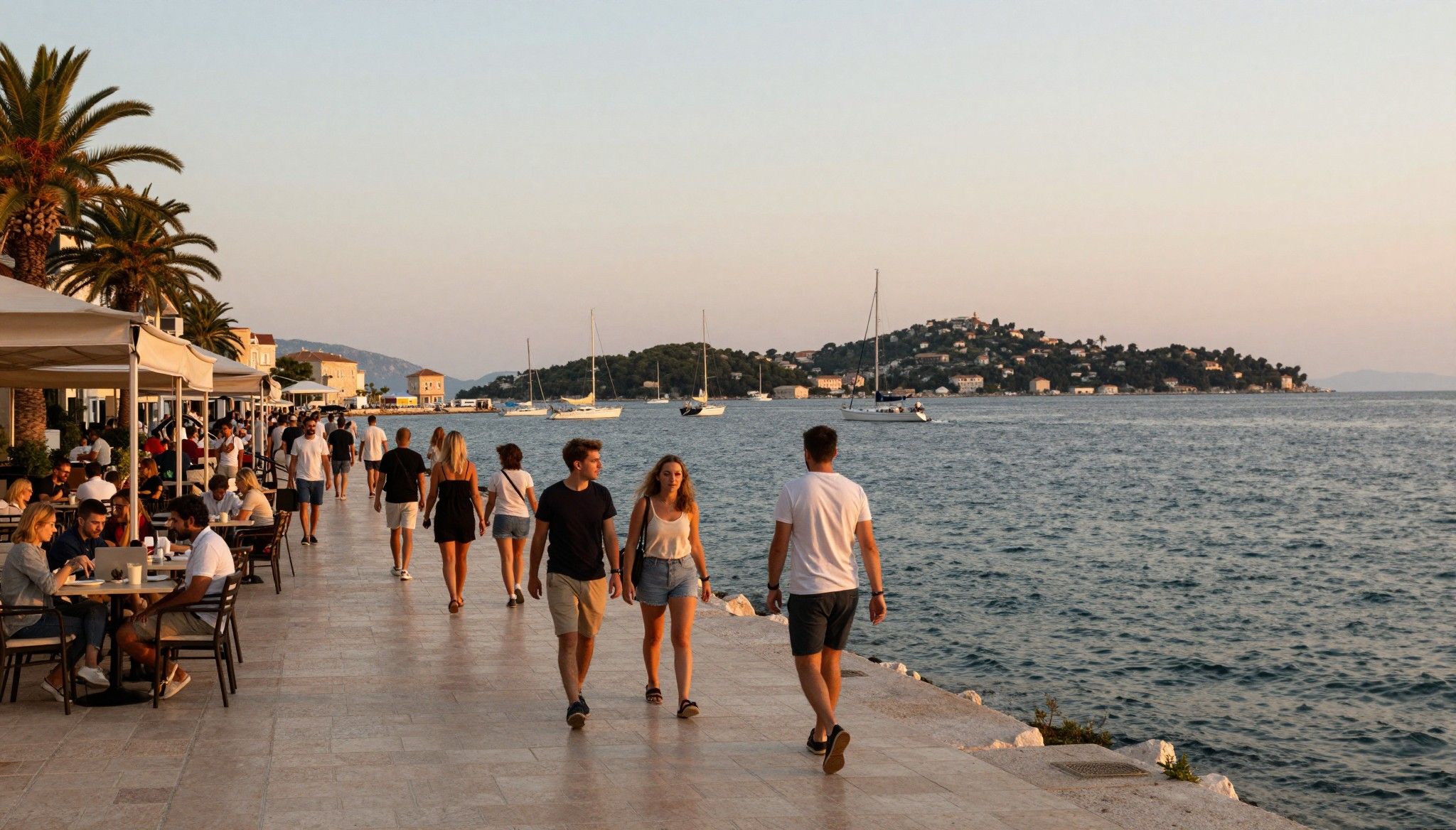
When Athens' 'Underdog' Neighbourhoods Outperform the Coast
Data shows mid‑market urban homes in Greece often offer steadier demand and livability than seasonal coastlines; choose neighbourhood life as carefully as view.
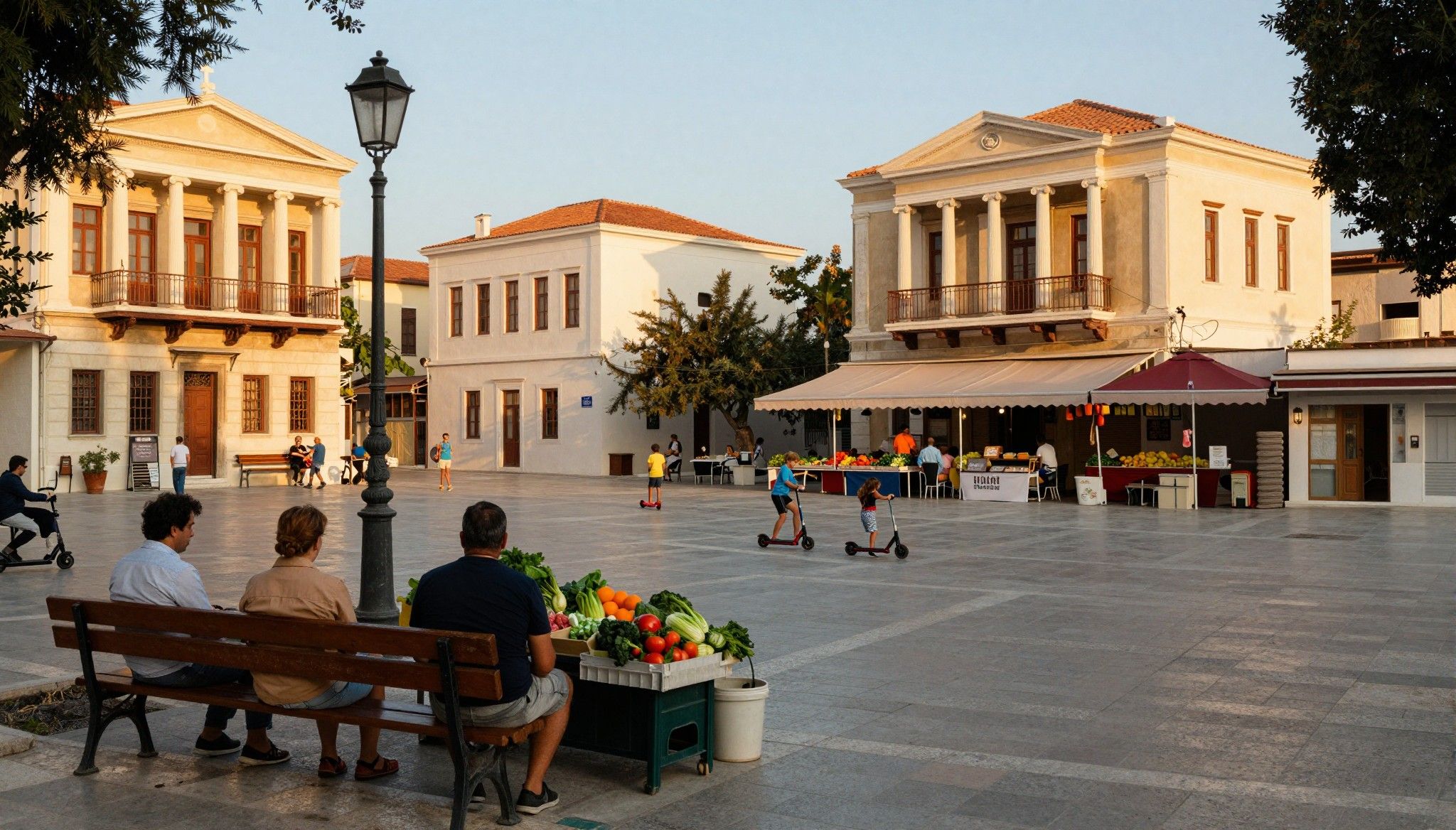
Imagine arriving in Athens just before dusk: market carts are closing in Psyrri, a pastry shop on Ippokratous pushes steam into the street, and a terrace in Koukaki is full of neighbours discussing the day. This is the everyday intimacy international buyers often seek — a life measured in small rituals rather than headline panoramas.
Living the Greek life: close, tactile, specific
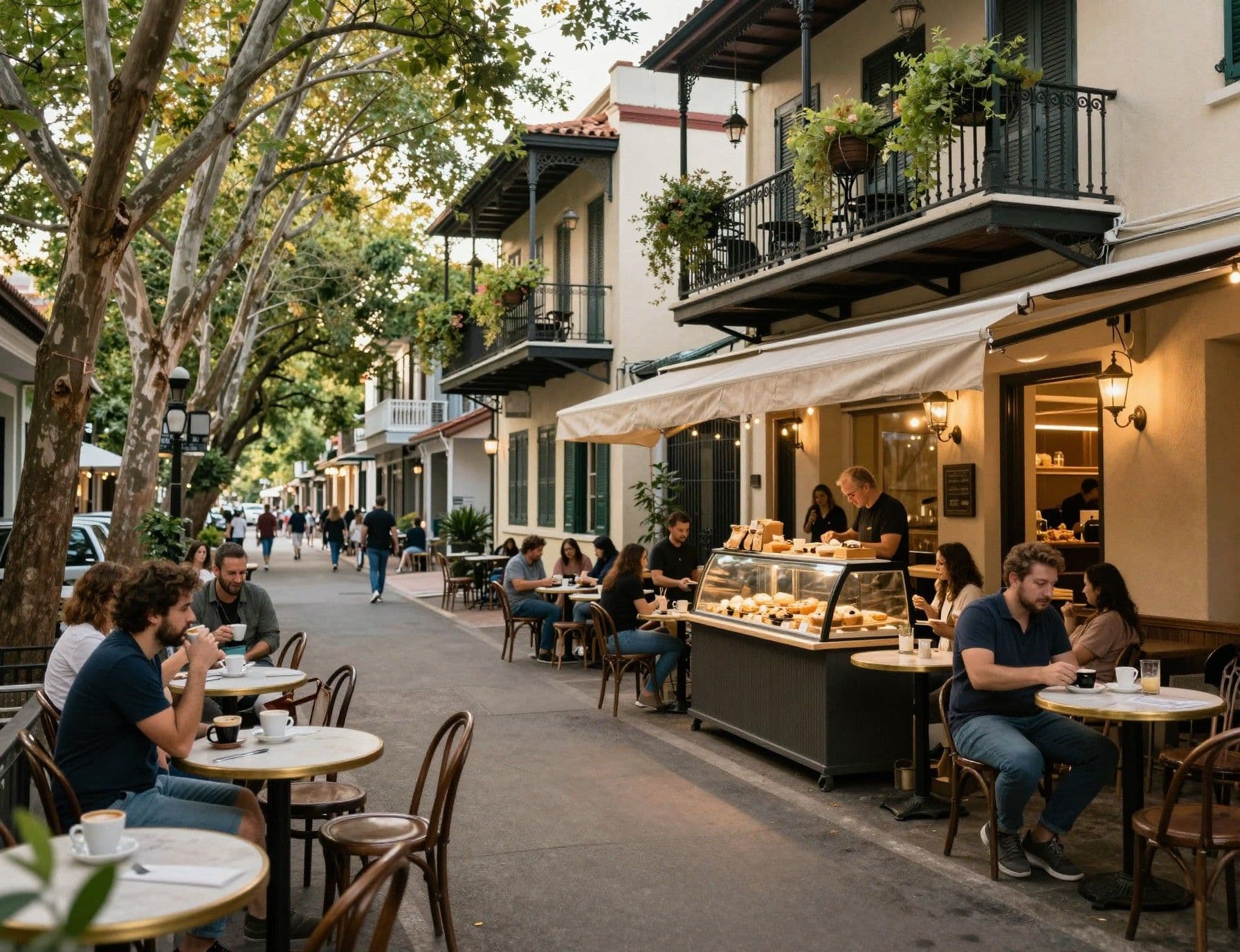
Greece is not one texture but many: narrow alleys of Chania, whitewashed courtyards in Paros, the layered marble and brass of a restored neoclassical in Plaka. In Athens, neighbourhood life is immediate — espresso cups on footpaths, municipal gardens hosting morning tai chi, and plateia (squares) where children ride scooters. For buyers who prize everyday ritual, smaller streets with a neighbourhood kafeneio often matter more than a sweeping sea view.
Neighbourhood spotlight — Koukaki and Petralona
Koukaki sits beneath the Acropolis yet feels like a village within a capital: narrow, tree-lined residential streets, tavernas where families eat together, and small galleries that open on weekend evenings. Petralona, a few stops away, offers a more working‑class intimacy with bakery scents spilling into plateia life. Both neighbourhoods are proving unexpectedly resilient to speculative swings because they deliver habitability — quiet mornings, proximate markets, short walks to schools and cultural venues.
Food, markets and the social architecture of place
In Greece the market is not merely supply; it is social infrastructure. Saturday mornings at Varvakios in central Athens or the small farmers’ stalls in Kypseli are where you meet neighbours and judge a neighbourhood’s rhythm. For many buyers the ability to walk to a fishmonger or have a Friday-night taverna within sight is a value that outlasts seasonal rental premiums.
Lifestyle highlights worth seeking
- Morning espresso at The Underdog in Koukaki; late‑afternoon walks on Lycabettus; a baker in Petralona who knows your order; weekly fish stalls at Varvakios; summer concerts at the Odeon of Herodes Atticus.
When the ‘underdog’ neighbourhood outperforms the coast
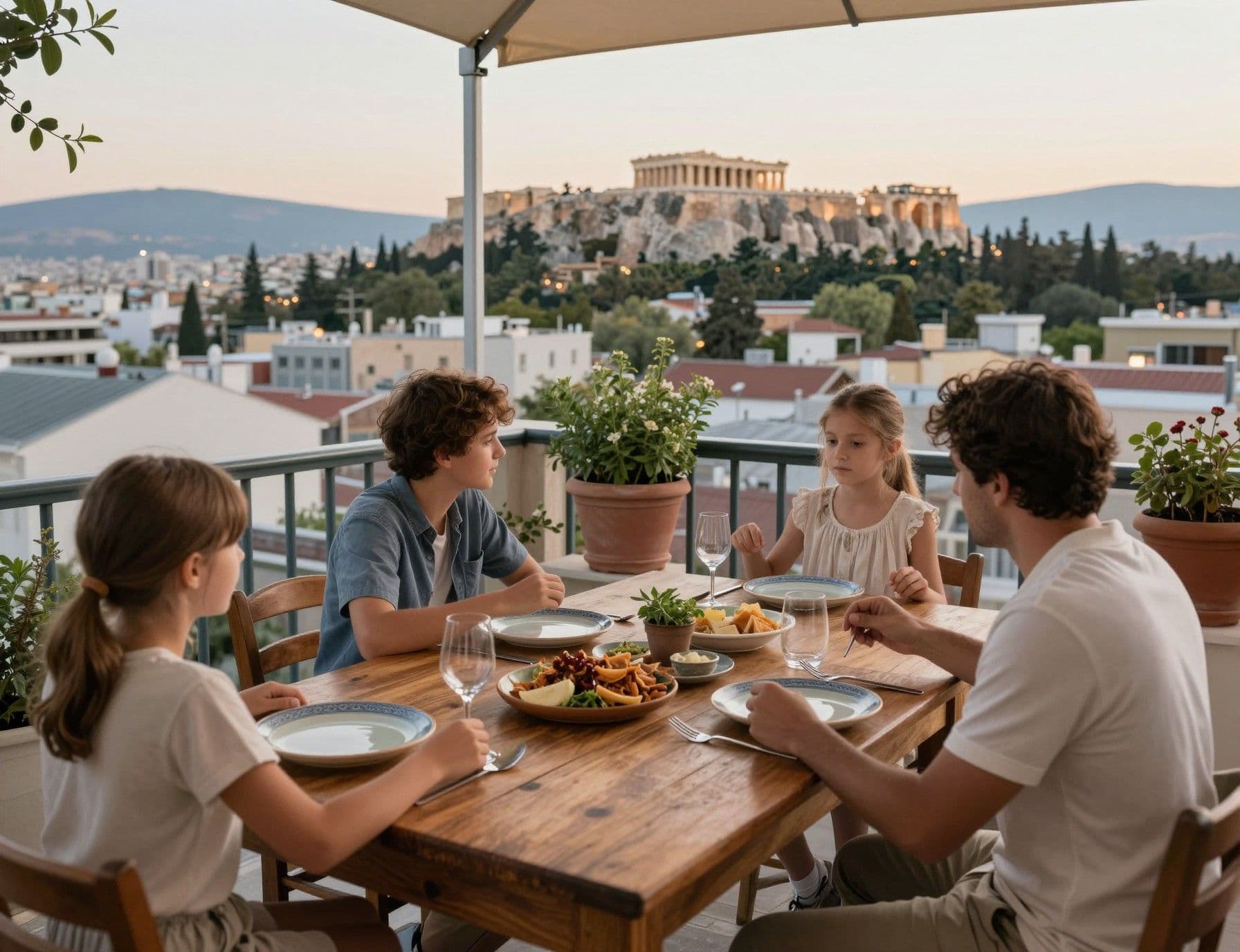
Contrary to the intuition that coastal villas always lead gains, recent data shows strong, sustained demand in mid‑market urban apartments — the product many international buyers actually purchase. The Bank of Greece and market reports note persistent price growth in urban centres and a large share of foreign transactions in the €100–€200k band. For buyers seeking steady rental yield and daily life, central neighbourhood flats can outperform seasonal coastal properties in liquidity and year‑round desirability.
Property styles and how they shape living
In Athens, neoclassical apartments with high ceilings offer formal reception rooms; post‑war blocks provide practical layouts and balconies; and sensitive restorations combine original plank floors and marble thresholds with modern kitchens. On islands, stone courtyards and whitewashed villas promise privacy and light but come with seasonality and higher running costs. Choose form by how you intend to live: year‑round habitation favours compact, well‑connected city flats; slow‑season retreats favour durable, low‑maintenance island homes.
How local experts translate lifestyle into value
A knowledgeable agent will match street‑level life to technical factors: proximity to plateia and markets for livability; building fabric and restoration quality for longevity; transport links for liquidity; and rental seasonality when assessing yield. Many local firms now produce micro‑reports on neighbourhood footfall, cafe density and municipal improvements — the practical measures that protect lifestyle investments.
- 1. Inspect the block: ask about roof condition, water pressure and communal balance. 2. Test the tempo: spend three different hours in the neighbourhood (morning, afternoon, night). 3. Confirm amenity permanence: check municipal plans for pedestrianisation or market refurbishments. 4. Assess seasonality exposure: compare actual year‑round bookings versus peak months if relying on holiday rentals.
Insider knowledge: what expats wish they’d known
Beyond documents and price indices, the decisive factors are cultural and logistical: the cadence of Greek bureaucracy, the importance of personal introductions, and the weekend life that defines neighbourhood bonds. Many expats underestimate how quickly a locality’s social capital — the baker, the kafeneio owner, the schoolteacher — becomes the real return on their investment.
Integration, language and daily rituals
Learning basic Greek opens doors not just to services but to trust. Attend a plateia concert, volunteer at a local festival, buy from the same fishmonger — these small acts build the neighbourly relationships that make a house feel like home. For many buyers, the social neighbourhood score eclipses ledgered returns over a decade.
Long‑term lifestyle considerations
Think beyond purchase: how will you age in this place, what maintenance will a stone house demand, and can you see everyday routes to friends, health care and cultural life? Properties that require minimal re‑work, sit near civic life, and have durable materials tend to repay both financially and emotionally.
- Practical red flags to watch for • Over‑restoration that erases original fabric • Buildings with unclear title chains or inheritance claims • Properties with seasonal-only access roads • Communal fee disputes in older apartment blocks • Listings that emphasise rental yield without municipal permits
If you are drawn to Greece by cuisine, light and a cultivated neighbourhood life, consider the trade‑off between a glorious view and the day‑to‑day comforts that sustain life. Often the quieter, less hyped streets deliver the truest Greek life: morning coffee, a known baker, neighbours who become friends.
Conclusion: begin not with a map but with a morning. Spend time in the neighbourhoods you admire, ask an agent about the baker and the school as much as the price per square metre, and use local reports to temper glamour with durability. A well‑chosen urban flat in Athens or a quietly revived maisonette on an island can both fulfil the dream — but only if lifestyle and technical diligence travel together.
Relocating from London to Mallorca in 2014, I guide UK buyers through cross-border investment and tax considerations. I specialise in provenance, design integrity, and long-term value.