Greece: How Lifestyle Choices Really Shape Your Costs
Practical, lifestyle‑first look at what living in Greece actually costs — neighbourhood trade‑offs, seasonality, and steps to align lifestyle with ownership expenses.
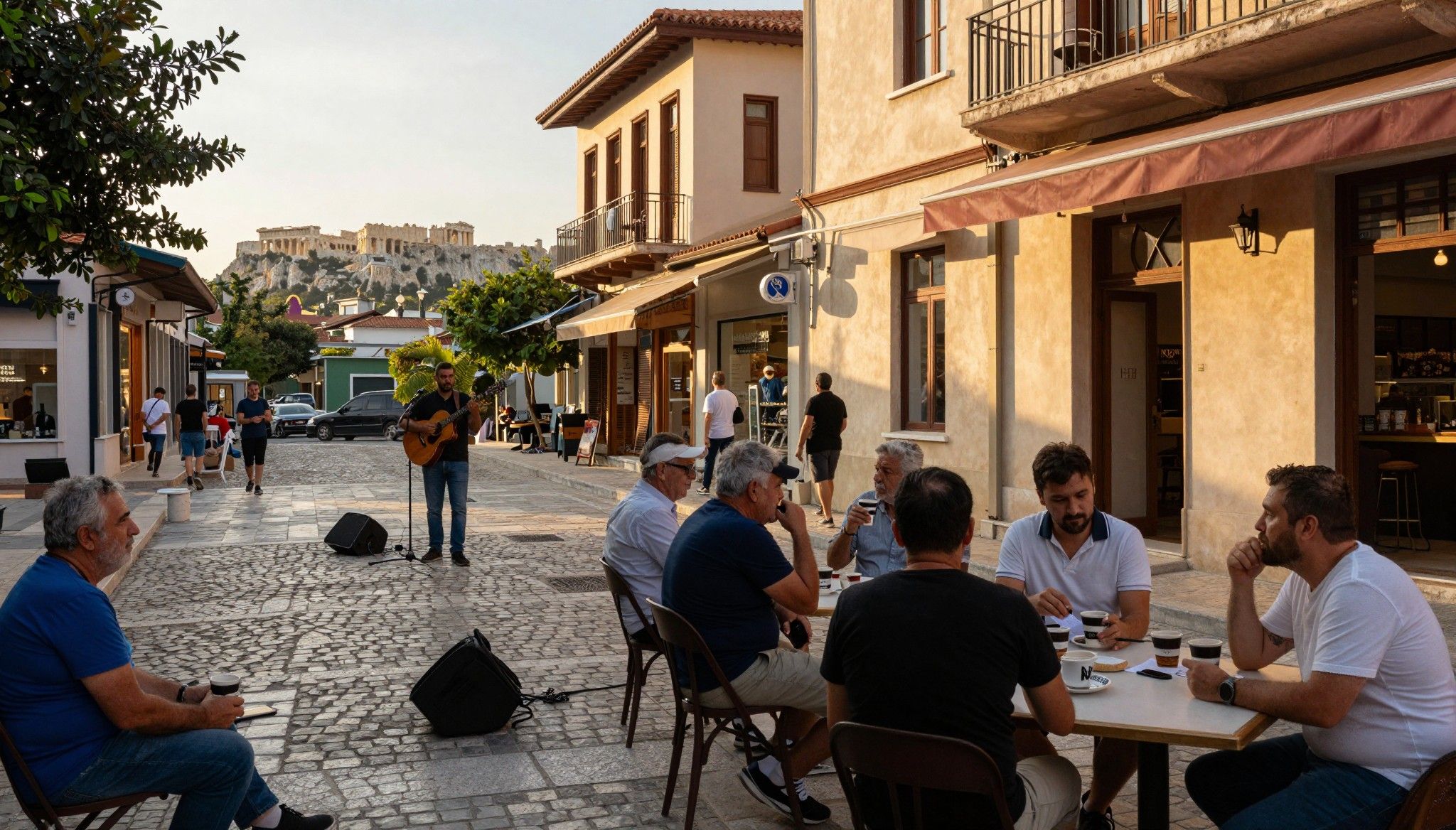
Imagine waking to the smell of fresh bread from a neighbourhood boulangerie, listening to the distant toll of a church bell and stepping out to a café where locals linger over thick Greek coffee. That's ordinary life in many parts of Greece — a rhythm of markets, narrow streets, and afternoons that favour lingering over efficiency. Yet the practical question lingers for international buyers: what does this life cost, and how does living‑cost reality reshape where you actually buy?
Living the Greece lifestyle
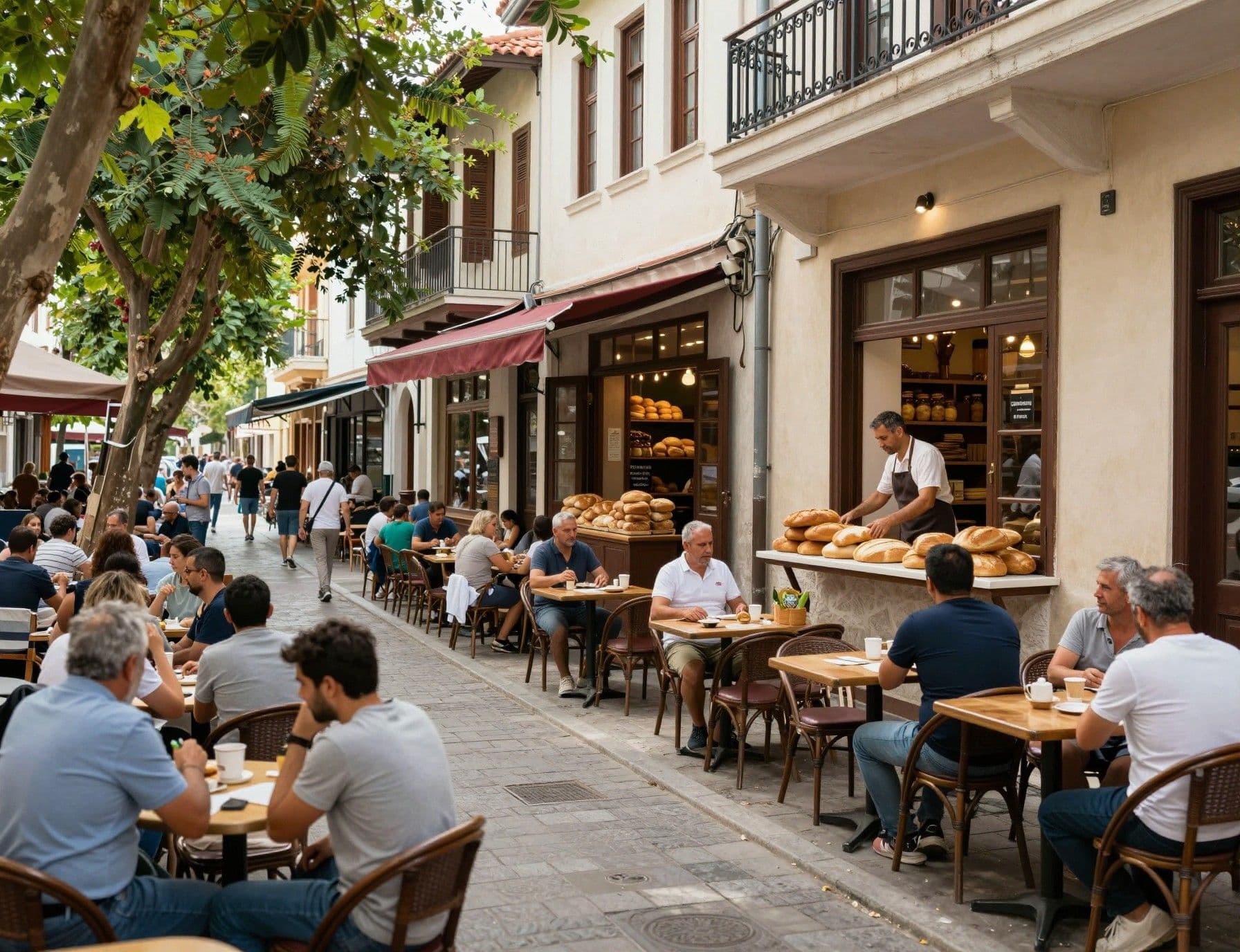
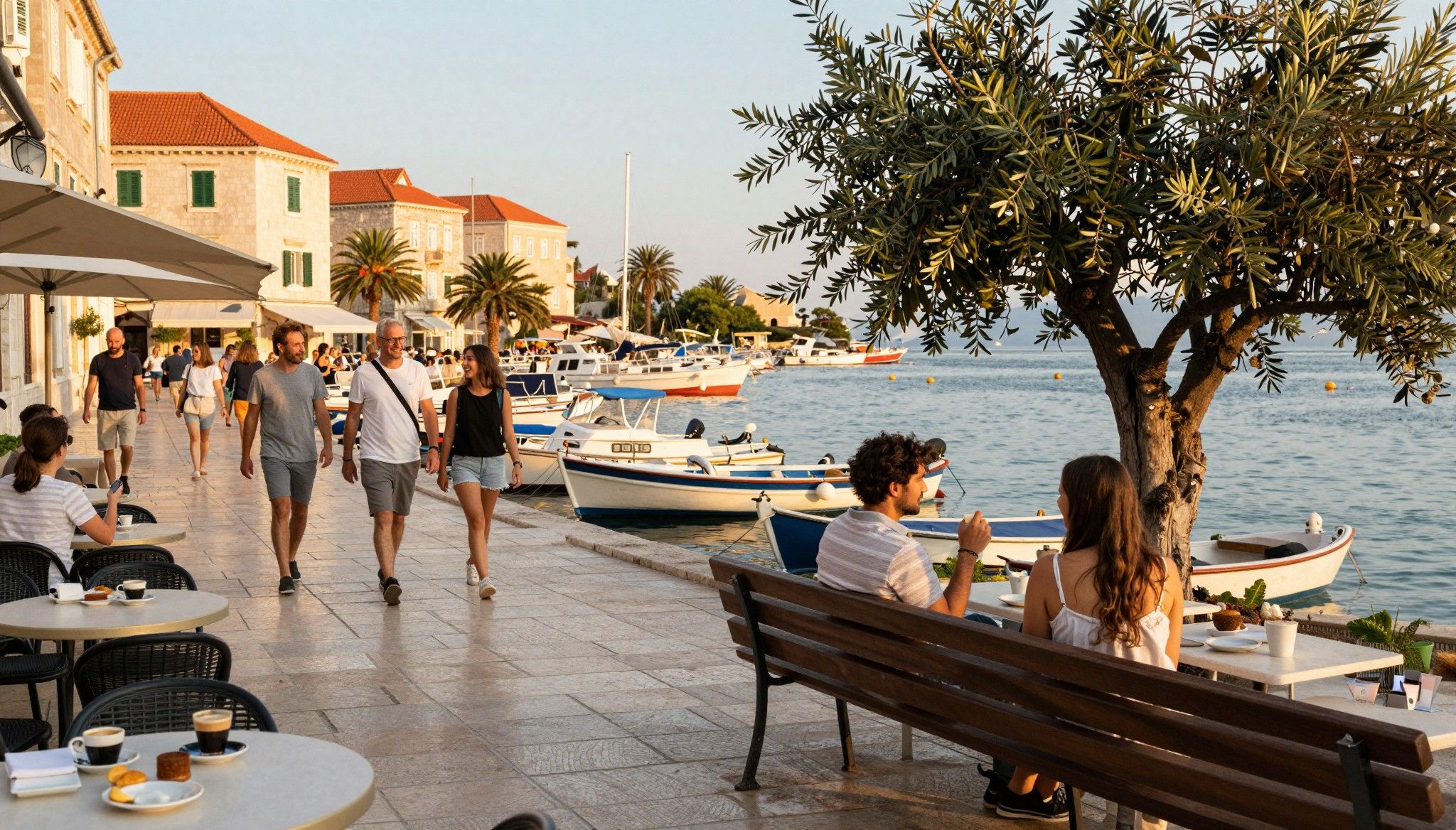
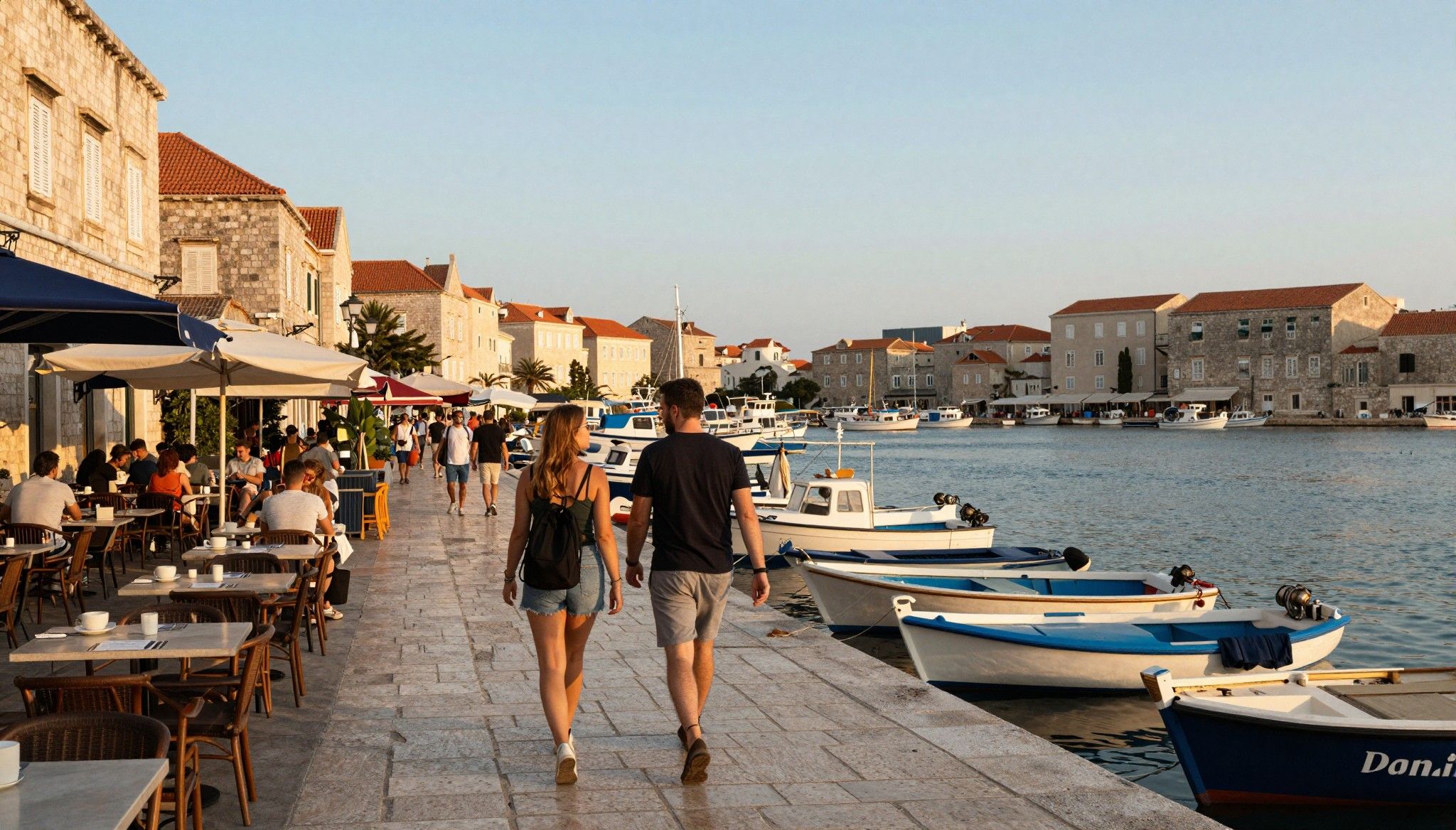
Greece is an ensemble of distinct daily rhythms. In Athens, mornings are for espresso and a paper in Koukaki; afternoons drift toward museums and shaded squares in Kolonaki; evenings gather on a Thiseio terrace with the Acropolis lit above. On the islands — from a quietly elegant Paros hamlet to the high‑energy terraces of Mykonos — life bends toward the sea: al fresco lunches, late sunsets, and a seasonal population that swells in summer. These variations are not mere aesthetics; they determine recurring household costs such as utilities, groceries and services.
Athens neighbourhoods that show you different lives
Koukaki offers cobbled streets, small bakeries and a young‑resident energy — lower day‑to‑day costs than central Plaka yet immediate access to museums and markets. Kolonaki reads as refined: designer boutiques, gallery openings and higher‑end dining that mean groceries, coffee and services will run above the Athens average. On islands such as Naxos or Paros you trade some price inflation on essentials and seasonal service premiums for the quiet of village life and agricultural produce brought directly from local farmers.
Food, markets and the weekly rhythm
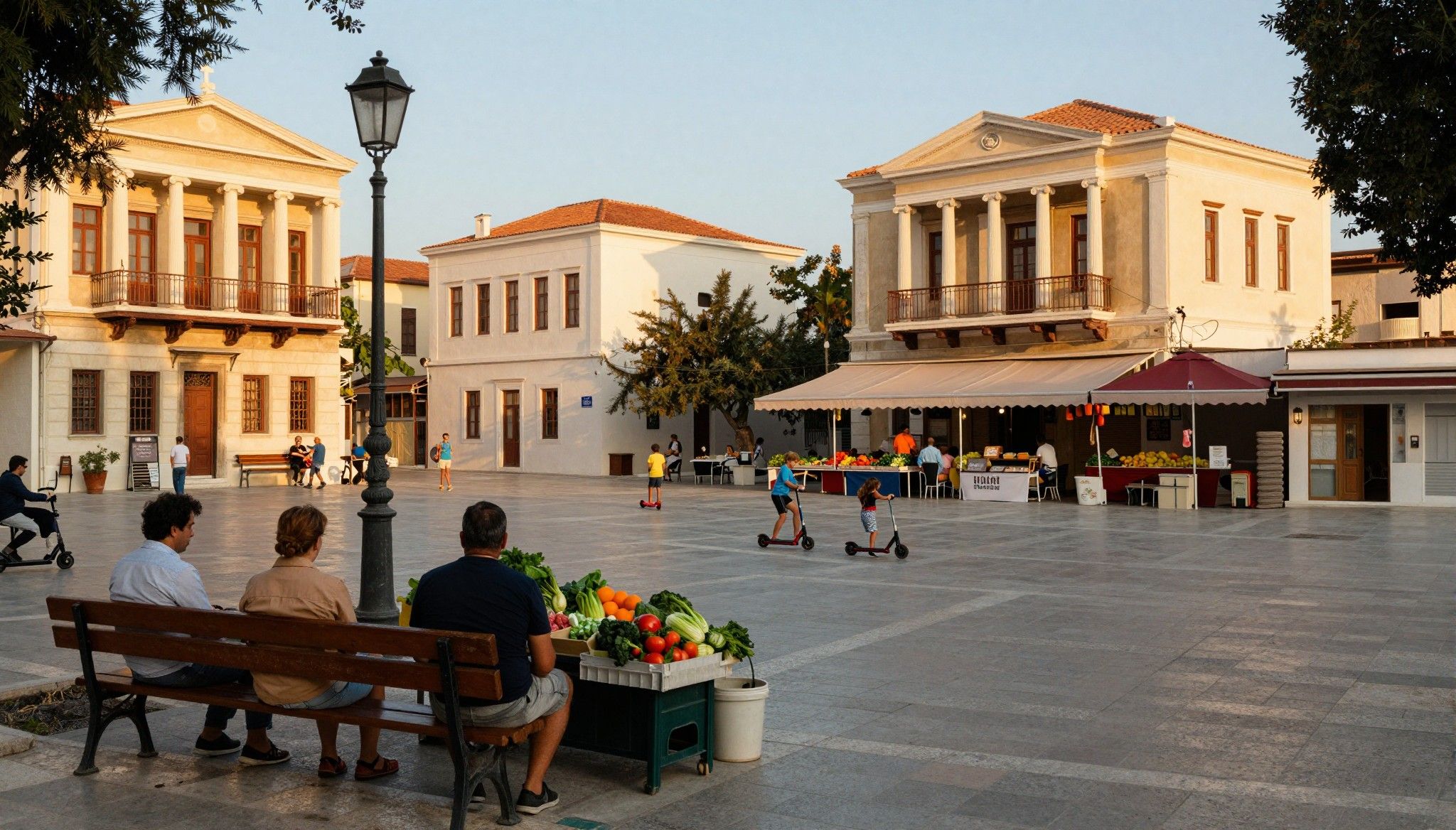
A Greek week pivots around markets and neighbourhood tavernas. Buying seasonally at central markets — think Varvakios in Athens or local island agricultural stalls — reduces grocery bills and sharpens the quality of daily life. Dining out ranges from inexpensive mezedes in local kafenia to higher‑priced gourmet restaurants in Kolonaki or on boutique islands; how often you choose one over the other materially shifts monthly living costs.
- Lifestyle highlights to weigh when choosing where to live
- Morning market visits (Varvakios, local island stalls) — fresh produce, lower weekly food spend
- Walking and cafés in Koukaki or Pangrati — modest rent with strong community life
- Kolonaki terraces and gallery evenings — higher service and leisure costs, less noise
- Island seasonality (Mykonos, Santorini) — strong rental upside in summer, higher utility and service costs year round
Making the move: practical considerations
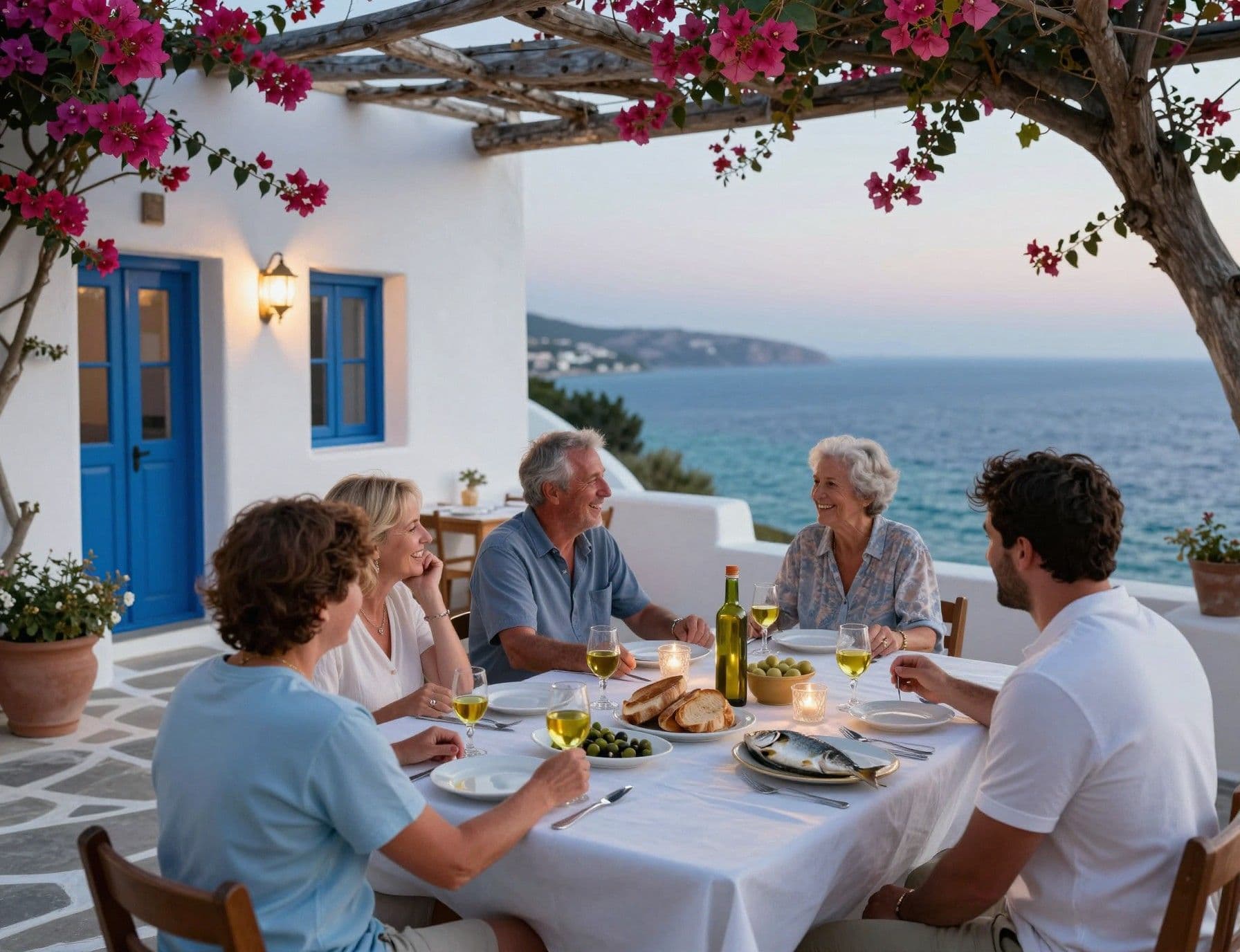
Lifestyle choices map directly onto measurable costs. Recent consumer price movements and local price indices indicate groceries, dining and utilities can vary meaningfully between central Athens, regional cities and islands. It is important to translate the life you want into monthly line items — from energy costs for a wintered island home to higher summer municipal fees in touristic towns.
Property styles and how they shape costs
A 19th‑century townhouse in Plaka requires different stewardship from a contemporary apartment in Kifisia or a Cycladic stone house on Paros. Older constructions often carry higher maintenance and renovation costs but reward with provenance and character; new builds bring energy efficiency and lower immediate upkeep. Factor in seasonal usage: houses used mainly in summer still incur standing costs (insurance, municipal taxes, basic utilities) that affect total ownership expense.
Working with local experts who know the lifestyle
Agencies and advisors who live locally can translate lifestyle preferences into realistic cost forecasts — from municipal waste fees to seasonal security and property management charges. They will also advise on neighbourhood micro‑costs: where grocery staples are more expensive, where private schooling adds a predictable line item, and which ports or airports widen your travel‑cost footprint.
- Six steps to reconcile lifestyle and living costs before you buy
- List estimated monthly costs for two scenarios — full‑time resident and seasonal owner — including utilities, groceries, services and insurance.
- Visit neighbourhoods at different times (weekday morning, weekend evening, low season) to experience true running costs and available services.
- Request recent utility bills and municipal charge examples for comparable properties from your agent to verify ongoing expenses.
- Factor in seasonal management: get quotes for caretaking, winterisation and short‑term letting management if you plan to rent in summer.
- Compare renovation quotes that specify energy upgrades — insulation and efficient heating can materially lower winter costs for island or mountain properties.
- Agree a trial budget with your agent and property manager for the first year; adjust your offer if standing costs push total ownership above your comfort range.
Insider knowledge: what expats wish they'd known
Expat experience often separates expectation from reality. Many underestimate the impact of seasonality on services: island living in winter means fewer shops and higher delivery costs. Others misunderstand neighbourhood economies — living near a tourist hotspot brings convenience and income opportunities but a different cost profile when it comes to parking, cleaning and short‑term rental regulation compliance.
Cultural integration, language and daily life
A modest investment in language and local relationships lowers living costs over time. Learning basic Greek opens access to better market prices, favours with artisans, and community networks that provide trusted tradespeople. Social integration shifts your consumption: you will eat more market produce and fewer packaged imports, accept invitations to shared meals, and learn where to source household services affordably.
Longer‑term lifestyle and cost sustainability
Over the next several years Greece's market looks more selective than it was during the rapid growth phase: buyers should budget for modest price appreciation in key areas while choosing properties that control running costs. Well‑executed energy improvements and good property management are decisive in protecting lifestyle value and managing total cost of ownership.
- Signs a neighbourhood will sustain the lifestyle you want
- Year‑round basic services (bakery, pharmacy, produce market) — essential for full‑time living
- Reliable transport links — reduces car ownership and parking expense
- Local community institutions (churches, clubs, markets) — they anchor social life and trusted services
Conclusion: a life‑first, numbers‑second decision
Choose Greece for the texture of daily life and then bring the numbers into alignment. Begin with neighbourhood visits in different seasons, ask for real running‑cost examples, and work with a local advisor who treats lifestyle as the primary brief. When lifestyle and ledger meet, you buy not only a property but a plausible future — a neighbourhood table where you will one day be known.
Norwegian with years in Florence guiding clients across borders. I bridge Oslo and Tuscany, focusing on legal navigation, cultural context, and enduring craftsmanship.