Secure the Life: Insurance & Protections in Croatia
How to protect a Croatian home without losing the romance: lifestyle-led insurance, local checks, and practical steps for international buyers.
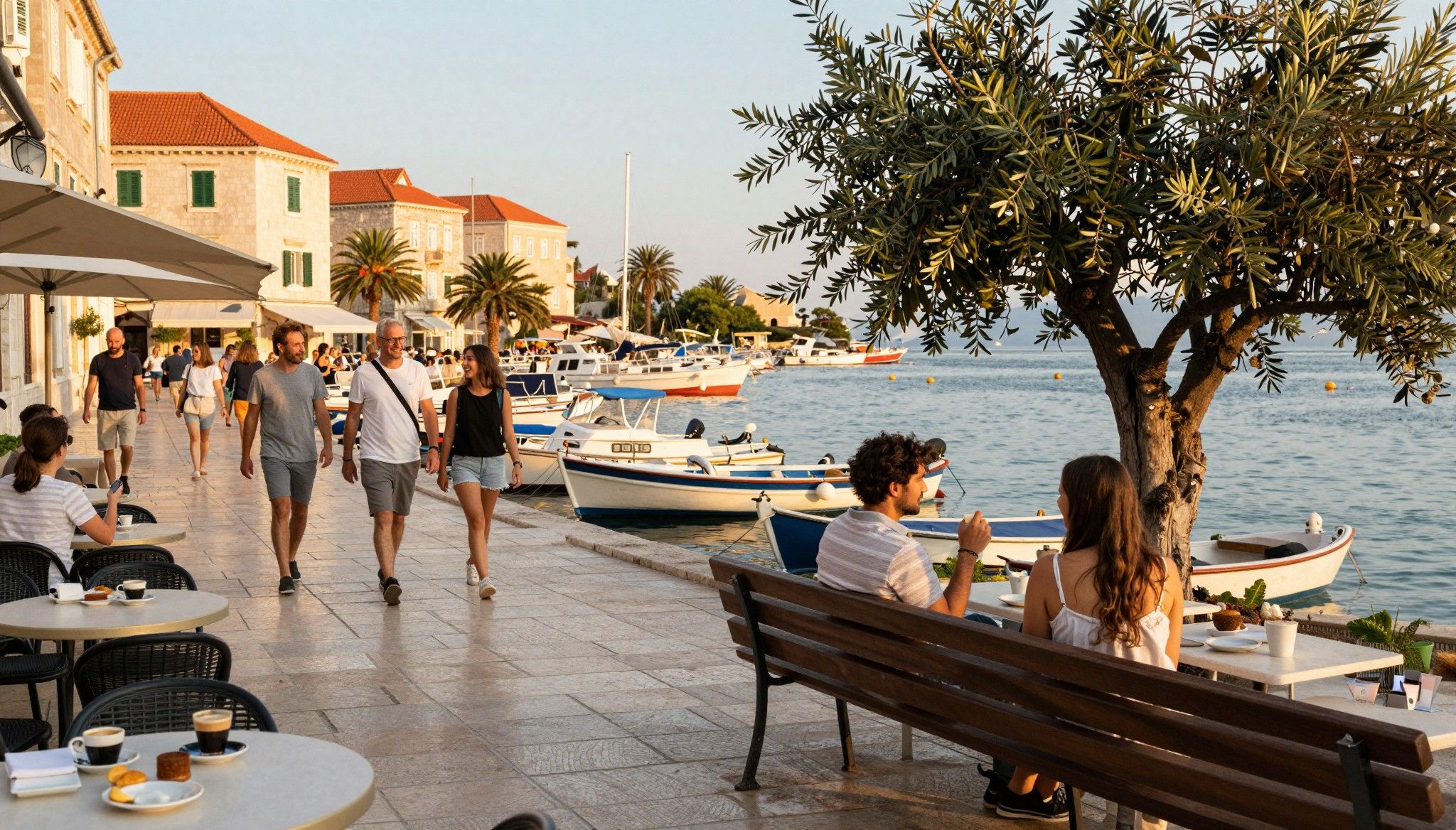
Imagine a morning in Dubrovnik’s Ploče — the sea breaking against the old stone, an espresso pulled at a shaded table while fishermen unload crates of sardines. In Rijeka, trams trace arcs past Austro‑Hungarian façades; on Hvar, olive trees scent the air. Croatia’s cadence is at once coastal languor and cultivated urban life. For many international buyers the romance arrives first; the necessary protections come second. This guide pairs that romance with the legal and insurance clarity that keeps your Croatian home secure and your peace of mind intact.
Living the Croatia Life
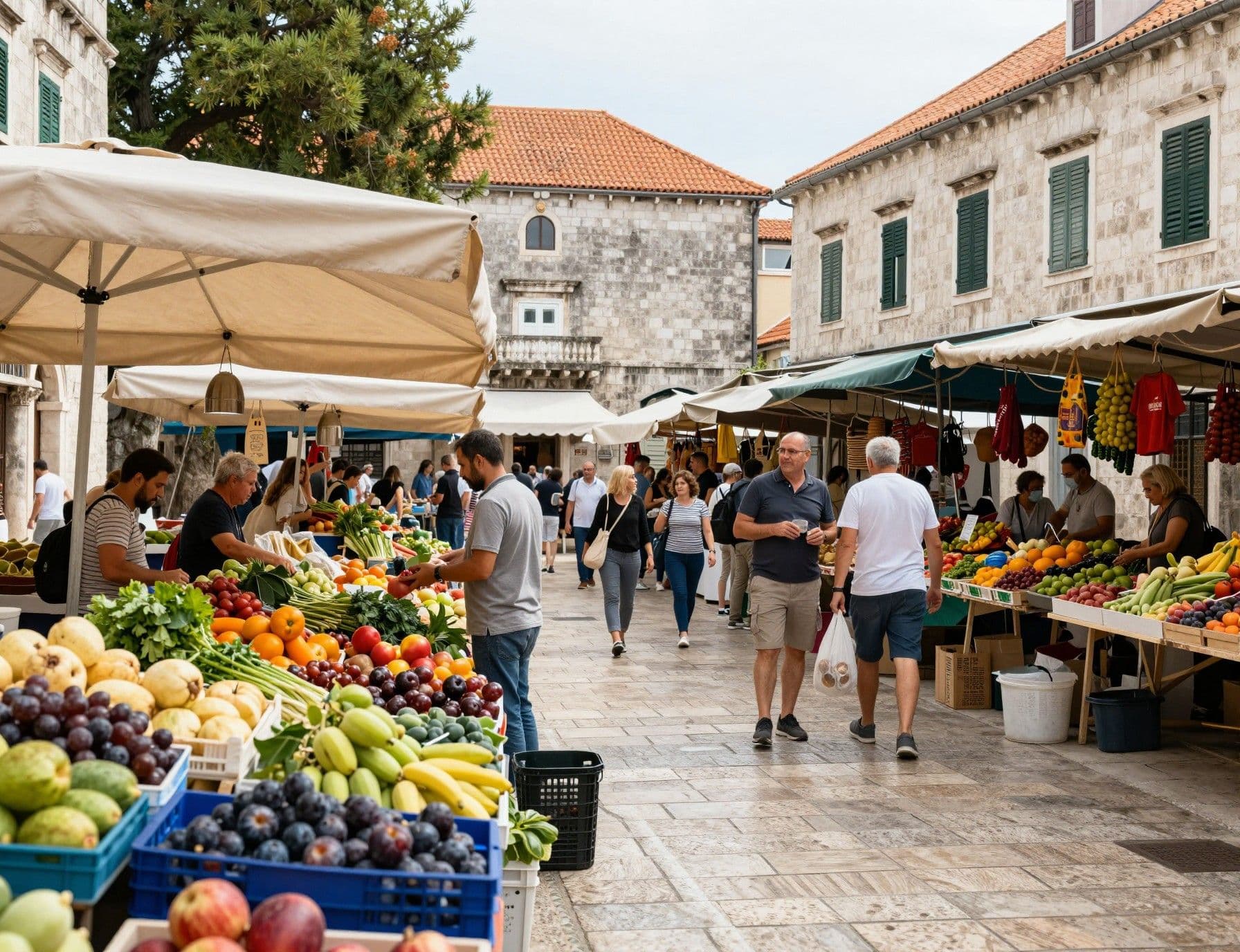
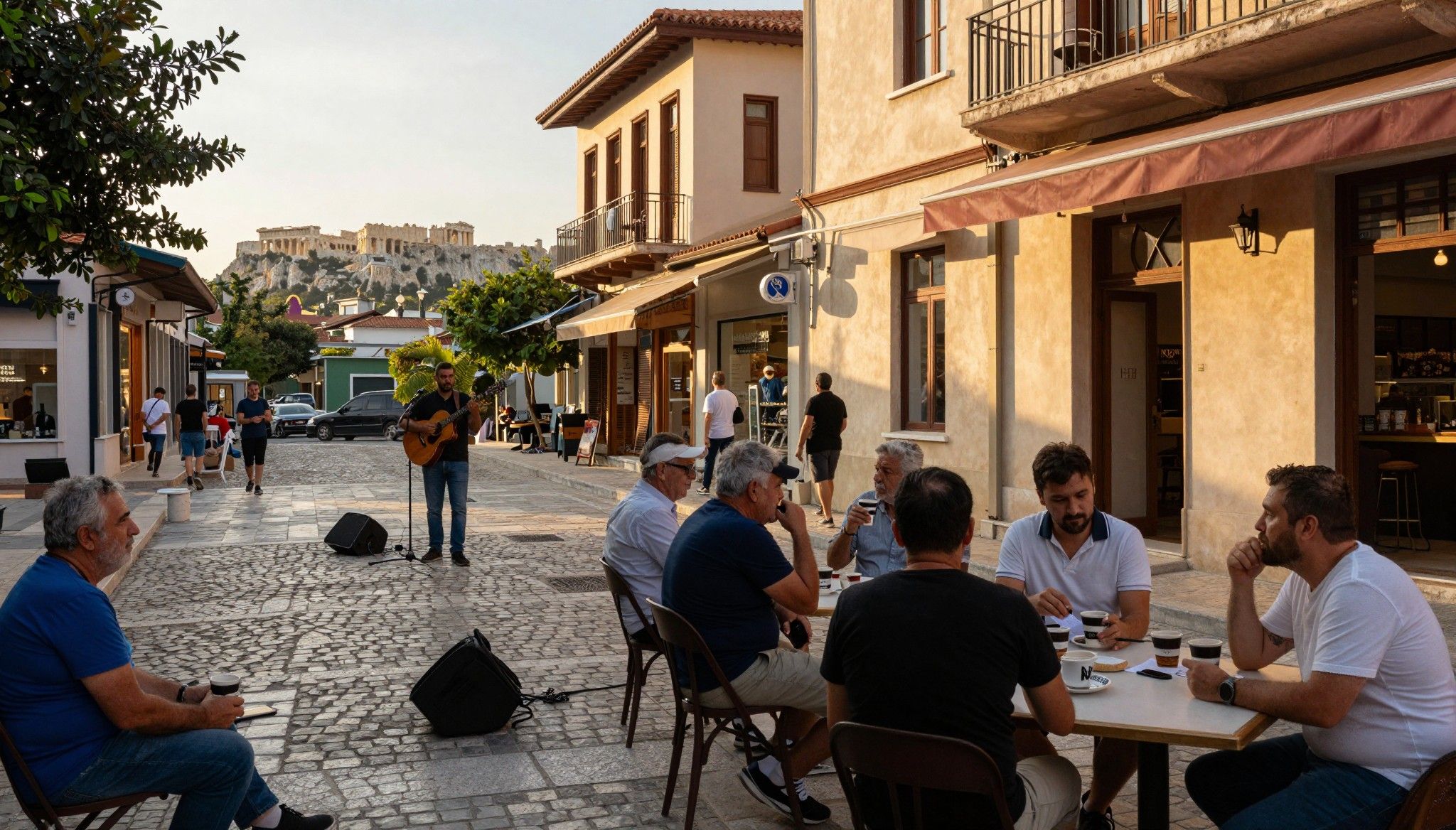
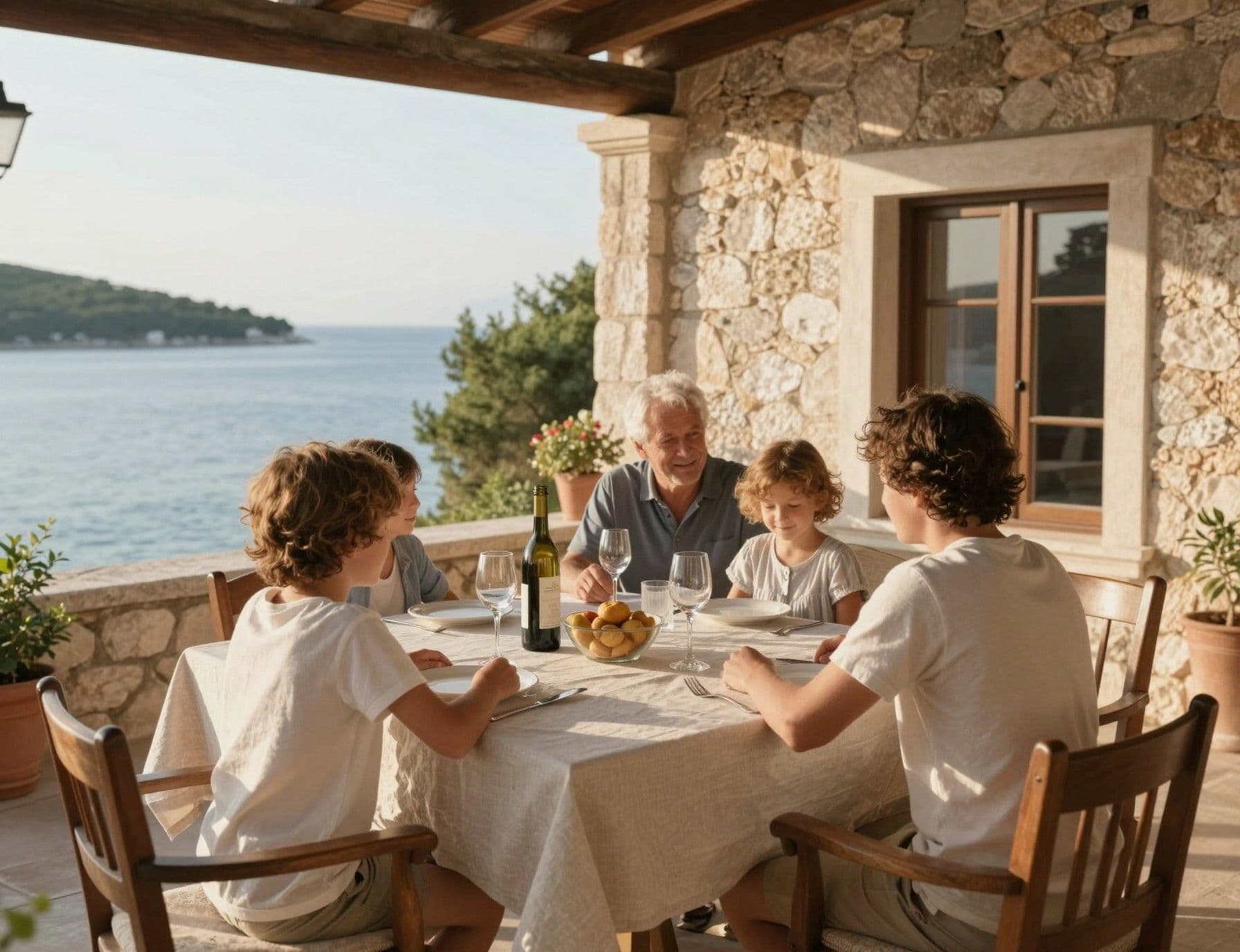
Croatia rewards attention to detail. Narrow streets in Split lead to intimate konobas where locals debate the day’s catch; Ilica in Zagreb offers morning markets and independent ateliers; coastal promenades in Pula and Zadar hum with evening passeggiata. These are not postcard scenes only — they dictate how you use a home: terraces for long lunches, basements for wine, compact kitchens built for fresh, local ingredients.
Neighborhoods that feel like home
If you prize everyday ritual, look beyond the main tourist strip. In Split, Meje and Veli Varoš give immediate access to marinas and morning markets without the chapel‑bell crowds; in Dubrovnik consider Lapad for local cafés and family life rather than the Old Town’s museum‑quiet streets. Zagreb’s Gornji Grad offers listed apartments with civic scale and quiet squares where neighbours still greet each other by name.
Food, markets and seasonality
Culinary life shapes property use: summer terraces become living rooms, winter months invite cozier interiors. Coastal areas command premium per square metre at the height of season; interior towns offer calmer pricing and a different rhythm. Recent asking‑price data show coastal regions commanding the highest per‑m² figures, a reality that should inform where you place insurance and long‑term maintenance budgets.
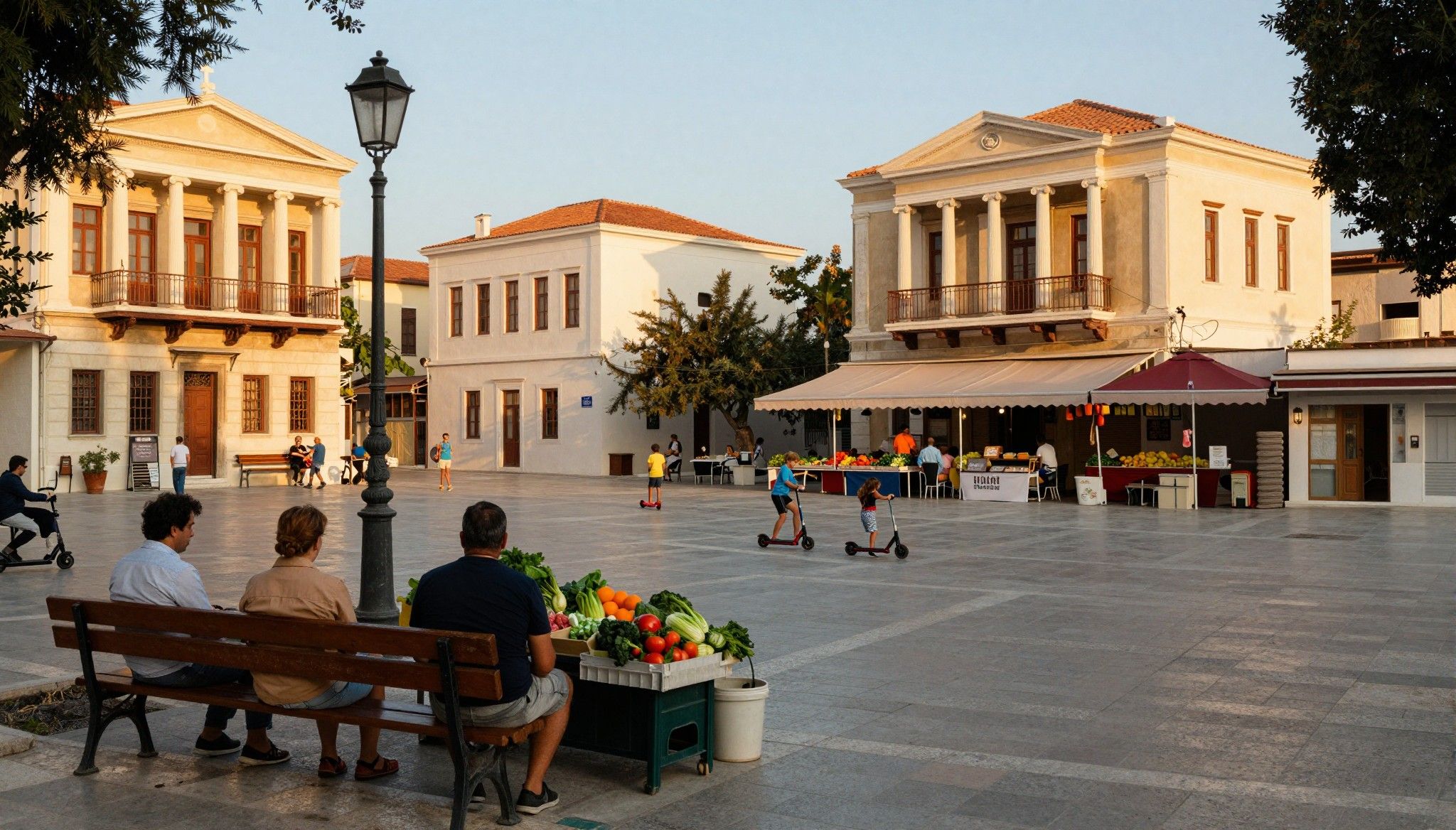
- Morning farmers’ market at Dolac (Zagreb) — buy for the kitchen and the community.
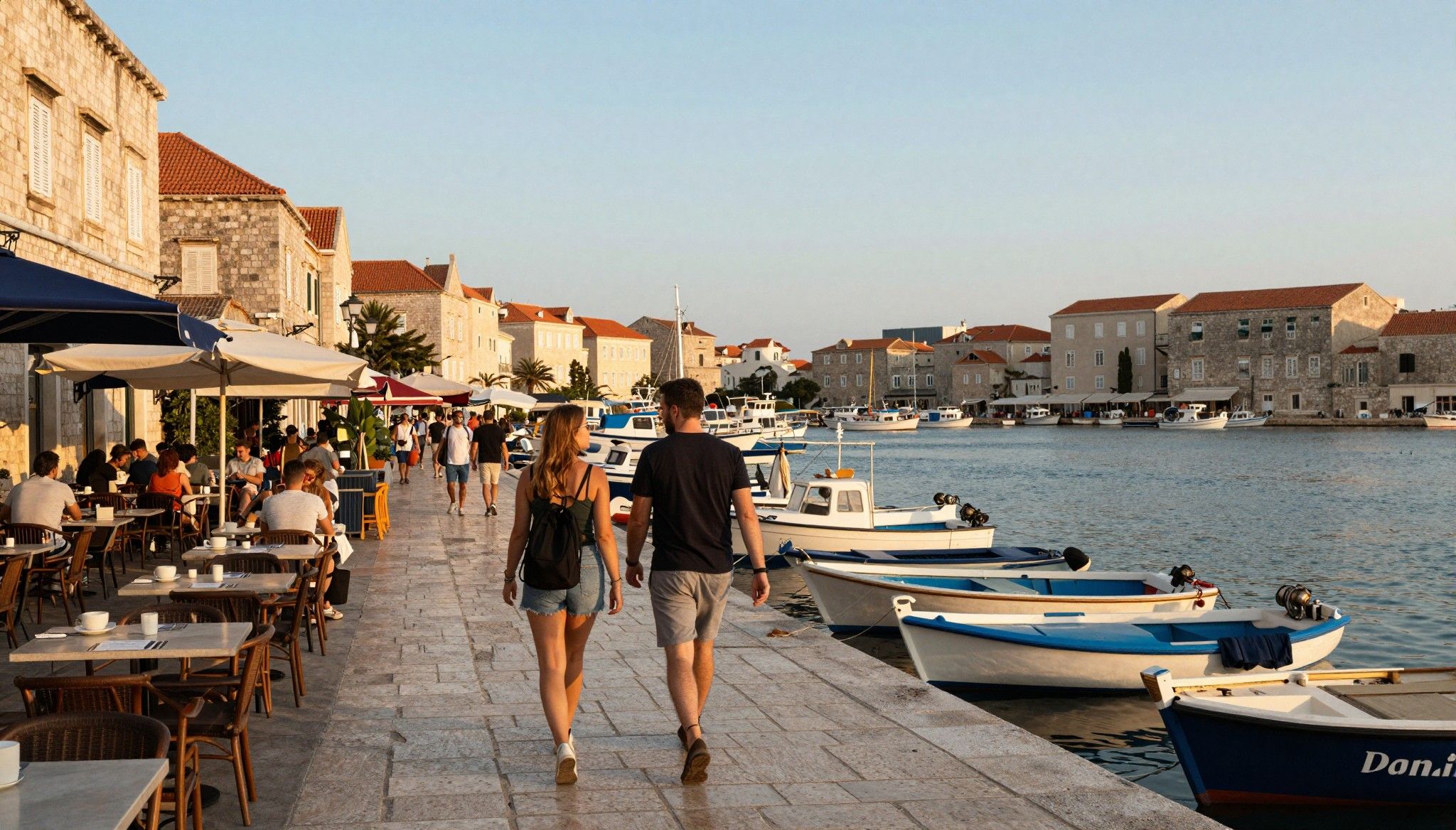
- Sunset promenades on Split’s Riva — immediate evidence of pedestrian life and rental appeal.
- Island harbours on Hvar and Vis — small local marinas that anchor neighbourhood identity.
Making the Move: Practical Considerations
Market momentum matters. Official indexes show sustained price growth through 2024–2025, concentrated in urban and coastal locales. That affects insurance baselines, replacement costs, and the urgency sellers feel. Practical buying in Croatia begins with title certainty: the land registry entry is the legal act that creates ownership, and a notary, a lawyer and an insurer should be on your shortlist from day one.
Property styles and how they shape protection needs
A stone Dalmatian villa presents different vulnerabilities than a new apartment in Zagreb’s business district. Historic masonry needs specialist evaluation for damp and seismic reinforcement; modern builds require attention to façade warranties and elevator servicing. Insure to replace and to use: policies should reflect the real cost of local craftsmen, maritime exposure on the coast and any listed‑building constraints that affect repair options.
Working with local experts who know the life you want
A Croatian agent or lawyer attuned to neighbourhood life does more than source listings; they explain which streets are lively in summer, which blocks sleep in winter, and how a terrace faces the evening light. Seek advisors who can introduce trusted insurers, structural engineers, and craftsmen — people whose work preserves provenance and value.
- Commission a local survey (structural, damp and seismic); obtain a written schedule of recommended remedial works.
- Request insurance quotes that separately cover buildings, contents, third‑party liability and seasonal rental cover if you plan to let.
- Insist on a notary‑led land registry check and confirm the property’s extract (zemljišna knjiga) before signature.
- Negotiate contract clauses that require the seller to remedy pre‑existing defects or to reduce price to cover remediation costs.
Insider Knowledge: What Expats Wish They'd Known
Expats often discover that local life — the rhythm of markets, the municipal services, even where bins are collected — affects running costs as much as headline taxes. Insurance is no exception: coastal properties face higher premiums for salt‑corrosion and storm damage; older townhouses can be more expensive to insure because of restoration costs. Market data show coastal per‑m² premiums; use them to calibrate both purchase and protection budgets.
Cultural integration and everyday practicalities
Learn a few phrases, support local trades, and build a network before you commit. Neighbours often become the best source of reliable builders, insurers and seasonal caretakers. For owners who divide time between countries, appointing a local property manager and ensuring your policy covers unoccupied risk are indispensable steps.
Long‑term stewardship, inheritance and legacy
Croatia’s laws on inheritance and land registration are formal and procedural. If the property is intended as a family legacy, structure ownership and wills to reduce friction for heirs. Insurance should mirror that horizon: cover replacement cost for irreplaceable finishes, and confirm that policies will transfer or be payable in the event of cross‑border succession.
- Ensure a local will recorded with a Croatian notary; it simplifies probate and aligns with the land registry.
- Include a condition survey and photographic schedule in the sales contract to limit later disputes.
- If you plan seasonal rental, confirm that hospitality liability and accidental damage for guests are included in the policy.
Conclusion: The life you imagine in Croatia is within reach, and the right protections make it enduring. Start with place — a street that feels like a home — then assemble a short team: a notary, a Croatian lawyer, a trusted surveyor and an insurer who understands local risks. With those pieces in place you can accept the morning light on a Dalmatian terrace without reservation, confident that both house and life are thoughtfully protected.
Having moved from Stockholm to Marbella in 2018, I help Scandinavian buyers navigate Spanish property law, restoration quality, and value through authentic provenance.