When Greece’s Summer Illusion Hides Long‑Term Value
Why the island summer postcard hides Greece’s lasting value — choose neighbourhoods with year‑round life, solid fabric and local expertise to secure both lifestyle and long‑term returns.
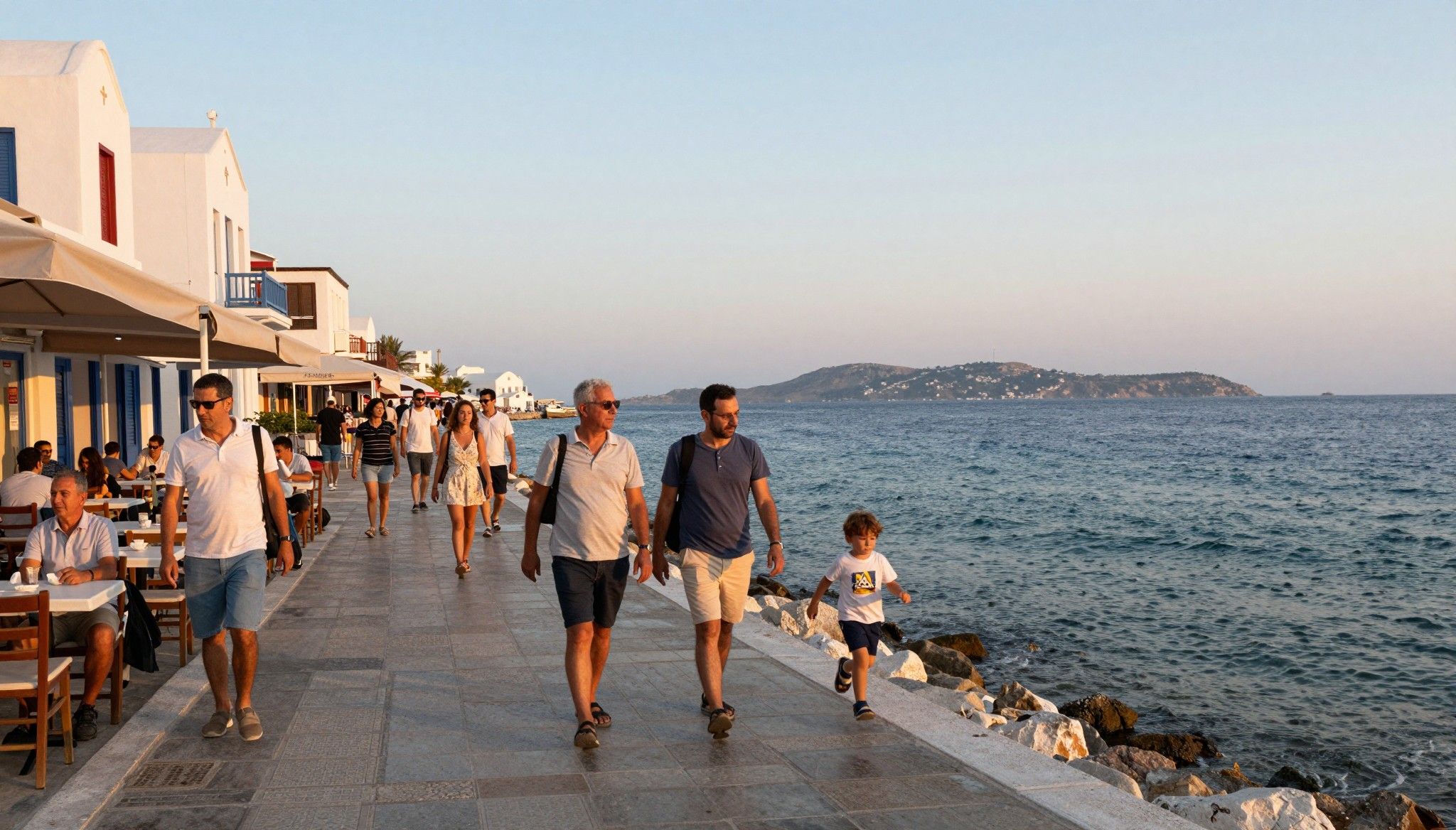
Imagine an autumn morning in Chania: shutters opening to the sea, an elderly vendor arranging olives at the municipal market, and the pavement cafés filling slowly with regulars. Greece has a rhythm that privileges ritual — long lunches, late walks, and seasons that shape how neighbourhoods feel. For international buyers the immediate temptation is summer: sunlit terraces and postcard beaches. The subtler case — the one that rewards stewardship and yields enduring value — is how places live across twelve months, and how that life maps onto property choices.
Living the Greece lifestyle: daily rhythms and real places
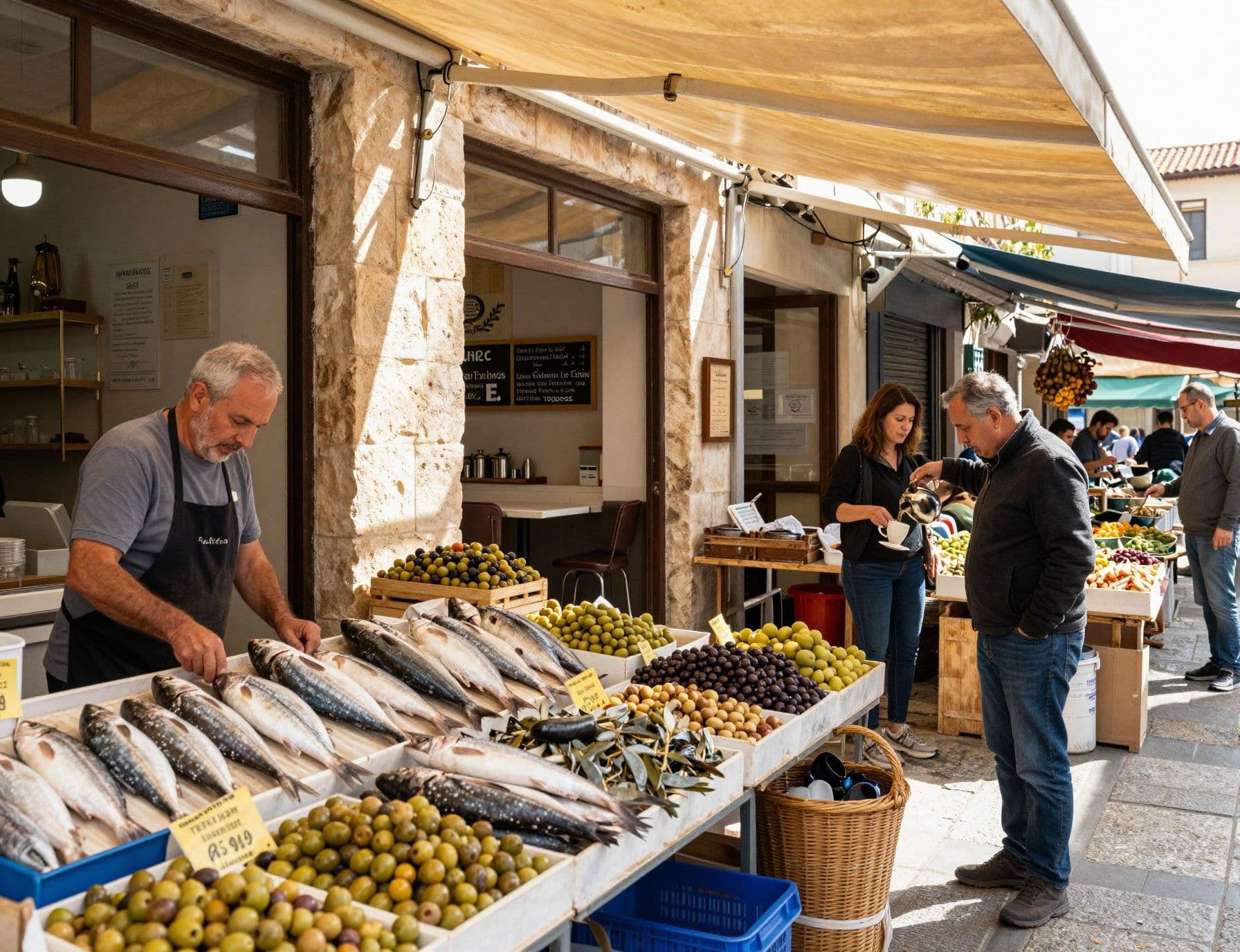
To live in Greece is to accept a gentle tempo where public life unfolds outdoors: coffee at a kafeneio, late-night promenades on the seafront, and markets that set the week’s tone. Athens’s Koukaki offers small‑scale neoclassical façades, neighbourhood bakeries and a slow cultural calendar; in the Peloponnese, villages such as Nafplio stitch together Venetian squares and quieter domestic rituals. Savills and other market commentators note how demand is driven by lifestyle as much as by price — international buyers seek provenance and a place to live, not merely a summer asset.
Island life vs. city neighbourhoods: Chania, Mykonos, Koukaki
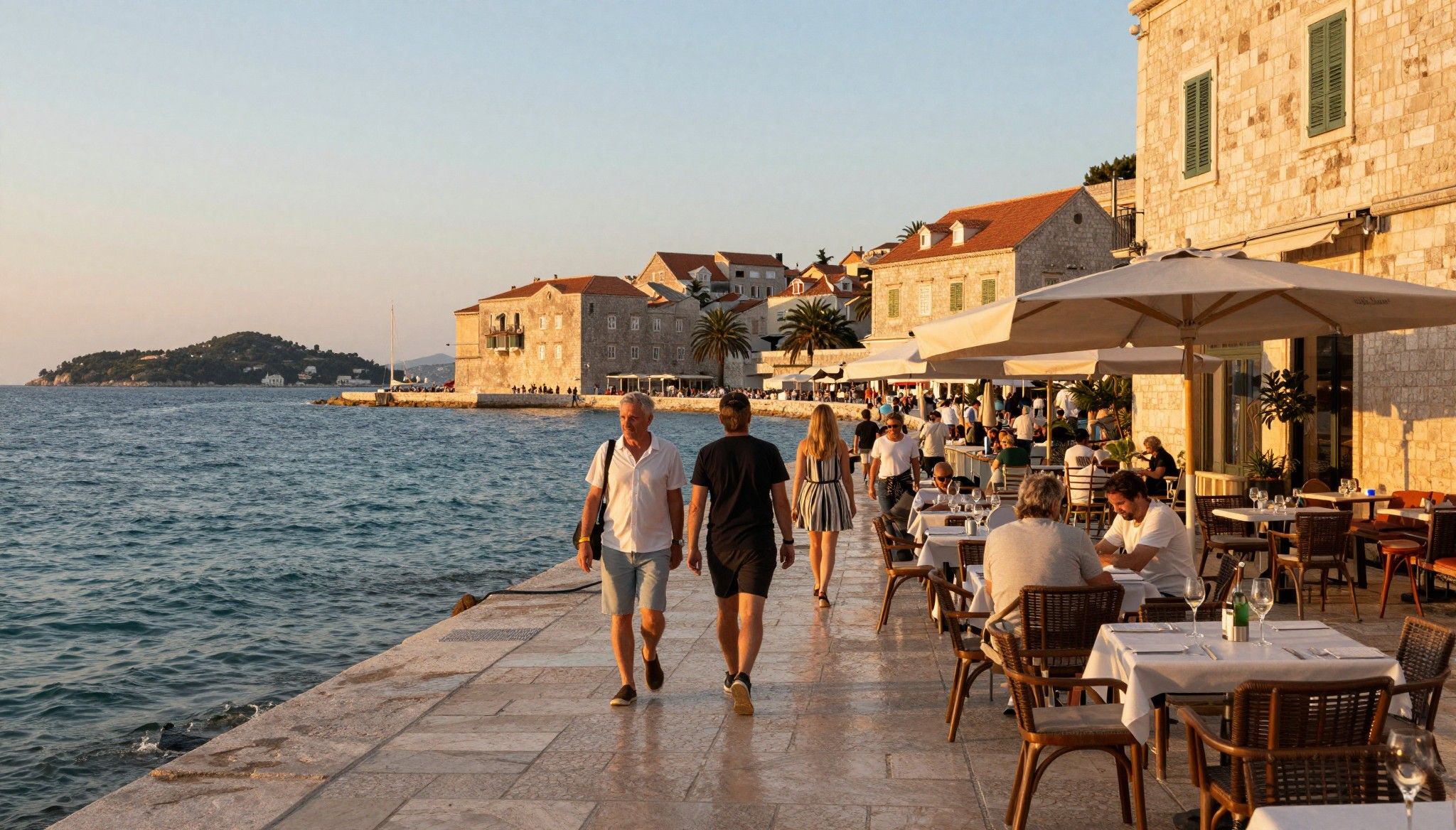
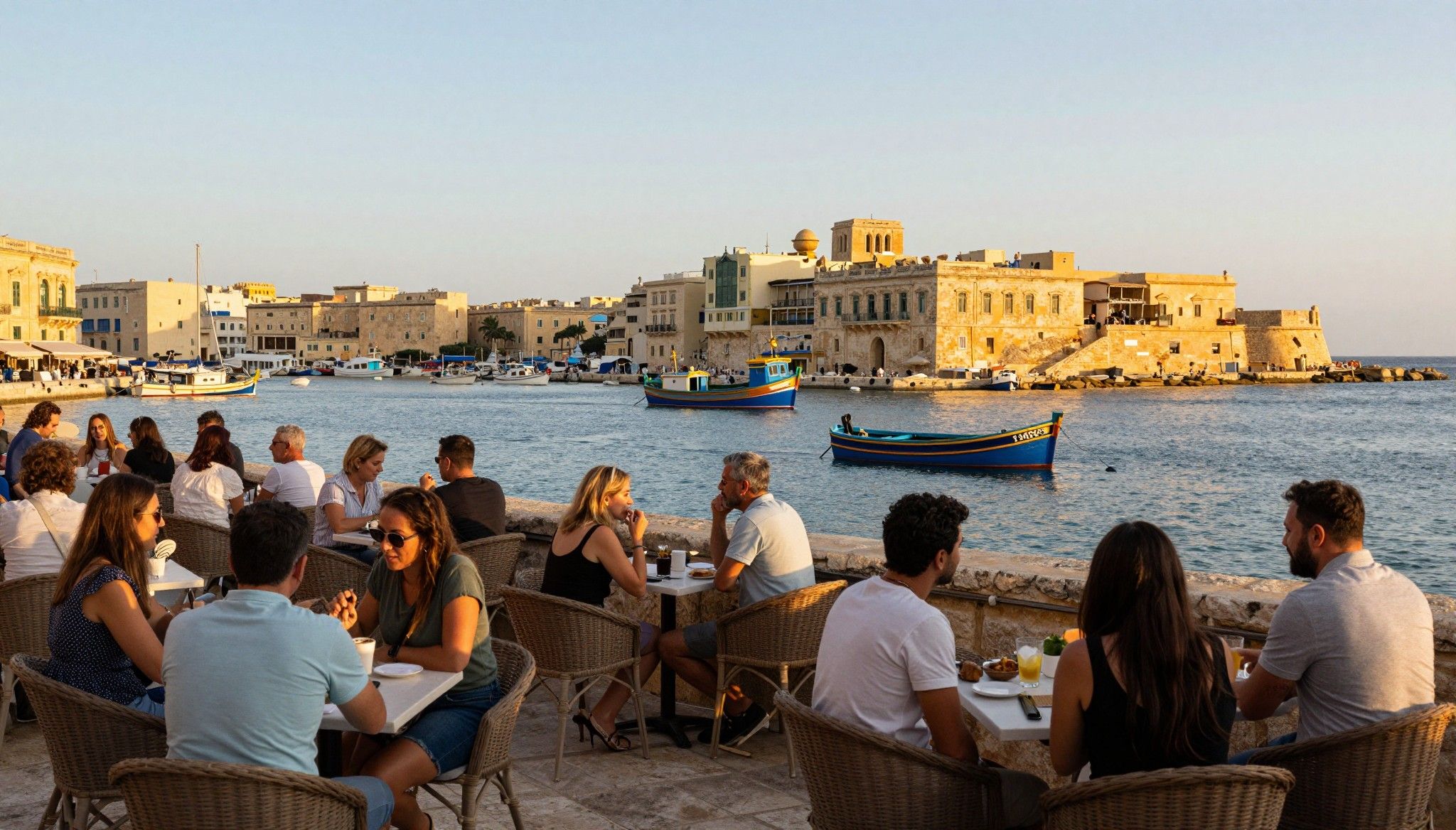
Chania’s Venetian harbour frames a neighbourhood life built around markets and fishing rhythms; the old town’s alleys reward walking, not driving. Mykonos presents a very different proposition: intense summer commerce, discreet high-end enclaves and island services that swell seasonally. Koukaki, a short walk from the Acropolis, trades on daily conveniences, independent cafés and a year‑round community; it is the kind of urban quarter that supports everyday living beyond the holiday calendar.
Food, markets and the social geography of taste
Food culture is the city’s social ledger: neighbourhood markets (Varvakios in Athens, Chania central market) are where daily life is purchased and observed. Chefs and restaurateurs have been relocating to peripheral neighbourhoods, bringing a quiet culinary renaissance to places once dismissed as 'off the map'. For buyers this matters: properties a short walk from markets and reputable tavernas deliver a lived authenticity that translates into steady long‑term desirability.
- Market, taste and place: lifestyle highlights - Morning coffee at Kafenio ta Delphina, Chania - Saturday fish auction and plates at Varvakios Market, Athens - Sunset walk from Ano Mera to Elia Beach, Mykonos - Strolls along Leoforos Poseidonos and waterfront cafés in Vouliagmeni - Ceramic ateliers and weekly farmers’ stalls in Monemvasia - Hidden bay swims at Karavostasi, Samos
Making the move: how lifestyle should shape the search
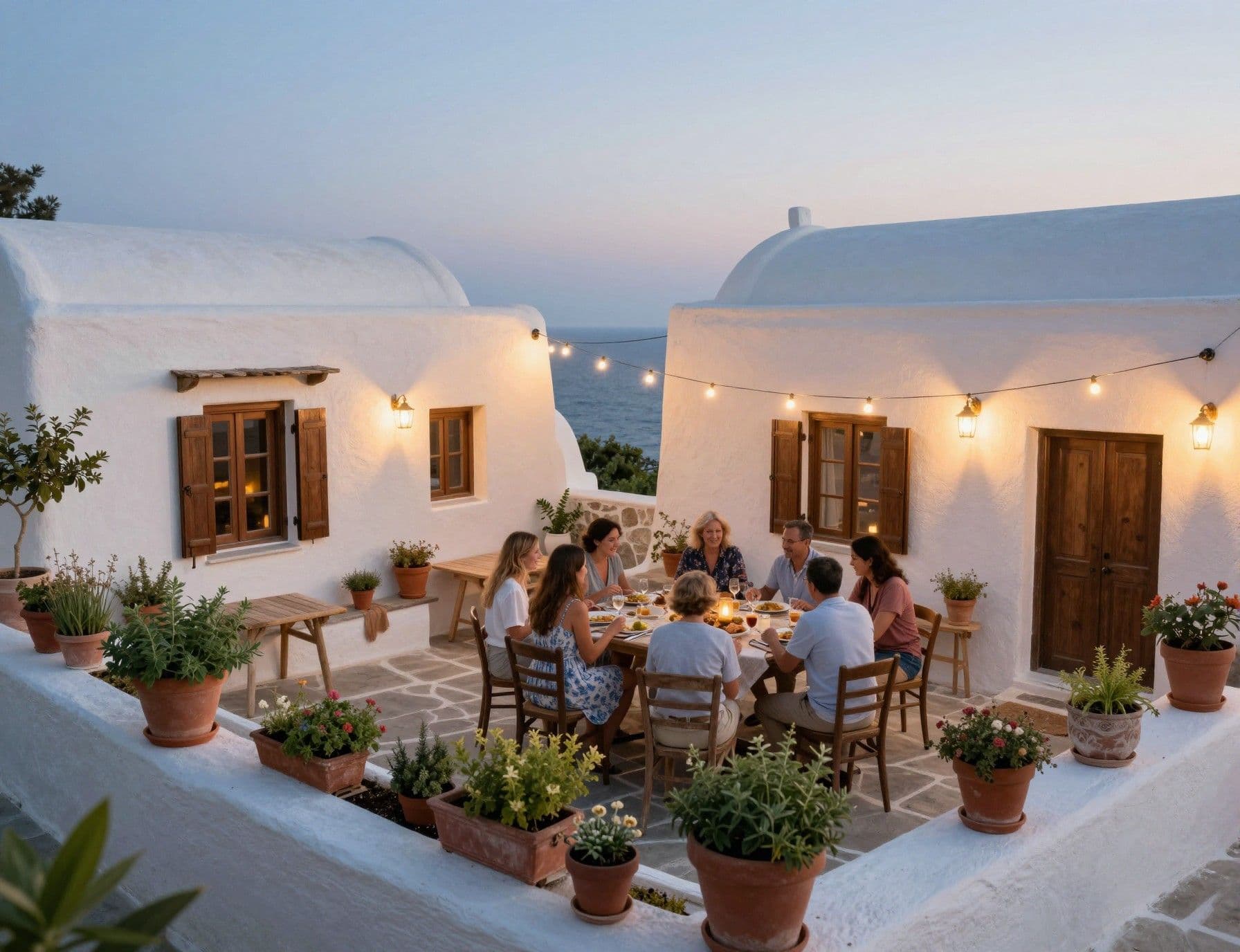
Lifestyle is the primary filter; price dynamics are the secondary reality. Recent Bank of Greece indices show continued national price growth into 2024–2025, concentrated in urban cores and well‑served islands. That movement alters the calculus: a property chosen purely for short‑term rental returns may underperform a well‑located maisonette in a neighbourhood with everyday life, markets and municipal investment.
Property types that match the life you imagine
A restored neoclassical in Koukaki affords high ceilings, tall windows and a walkable life; it suits someone who values a study, proximate cultural institutions and year‑round services. A Cycladic stone house near Ano Mera offers shaded courtyards and privacy for seasonal use but requires careful systems upgrades for winter comfort. For international buyers, assessing thermal insulation, rainwater run‑off, and the condition of original masonry is as important as room count.
Working with local experts who preserve lifestyle value
- Practical steps to align lifestyle and purchase 1. Map daily flows: visit markets, transport nodes and medical services across a week. 2. Inspect building fabric: demand detailed masonry, roof and insulation reports. 3. Verify municipal plans: ask the local authority about zoning and waterfront protections. 4. Model seasonality: compare rental revenue with household running costs in low season. 5. Choose an agency that knows the neighbourhood fabric, not just the listings.
Insider knowledge: what expats wish they'd known
Seasonality is a temperament, not a defect. Many buyers assume islands sleep in winter; the truth is nuanced. Villages with good year‑round infrastructure — healthcare, ferry reliability, a steady local population — retain value and inhabitability. Expats who invested in such places report deeper integration and lower management overheads than owners chasing peak‑season rentals on the busiest isles.
Cultural rhythms, language and community
Greek social life is anchored in reciprocity and small‑scale networks. Learning basic phrases, attending weekly market days and frequenting a single kafeneio are faster routes to belonging than formal events. Legally, buyers should retain a local lawyer familiar with municipal practice; this local competence becomes the conduit for introductions, repairs and neighbourly goodwill.
Long‑term lifestyle and stewardship
Think of a purchase in Greece as acquiring a way of life and the responsibility of care. Good stewardship means choosing materials, contractors and an agency that respect local craft. Over a decade this approach preserves both the architecture and the social capital that sustains value; neglected specifics — poorly repaired roofs, inappropriate glazing, or insensitive extensions — erode both comfort and re-sale appeal.
Conclusion: Greece rewards the buyer who privileges lived experience over seasonal headline returns. Begin where life happens: markets, cafés, and neighbourhood streets. Combine those visits with measured inquiries into price indices, municipal plans and building fabric. An agency versed in neighbourhood provenance will translate lifestyle aspiration into a durable property — one that belongs to the place as much as to you.
Former Copenhagen architect who relocated to Provence, offering relocation services, market analysis, and a curator’s eye for authentic regional design.