Hidden Insurance Risks on Croatia’s Coast
Marry the Adriatic lifestyle with practical protections: insurance, technical surveys and local counsel to guard your Croatian home from seasonal and catastrophe risks.
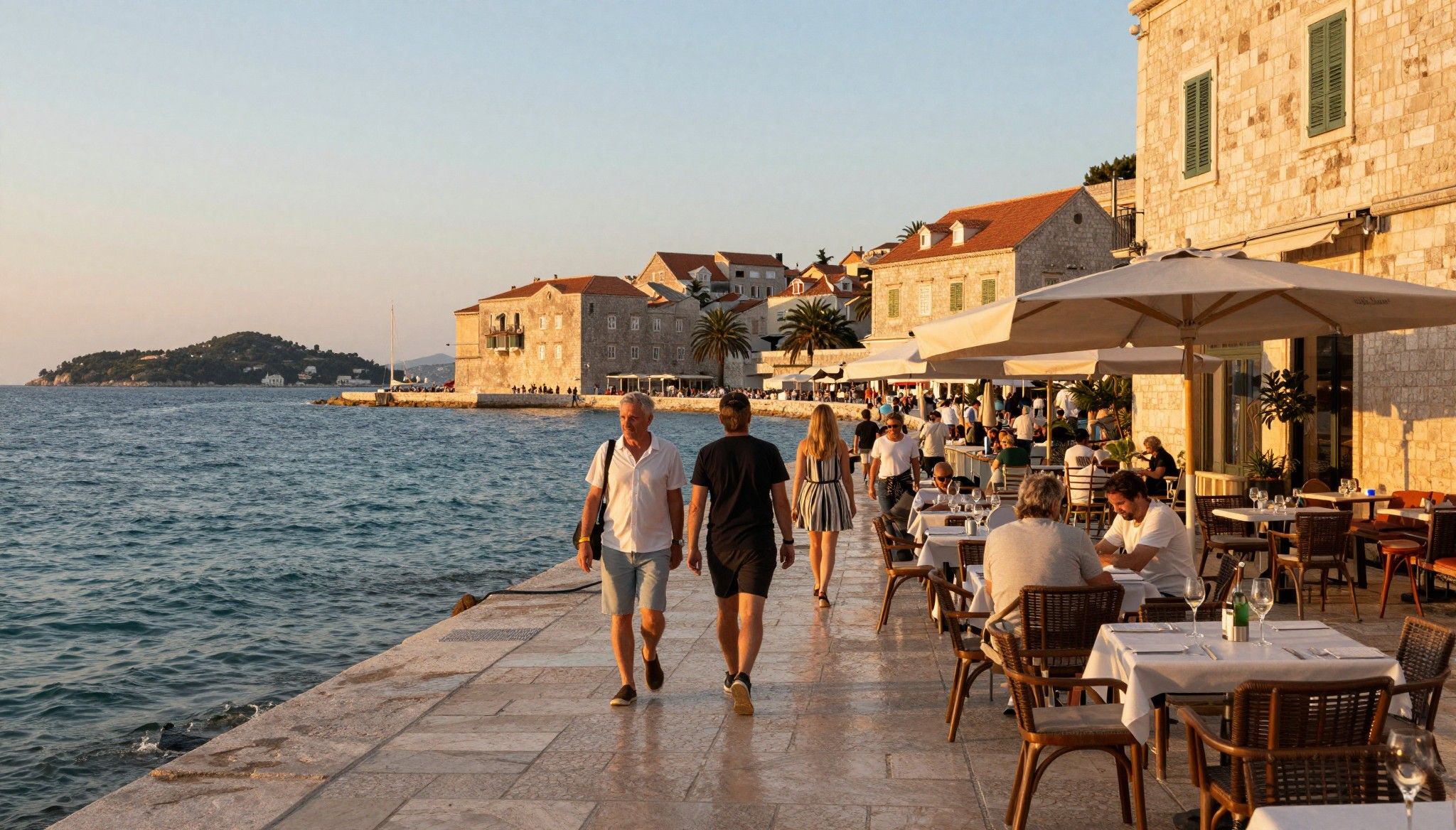
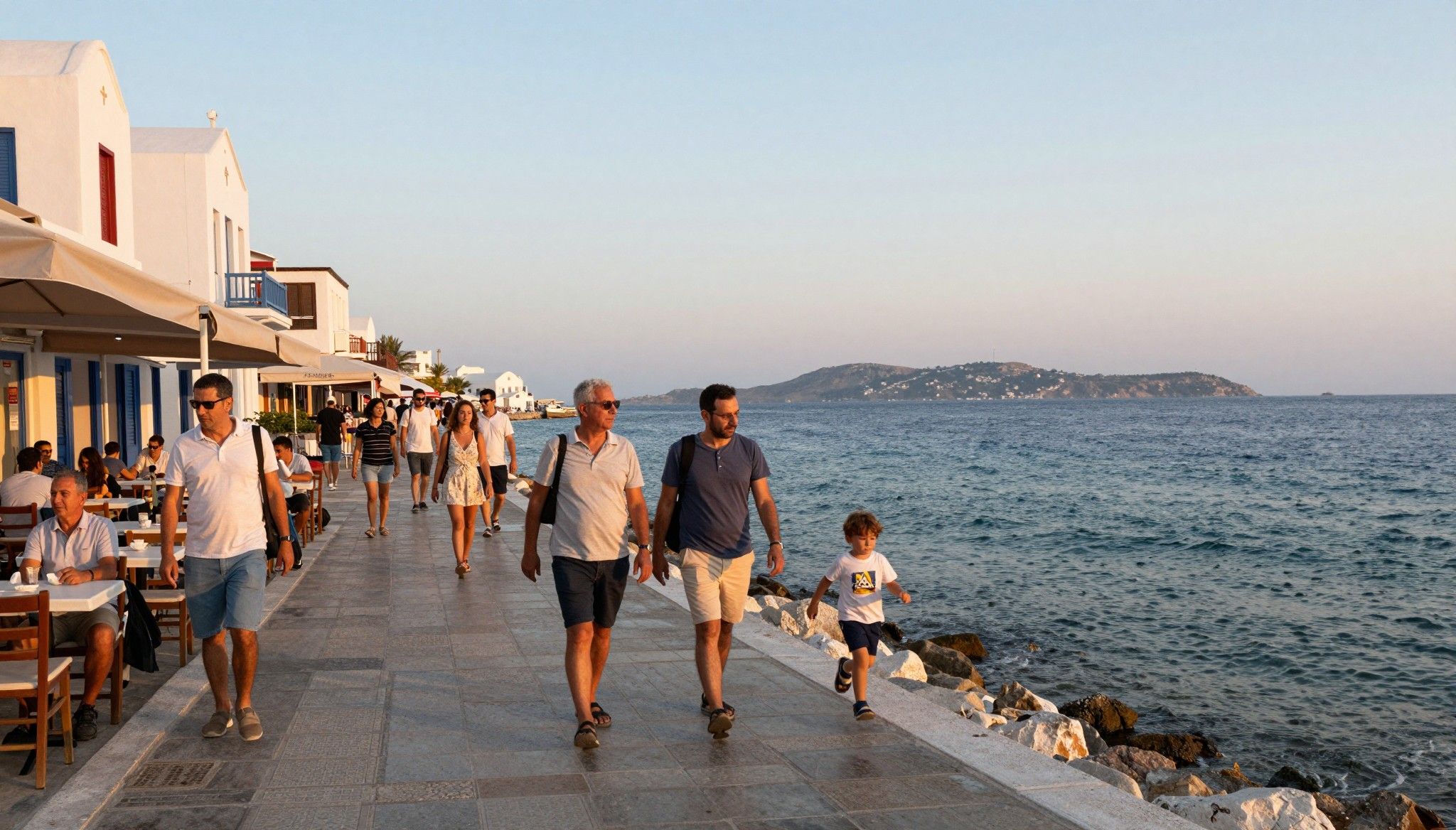
Imagine walking the Riva at dusk, a glass of malvazija in hand, while a stone façade glows as the Adriatic wind tugs at laundry lines two streets over. That easy, luminous life is why buyers come to Croatia; it is also why a discreet legal and insurance misstep can transform a dream into a draining, years‑long repair. This guide pairs the sensory pleasures of Croatian living with the precise protections international buyers should insist on before they sign.
Living Croatia: light, stone and seasonality
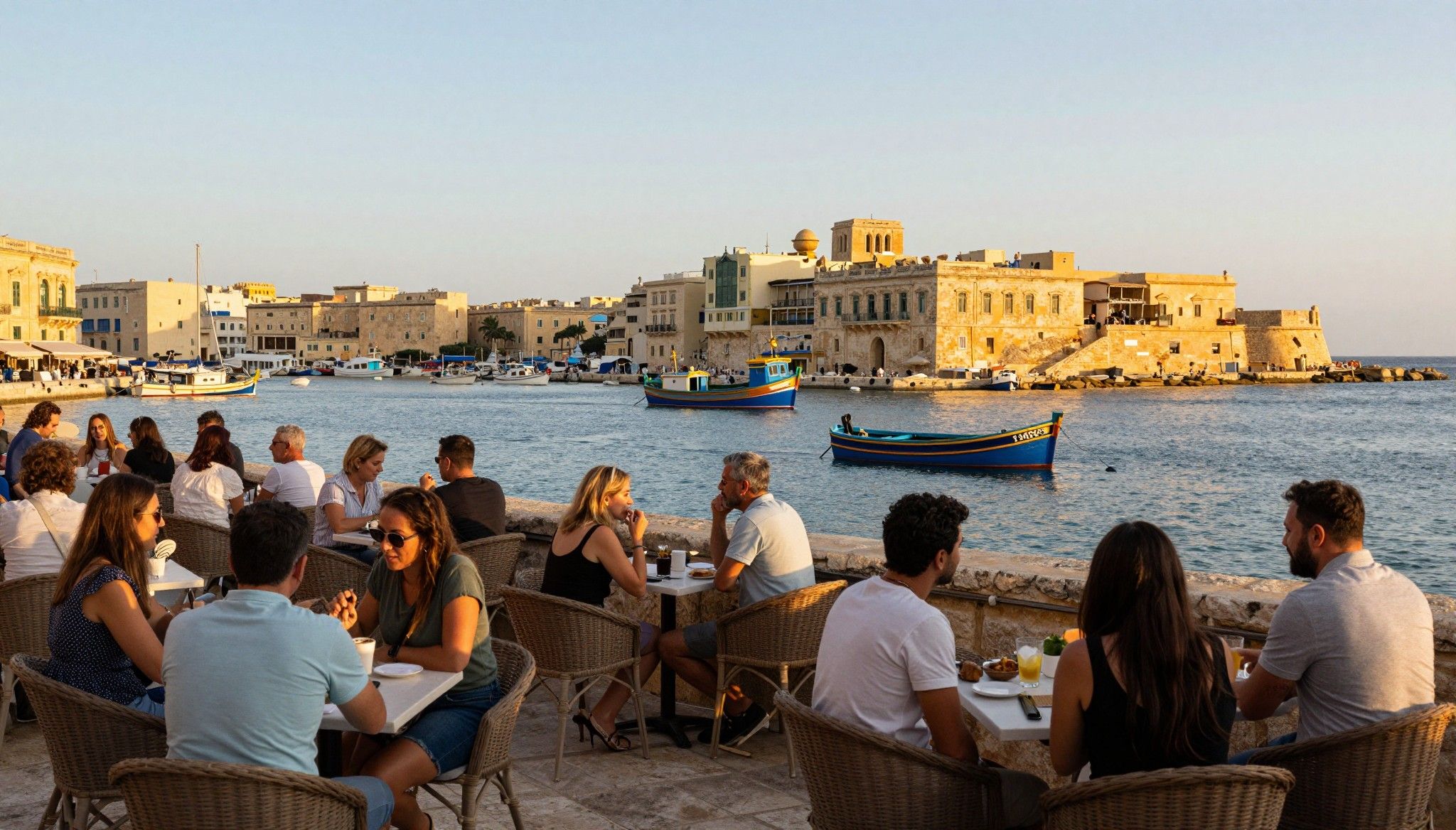
Croatia’s temperament is immediate: limestone alleys that channel sea air, cafés that open before dawn and close long after the last boat returns. Prices on the Adriatic have climbed in recent years, driven by seasonal demand and scarce waterfront stock; the Croatian Bureau of Statistics records notable coastal growth, while market reports show steady investor interest. That persistence of demand makes the life alluring — and makes insurance choices and contractual protections more consequential for international buyers.
Zagreb, Dalmatian towns and the small‑island rhythm
Living in Zagreb feels bookish and urban — morning markets at Dolac, coffee on Tkalčićeva, winters that coax you indoors to bakeries and salons. Contrast that with Hvar’s lavender light and Split’s harbour bustle: islands and Dalmatian towns follow a different calendar, where high season governs rental income and maintenance cycles. Choose a place by how you want your year to feel; but remember that seasonality also alters risk: empty summer flats face different insurance exposures than full‑time family homes.
Food, markets and the social geography of neighbourhoods
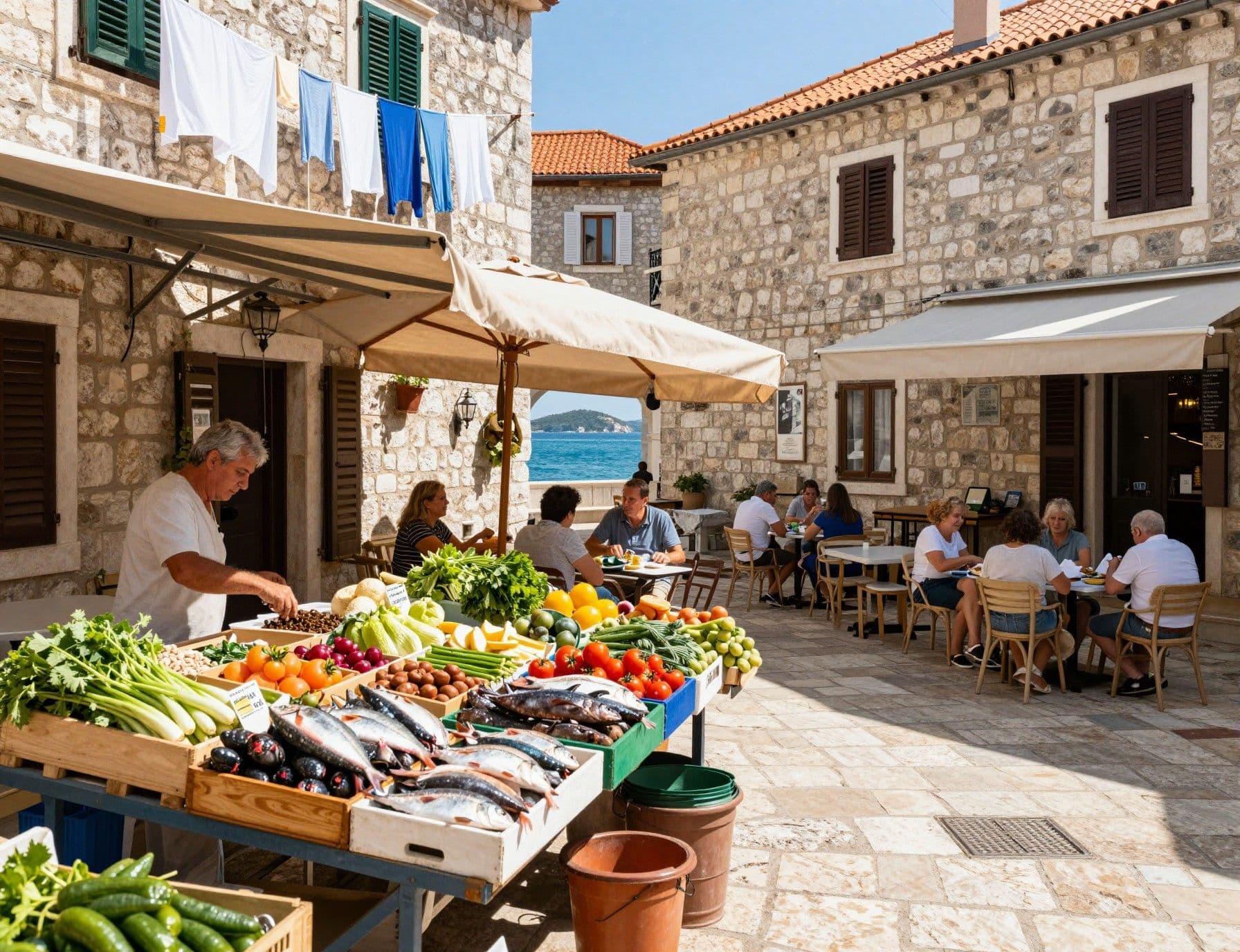
Picture weekend markets in Pula and Split where fishermen barter over amber, or a cafe in Rovinj where the same barista greets you by name. These daily rituals define neighbourhoods and influence where discerning buyers choose to live: a narrow street with a daily market suggests foot traffic and community repair, whereas a newly gated development promises privacy and different service needs. This matters when assessing insurable risks and local service availability.
- Lifestyle highlights: actual places and experiences
- Dolac market, Zagreb — an urban anchor for fresh produce and social ties
- Riva, Split — evening promenades that signal vibrancy and historic protection zones
- Hvar Old Town lanes — tourist season tempo that affects short‑term letting and maintenance
- Istrian hill towns (Grožnjan, Motovun) — quieter calendars and different insurance profiles
Making the move: insurance and buyer protections that reflect lifestyle
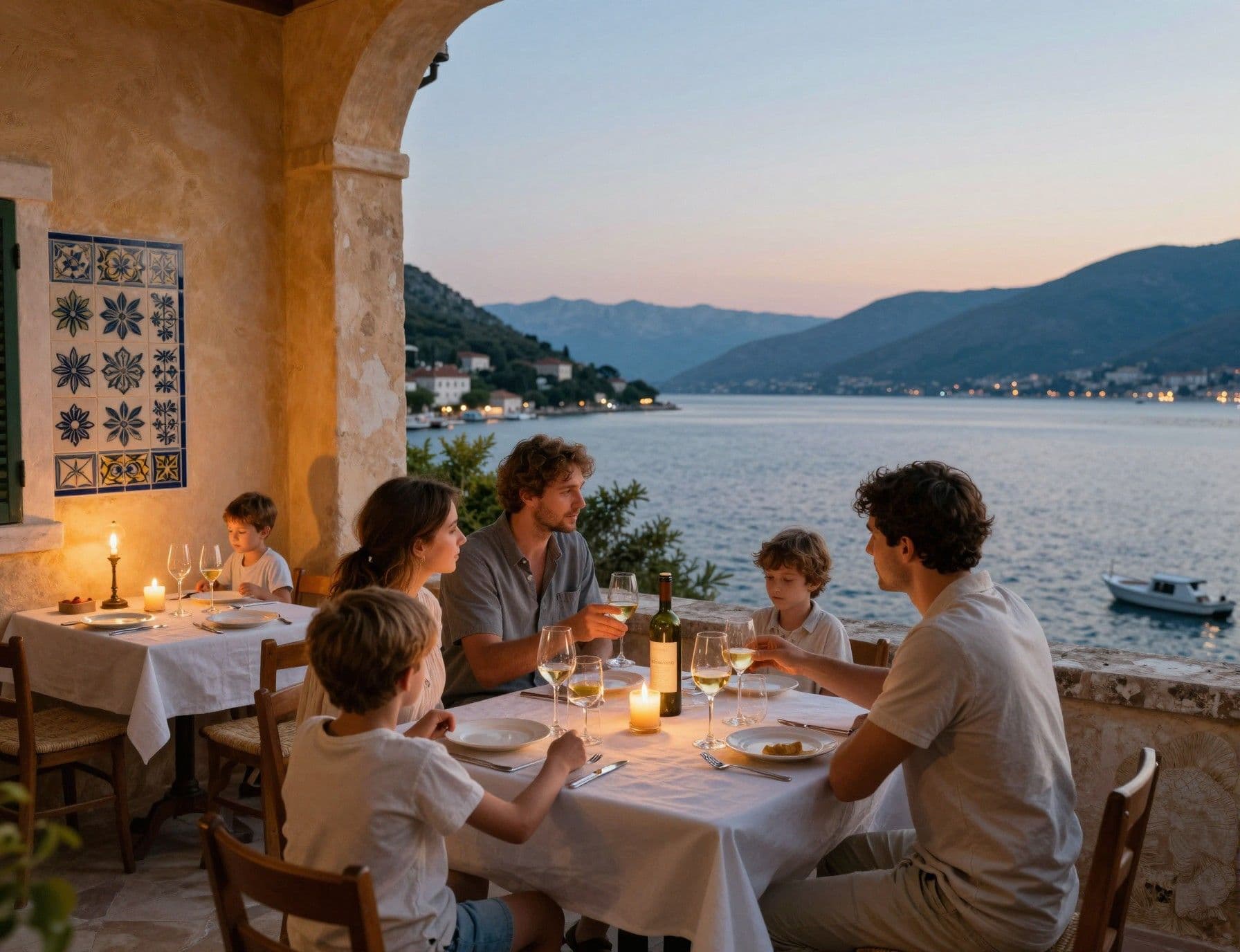
Dreams meet contracts at the sales table. Croatian policies typically cover fire, theft and basic liability; many insurers offer optional earthquake or flood endorsements — essential along fault lines and low coastal plots. Insurers such as those distributed by local banks offer tailored policies for holiday homes and rentals, but coverage terms, deductibles and exclusions vary. Before you sign, ask for the policy wording in English, a clear schedule of deductibles and a list of required risk‑mitigation actions.
Property types and their specific exposures
A stone apartment in Dubrovnik brings masonry longevity but also maintenance needs — salt, rising damp and heritage restrictions. A contemporary villa on a new coastal plot risks coastal erosion, drainage issues and higher catastrophe exposure. Match the insurance to the building fabric and use case: full‑time residence, seasonal retreat or short‑let investment each demand different sums insured, liability limits and vacancy clauses.
Work with experts who understand local life and law
Insurers, notaries and lawyers in Croatia are practical allies: insurers advise on local risks, notaries confirm title chains and lawyers ensure reciprocity and land‑use constraints are respected. For non‑EU buyers, reciprocity rules and special approvals may apply; for EU buyers, the process is more straightforward but still requires careful title checks. An adviser who has lived in the neighbourhood will spot seasonal vulnerabilities — long gaps of vacancy, tenant turnover patterns, or municipal plans that change risk exposure.
- A six‑step purchase checklist that blends lifestyle and protection
- 1) Visit the property in each season you intend to use it to see maintenance realities and vacancy risks.
- 2) Obtain full policy wordings for core cover, earthquake/flood endorsements, and vacancy clauses; insist on English translations.
- 3) Commission a technical survey that notes salt‑exposure, roof condition and drainage — share it with insurers to reduce surprises at claim time.
- 4) Clarify short‑let permissions and tax implications before you market a property; many coastal towns restrict conversions and seasonal use.
- 5) Negotiate contractual protections: escrowed deposits, phased payments tied to completion milestones, and a retention against hidden defects.
- 6) Arrange a local property manager before you close if you plan seasonal rental or infrequent visits — active management reduces claim risk and keeps insurers aligned.
Insider knowledge: what expats usually learn too late
Expat life often begins in optimism and hardens into practical routine: you cherish the café on your street and you learn that the neighbour who looks after your plants charges less than a formal property service. But two lessons recur: (1) short‑term letting can distort local maintenance schedules and void some policies, and (2) rising market values can change insurer replacement‑value calculations, leaving underinsurance risk unless sums insured are updated.
Cultural rhythms that affect claims and contracts
Croatian communities run on acquaintances and household favours. A trusted neighbour will stop leaks and empty bins; conversely, long empty months in high season invite opportunistic damage. Make social capital part of your protection: introduce yourself to neighbours, register a local emergency contact with your insurer, and keep a local tradesperson on retainer. These steps are as effective as a clause in a contract when time matters.
The long view: stewardship and generational thinking
This is not a short‑term romance; the best purchases reward patient stewardship. Plan for regular maintenance, inflation on rebuilding costs and the possibility of municipal measures that change tax or occupancy rules. Updating insurance limits annually, documenting restorative works and keeping a photographic inventory will protect both lifestyle and capital for the next generation.
If the image is golden light on a stone quay, the frame is the small print. Fall in love with Croatia for its light, markets and quiet civic rhythms; protect that affection with technical surveys, clear policy wordings, local counsel and an annual insurance review tied to replacement costs. A discreet local agency will introduce you to the right surveyor, insurer and property manager — and in doing so will help you preserve not only a dwelling, but a manner of life.
Having moved from Stockholm to Marbella in 2018, I help Scandinavian buyers navigate Spanish property law, restoration quality, and value through authentic provenance.