Italy: How Neighbourhood Life Shapes Property Value
Italy’s appeal is lived: markets and cafés define value. Localised price trends, heritage demand, and neighbourhood rituals should guide purchases more than broad indices.
Imagine waking each morning to the bell of a nearby church, a baker arranging warm focaccia in a window, and a market stall on the corner where the fishmonger knows your preferred cut. That ease — the rhythm of streets that have been lived in for generations — is Italy’s truest residential appeal. Yet beneath that poetry sit measurable trends and decisions that determine whether a purchase becomes a treasured house or a costly lesson.
Living the Italian life — what it actually feels like
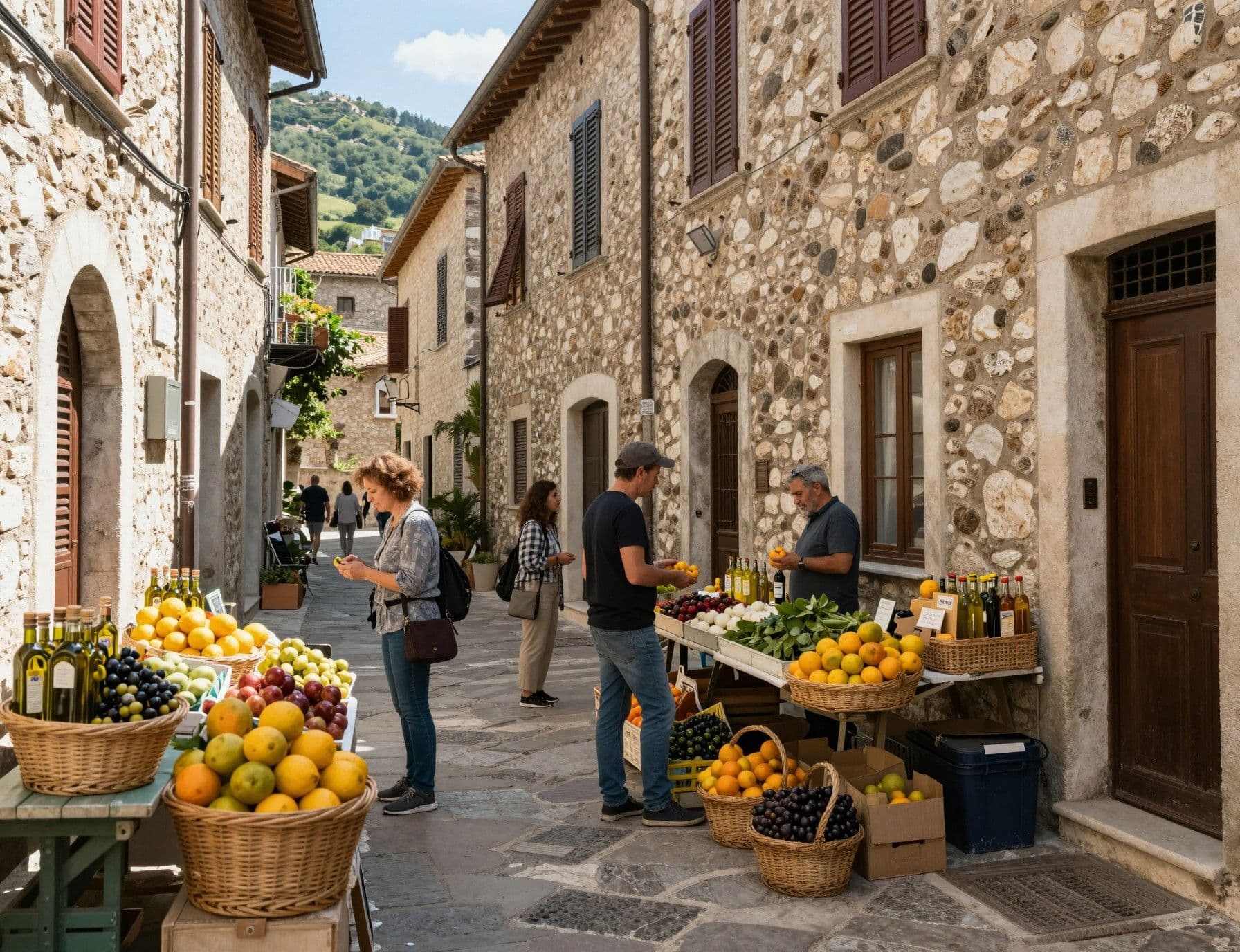
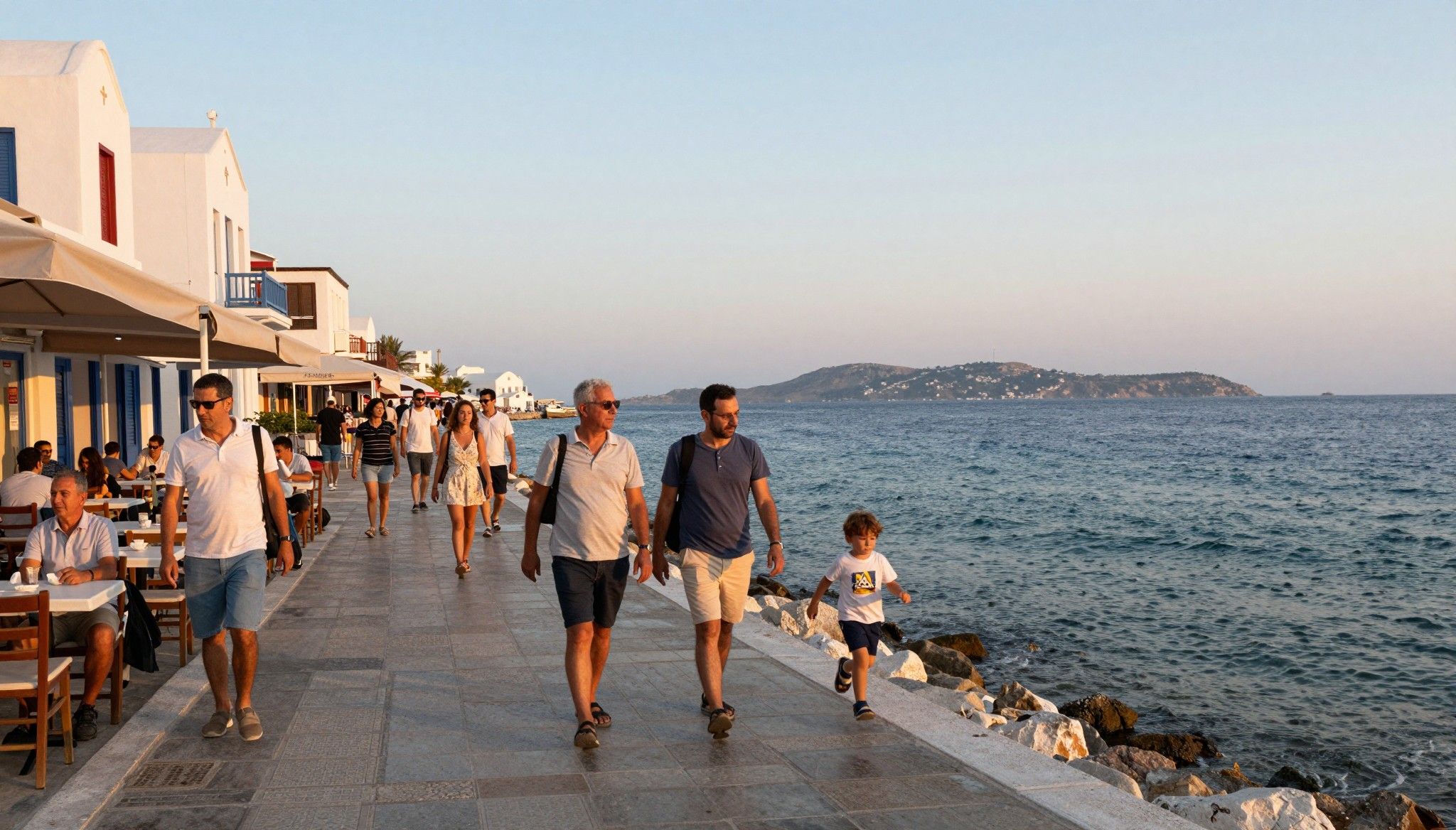
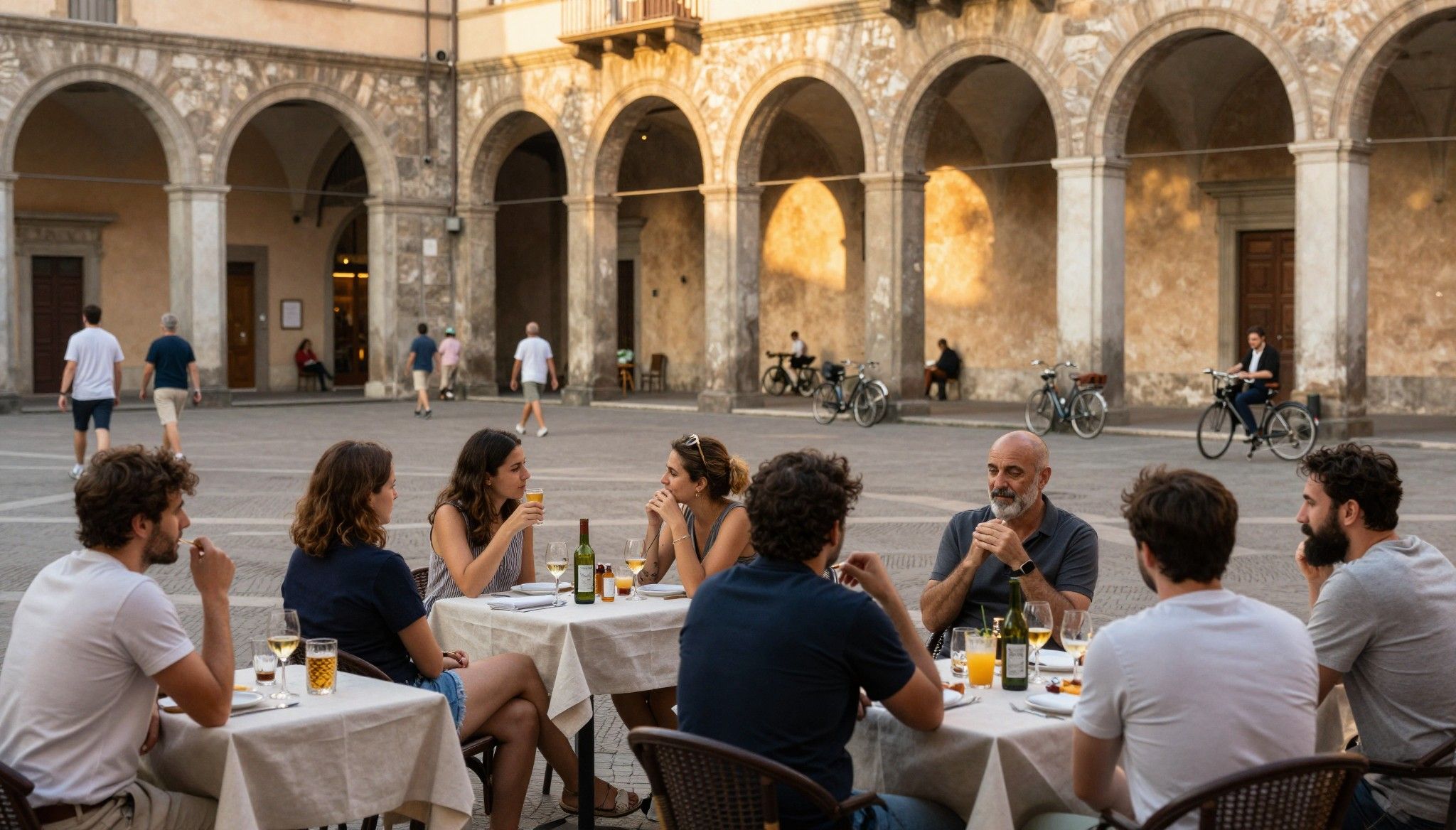
Daily life in Italy is a composite of neighborhood rituals: morning espresso at the bar, a slow pranzo on market days, and passeggiata as the light softens. In cities and towns alike the built fabric sets behaviour — narrow cobbled streets invite walking, arcaded porticoes stage conversation, and terraces become living rooms in summer. Recent national house‑price data confirm steady, localised growth rather than uniform inflation; the lifestyle you buy into is as much place as property. ([istat.it](https://www.istat.it/en/archive/house%2Bprices?utm_source=openai))
Neighbourhoods that define the experience
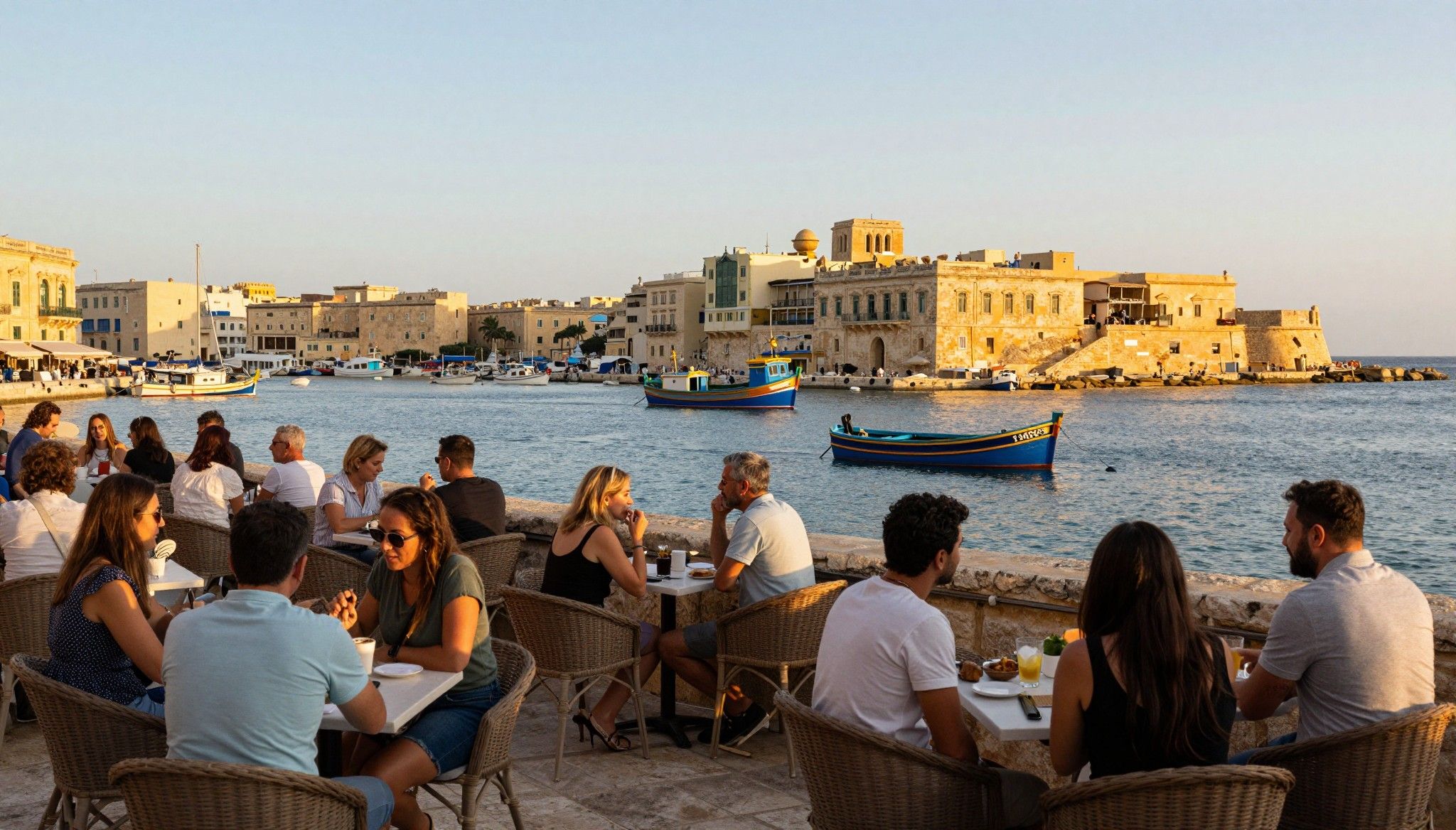
The look and pace of life vary markedly: Milan’s Brera offers ateliers and espresso culture for design‑minded buyers, Florence’s Oltrarno still breathes artisan craft close to quiet bottegas, while Liguria’s small port towns like Camogli reward owners with sea‑facing promenades and a late afternoon light that reshapes every terrace. Prime and second‑home markets behave differently — international demand concentrates in heritage and coastal enclaves, while provincial centres favour thoughtful restorations rather than glossy new build. For buyers seeking provenance and craft, these districts matter more than broad price indexes. ([savills.com](https://www.savills.com/research_articles/255800/357509-0?utm_source=openai))
Food, markets and the weekday choreography
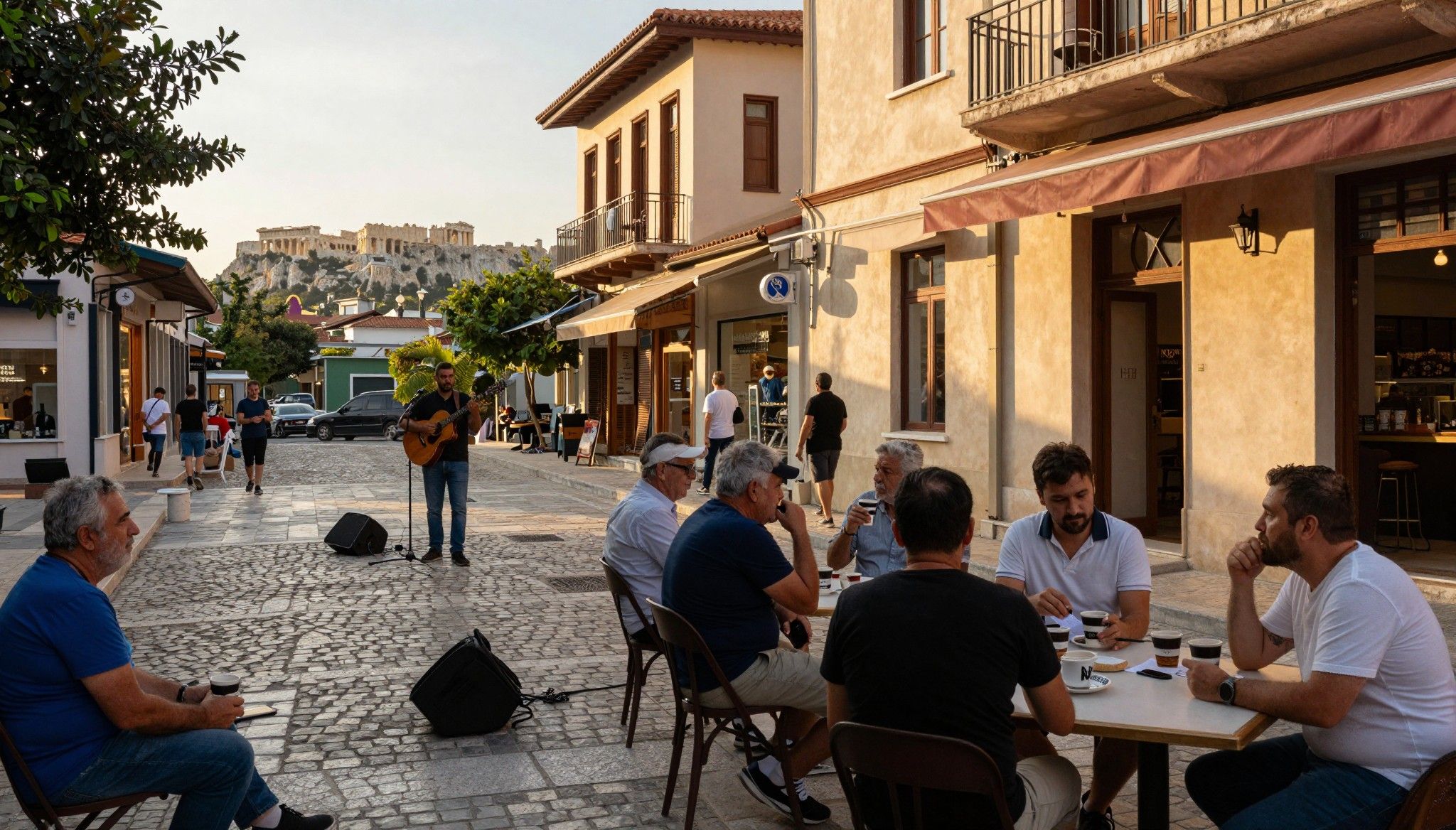
Markets and cafés are where property becomes life. A flat above the Mercato Centrale in Florence offers daily intimacy with seasonal produce; a townhouse near Naples’ Pignasecca places you amid street food culture. These micro‑contexts influence demand and therefore pricing: proximity to a lively market or a quiet piazza can shift desirability more than an extra room. Recent market reporting highlights strong turnover in well‑situated central properties, driven by both domestic and foreign buyers seeking lifestyle attributes rather than mere square metres. ([blog.casa.it](https://blog.casa.it/2026/05/22/rapporto-immobiliare-residenziale-2026/?utm_source=openai))
- Florence: artisan workshops and riverside walks; Brera (Milan): galleries and refined cafés; Amalfi Coast towns (Positano, Ravello): vertical villages, terraces and light; Bologna’s Quadrilatero: everyday food culture and inner‑city calm; Lake Como towns (Bellagio, Varenna): discreet second‑home privacy with commanding views.
Making the move: how lifestyle choices reshape practical decisions
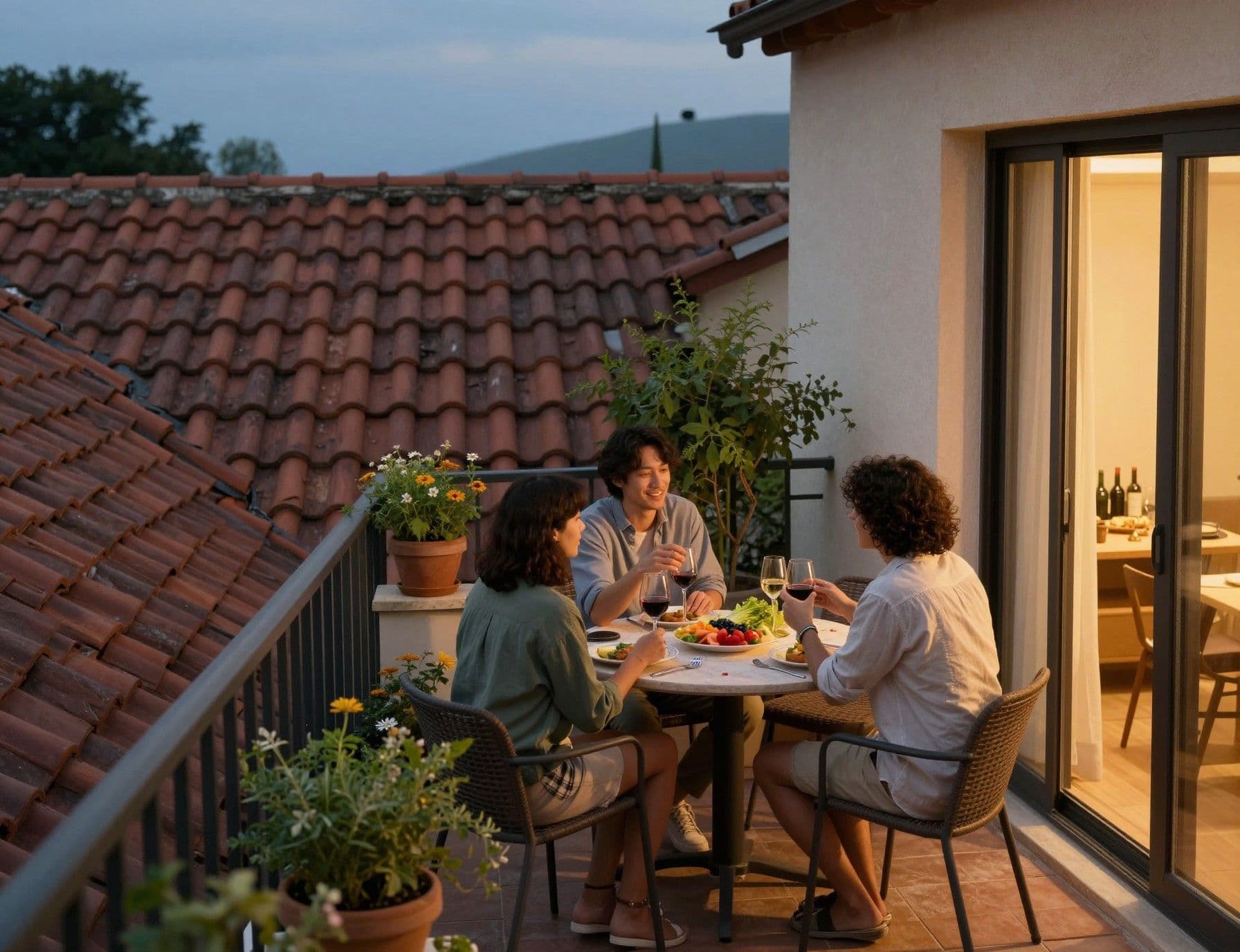
Bringing the dream into legal and financial reality requires aligning lifestyle priorities with property type and locale. A small palazzo in a historic centre demands restoration sensitivity and a different budgetary rhythm than a modern apartment on Milan’s periphery. Knowing which features are essential — be it cross‑ventilation for hot summers in the south or cellar storage for a wine collection in Tuscany — protects both the experience and the balance sheet.
Property types and how you will live inside them
Historic apartments with beamed ceilings reward careful conservation and suit those who prioritise provenance; restored farmhouses in Umbria and Le Marche invite gardening and produce‑led living. New‑build apartments excel for buyers who value insulation and modern services. Each choice implies trade‑offs in maintenance, utility costs, and community engagement. Savills’ prime reports show international appetite remains concentrated in second‑home and heritage segments where lifestyle is inseparable from asset value. ([savills.com](https://www.savills.com/research_articles/255800/357509-0?utm_source=openai))
How local experts bring lifestyle to the search
- A trusted local agency translates neighbourhood character into property briefs, arranges off‑market viewings in districts favoured by residents, confirms whether a historic façade has heritage constraints, negotiates with vendors who prize discretion, and connects you with restorers conversant in traditional materials. Choose advisers who demonstrate a lived knowledge of place: they should point to specific streets, craftsmen and seasonal rhythms rather than supply‑side statistics alone.
Insider knowledge: small truths that change outcomes
Experienced expats will tell you the decisive differences are rarely tax codes but everyday logistics: where your courier can reliably deliver, whether the nearest shop closes at lunch, how winters affect damp in older stone houses. National indices show modest, patchy price rises, but the buyer’s micro‑decisions determine satisfaction more than headline inflation. Use local inspection to test these practicalities before committing: live‑like‑a‑local for a few days, meet the neighbours, and pay attention to the small, recurrent frictions.
Cultural rhythms and making a home
Language is a courtesy more than a barrier: learning a few phrases opens doors to local tradespeople and small communities that do not appear in listings. Social life in Italy is local and habitual; join the gym, the library or a volunteer association and your sense of place accelerates. For many buyers the property purchase is the start of custodianship — an obligation to repair, maintain and allow the building’s history to breathe again.
- Practical red flags to watch for: visible damp and rising salts in basements; unclear historic‑preservation restrictions on façades; poorly documented renovations; utilities that cannot support remote working needs; properties shown sparsely in winter that reveal problems in wet months.
Where to begin: spend a week in your chosen neighbourhood before you bid, instruct a local architect or surveyor to inspect structural and heritage issues, and ask agencies for a list of recent comparable sales on the exact street, not just the district. Agencies that combine archival knowledge with an eye for lived experience will guide you to properties whose pleasures endure.
Norwegian with years in Florence guiding clients across borders. I bridge Oslo and Tuscany, focusing on legal navigation, cultural context, and enduring craftsmanship.