Italy: Life, Provenance and the Market that Shapes It
Italy’s appeal is lived: seasonal rituals, neighbourhood markets and provenance drive value. Visit in different seasons and pair lifestyle intent with rigorous local expertise.
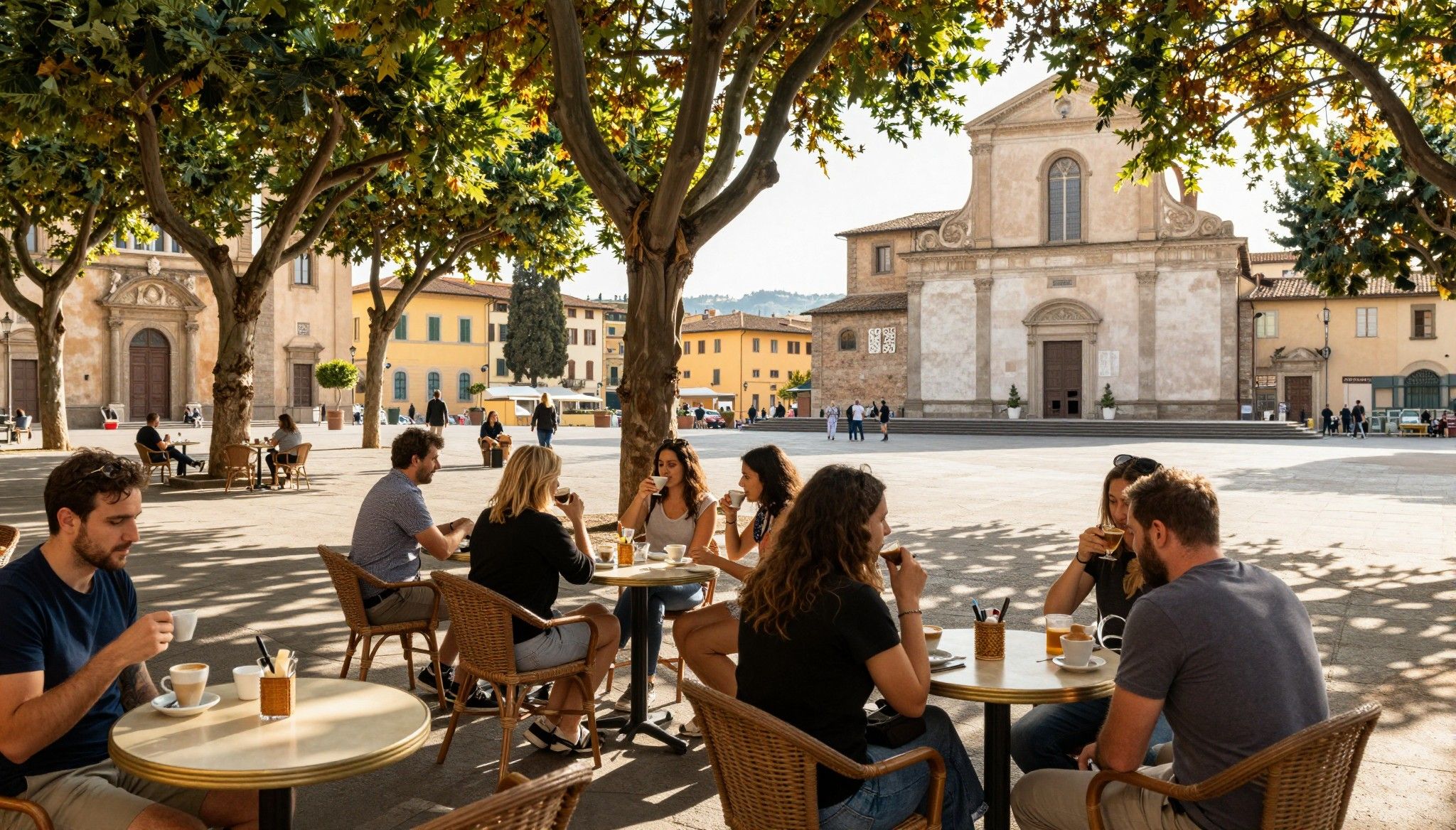
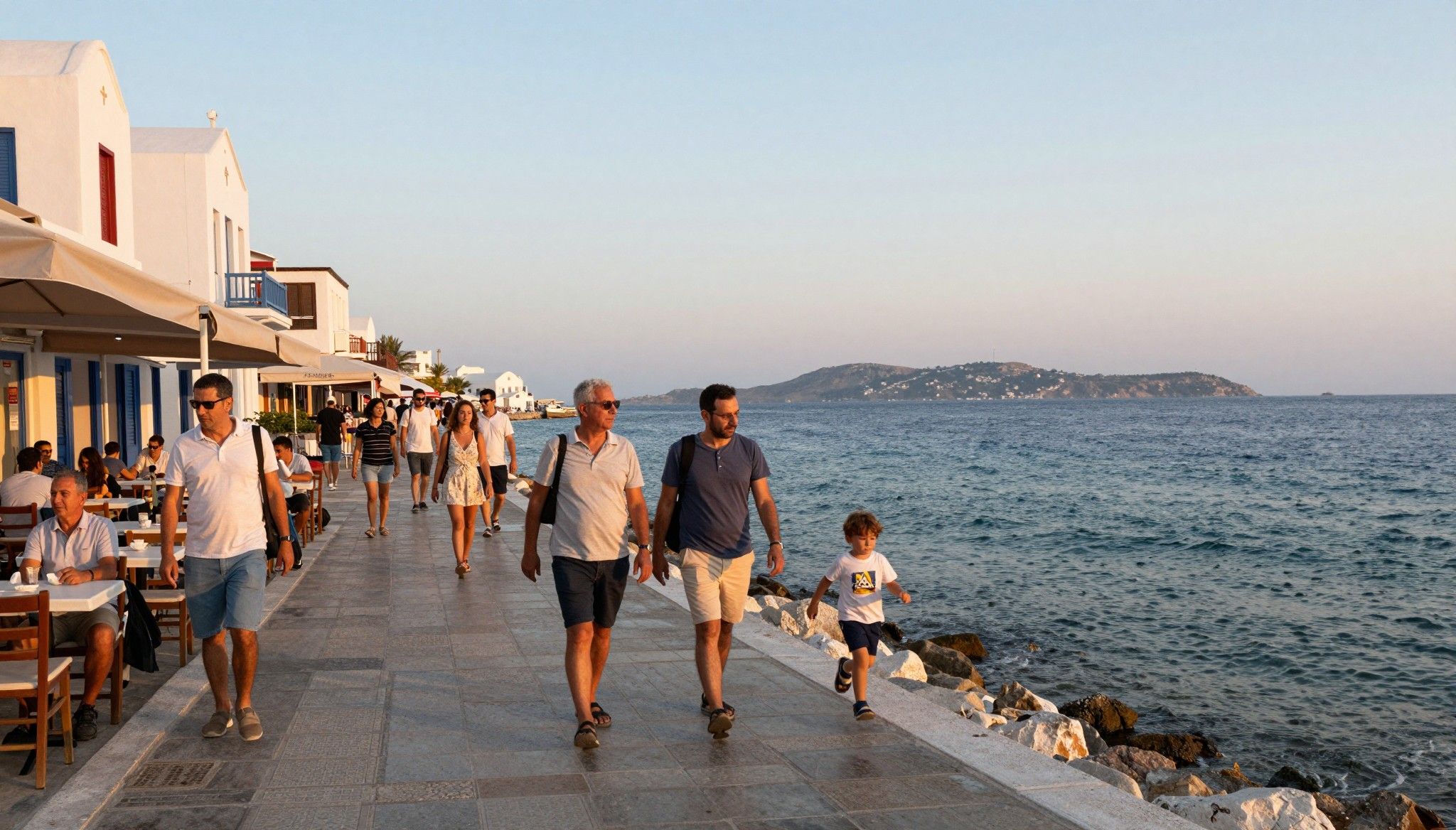
Imagine waking to the bell of a neighbourhood barista in Trastevere, buying morning figs at Florence’s San Lorenzo market, or taking a late-afternoon stroll along Lake Como’s promenade — Italy confers a daily choreography of ritual, craft and weather that shapes more than leisure. For international buyers the seduction is tangible: centuries-old façades, piazze that anchor social life, and cuisine that organises the week. Yet beneath the romance lies a practical market that is regional, seasonal and quietly dynamic. Understanding where daily life and market reality intersect makes the difference between a pleasing purchase and a lasting home.
Living the Italy life: rhythms, streets and seasons
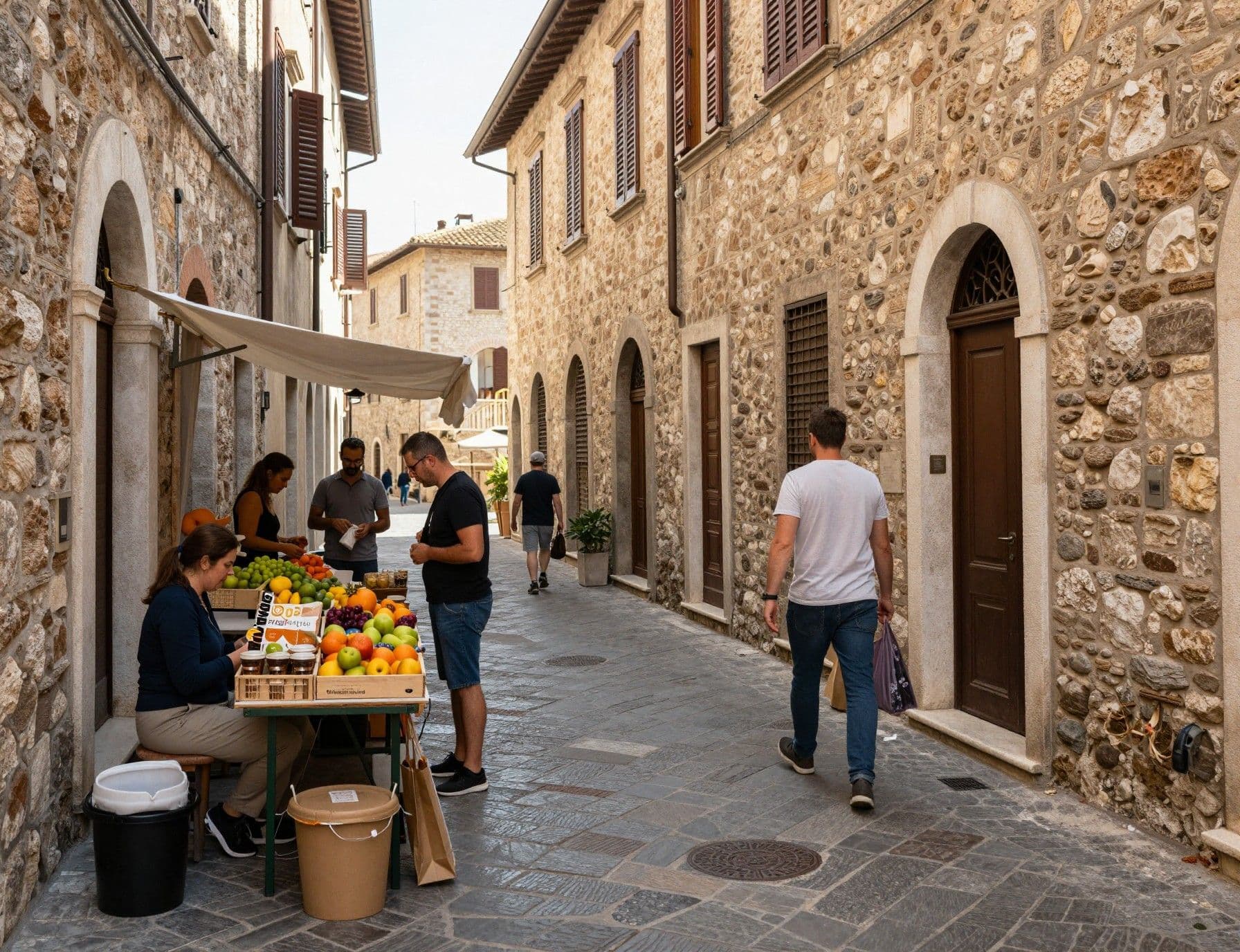
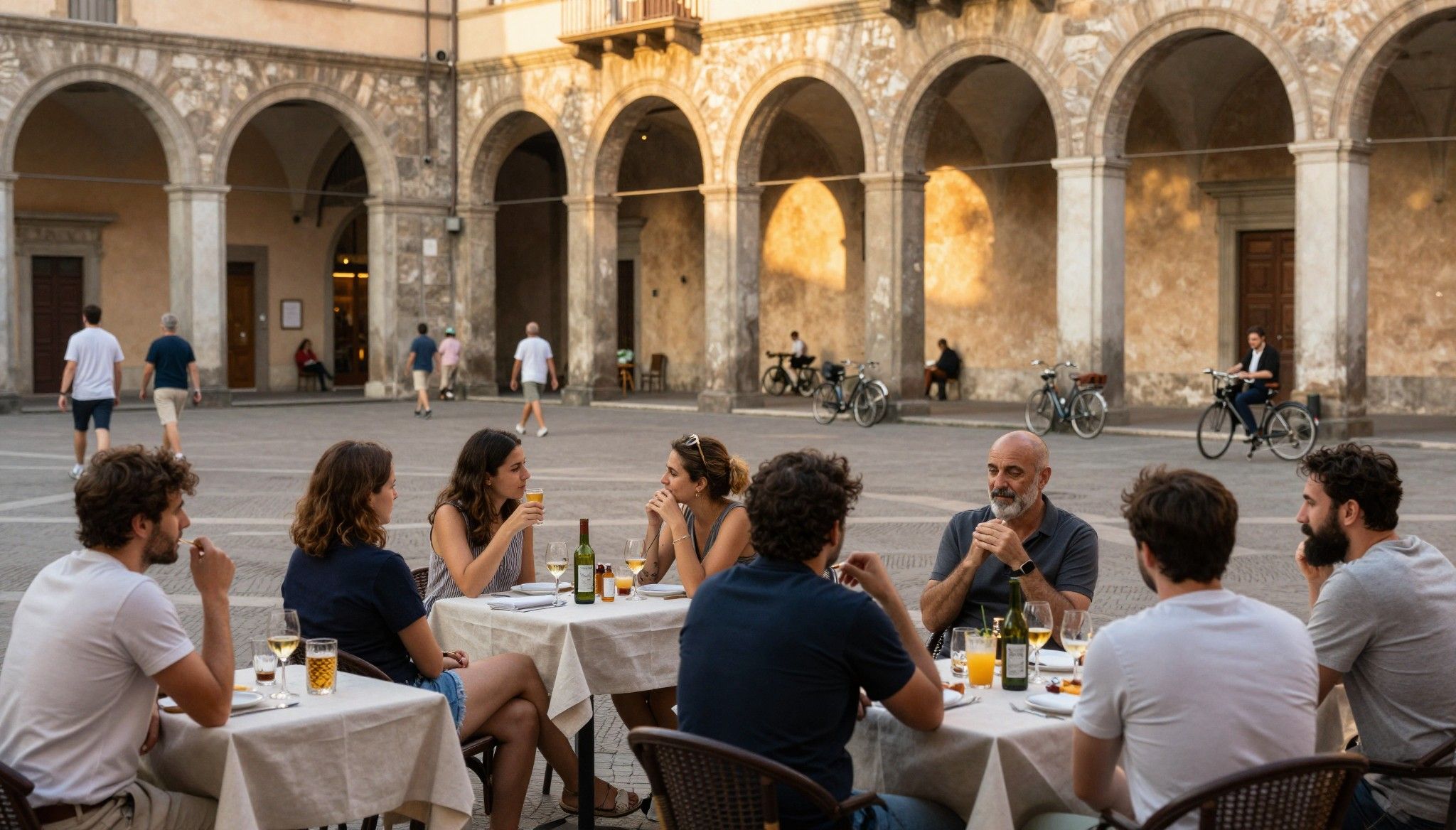
Italian life is organised around place-specific rituals: espresso at the counter, a long Sunday mercato, and aperitivo that stretches into early evening. In cities such as Milan and Rome morning commutes pass by palazzi and caffè where proprietors know your order; in Tuscany the week revolves around market day and vineyards; on the Amalfi Coast the town changes tempo with the ebb of visitors. Seasonal shifts are decisive: winter quiet reveals neighbourhood intimacy and lower short-term rents, while summer brings bustle, services and, in some locations, price spikes.
A local spotlight: Rome’s Trastevere and Testaccio
Trastevere still carries its lacquered-wood doors and narrow alleys; Testaccio, once overlooked, has quietly matured into a neighbourhood of butchers’ shops, contemporary trattorie and well‑appointed apartments. For buyers seeking authenticity with access to Rome’s cultural life, these districts combine daily convenience with resilient appeal. International demand for Rome’s prime stock has tightened in recent years, concentrating interest on neighbourhoods that balance character with infrastructure. The result: well‑maintained period flats and small palazzo apartments that reward buyers who prioritise provenance and location over novelty.
Food, markets and the social map
Markets, bars and neighbourhood restaurants are more than amenities; they are the mechanism by which communities form and sustain value. In Bologna the early-evening passeggiata and the university calendar structure rental demand; in Tuscany proximity to a quality agriturismo or the weekly mercato can elevate a village home’s desirability. Nomisma’s research underlines how local demand patterns — not broad national trends — determine which properties hold value over time. This is why lifestyle mapping must precede property selection.
Daily-life highlights to seek when scouting neighbourhoods
Frequent local market (name and day): evidence of a living neighbourhood and routine footfall.
Corner cafés where the staff know regulars: a small sign of social cohesion and steady daytime life.
Access to a green space or waterfront within 10–20 minutes: crucial for long-term livability and resale appeal.
Making the move: property types, timing and the local market

The Italian market in recent data shows measured growth and regional divergence: national indices record modest year-on-year increases while prime regions concentrate foreign demand. Istat’s house price indices and recent prime-market reports indicate that buyers who focus on constrained prime stock — Lake Como, central Florence, parts of Milan and coastal enclaves — will find competition and smaller negotiation margins. Conversely, interior towns and many southern regions still offer space and favourable pricing for buyers prepared to accept slower liquidity.
Property styles and how they shape daily life
A restored pied-à-terre in Milan’s Brera suits a professional who values an immediate cultural life and short commutes, while a stone farmhouse in Val d’Orcia is a different kind of commitment — slower, maintenance‑heavy, and oriented around land stewardship and seasonal hospitality. Period apartments reward buyers with original woodwork, high ceilings and thermal mass that moderate summer heat, but they often require sensitive retrofits for modern comfort. Newer conversions near transport hubs offer convenience at the expense of that provenance; choose according to the life you intend to live daily, not an idealised image.
Working with local expertise that respects lifestyle intent
A local agency’s value lies in matching provenance to purpose: an agent who knows which palazzo has reliable title work, which seaside comune offers renovation incentives, or which village council enforces strict restoration covenants. For international buyers, retained experts should include a locally recommended notary, an architect versed in historic fabric, and an agent who has placed cross-border clients into the same neighbourhood. Their counsel preserves lifestyle intentions and anticipates practical hurdles before they appear.
Steps that blend lifestyle and practical checks when viewing properties
Visit at least twice in different seasons to feel the year-round tempo: a summer-tested promenade is not the same as a January street.
Inspect water and heating infrastructure in person; original stone walls can hide damp that only reveals itself in winter.
Ask for recent condominium minutes and local planning notices; neighbourhood development can silently alter light, privacy and values.
Commission an architect’s report for historic properties; the cost of sympathetic restoration usually exceeds cosmetic estimates.
Insider knowledge: expat realities and seasonal truths
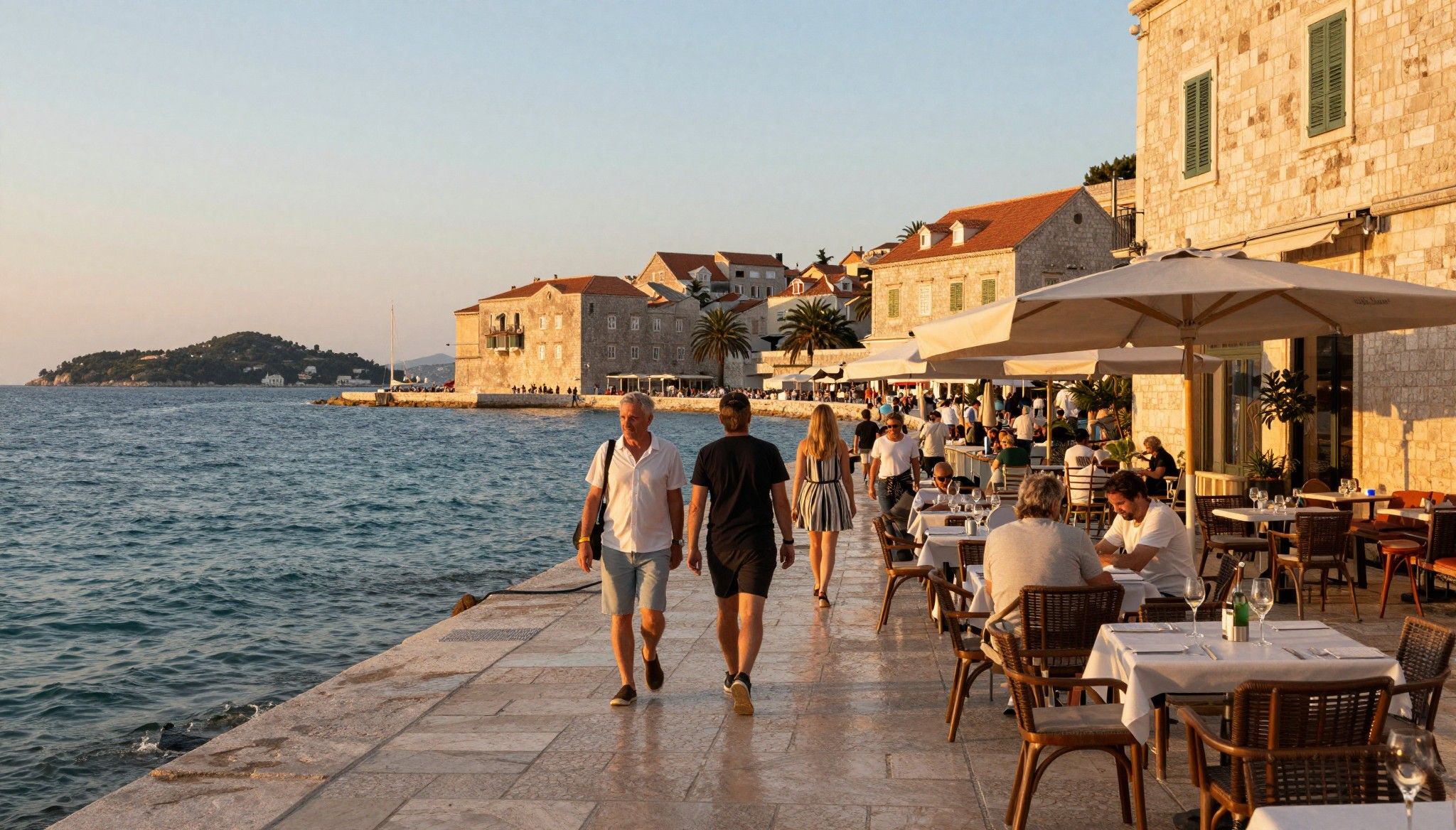
Expat experience in Italy often begins with a romantic scenario and then settles into the practicalities of community integration: language, local bureaucracy and the rhythm of seasonal services. In winter mountain towns such as Cortina, short-term rental yields and peak prices align with ski season; meanwhile, coastal towns show intense seasonality that affects service availability in low months. Knight Frank’s reports on prime Alpine and coastal markets confirm that timing your purchase to reflect intended use — full-time residence versus holiday rental — materially alters the ownership outcome.
Cultural integration and the unspoken rules
Making Italy home means accepting local modes of exchange: introductions matter more than glossy listings, and small gestures — learning basic greetings, respecting riposo (the afternoon pause), and patronising the local alimentari — accelerate acceptance. Expats who invest time in local associations, volunteer projects or a language course find community more quickly and, in turn, secure better recommendations from neighbours and artisans. This social capital often converts to practical advantages during renovations, planning applications and local council interactions.
Long-term considerations: stewardship, tax context and resale
Think in decades: Italian properties with solid provenance and careful restoration tend to outperform speculative new build. Local incentives for energy-efficient upgrades, and established buyer interest in cultural landscapes, affect both holding costs and resale appeal. International buyers should consult reliable market sources to understand regional transaction volumes and yield profiles; comparative reports show that while national growth is modest, pockets of strong performance continue to attract cross-border capital.
Red flags to spot when a property is more romance than reality
Unclear land registry (visura catastale) or missing historic permits — signals of potential title or restoration complications.
Evidence of recurring damp, erratic heating, or temporary fixes rather than documented restoration plans.
Neighbourhoods with declining services (closed shops, infrequent public transport) — lifestyle value diminishes faster than a single price report suggests.
Conclusion — the life and the ledger
Italy offers a catalogue of lives: urban, rural, coastal and alpine — each with its own calendar, neighbourhood codes and market logic. For buyers who prize provenance, craft and a social life that accumulates in streets and markets, the smartest purchases begin with time spent there and advice drawn from local experts. Begin with visits in different seasons, require full documentation, and invite an architect and notary early in the process. When lifestyle and legal clarity are aligned, a purchase in Italy becomes stewardship of place — and that makes all the difference.
Relocating from London to Mallorca in 2014, I guide UK buyers through cross-border investment and tax considerations. I specialise in provenance, design integrity, and long-term value.