Malta: Lifestyle Costs and the Quiet Value of Stewardship
Malta’s compact lifestyle offsets rising property prices: discover which neighbourhoods deliver daily value, what costs to expect, and the small stewardship decisions that shape long‑term living.
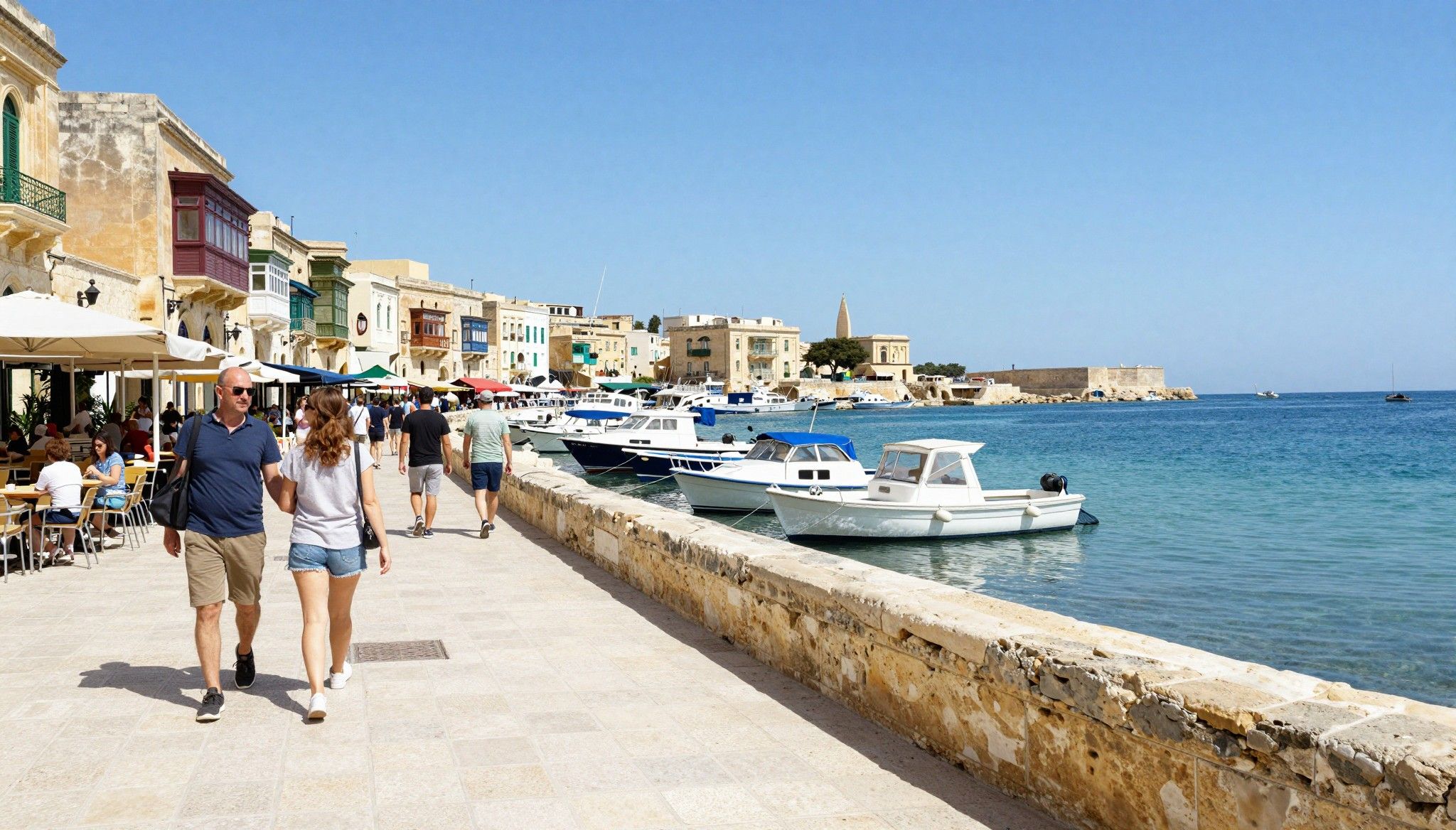
Imagine an early morning in Valletta: a narrow street warms under pale sunlight, shutters open, a café pours thick espresso while fishermen load crates near the Grand Harbour. That intimate rhythm — limestone, sea breeze, a conversation in English and Maltese — is what draws buyers to Malta. Yet beneath the postcards lies a compact market, seasonal swings and living costs that surprise even practiced travellers.
Living the Malta life
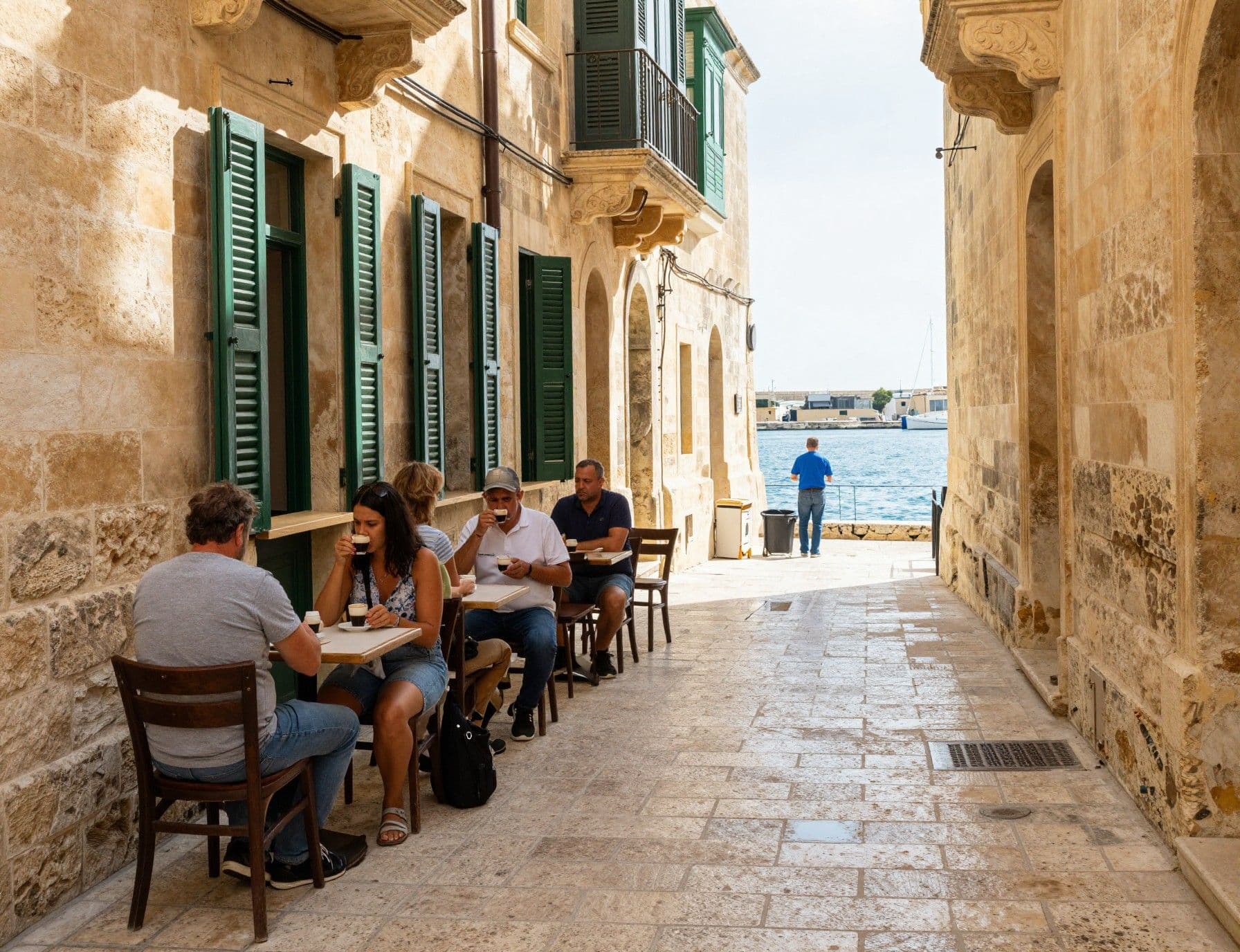
Life in Malta is compact and tactile. Days are punctuated by short walks to corner cafés, evenings on terraces shaded by bougainvillea, and weekends split between a market run in Marsaxlokk and a late swim at Golden Bay. The islands’ small scale concentrates pleasure: the best restaurants, galleries and beaches are rarely more than a thirty‑minute drive apart. This closeness shapes what you pay for and what you expect from a property—proximity to a village square or a harbour can be worth as much as an extra bedroom.
Neighbourhoods with character
Valletta’s baroque facades and narrow streets feel like living within a museum; Sliema and St Julian’s offer the polished apartment life with promenades and cafés; Mdina and Rabat give a quieter, heritage‑rich rhythm; and the coastal villages of Marsaxlokk, Għajn Tuffieħa and Mellieħa suit those seeking space and swimming on the doorstep. Each place trades off scale, privacy and daily convenience in ways that quickly become personal.
Food, markets and the small pleasures
Morning markets at Marsaxlokk and a seafood tavern by the quay, pastizzi bought hot from a forno, and aperitifs at a terrace in St Julian’s: the food scene anchors daily life. Seasonality matters — fresh fish and produce fluctuate by month — and local suppliers often double as neighbours. For buyers, that means kitchens and terraces truly matter: a well‑fitted kitchen and an outdoor dining space are lifestyle multipliers, not cosmetic extras.
- Lifestyle highlights
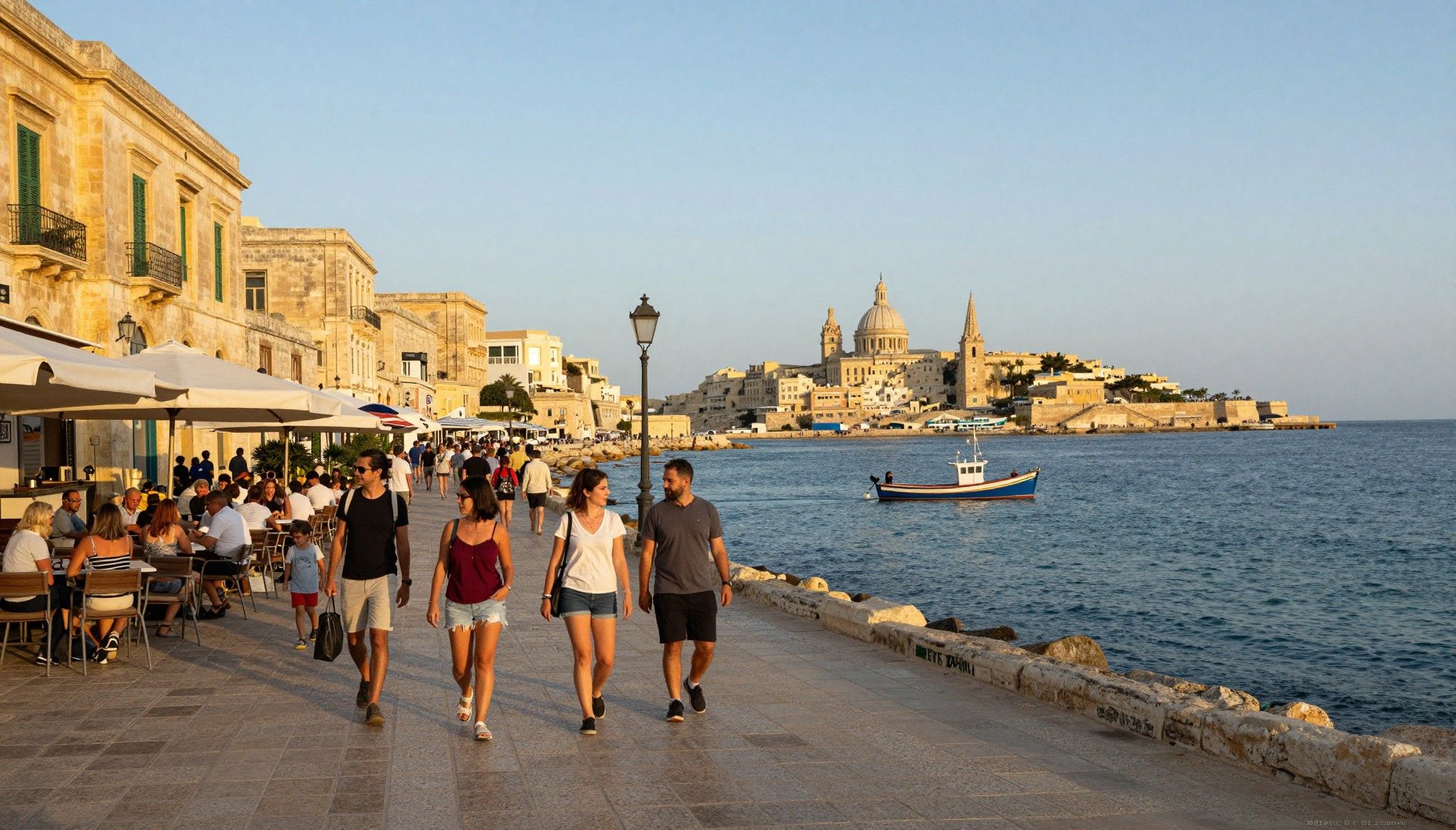
- Sunset stroll along the Sliema promenade and coffee at Café del Mar
- Weekend fish market at Marsaxlokk followed by lunch at Tartarun or a local kafè
- Quiet mornings in Mdina’s lanes with visits to small artisan shops
Making the move: practical considerations
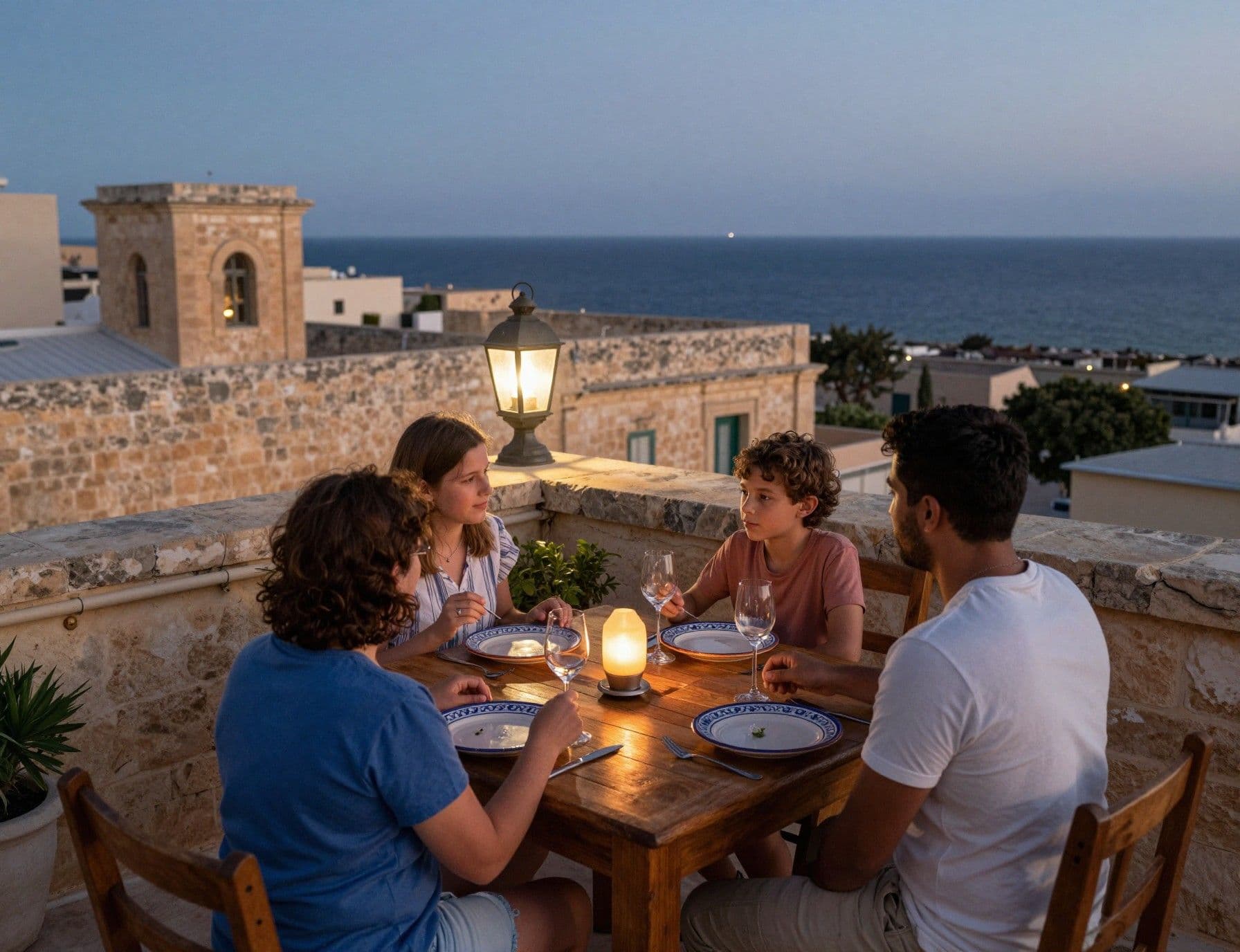
The romance of place meets an economy that is tightly referenced in official statistics and market reports. Residential property prices in Malta have risen steadily in recent years, and national indices from the NSO and commentary in KPMG and Central Bank releases reflect continued demand and constrained supply. At the same time, everyday living costs — groceries, utilities, dining out — often sit below larger European cities, a contrast that matters when you compare lifestyle against total cost of ownership.
Property types and what they mean for life
Townhouse conversions in Valletta offer high ceilings, original stone and a compact footprint that suits cultured, low‑maintenance living. Modern apartments in Sliema or St Julian’s provide secure parking and sea views — convenient for year‑round life or rental income. Rural village houses around Żebbuġ or Dingli give more land and silence but require acceptance of longer runs to services. Your choice should reflect whether you prize daily conviviality, privacy, or flexibility for lettings.
Working with local experts
- How an agency becomes your lifestyle curator: 1) Identify neighbourhoods that match your daily rhythms; 2) Shortlist properties with the right light, proportions and outdoor space; 3) Verify running costs — communal fees, utilities and maintenance — against actual bills; 4) Advise on rental potential and seasonal demand; 5) Introduce you to trusted restorers and local service providers.
Insider knowledge: what expats wish they’d known
Experienced residents often say the small details change daily life more than headline costs. The orientation of terraces (north vs south), the presence of traditional stone window sills (gallarija) and the quality of joinery affect comfort and long‑term upkeep. Likewise, many buyers underestimate the role of seasonal tourism: short‑term rental demand can tilt neighbourhoods toward hospitality services and change noise patterns at certain times of year.
Language, community and social rhythm
English is widely spoken across Malta; many official services and private interactions occur in English, easing daily life for newcomers. That linguistic accessibility accelerates integration but does not replace local customs: weekend village festas, neighbourhood chit‑chat and small acts of reciprocity remain central to Malta’s social fabric. Learning a few Maltese phrases opens doors and signals respect for provenance.
Long‑term costs and stewardship
Beyond purchase price, stewardship matters: limestone façades need periodic attention, older plumbing and wiring benefit from proactive renovation, and communal building upkeep (particularly in converted palazzini) can drive annual costs. Buyers seeking legacy properties should budget for artisan repairs and factor these into both their lifestyle plan and reserve funds.
Practical checklist before you commit
- 1) Compare actual utility and communal bills for the previous 12 months; 2) Visit neighbourhoods at different times — weekday mornings, Saturday market and late evenings; 3) Ask for precise planning and conservation restrictions if the property lies in a heritage zone; 4) Request rental performance and seasonal occupancy figures if you plan short lets; 5) Meet local craftsmen or a recommended building surveyor before offering.
- Final thoughts and next steps
Malta is compact by design and expansive in daily pleasures. For buyers who prize provenance, conviviality and a sunlit life framed by limestone and harbour views, the islands offer a distinct proposition: living costs that balance favourably against lifestyle gains, and a market shaped by limited supply and sustained demand. Begin with neighbourhood visits, home in on the lifestyle silhouette you want, and then let a specialist local agency translate that silhouette into a considered shortlist.
Norwegian with years in Florence guiding clients across borders. I bridge Oslo and Tuscany, focusing on legal navigation, cultural context, and enduring craftsmanship.