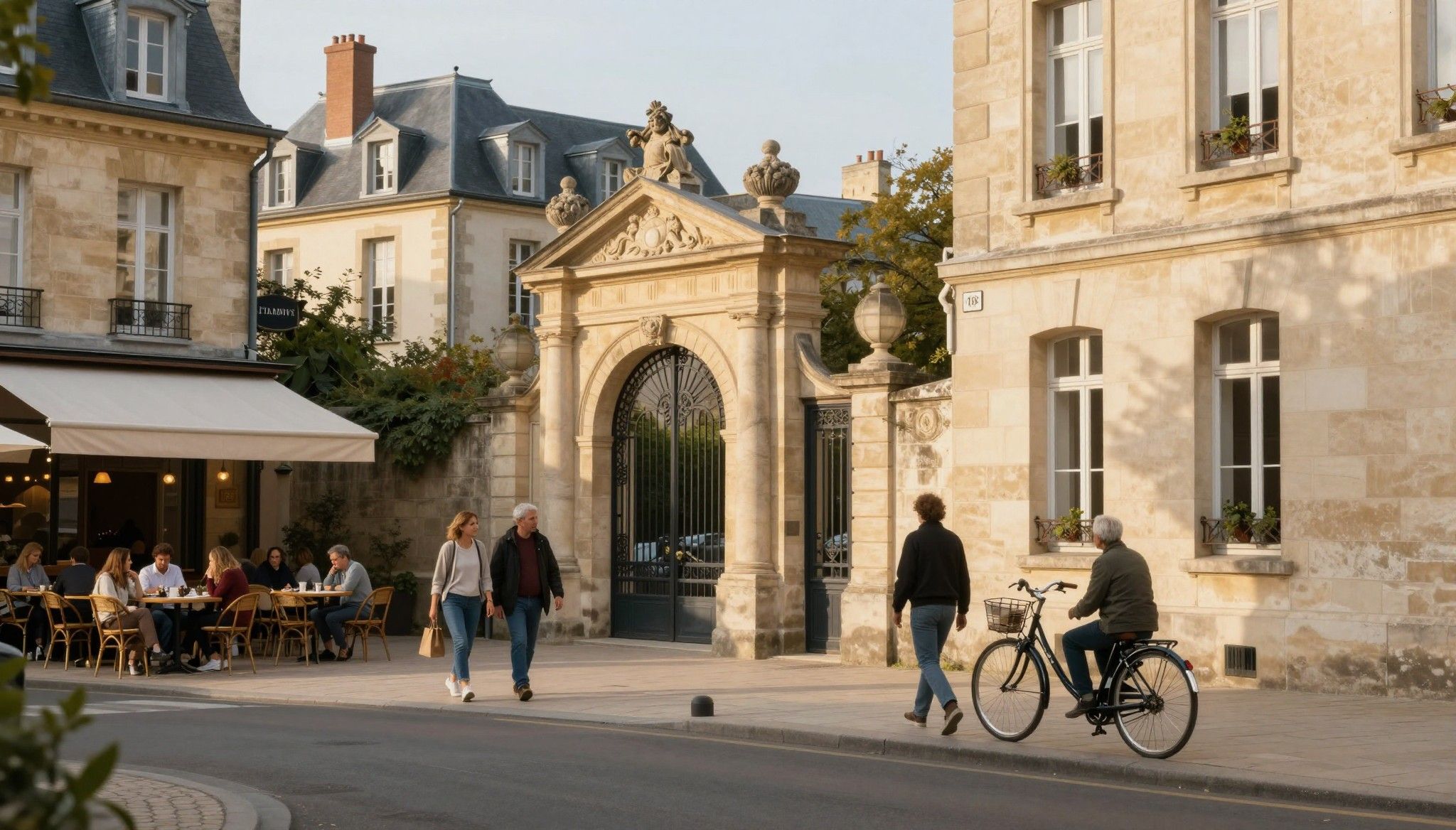
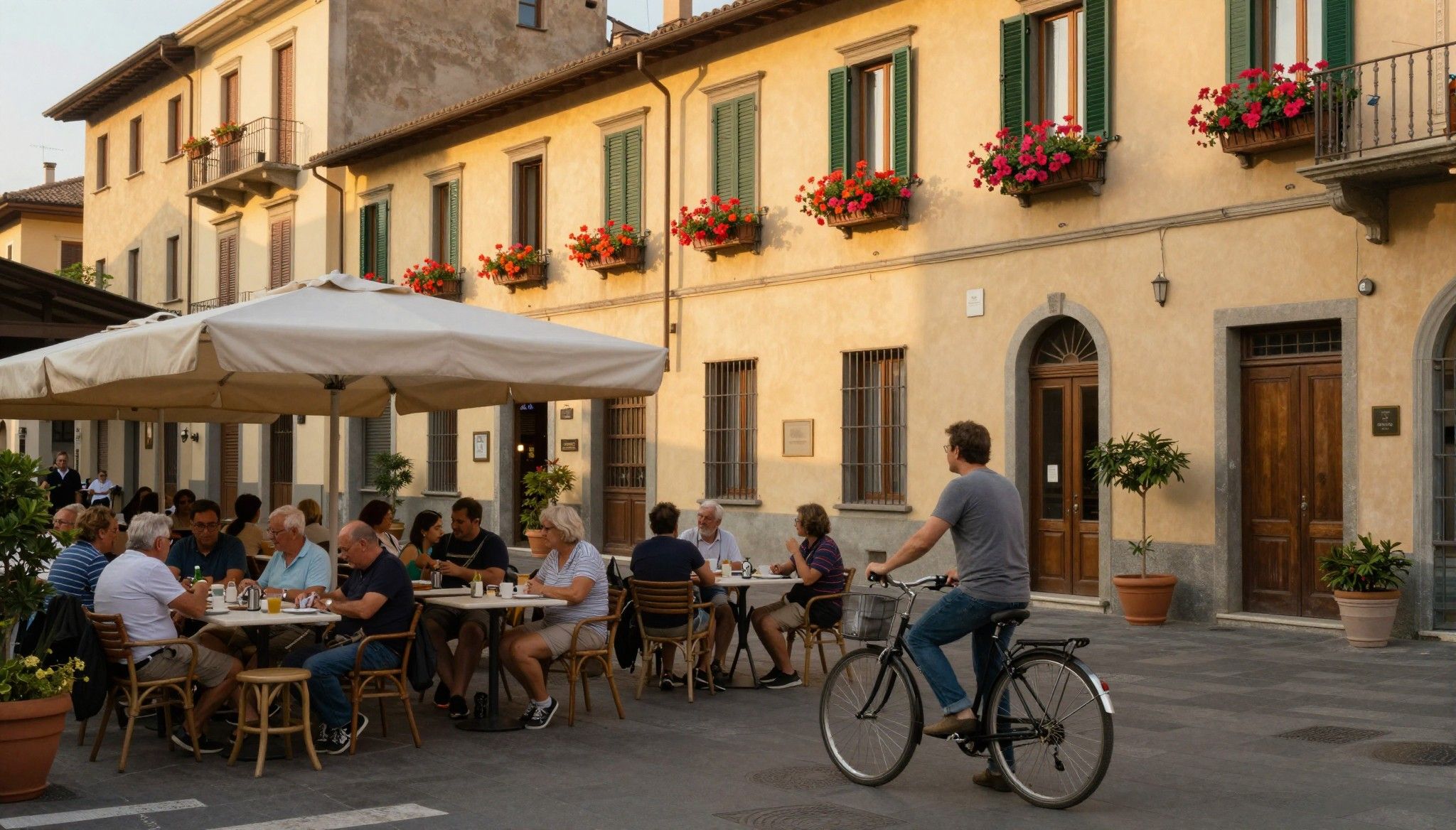
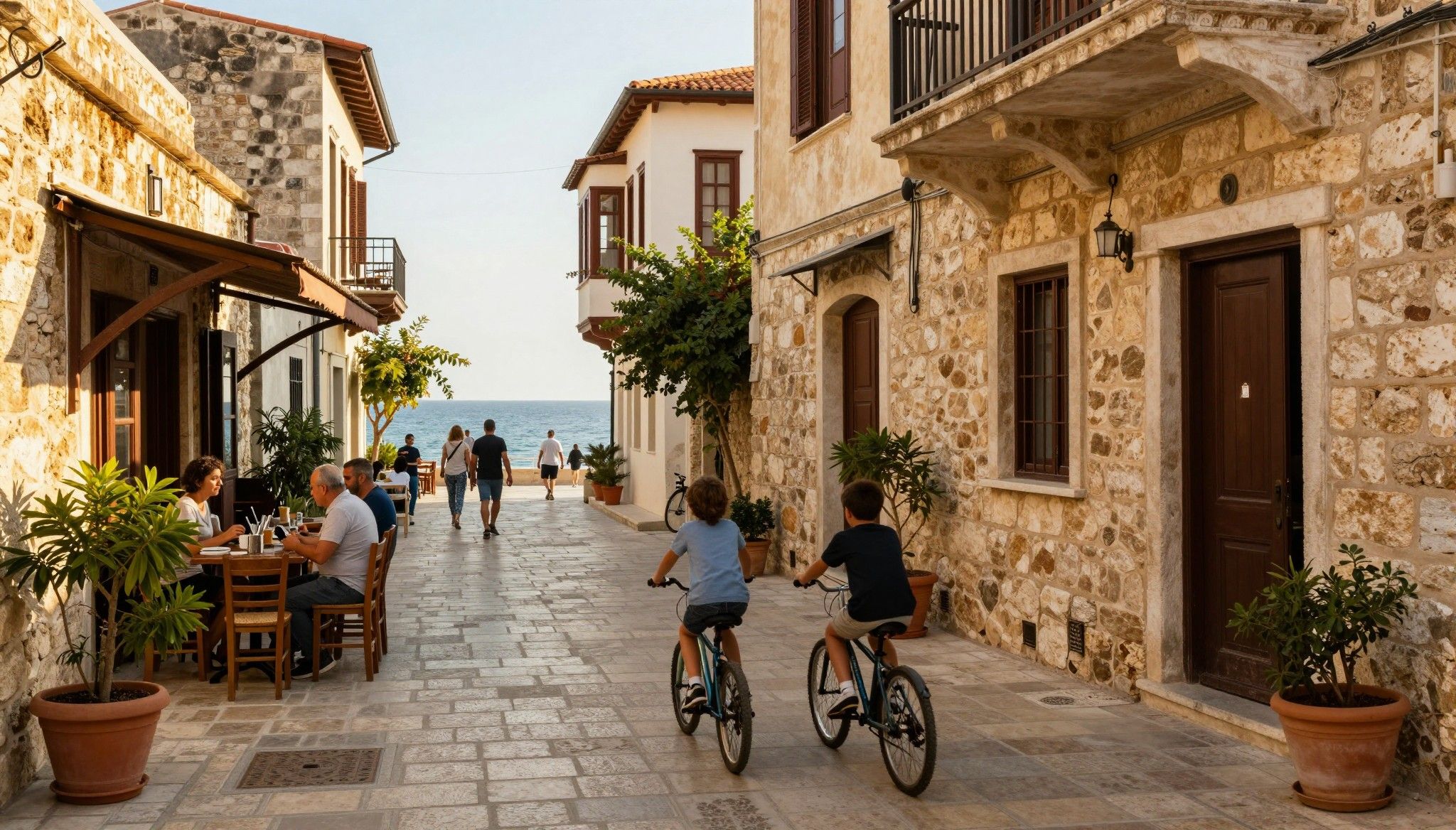
When Italy Feels 'Too Expensive' — Where Value Hides
Italy’s market masks neighbourhood bargains. Look beyond city averages — local rhythm, restoration quality and seasonality reveal value for discerning buyers.
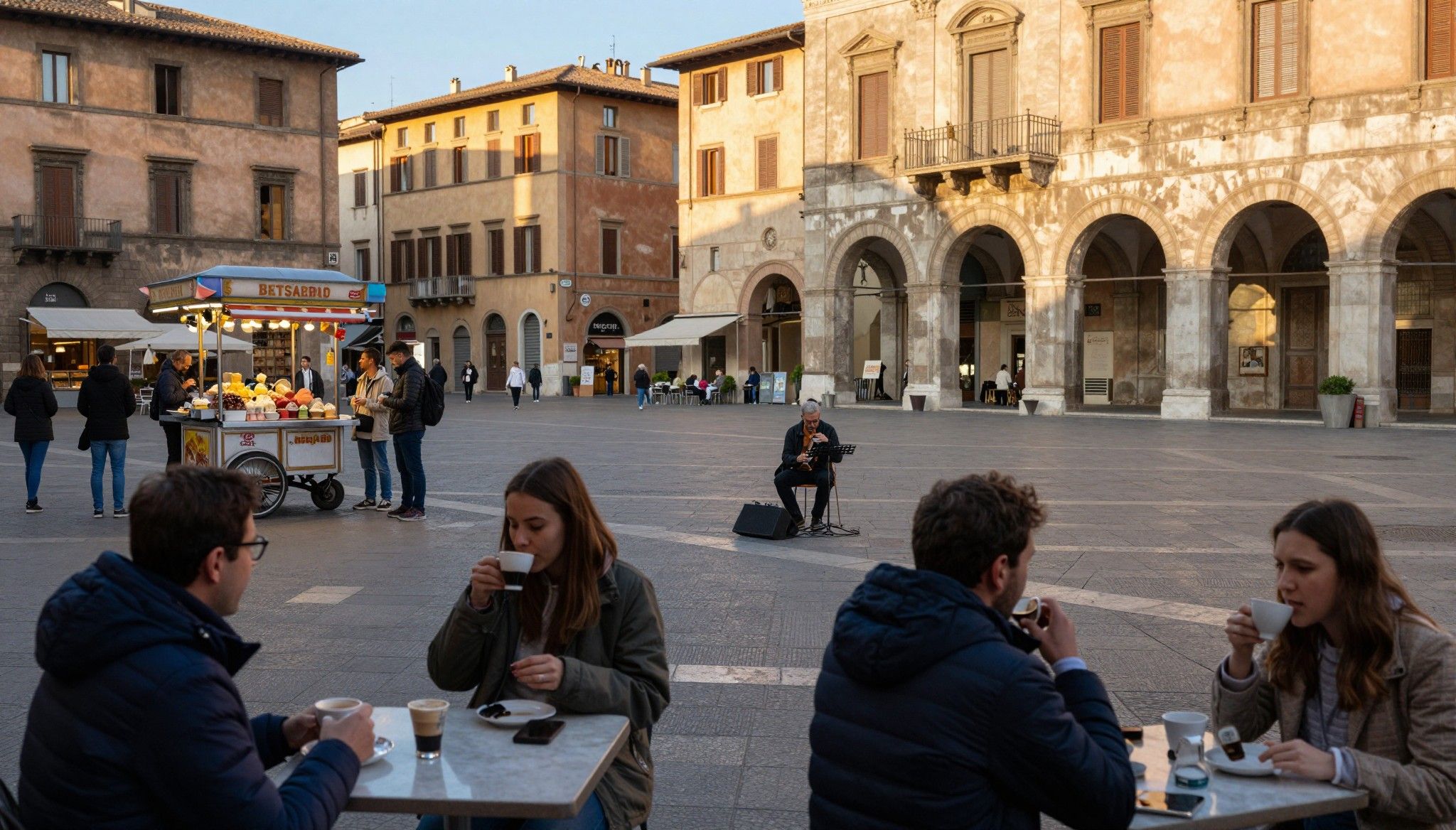
Imagine a late‑summer morning in Italy: a barista pulls a lungo on Corso Garibaldi in Milan, nets of sardines glint at Palermo’s Ballarò market, and an old stone stair in Lucca smells of lemon and laundry. These are the small rituals that shape neighbourhood life — and the reason property here resists simple labels such as “too expensive.” Recent market analysis shows nuance beneath the headlines, and for the buyer who looks for rhythm rather than rank, Italy offers surprising value.
Living the Italian lifestyle — more than a price tag

Daily life in Italy is defined by scale and intimacy: piazza routines, neighbourhood bakeries, early evening passeggiata. These patterns vary dramatically between regions — a narrow Venetian calle functions differently from a Roman rione or a Ligurian borgo — and those differences explain why headline averages mislead. National indices, for instance, show modest annual gains, but local markets diverge markedly. See ISTAT’s house price data for the broad picture.
North: ordered cities, considered villages
In Lombardy and Emilia‑Romagna, elegant apartment blocks and restored townhouses sit beside pragmatic new builds. Milan’s central streets retain premium pricing, but 20–30 minutes out — in suburbs with artisanal shops and direct commuter lines — you find proportion, light and value. Nomisma’s market observatory notes growth is uneven: primary markets show steadier rises while intermediate markets can be more affordable.
South & islands: texture over headline rates
Regions such as Puglia, Calabria and parts of Sicily offer a different proposition: lower entry prices, historic stone homes and communities that prize local life. These neighbourhoods can appear neglected in national press; in practice they reward buyers who value craftsmanship, a slower calendar and the possibility of tasteful restoration. Idealista and regional reports document pockets of steady demand and rising interest among international buyers.
Lifestyle hotspots — streets and squares that explain value

Florence: Oltrarno’s workshop spirit
Walk across the Ponte alle Grazie into Oltrarno and you feel the city’s handwork: cabinetmakers, small ateliers, and quiet trattorie. Properties here are often artisan‑rich — exposed beams, private gardens, and historical provenance — and command premiums for authenticity. Knight Frank’s regional briefs point to sustained interest in culturally dense neighbourhoods like this, where lifestyle quality underpins value.
Naples: the contrarian charm of Quartieri Spagnoli
Quartieri Spagnoli is often dismissed by outsiders. For the buyer seeking lived authenticity — close‑knit communities, corner cafés, modestly scaled palazzi with generous courtyards — it offers an entry into Neapolitan life that larger tourist zones cannot. Reports note growing interest in secondary markets where character and community create long‑term appeal.
- Oltrarno, Florence — artisan workshops, private gardens
- Quartieri Spagnoli, Naples — communal courtyards, authentic street life
- Santa Croce, Pisa — scholarly calm, restored palazzi near the river
- Monterosso, Cinque Terre — compact sea‑front living, seasonal rhythm
Making the move: practical considerations that preserve lifestyle
Those neighbourhood pleasures are reachable, but they require deliberate choices. National statistics reveal moderate price growth and uneven transaction volumes; the implication for buyers is clear: choose neighbourhood rhythm over headline ranking, and align purchase timing with local seasonality rather than market noise. Practical steps below translate lifestyle aims into solid property decisions.
Property types and the life they enable
A restored palazzo flat gives historical detail and generous proportion but can carry higher maintenance; a stone farmhouse in Puglia offers land and privacy but requires infrastructure work. Match scale to routine: if café culture matters, prioritise compact terrace flats near active streets; if solitude and provenance matter, prioritise country houses with proven restoration records.
Working with agents who understand rhythm
Select agencies that prioritise neighbourhood knowledge over glossy portfolios. The right agent will know which streets keep bakeries open at dawn, which courtyards collect neighbours for evening wine, and which buildings have robust restoration documentation. International reports indicate that buyers who use local expertise secure properties that sustain both value and habit.
- 1. Visit the neighbourhood at three times of day to test rhythm and noise. 2. Request documented restoration and maintenance records for older buildings. 3. Ask for a micro‑market report: recent sales on the same street or block. 4. Prioritise transport links that suit your life — not just proximity to a city centre. 5. Budget for local craftsmanship: tasteful restoration is rarely cheap but preserves value.
Insider knowledge: what expats wish they'd known
Expat narratives converge on a few truths: social integration happens at the market, the neighbourhood bar and through small acts of stewardship; bureaucracy is surmountable with the right introductions; and seasons change more than prices. Many regret buying on a purely numerical basis without living in the area first — and likewise those who fell in love with a façade but not the street.
Language, local customs and community
A little Italian opens doors. Vendors and neighbours appreciate effort, and that goodwill accelerates integration. Understand weekly rhythms (market day, church bells, shop closures on Monday afternoons in some towns) and accept that social life often centres on ritual rather than events.
Long‑term perspective: stewardship over churn
Buying in Italy is often a commitment to stewardship. Heritage materials, artisan repairs and appropriate upgrades sustain both lifestyle and capital. Consider homes that balance authenticity with manageable upkeep; towns that sustain a year‑round population avoid the seasonal hollowing that undermines long‑term neighbourhood life.
- Choose streets with everyday services: bakery, pharmacy, greengrocer.
- Prioritise buildings with clear restoration provenance and technical surveys.
- Test seasonal life: spend a month across two different seasons before committing.
- 1. Compile a neighbourhood dossier (services, transport, recent sales). 2. Commission an independent technical survey and ask for historical maintenance invoices. 3. Meet local neighbours and vendors to sense whether the street’s life matches your vision.
Conclusion: Italy’s value is neighbourhood‑shaped. National metrics show modest growth and resilient demand — ISTAT and Nomisma corroborate a market in selective recovery — but the true asset is the day‑to‑day life a location affords. If you seek a place that rewards attention, choose rhythm: the café that knows your order, the piazza that stages Sunday life, the street that grows more familiar each month. When you buy with that measure, price becomes a part of the story, not the whole of it.
Former Copenhagen architect who relocated to Provence, offering relocation services, market analysis, and a curator’s eye for authentic regional design.