Cyprus: Life, Permissions and What You Must Check
A lifestyle-led guide to buying in Cyprus: how neighbourhood rhythms intersect with legal rules, permissions and tax realities to protect your life and investment.
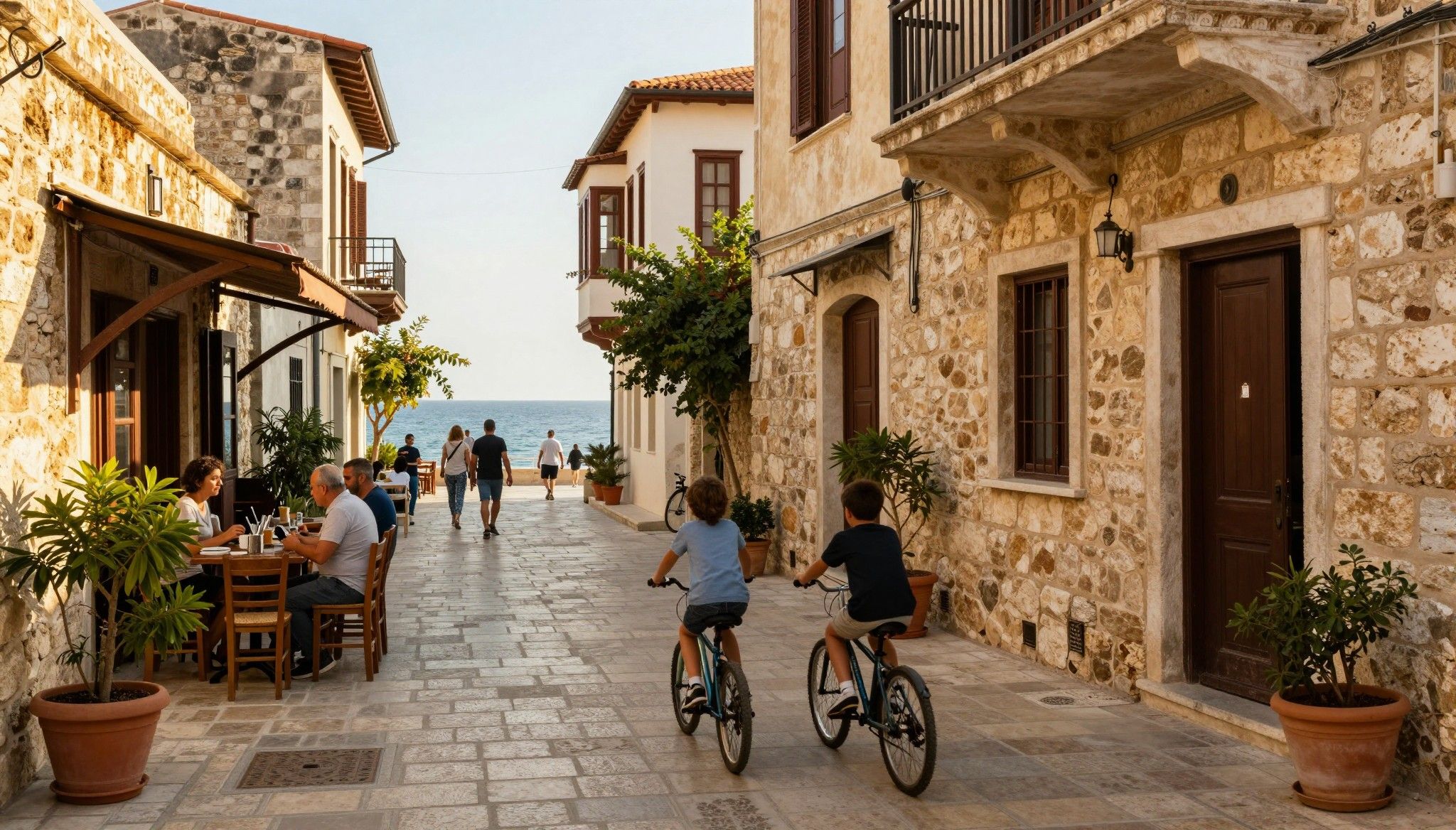
Imagine waking to the bread-rich smell drifting from a small bakery on Anexartisias Street in Limassol, then walking down to a sun-warmed terrace where neighbours discuss the fishing report and the week’s market finds. Cyprus lives in those slow, sensorial rhythms — mornings at kafeneio tables, siesta-light afternoons in shaded courtyards and evenings that gather around mezze and conversation. For international buyers the island is both invitation and technical puzzle: irresistible daily life framed by a specific set of legal and fiscal rules. This guide pairs the island’s lived pleasures with clear, research-backed legal signposts so you can arrive informed and quietly confident.
Living the Cypriot Life
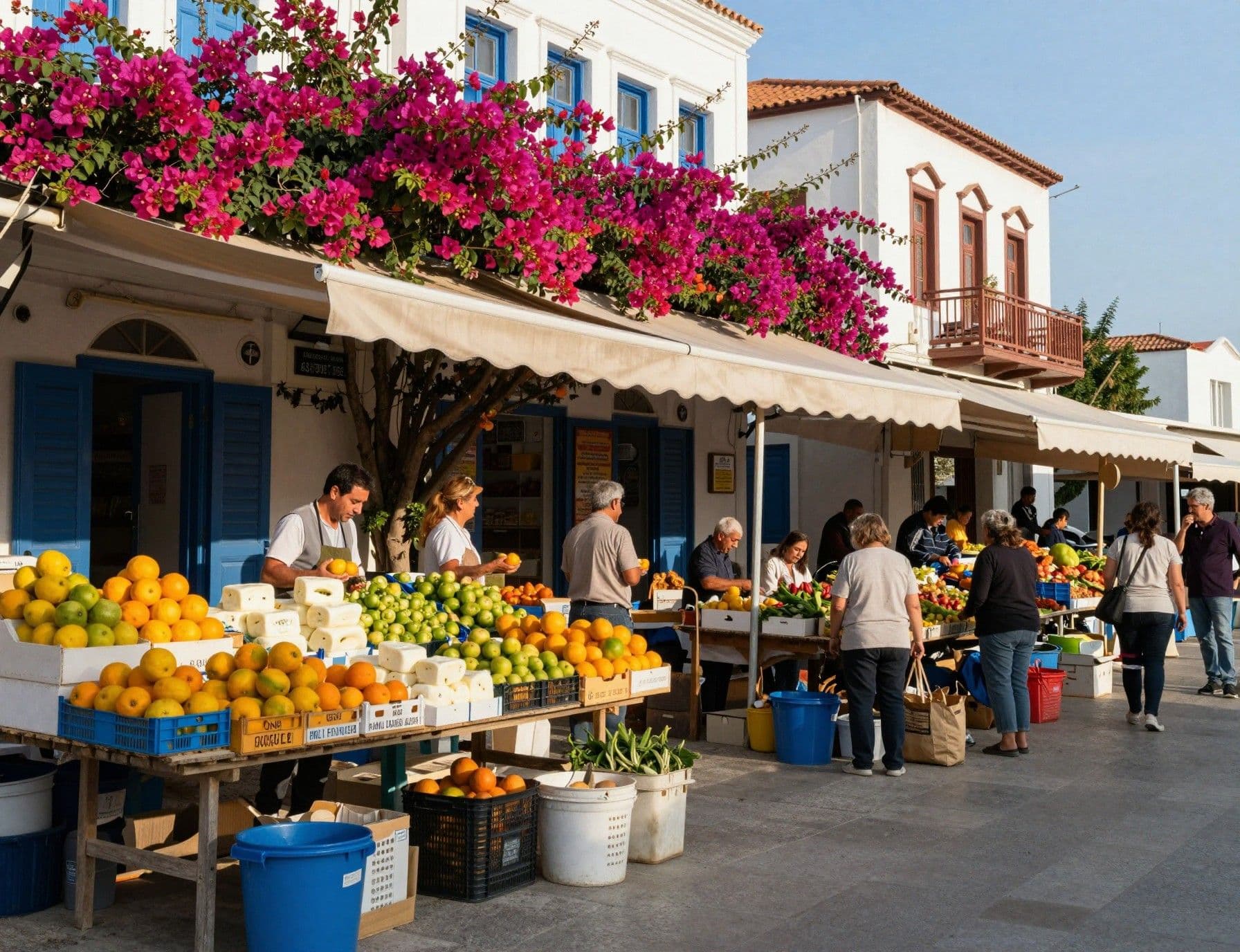
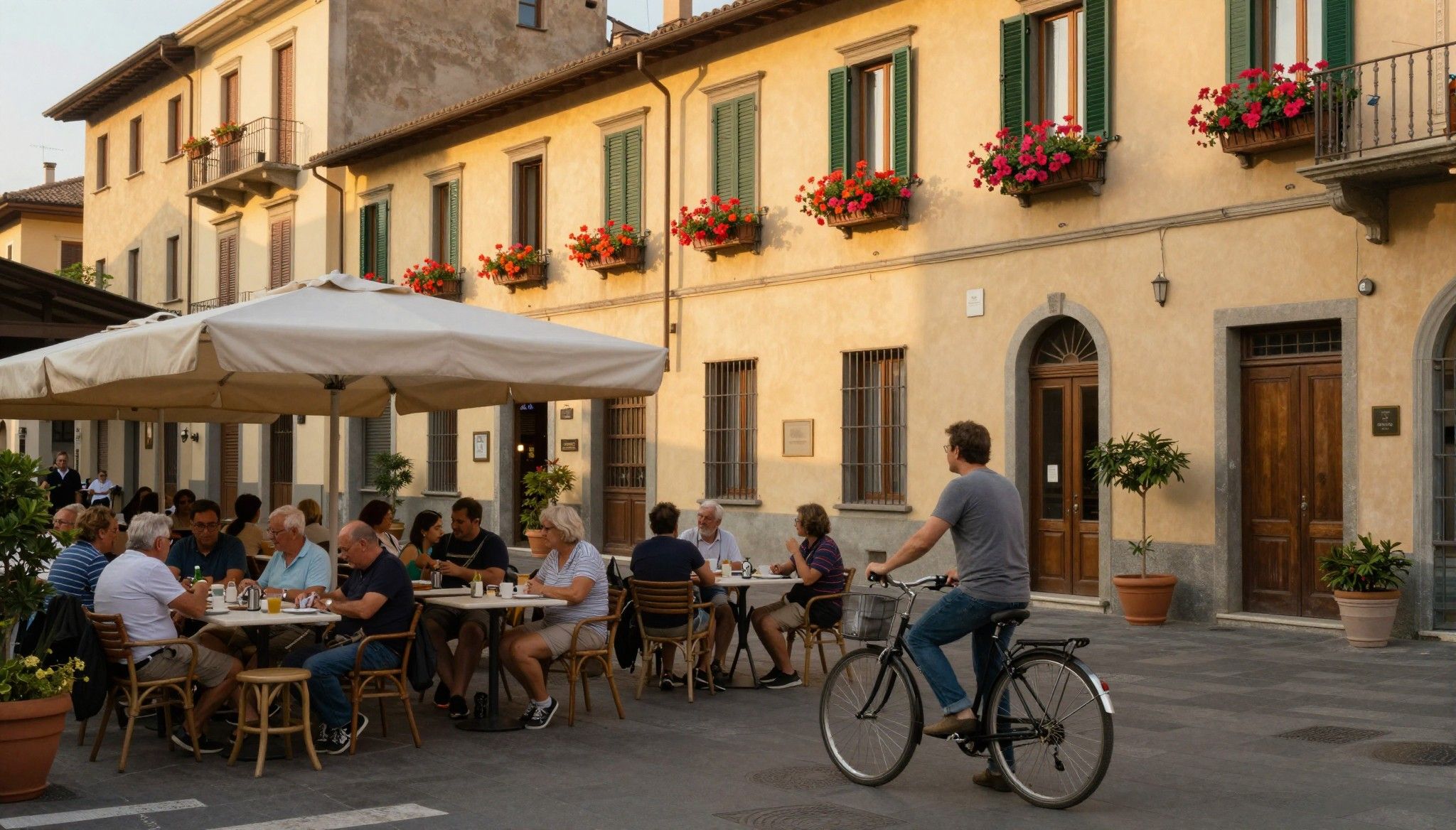
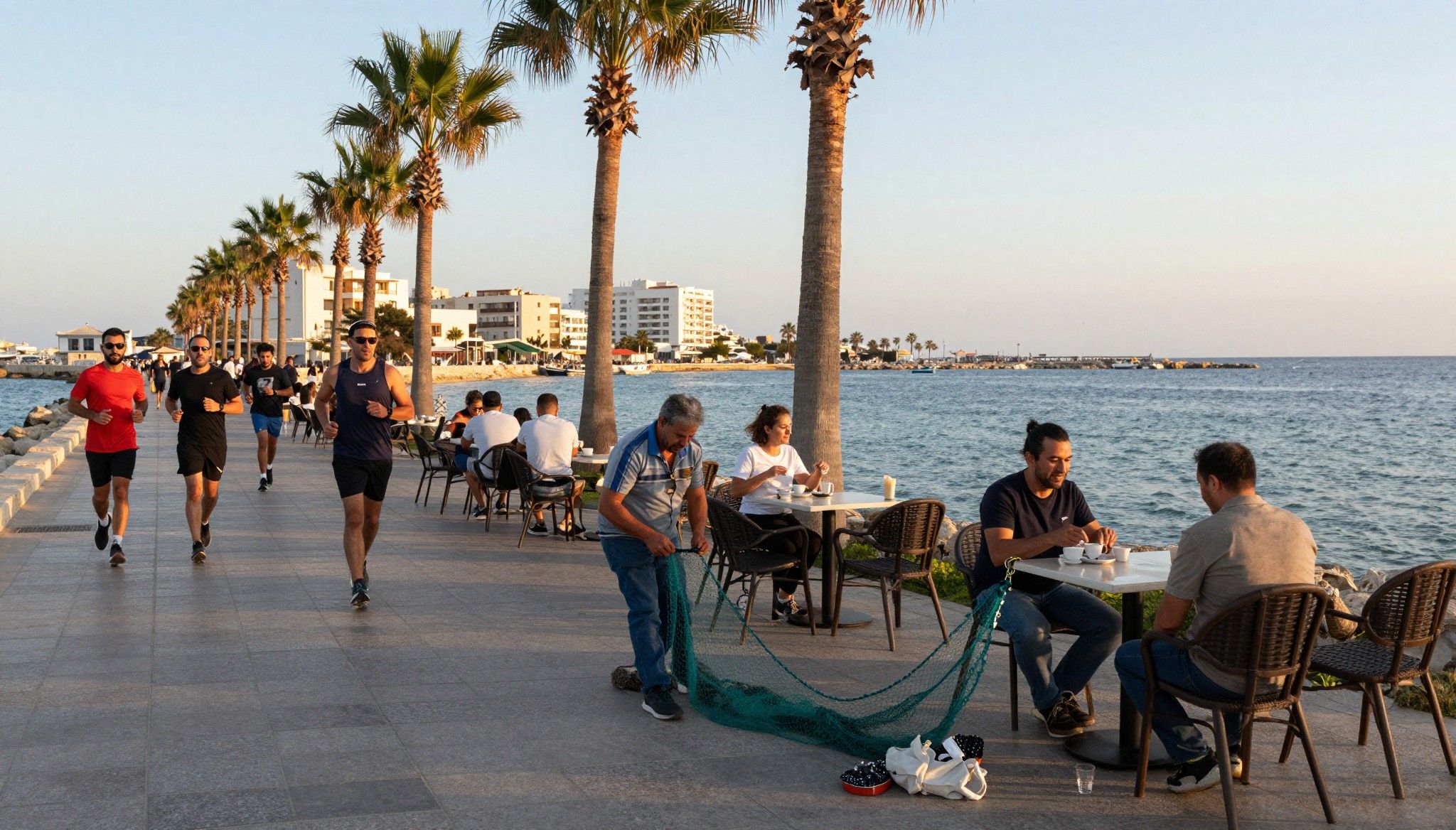
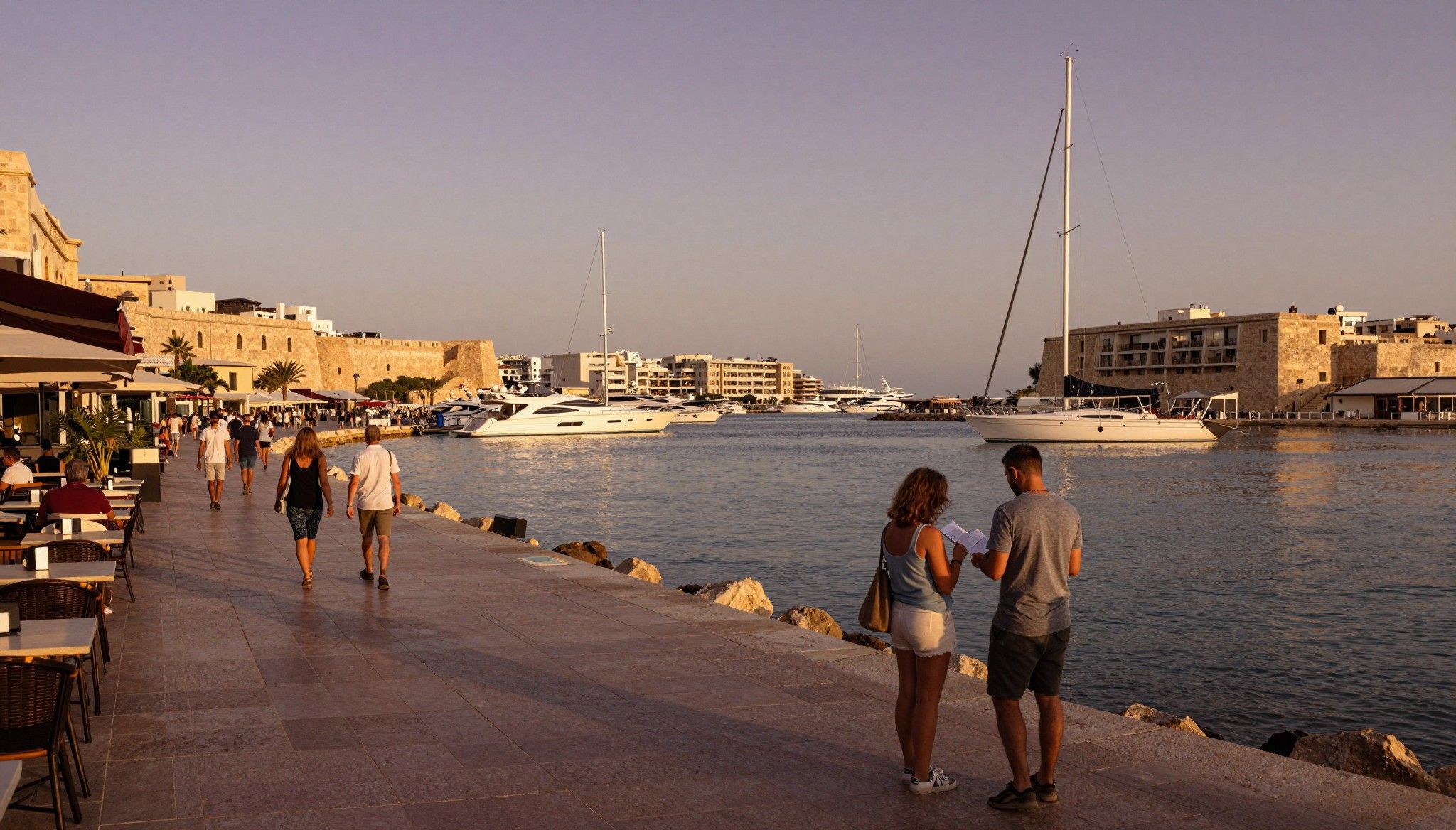
Daylight in Cyprus favours outdoor life: narrow Venetian-influenced lanes in Nicosia’s old city, the straight promenades of Limassol, and the small harbours of Paphos where fishermen mend nets. Cafes anchor neighbourhood life; Ilias Café on Makarios avenue (a local example) becomes the unofficial office for retired architects and young remote workers alike. The island’s Mediterranean palette — limestone facades, bougainvillea, varnished shutters — is not merely background. It shapes how houses are built, how courtyards are used and which properties feel like homes rather than investments.
Neighbourhoods that reveal the island
Each district carries a distinct temperament. Limassol is urban, cosmopolitan and maritime — think contemporary apartments with sea terraces and quietly curated restaurants along Molos. Paphos reads like a lived antiquity: stone lanes, Byzantine echoes and villas edging vineyard plots. Larnaca and its palm-lined Finikoudes esplanade are domestic and welcoming, while Nicosia holds an inland, civic reserve where townhouses and restored neoclassical façades attract those seeking a domestic pace with cultural institutions close by. These differences matter: they influence rental demand, renovation approaches and which legal protections you prioritise.
Food, markets and the rhythm of place
A morning at the Kato Paphos market explains more about local life than a dozen glossy listings. Fresh halloumi, oregano still dusty with sun, the barter for the best citrus — these are the sensory cues that turn a property into a life. Seasonal courtyard dinners, olive harvests in the Troodos foothills and summer swims at Coral Bay mark the year. When you select a home, consider how public life flows around it: proximity to markets, shaded sidewalks and small-scale municipal amenities often determines whether a house truly fits the Cypriot day.
Making the Move: Practical Considerations
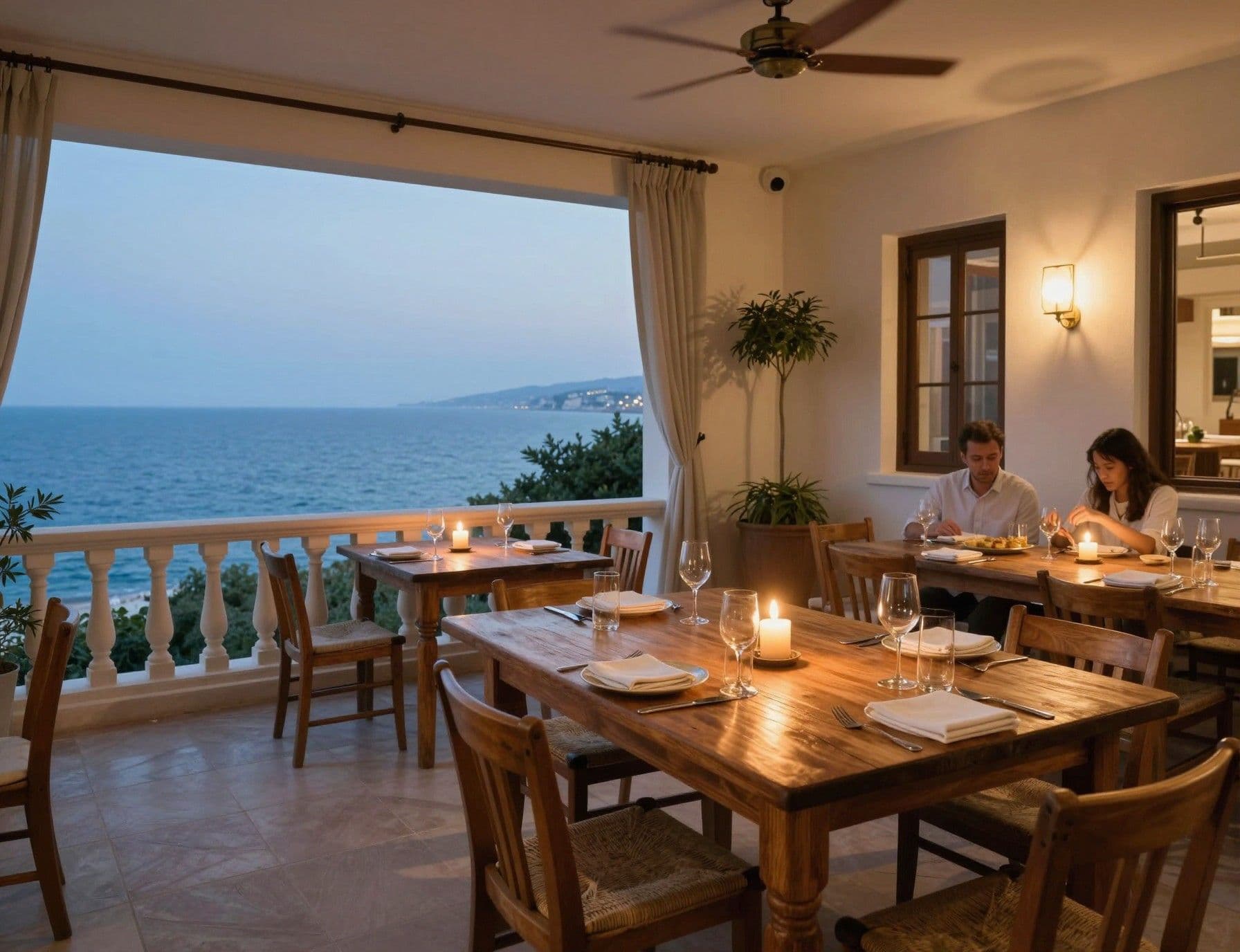
The romance of place meets an established legal framework. Cyprus permits foreign purchases but the Acquisition of Immovable Property (Aliens) Law and administrative practice create distinctions for non-EU buyers, permissions required, and limits on multiple purchases. Market signals — including the Central Bank’s Residential Property Price Indices — should inform timing and price expectations. Understanding these rules early saves time and expense; a well-chosen notary and a local lawyer are more than formality, they are the instruments that turn lifestyle intent into secure ownership.
Property types and how they shape life
A restored two-storey townhouse in Nicosia provides intimacy and civic proximity; a coastal apartment in Limassol prioritises views and lock‑and‑leave convenience; a converted farmhouse near Polis invites gardens and olive trees. Each form carries different legal and tax realities: new builds may carry VAT liabilities, while resale properties generally invoke transfer fees and different renovation permissions. Match your daily priorities — privacy, hosting, ease of maintenance — to the structural and legal profile of the property type you choose.
How local experts protect the lifestyle you buy
1. Commission a specialized property lawyer to confirm title, encumbrances and that the sale conforms to the Aliens Law when relevant. 2. Use a registered surveyor to verify boundaries and building permits — crucial for village properties and conversions. 3. Ask your agent for recent comparable transfers from the Land Registry rather than relying on asking prices alone. 4. Secure an escrow arrangement for deposits and stage payments to protect funds during construction or renovation. 5. Clarify VAT, transfer fees and likely capital-gains exposure with a local tax adviser before final signatures.
Insider Knowledge: What Expats Wish They'd Known
Practicalities that surprise new arrivals are rarely dramatic; they are small governance and cultural textures that compound. Expect formalities: deeds are registered with the Land Registry and processes that feel efficient in private can slow when municipal consents are needed. Also expect the social currency of local introductions: a municipal clerk, a trusted builder or the barista who knows the mayor often shortcuts otherwise opaque steps. These relationships matter as much as any report when you steward a property here.
Language, community and the slow work of belonging
English is widely spoken in business and in coastal towns, which eases transactions, but learning Greek opens doors of neighbourhood nuance. Regular presence — shopping at the same market, taking an olive-oil tasting, attending a church or municipal festival — accelerates acceptance and practical help. For buyers planning to rent seasonally, investing in local property management that understands both tourist flows and household maintenance will maintain value and preserve the life you imagined.
Long-term stewardship: what matters after the purchase
Budget for maintenance that respects materials and climate; limestone and timber age gracefully when properly maintained.
Consider local insurance that covers climate-related risks and the particulars of restored heritage properties.
Plan tax residency if your stay will be long: Cyprus’s tax regime rewards certain residents but requires careful timing and documentation.
Conclusion: The island offers an uncommon combination: daily rituals that feel immediate and enduring architectural frames that reward stewardship. Choose a home because you imagine the small, repeatable moments it will support — morning markets, neighbourly coffees, evening light on stone steps — and then work backwards through the legal and fiscal checklist. Begin with a local lawyer, a registered agent who knows specific streets not just zones, and a short interview with the Land Registry printout for the property you love. Those steps will protect both the life you desire and the asset you acquire.
Relocating from London to Mallorca in 2014, I guide UK buyers through cross-border investment and tax considerations. I specialise in provenance, design integrity, and long-term value.