Italy: Where Neighbourhood Rhythm Trumps Headlines
A sensory-led look at Italy’s neighbourhoods: how markets, seasons and architectural provenance should shape where you buy, supported by recent ISTAT and market data.
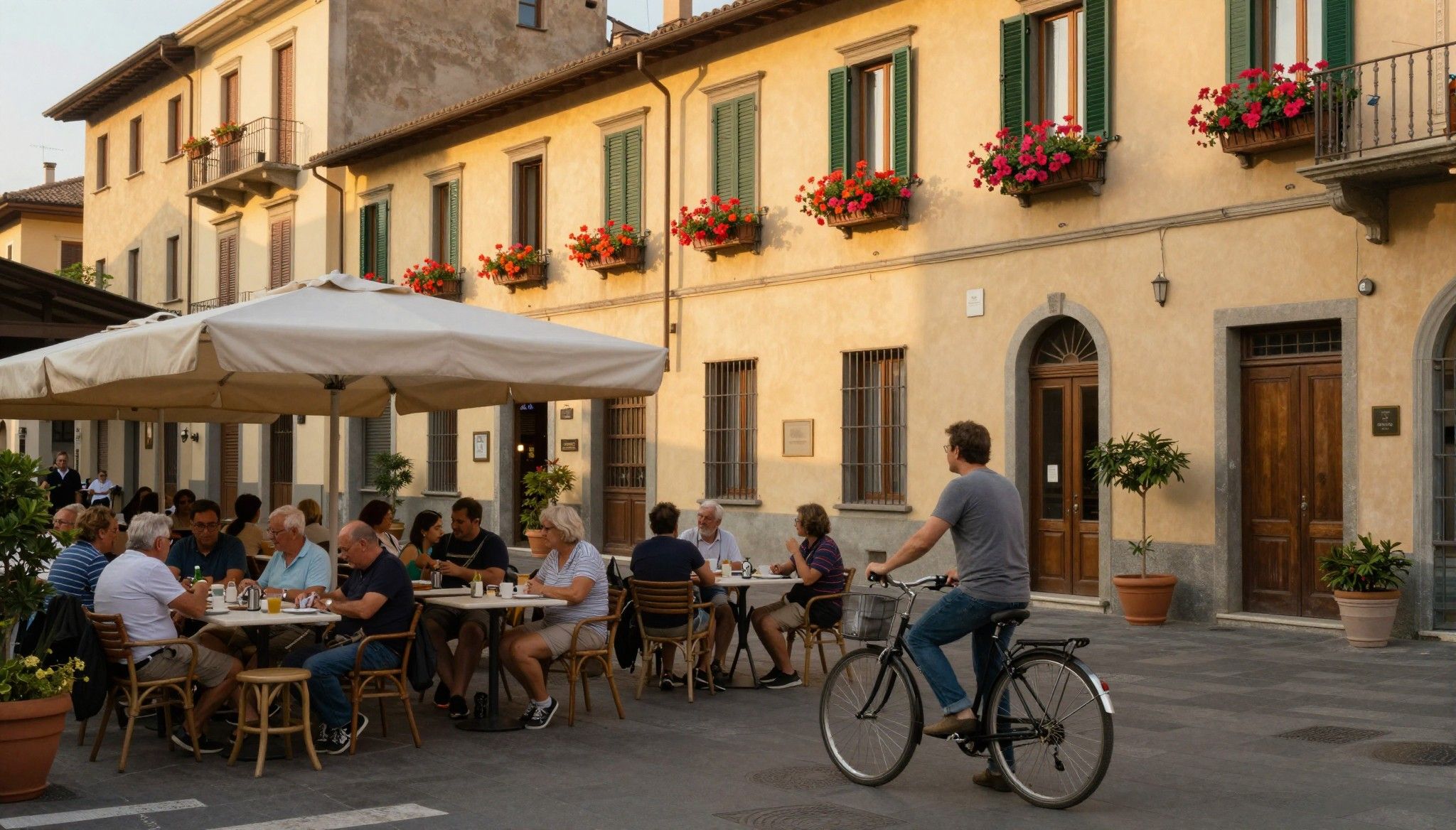
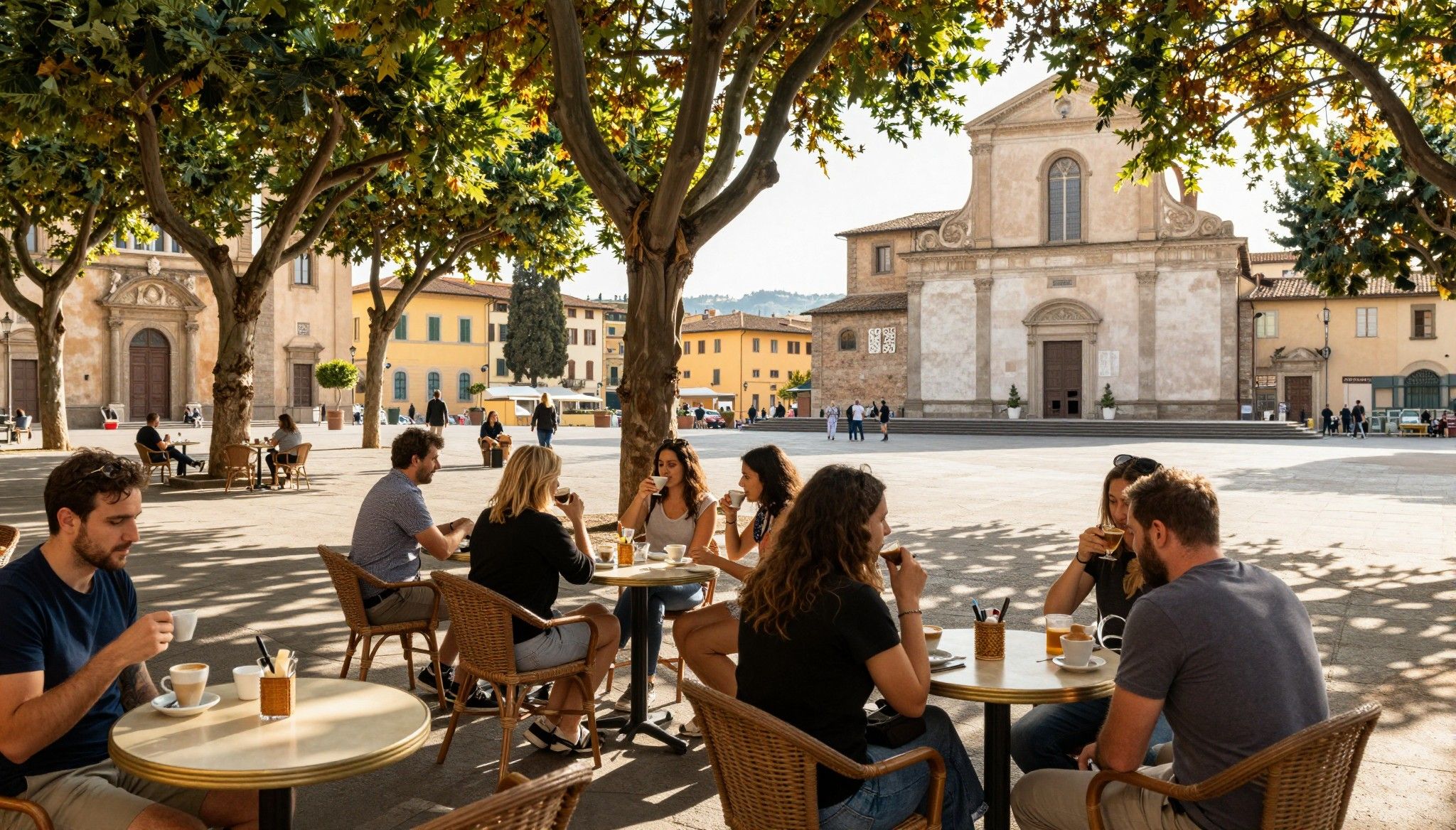
Imagine waking to the bell of a neighbourhood barista in Trastevere, bringing a thick crema and a newspaper, then crossing to a quiet piazza lined with chestnut trees. Italy is a day composed of small, cultivated pleasures: morning markets, long lunches, and the lingering light that makes even modest façades seem aristocratic. For the international buyer this is the real product: a rhythm of life that informs where you choose to live, not simply a list of investment returns. Recent market analysis shows measured price growth across regions; understanding which neighbourhoods hold lifestyle value and resilient demand matters as much as square metres.
Living the Italy Lifestyle
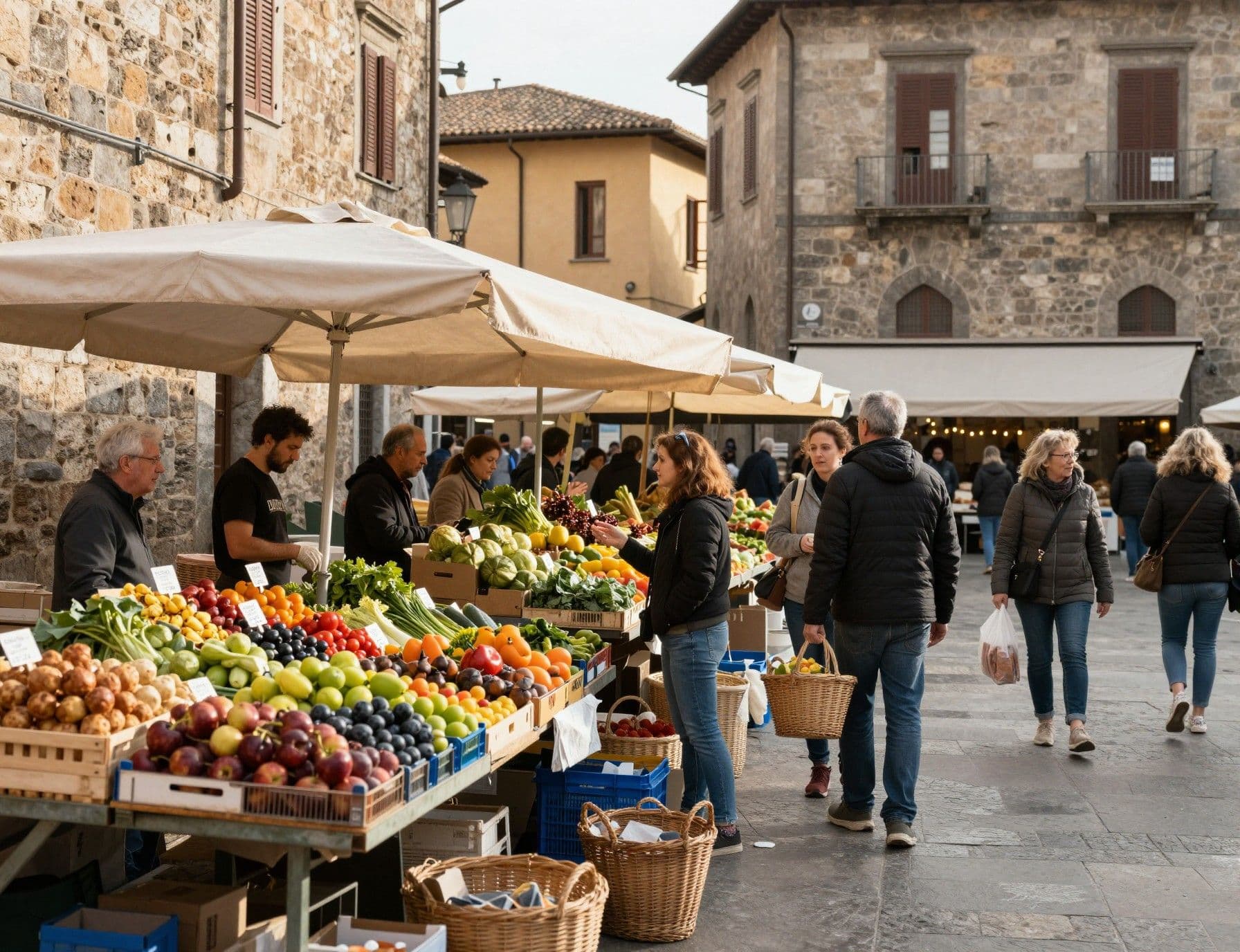
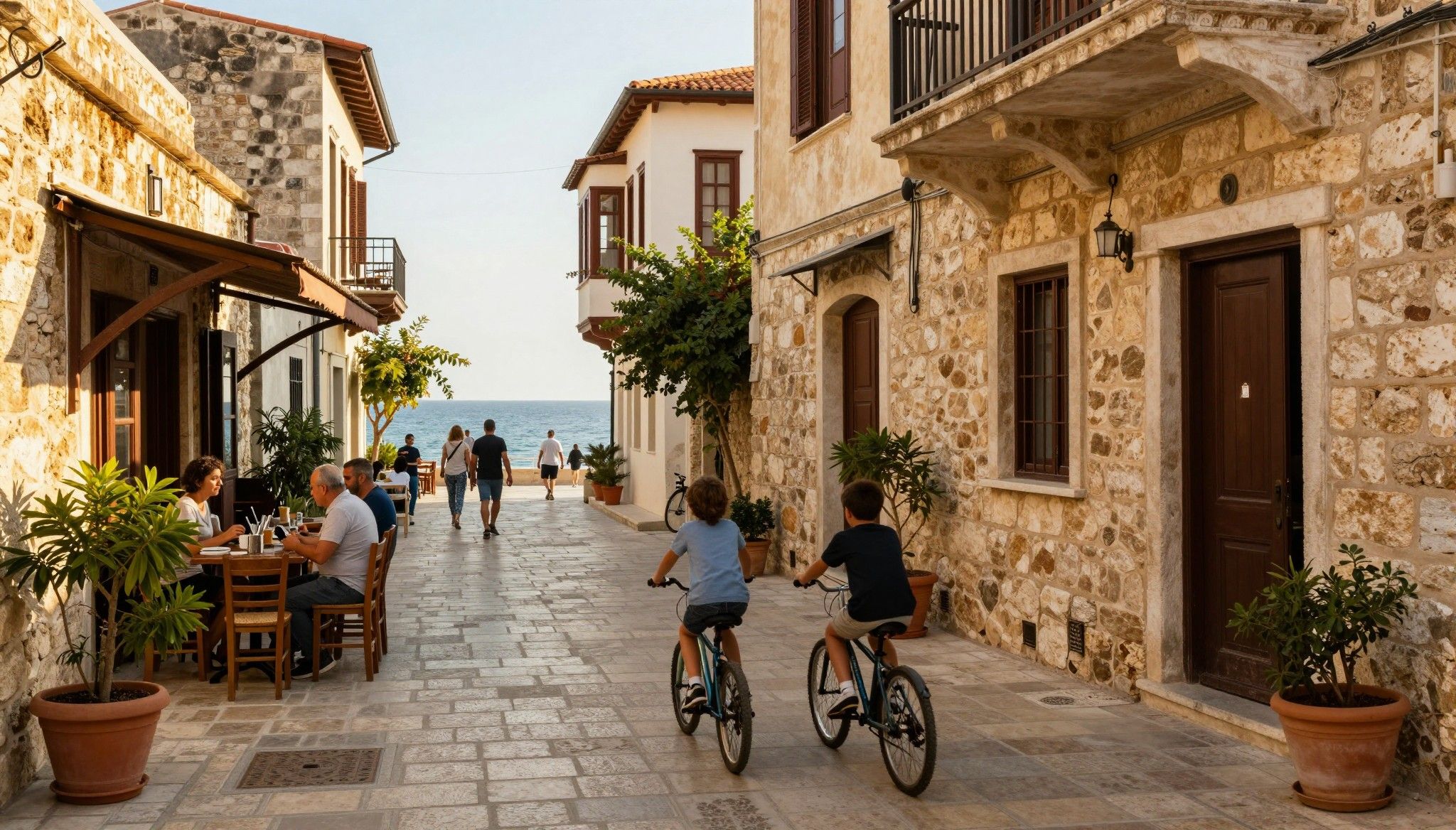
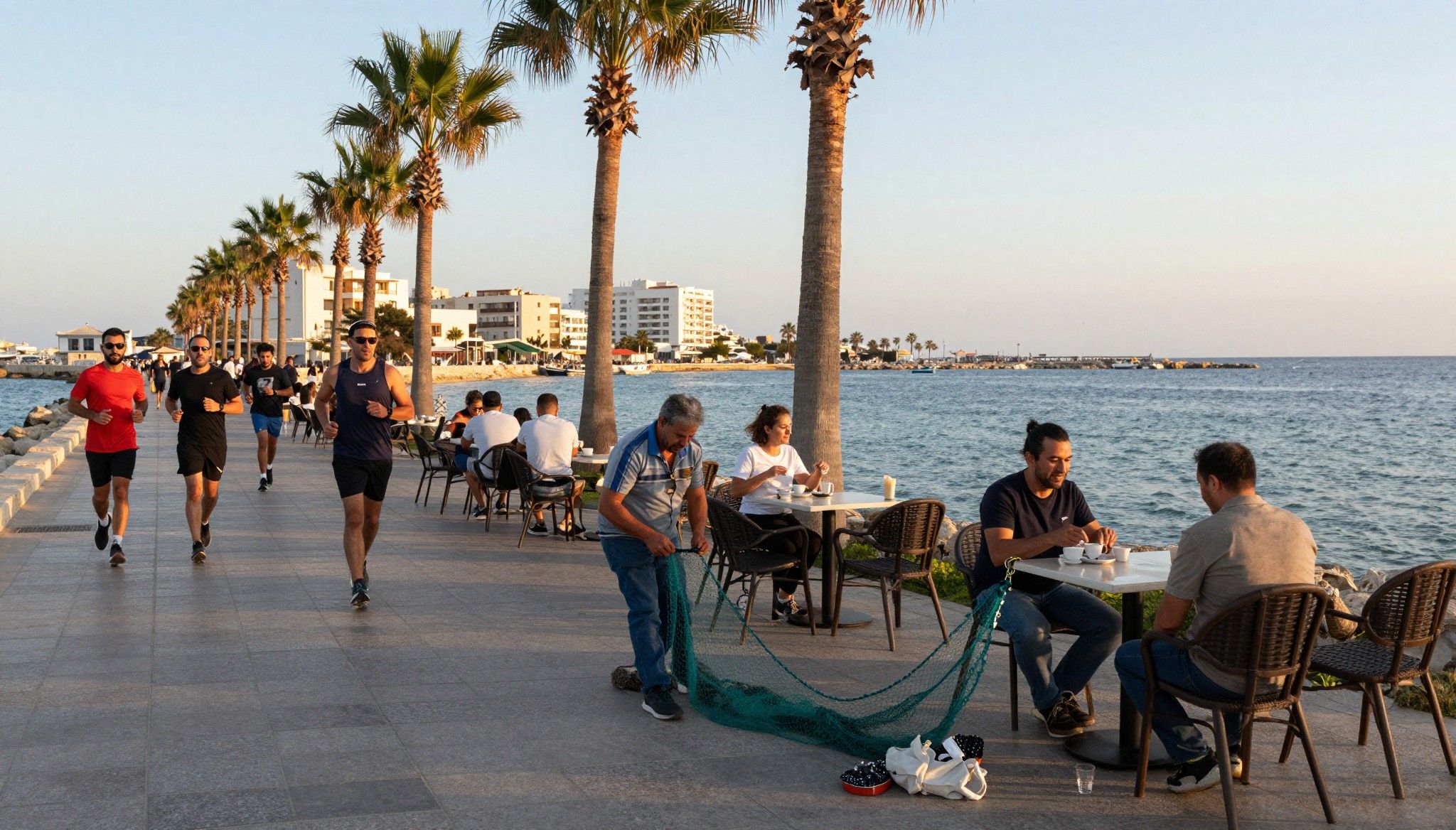
To live in Italy is to inhabit layers of history and routine at once: medieval alleys that host modern boutiques, 18th‑century palazzi with contemporary kitchens, and shorelines where fishermen still mend nets. Neighbourhood character shifts dramatically from city to city — Milan’s ordered grid and late‑night aperitivo culture feel very different to the languid seaside terraces of Liguria or the olive‑grove quiet outside Siena. Your daily life — where you buy bread, where you walk the dog, where you socialise — will shape the suitability of a property more than headline yield figures. Understanding the sensory fabric of a district reveals which homes will feel like living and which will feel like a short‑term stay.
Brera and its neighbouring streets are where fine craft and discreet luxury meet day‑to‑day life. Cobblestones, pinched boutiques and galleries produce a refined yet convivial environment where one shops locally and walks everywhere. Apartments here often feature high ceilings, original cornice work and modest floor plans that reward careful restoration rather than wholesale modernisation. For someone who values proximity to museums, private galleries and a dinner scene that begins with a slow aperitivo, this is a neighbourhood that almost always feels inhabited rather than staged.
Across the city, Navigli offers a different temper: canals, a younger nightlife and terraces that fill on warm evenings. It is lively, social and occasionaly noisy — an excellent choice for those who prize sociability and a strong rental calendar, but less desirable for someone seeking silence and long dinners at home. Choosing between these streets is effectively a question of how you want your day to begin and end.
Food, Markets and Seasonal Life
Market stalls set the tempo of Italian weeks: from Palermo’s Ballarò to Florence’s Sant’Ambrogio, buying at the counter anchors you in neighbourhood life and reveals a scale of community that flatpack supermarkets cannot replicate. Seasonal produce dictates menus and neighbourhood rhythms — truffle season in Piedmont, the citrus festivals of Amalfi — and will affect how you use a kitchen, store space, or choose a home with outdoor storage for preserves. Recent consumer and housing indices underline that local demand and seasonal tourism are intertwined, making market timing and place selection a lifestyle decision as much as a financial one.
- Daily lifestyle highlights to consider when choosing a district: 1) Morning market with butchers and fishmongers (ensures local supply and conviviality); 2) A neighbourhood bar that knows your name (signals social integration); 3) Nearby green space or sea access (affects daily exercise habits); 4) Artisan workshops or galleries (indicative of cultural density); 5) Reliable local transport to main rail hub (practical for travel and value).
Making the Move: Practical Considerations
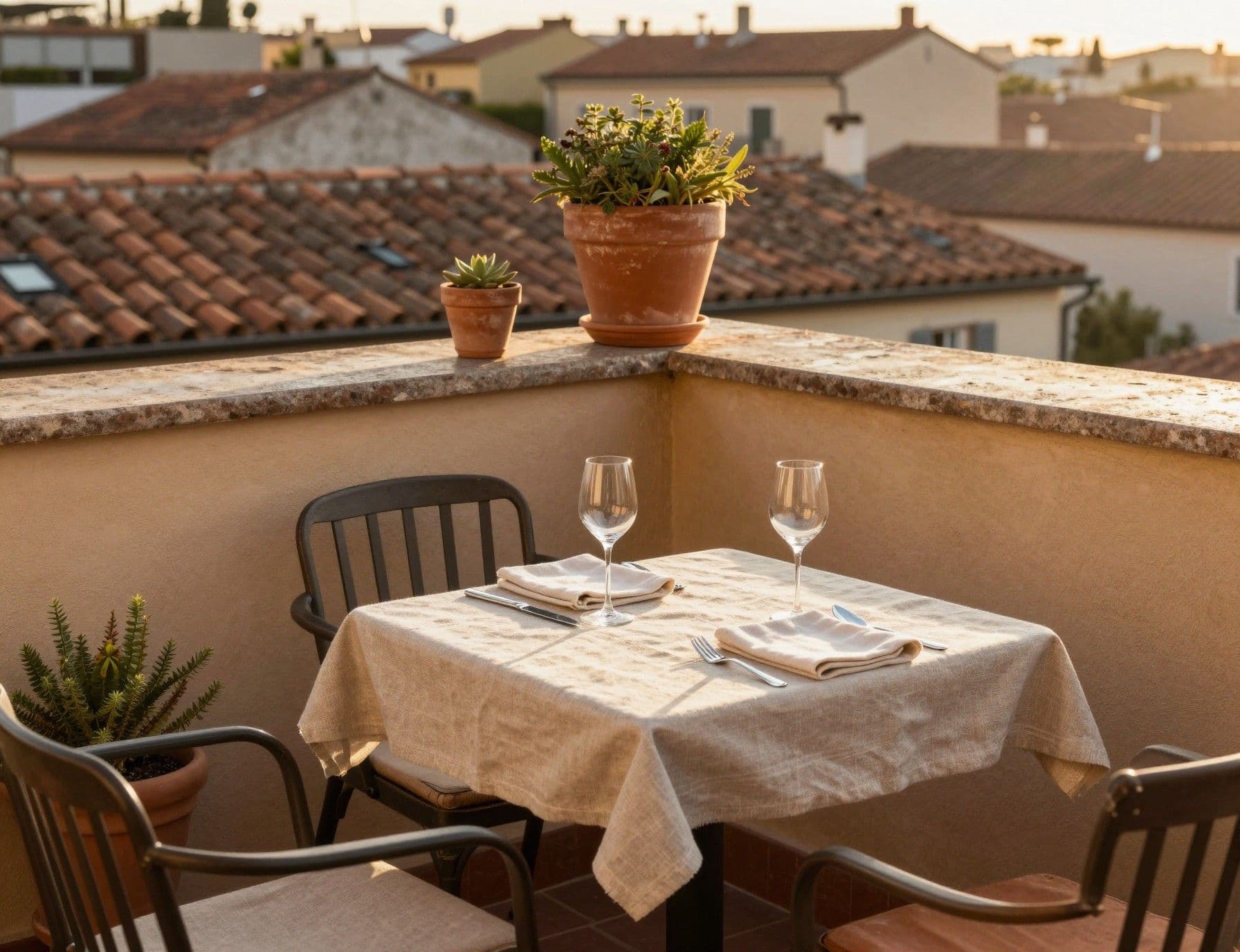
The romance of Italy must meet the mechanics of buying: market cycles, local regulation, and neighbourhood‑specific maintenance issues such as timber beams or aged plumbing. National indices show modest upward price movement in recent quarters, but regional dispersion is large — city centre vintage apartments may appreciate differently to suburban new builds. For buyers who prioritise lifestyle, aligning property typology to daily practice is essential: a restored palazzo flat in a historic centre behaves very differently from a modern villa outside town. Your agent should translate neighbourhood feeling into quantifiable trade‑offs: maintenance forecast, expected rental seasonality, and likely demographic shifts.
Property Styles and How They Serve You
Stone townhouses and historic flats reward careful conservation: they offer provenance, patina and a social address that endures. Newer constructions provide comfort, garages and lower immediate renovation needs but often lack the architectural cues that make a place feel embedded. Consider not only immediate condition but the likely maintenance cycle; Bank of Italy surveys indicate sellers and agents expect renovation and energy upgrades to be a recurring theme for many buildings. Linking an architectural type to how you intend to live — entertaining, remote work, extended family stays — prevents buying the wrong scale of home.
Working with Local Experts Who Know the Lifestyle
A capable local agency is a curator: they introduce you to streets, to coffee bars that speak to your tempo, and to builders who understand period finishes. Agents who specialise by neighbourhood will advise on seasonal rental potential, ongoing condominium charges, and realistic timelines for restoration. They will also coordinate tax and residency introductions; tax guidance on personal income and non‑resident positions is an early conversation to have with your advisor. Choose teams that offer provenance‑led assessments — an appraisal that reads like a cultural inventory rather than a spreadsheet alone.
- Steps to match lifestyle to purchase: 1) Spend three distinct days in the neighbourhood at different times to test noise, light and routine; 2) Have a local agent map morning/evening routes and essential services; 3) Commission a short‑form technical audit on structure, energy and damp risks; 4) Model seasonality for rental or hosting potential with a local manager; 5) Agree on an upgrade/decor plan that respects provenance and costed contingencies.
Insider Knowledge: What Expats Wish They’d Known
Expat experience is rarely a single epiphany and more often a series of small adjustments: learning that the best gelateria closes at two, that neighbourhood association meetings decide façade works, or that market traders become unexpected local allies. These small civic rituals determine whether you are a resident who belongs or a visitor who repeats the same mistakes of isolation. Seasonality reshapes life — towns that are restful in winter can be noisy in August — and this should shape where you buy if you plan to live year‑round.
Language, Social Codes and Daily Integration
Italian neighbourhoods are social organisms where small courtesies build trust: learning basic greetings, attending local festivals and frequenting the same market stall will embed you more quickly than a course of language study alone. Many buyers find that a local architect or bar owner becomes the most candid source of neighbourhood intelligence. Accept that integration is gradual but highly rewarding — your address will become a credential once you respect its customs and times.
Long-Term Lifestyle and Value
Long‑term value in Italy often accrues to places with cultural density — a reliable market, a regular cultural calendar and civic stewardship. Reports show gross rental yields vary and are sensitive to season and location, so a villa on the Amalfi Coast behaves differently from a compact flat near Milan’s Centrale station. A stewardship mindset — preserving materials, working with local artisans and respecting the scale of the neighbourhood — typically preserves value and yields the quiet satisfaction buyers seek in Italy.
- Common expat red flags to avoid: 1) Buying solely from online listings without neighbourhood visits; 2) Ignoring condominium meeting minutes and planned building works; 3) Under‑estimating seasonal service costs (heating, water, cleaning); 4) Purchasing in an over‑touristed core if you prize daily calm; 5) Overpaying for surface finishes while skipping essential structural checks.
Italy offers a rare combination: lived history and daily pleasures that reward close attention. If you picture yourself sipping an evening aperitivo while light bleaches the travertine, your property choice must support that ritual. The practical next steps are simple: spend meaningful time in your preferred districts, hire a neighbourhood‑specialist agent, commission a focused technical audit, and plan restorations that respect provenance. When those elements align, the purchase becomes less a transaction and more the first chapter of a life lived in place.
Former Copenhagen architect who relocated to Provence, offering relocation services, market analysis, and a curator’s eye for authentic regional design.