Italy: Neighbourhoods, Lifestyle and Market Reality
A lifestyle‑first comparison of Italy’s most desirable neighbourhoods, pairing sensorial neighbourhood portraits with market data and practical steps for international buyers.
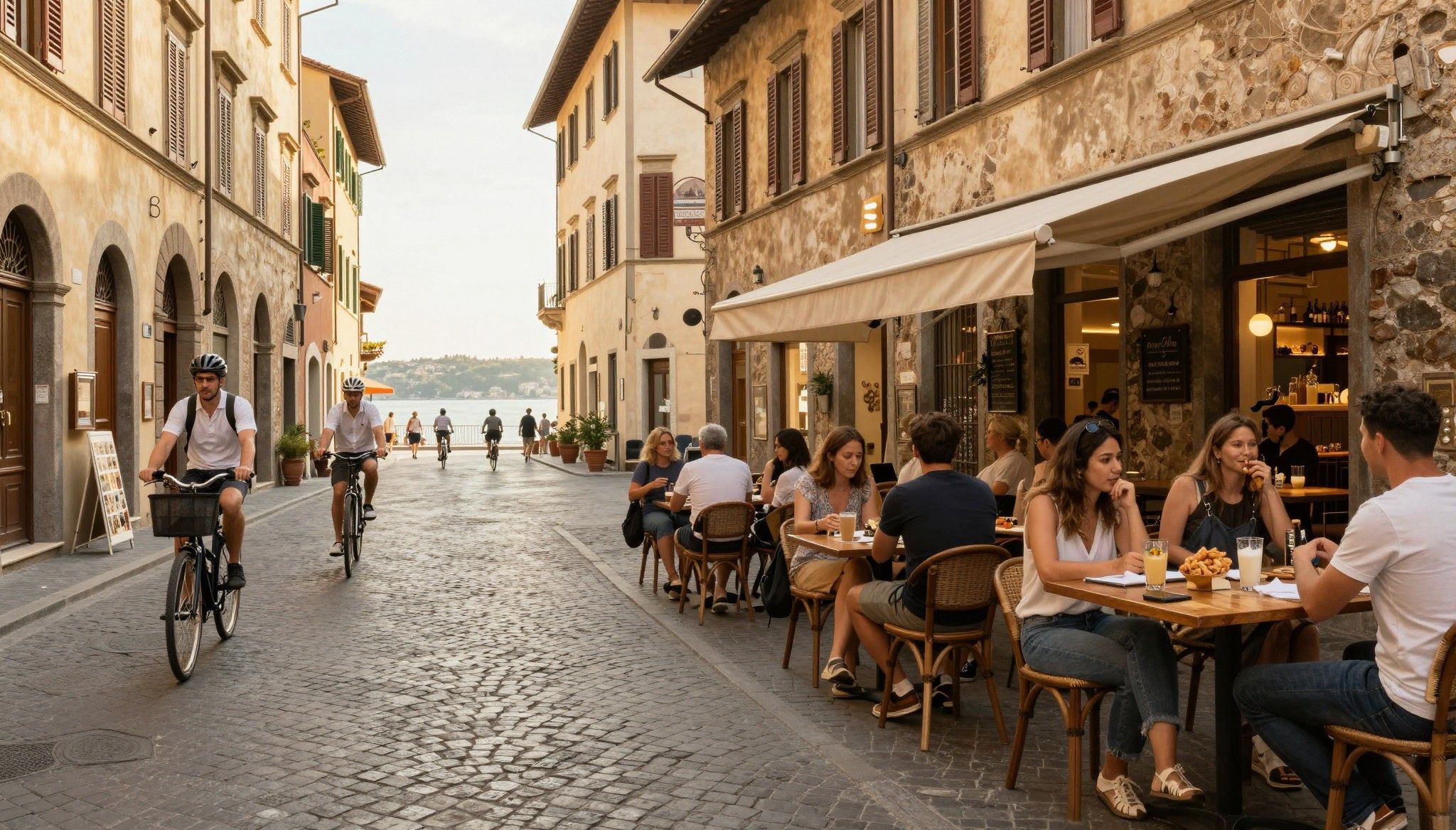
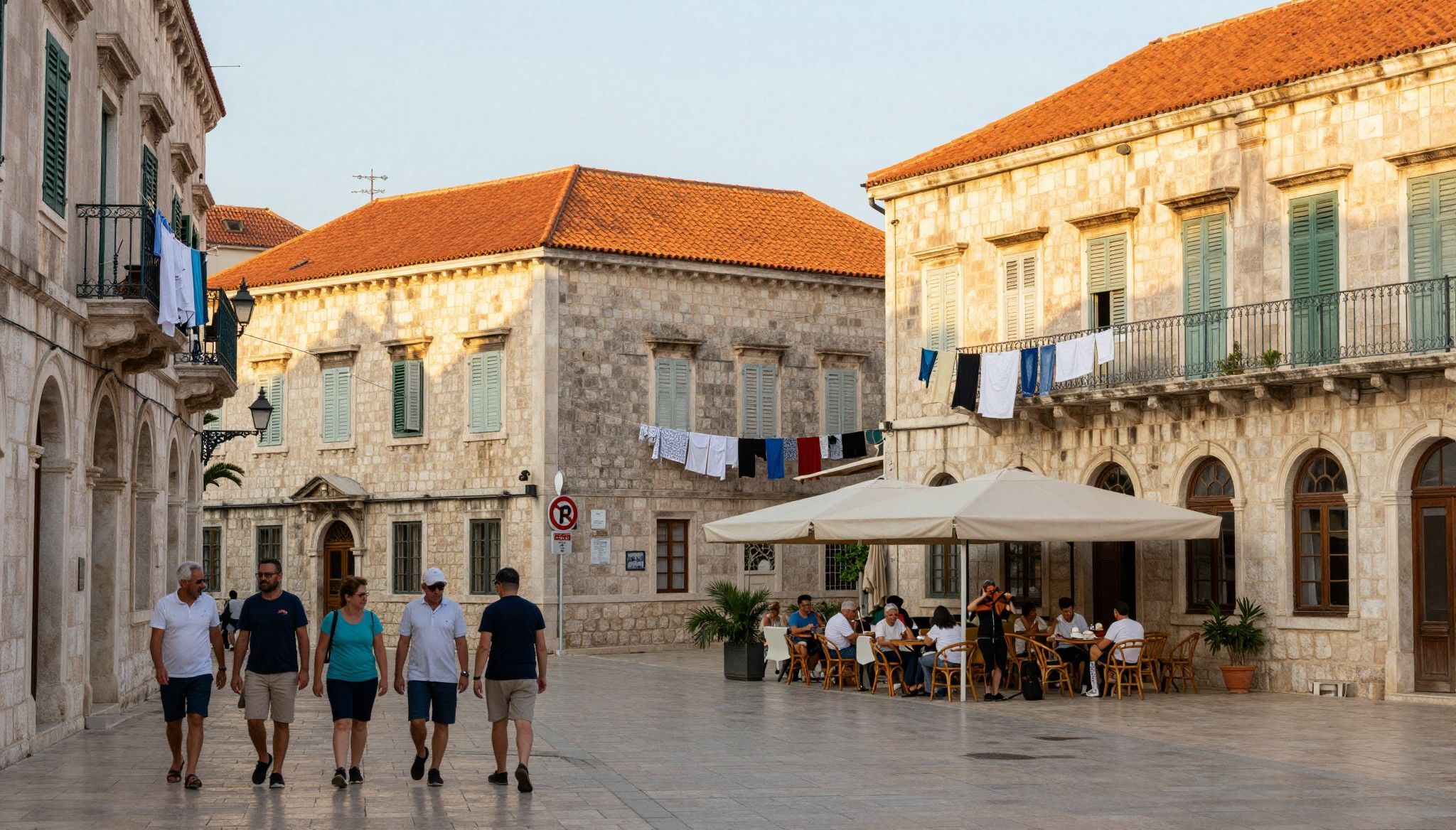
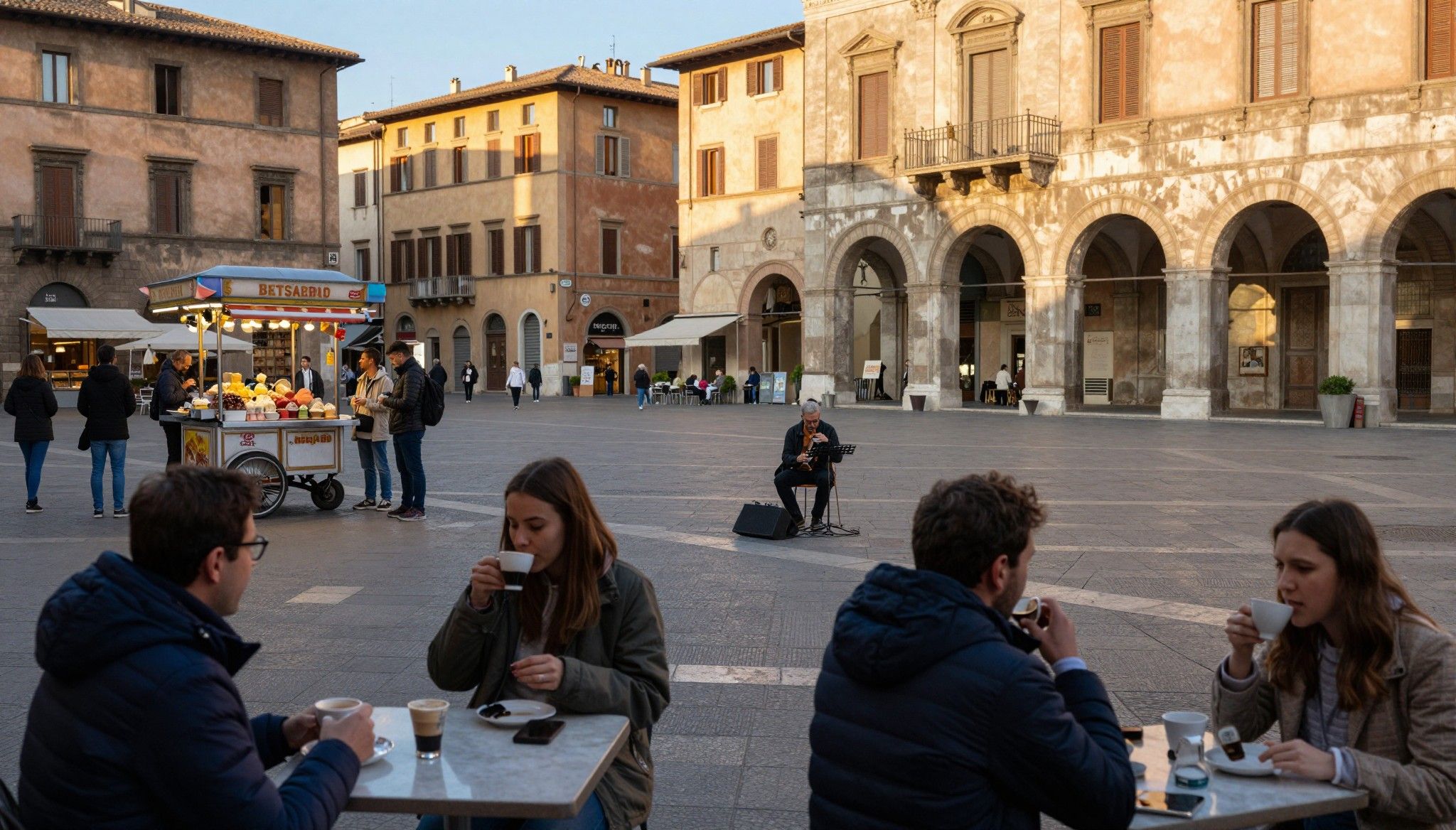
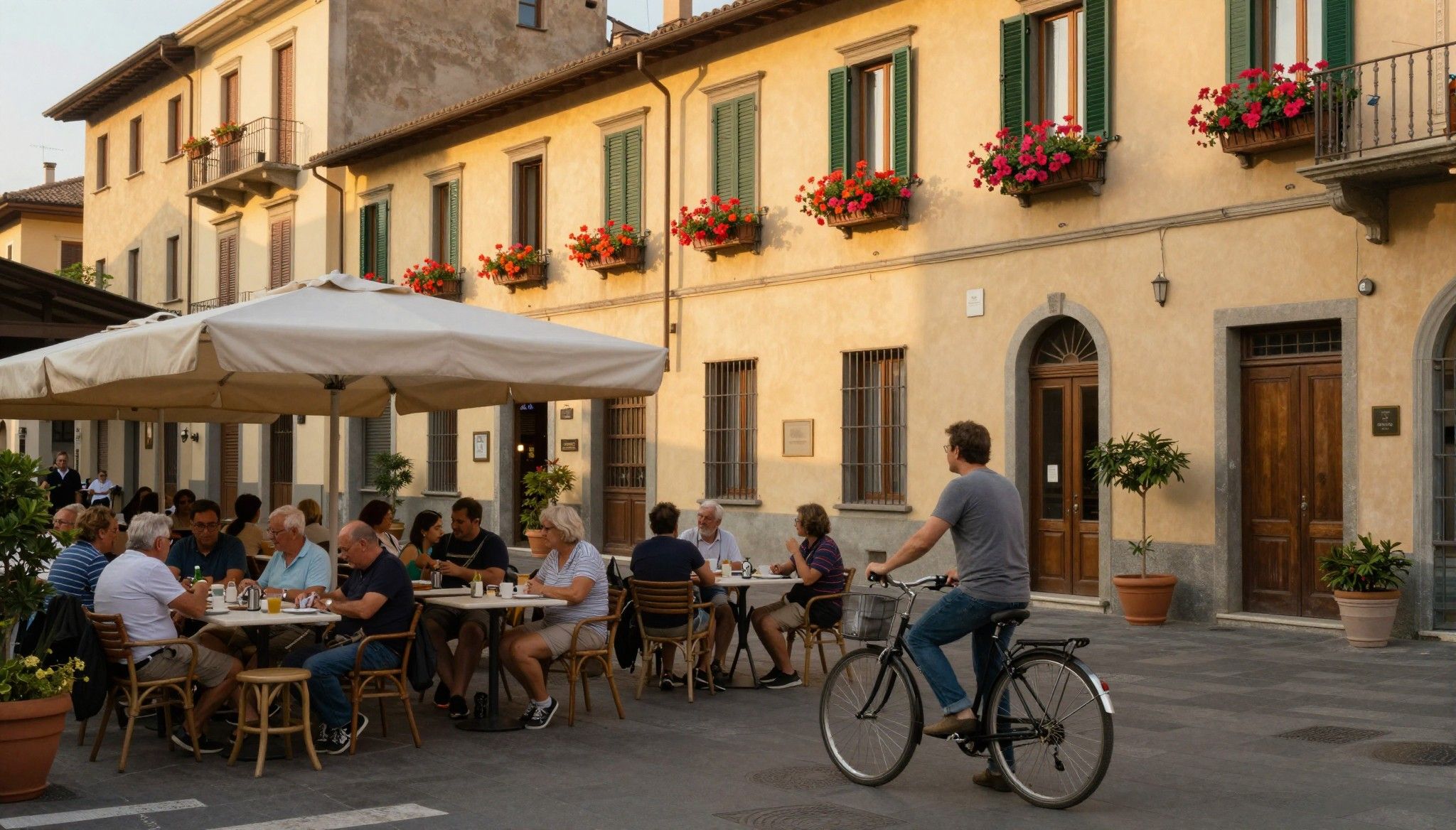
Imagine a late‑afternoon passeggiata down Via Tornabuoni in Florence: the sound of conversation spilling from a café, limestone façades warmed by low light, a market‑seller folding cloths after the day’s trade. That rhythm—public, tactile, slow—explains why buyers from across the world find themselves not only purchasing square metres but a daily choreography. This piece pairs those sensual impressions with the evidence you need to choose where in Italy to place your stake: which neighbourhoods deliver the life you imagine and which practical trade‑offs shape value.
Living the Italy lifestyle
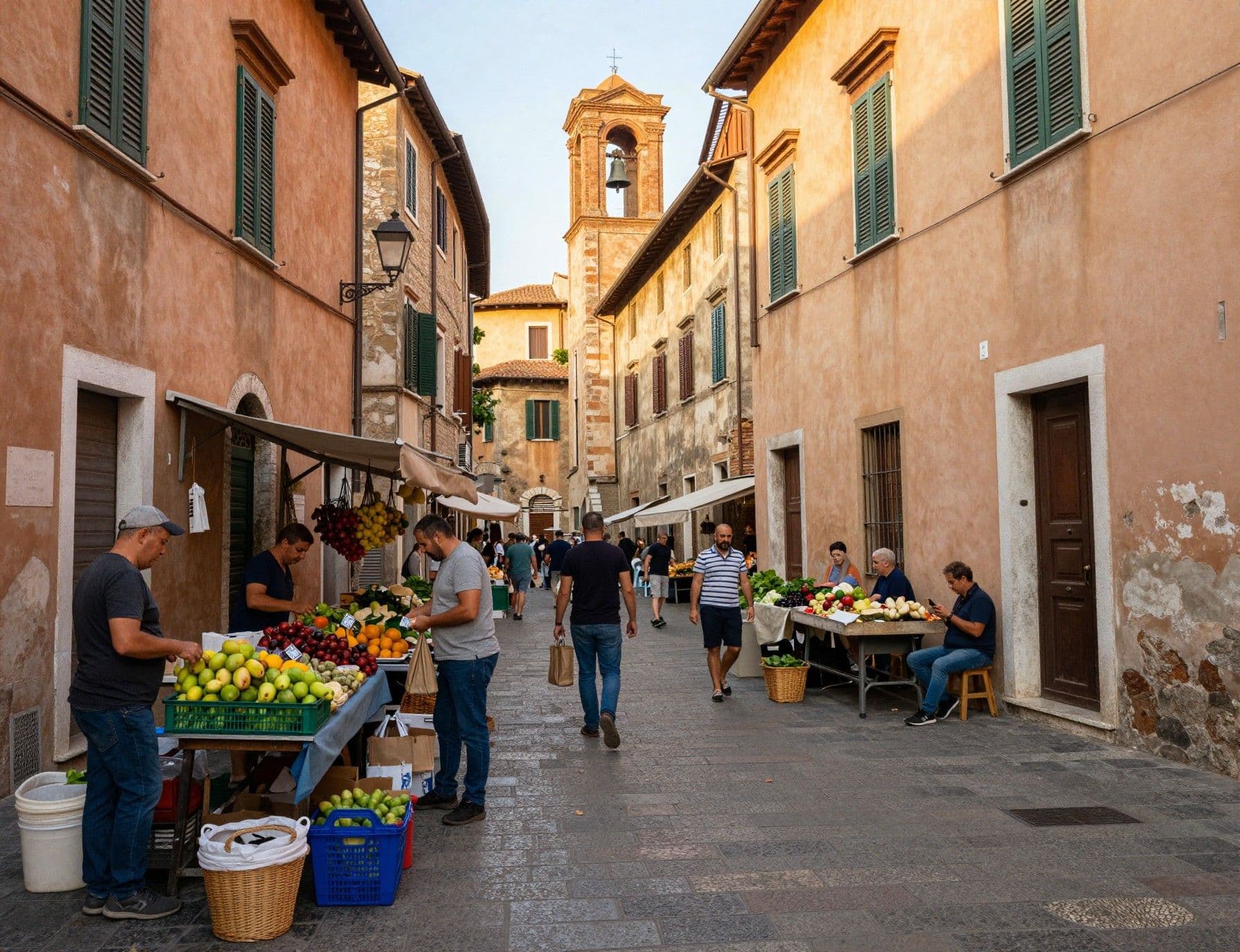
Italy is many Italies: Milan’s composed, sartorial mornings; Naples’ exuberant streets; the lacelike calm of Lake Como; olive‑smelling lanes in Puglia. The common thread is scale—human, architectural and culinary—where daily life is staged as ritual. For the international buyer this means lifestyle is inseparable from locale: cafes, markets and churches are not amenities but the infrastructure of belonging. Expect neighbourhoods to reveal themselves slowly; a good agent helps you read their rhythms rather than sell a checklist.
Florence: provenance and quiet dignity
In Oltrarno and Santo Spirito, craftsmen still work behind shuttered workshops; small bottegas punctuate evenings with the scent of fresh bread and roasted coffee. Properties are often historic—piano nobile apartments, palazzo conversions, or small villas on the hills above Piazzale Michelangelo—where restoration quality determines both comfort and future value. Walkable streets, proximity to artisan groceries like Sant’Ambrogio market and discreet private gardens make these neighbourhoods attractive to those seeking a lived‑in, culturally rich life.
Liguria & the northern coast: coastal composure
From Porto Venere to Santa Margherita Ligure, coastal towns offer narrow alleys that open onto terraces and a maritime social life centred on small harbours and trattorie. Buyers often prize sea views and mature gardens; however, older buildings can present structural and access challenges that require sensitive renovation. For those who prefer measured seaside living—morning swims, short drives to Genoa or the Cinque Terre—these towns combine privacy with an understated social season.
- Lifestyle highlights (real places to know)
- Siena’s Piazza del Campo for seasonal festivals and market mornings
- Milan’s Brera district for galleries, evening apertivi and discreet townhouse living
- Ostuni and Lecce in Puglia for baroque streets and farm‑to‑table markets
Making the move: practical considerations
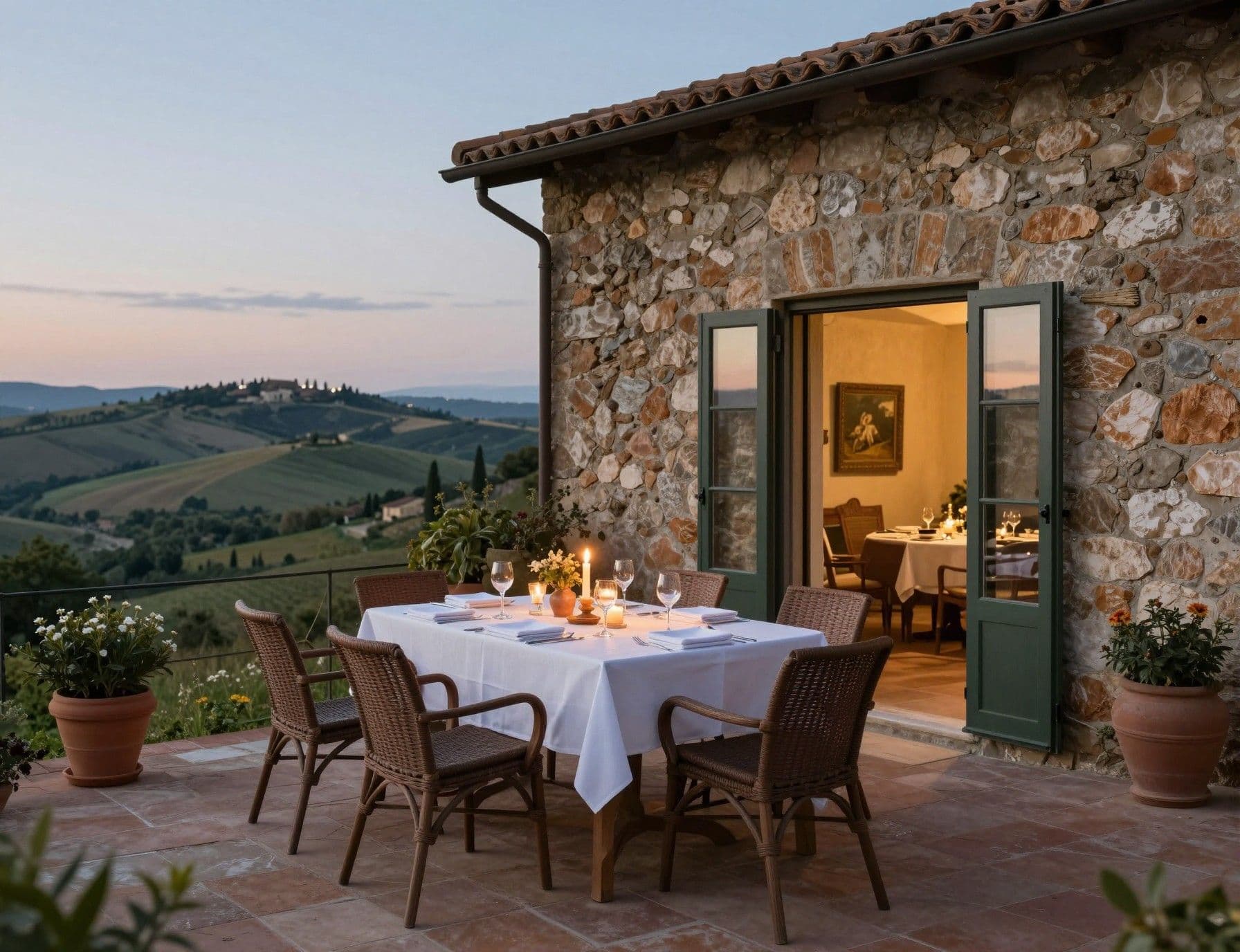
The romance of place must be measured against market signals and process. National statistics show modest, steady house‑price growth in recent years rather than rapid spikes, which rewards selectivity; for legal and procedural steps, authoritative guides explain the necessity of an Italian tax code (codice fiscale), notary involvement and, in some cases, reciprocity rules. A local advisor will translate lifestyle priorities into a search brief that anticipates seasonal listing patterns and renovation timelines.
Property types and how they shape days
A restored palazzo apartment offers scale and formal entertaining spaces but requires acceptance of heritage constraints and higher maintenance; a renovated farmhouse in Tuscany gives immediate outdoor life and provenance, yet may demand investment in insulation and services. In prime lakeside and coastal markets, buyers pay a premium for privacy and views; understand that premium is for scarcity and lifestyle convenience rather than pure rental yield. Match the property’s architectural character to the life you intend to lead—formal receptions, slow weekend living, or year‑round residency.
Working with local experts who know the life
Engage an agent who demonstrates deep neighbourhood knowledge: they should name artisans, not just square metres; confirm renovation standards and local planning regimes; advise on seasonal occupancy patterns; secure off‑market opportunities; and coordinate bilingual legal counsel and notaries. These practical services preserve the lifestyle you sought in the first place.
- Steps to align lifestyle and transaction:
- 1. Draft a lifestyle brief (daily routines, entertaining needs, mobility).
- 2. Shortlist neighbourhoods and visit at different times and seasons.
- 3. Commission technical surveys focused on heritage fabric and services.
- 4. Assemble a local advisory team (agent, architect, notary, tax counsel).
Insider knowledge: what expats wish they'd known
Expat owners often say their largest surprise was how much neighbourhood smallness matters: a single piazza, a morning baker or an afternoon market can define months and years of contentment. Language accelerates integration, but everyday belonging more often comes from regular routines—weekly market stalls, the same barista, habitually attending a local festa. Another recurring lesson: low advertised prices sometimes conceal costly restorations or access limitations; a careful technical and neighbourhood read prevents disappointment.
Cultural integration and daily life
Learn a few phrases, attend community events and tend local relationships; Italians respond to time invested and respect shown for local customs. For families, school choices—international vs. local—reshape the neighbourhoods you will consider, just as healthcare access and transport links should inform decisions for long‑term residency. The reward is a life that feels rooted: market friendships, shared festivals and neighbours who remember your coffee order.
Longer‑term considerations
Think of a purchase as stewardship. Heritage protections, evolving tourism patterns and local planning will shape property use and maintenance over decades. Locate properties where craftsmanship and materials are durable; invest early in environmental upgrades that respect original fabric. Those choices protect lifestyle and capital alike and allow the house to be a generational asset rather than a short‑term trophy.
If Italy has seduced you, begin with a modest, disciplined plan: visit the neighbourhood twice (different seasons), build a local advisory team, and prioritise properties whose architecture already suits how you wish to live. An agent who can describe an artisan, a market stall and a notary with equal fluency is the conduit from dream to deed. When you buy with that sensibility, you will not only own a home but join a daily ritual that has lasted for centuries.
Dutch former researcher who moved to Lisbon, specialising in investment strategy, heritage preservation, and cross-border portfolio stewardship.