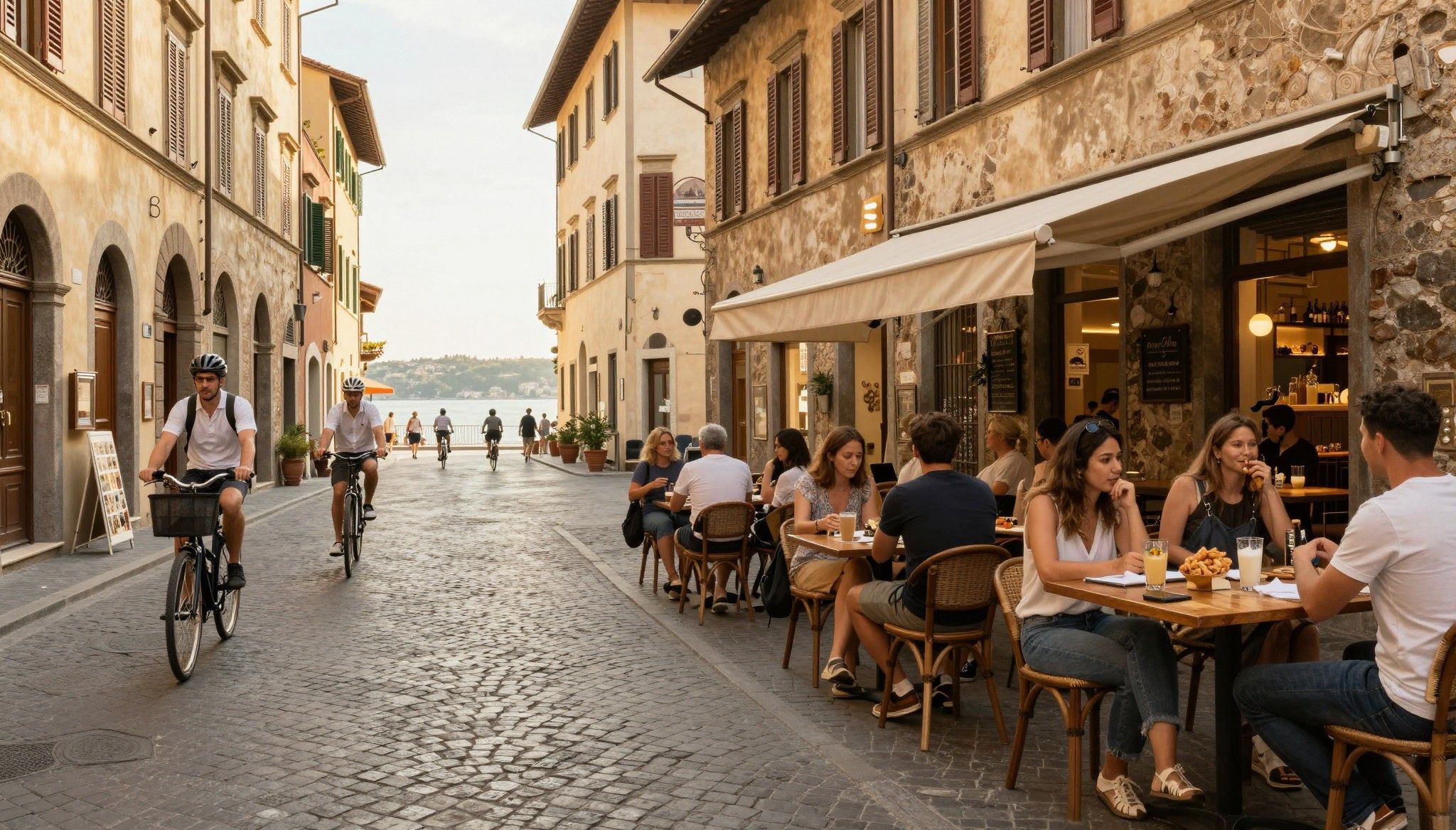
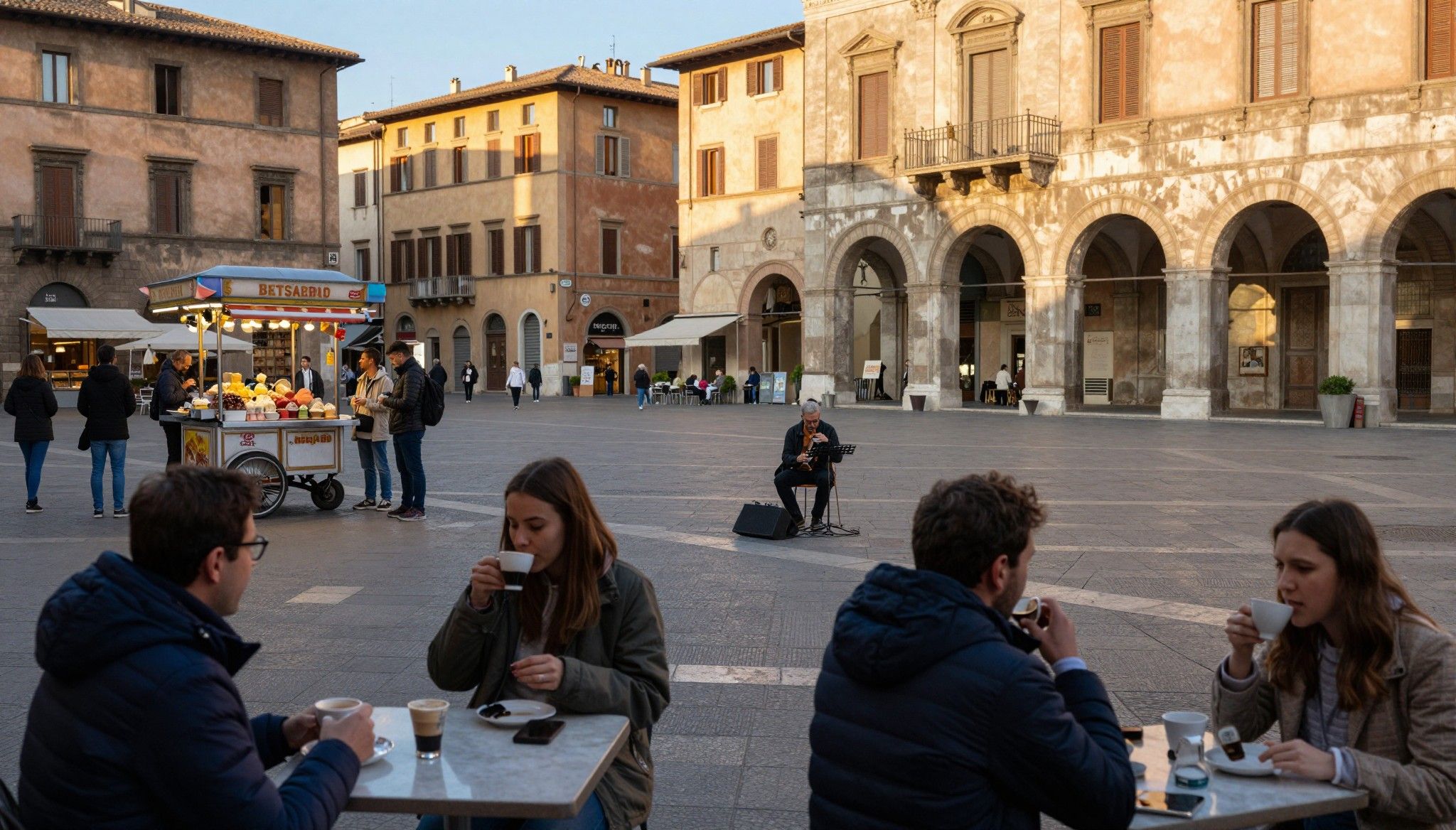
When Croatia’s Summer Glow Hides Insurance Gaps
How Croatia’s coastal charm and seismic realities change insurance needs — practical protection steps and local tradecraft for international buyers.
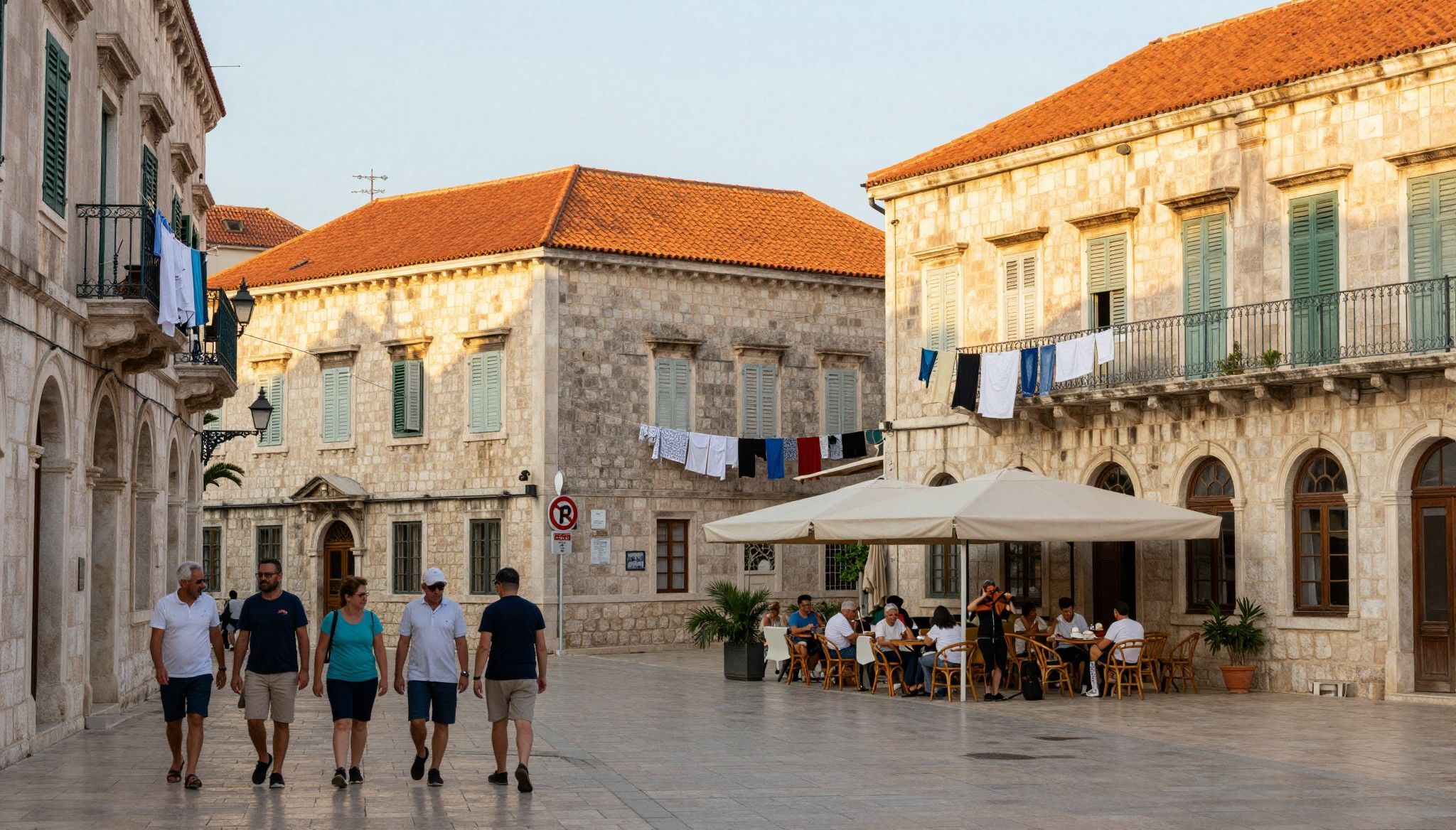
Imagine arriving in Hvar at dusk: cafés spill out onto limestone squares, red wine sweeps through conversation, and the Adriatic takes on the kind of stillness that makes a restored stone house feel like heirloom. For many buyers the allure of Croatia is this lived-in, durable elegance — ancient walls, tactile materials and a pace of life that privileges daylit rituals. Yet the very qualities that seduce — historic fabric, island microclimates, and seasonal storms — change the insurance conversation. Understanding how cover, exclusions and local risk affect both living and stewardship is essential before the keys change hands.
Living the Croatian life: places that matter
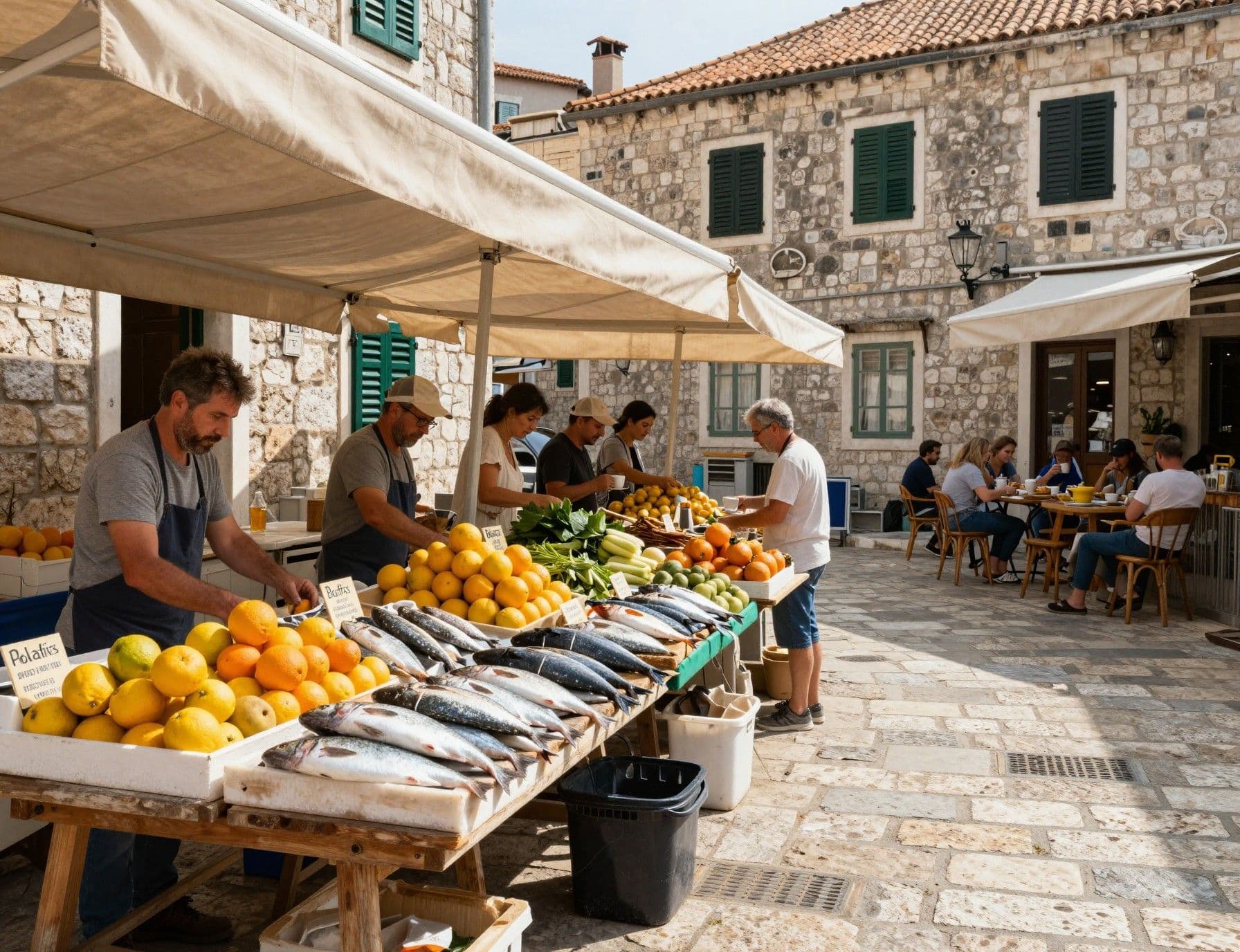
Croatia’s daily rhythms vary by place: in Zagreb mornings begin with short, strong espresso near Ilica, while along the Dalmatian coast mornings mean fishermen arranging catch at local markets and bakers sliding soparnik into ovens. Towns such as Split’s Veli Varos or Dubrovnik’s Ploče feel like living museums, where narrow streets and stone steps determine how homes are used. On islands — Brač, Korčula, Vis — life shifts to outdoor terraces and cistern collection, influencing everything from plumbing choices to the need for wind-resistant shutters. These differences shape the practical questions insurers will ask and the types of cover you should consider.
Dalmatian coast: sea air, salt, and maintenance
On the Adriatic, the aesthetic of white stone and shuttered windows hides corrosive realities: salt accelerates metal decay, sea-spray penetrates joints, and maintenance cycles shorten. Coastal properties command premium prices and interest from overseas buyers — average asking prices recently rose materially — but the total cost of ownership must include tailored insurance and scheduled restoration. Insurers often require documented maintenance histories for coastal risks; absence of such records can elevate premiums or produce exclusions. In short, the romance of sea-view terraces must be married to a maintenance and protection plan.
Inland and Zagreb: different exposures, different policies
Zagreb and continental regions face other priorities: flood pockets, winter freeze damage, and seismic considerations in parts of the interior. Where the urban fabric includes historic masonry or listed façades, insurers will expect clarity on restoration methods and materials. Recent market data shows strong price momentum across regions, which increases the replacement cost insurers use to calculate cover limits. Taking the time to align a property's market value with insurer valuations reduces the risk of underinsurance at claim time.
Making the move: practical insurance & protection that preserves the life you imagined
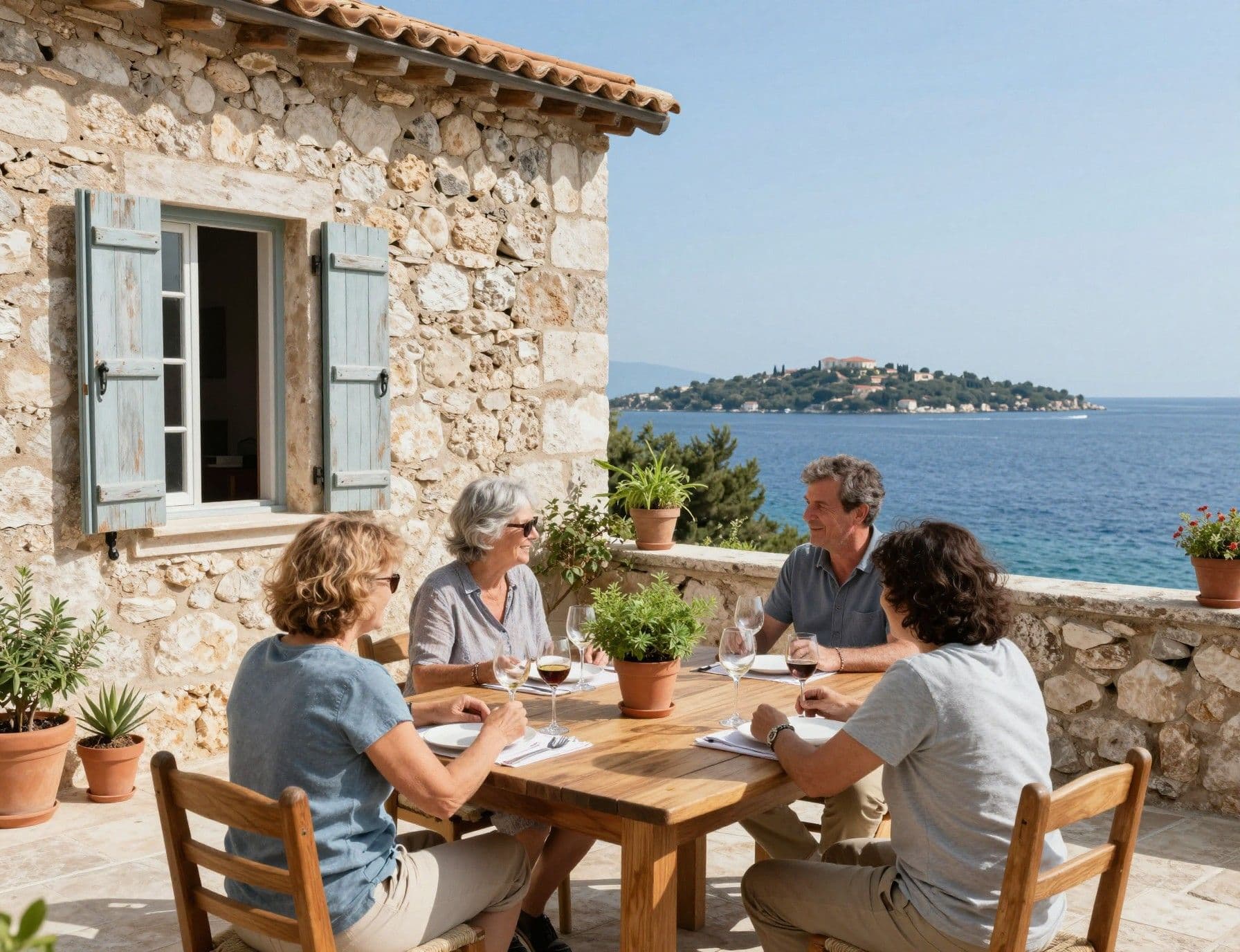
A property purchase in Croatia feels like an invitation to a different tempo; it should also prompt a disciplined protection plan. Before signing a preliminary contract, request a current insurance file from the seller: existing policies, claims history and any outstanding exclusions. International buyers should verify whether insurers accept foreign policyholders and what documentation — proof of residency or a Croatian bank account — they require. Early clarity avoids rushed cover decisions that leave gaps when seasons turn.
What to insure and what to negotiate
Core covers you should prioritise include fire and water damage, liability, theft, and — where relevant — flood and earthquake. Many Croatian insurers provide packaged policies (domos/moj dom) that bundle common perils and offer replacement-cost settlement for household contents. Pay attention to caps and deductibles for natural catastrophes: earthquake cover frequently carries higher deductibles and conditions tied to seismic registration. If you intend to short-let, secure explicit host or landlord liability and contents cover; standard home policies often exclude commercial letting activity.
A step-by-step protection checklist
1. Obtain a professional valuation and compare it with insurer replacement estimates to avoid underinsurance. 2. Request the seller’s claims history and maintenance records; include these in negotiations as leverage to secure better terms. 3. Insist on written confirmation of cover for seasonal factors (flood, storm, freeze) and for any short‑let activity you plan. 4. Confirm the policy’s exclusions and deductibles for seismic events and clarify the claims process in English or via an authorised translator. 5. Pre-arrange a local representative (lawyer or property manager) to handle claims and communications while you are abroad.
Insider knowledge: myths, red flags and local tradecraft
Two myths recur among overseas buyers: first, that a standard EU policy automatically covers all natural perils; second, that higher market prices mean comprehensive cover is automatic. In Croatia, standalone catastrophe products are limited and earthquake cover often has specific triggering conditions. Moreover, rapid price growth in recent years has widened the gap between market value and sum insured, increasing underinsurance risk. Treat insurers’ domestic experience as an asset: ask them for local claims examples to understand how policies behave in practice.
Red flags to avoid
Seller cannot produce a current policy or claims history
Policy excludes seasonal letting or requires prior notification for short lets
Replacement-cost estimate is significantly lower than recent market valuations
Working with local experts who preserve lifestyle
Engage a local lawyer experienced in property transfers and an insurance broker who understands regional risk profiles. A broker can translate local policy language, source earthquake or flood endorsements where available, and coordinate with restorers who meet insurer repair standards. Choose a property manager familiar with seasonal occupancy patterns; preventive actions — winterising plumbing, securing shutters before storm season, checking cisterns — materially reduce claim frequency and preserve the patina that drew you to the house. These professionals do more than transact: they steward the life you pictured in those opening scenes.
Conclusion: live the life, insure the life Croatia offers a particular kind of living: tactile, place-bound and quietly refined. If you want that life to endure, treat insurance and protection as part of design and maintenance rather than as an afterthought. Start the conversation early — valuation, seller records, bespoke endorsements, and a local stewardship team — and you keep the pleasures (sea view dinners, market mornings, stone courtyards) while removing the financial surprises. When protection is planned with the same care as a restoration, the country’s light keeps working in your favour.
Former Copenhagen architect who relocated to Provence, offering relocation services, market analysis, and a curator’s eye for authentic regional design.