How France’s Lifestyle Choices Quietly Change Your Taxes
How France’s lifestyle choices — from market mornings to short‑let decisions — quietly change tax outcomes; practical steps and official sources to plan with confidence.
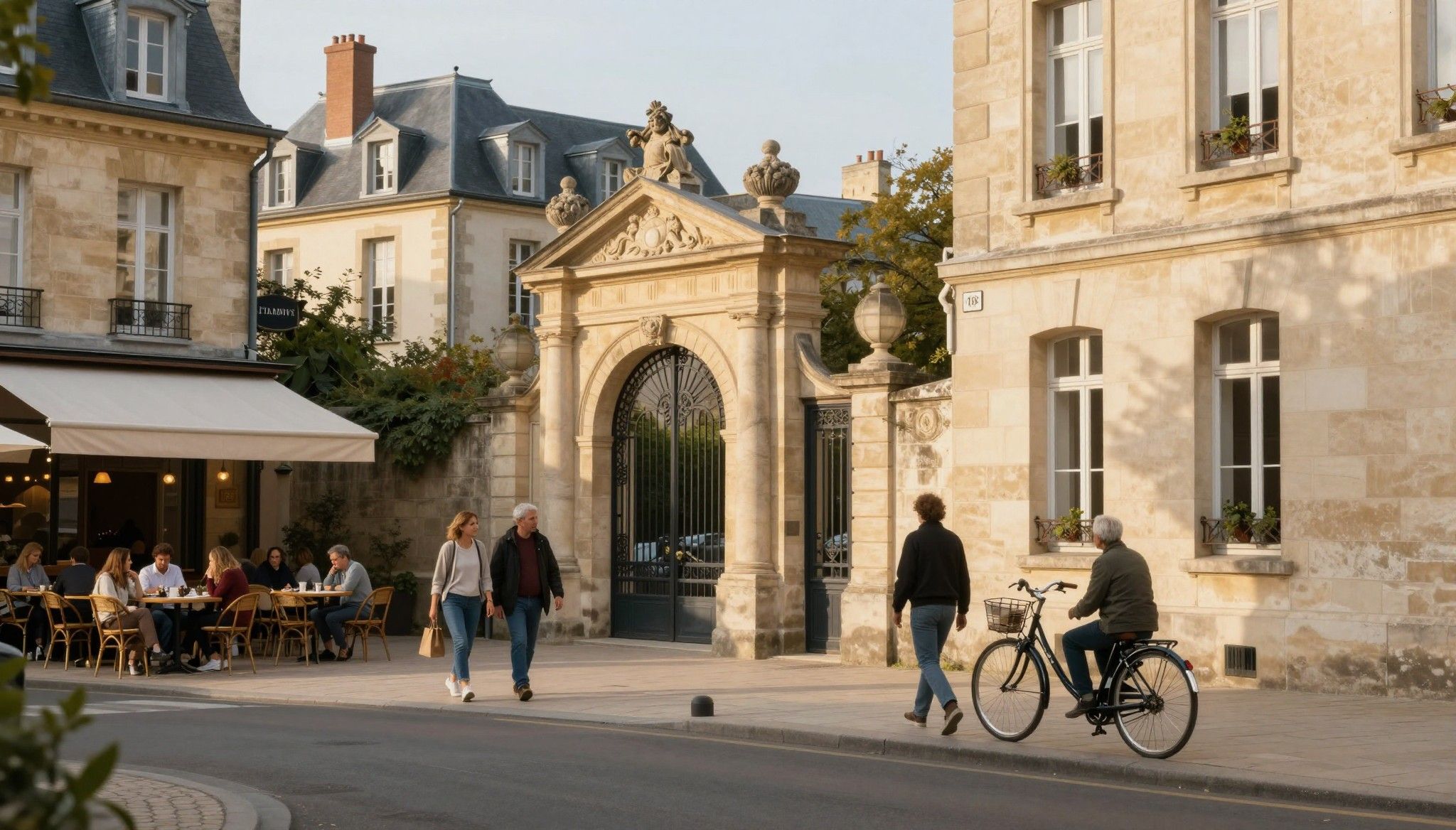
Imagine arriving at a small bar on rue des Trois Frères in Montmartre as the morning light softens the stone façades. An espresso, a landlord who always smiles, and the feeling that this corner of Paris has held the same rhythm for generations. That afternoon you step into a second‑floor apartment whose moulded ceilings and sash windows promise a life arranged around cafes, galleries and the slow choreography of the marché du dimanche. Yet the romance of place brings practical questions: how will holding this house change your taxes, your estate plans, and the cost of living here?
Living France: the day that shapes your investment

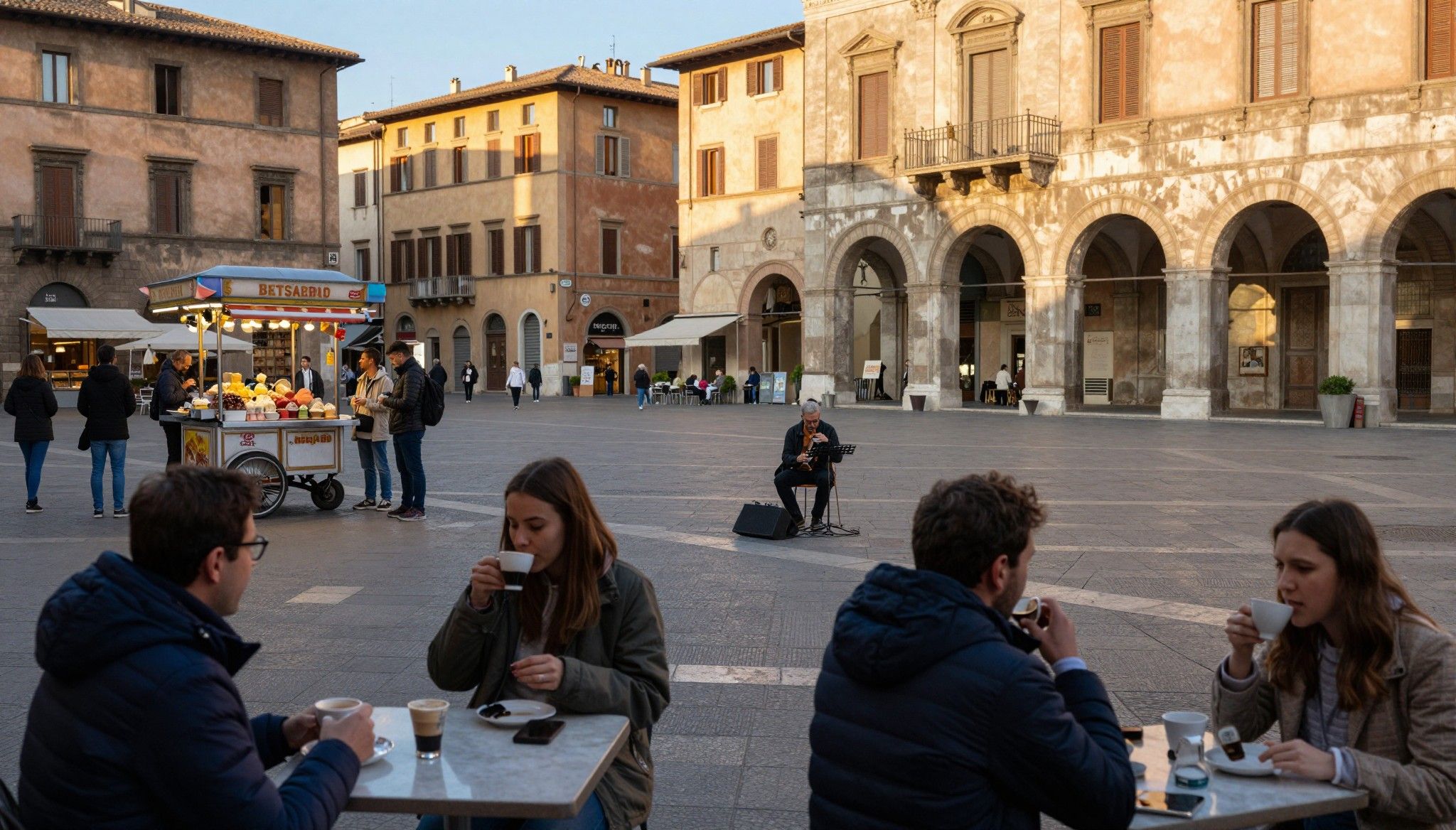
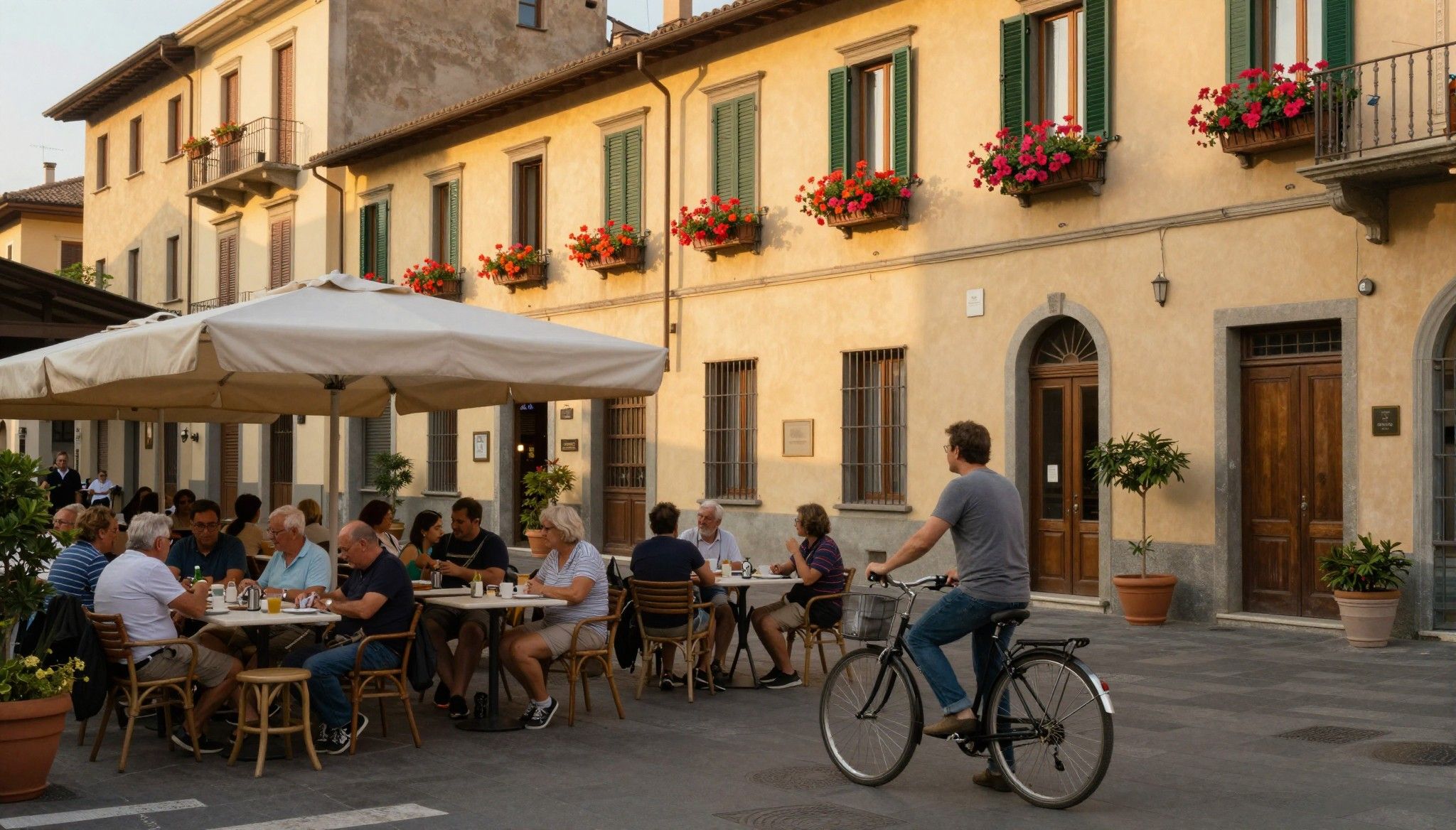
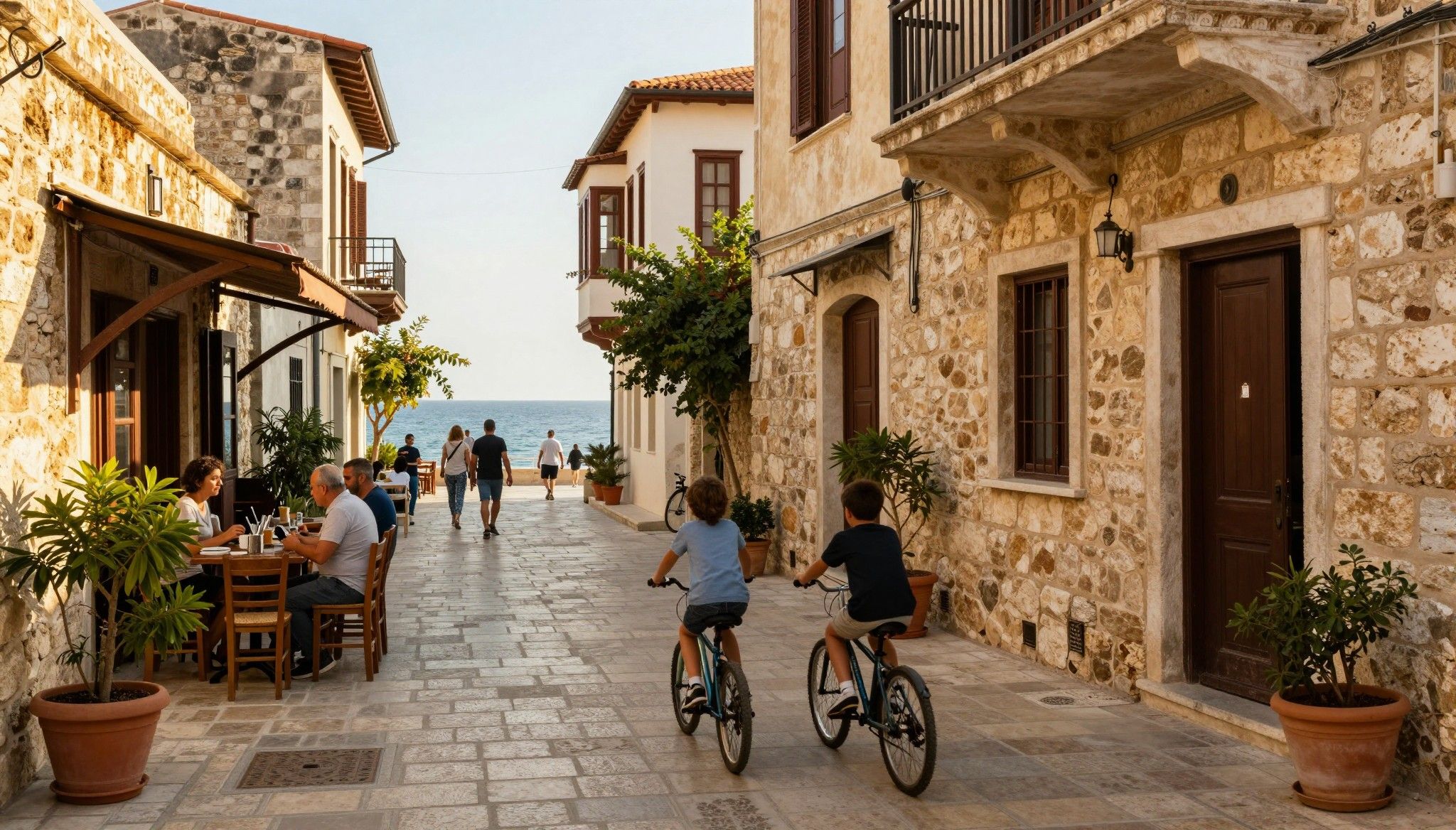
Life in France is arranged around daylight and table culture: morning markets, late lunches and relaxed evenings. Whether you choose the sea air of Cassis, the lavender fields of Provence, or an apartment on Rue Saint‑Honoré, the rhythms shape which property type suits you — and they also affect tax treatment. France taxes real estate tightly; capital gains, local property taxes and rental income rules are anchored to where a property sits and how you use it. Understanding those distinctions early saves both money and regret.
Neighbourhoods that explain lifestyle choices
Selecting a neighbourhood is a lifestyle decision before it is an investment. In Bordeaux’s Chartrons, mornings belong to antique sellers and vine merchants; in Nice’s Vieux‑Nice the alleys smell of socca and citrus; in Lyon’s Croix‑Rousse you glimpse the city’s silkier past in courtyard workshops. Each microclimate determines whether you want a compact pied‑à‑terre, a gardened maison de maître, or a small vineyard outside town — and those choices change tax exposures such as local taxes (taxe foncière) and the practicalities of letting.
Markets are seasonal: in summer the Riviera hums and short‑term rents soar, while winter reveals the steady heartbeat of local neighbourhood life. Short‑term letting attracts different local levies and sometimes municipal majorations for second homes; long‑term residency alters which local charges you personally bear. Learn local municipal policies before you buy — they vary and they matter for cashflow and lifestyle planning.
- Lifestyle highlights that also shape taxes and costs: • Morning marché at Marché d’Aligre (Paris) for fresh provision and neighbourly exchange • Aperitif terraces on Cours Mirabeau (Aix‑en‑Provence) that illustrate outdoor living • Coastal walking and small harbours in Le Lavandou — seasonal rental demand indicator • Sainte‑Maxime’s calm winter streets — useful for assessing true year‑round life
Making the move: laws and taxes that quietly decide value

The practicalities of buying in France sit close to these lifestyle choices. Capital gains tax on property sales is applied with specific allowances for length of ownership and exemptions for principal residences; non‑residents are taxable on gains for property located in France and must follow formal filing and withholding procedures. Notaires routinely withhold the tax at sale, so sellers often discover the bill at closing if not prepared. Good advisors make this transparent before you sign.
Property types and how they alter the tax story
A restored hôtel particulier and a modern duplex occupy different tax worlds. Historic properties often carry higher maintenance costs and eligibility for heritage grants; rural agricultural holdings can trigger different VAT or agricultural tax rules. Furnished short‑let (meublé) income is taxed differently from long‑term rental — sometimes with advantageous micro‑BIC allowances — but requires correct registration with local authorities. Choose the property form that suits how you intend to live there, not how you hope to account for it later.
- Steps to marry lifestyle and fiscal sense when buying in France: 1. Map the daily life you want (markets, commute, schools) and shortlist neighbourhoods. 2. Ask for recent utility, tax and maintenance bills to understand recurring costs. 3. Have an independent French tax adviser model capital gains, local taxes and rental income scenarios. 4. Confirm municipal rules for second‑homes and short‑term letting with the mairie. 5. Factor notaire fees, registration taxes and any renovation VAT differentials into your purchase budget.
Insider knowledge: what expats often wish they had known
Expats tell two stories: one of joy and one of overlooked paperwork. The joy is simple — local friendships, a weekly fromagerie run, the quiet pride of a restored stone stair. The paperwork is less romantic: annual déclaration obligations on French‑source income, potential social charges on investment income, and the need for a tax representative in some transactions. Early planning reduces friction; late discovery of a municipal surtax or a capital gains withholding can sour an otherwise perfect purchase.
Cultural and administrative realities that change where you buy
French administration rewards precision. Timely registration of a property, correct declaration of furnished lets, and respect for local building rules (permis de construire and déclaration préalable) avoid fines and delays. The best local agencies act as cultural translators — they introduce you to the right notaire, an English‑speaking fiscalist, and a builder who understands heritage finishes. That network preserves both lifestyle and value.
Conclusion: the life you imagine in France need not be at odds with prudent tax planning. Begin with a clear picture of daily life — the streets you want to walk, the markets you want to attend, the neighbours you want to know — then layer in fiscal advice that respects those choices. With the right local team you keep the romance and remove the surprises; Villa Curated’s partner specialists can introduce notaires and tax advisers who speak both your language and the language of the place.
Norwegian with years in Florence guiding clients across borders. I bridge Oslo and Tuscany, focusing on legal navigation, cultural context, and enduring craftsmanship.