Riviera vs Rural: A French Tax‑Driven Trade‑Off
A lifestyle‑first look at how French taxes — IFI, taxe foncière, notary and capital gains rules — reshape where and how international buyers should buy in France.

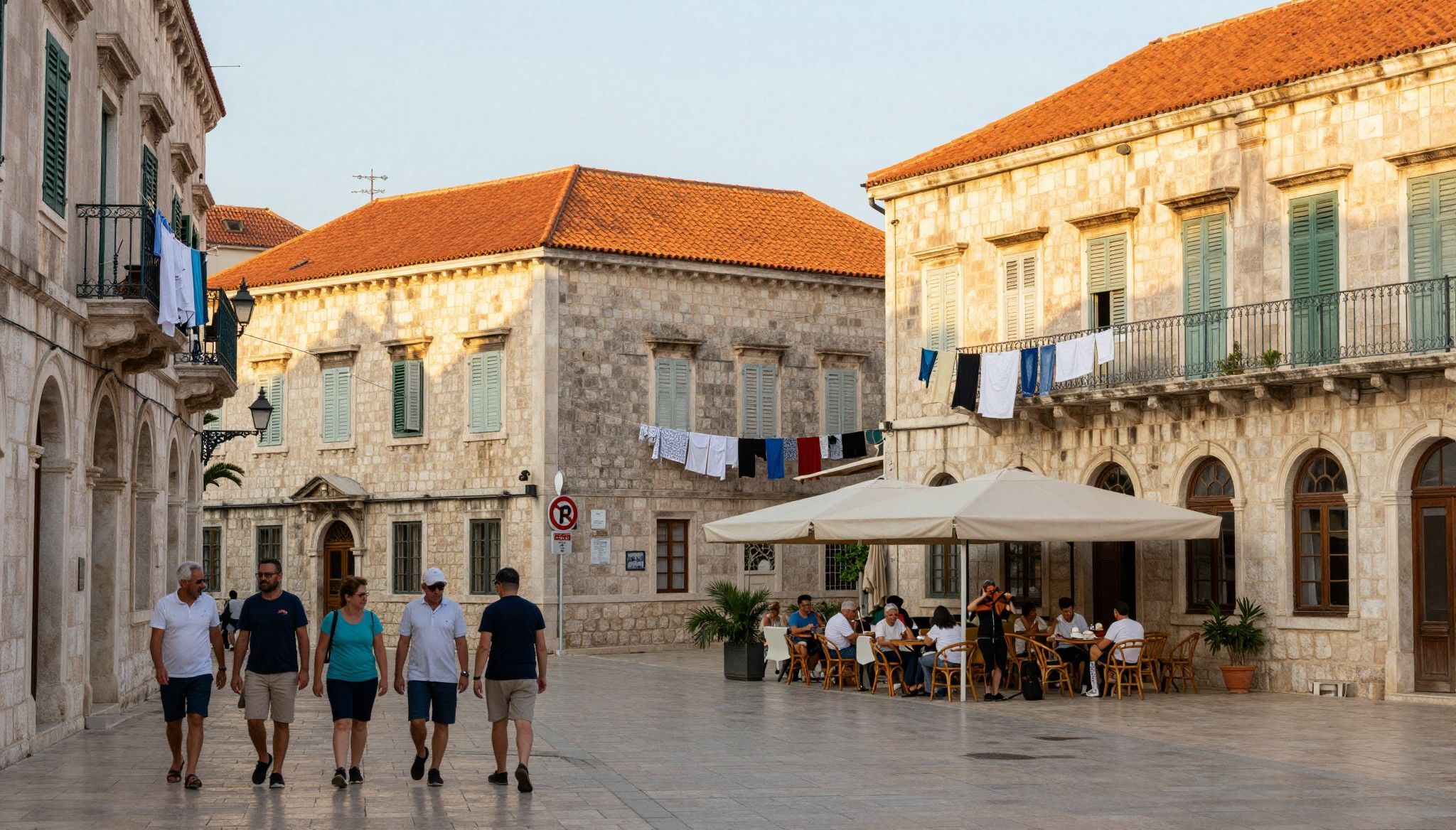
Imagine waking each morning to a boulangerie queue on Rue des Rosiers in Paris or to lavender-scented lanes in Provence — both promise a French life, but they do not promise the same tax story. Recent guidance from impots.gouv.fr shows how résidence, property type and declared value can reshape costs dramatically for non‑resident owners in France.
Living the French life — and why taxes change the view
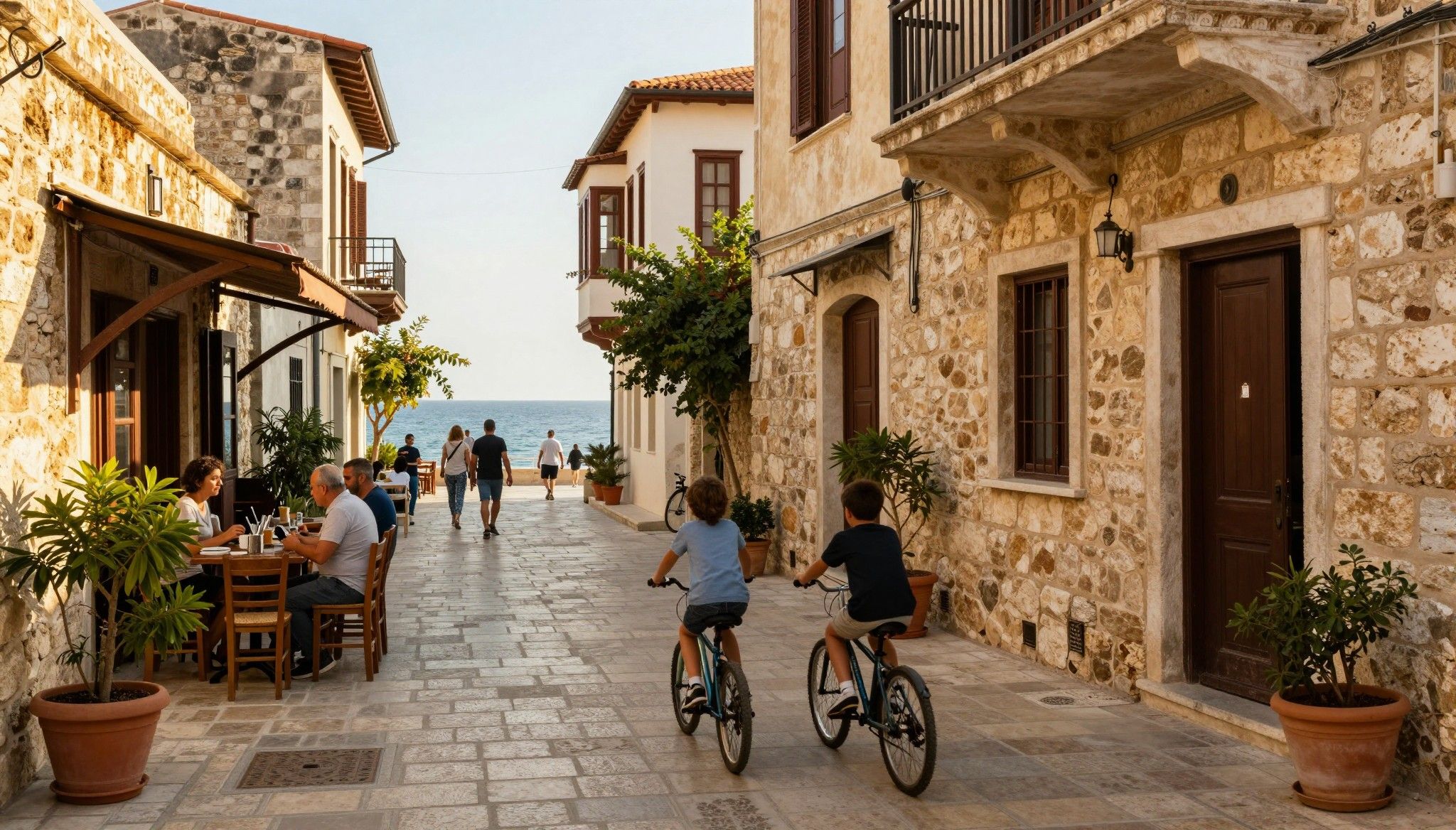
France feels like layered time: vaulted cafés where newsprint and espresso meet, village markets where the farmer knows your name, coastlines where the light clarifies every stone. But lifestyle choices — whether you favour a narrow apartment on Île Saint‑Louis or a manor near Sarlat — carry different fiscal implications. Location affects local taxes, notary costs, and the likelihood of falling under the Impôt sur la Fortune Immobilière (IFI).
Paris and the Riviera: bright light, heavier ledger
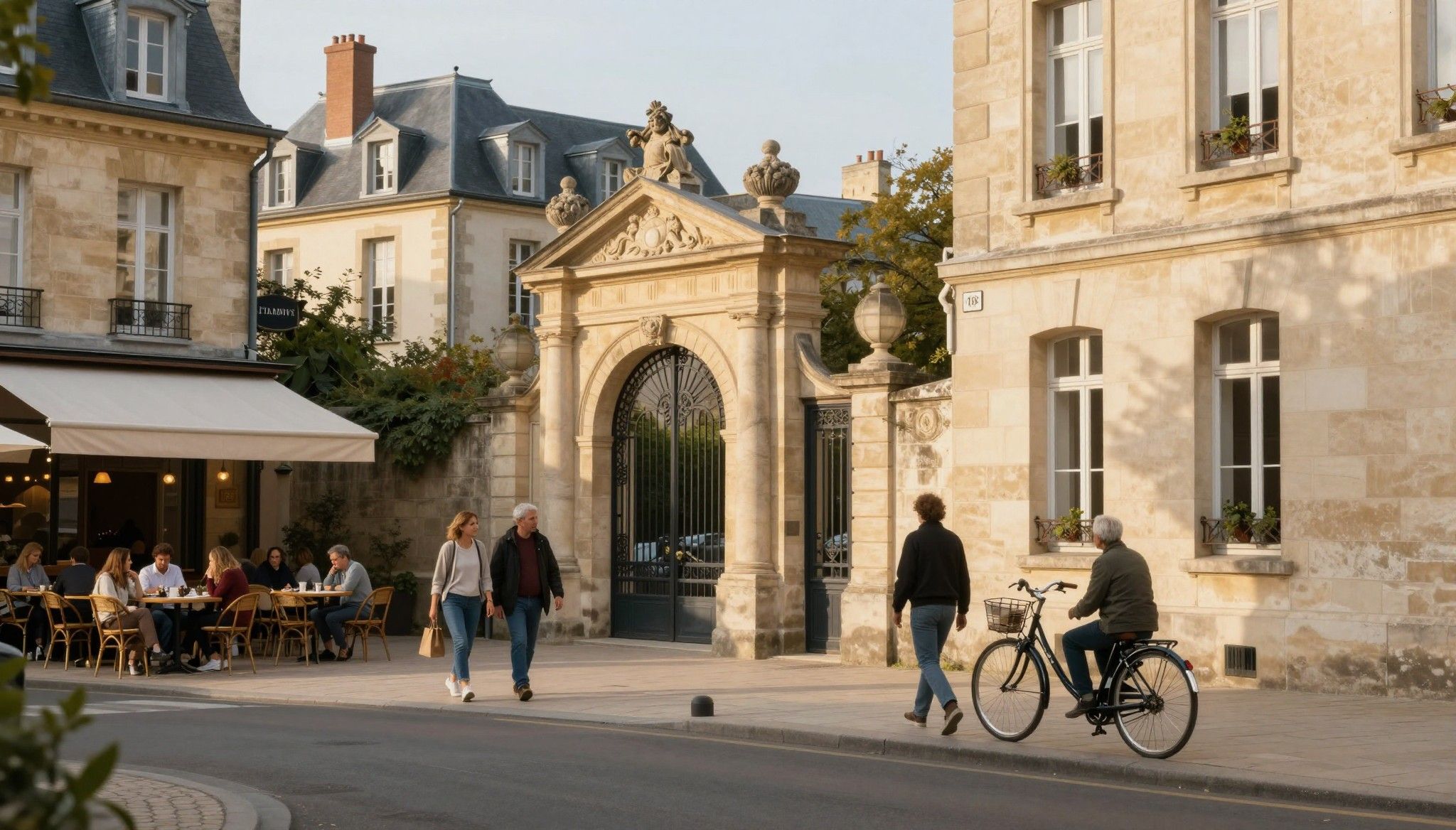
A pied‑à‑terre in the 6th arrondissement or a villa on the Riviera grants immediate access to cultural life and discreet services, but carries predictable purchase surcharges: higher notary/transfer taxes in older central stock and municipal tax bases that lift taxe foncière. Notaires de France summarise acquisition costs and the components buyers should expect when purchasing central or seaside properties.
Countryside and small towns: quiet life, different tax logic
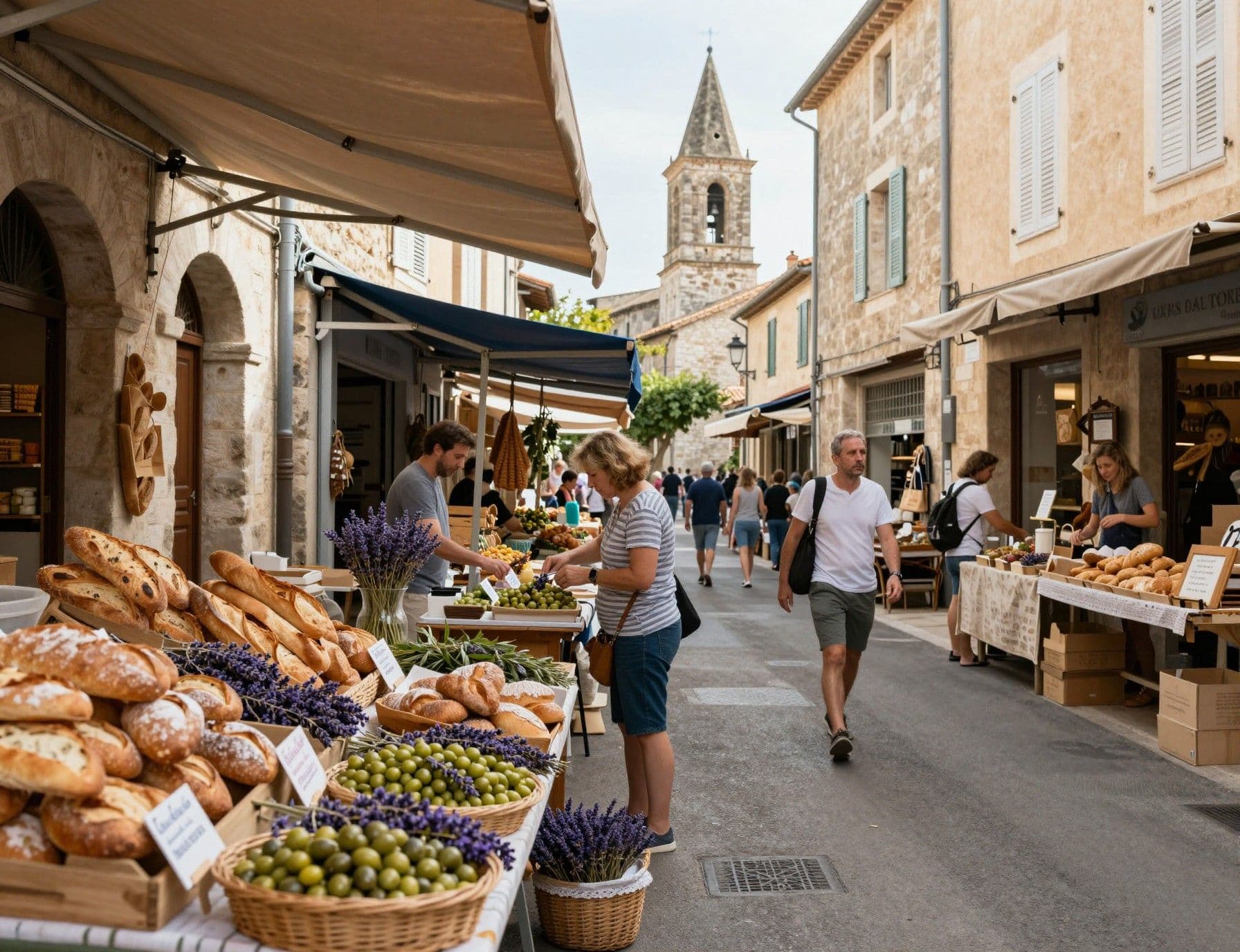
A Provençal farmhouse or a golden‑stone manor in Dordogne usually sits in municipal tax regimes with different rate bases; taxe foncière is calculated from the cadastral rental value and local rates, so rural properties can sometimes be materially cheaper to hold year‑to‑year than centrally located urban homes.
- Lifestyle highlights to weigh alongside tax realities
- Rue Cler market stroll and morning coffee in the 7th — walkability with higher municipal services and associated levies
- Provençal village festival in August and expansive terraces — lower local rates but potential higher maintenance and seasonal utility costs
Making the move: tax choices that shape where you live
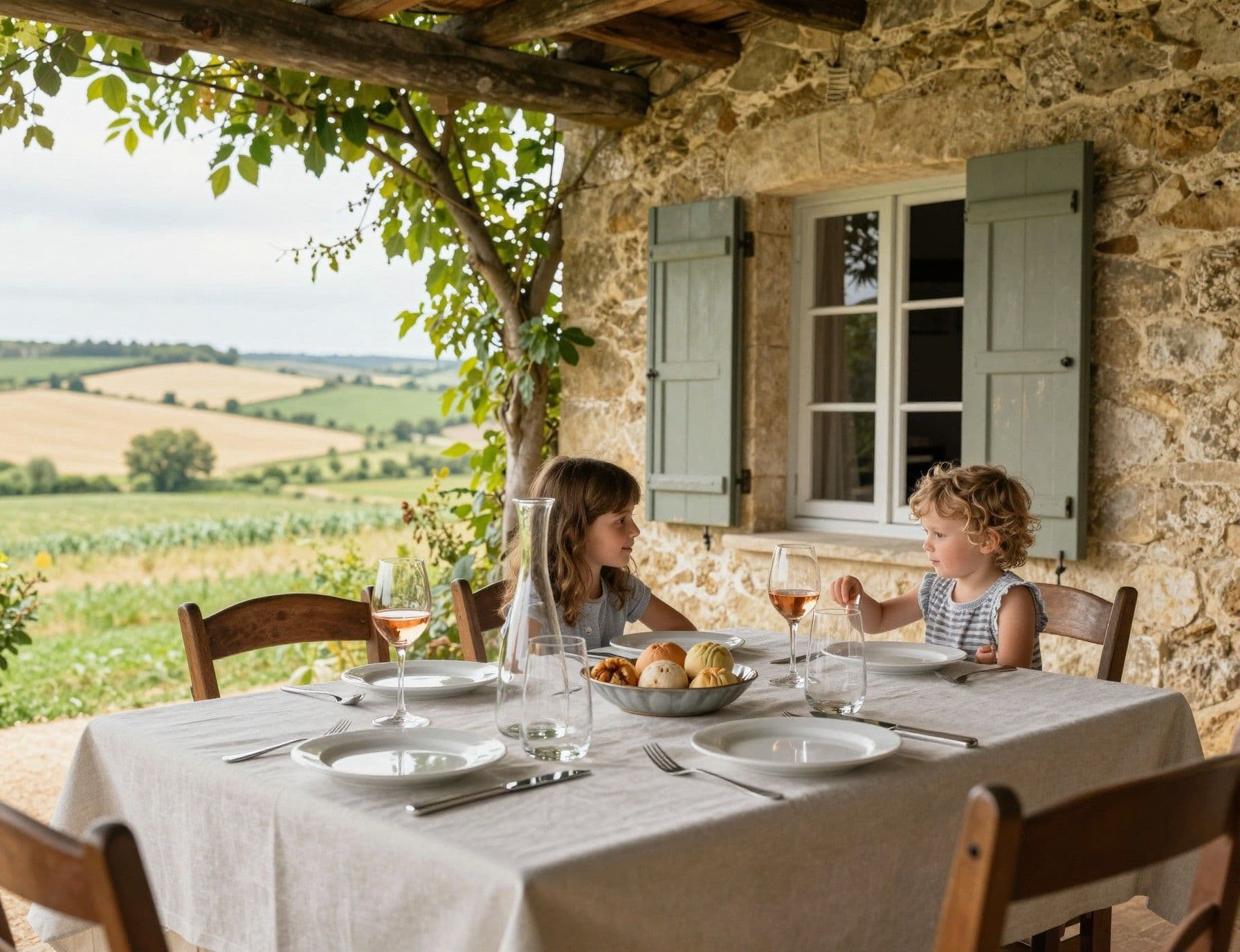
Once the romance of place settles into plans, practical tax decisions govern viability. Three issues repeatedly alter final cost: purchase (notary and transfer duties), ownership (taxe foncière and IFI exposure) and disposal (capital gains for non‑residents). Knowing which costs matter most for the neighbourhood you covet changes the sensible choice of property.
Capital gains and resale timing
For non‑residents, capital gains on French property are subject to specific taxation and relief schedules; long ownership can reduce tax through tapering allowances, and main‑residence exemptions are tightly defined. Plan the exit before purchase: estimate holding periods and likely net proceeds rather than relying on headline appreciation.
Property styles and how they influence tax planning
Stone village houses, bourgeois town flats, and contemporary coastal villas each bring different valuation methods and deductible costs (renovation allowances, professional letting deductions). A thoughtfully restored 18th‑century farmhouse may qualify for different allowances than a recent new build, affecting annual tax burdens and IFI calculations.
- Steps to blend lifestyle intent with tax efficiency
- Define how you will use the home (primary, occasional, long‑let) — this determines income tax treatment, local occupancy declarations and capital gains relief eligibility.
- Obtain a notaire’s preliminary breakdown — not only purchase costs but likely future transfer duties and the tax base used for local taxes.
- Model holding costs: combine taxe foncière estimates, utilities, maintenance and potential IFI exposure if your French property holdings approach the €1.3m threshold.
Insider knowledge: what expats wish they’d known about French taxes
Expat experience is rarely about one big mistake and more often about an accumulation of small oversights: failing to anticipate municipal revalorisation of taxe foncière, underestimating notary‑linked registration duties, or overlooking how an unexpected rental season creates a taxable revenue stream. The IFI threshold — currently set at €1.3m for taxable net property wealth — is also a decisive factor for buyers of multiple French properties.
Language, local practice and the administration
Documents, declarations and timing matter. French administration expects accuracy: occupancy declarations, timely tax account creation on impots.gouv.fr, and full disclosure of rental income where relevant. Working with a bilingual tax adviser and a notaire who understands cross‑border residency will save time and avoid surprises.
Long‑term lifestyle stewardship
Think beyond the house to the neighbourhood: school choices, transport links and local demographic trends influence both your pleasure and the property's resilience. A village that gains artisan life and weekend markets can out‑perform a fashionable coast hamlet whose seasonal economy falters outside summer.
- Red flags and fiscal pitfalls to watch for
- Unclear title histories or complex co‑ownership rules in historic buildings
- Undeclared rental activity prior to purchase which can create retroactive tax liabilities
- Buying at a popular festival moment (eg. Cannes in May) without factoring in inflated service and maintenance costs
Conclusion: choose the life first, then shape the tax plan to suit it. Start with where you wish to spend mornings and evenings — the market, the street, the neighbouring café — and then map the fiscal consequences with a notaire and a specialist tax adviser. That simple inversion — lifestyle first, taxes second — keeps the dream honest while protecting your investment.
Norwegian with years in Florence guiding clients across borders. I bridge Oslo and Tuscany, focusing on legal navigation, cultural context, and enduring craftsmanship.